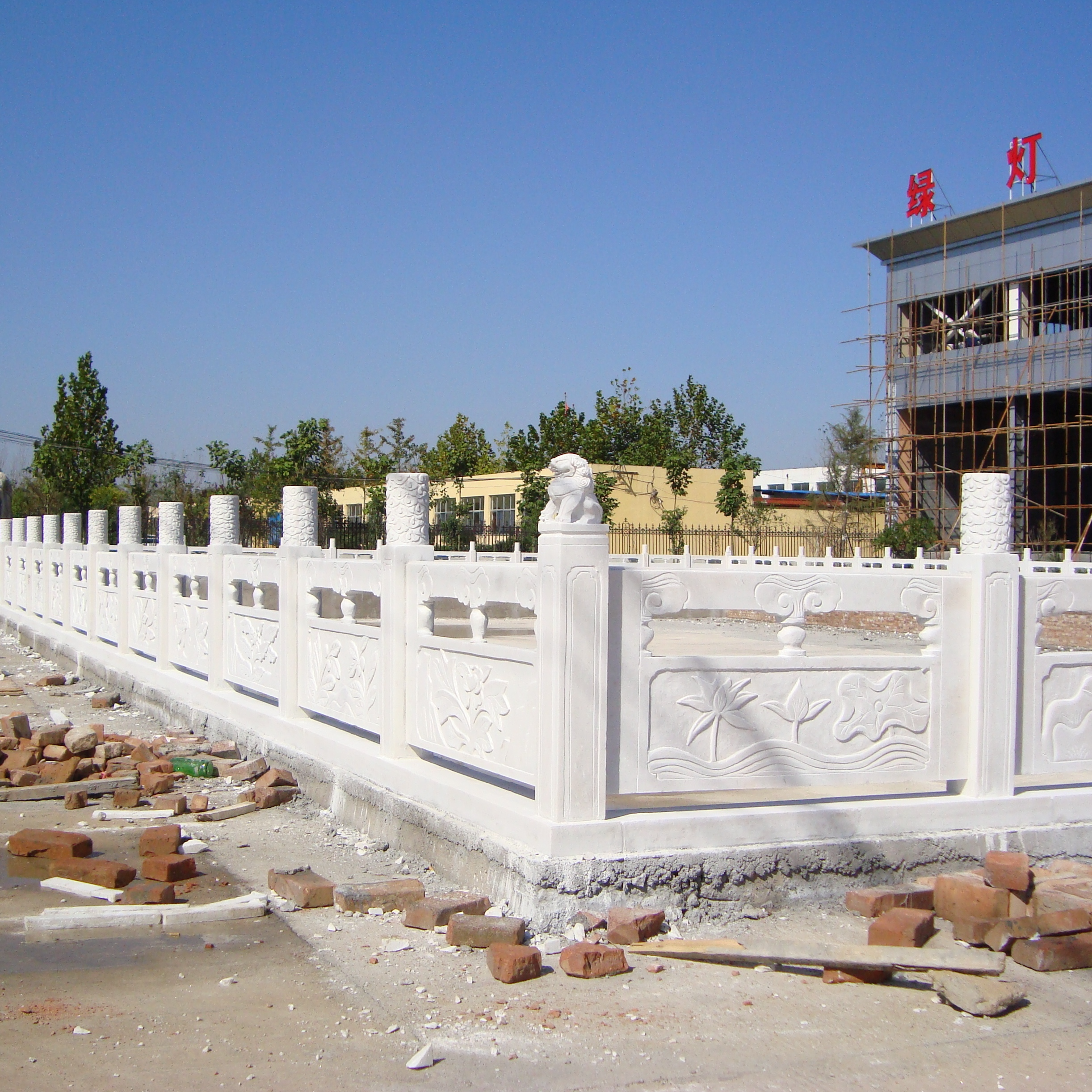

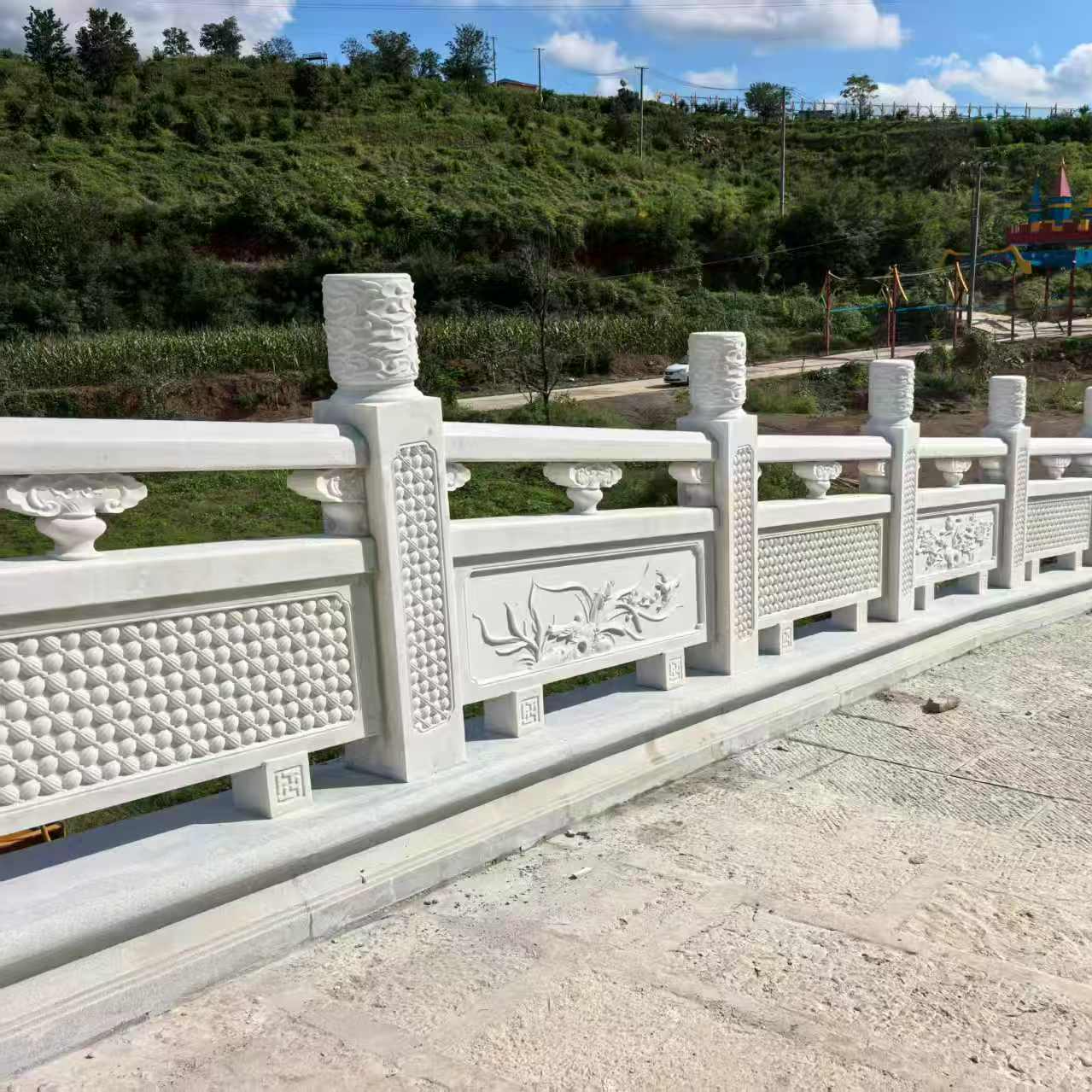





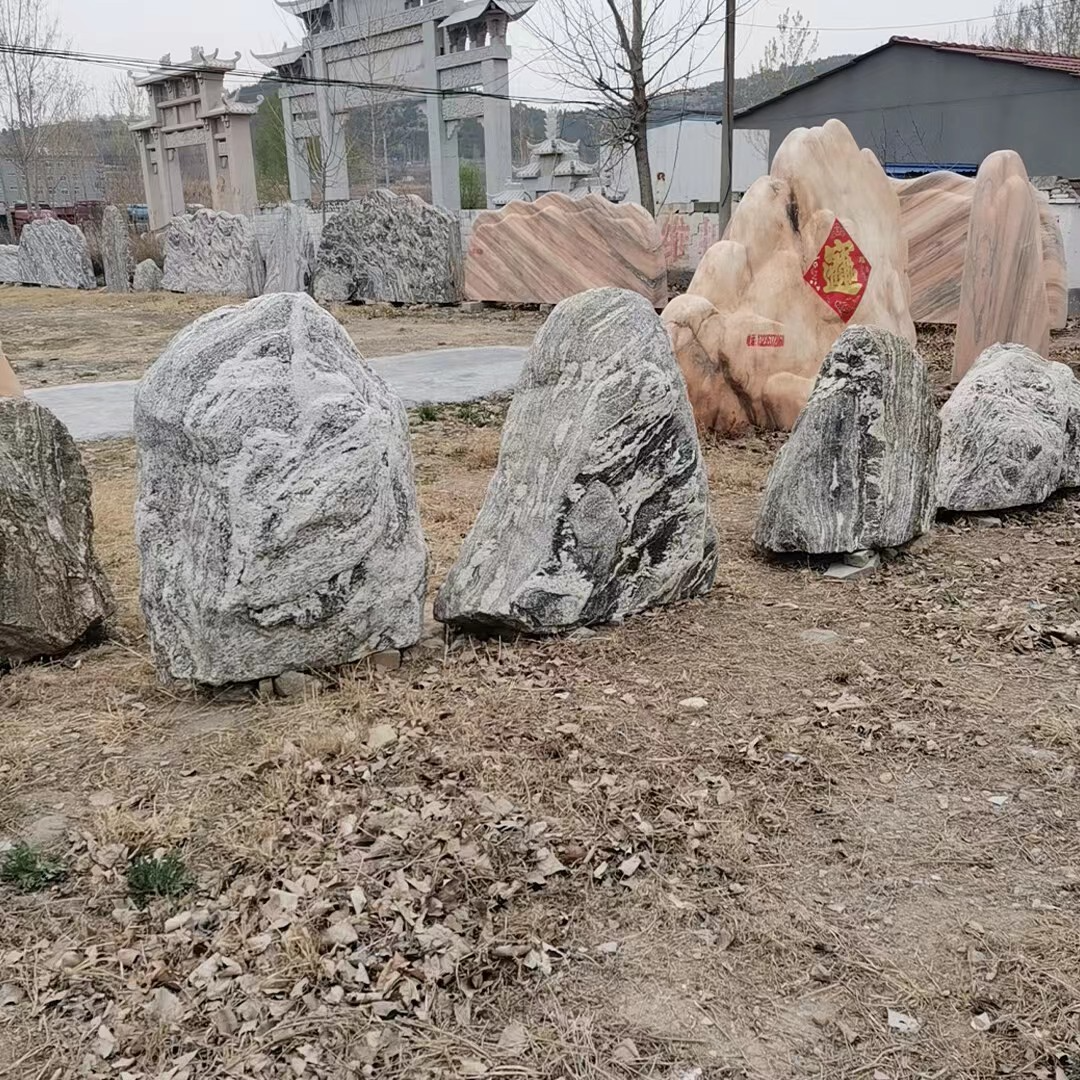

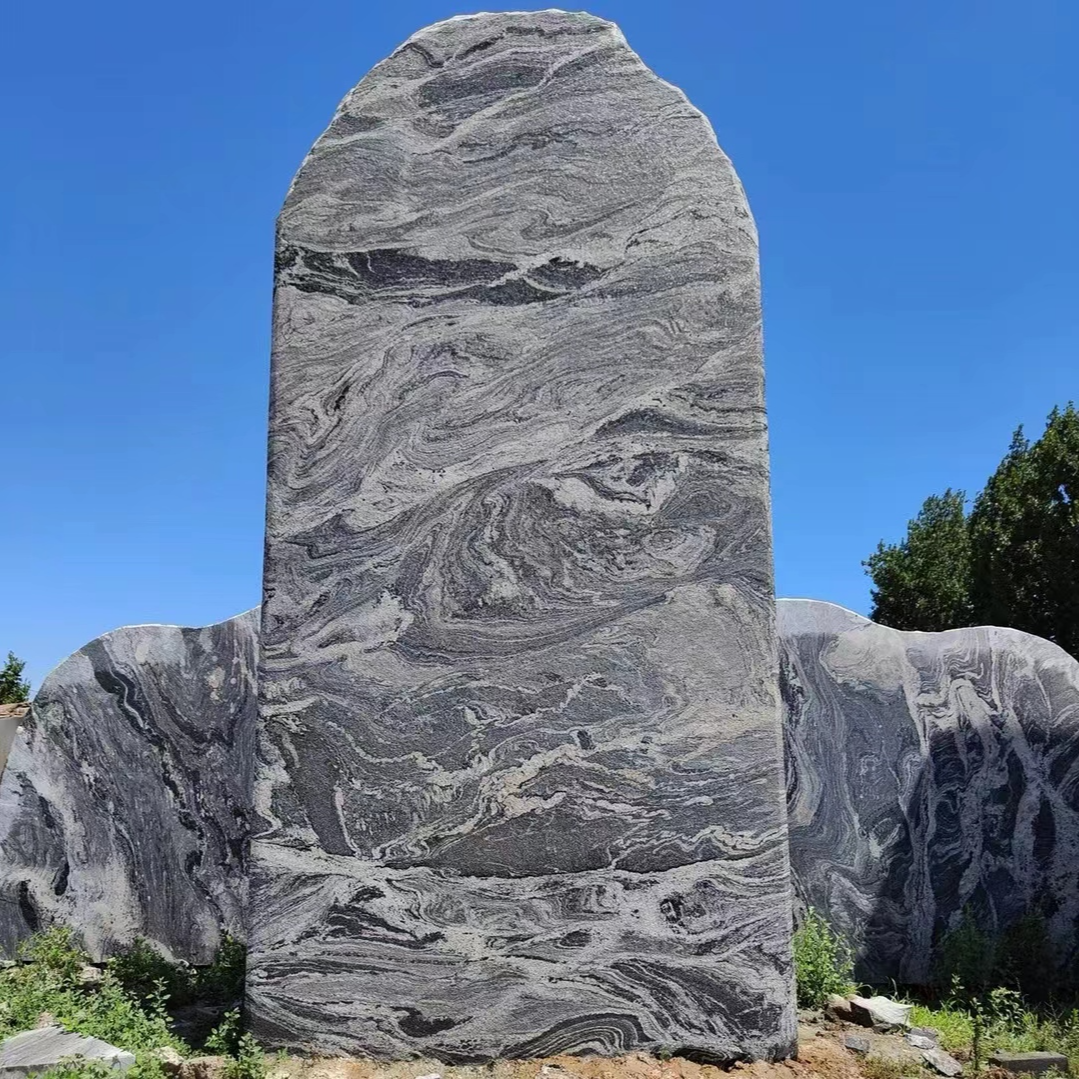






Stone railings are traditional architectural components that blend practicality with cultural charm, embodying the aesthetic genes of Chinese architecture. Commonly adorned with bas-reliefs and line carvings depicting dragons, phoenixes, flowers, birds, landscapes, or auspicious patterns, they skillfully merge carving art with architectural function, showcasing a rustic elegance. In terms of structure and material, they come in various styles like single or double railings, with flexible combinations of components such as balusters, posts, and handrails. Often made from blueschist, granite, and marble, blueschist's durability suits fine carving, granite's resistance to wear and damage fits outdoor environments, and marble's smooth, white texture highlights a premium feel. The manufacturing process involves design planning, stone processing, and assembly, where design considers the application scenario and overall architectural style to determine dimensions and patterns. Stone processing first shapes the pieces and then carves details by hand, while assembly uses mortise and tenon joints or metal reinforcement for stability. Their applications are extensive, including gardenscapes, encircling ponds and pathways, where they separate spaces while enhancing the scenery; in ancient architecture restoration, complementing pavilions, towers, and pavilions to restore historical aesthetics; on bridge sides, ensuring safety and enhancing the bridge's beauty; and as courtyard boundaries, defining areas and creating an elegant atmosphere. Moreover, with the qualities of superior stone and rigorous craftsmanship, stone railings offer advantages like resistance to weathering and erosion, long lifespan, fulfilling the core needs of safety protection, and injecting rich cultural heritage into the environment. They are a classic architectural element that combines traditional aesthetics with practical value.
WeChat Official Account

Scan to follow Official Account