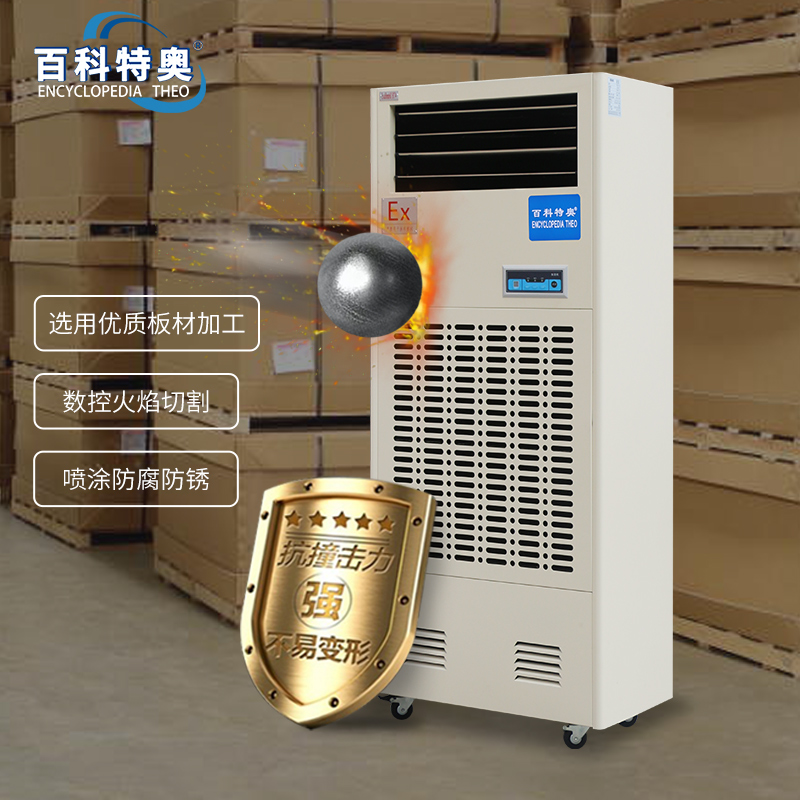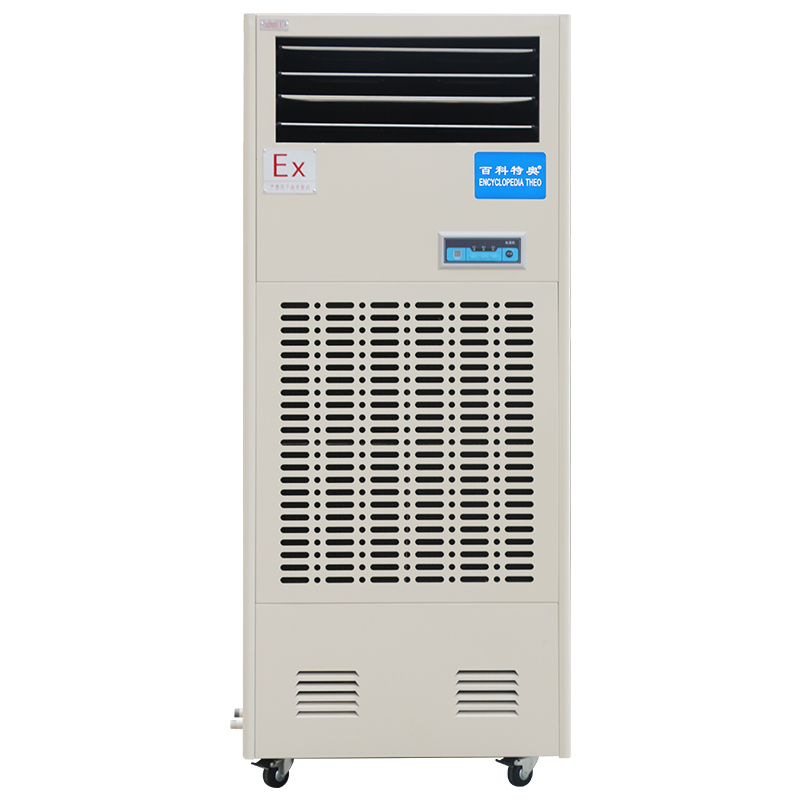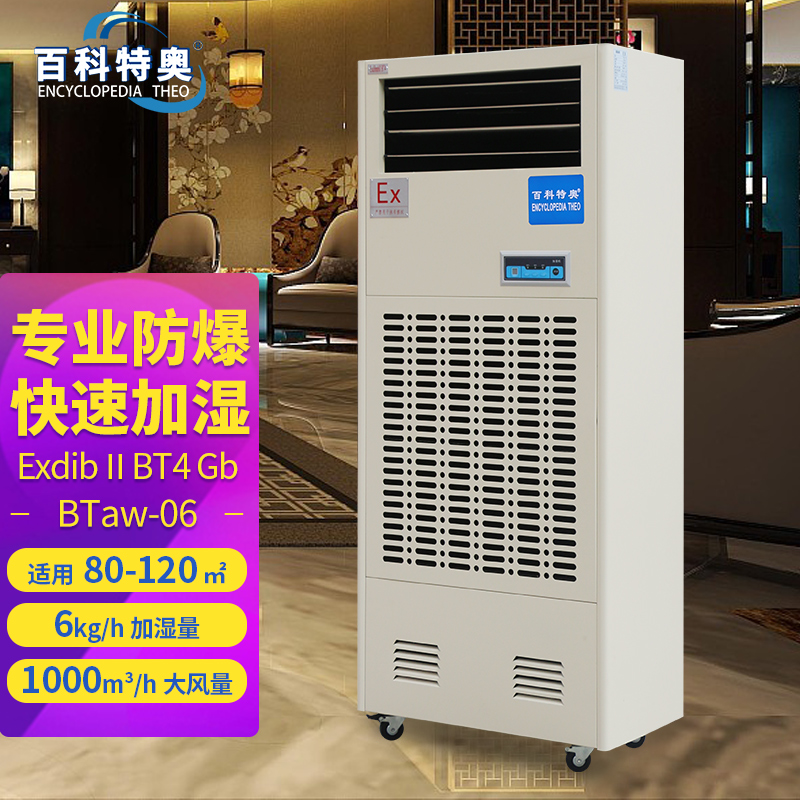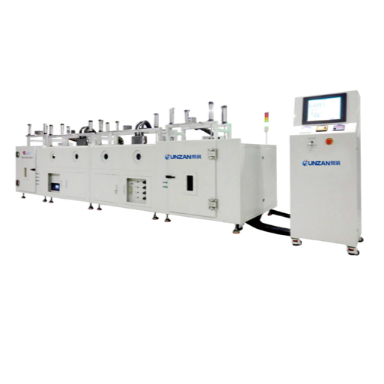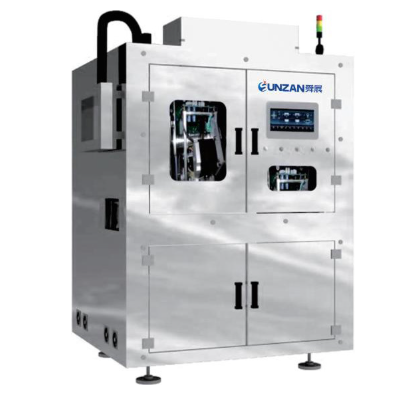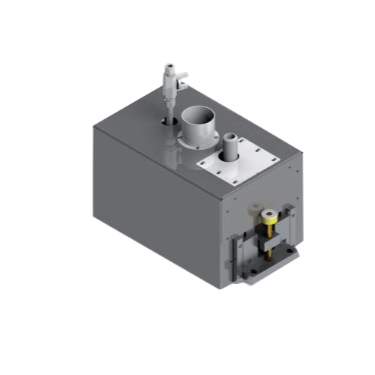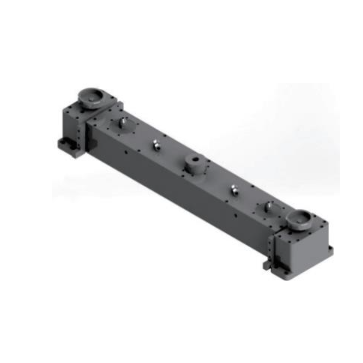








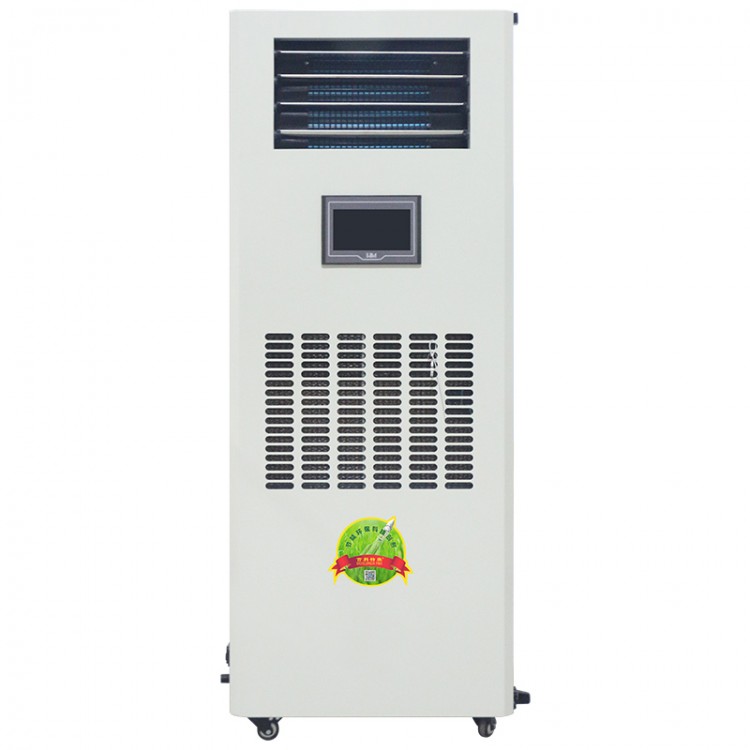


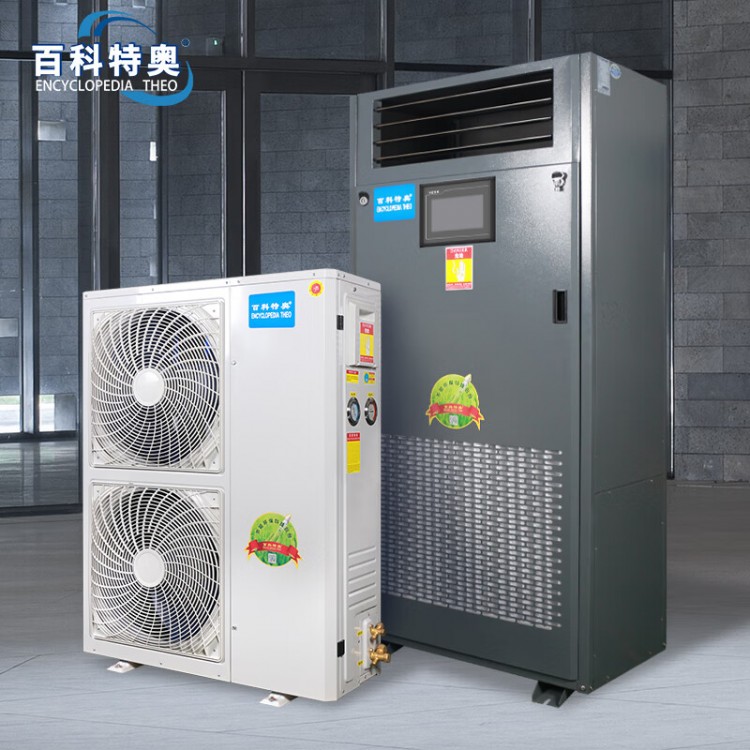

I. Product Principle and General Usage Instructions
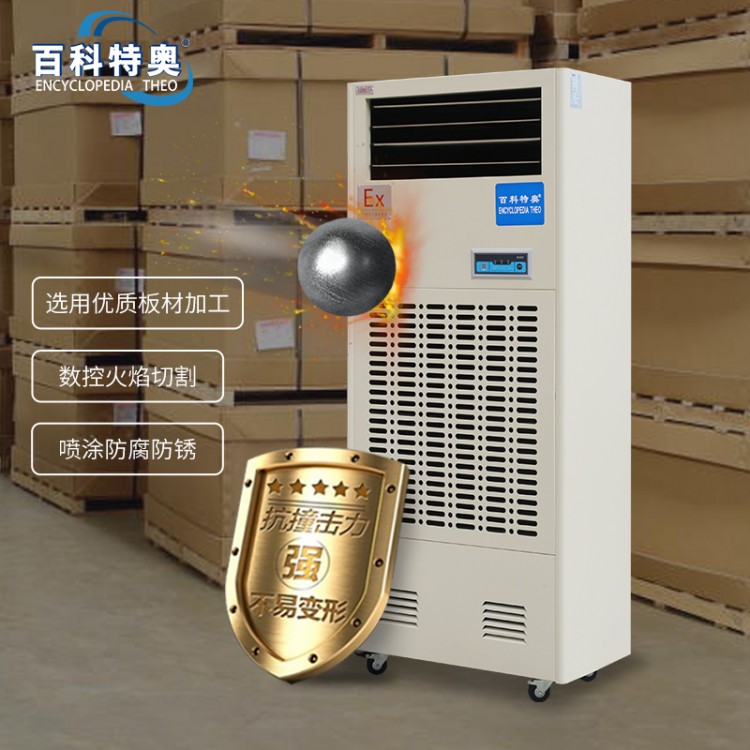
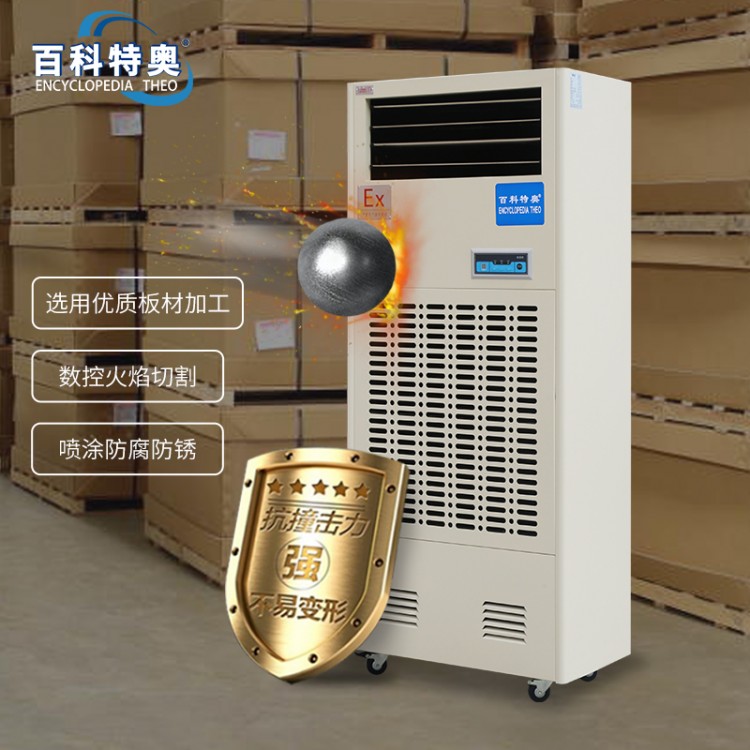
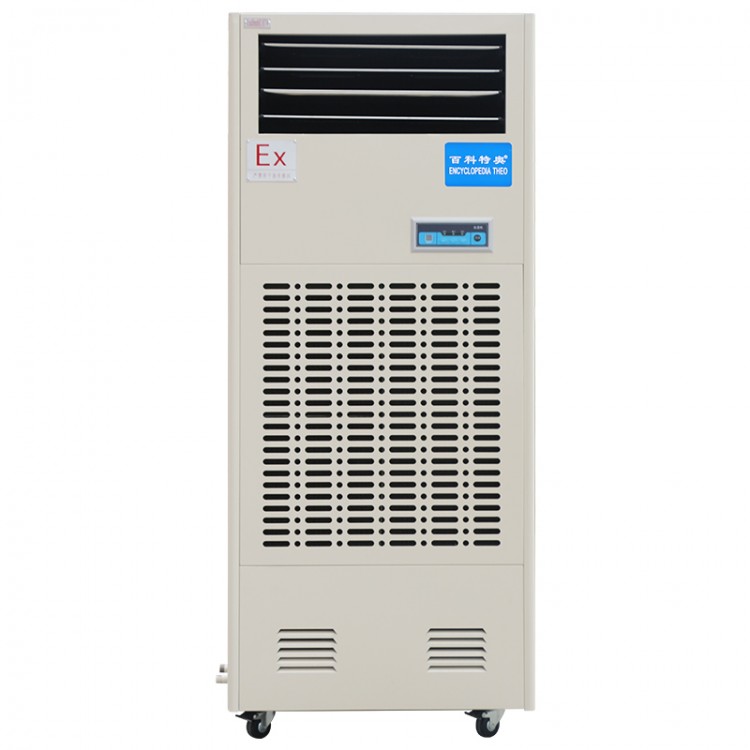
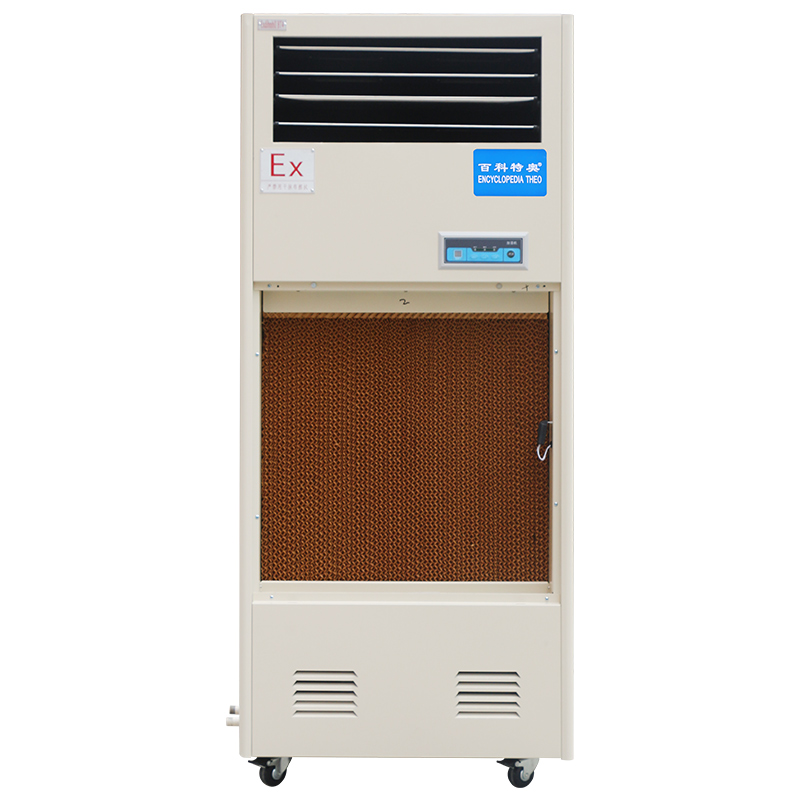
Filtered tap water is controlled by the water valve to enter the humidifier's water tank. An empty tank is expected to fill in 10-15 minutes. Once full, the computer board controls the pump to draw water, which is then transported through pipes to the top of the humidifying membrane. The water is evenly sprayed onto the membrane's top via a water spray system. Under the force of gravity, the water permeates downward along the membrane material, wetting the entire humidifying membrane. It takes approximately 5-10 minutes for the membrane to become fully saturated. Therefore, it's normal for the humidifying effect of a newly purchased humidifier to be insignificant for the first 30 minutes after turning it on. As dry air passes through the moistened humidifying membrane, it comes into contact with a large surface area of water, absorbing a significant amount of naturally evaporated moisture vapor, thereby achieving the humidification goal. The evaporation of water is closely related to temperature. To ensure an effective humidification outcome, supply water to the humidifier at a temperature of 25-40 degrees Celsius, typically no more than 10 degrees higher than the ambient temperature. Water temperatures exceeding the ambient temperature by more than 10 degrees can cause condensation on cold surfaces, such as walls and equipment, which may form water droplets.
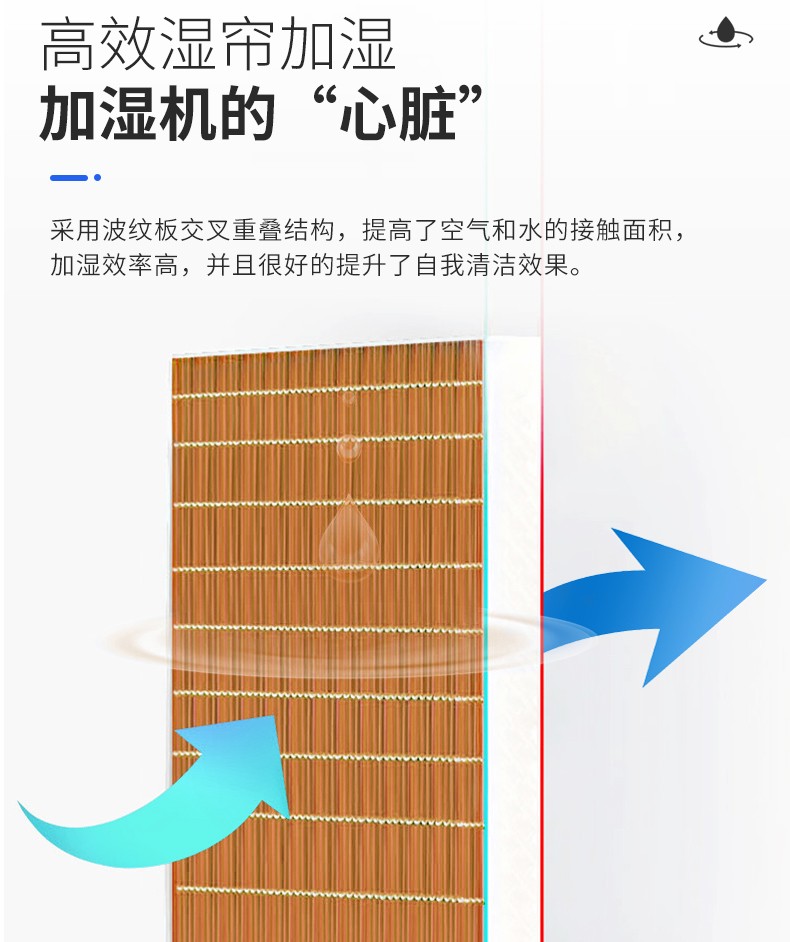
The humidifier series models utilize bio-membrane technology for humidification, taking advantage of water's evaporative properties. Water is continuously transported to the top of the wet membrane through a pump and distributor, and under gravity, it returns to the main water tank to form a circulation. When dry air passes through the wet membrane, it makes full contact with the membrane, causing moisture in the air to evaporate, thereby increasing humidity and achieving the humidification goal.
2. How to Use a Wet Film Humidifier
1. Installation: Mount the wet film humidifier in a suitable indoor location, ensuring good air circulation. Also, make sure there is an adequate water supply and the water quality is good.
2. Calibration: After installation, calibration of the wet film humidifier is required. First, check if all parameters on the control panel are correctly set. Then, turn on the power to start the equipment.
3. Maintenance: During use, regular maintenance and care of the wet film humidifier are required. For instance, regular cleaning of the humidifying membrane and replacement of the filter core, etc., to ensure the normal operation and effectiveness of the equipment.
Section 3: Effect of Wet Film Humidification
1. Increase Indoor Humidity: Humidifier Film can effectively raise the humidity level in indoor air, making it more comfortable. Additionally, increased humidity helps reduce the generation of static electricity and dust.
2. Improve Air Quality: Humidifier Film Misters not only increase humidity but also enhance indoor air quality. Water molecules can absorb and remove harmful substances and odors from the air, thereby improving the quality of indoor air.
3. Energy-saving & Eco-friendly: Compared to other humidification equipment, the wet membrane humidifier boasts energy-saving and eco-friendly advantages. It humidifies through natural evaporation, avoiding issues like white powder and contamination that may arise in traditional humidifiers. Moreover, the wet membrane humidifier can automatically adjust water and air flow based on indoor humidity, thereby saving energy and resources.
4. Easy to Operate and Maintain: The wet film humidifier is simple and convenient to operate, with users able to easily set various parameters via the control panel. Additionally, the maintenance of the equipment is relatively straightforward, requiring only routine maintenance as per the manual.