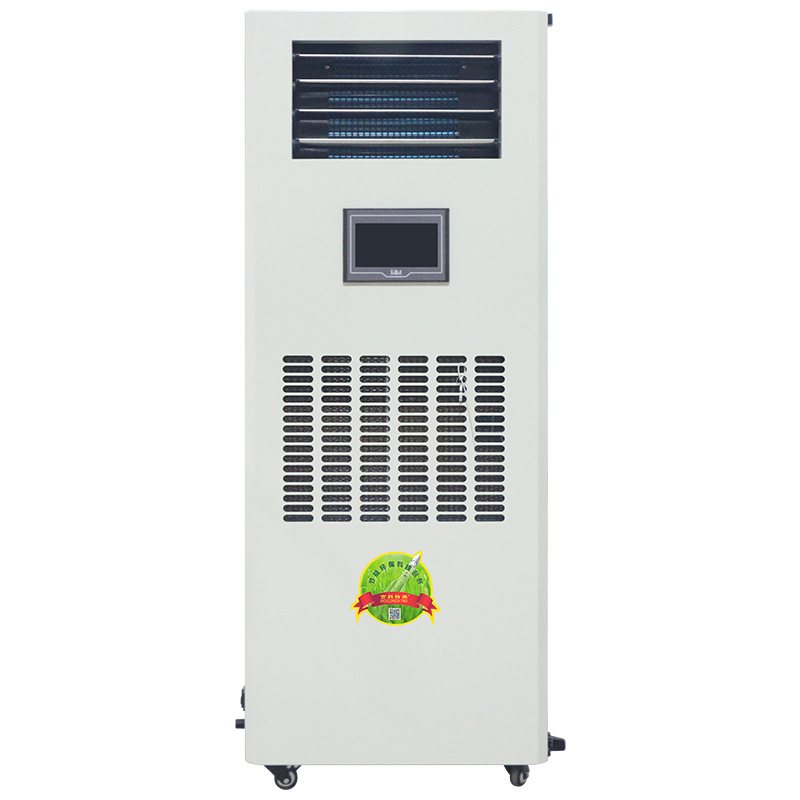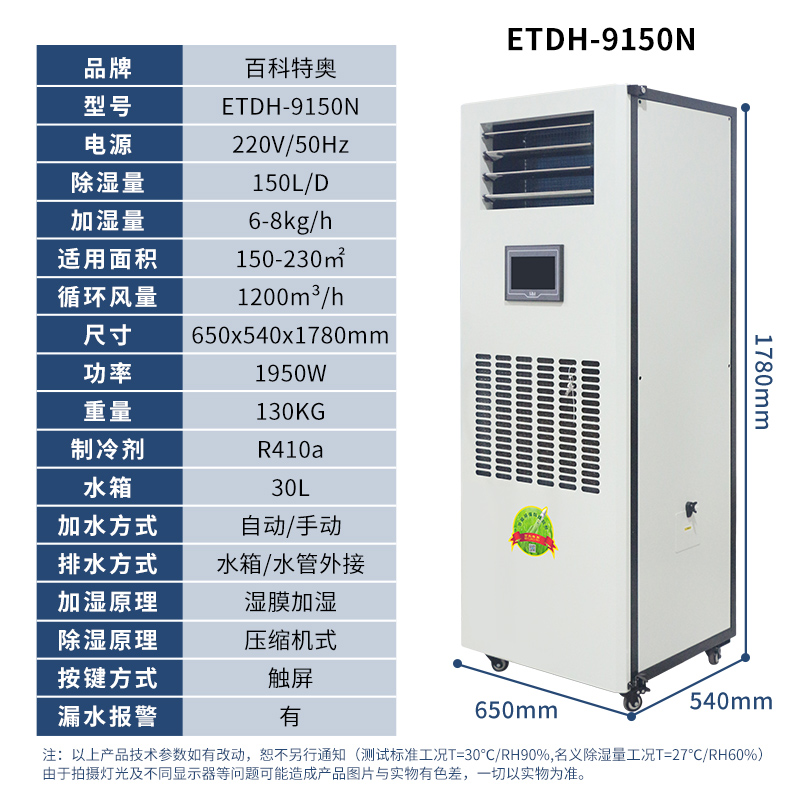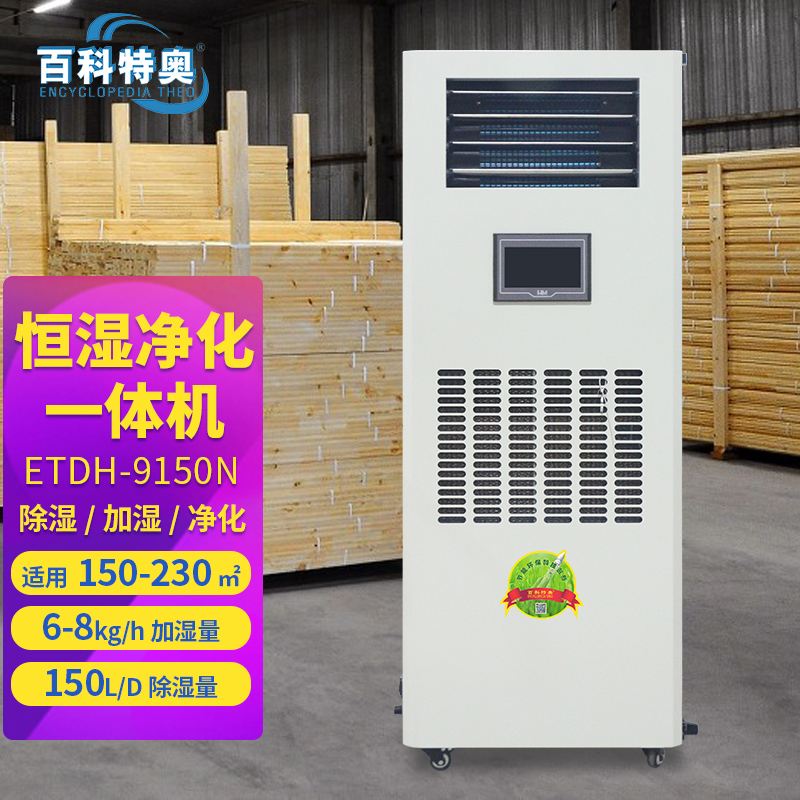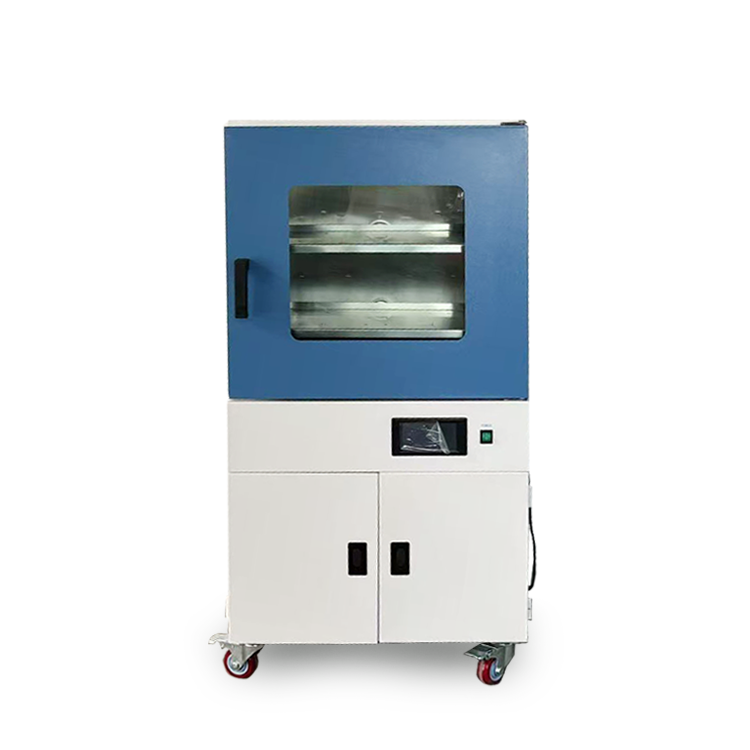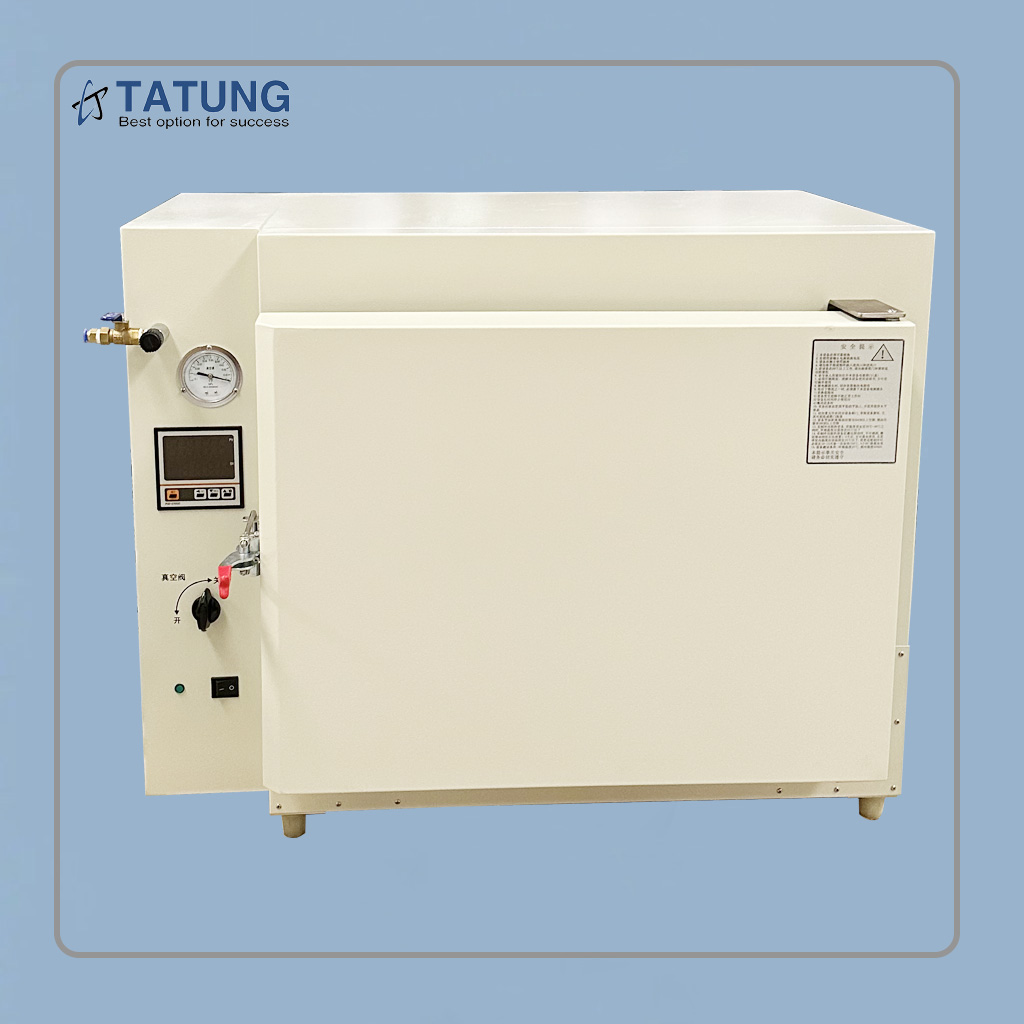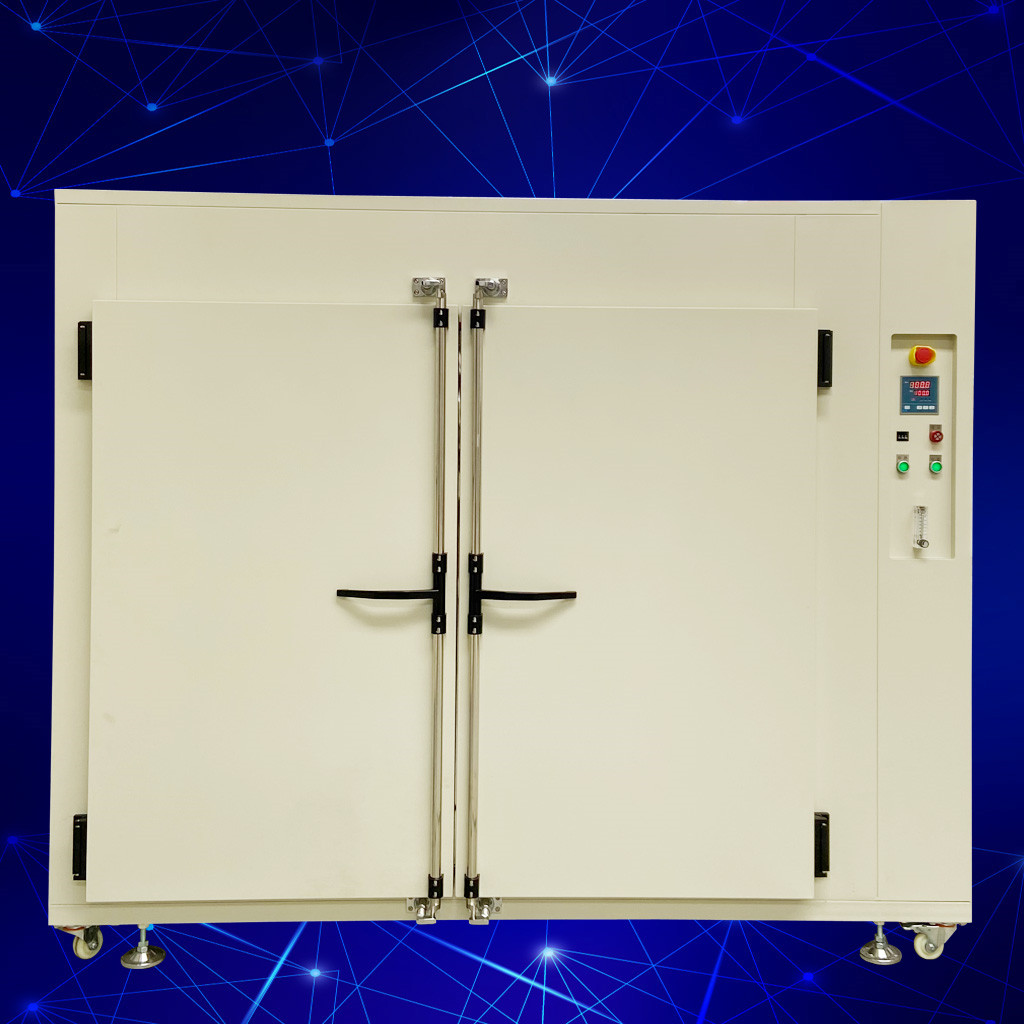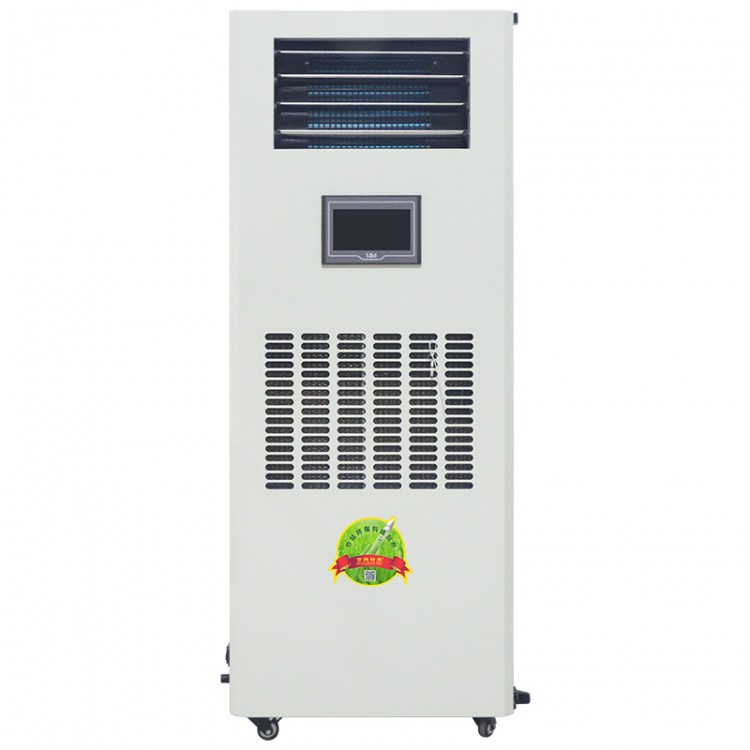

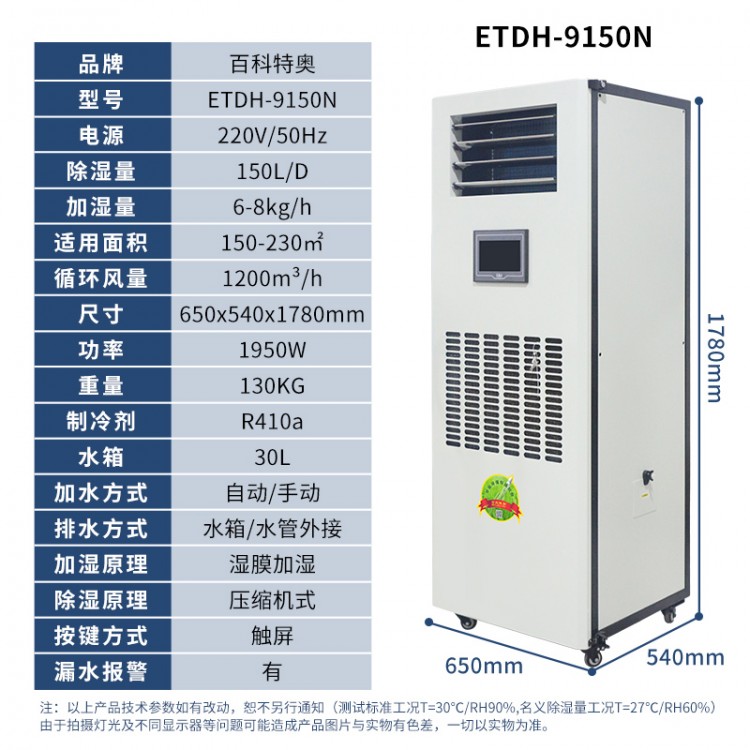
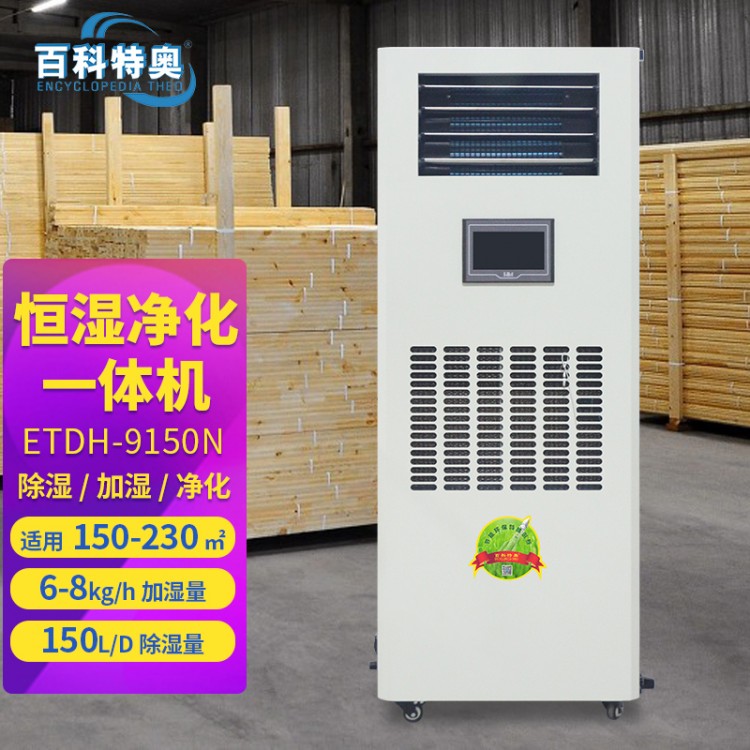










In the field of precise experimentation, even minor fluctuations in humidity can lead to distorted experimental data, sample damage, or equipment failure. As the core device for controlling environmental humidity, laboratory dehumidifiers, with their stable performance and precise humidity control, have become an essential tool in numerous laboratories across fields such as biology, chemistry, electronics, and pharmaceuticals. They fortify the environmental safety line for experimental research.
I. Features of the Humidifier
The laboratory humidifier features three core characteristics, tailored to the needs of scientific research scenarios.
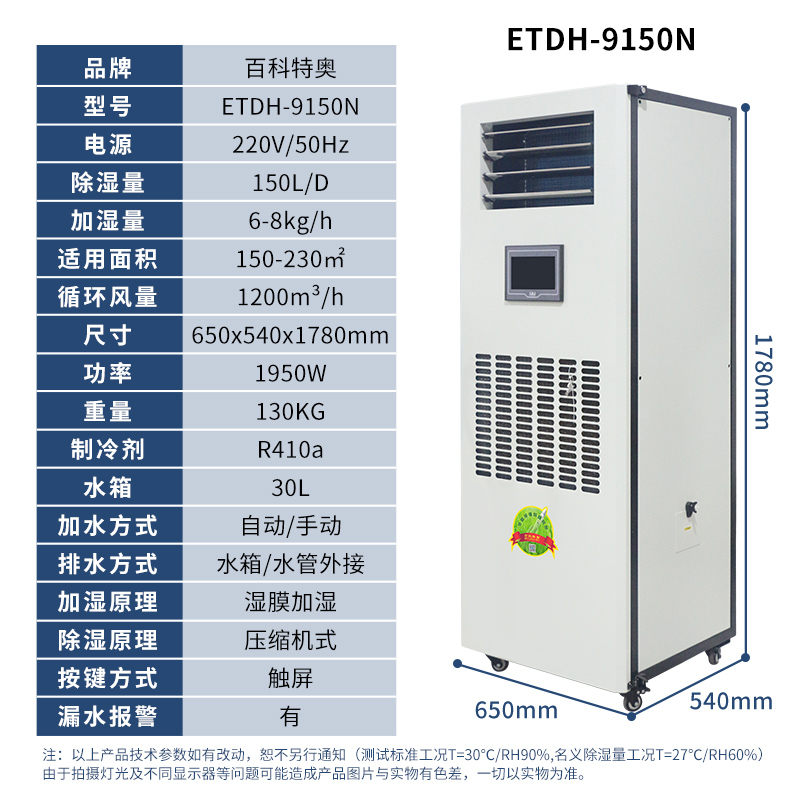
One of them,Moisture Control Precision and StabilityEquipped with a high-precision humidity sensor and an intelligent variable frequency control system, the humidity control accuracy can reach ±3%RH, supporting a wide humidity range adjustment from 10% to 95%RH. It can lock in the target humidity according to different experimental requirements, preventing humidity fluctuations from interfering with the experiment.
Secondly,Operate with high efficiency and energy conservationEquipped with advanced evaporation/condensation technology, paired with high-quality compressors and silent fans, it achieves rapid humidity control while effectively reducing energy consumption. Additionally, the operating noise is below 45 decibels, creating a quiet working environment for the laboratory.
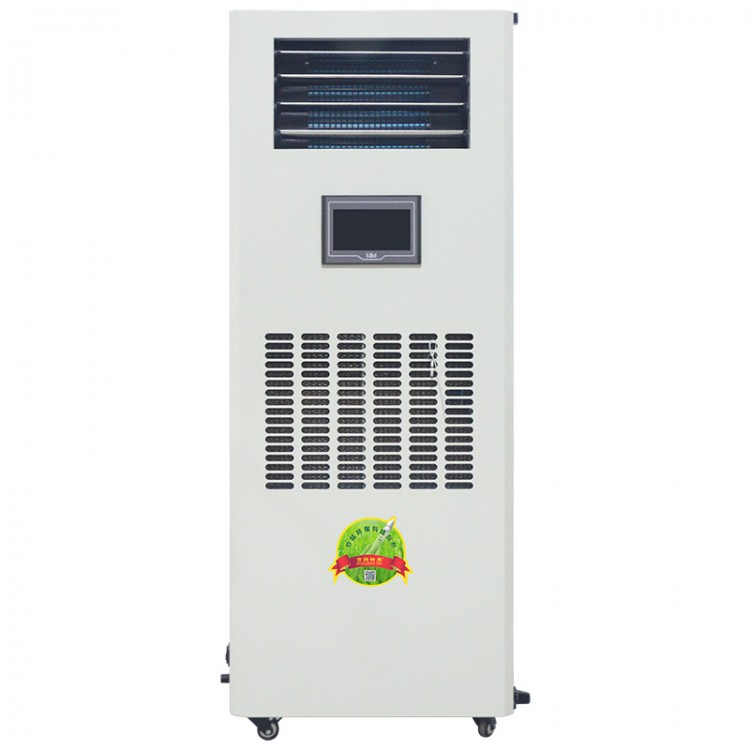
And thirdly,Safe, intelligent, convenientEquipped with multiple safety features including overload protection, water shortage alarm, and anti-dry burning, it supports one-touch start and automatic water refilling. Paired with a high-definition touch screen display, it can real-time show current humidity, set humidity, and operating status. Easy to operate and understand.
II. The Function of a Humidity Controller
Humidity controllers play a crucial role across various laboratory settings, ensuring experimental success. In biological labs, they provide a stable high-humidity environment for cell culture and microbial research, preventing sample dehydration and inactivation; in chemical experiments, they prevent moisture-sensitive reagents from deteriorating, ensuring the accuracy of experimental reactions; in electronic component testing labs, they help avoid static electricity, protecting delicate instruments from damage. Moreover, for labs requiring long-term storage of samples and reagents, humidity controllers can effectively extend their shelf life and reduce research costs.
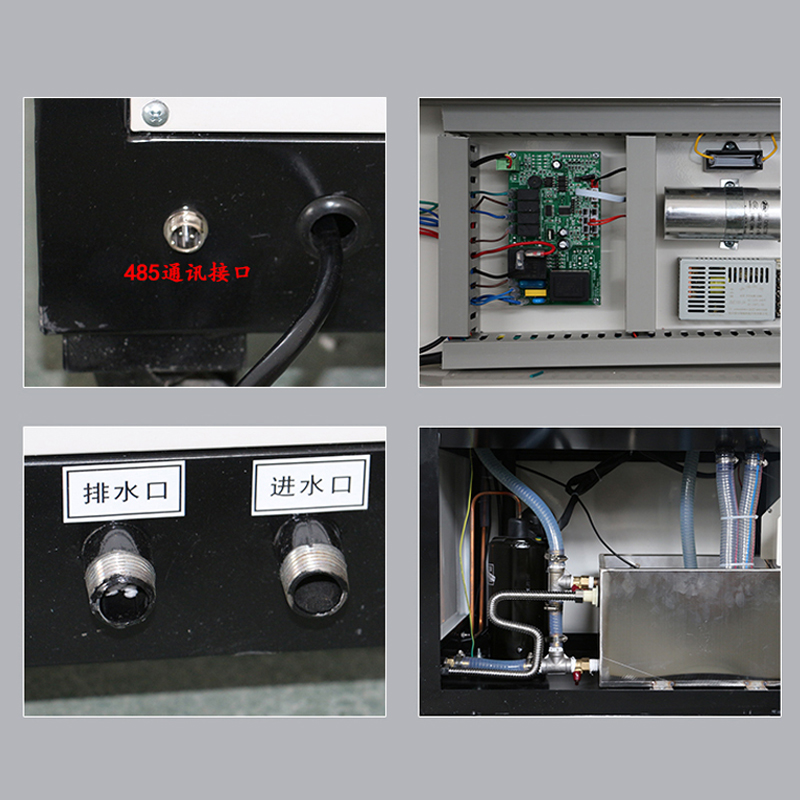
Section 3: Installation and Usage Standards for Constant Humidity
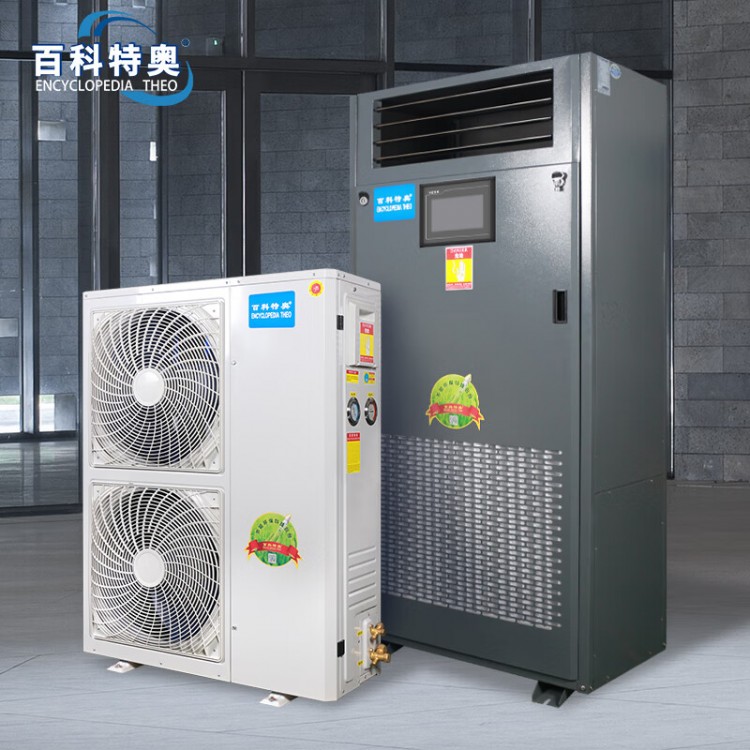
Installation and operation specifications must be strictly followed to ensure stable equipment operation. During installation, select a level surface with good ventilation, far from heat and water sources, avoid direct sunlight, and maintain a distance of over 30cm from the walls for easy heat dissipation and maintenance.
When connecting to power, ensure the voltage meets the equipment requirements and use a separate outlet to avoid sharing with high-power devices. Before the first start-up, check the water tank level to ensure sufficient water supply; after setting the target humidity according to experimental needs, the equipment will automatically enter the humidity control mode without the need for manual supervision.
Regularly clean the air filter to prevent dust buildup affecting humidity control, and calibrate the humidity sensor regularly to ensure accurate data. In case of equipment failure alarms, shut down immediately for inspection and contact a professional for repair; do not disassemble it yourself.
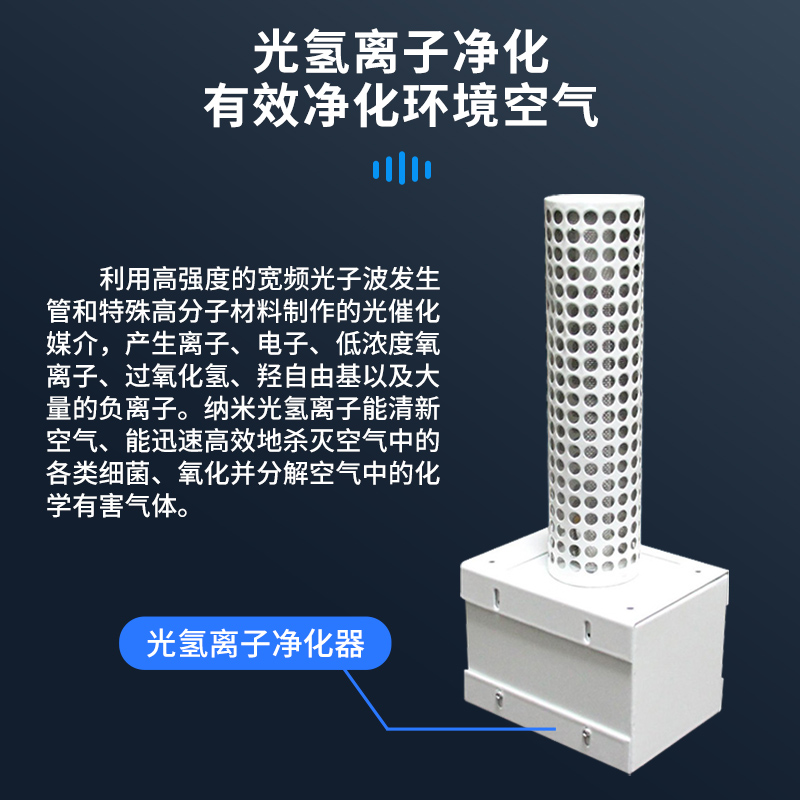
Laboratory humidity controllers offer professional humidity control and reliable safety features, eliminating humidity interference for scientific research, ensuring precise experimental data and stable sample safety. Choose a humidity controller that meets your specific needs to ensure every experiment is more secure and to safeguard scientific innovation.