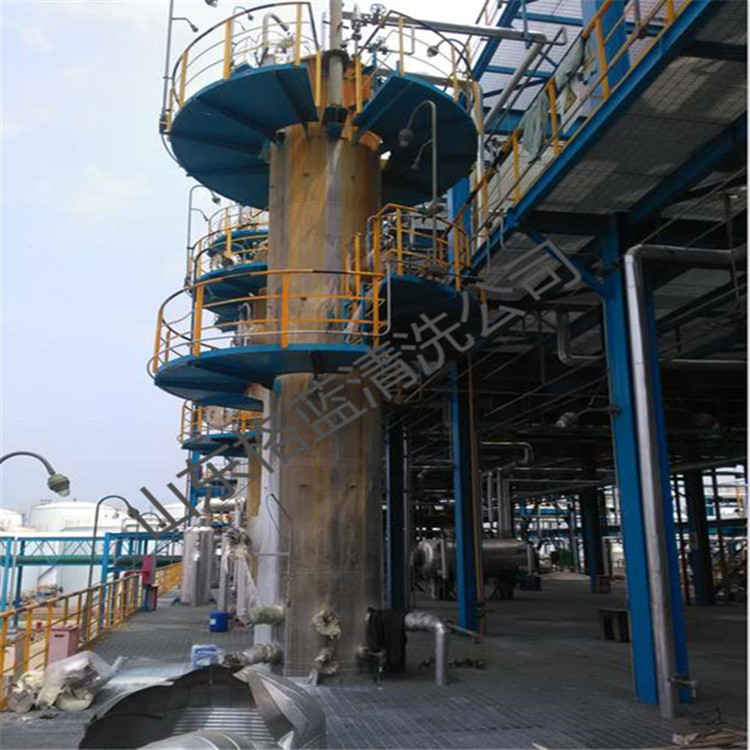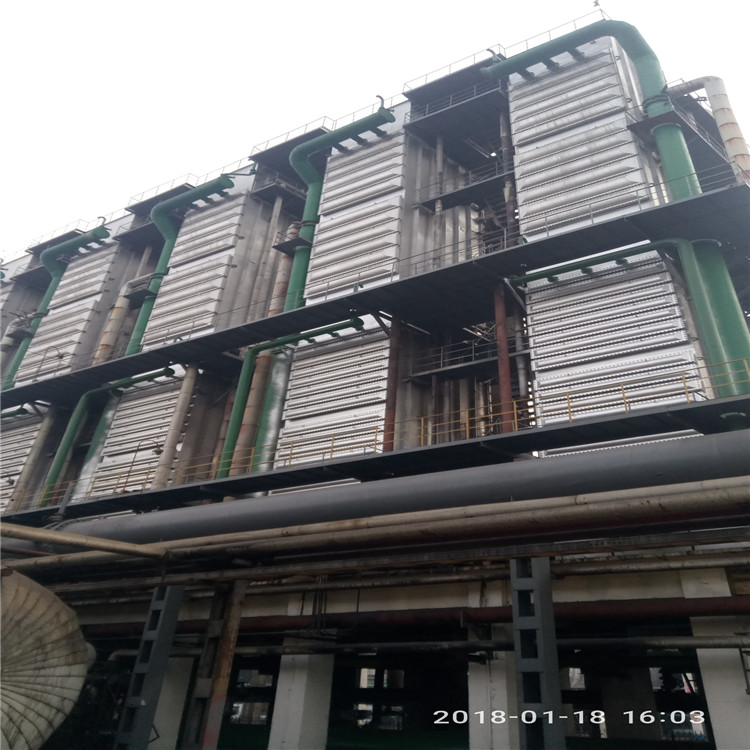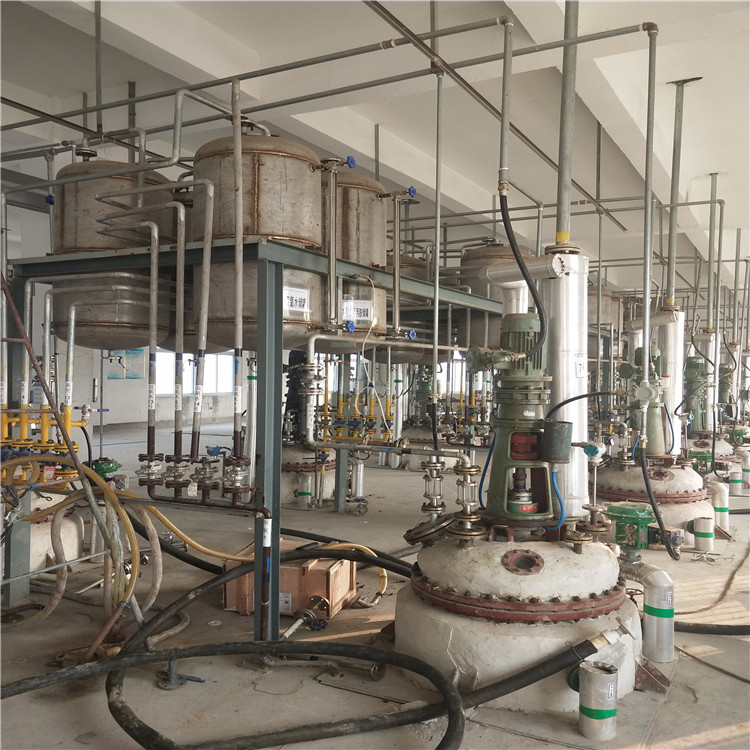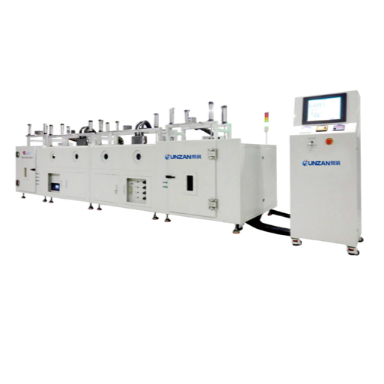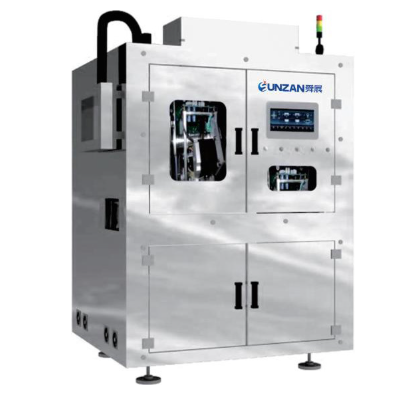










Ironworks, Industrial Blast Furnace, Water-Cooled Wall Cleaning, Grean Chemical Industry, Strength Proven
The working principle of the cooling wall in a blast furnace is to smoothly transfer the heat released from the furnace through surface cooling, thereby preventing the high-temperature heat flow from directly reaching the furnace shell. The cooling wall is installed between the brick lining and the furnace shell to achieve this effect. Modern blast furnaces with a full cooling wall structure have cooling walls or water-cooled walls installed along the shell from the furnace bottom to the throat, forming a fully cooled furnace body structure. Heat released from the blast furnace is transferred through heat exchange with the cooling wall, and then the heat is passed to the environment via the cooling water.
 Cast iron cooling walls consist of the cooling wall body and cooling water pipes embedded within. They are further categorized into smooth cooling walls and brick-lined cooling walls, depending on the application area. Smooth cooling walls are primarily used on the furnace hearth and bottom, while brick-lined cooling walls are mainly for the furnace belly, waist, and body sections. These cooling walls are cooled by the cooling water embedded in the steel pipes within them. The brick lining on the hot side of the cooling wall is used to reduce heat loss and slag adhesion. After the brick lining erodes away, the cooling wall can still operate and protect the furnace shell by relying on the slag adhesion. The cooling walls have the following functions: (1) Provide effective cooling to the refractory lining on the hot side, controlling the brick lining's working temperature within a reasonable range; (2) Form a protective slag skin on the hot side when the brick lining in the furnace belly to the lower body section is damaged and disappears, creating a "self-protected lining"; (3) Provide comprehensive protection for the furnace shell; (4) Maintain a flat and smooth internal shape of the blast furnace, facilitating the smooth descent of burden and reasonable distribution of the coal gas flow; (5) Reduce heat loss in the blast furnace; (6) Operate effectively for a long time under harsh operating conditions, providing efficient cooling for the blast furnace.
Scale is primarily composed of iron oxides, and the deposition of iron oxide scale on the water-cooled walls is mainly due to corrosion and sedimentation. The cause of corrosion is primarily attributed to factors such as poor maintenance of the unit, poor water quality during startup, corrosion and leakage of the condenser during normal operation, adjustments to the boiler's combustion and waste water control, and other reasons.
2.Silica, phosphorus, calcium, and sulfate contents are also high in the sludge composition, indicating that the condenser leakage has led to poor quality of condensate, feed water, and boiler water. Only by increasing phosphate treatment to form sludge through effluent discharge can the quality of the boiler water meet the standard. The deposition of phosphorus and calcium indicates that the timeliness of boiler effluent discharge is insufficient.