
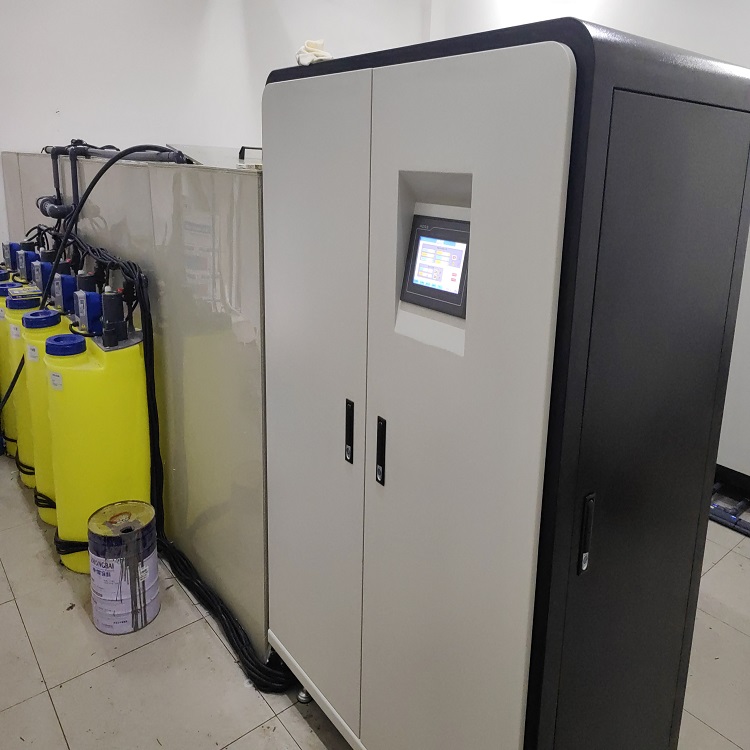

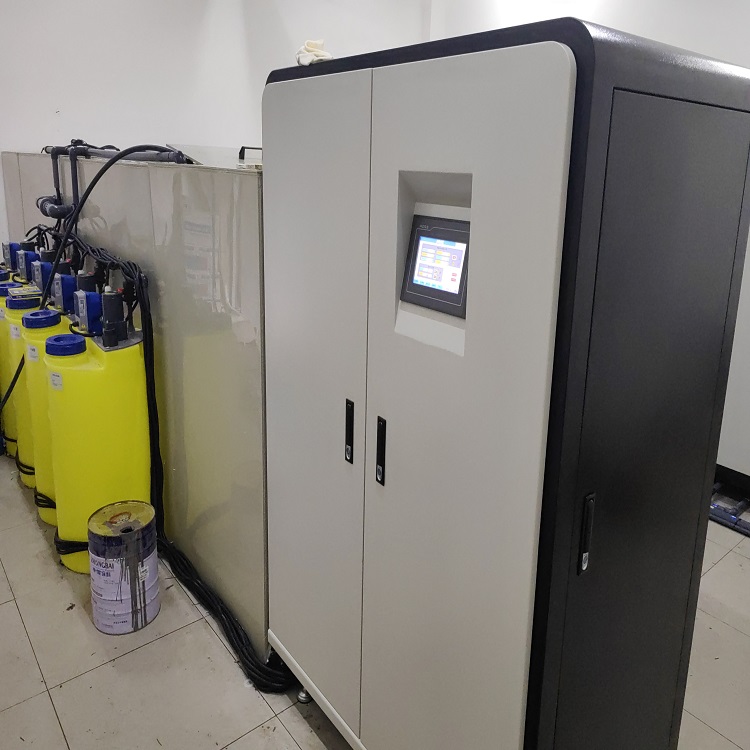
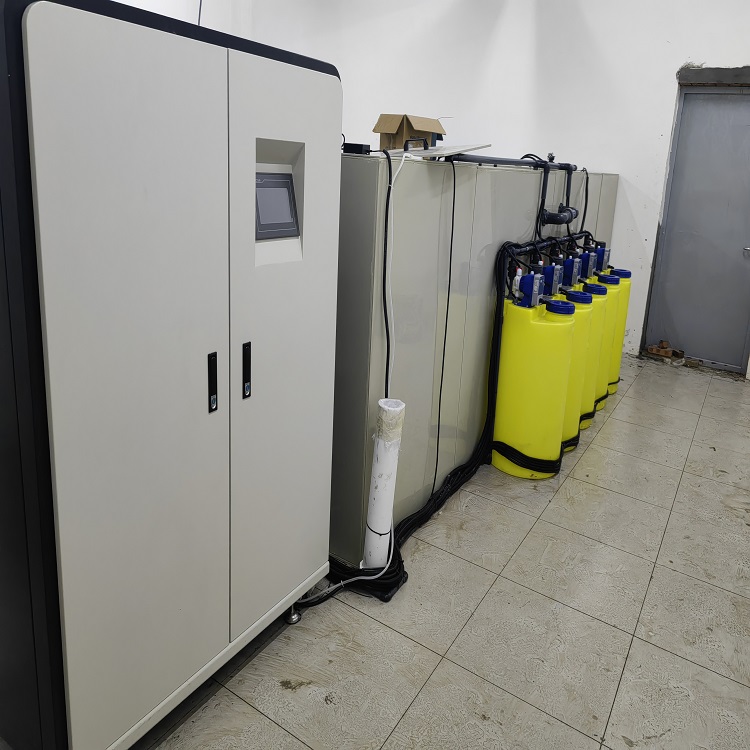
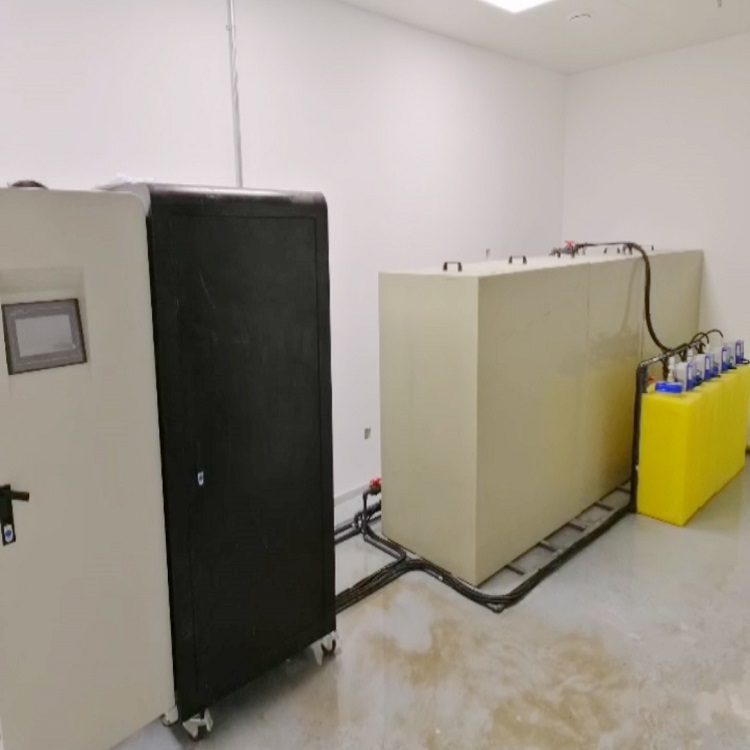







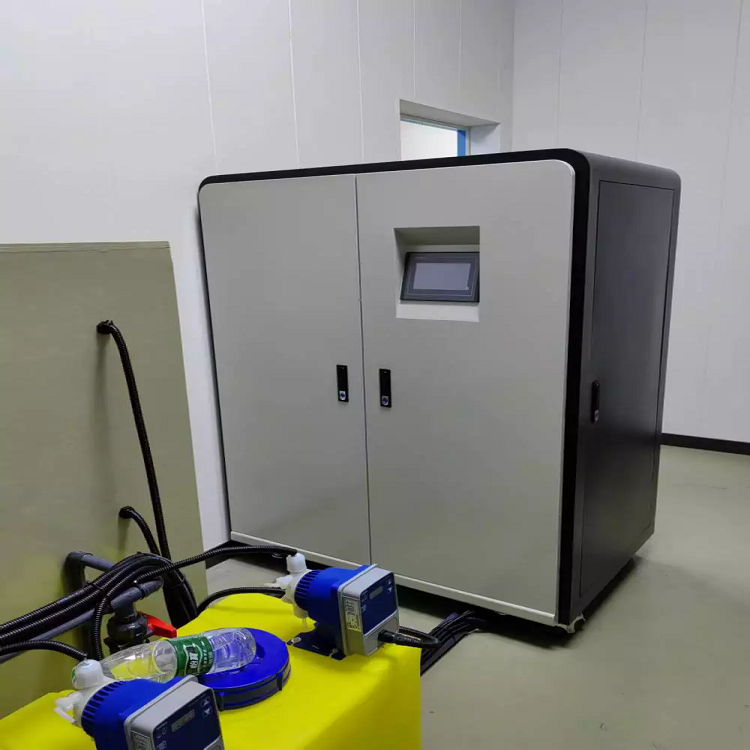
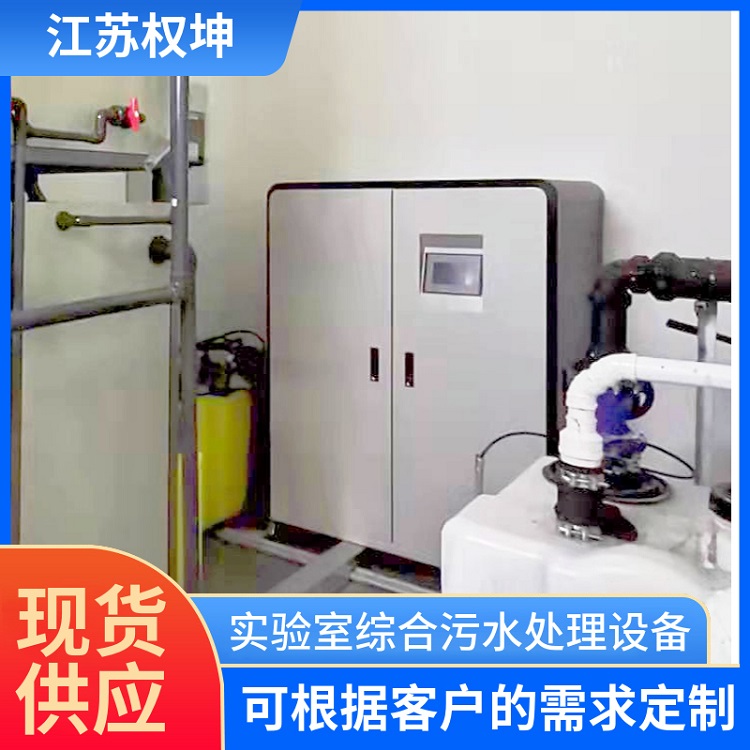
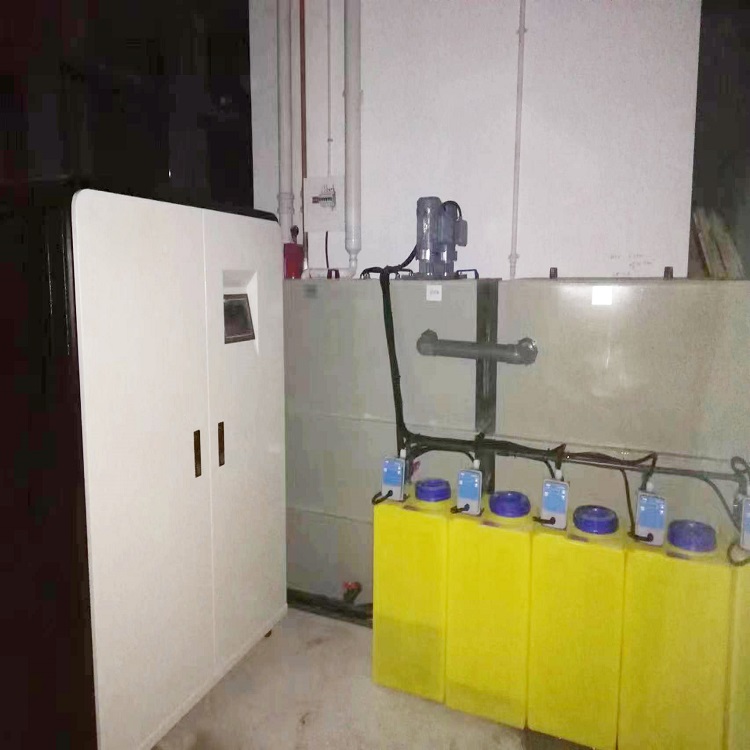
Nanjing Small Laboratory Wastewater Treatment System, Widely Applicable; Integrated Treatment Equipment for Domestic Wastewater
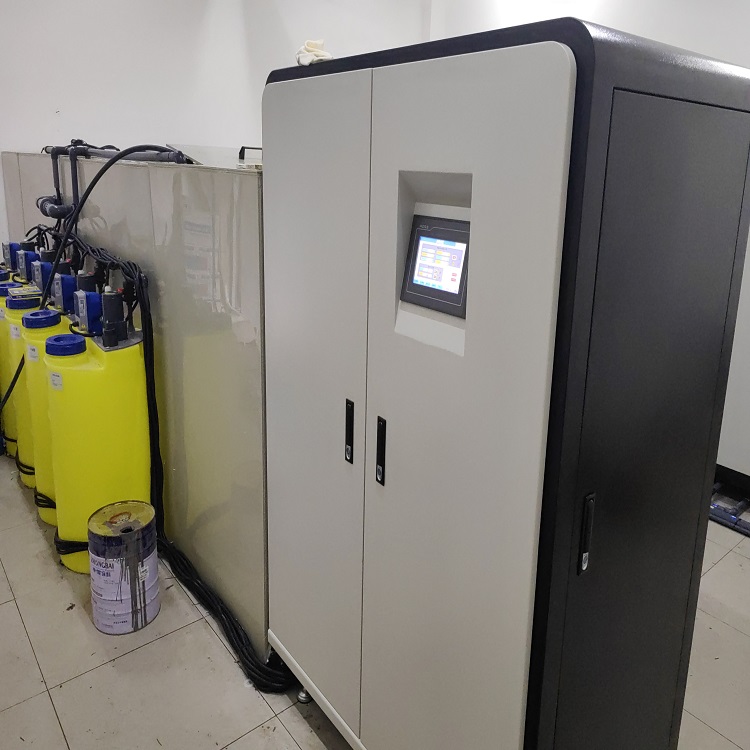
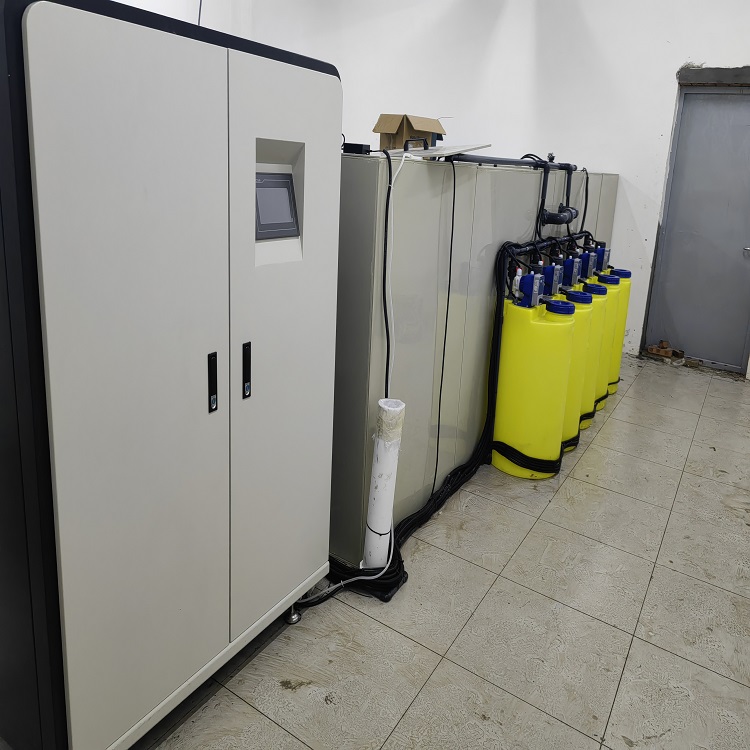
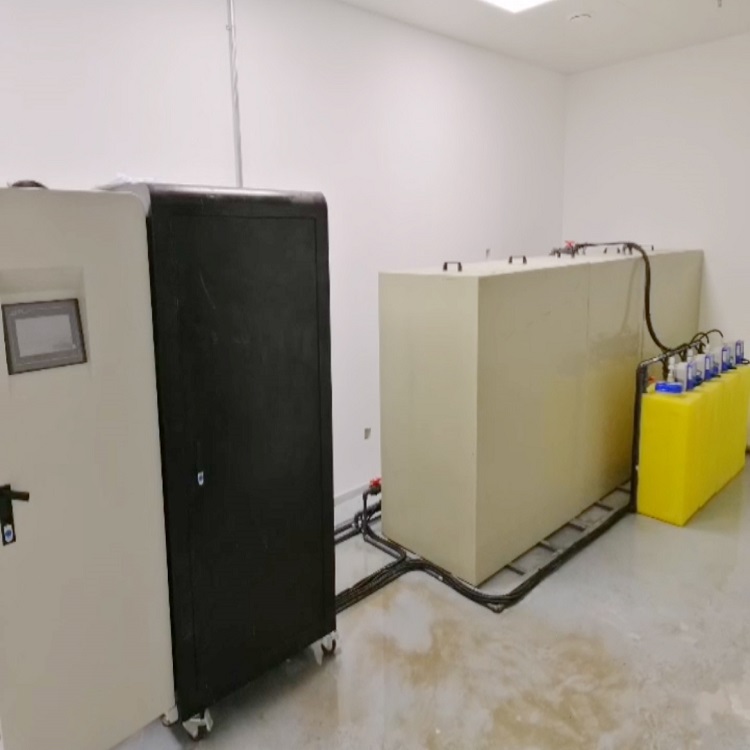
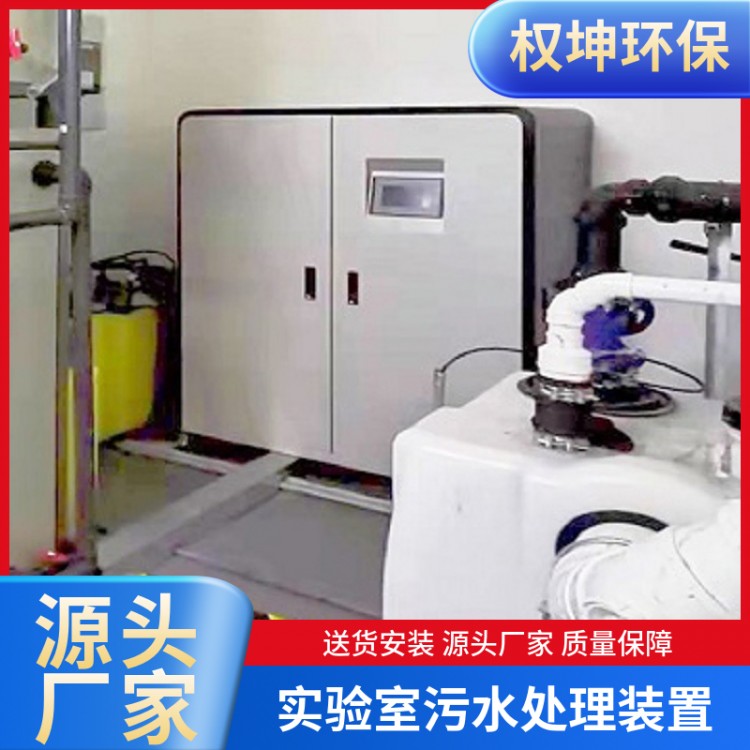
Laboratory wastewater treatment equipment can effectively remove COD, BOD, SS, color, and heavy metal ions from wastewater. Tailored to the composition of different laboratory wastewater, various treatment technologies and control systems are employed for wastewater treatment. The laboratory wastewater treatment equipment boasts advanced technology, high level of automation, no need for dedicated staff, excellent treatment results, small footprint, and easy operation and management.
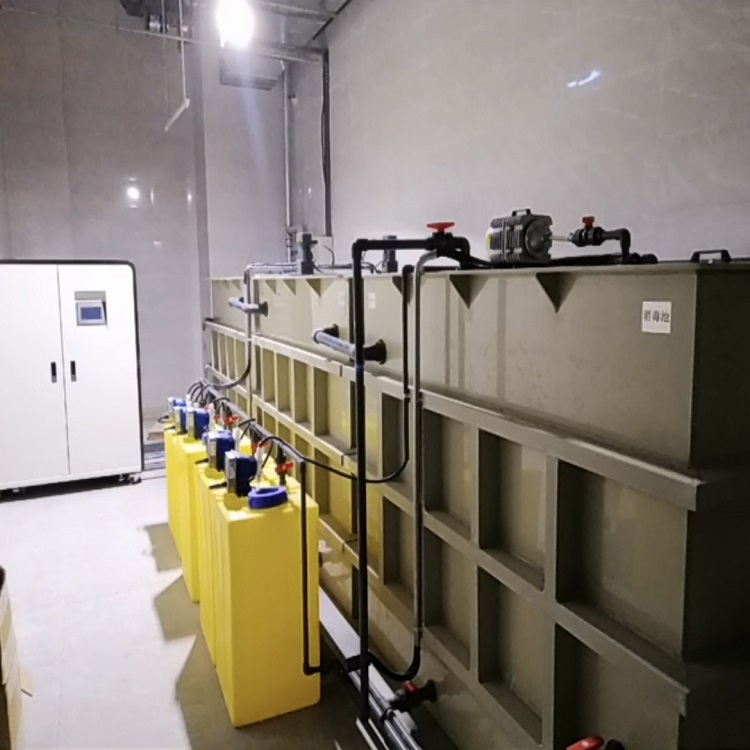
Features of Laboratory Wastewater Treatment Equipment:
1. Fully automatic control.
2. Compact structure; small land area.
3. Low total cost, corrosion-resistant, and long lifespan.
4. Low operating costs, stable effluent quality.
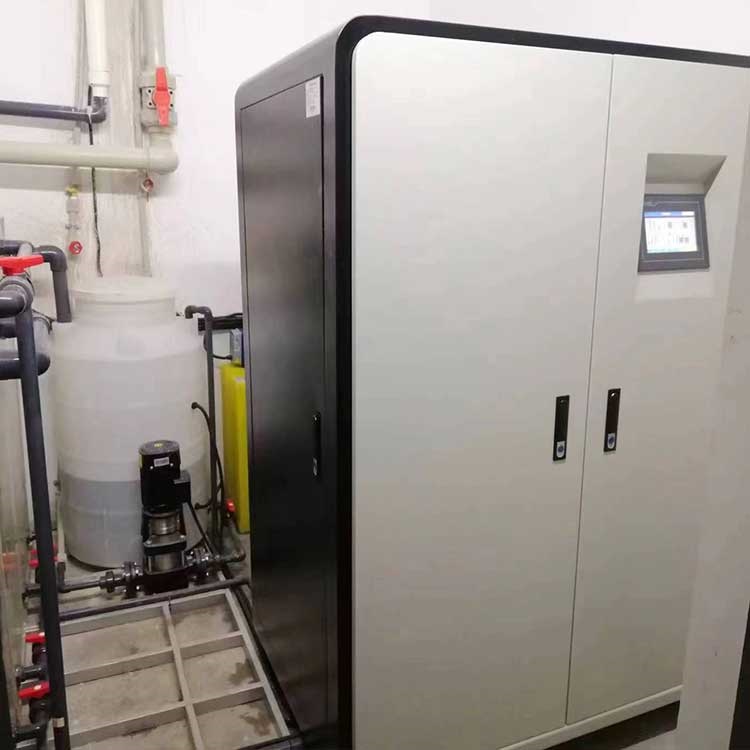
Feature Highlights:
1. Broadly applicable, adaptable to wastewater treatment in various laboratories.
2. Utilize advanced multi-stage treatment technology to purify wastewater to meet discharge standards.
3. Centralized control, high level of automation, easy to operate, fully automatic operation, no need for dedicated staff.
4. Automatic leak and electrical shock protection, automatic high/low voltage protection, no wastewater protection, and liquid storage tank level protection.
5. Dynamic operation with a digital LCD display for water quality indicators.
6. "One-stop" integrated design, aesthetically pleasing, with minimal land footprint, fast processing speed, low operating costs, easy installation and relocation, high processing capacity, excellent processing results, low energy consumption, acid and alkali resistance, low noise, multiple safety protections, no leaks, environmentally friendly, truly achieving engineering equipmentization. No need for multiple treatment ponds, no secondary pollution such as waste sludge, waste gas, and waste water.
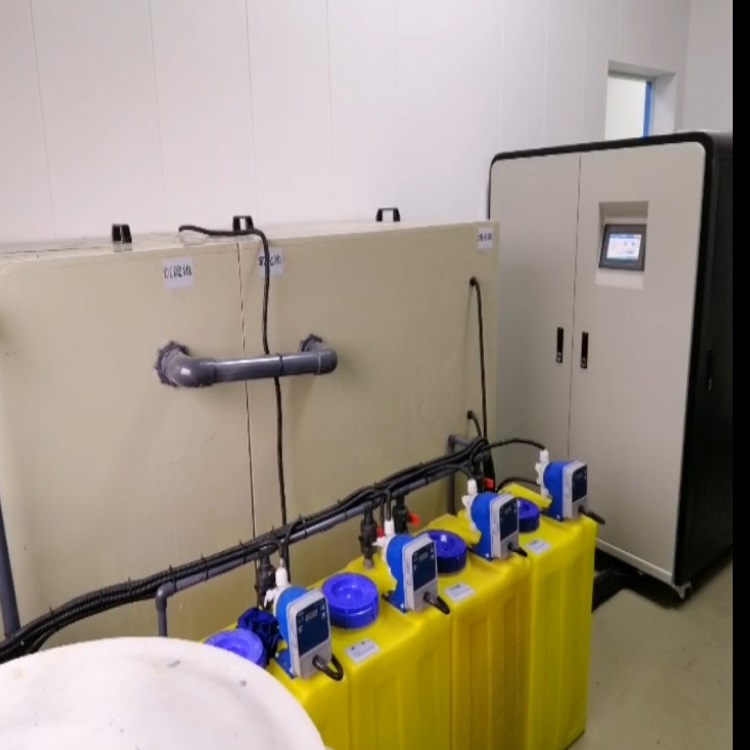
Laboratory Wastewater Treatment Equipment Process Selection:
The effluent from the acid-base neutralization pond then flows into the sedimentation pond. The sludge produced after the acid-base neutralization and other suspended solids in the wastewater are separated from the water through the hetero-directional flow in the sludge-water separator within the sedimentation pond.
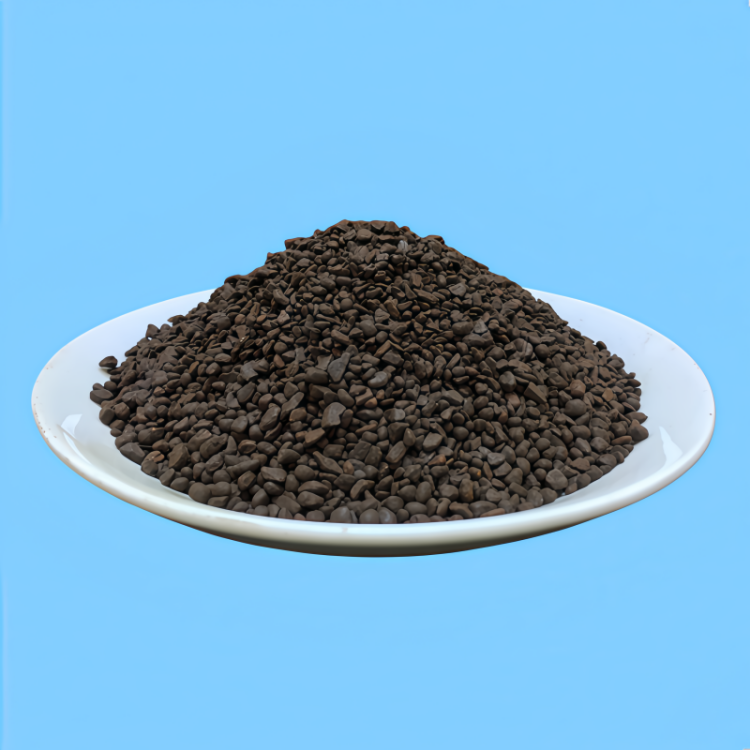
The effluent from the sedimentation pond sequentially enters the ozonation unit, oxidizing large,难degradable organic molecules into low-toxic or non-toxic small molecules. The organic pollutants and NH3-N in the wastewater are oxidized and decomposed into harmful substances such as CO2, N2, and H2O. The wastewater is then subjected to UV ultraviolet disinfection and chlorine dioxide composite disinfection. The final effluent enters a multimedia filter, where fine suspended particles, trace metals, and minimal amounts of organic matter that were not removed are addressed. Part of them are removed through physical and chemical processes such as adsorption and interception by quartz sand and activated carbon with its vast pore structure and high specific surface area. The other part is degraded and removed by anaerobic, aerobic, and facultative bacteria in the microbial film attached to the activated carbon. The process of activated carbon interception and adsorption alternates with microbial degradation and desorption in an interlaced, alternating, and cyclic manner. At this point, the wastewater meets the standards for discharge into the sewage network.

Design Fundamentals for Laboratory Waste Water Treatment Equipment
1. Laboratory Wastewater Sources: Comprehensive laboratory wastewater generated from pharmaceuticals, reagents, test solutions, and instrument cleaning.
2. Comprehensive laboratory wastewater composition: inorganic substances, organic substances, biological wastewater, etc.
1) Inorganic wastewater: heavy metal ions, acid-base pH values, halogen ions, and other non-metal ions.
2) Organic Wastewaters: Organic solvents, ammonia nitrogen, organic phosphorus drugs, etc.
3) Biological Wastewater: Viruses, Chlamydia, Mycoplasma, Spirochetes, Fungi, Brucella, Anthrax Bacillus, etc.
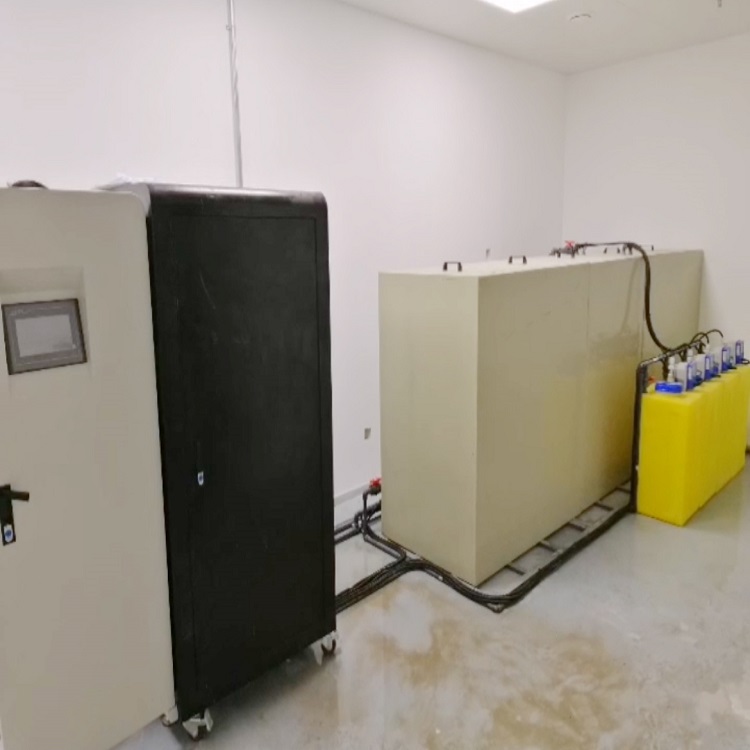
Nanjing Mini Laboratory Wastewater Treatment Unit, Wide Practicality; Integrated Treatment Equipment for Domestic Sewage Treatment
Categorized by pollutant properties:
Based on the nature of the main pollutants in wastewater, it can be categorized into organic, inorganic, and biological laboratory wastewater. Organic laboratory wastewater includes commonly used organic reagents and samples, such as phenols, benzene, nitro compounds, etc. Inorganic laboratory wastewater primarily contains strong acids, strong bases, heavy metals, arsenic compounds, etc. Biological wastewater often originates from biological safety laboratories, with pollutants including culture media, culture substrates, and liquid biological specimens tested in the lab, such as blood, urine, sputum, vomit, etc. There are also a small amount of laboratory utensils and animal cage rinse water, with pollutants mainly consisting of pathogenic bacteria, free of heavy metal ions, with good biodegradability and a high content of pathogenic microorganisms.