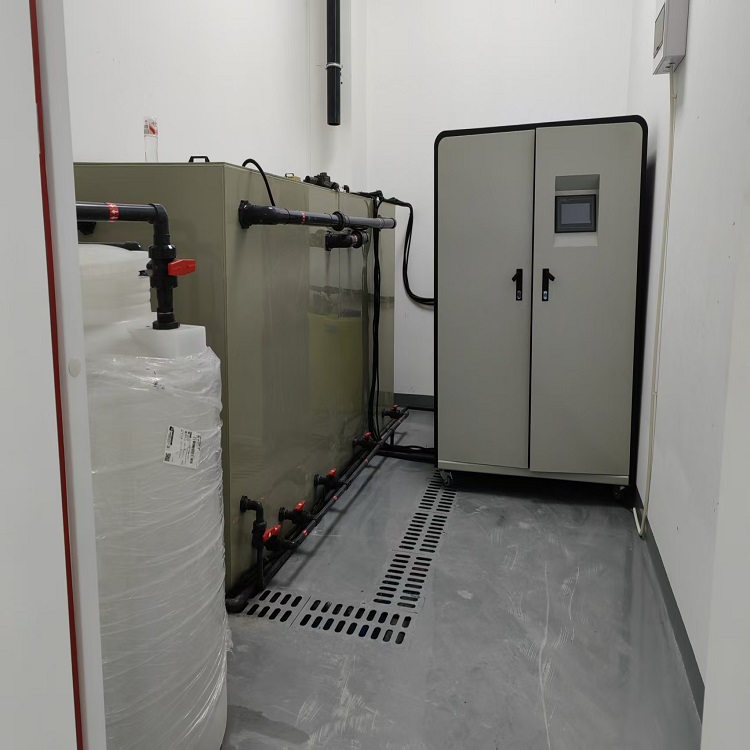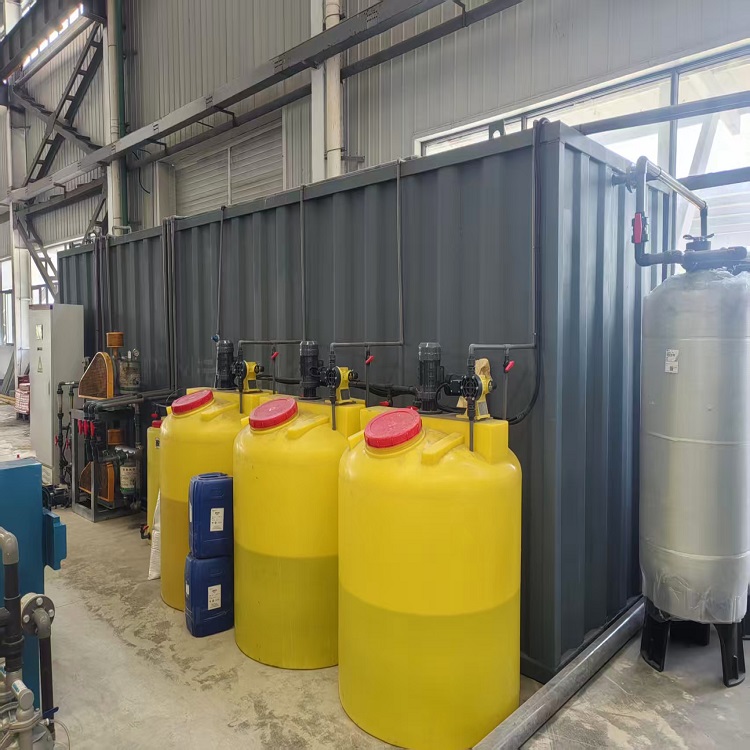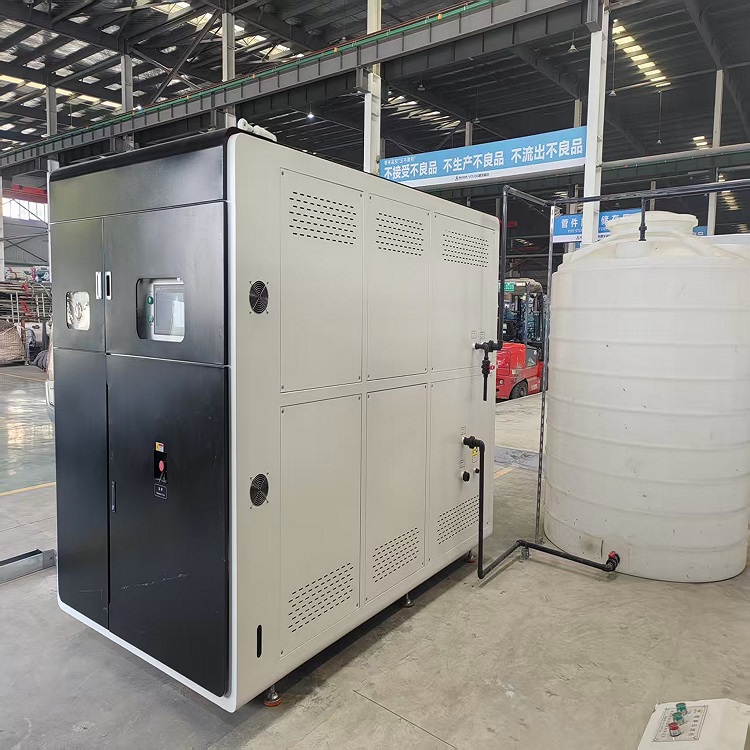

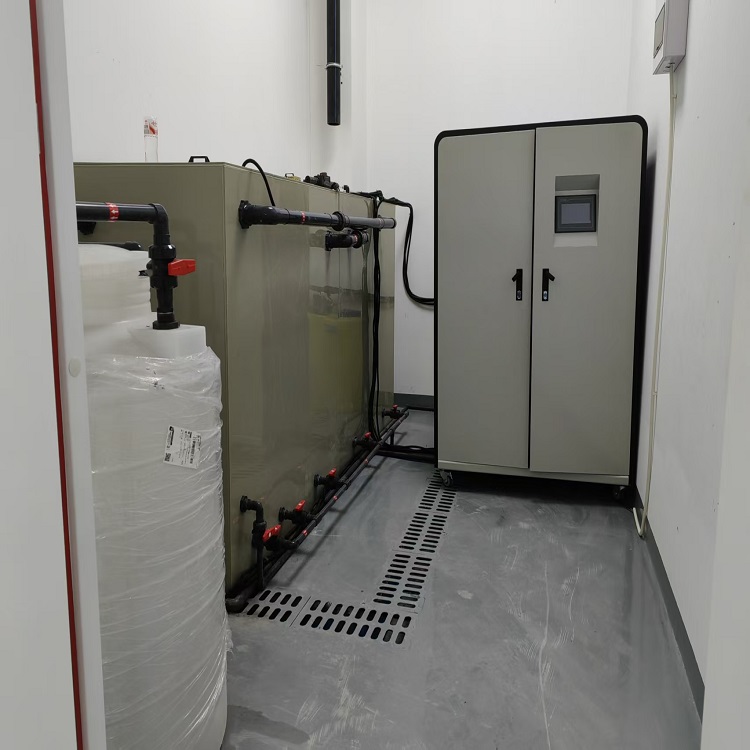

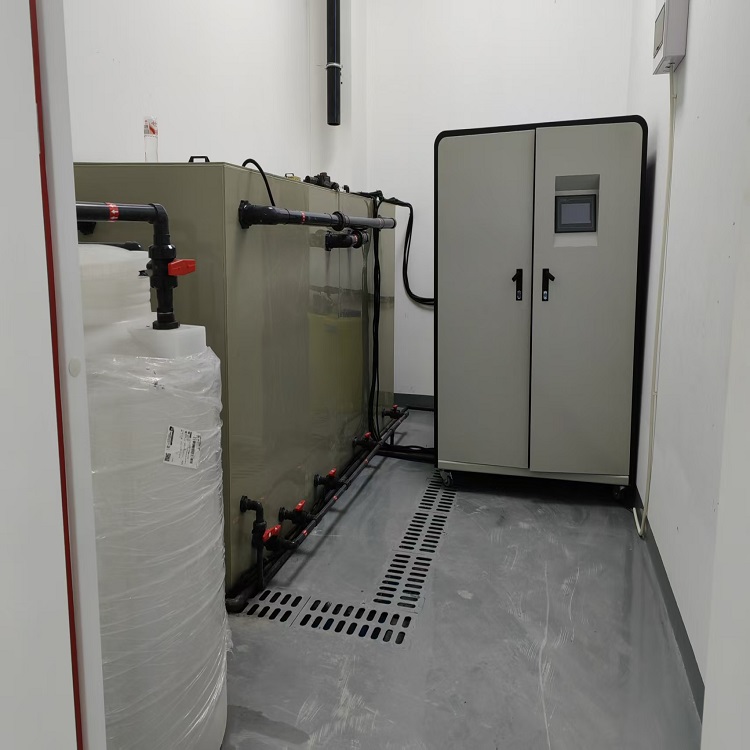
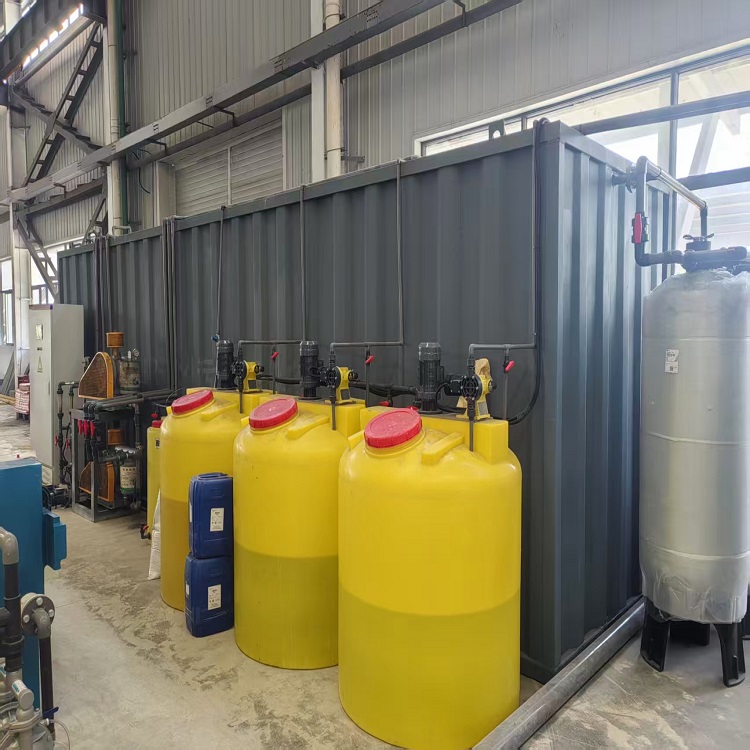
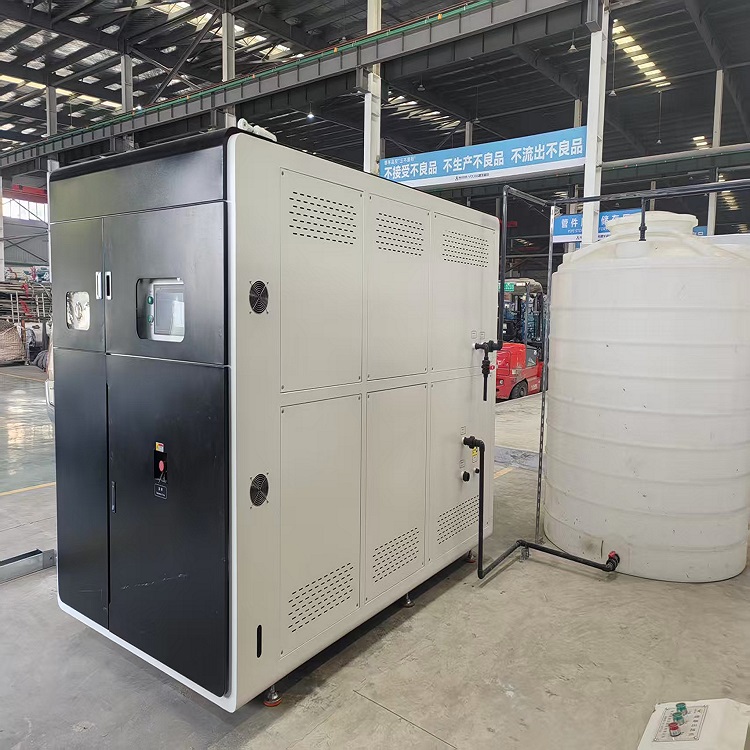







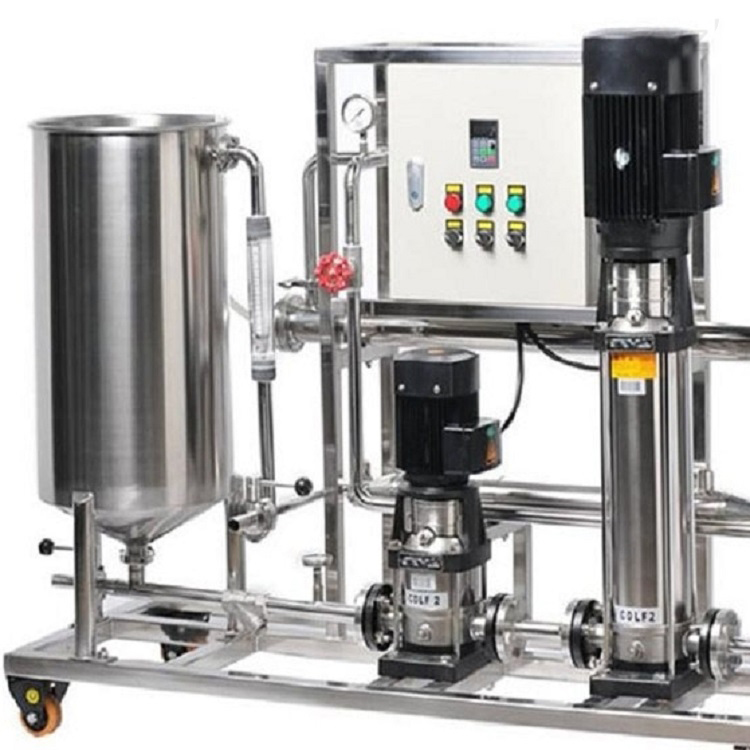
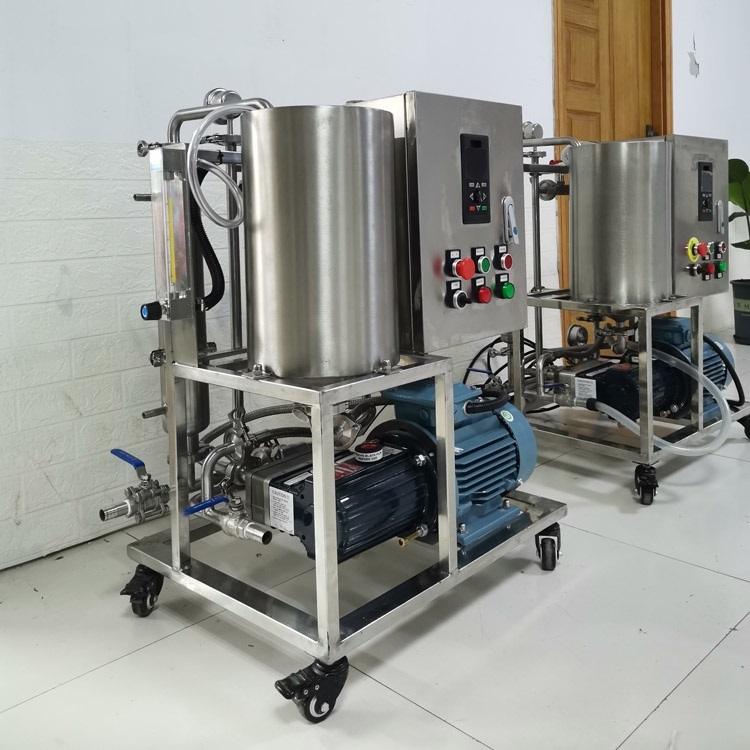
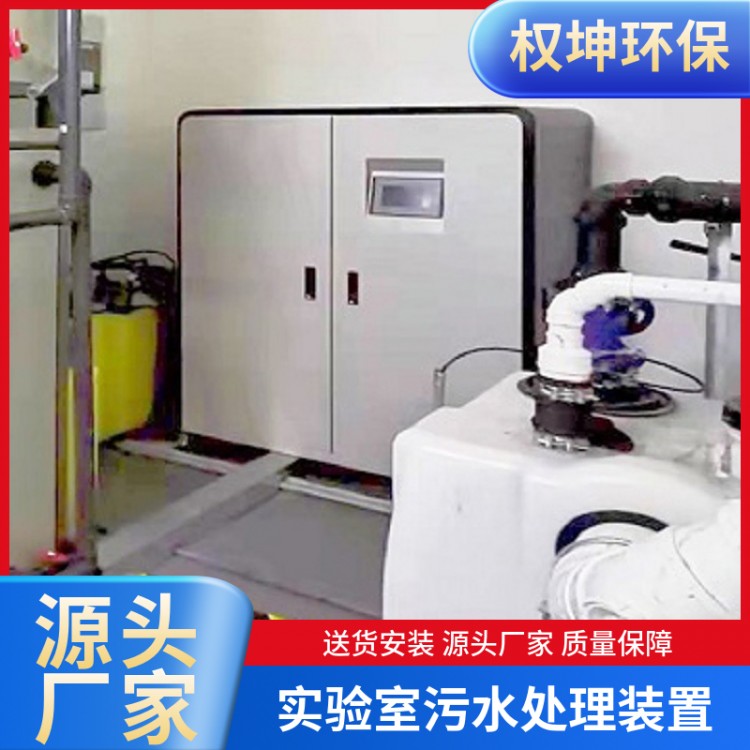
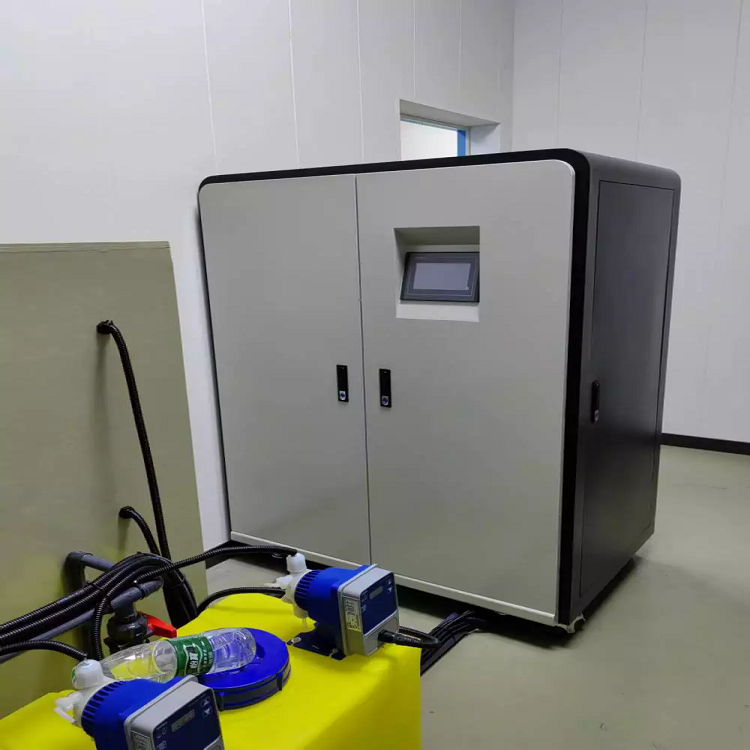
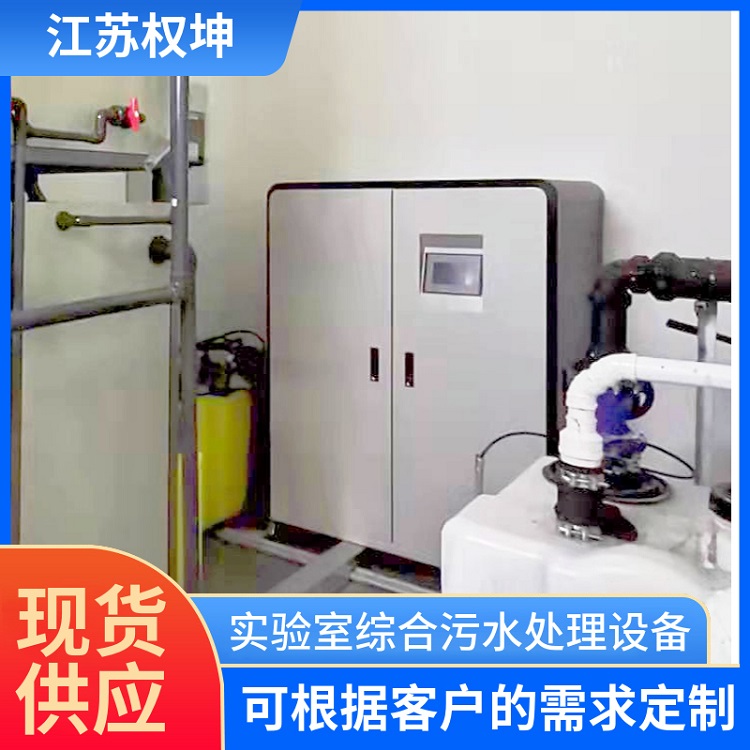
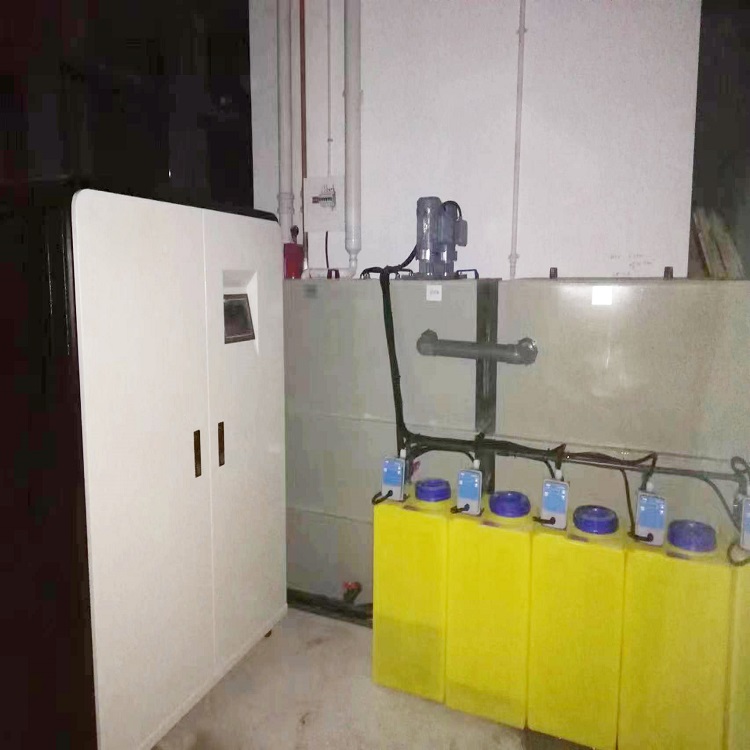
Quan Kun Environmental Protection Hospital Laboratory Wastewater Treatment Equipment, Wastewater Treatment Equipment Repair and Maintenance, Low Energy Consumption
Laboratory wastewater treatment equipment primarily integrates physical, chemical, and biological treatment technologies to achieve the goal of purifying water quality.
Remove suspended solids and large particles from wastewater using physical methods such as grates and sedimentation ponds, thereby easing the burden for subsequent treatment.
2. Employing chemical reactions such as acid-base neutralization, coagulation and precipitation, and oxidation-reduction to remove or transform dissolved pollutants in wastewater, such as heavy metal ions and organic pollutants.
3. Through the metabolic actions of aerobic or anaerobic microorganisms, organic pollutants are decomposed into harmless or low-toxic substances. Biological treatment is a core step in the laboratory wastewater treatment using microorganisms, including activated sludge process and biofilm process.
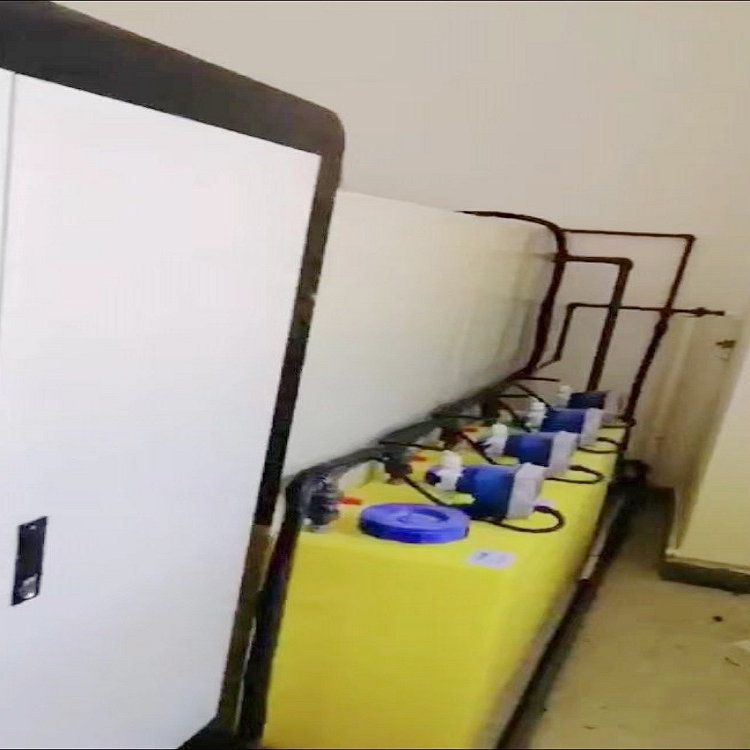
Laboratory wastewater mainly originates from waste liquids generated during experiments, instrument cleaning wastewater, cooling water, etc., and possesses the following characteristics:
Complex composition: Contains heavy metal ions (such as lead, mercury, cadmium, chromium, etc.), organic solvents, acidic and alkaline substances, cyanides, arsenic compounds, pathogenic microorganisms, and other pollutants.
2. High concentration: Some experimental waste liquids contain extremely high levels of pollutants. Discharging them without dilution would significantly exceed the emission standards.
3. High toxicity: Many pollutants possess carcinogenic, teratogenic, and mutagenic properties, posing significant harm to the ecological environment and human health.
4. Irregular Discharge: Laboratory wastewater discharge volume is affected by experimental arrangements, with non-fixed discharge times and quantities.
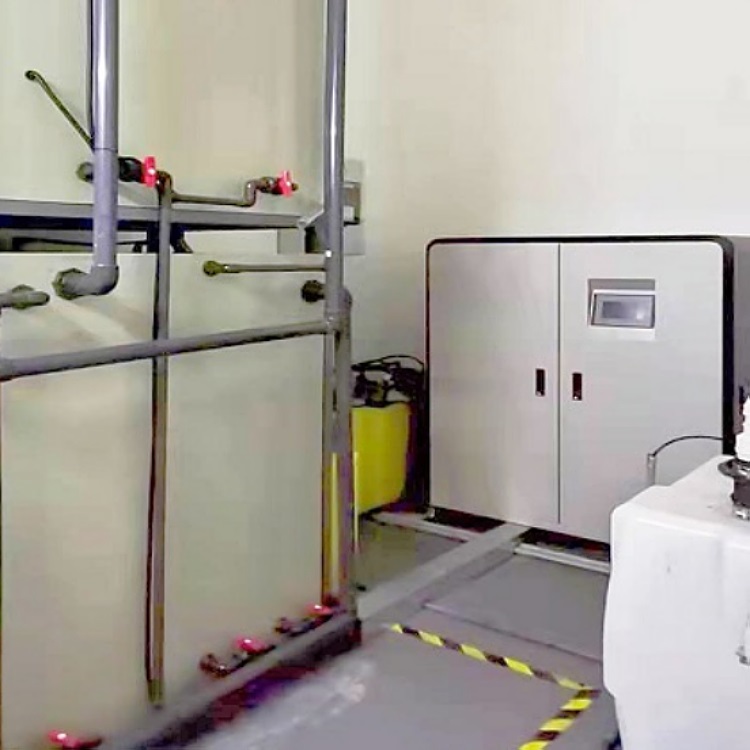 Types of laboratory wastewater treatment equipment:
Primarily used for removing suspended solids from wastewater. After a period of settling in the sedimentation pond, heavier particles will settle to the bottom under the force of gravity, forming sludge, while the clarified liquid flows out to the next treatment stage.
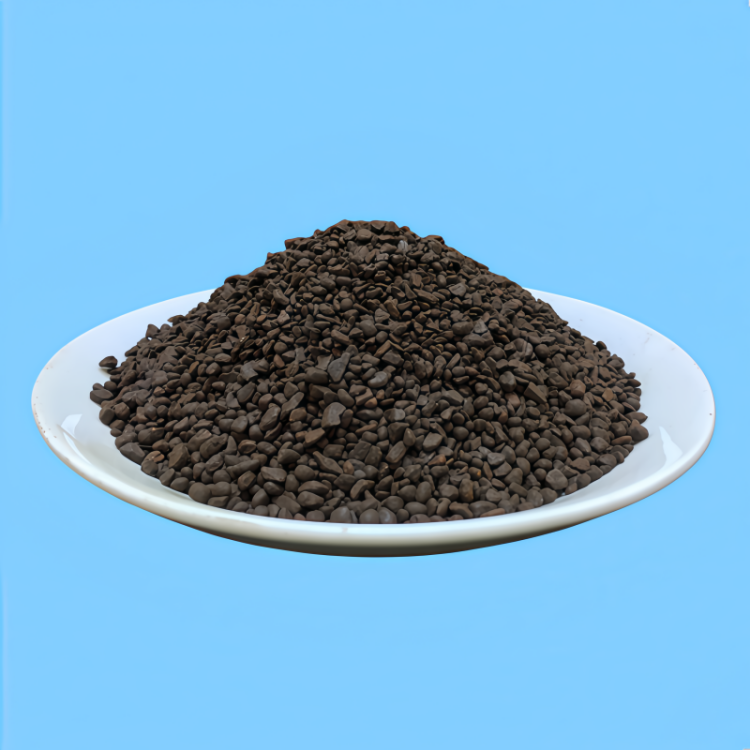
2. Includes sand filters, activated carbon filters, etc., used for removing fine particles, colloids, and some dissolved organic matter from wastewater. The filtering medium retains pollutants on its surface or inside through adsorption and interception.
3. Adjusts the pH level of waste water to meet discharge standards. Neutralizes acidic or alkaline substances in the waste water by adding acid or alkali, resulting in harmless salts.
4. Utilize oxidizing or reducing agents to convert harmful substances in wastewater into harmless or low-toxic substances. Common oxidizing agents include ozone and hydrogen peroxide, while reducing agents include sodium sulfite and ferrous sulfate.
5. Utilizing the metabolic action of microorganisms, organic matter in wastewater is decomposed into carbon dioxide, water, and biomass. Bio-reactors are categorized into aerobic and anaerobic types, with the former requiring oxygenation and the latter operating under anaerobic conditions.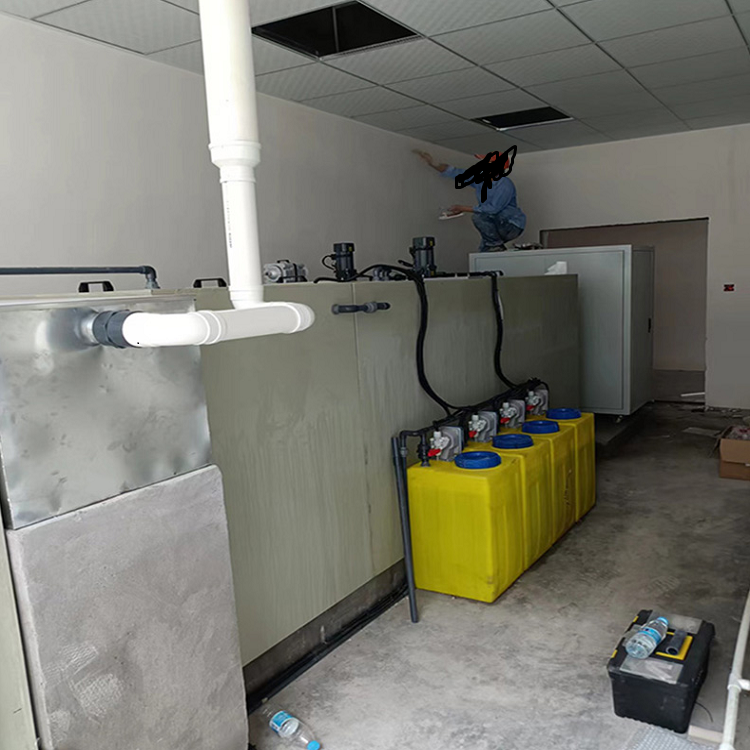 When selecting laboratory wastewater treatment equipment, consider the following factors:
Understand the characteristics of wastewater, including composition, concentration, pH level, and temperature, to select appropriate treatment processes and equipment.
2. Determine the scale of the treatment equipment based on the laboratory wastewater generation. An oversized scale increases investment costs, while an undersized scale may not meet the treatment requirements.
3. Familiarize yourself with the local environmental department's specific requirements for wastewater discharge, ensuring the chosen equipment meets the emission standards.
4. Consider factors such as energy consumption, reagent usage, and maintenance costs when selecting an economically reasonable treatment solution.
5. Prioritize equipment that is technologically mature, stable in operation, and easy to maintain to minimize operational risks.
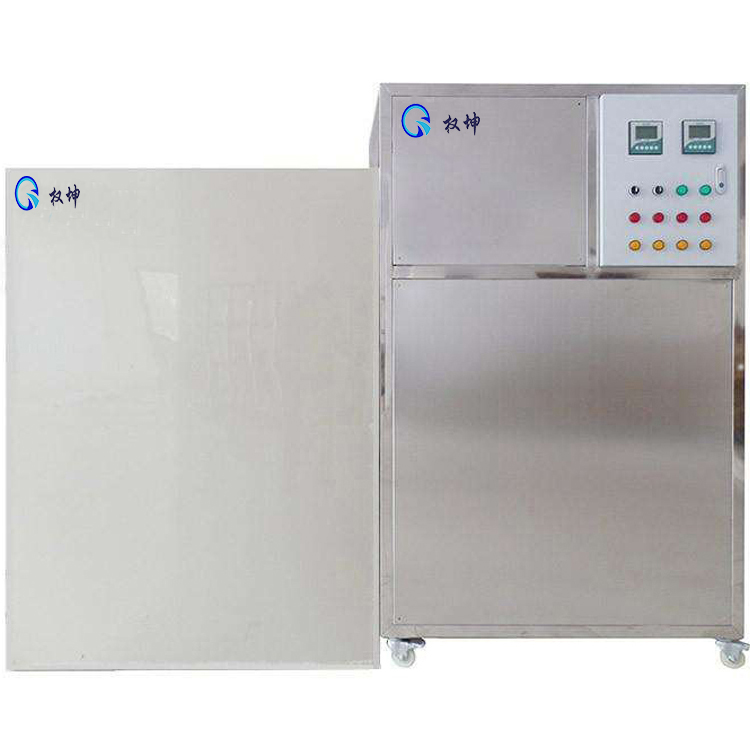
Characteristics and Treatment Principles of Laboratory Wastewater:
Laboratory wastewater is characterized by its complex composition, large fluctuations in concentration, and high toxicity. For example, chemical experiments may produce wastewater containing heavy metals like chromium and lead, while biological experiments may carry pathogenic microorganisms. The treatment of laboratory wastewater should adhere to the following principles:
Categorically collected: Separated based on acidity/alkalinity, organic/inorganic nature, and toxicity to prevent reactions upon mixing, which could produce more hazardous substances.
Source Reduction: Minimize waste liquid volume through micro-scale experimental design.
Hazardous waste treatment: Ensure the effluent meets the requirements of the Integrated Wastewater Discharge Standard (GB 8978-1996).
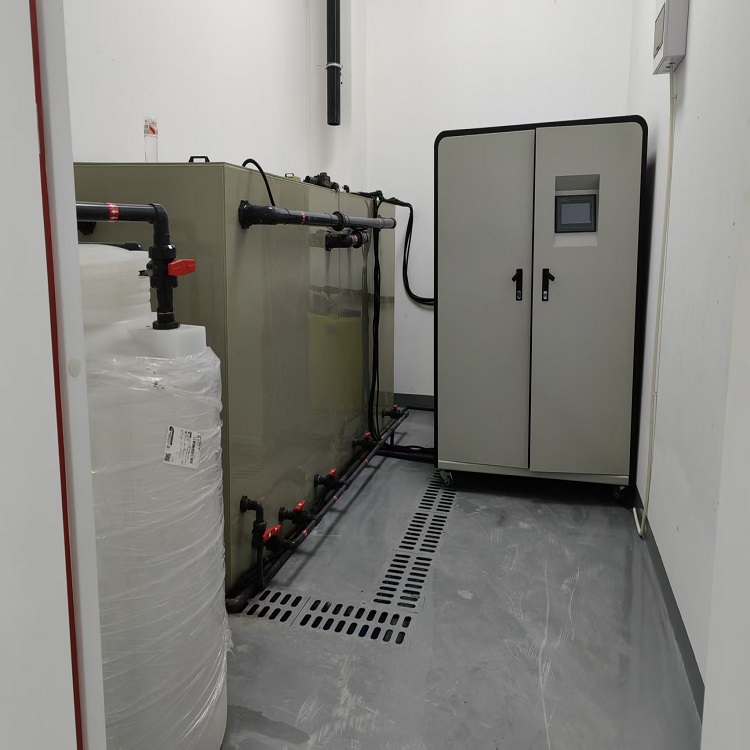
Quan Kun Environmental Protection Hospital Laboratory Sewage Treatment Equipment; Sewage Treatment Equipment Maintenance and Low Energy Consumption
Consider the following factors when selecting an appropriate wastewater treatment unit:
Wastewater Characteristics: Analyze the main types of wastewater in the laboratory, determine the types of pollutants and their concentration ranges.
2. Treatment Scale: Select equipment capacity based on average daily wastewater volume to avoid excessive or insufficient sizes affecting operational efficiency.
3. Automation Level: Prioritize intelligent control systems for automatic pH adjustment, dosing of chemicals, fault alarms, and reduce manual intervention.
4. Safety and Maintenance: The equipment should have anti-corrosion and anti-leakage design, and be easy to clean and replace consumables (such as filter membranes, activated carbon).
5. Compliance: Ensure the equipment meets environmental regulations and has third-party testing and certification.