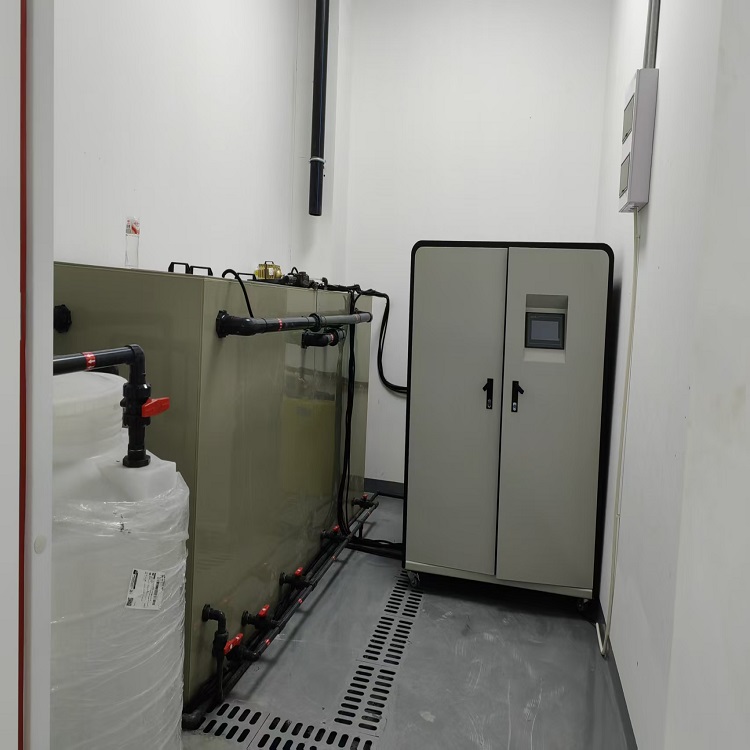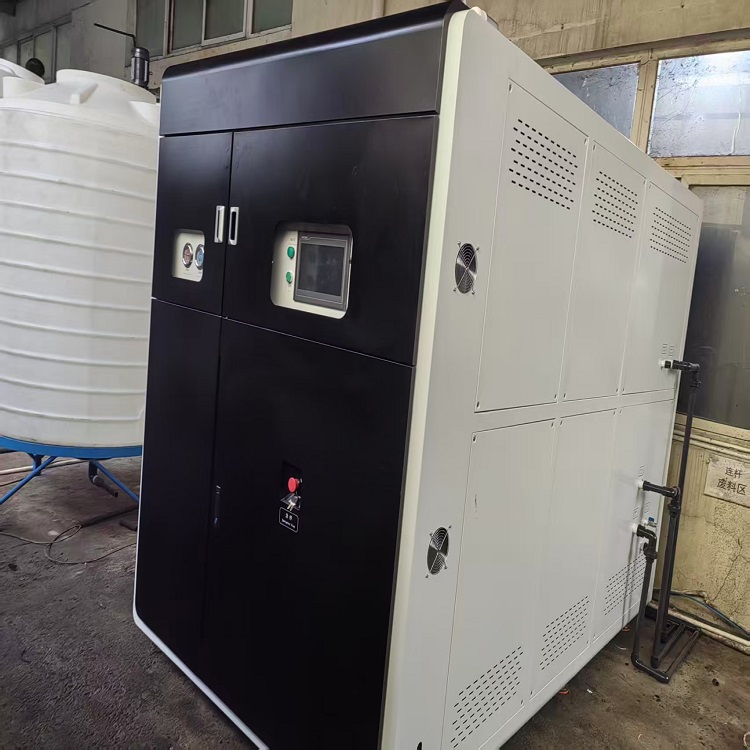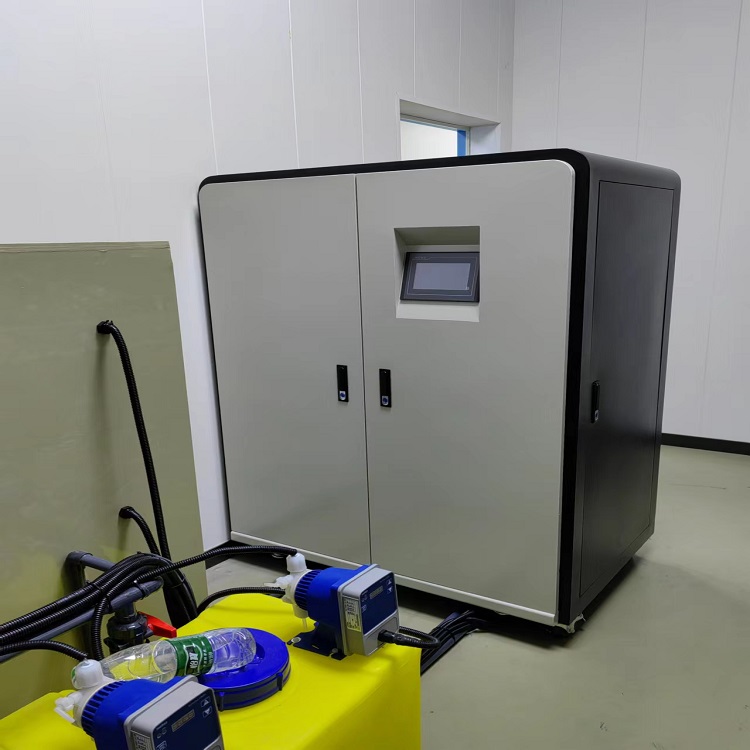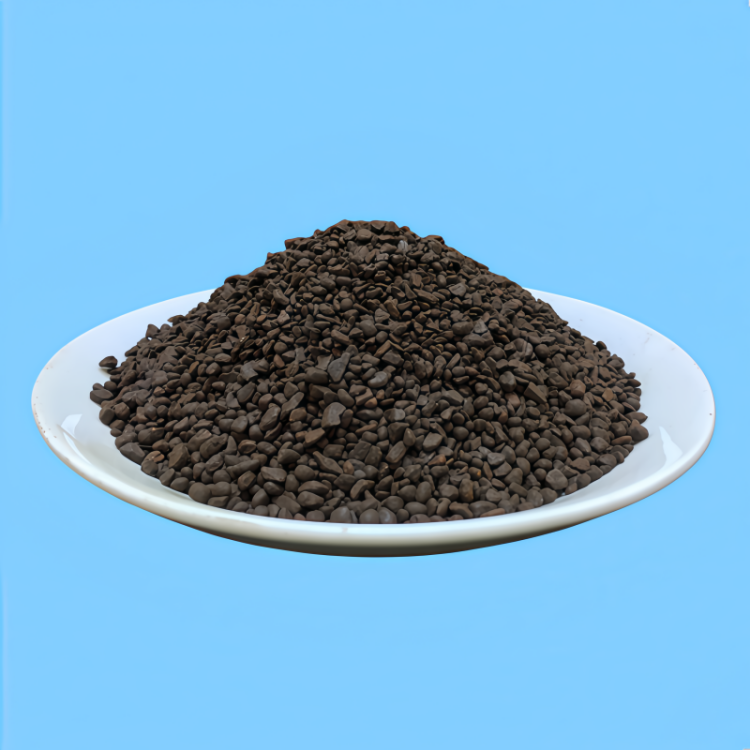

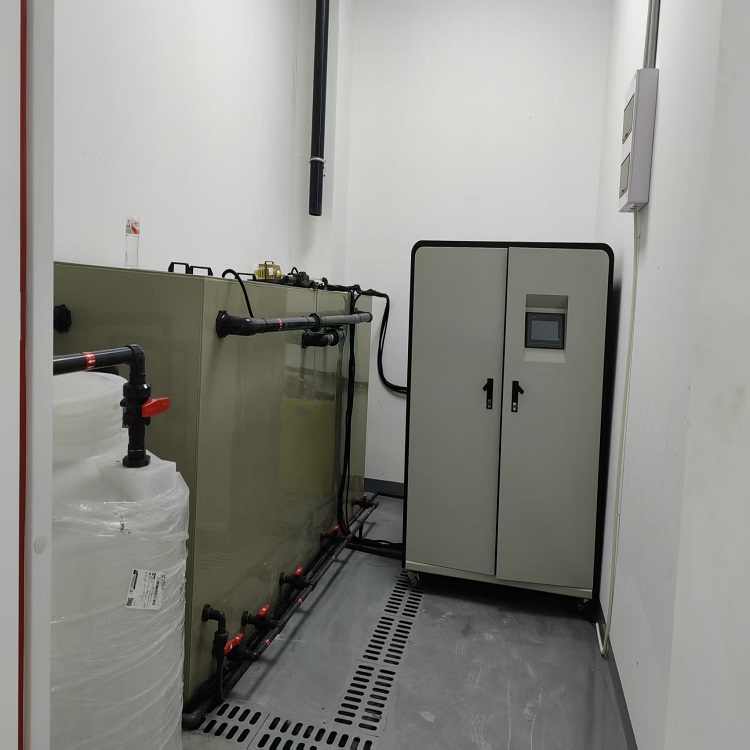

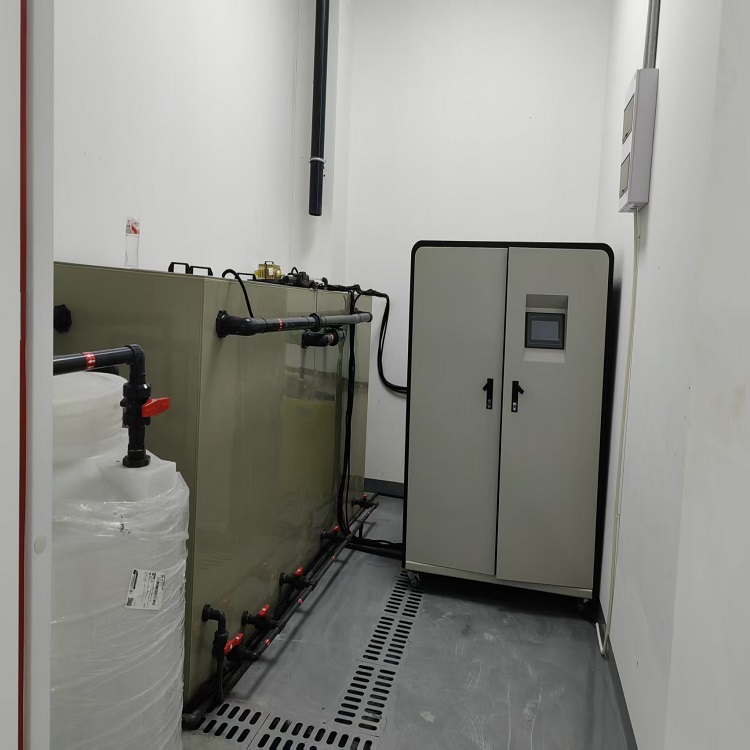
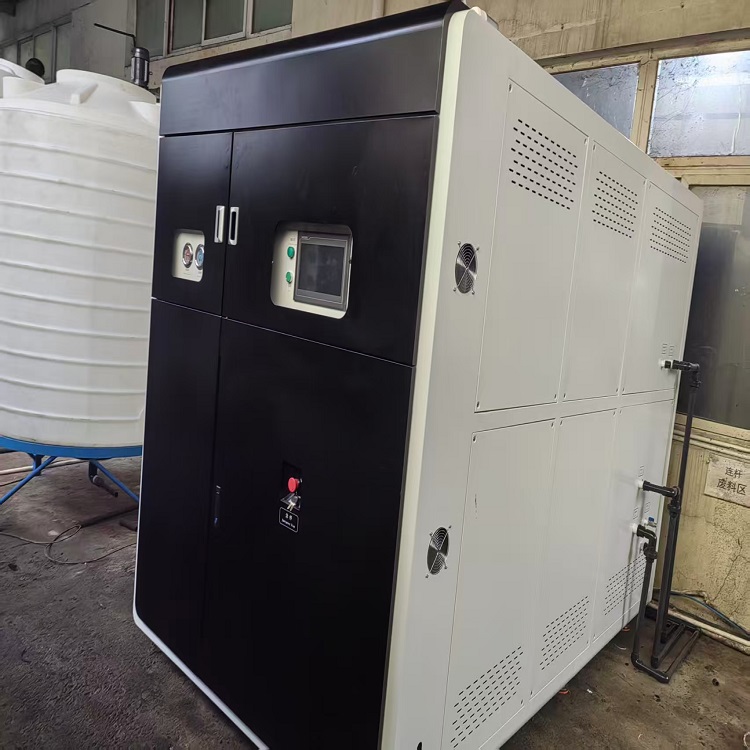
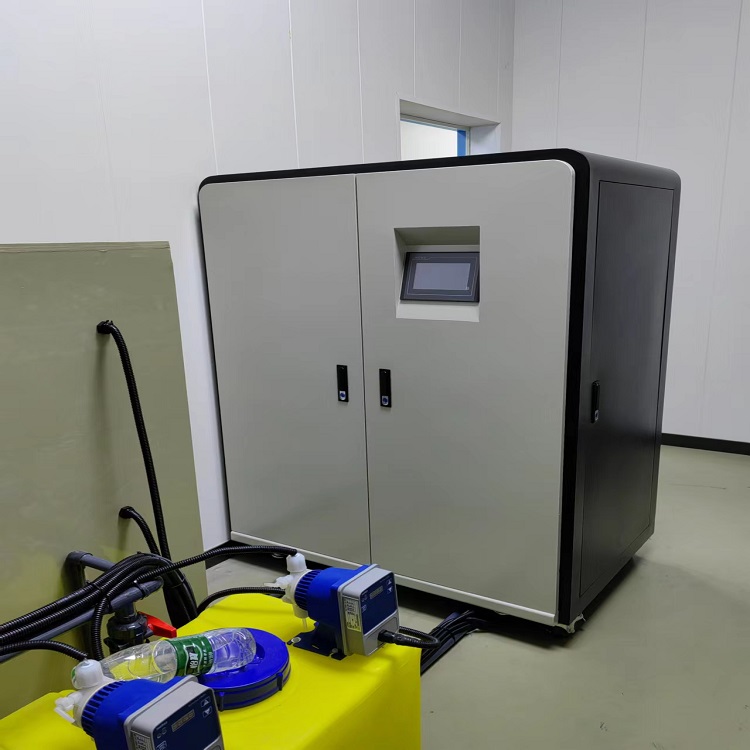


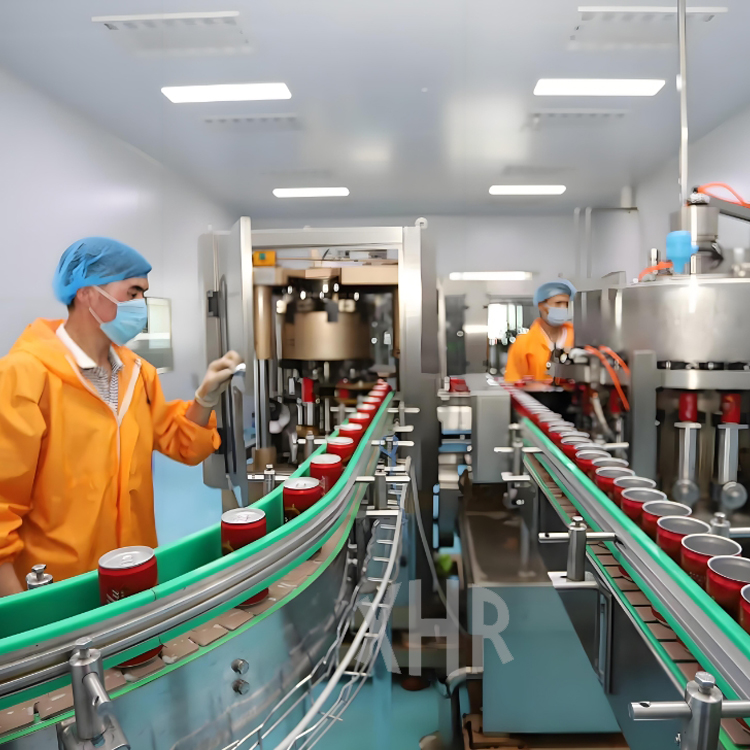





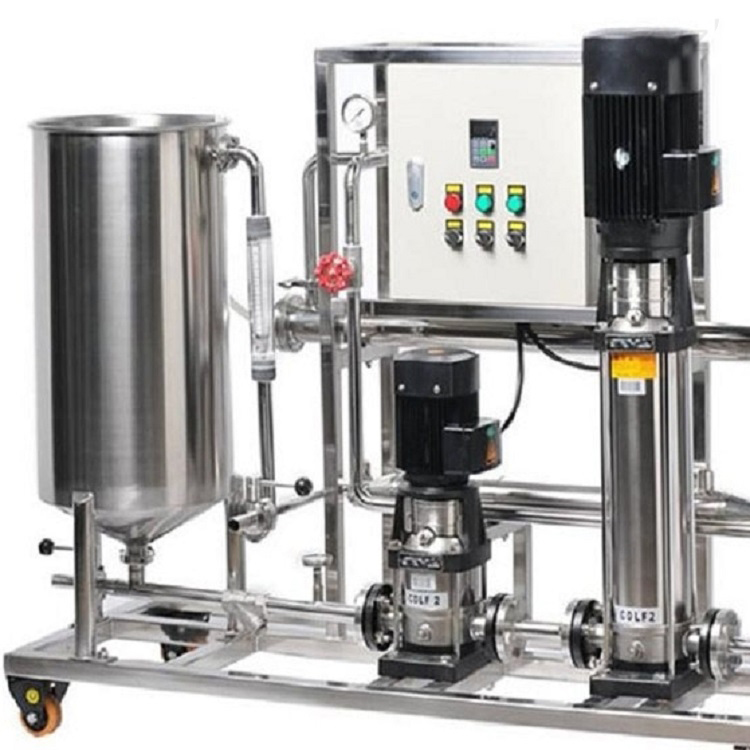
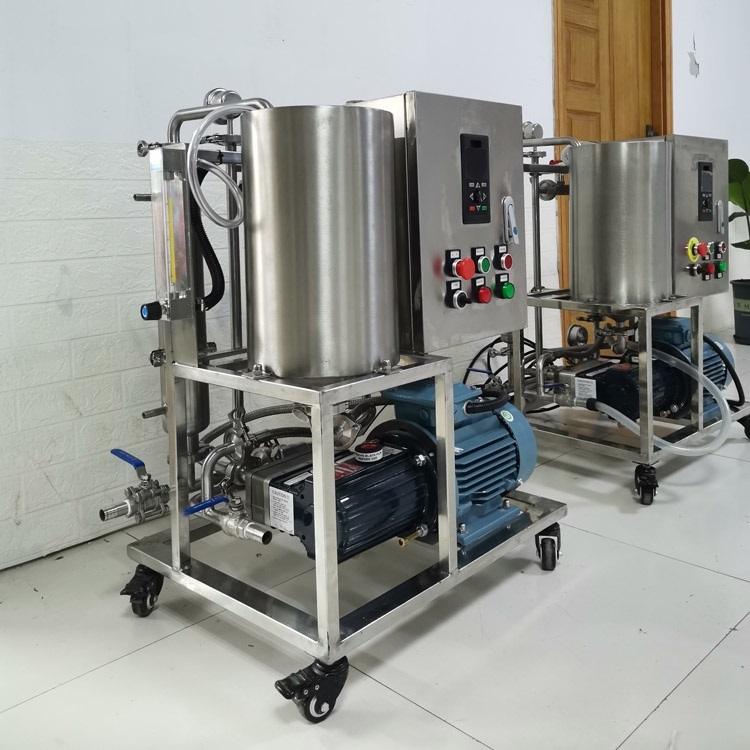
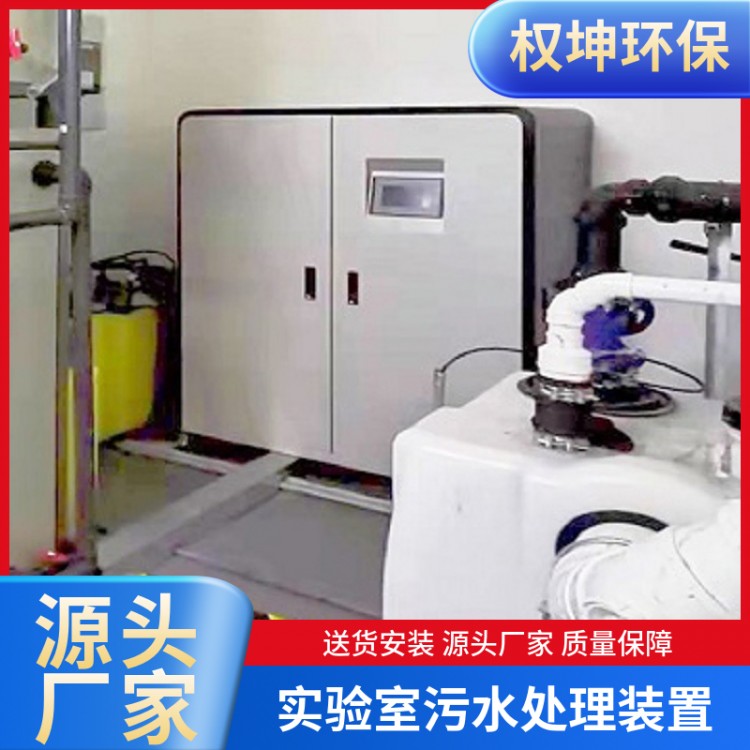
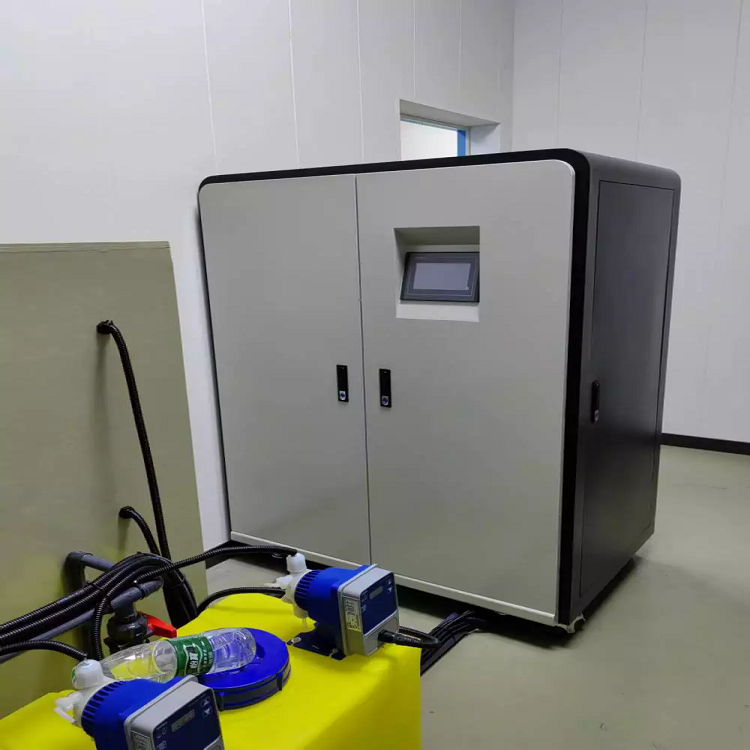
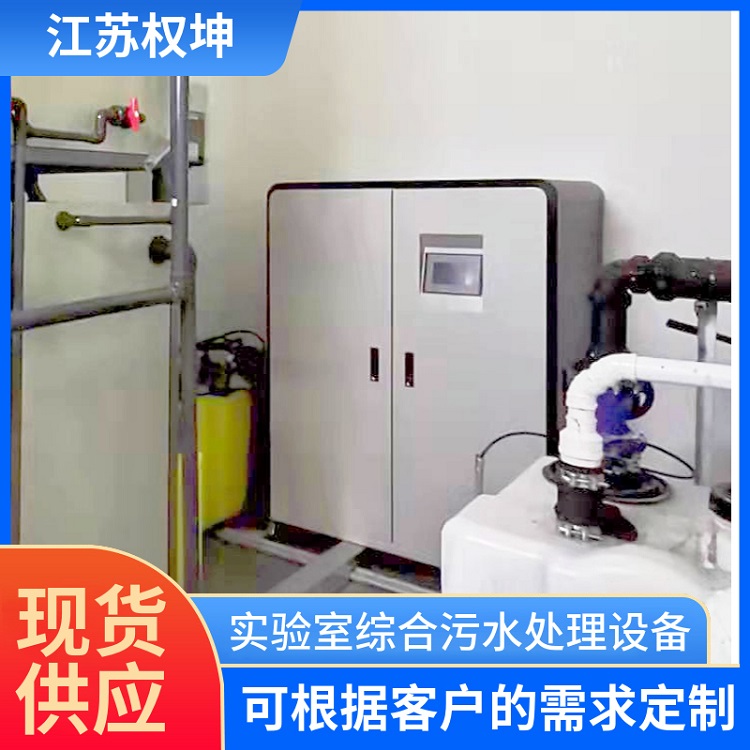
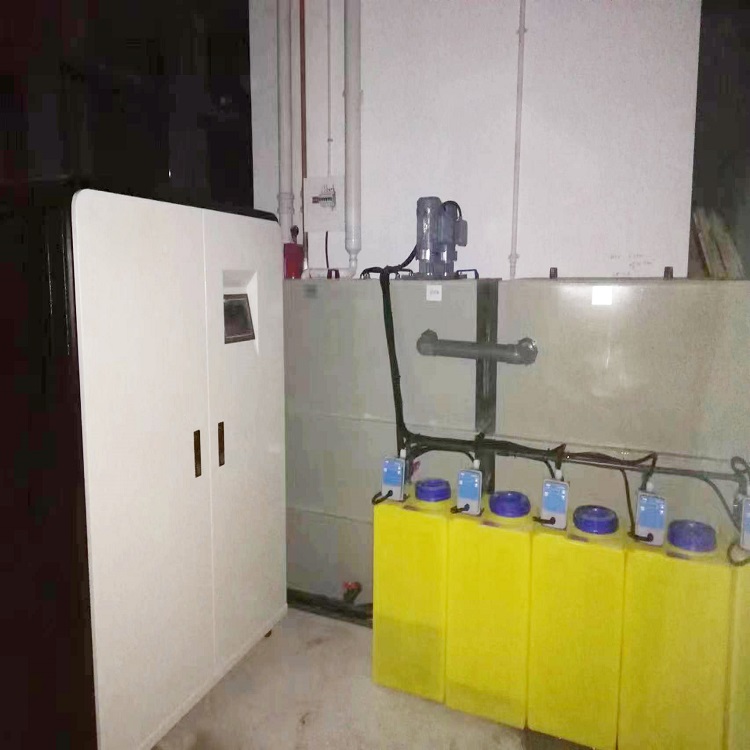
Shenzhen MBR Membrane Sewage Treatment Equipment, School Laboratory Wastewater Treatment System, Simple Operation
The Laboratory Sewage Treatment Integrated Machine is a device that integrates various water treatment technologies, primarily used for treating wastewater generated in laboratories to ensure it meets discharge standards or reuse requirements. Its core principle involves the combined action of physical, chemical, and biological methods to remove pollutants from the wastewater, including organic matter, heavy metals, and microorganisms. The following will provide a detailed explanation from aspects such as the working principle, technical composition, application scenarios, and development trends.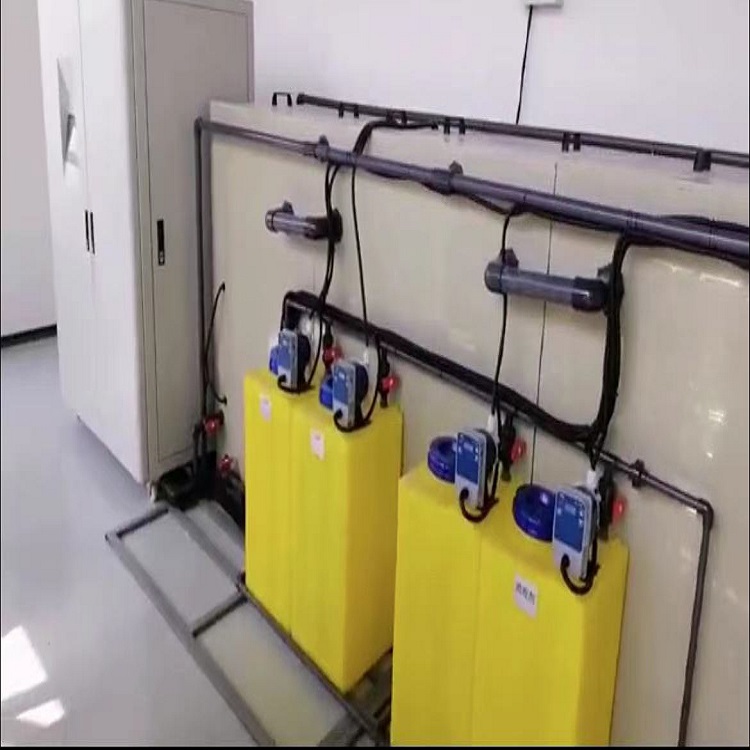
The laboratory wastewater is complex in composition, typically containing the following types of pollutants:
Organic matter: Such as experimental residuals like solvents, dyes, proteins, etc., with high Chemical Oxygen Demand (COD) and Biological Oxygen Demand (BOD).
2. Inorganic substances: strong acids, strong bases, heavy metal ions (such as lead, mercury, and chromium), etc., may cause severe harm to the environment and human health.
3. Biological Contaminants: Bacteria, viruses, etc., generated from microbiological experiments, must be rigorously inactivated.
4. Radioactive Materials (in a few special laboratories): require special handling.
These pollutants, if discharged directly, can contaminate water bodies, disrupt ecological balance, and even harm human health through the food chain. Therefore, laboratory wastewater treatment integrated machines must possess efficient, flexible, and safe treatment capabilities.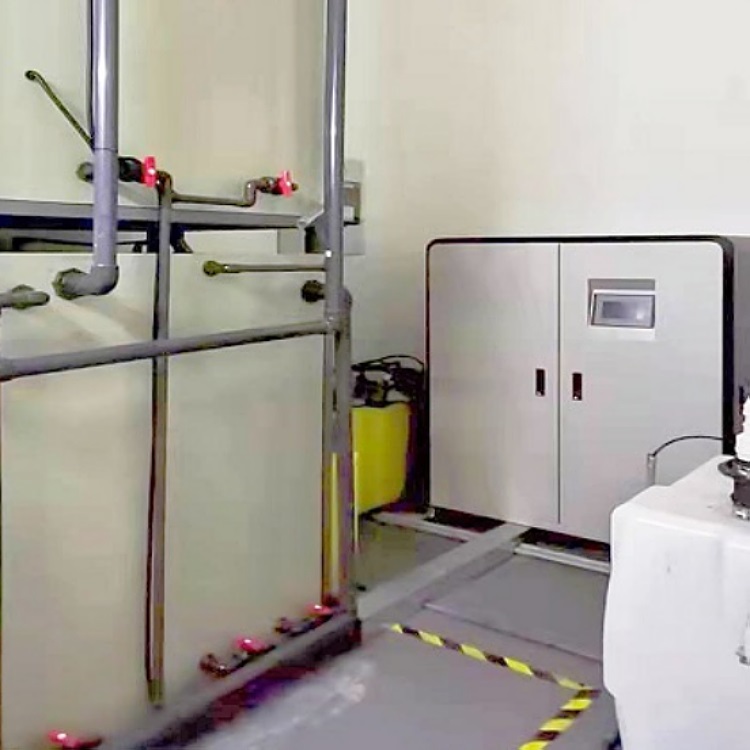
The laboratory wastewater treatment integrated unit typically employs a "staged treatment" model, combining various technical modules. The specific process is as follows:
Pre-treatment stage
Grate Filtering: Removes large particle suspended solids from wastewater, such as broken glass, plastic, etc.
pH Adjustment: Neutralizes acidic or alkaline wastewater through the addition of sulfuric acid via the dosing system, maintaining a stable pH level within the desirable range of 6-9.
Coagulation and Sedimentation: Addition of coagulant polymer PAC to aggregate fine particles into larger flocs for easier separation in subsequent processes.
2. Primary Processing Stage
Redox reactions: For organic matter and heavy metals, utilize chemical oxidation (such as ozone) or reduction (such as ferrous sulfate treatment for hexavalent chromium) techniques to decompose toxic substances.
Biological Treatment (optional): For biodegradable organic matter, utilizes microbial metabolism to degrade pollutants through biofilm or activated sludge processes.
Membrane separation technology: Ultrafiltration (UF) or reverse osmosis (RO) membranes can retain molecular-level contaminants, particularly suitable for high-purity water recycling applications.
3. Deep Processing and Disinfection
Activated Carbon Adsorption: Removes residual color, odor, and trace organic matter.
Ultraviolet or ozone disinfection: Eliminates pathogenic microorganisms, ensuring the biological safety of the effluent.
4. Sludge Treatment
Sludge produced from sedimentation or membrane separation must be dewatered (e.g., plate and frame press filtration) before being disposed of as hazardous waste to prevent secondary pollution.
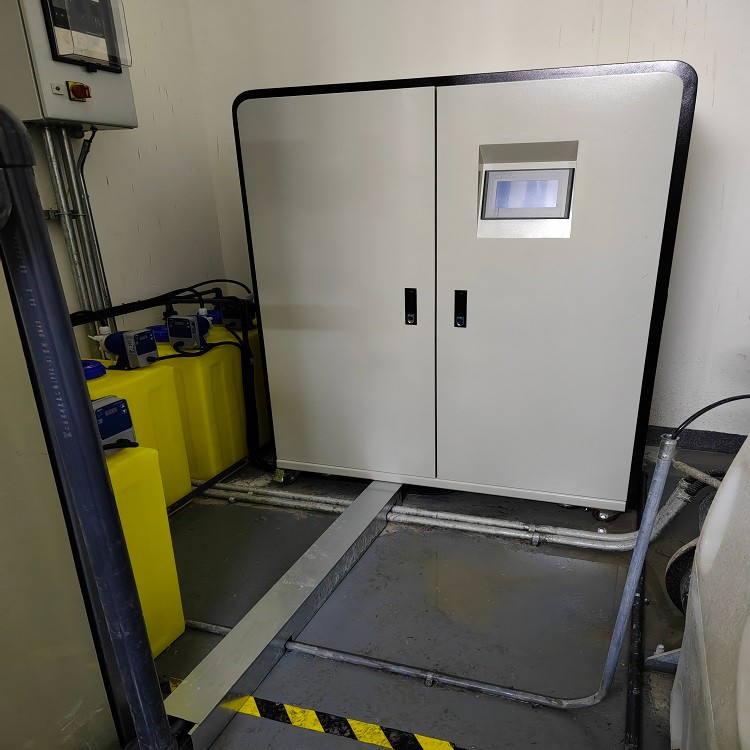
Laboratory wastewater primarily includes the following categories:
Pathogenic Microorganism Contaminated Wastewater: Such as virus, bacterial culture media, and residual samples, posing a high risk of infectious transmission.
Chemical Agent Wastewater: Contains disinfectants, organic solvents (such as ethanol), heavy metals (such as guanidine salts in nucleic acid test kits), etc., which may cause long-term harm to the ecological environment.
3. High-concentration organic wastewater: Originating from cleaning of laboratory equipment and residual culture medium, with a high COD (Chemical Oxygen Demand) value.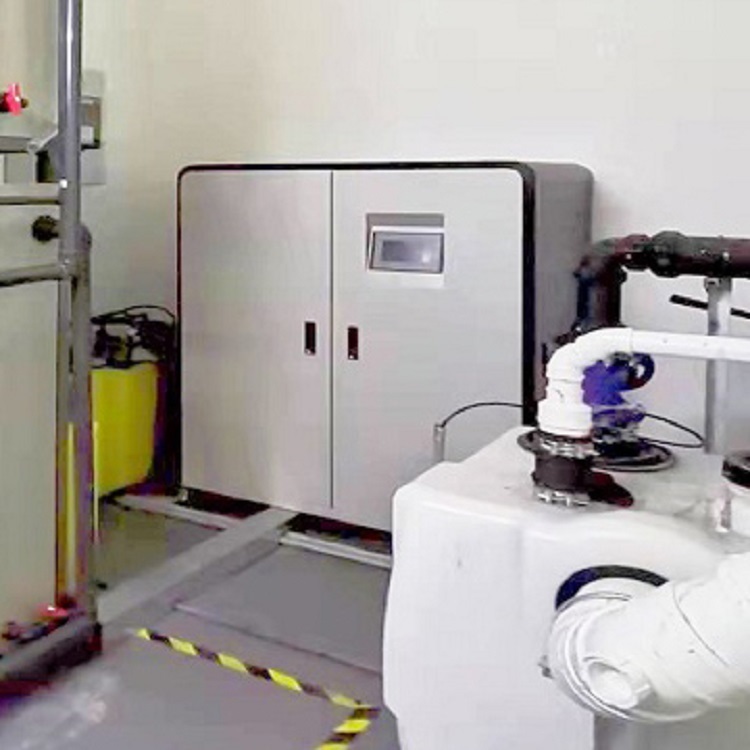
The challenge in treating this type of wastewater lies in:
High safety requirements: complete inactivation of pathogens necessary to avoid exposure risks during operation.
Composition complex: Requires collaborative processing through a combination of physical, chemical, and biological technologies.
Emission standards are strict: must comply with regulations such as the "Emission Standard of Water Pollutants from Medical Institutions" (GB 18466-2005).
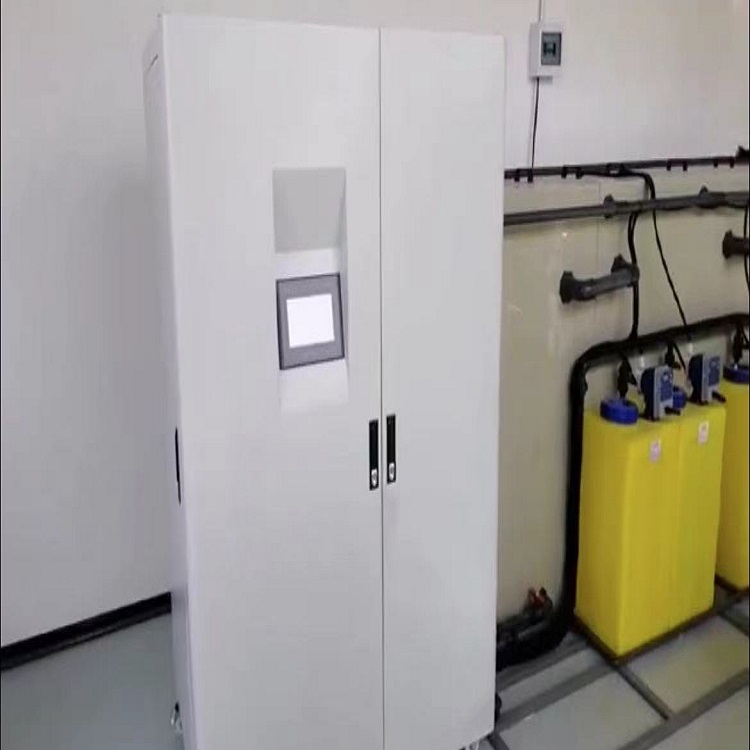
Shenzhen MBR Membrane Sewage Treatment Equipment, School Laboratory Wastewater Treatment System, Easy to Operate
Seven Key Indicators for Equipment Selection:
Compliance Certification: Must obtain the "Sanitation Safety Evaluation Report for Disinfection Products" and CEP certification.
2. Pathogen Inactivation Efficiency: Specialized treatment plans should be in place for tenacious pathogens such as Mycobacterium tuberculosis.
3. Emergency Response Ability: Stability Test for Overload Operation of Equipment
4. Intelligent Operation and Maintenance System: Recommend selecting models with predictive maintenance features.
5. Secondary Pollution Control: Sludge treatment unit must comply with the requirements of the "Regulations on the Management of Medical Waste"
6. Energy Consumption Ratio: The new magnetic levitation fan can reduce aeration energy consumption by over 40%.
7. Total Lifecycle Cost: Includes maintenance and consumables replacement cost evaluation for a 10-year period