










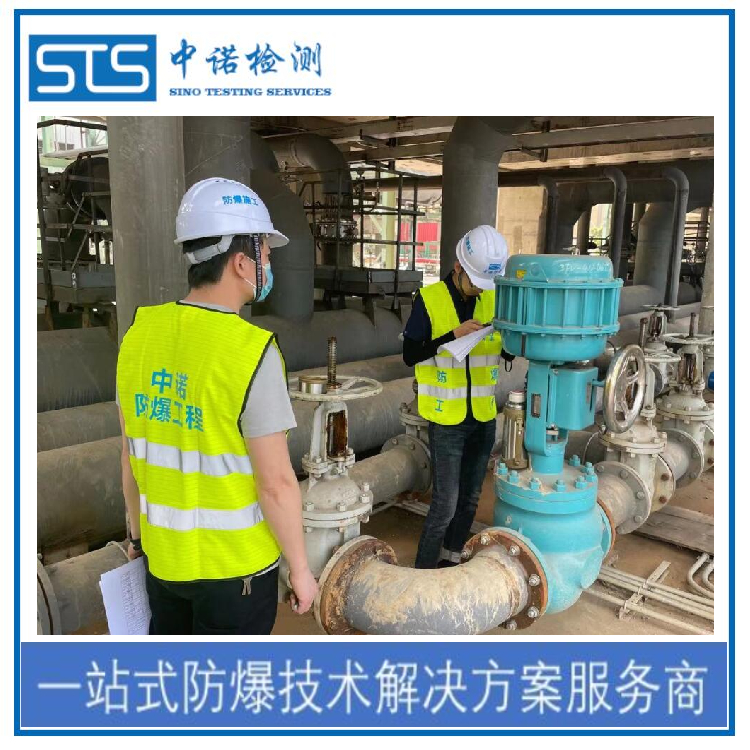
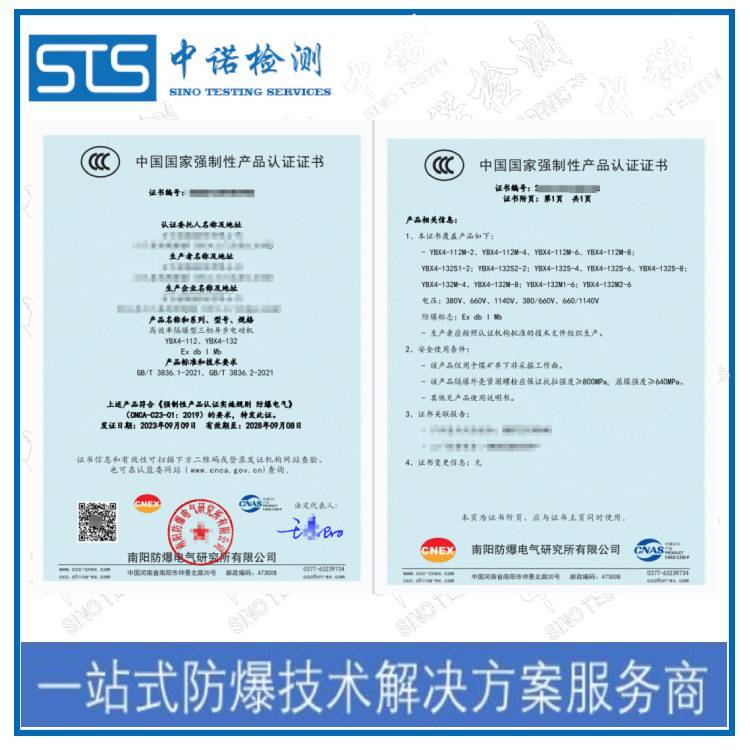
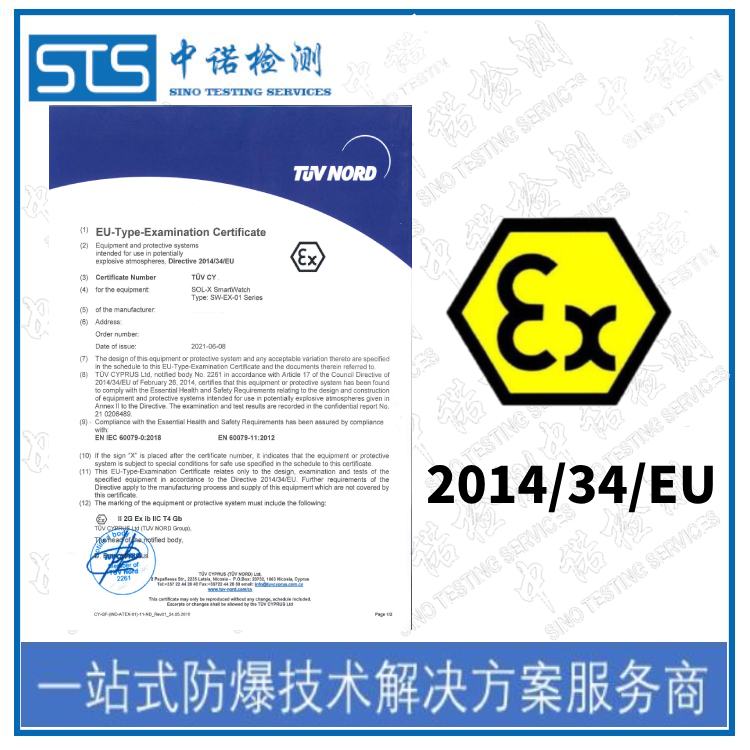
Shenzhen Zhongnuo Testing Technology Co., Ltd. is based in South China and specializes in explosion-proof certification and coal safety certification application consulting services, offering a one-stop explosion-proof technology consulting service.
Is a product's explosion-proof certification the same as its explosion-proof qualification certificate?
Many customers inquire during consultations about the difference between obtaining explosion-proof certification for a product and obtaining an explosion-proof qualification certificate.
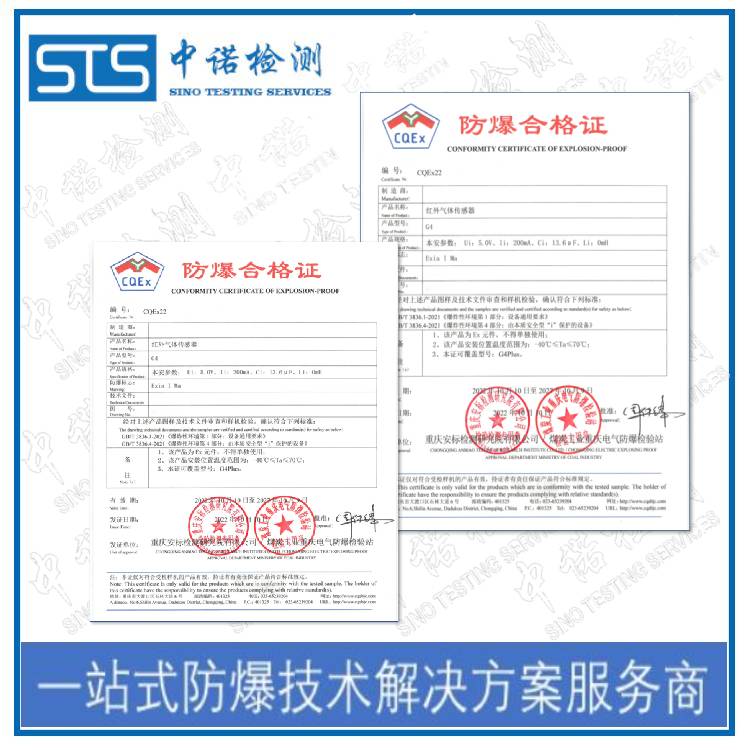
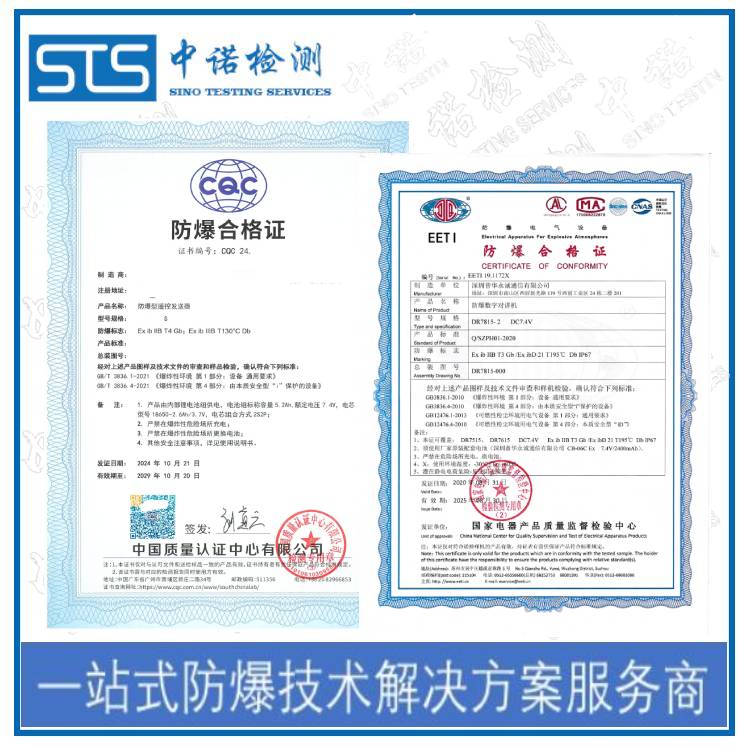
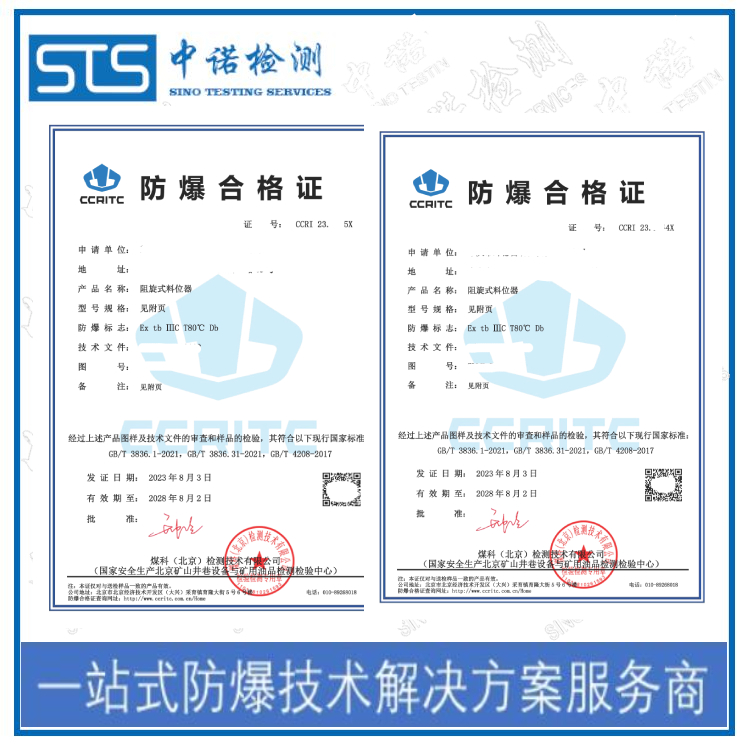
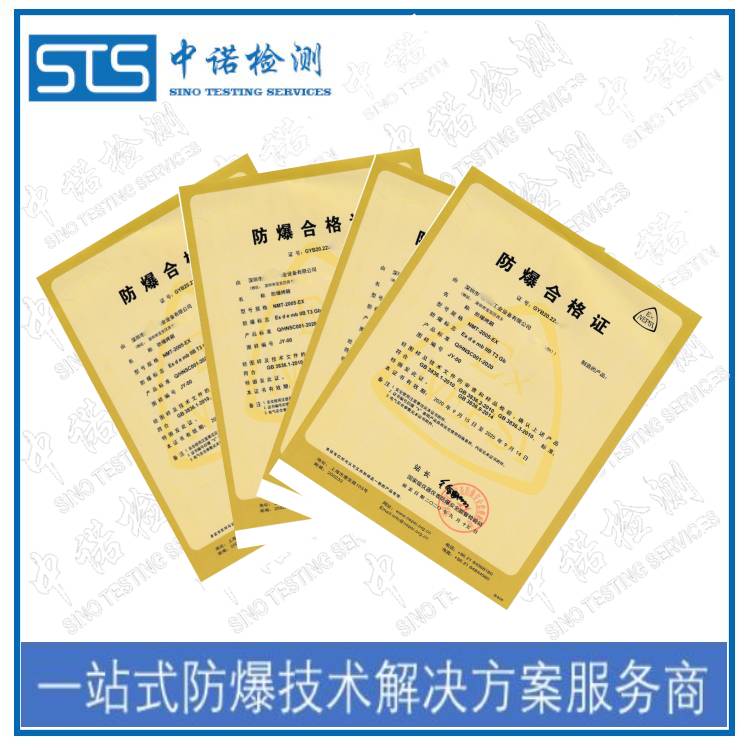
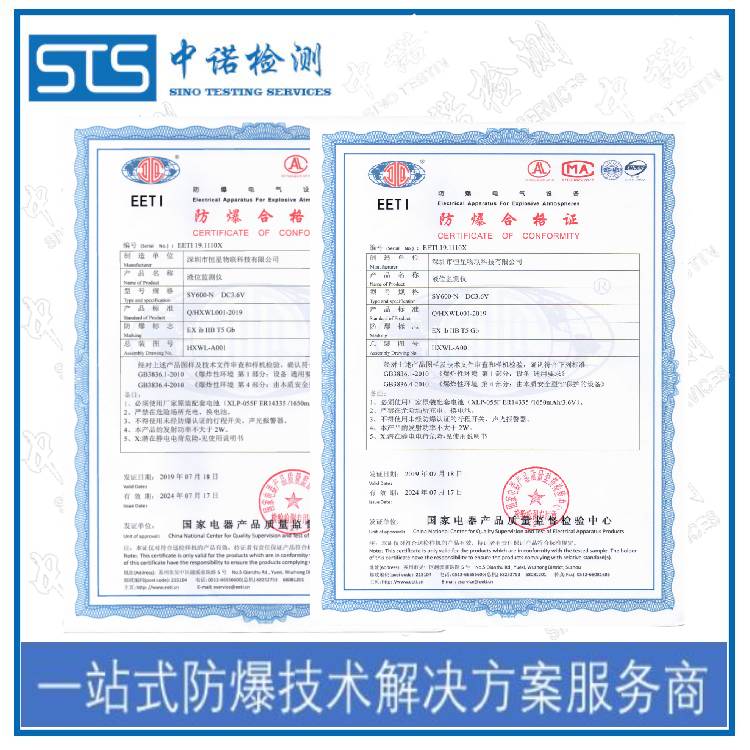
Explosion-proof certification and explosion-proof compliance certificate are two distinct concepts. Once a product undergoes explosion-proof certification, the resulting document is the explosion-proof compliance certificate.
Explosion-proof certification is the process, and the explosion-proof certificate is the outcome.
So the client said the product needs to be certified for explosion-proof or obtain an explosion-proof certification.
The product must pass the explosion-proof standard tests and meet the standard requirements to obtain an explosion-proof certification.
Explosion-proof certifications can be categorized according to different protection types, including intrinsic safety, flameproof, positive pressure, and encapsulation, etc.
ZhongNuo Inspection boasts a team of explosion-proof engineers capable of providing early-stage design for explosion-proof circuits and structures.
Assist companies in preparing the necessary drawings, specifications, manuals, and corporate standards for explosion-proof certifications, facilitating their quick acquisition of the explosion-proof compliance certificate.
If you require certification in this area, feel free to message us directly!
List of Domestic Explosion-Proof Certification Agencies:
1. Nanyang CNEX
2. Shanghai Coal Research Institute
3. National Electrical Appliance Quality Supervision and Inspection Center
4. Guangdong CQCEx National Explosion-Proof Equipment Quality Supervision and Inspection Center
5. National Coal Mine Explosion-Proof Safety Product Quality Supervision and Inspection Center
6. Jiamusi Explosion-Proof Institute
7. Tianjin PCEC
8. Shanghai NEPSI
9. Beijing Coal Research Institute CCRI, etc.
For applicants, the choice of explosion-proof type and level is consistent across all authorized institutions. They are all state-certified and authorized institutions, equipped with testing conditions meeting standard requirements, adhering to the same standards, and conducting identical testing. Under the same conditions, it's an inevitable trend to opt for institutions offering more affordable services at a lower price. This is also a significant reason for the growing popularity of emerging explosion-proof enterprises.
The explosion-proof grade is a classification used to indicate the safety performance level of equipment or environments in flammable and explosive hazardous areas. It is primarily applied in industrial sectors such as oil, chemicals, mining, and gas, where flammable gases, vapors, or dusts are present.
The selection of explosion-proof grades requires a comprehensive consideration of the type of hazardous environment, characteristics of explosive substances, equipment usage scenarios, and relevant standard requirements. When choosing the explosion-proof certification grade, it is important to note the following points:
Choosing the explosion-proof grade is not about going as high as possible; rather, it should match factors such as product structure, installation method, and usage location. As long as the product structure meets the requirements, the higher the explosion-proof grade chosen, the wider the range of applications. However, be aware that an excessively high explosion-proof grade may increase product cost and complexity, so choose based on actual needs.
The explosion-proof grade and the protection grade (IP grade) are two different things and should not be confused. The protection grade mainly focuses on the dust and water resistance of the equipment, while the explosion-proof grade concerns the safety of the equipment in flammable and explosive environments.
Temperature groups are also one of the factors to consider when selecting explosion-proof ratings. Temperature groups indicate the high surface temperature of the equipment under adverse conditions. For flammable and explosive hazardous areas, the lower the high surface temperature of the equipment, the safer it is.
Explosion-proof and intrinsic safety are two distinct types of explosion prevention methods, both capable of achieving explosion prevention, with their own advantages and disadvantages. What is suitable for the product structure and environment is safe; it is not necessarily that explosion-proof is safer than intrinsic safety.
If you have any questions about selecting explosion-proof ratings or obtaining explosion-proof certifications, feel free to consult Shenzhen ZhongNuo Testing Technology Co., Ltd. at any time.
Basic definition of explosion-proof certification:
Intrinsic safety refers to the design of electrical equipment in such a way that the energy of its circuits is limited, ensuring that sparks or heat generated during normal operation or under specified fault conditions cannot ignite an explosive environment around it. This type of explosion-proofing primarily focuses on limiting the energy within the circuit to ensure the intrinsic safety performance of the equipment.
Application Scope of explosion-proof safety certification:
intrinsically safe electrical equipment is widely used in low-power, low-energy instruments, handheld terminal products, and more. Due to their relatively low energy output, these devices can easily be controlled within a safe range through technical means, thereby meeting intrinsic safety requirements.
Certification Standard for Explosion-Proof Security Equipment Certification
Domestic explosion-proof certifications follow standards such as GB/T3836.1 and GB/T3836.4. These standards provide detailed requirements for technical specifications, testing methods, and inspection rules of intrinsically safe electrical equipment to ensure the fundamental safety performance of the equipment.
Required documents for obtaining the explosion-proof certification for security equipment:
To obtain the ATEX certification, you'll need to prepare a range of documents, including but not limited to product manuals, company standards, electrical schematics, block diagrams, PCB layouts, assembly drawings, exploded views, battery specifications, and wireless transmission power reports. These documents will be used to evaluate whether the equipment meets the ATEX explosion-proof requirements.
Significance of Explosion Proof Certification in Security:
Equipment certified for intrinsic safety significantly reduces the risk of explosion in flammable and explosive environments, safeguarding personnel and property. Additionally, obtaining intrinsic safety certification is a crucial entry requirement for a company's products to enter related markets, which helps enhance their market competitiveness.
If you have any special requirements for intrinsically safe electrical equipment or questions about intrinsically safe certification, and need further assistance, please feel free to consult Shenzhen ZhongNuo Inspection Technology Co., Ltd.
Explosion-proof Certification Application Consulting Service - Shenzhen Zhongnuo Testing Technology Co., Ltd.
WeChat Official Account

Scan to follow Official Account