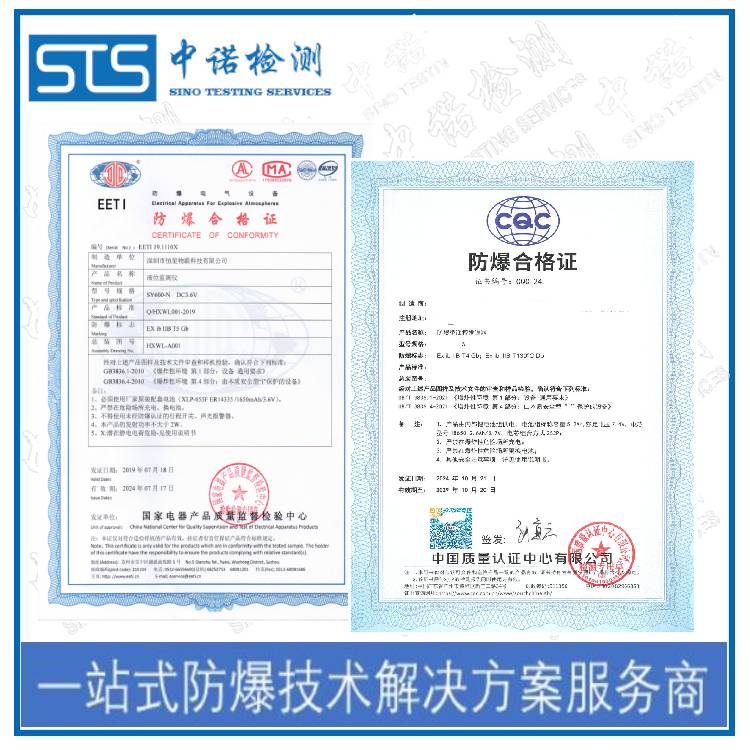

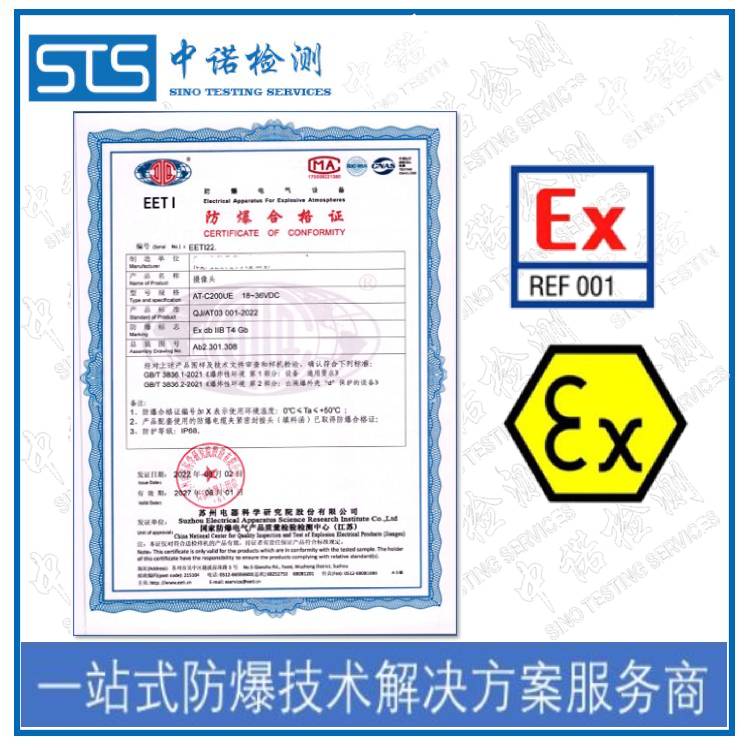
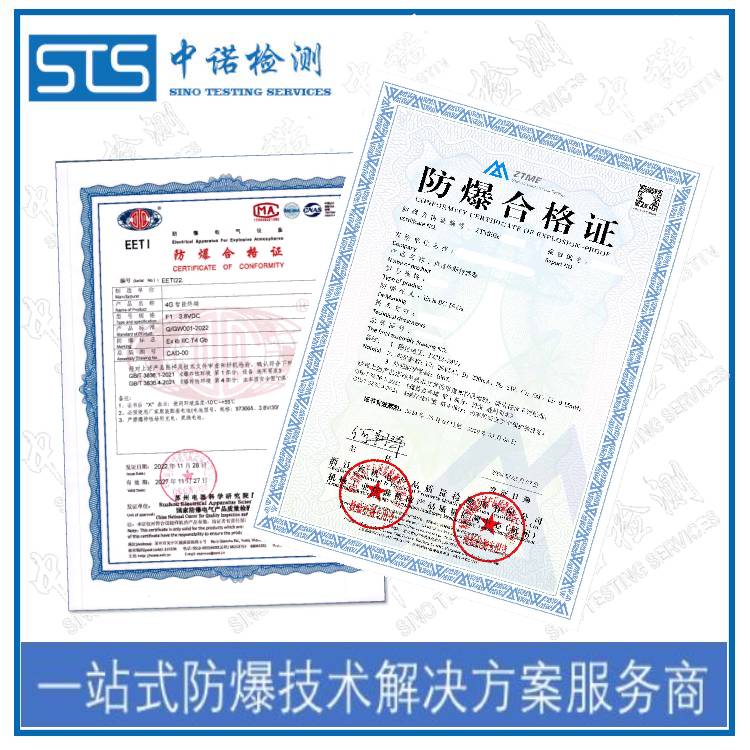










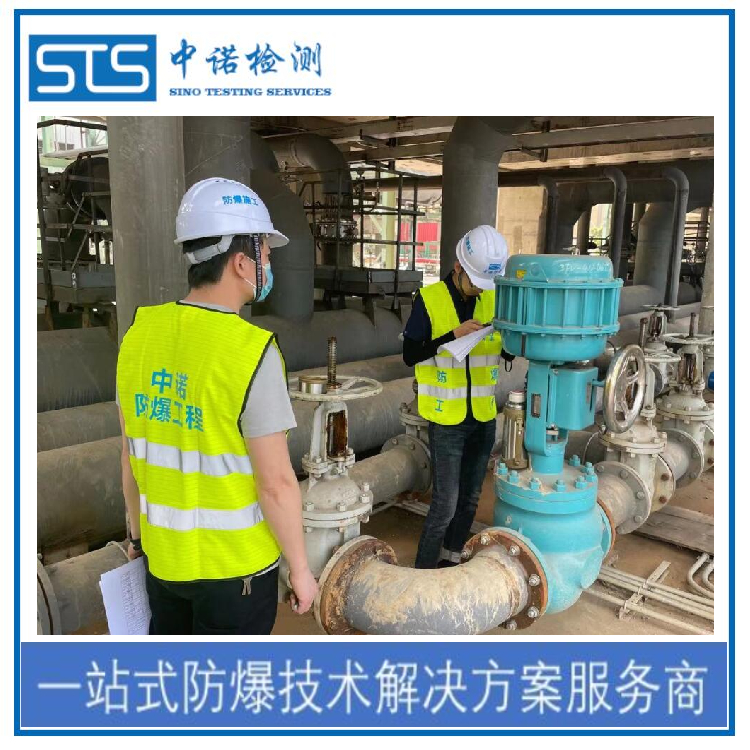
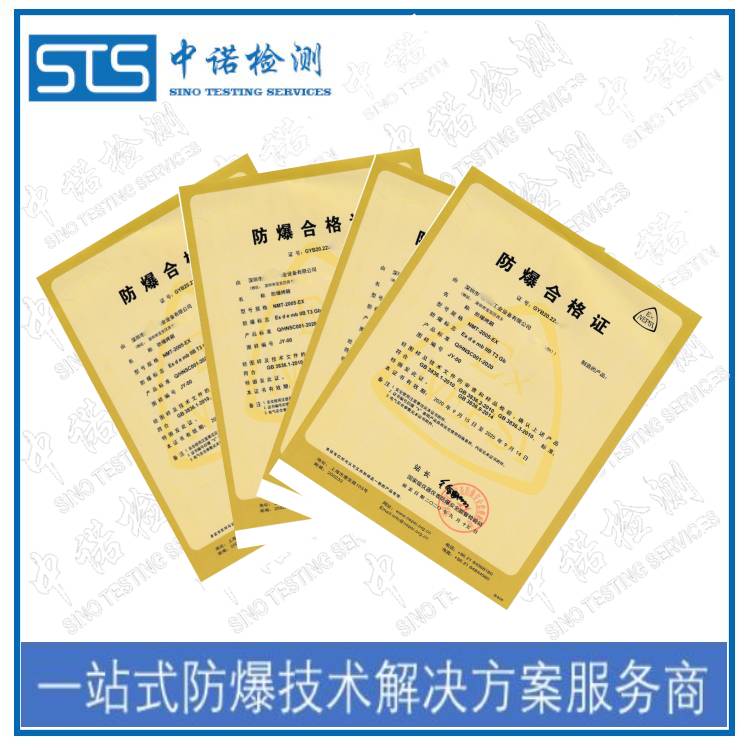
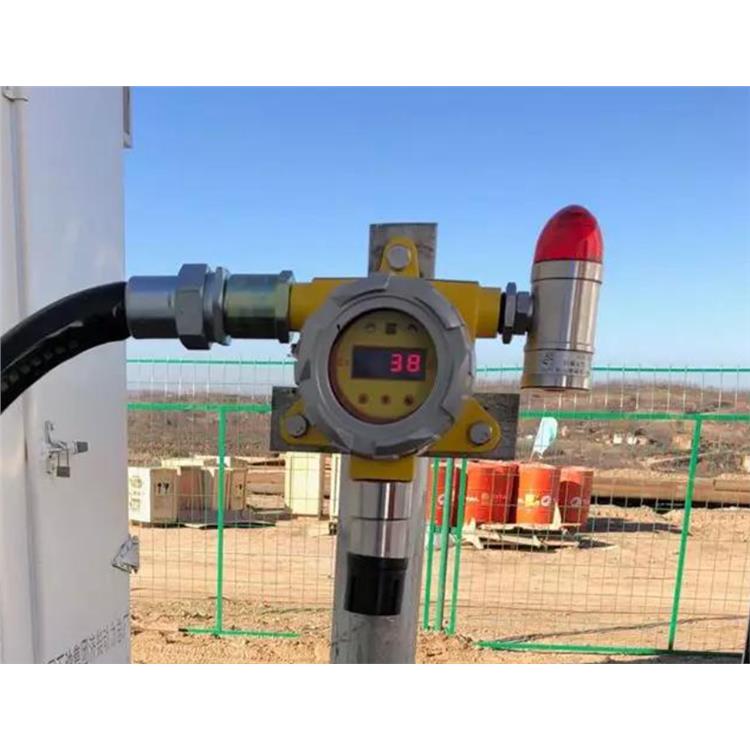
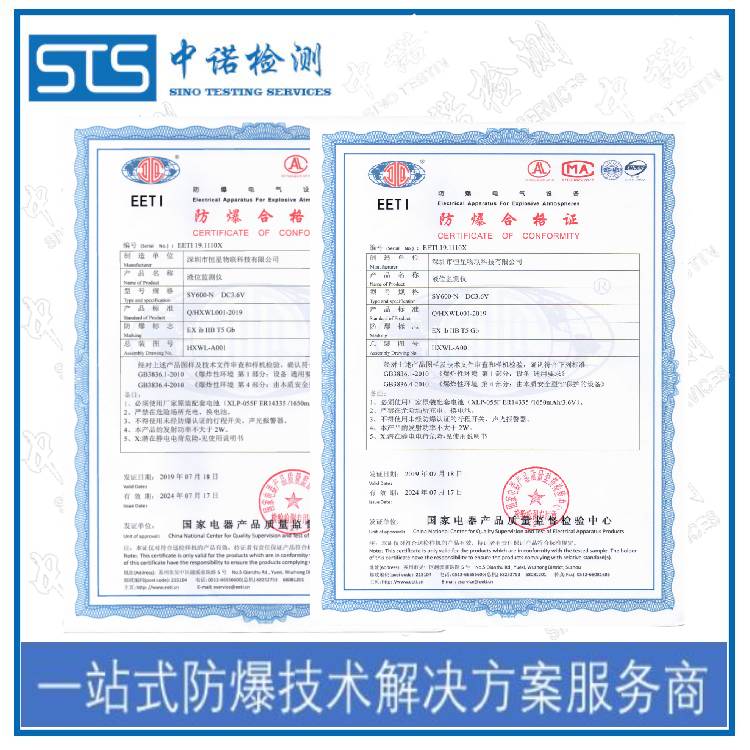
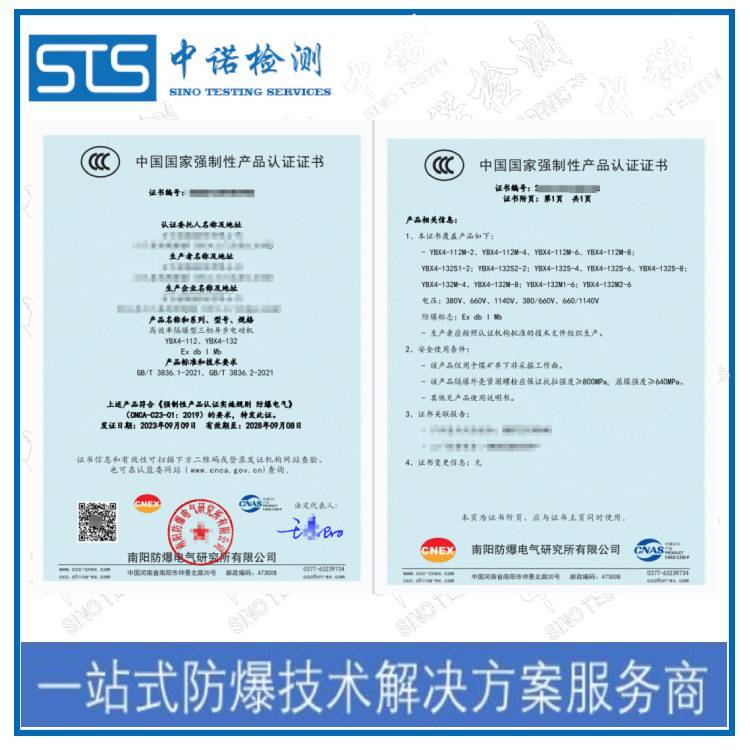
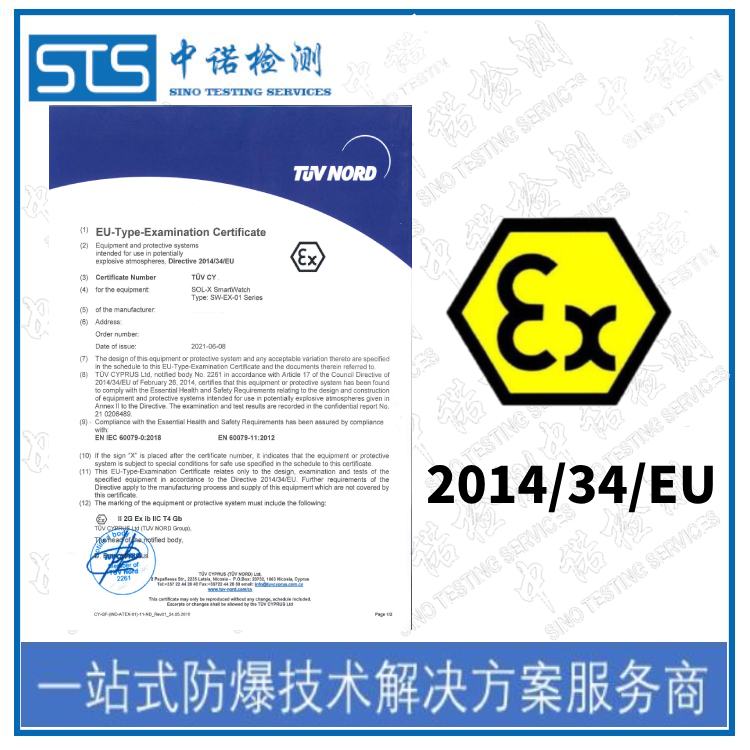
Shenzhen Zhongnuo Testing Technology Co., Ltd. is based in South China and specializes in explosion-proof certification and coal safety certification application consulting services, offering a one-stop explosion-proof technology consulting service.
Many corporate clients are often confused about the required corrosion resistance, protection level, and explosion-proof certification level for their products.
Due to the one-character difference in names, both referring to a specific grade of the product, they are similar yet distinct.
What are the differences between them?
Corrosion prevention involves measures taken to protect metals prone to rust, aiming to extend their lifespan. Common methods include physical, chemical, and electrochemical corrosion prevention. There are typically five levels: indoor F1, F2, and outdoor WF, WF1, and WF2.
Protection rating, commonly known as IP rating, refers to the dust and water resistance level of the equipment, typically consisting of "IP" followed by two digits.
The explosion-proof grade generally refers to the certification level of the equipment's explosion-proof rating. Each electrical equipment applying for explosion-proof certification will have a corresponding explosion-proof mark, including the type and grade of explosion-proof. The explosion-proof grade indicates the product's applicable explosion-proof area, gas/dust groups, temperature groups, and equipment protection level, etc.
Clearly, these three belong to different concepts in different fields.
For more information on this topic, please feel free to contact Shenzhen ZhongNuo Testing Technology Co., Ltd. at any time!
Coal Mine Safety Certification is a mandatory product certification for equipment and products used underground in coal mines, which adopts the method of "product testing + factory audit."
Testing of the applied product is required, as well as on-site audits of the production factory and annual supervision evaluations, which is commonly referred to as factory auditing.
Product testing requires compliance with coal safety standards, such as electrical products needing to meet explosion-proof requirements in coal mine gas environments, while also satisfying product performance standards.
In the factory audit aspect, it is primarily based on the ISO9001 production quality system, with additional requirements from the Mine Product Safety Mark Implementation Rules for factory evaluation. Therefore, applicants must have their own production facility or an OEM factory. Note that not all products are eligible for the coal safety certification through the OEM application process.
The Anbang Center is the issuing and inquiry body for the Coal Safety Certification.
Shenzhen ZhongNuo Inspection offers coal safety certification and mine safety consulting services, well-versed in the entire certification process and requirements. We have a dedicated explosion-proof technology engineering team and factory audit consultants to facilitate enterprises in applying for coal and mine safety certifications conveniently and quickly. Our successful cases include luminous boxes, remote controls, air compressors, fiber optic temperature measurement devices, sensors, mobile phones, and thermal imaging instruments.
If you have any needs in this regard, feel free to message us for further discussion at any time!
Explosion-proof electrical equipment refers to electrical devices used in environments containing flammable and explosive materials. It is designed with appropriate explosion-proof measures to prevent sparks, arcs, or high temperatures from the equipment itself from causing accidents.
Here are some basic knowledge points on explosion-proof electrical equipment:
Flammable and explosive substances are classified and grouped. Flammable and explosive gases are categorized based on their Maximum Experimental Safe Gap (MESG) or Minimum Ignition Current Ratio (MICR), and divided into IIA, IIB, and IIC groups.
Flammable dust is categorized by its conductivity into Conductive Dust IIIC, Non-Conductive Dust IIIB, and Flammable Flock IIIA.
Hazardous Area Classification
According to the physical state of flammable and explosive materials, they are classified into two categories: gas hazardous areas and dust hazardous areas.
Hazardous gas areas are classified into three explosion-proof zones—Zone 0, Zone 1, and Zone 2—based on the frequency and duration of the gas environment.
Zone 0: Normally, areas where gas mixtures occur continuously, frequently, or for extended periods, such as certain sections of oil drilling platforms. The presence of hazardous gases typically lasts ≥1000 hours/year.
Zone 1: Areas where gas mixtures may be present under normal conditions, such as non-mining surfaces in coal mines, enclosed areas of oil and petrochemical plants (with ventilation openings). The presence of hazardous gases in this zone typically lasts between 10-1000 hours per year.
Zone 2: Under normal circumstances, gas mixtures are unlikely to occur, appearing only occasionally and for short periods in abnormal situations, such as in non-enclosed petrochemical areas (outdoor). The presence of hazardous gases typically lasts ≤10 hours/year.
Dust hazardous areas are divided into three explosion-proof zones—Zone 20, Zone 21, and Zone 22—based on the frequency and duration of the occurrence of combustible dust/air mixtures, as well as the thickness of the dust layer.
Zone 20: Areas and container interiors where combustible dust is continuously or frequently present during normal operation, in sufficient quantity to form combustible dust-air mixtures and/or to form uncontrolled and thick dust layers. Examples include certain dust-containing interiors, storage tanks, etc. Presence time of combustible dust ≥ 1000 hours/year.
Area 21: Locations where mixtures of combustible dust and air may reach flammable concentrations during normal operation, such as the exterior of dust containers under specific conditions. The presence of combustible dust is between 10 to 1000 hours/year.
Zone 22: Combustible dust-air mixtures are generally present under normal operation; combustible dusts may occasionally appear only under abnormal conditions and only exist for a short period of time, such as at the exhaust outlet of dust collector bags in filter systems during a fault. The presence of combustible dust is ≤10 hours/year.
Exlosion-proof electrical equipment selection
Selection principles are safety and reliability, as well as economic reasonability. The selection should be based on the level of the hazardous area, the category, grade, and group of hazardous substances.
For example, the explosion-proof type "d" places components that can generate spark arcs during normal operation within an explosion-proof housing. This housing can withstand internal pressure without damage and ensures that the flame gases inside are transmitted through gaps with reduced energy, insufficient to ignite gases outside the housing.
Increased safety type "e" improves the safety reliability of equipment by taking certain measures to reduce the likelihood of sparks, arcs, and dangerous temperatures; intrinsic safety type "i" limits the energy released by the part of the circuit in explosive hazardous areas to a certain value, in order to achieve the purpose of explosion prevention.
Please refer to relevant standards for specific selection, such as GB/T 3836, AQ3009-2007, etc.
Electrical wiring installation
Installation methods for electrical wiring in flammable and explosive environments can be categorized into cable wiring and conduit wiring methods.
Electrical wiring should be installed in areas of lower risk or at a greater distance from the source of release, avoiding locations prone to mechanical damage, vibration, corrosion, dust accumulation, and those with hazardous temperatures.
When unavoidable, preventive measures should be taken. For example, the use of low-voltage cables or insulated conductors.
Equipment inspection and maintenance
To minimize the ignition hazard of electrical equipment in hazardous areas, initial inspections should be conducted during the handover acceptance of the project before the equipment is put into operation.
To ensure electrical equipment remains in good condition for long-term use in hazardous areas, continuous supervision and regular inspections should be conducted.
These inspections and maintenance should be conducted by qualified institutions that meet specified criteria. They must undergo business training including principles of explosion-proof types, installation practices, relevant regulations and procedures, as well as the general principles of hazardous area classification. They should also receive appropriate continuing education or regular training, and possess relevant experience and trained qualifications.
Regular inspections should be entrusted to a safety production testing and inspection institution with explosion-proof qualifications, with intervals generally not exceeding 3 years. The company should take corrective measures in a timely manner based on the inspection results and file the inspection report and rectification status with the safety production supervision and management department.
Explosion-Proof Symbol Meaning
The explosion-proof marking usually includes the general explosion-proof symbol "Ex" and other letters and numbers indicating the type of explosion-proof, application environment, temperature group, etc.
Ex db ib IIC T4 Gb防爆标志
This is a composite explosion-proof marking.
Ex indicates explosion-proof; explosion-proof equipment must be marked with the Ex symbol.
DB IB refers to the explosion-proof protection type of the equipment, meaning it is both explosion-proof and intrinsically safe.
IIC refers to equipment suitable for IIC class flammable and explosive gas environments (representative gas is and).
T4 is the temperature category, indicating that the surface temperature of the equipment does not exceed 135°C.
Gb refers to the equipment protection level, applicable to Zones 1 and 2.
When using explosion-proof electrical equipment in hazardous environments, strict adherence to relevant standards and regulations is mandatory to ensure production. At the same time, installation, inspection, and maintenance should be carried out by personnel to ensure that the equipment's explosion-proof performance remains effective at all times. For specific installation and use of explosion-proof electrical equipment, it is recommended to refer to relevant standards, industry specifications, and the equipment manufacturer's instructions.
Explosion-proof certification refers to a product certification for equipment and products used in flammable and explosive environments. To meet the requirements of explosion-proof certification standards, certain measures must be taken, which we refer to as explosion-proof protection types. Common explosion-proof protection types currently include intrinsic safety, flameproof, positive pressure, and increased safety, among others.
Clearly, intrinsic safety is just one type of explosion-proof protection.
Different explosion-proof protection types have varying design requirements for the product.
Intrinsically safe type involves limiting electrical energy so that even in the event of a fault, the energy produced is not sufficient to ignite the surrounding flammable or explosive environment. As a result, intrinsically safe devices have specific limitations on electrical parameters such as current, voltage, capacitance, and inductance, and are generally suitable for low-power equipment. Additionally, there are clear requirements for the power supply method, plastic enclosures, and wireless transmission of intrinsically safe equipment.
As a third-party organization specializing in explosion-proof certification for many years, Shenzhen Zhongnuo Testing Technology Co., Ltd. has dedicated engineers for intrinsic safety circuit and structural design. We offer technical consultation on explosion-proof circuit design, drafting, and rectification. We have extensive experience in designing and obtaining certifications for intrinsic safety levels ia, ib, and ic. If you require certification in this area, feel free to message us!
Explosion-proof Certification Application Consulting Services - Shenzhen ZhongNuo Testing Technology Co., Ltd.
WeChat Official Account

Scan to follow Official Account