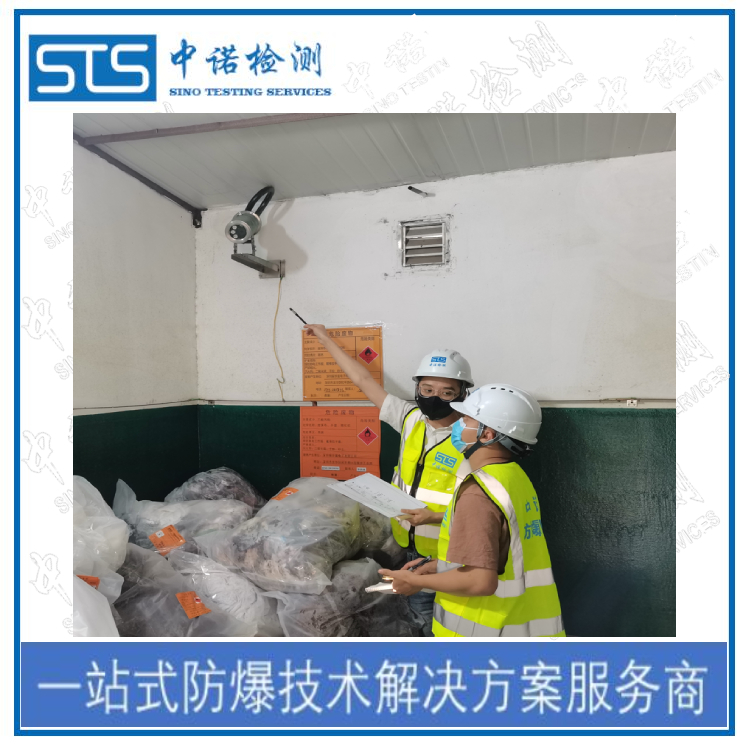

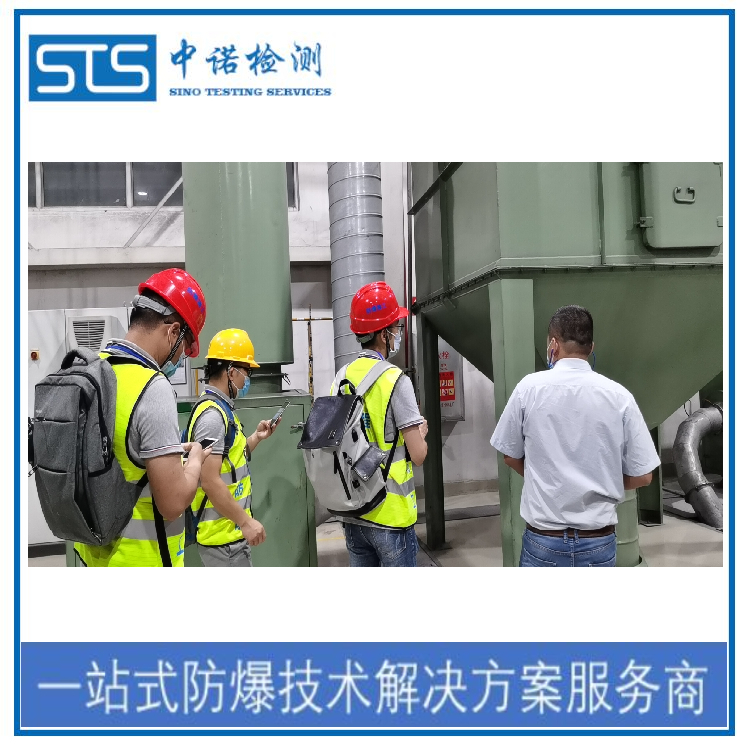
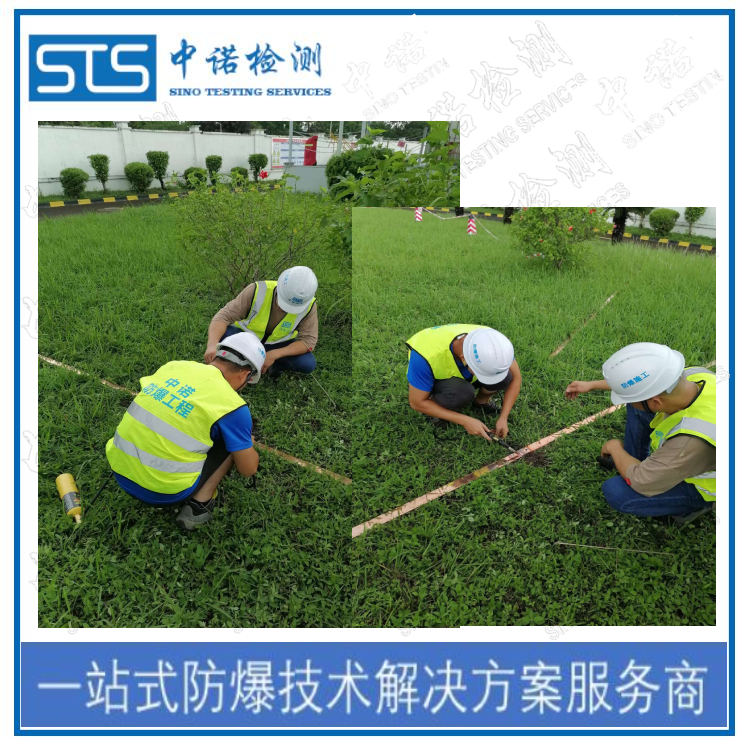











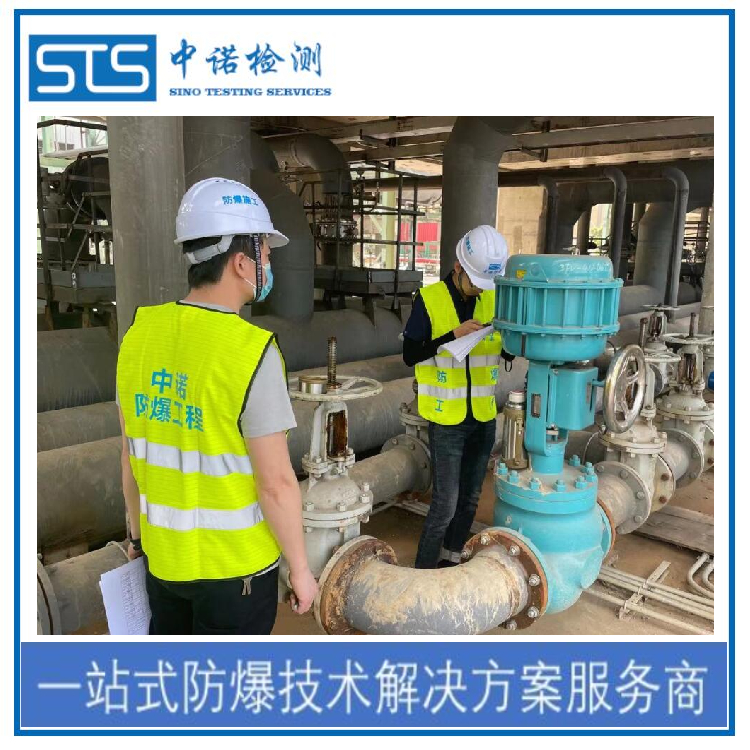



Shenzhen ZhongNuo Testing Technology Co., Ltd. is based in South China and offers on-site explosion-proof construction, safety inspections, renovations, project acceptance, and explosion-proof installation consulting services. We are well-versed in explosion-proof construction standards, boasting experienced construction teams and a wealth of construction experience. We have served major enterprises such as PetroChina, LG, Huanlan Environment, BOE, and Sinovac Biotech, receiving consistent praise and trust from our clients!
Basic Safety Electrical Construction Standards (shared by Shenzhen Zhongnuo Inspection Technology Co., Ltd.)
Explosion-proof electrical installation differs from standard electrical installation due to the increased explosion-proof requirements of its environment. In accordance with industry standards, an environment where gases, vapors, mist, or dust mix with air under atmospheric conditions and ignite, causing combustion to spread to the entire unburned mixture, is referred to as an explosive environment. An area where a large number of explosive gas environments or flammable dust environments are present or expected to occur, requiring special preventive measures for the structure, installation, and use of electrical equipment, is called a hazardous area. Explosion-proof electrical installation refers to a task that meets explosion-proof electrical, environmental, and personnel requirements, conducted in explosive environments and hazardous areas, and is highly critical.
Basic Requirements for Explosion-Proof Electrical Installations in Explosive Areas (Shared by Shenzhen Zhongnuo Testing Technology Co., Ltd.)
1. Oil-immersed equipment should be used under conditions of no vibration, no tilt, and fixed installation.
2. When using non-explosion-proof equipment for mechanical transmission in partition walls, the following regulations should be observed:
The room housing electrical equipment should be separated from the explosive hazard area by a solid wall made of non-combustible materials.
(2) Transmission shafts should be sealed with stuffing boxes or equivalent sealing measures at the wall partition.
(3) The exit of the electrical equipment room should lead to an environment free of explosive hazard areas.
(4) When the room where the equipment is installed must be connected to an explosive atmosphere, the explosive atmosphere should be maintained at a positive pressure relative to it.
3. Electrical wiring and equipment in explosive environments, excluding inherently safe circuits, should be equipped with overload, short-circuit, and grounding protection. Electrical equipment that cannot be overloaded need not have overload protection. In addition to the necessary protection required by current standards, motors in explosive environments should also be equipped with phase failure protection. If the automatic shutdown of electrical equipment could pose a greater risk than the ignition hazard, an alarm device should be used instead of the automatic shutdown device.
4. In emergency situations, appropriate measures should be taken at a suitable location outside the hazardous area to disconnect the power to the equipment in the hazardous area. Continuous-running equipment should not be included in the emergency shutdown circuit and should be installed on a separate circuit to prevent the occurrence of additional hazards.
5. The design of transformer stations, distribution stations, and control rooms shall comply with the following regulations:
Transformer stations, distribution stations (including distribution rooms, hereinafter referred to as such), and control rooms should be located outside of explosive atmosphere environments. When it is a positive pressure room, they can be arranged in Zones 1 and 2.
(2) For explosive gas atmospheres heavier than air, the equipment floors of electrical and instrument systems in transformer stations, distribution stations, and control rooms located in the additional zone 2 of the explosion hazard area should be elevated 0.6 meters above the external ground level.
Equipment grounding in explosive environments shall comply with the following regulations (Shared by Shenzhen ZhongNuo Inspection Technology Co., Ltd.)
In accordance with the relevant provisions of the current standard "Code for Grounding Design of AC Electrical Installations" GB/T50065, the following parts that do not require grounding should still be grounded in explosive environments:
1) Equipment with normal non-electrified metal enclosures, rated for alternating voltage of 1000V or less and direct current voltage of 1500V or less, installed on poor conductive ground surfaces.
2) In dry conditions, equipment with alternating voltage of 127V or less and direct voltage of 110V or less typically has a metal housing that is not electrically charged.
3) Equipment installed on a grounded metal structure.
(2) In explosive hazardous environments, the exposed, conductive parts of equipment should be reliably grounded. All equipment within explosive zones 0, 20, and 21, as well as other equipment in zones 2 and 22 excluding lighting fixtures, should use dedicated grounding wires. If these grounding wires are installed in the same protective conduit as the phase wires, they must have insulation equal to that of the phase wires. Lighting fixtures in zones 2 and 22 can use a metal piping system with reliable electrical connections as a grounding wire, but not piping used for conveying materials.
(3) In different directions on the slope of the explosion hazard area, the grounding main should be connected to the grounding body at no fewer than two points.
Basic Knowledge and Requirements for Cable Use in Explosion-Proof Construction Sites (Shared by Shenzhen ZhongNuo Inspection Technology Co., Ltd.)
Installation methods for electrical wiring in explosive gas environments can be categorized into cable wiring and conduit wiring methods.
Note: The installation of inherently safe circuits may not be in accordance with the provisions of this article.
7.1 General Provisions
7.2 Electrical wiring should be installed in areas with low explosion hazard or at a greater distance from the source of release, avoiding locations prone to mechanical damage, vibration, corrosion, dust accumulation, and those with hazardous temperatures. When avoidance is not possible, preventive measures should be taken.
7.3 The selected low-voltage cables or insulated conductors must have a rated voltage higher than the working voltage of the line and not less than 500V. Insulated conductors must be laid within conduits.
7.4 Prohibition of overhead lines at 10kV and below crossing explosive gas environments; the horizontal distance between overhead lines and explosive gas environments should not be less than 1.1 times the height of the pole tower.
7.5 Cables and their accessories should be installed in a position that, based on actual conditions, prevents damage from external mechanical forces, corrosion, or chemical influences (such as the effect of solvents), as well as the effects of high temperatures (also see 6.1.2.4.4 for this safety circuit). If these conditions cannot be avoided, protective measures should be taken during installation, such as using conduits or selecting appropriate cable types (armored cables, shielded wires, seamless aluminum sheathed cables, mineral insulated metal sheathed cables, or semi-rigid sheathed cables, etc., to minimize damage).
7.6 Unsheathed single-core wires should not be used for conductive wiring unless they are installed within a distribution board, enclosure, or conduit system.
Explosion-proof electrical modifications and on-site explosion-proof construction consulting services for hazardous areas — Shenzhen Zhongnuo Testing Technology Co., Ltd.
WeChat Official Account

Scan to follow Official Account