











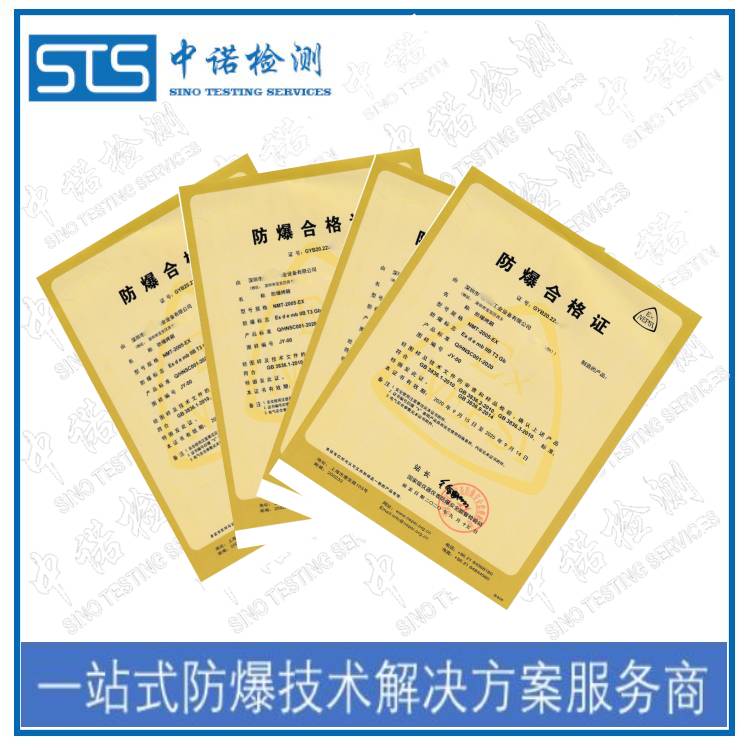
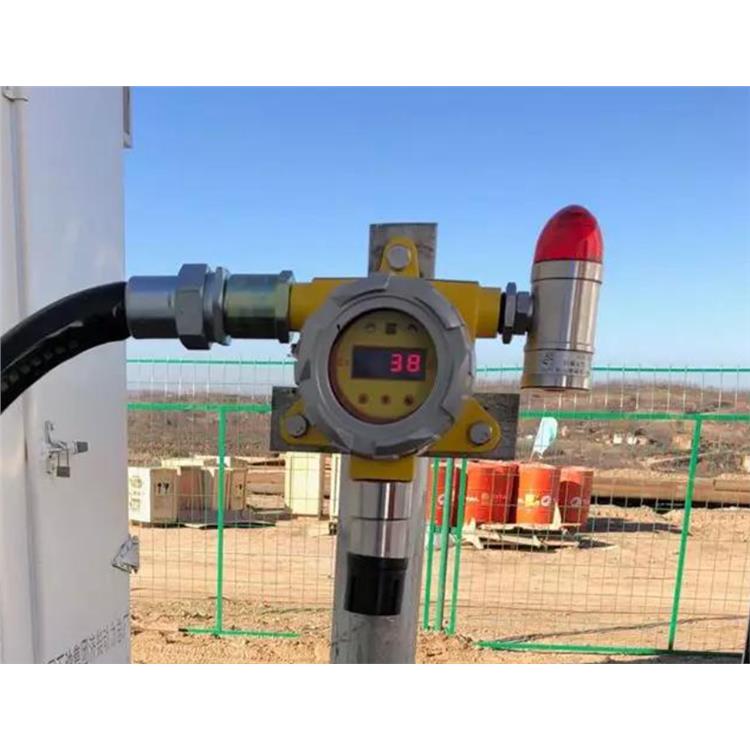
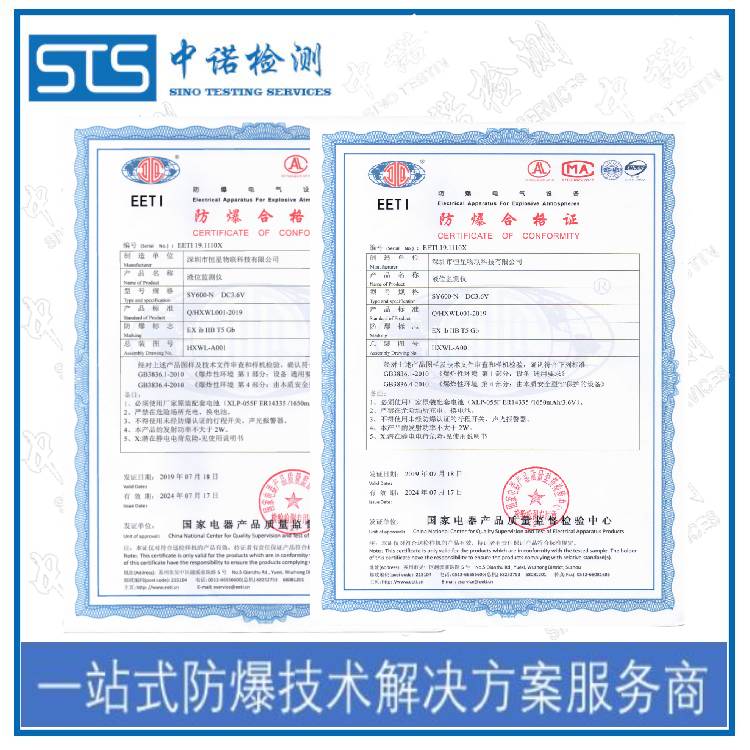
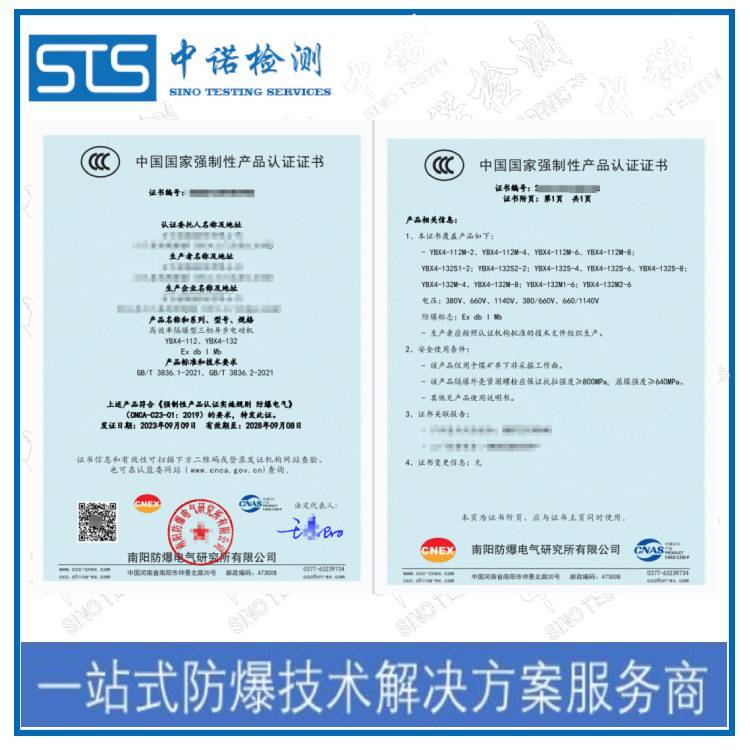
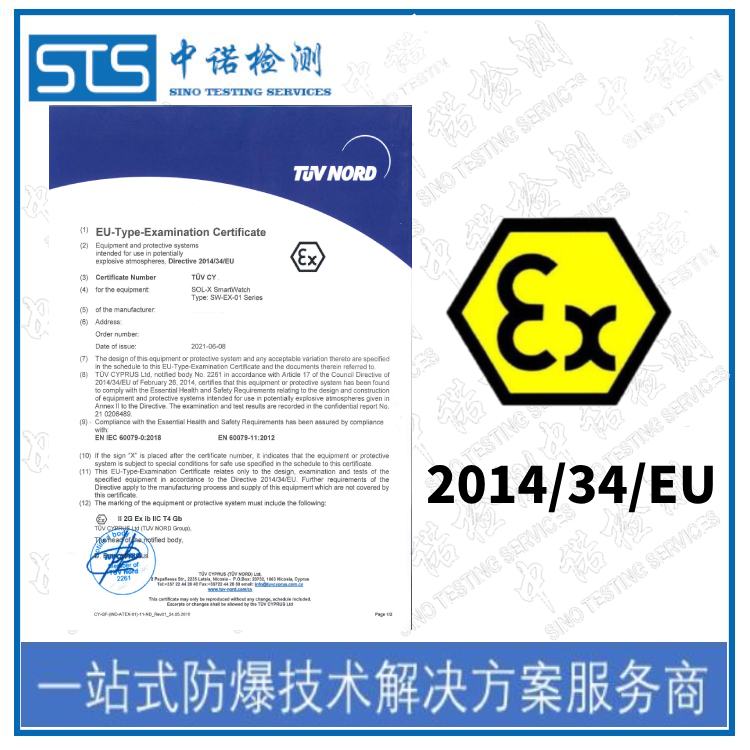
Shenzhen Zhongnuo Testing Technology Co., Ltd. is based in South China and specializes in explosion-proof certification and coal safety certification application consulting services, offering one-stop explosion-proof technology consulting services.
Certification levels IIB and IIC are classifications for explosion-proof electrical equipment in environments with flammable and explosive gases, and there are some key distinctions between them.
Firstly, both IIB and IIC are classified as Class II explosion-proof equipment. These devices are suitable for environments with flammable and explosive gases, excluding coal mines, such as in the petrochemical, gas, and other industries where combustible gases and steam are commonly found. Such equipment is further divided into different groups, such as IIA, IIB, IIC, based on the characteristics of flammable and explosive gases.
In these environments, the characteristics of flammable and explosive gases dictate the level of explosion-proof equipment required.
Specifically, the distinction between IIB and IIC categories lies primarily in the gas environments they are applicable to. The gases in the IIC category are generally more hazardous, with lower ignition energy and a wider range, with typical gases including [the original Chinese character for "和" is missing, so it cannot be translated]. In environments with IIC category gases, explosion-proof equipment must possess higher explosion-proof performance to prevent accidents. In contrast, the gases in the IIB category are relatively stable in terms of ignition energy and range, so the required performance of explosion-proof equipment is relatively lower. Ethylene is a representative gas in the IIB category.
In addition, when selecting explosion-proof equipment, factors such as temperature groups and equipment protection levels must be considered to ensure safe operation in hazardous environments.
In summary, IIB and IIC are different classification levels for explosion-proof electrical equipment in flammable and explosive gas environments, with their distinctions mainly lying in the applicable gas environments and the explosion-proof performance requirements. For more detailed information or consultation on explosion-proof certification issues, please feel free to contact Shenzhen ZhongNuo Testing Technology Co., Ltd.
What explosion-proof certifications are required for explosion-proof products? What consulting agencies are available for explosion-proof certification applications?
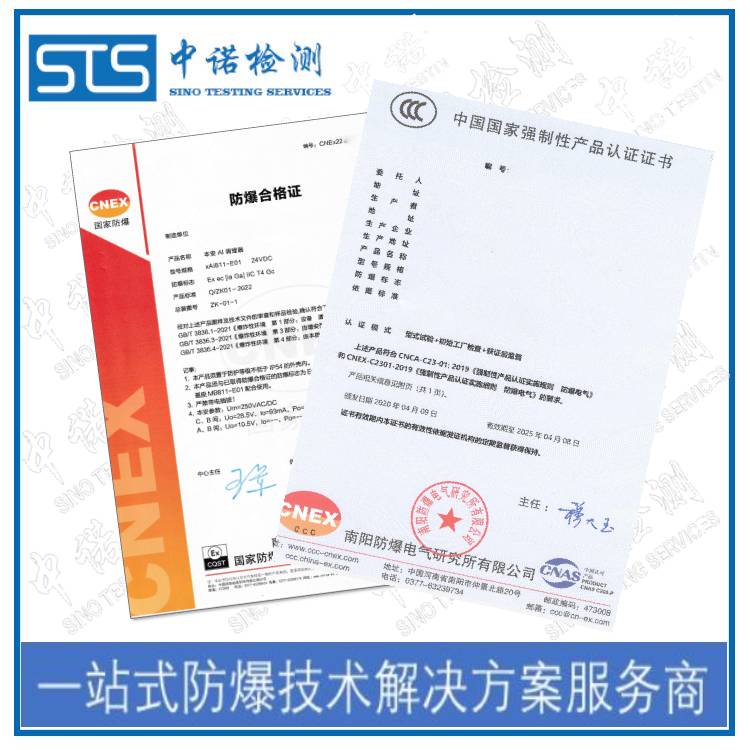
Currently, the certification models for explosion-proof products entering the market in China are mainly three.
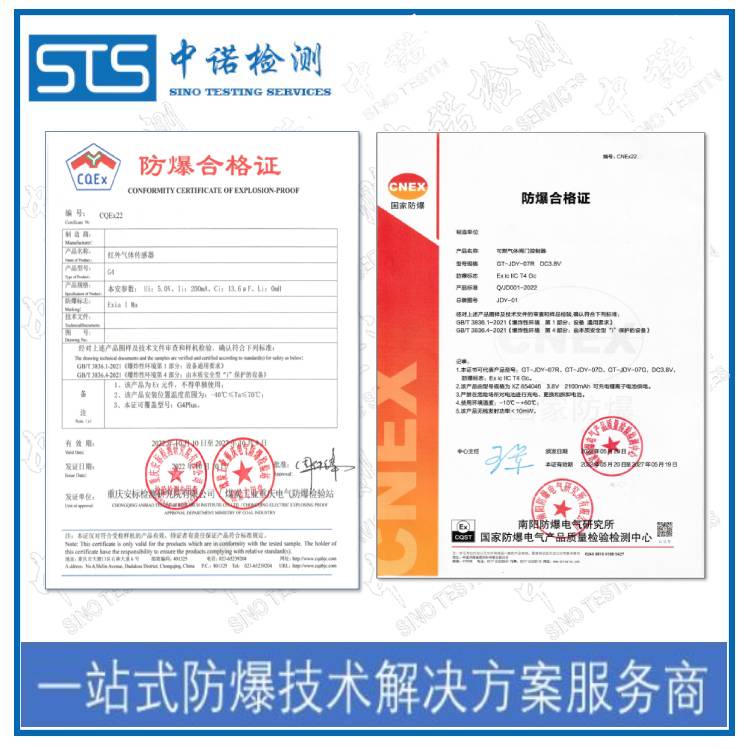
1. Provide explosion-proof certification for equipment used in environments with explosive gases and combustible dust in non-coal mines. Simply conduct product testing; upon successful completion, issue the certificate.
2. Conduct explosion-proof 3C certification; for products listed in the explosion-proof 3C directory, product testing and factory inspections are required.
3. Coal Mine Safety Certification, for explosion-proof equipment used underground in coal mines, involving product testing and factory audit certification.
ZhongNuo Inspection offers explosion-proof certification application consulting services. We provide a one-stop explosion-proof and coal safety certification consulting service, including product explosion-proof design, modification, drawing evaluation, certification acquisition, and factory audit. We are familiar with certification standards and procedures, have extensive case studies and experience. Feel free to send us a private message!
Explosion-proof electrical equipment refers to electrical devices used in environments containing flammable and explosive materials. It is designed with specific explosion-proof measures to prevent the devices from generating sparks, arcs, or high temperatures that could ignite accidents due to their own causes.
Here are some basic knowledge points on explosion-proof electrical equipment:
Flammable and explosive substances are classified and grouped based on their Maximum Experimental Safety Gap (MESG) or Minimum Ignition Current Ratio (MICR), and divided into IIA, IIB, and IIC categories.
Combustible dust can be classified into Conductive Dust IIIC, Non-Conductive Dust IIIB, and Combustible Fibers IIIA based on its electrical conductivity.
Hazardous Area Classification
Based on the physical state of flammable and explosive materials, they are divided into two categories: gas hazardous areas and dust hazardous areas.
Hazardous gas areas are classified into three explosion-proof zones—Zone 0, Zone 1, and Zone 2—based on the frequency and duration of the gas environment.
Zone 0: Areas where gas mixtures are continuously and frequently present for extended periods or exist for long durations, such as certain sections of oil drilling platforms. The presence of hazardous gases typically lasts ≥1000 hours/year.
Zone 1: Areas where gas mixtures may occur under normal circumstances, such as non-mining areas of coal mines, enclosed areas of oil and petrochemical plants (with ventilation openings), etc. The presence of hazardous gases in this area typically lasts between 10 to 1000 hours per year.
Zone 2: Normally, gas mixtures are unlikely to occur, appearing only occasionally and for short periods under abnormal conditions, such as in non-enclosed petrochemical areas (outdoor). The presence of hazardous gases typically lasts ≤10 hours/year.
Dust hazardous areas are divided into three explosion-proof zones—Zone 20, Zone 21, and Zone 22—based on the frequency and duration of occurrence of combustible dust/air mixtures, as well as the thickness of the dust layer.
Zone 20: Areas or containers where combustible dust is continuously or frequently present during normal operation, in quantities sufficient to form a combustible dust-air mixture and/or to form an uncontrolled and thick dust layer. Examples include certain dust containers, storage tanks, etc. Presence of combustible dust for ≥ 1000 hours/year.
Zone 21: Areas where mixtures of combustible dust with air may form flammable concentrations during normal operation. For example, areas outside dust containers under specific conditions. The presence of combustible dust may last between 10 to 1000 hours/year.
Zone 22: Combustible dust-air mixtures are generally present under normal operation, while combustible dusts occasionally appear and only exist for short periods under abnormal conditions. For example, at the exhaust outlets of dust collector bags in filter systems during malfunctions. The presence of combustible dust is ≤10 hours/year.
Explosion-proof electrical equipment selection
Selection principles are based on safety and reliability, as well as economic reasonableness. The selection should be made according to the hazard area classification and the categories, levels, and groups of hazardous materials.
For example, the explosion-proof type "d" places components that can generate spark arcs during normal operation within an explosion-proof housing. This housing can withstand internal pressure without damage and ensures that when the internal flame gases propagate through the gaps, their energy is reduced to a level insufficient to ignite the gases outside the housing.
The "e" type intrinsically safe design enhances the safety and reliability of equipment through measures that minimize the likelihood of sparks, arcs, and dangerous temperatures; the "i" type intrinsically safe design limits the energy released by the circuitry in explosive hazardous areas to a certain value, aiming to prevent explosions.
Specific selection may refer to relevant standards such as GB/T 3836, AQ3009-2007, etc.
Electrical wiring installation
Installation methods for electrical wiring in flammable and explosive environments can be categorized into cable wiring and conduit wiring methods.
Electrical wiring should be installed in areas of lower risk or at a greater distance from the release source, avoiding locations prone to mechanical damage, vibration, corrosion, dust accumulation, and those with hazardous temperatures.
When unavoidable, take precautionary measures. For example, select low-voltage cables or insulated conductors.
Equipment inspection and maintenance
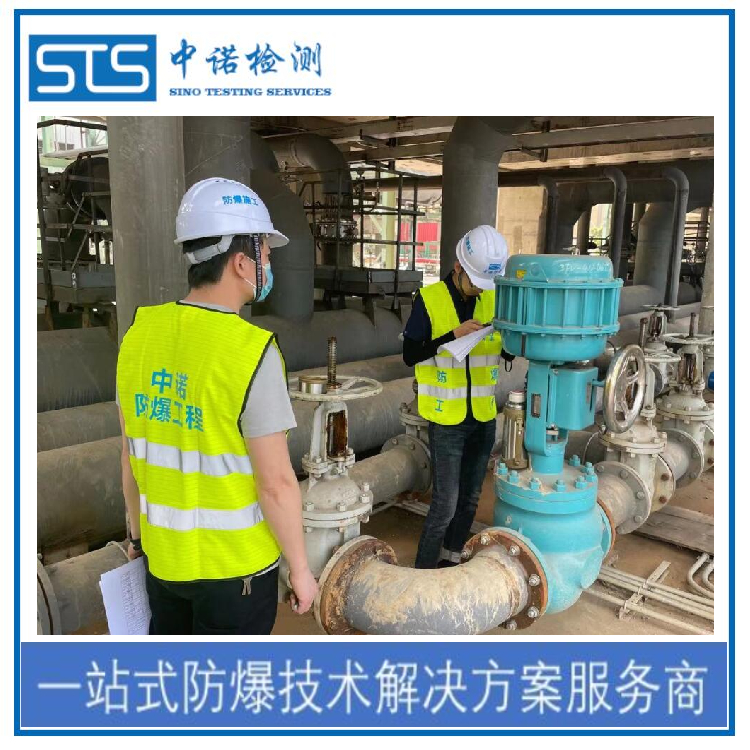
To minimize the ignition hazard of electrical equipment in hazardous areas, an initial inspection should be conducted during the handover acceptance of the project before the installation and equipment are put into operation.
To ensure electrical equipment remains in good condition for long-term use in hazardous areas, continuous supervision and regular inspections should be conducted.
These inspections and maintenance should be conducted by qualified institutions that meet the required criteria. They must undergo business training including principles of explosion-proof types, installation practices, relevant regulations and procedures, as well as the general principles of hazardous area classification. They should also receive appropriate continuing education or regular training, and possess relevant experience and trained qualifications.
Regular inspections should be entrusted to a qualified explosion-proof safety inspection and testing institution, with the interval generally not exceeding 3 years. Enterprises should take corrective measures promptly based on the inspection results and file the inspection report and rectification status with the safety production supervision and management department.
Explosion-Proof Symbol Meaning
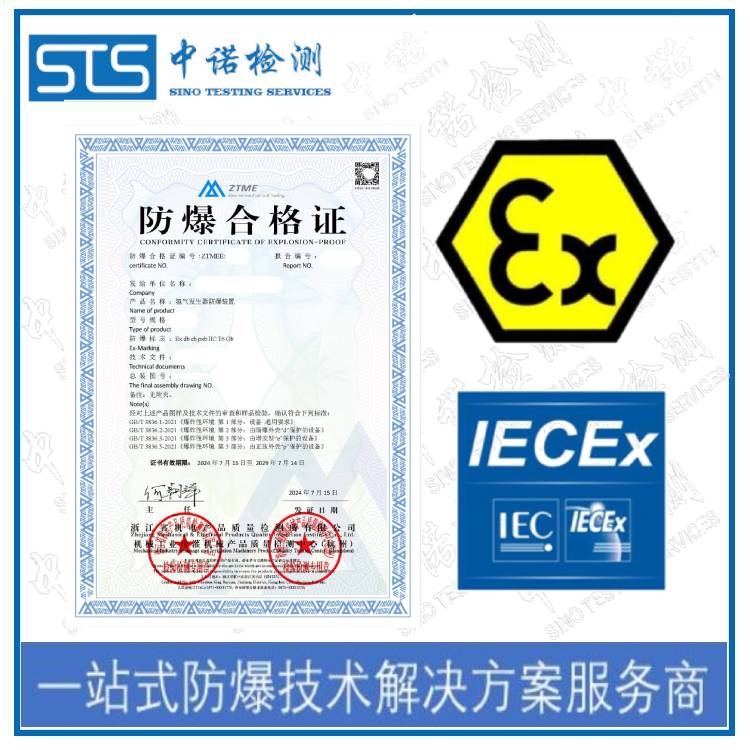
The explosion-proof marking typically includes the general explosion-proof symbol "Ex" and other letters and numbers indicating the type of explosion-proof, application environment, temperature group, etc.
For example: Explosion-proof marking Ex db ib IIC T4 Gb
This is a composite explosion-proof sign.
Ex indicates explosion-proof; explosion-proof equipment must be marked with the Ex symbol.
DB/IB refers to the explosion-proof protection type of the equipment, meaning it is a combination of explosion-proof and intrinsically safe.
IIC refers to equipment suitable for IIC category flammable and explosive gas environments (representative gases include those).
T4 is the temperature category, indicating that the equipment's surface temperature does not exceed 135°C.
Gb refers to the equipment protection level, applicable to Zones 1 and 2.
When using explosion-proof electrical equipment in hazardous environments, strict adherence to relevant standards and regulations is mandatory to ensure production. Simultaneously, installation, inspection, and maintenance should be performed by personnel to ensure the equipment's explosion-proof performance remains effective at all times. For specific installation and use of explosion-proof electrical equipment, it is recommended to refer to relevant standards, industry specifications, and the equipment manufacturer's instructions.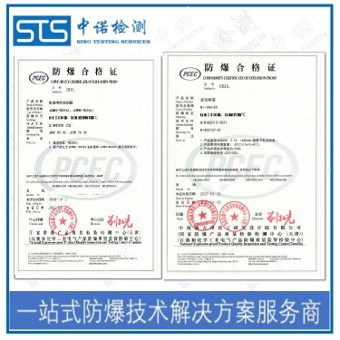
List of Domestic Explosion-Proof Certification Institutions:
1. Nanyang CNEX
2. Shanghai Coal Research Institute
3. National Electrical Appliance Quality Supervision and Inspection Center
4. Guangdong CQCEx National Explosion-Proof Equipment Quality Supervision and Inspection Center
5. National Coal Mine Explosion-Proof Safety Product Quality Supervision and Inspection Center
6. Jiamusi Explosion-Proof Institute
7. Tianjin PCEC
8. Shanghai NEPSI
9. Beijing Coal Research Institute CCRI, etc.
For applicants, the type of explosion-proof design and the explosion-proof grade to apply for are actually the same across all qualified institutions. They are all nationally certified and authorized bodies, equipped with testing conditions that meet standard requirements, adhering to the same standards and conducting the same testing. Under the same conditions, the trend towards choosing institutions offering more cost-effective services at more affordable prices is inevitable, which is also a significant reason for the growing popularity of emerging explosion-proof enterprises.
explosion-proof certification application consulting service - Shenzhen ZhongNuo Testing Technology Co., Ltd.
WeChat Official Account

Scan to follow Official Account