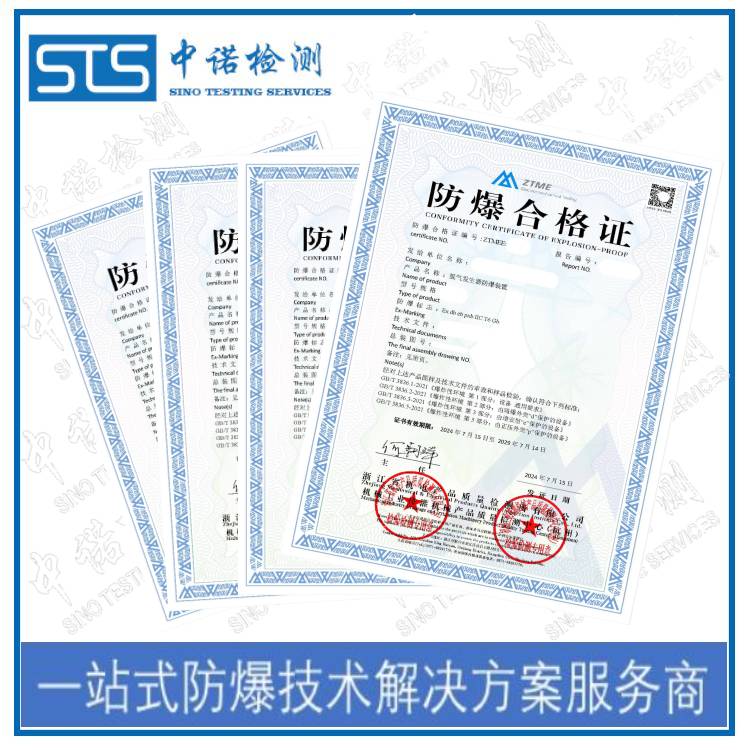

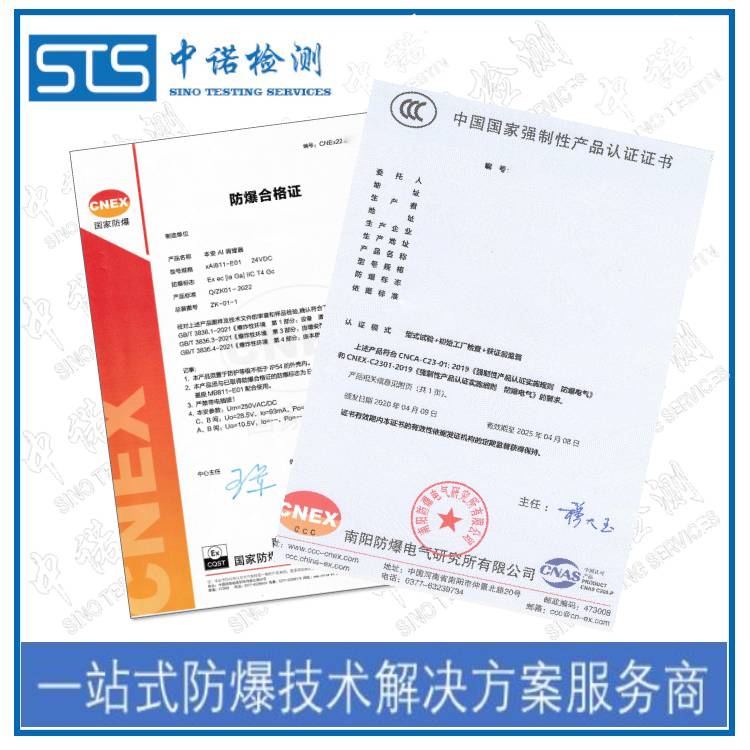
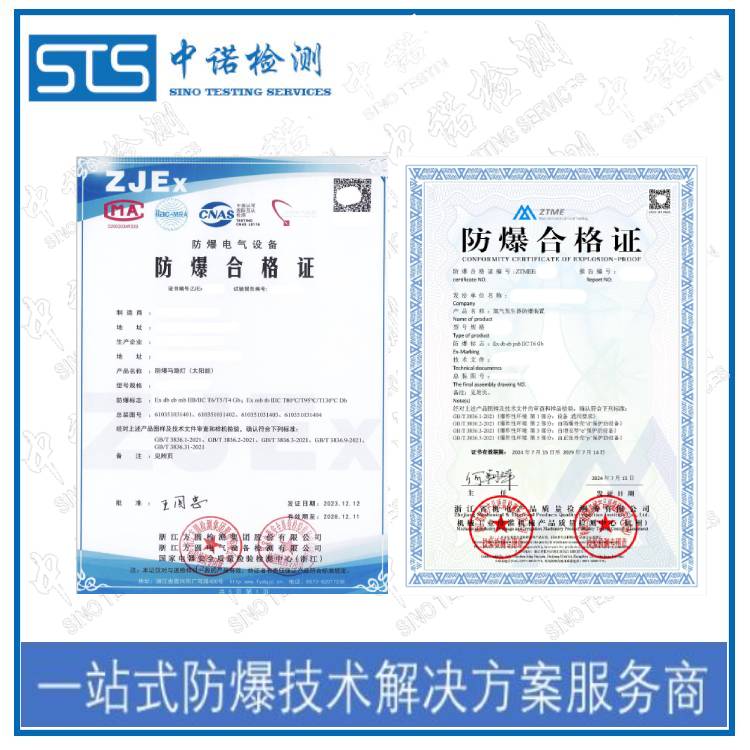










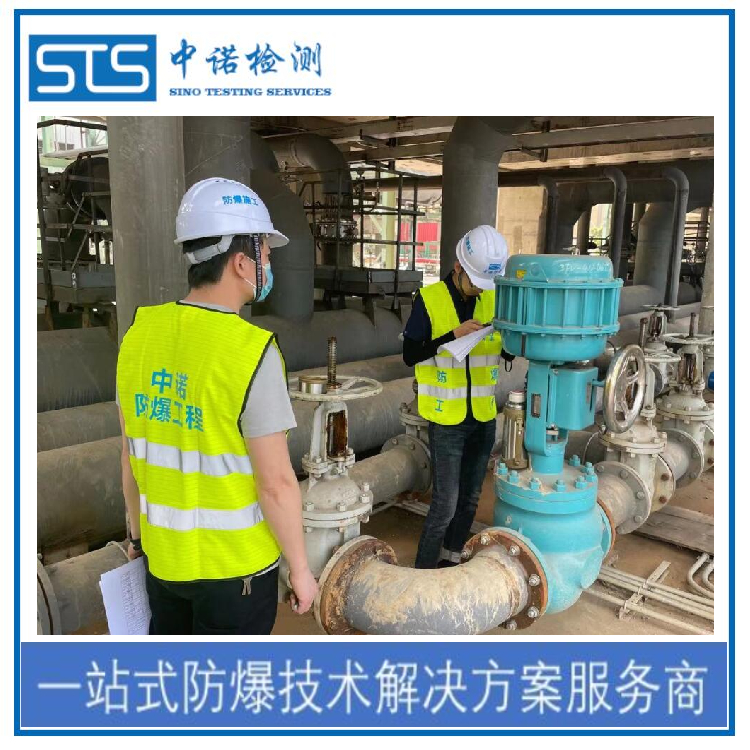
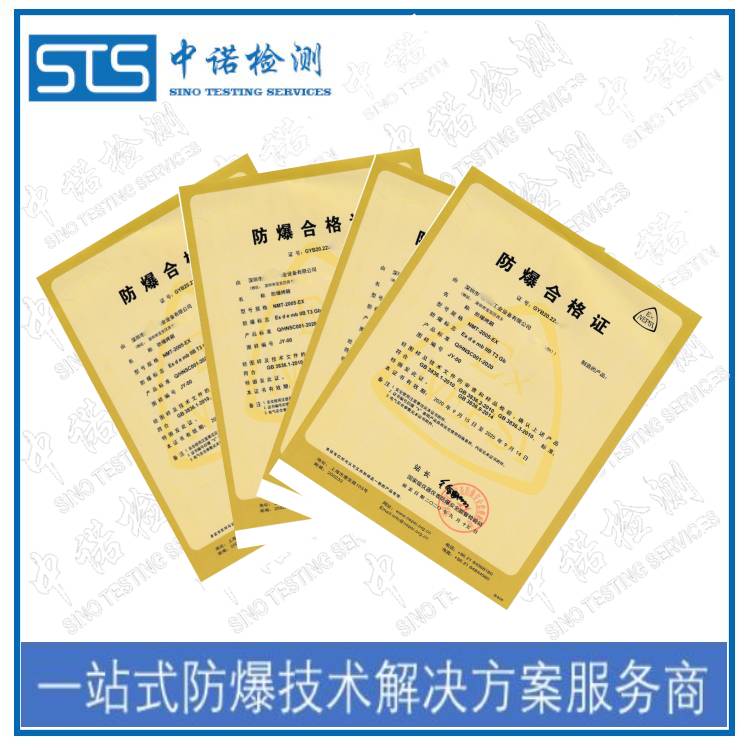
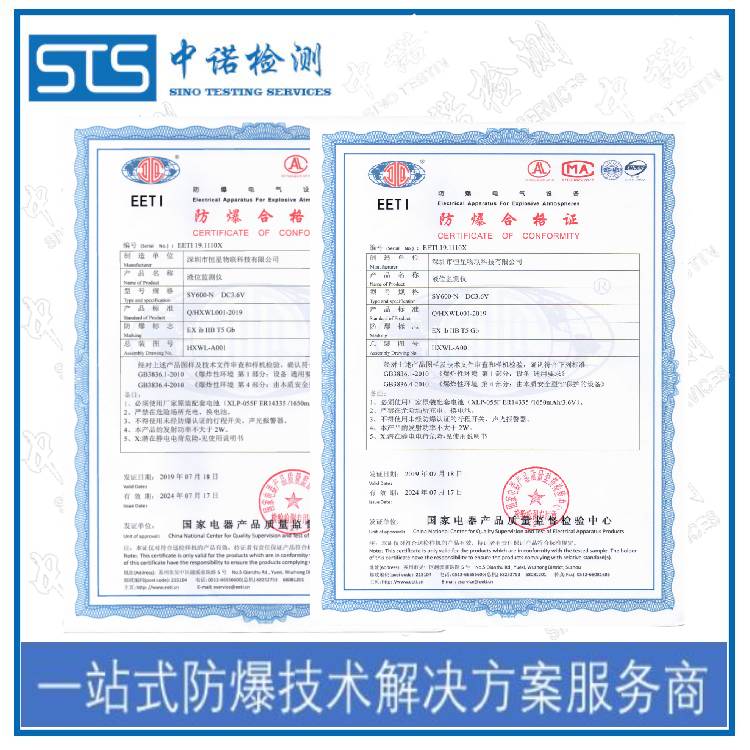
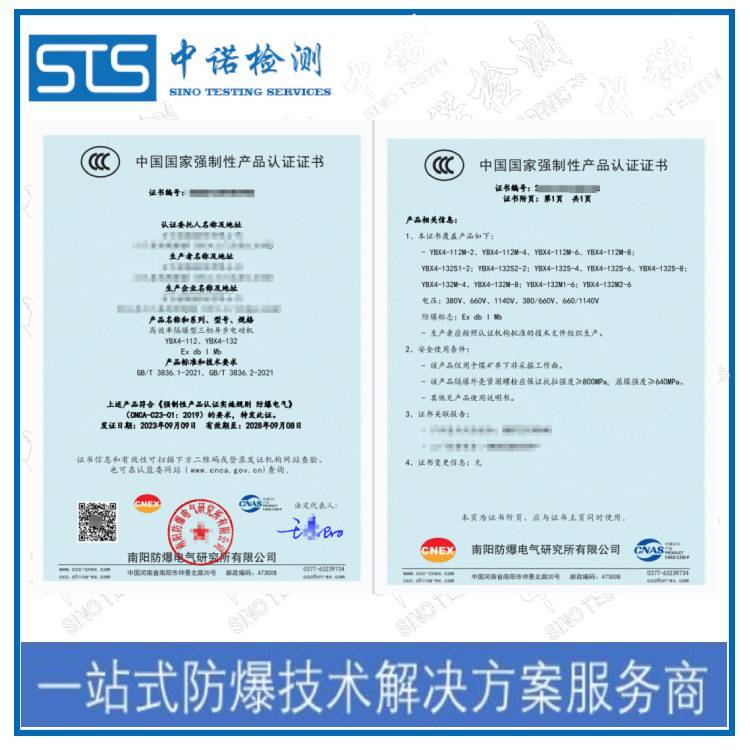
Shenzhen ZhongNuo Testing Technology Co., Ltd. is based in South China and specializes in explosion-proof certification and coal safety certification application consulting services, offering a one-stop explosion-proof technology consulting service.
How to apply for a qualification certificate for the installation, maintenance, and repair of explosion-proof electrical equipment?
What qualifications are required for electrical installations and construction in explosive areas? How can they be obtained?
Currently, the industry primarily requires certifications for explosion-proof electrical installation, maintenance, and repair qualifications.
Certificates from different issuing authorities have different names.
Some certificates are called Technical Training Certificates, others are called Qualification Certificates, and still others are known as Competency Recognition Certificates.
Their application conditions and requirements vary as well. However, the majority typically involve a training and examination process after completion.
Training and examination refer to the content requirements of the GB/T 3836 series standards. Certificates include corporate certificates and individual certificates.
ZhongNuo Inspection has long-standing and stable cooperative relationships with several domestic certification institutions, familiar with the application process and documentation requirements.
Corporate clients only need to participate in the training and exams.
Need assistance with this? Feel free to DM Shenzhen ZhongNuo Inspection & Technology Co., Ltd. anytime!
What should be noted when applying for explosion-proof certification?
Is the product design in compliance with the GB/T3836 standards?
2. Can certification documents be provided?
(1) Technical Drawings: Includes circuit diagrams, assembly drawings, structural drawings, PCB layouts, part number drawings, BOM sheets, etc.
(2) Product Corporate Standards and Instructions
(3) Product Name, Model, Applicant Company
(4) Samples: Complete unit samples, batteries, uncapped circuit boards, non-metallic material surface samples, etc.
(5) Additional Materials: Casting Sealing Process Documents, Copy of Ex Component Explosion Proof Certificate, Battery Testing Report, Shell Material Testing Report, Wireless Transmission Power Testing Report, etc.
Not all of the above information is required; it depends on the actual structure of the product and its explosion-proof type.
3. Do you have engineers with explosion-proof technology expertise?
4. Are there specific requirements for certification bodies and explosion-proof ratings?
5. Next comes the budget for the costs.
For more details, please DM Shenzhen ZhongNuo Inspection & Testing Technology Co., Ltd. for communication!
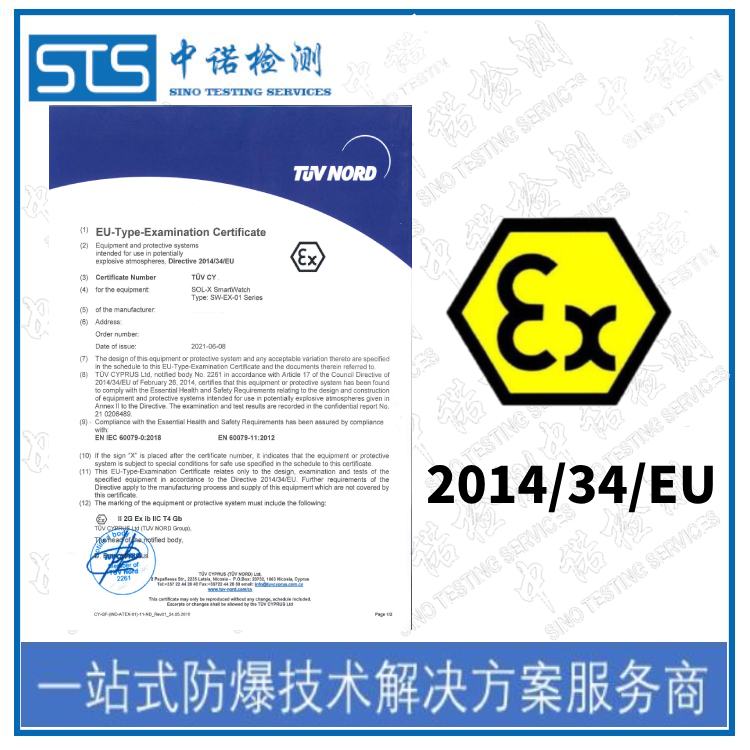
ATEX Certification
ATEX is the European directive for "Equipment and Protective Systems Intended for Use in Potentially Explosive Atmospheres."
The purpose is to establish a single market within Europe and eliminate trade technical barriers.
Ensure the free circulation of equipment intended for potential explosive hazard environments among its member states.
This directive covers mining and non-mining equipment (including mechanical and electrical equipment).
Expand the potential explosive hazard environment to include airborne dust and flammable gases, as well as flammable vapors and mist.
The basic health and safety requirements for equipment intended for use in potentially explosive environments have been specified.
And the compliance assessment procedures that must be adopted before the equipment enters the European market.
The current directive is 2014/34/EU
Explosion-proof labels are primarily used to record the manufacturer's information and some technical data under rated operating conditions, ensuring proper use and preventing equipment damage.
Materials for making labels are divided into metallic and non-metallic types: metallic ones include zinc alloy, copper, iron, aluminum, stainless steel, etc., but aluminum is predominantly used as it produces labels with a relatively rust-proof finish. Non-metallic materials include plastic, acrylic organic board, PVC, PC, paper, and so on.
For explosion-proof electrical products and equipment used in hazardous explosive areas, the label must include not only general product information but also specific explosion-proof technical requirements.
Specifically, what information does a label on explosion-proof electrical equipment contain?
1. Explosion-proof product labels must be complete and clear, without any missing strokes. The edges of the label should be smooth and not curled.
2. The label must include product name, model number, electrical parameters, explosion-proof parameters (intrinsically safe parameters), explosion-proof symbols, explosion-proof certification number, date of manufacture, factory inspection certificate number, and manufacturer information.
3. The label must include necessary warning information, such as "Do Not Open When Energized" and "Not Allowed to Charge/Discharge in Explosive Areas."
Explosion-proof labels are a crucial proof that equipment complies with safety regulations and explosion-proof requirements, helping to ensure the safety and reliability of the equipment during use.
Additionally, when applying for the explosion-proof certification, it's crucial to ensure that the product design complies with the relevant GB/T3836 standards, verify the certification documents, and clearly specify requirements for the issuing authority and the explosion-proof rating.
For more information about explosion-proof labels, please keep an eye on Shenzhen ZhongNuo Testing Technology Co., Ltd.
Explosion-proof Certification Application Consultation Service - Shenzhen Zhongnuo Testing Technology Co., Ltd.
WeChat Official Account

Scan to follow Official Account