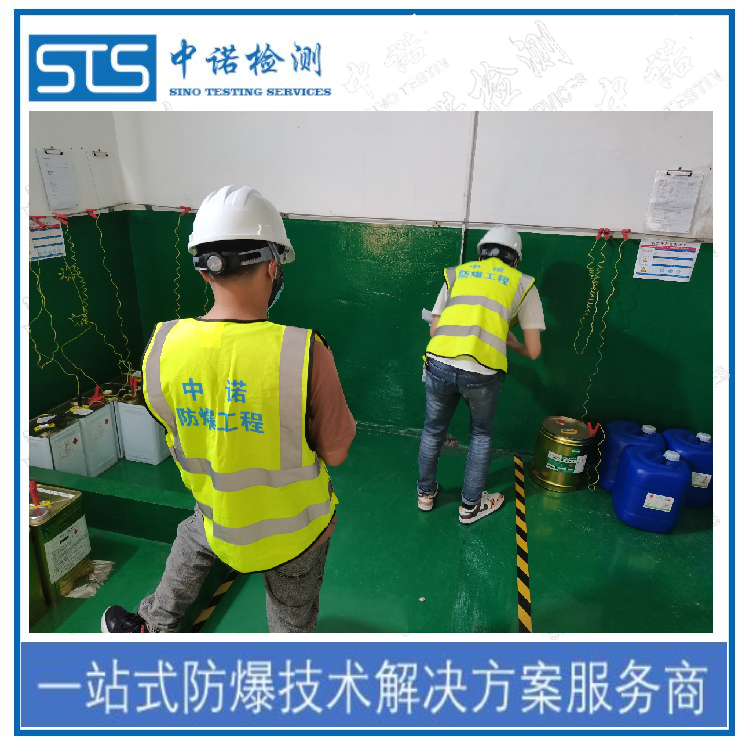

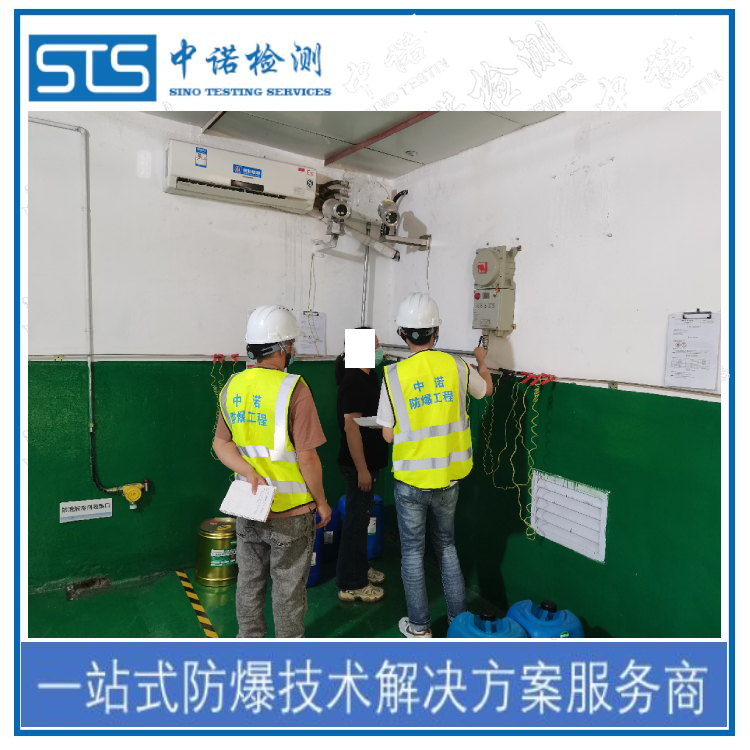
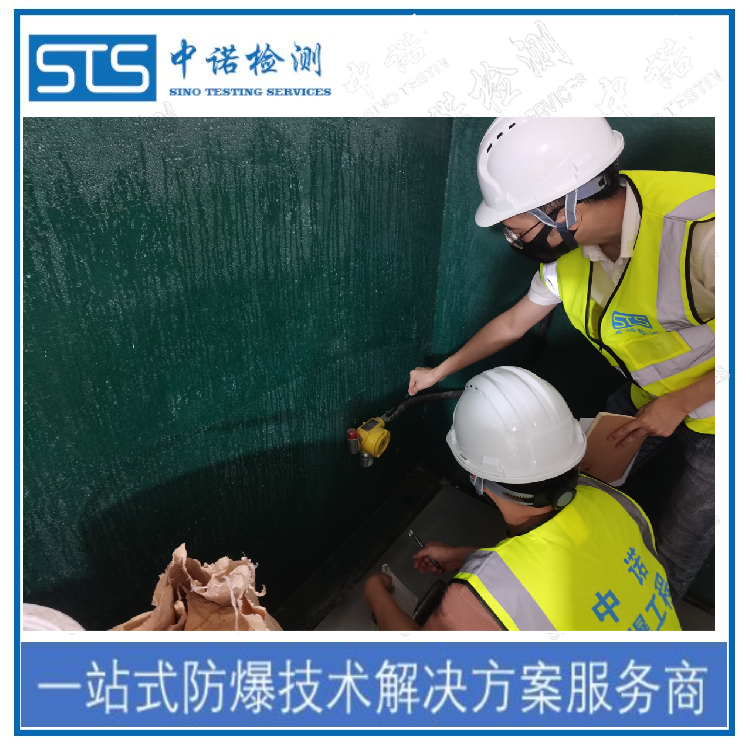











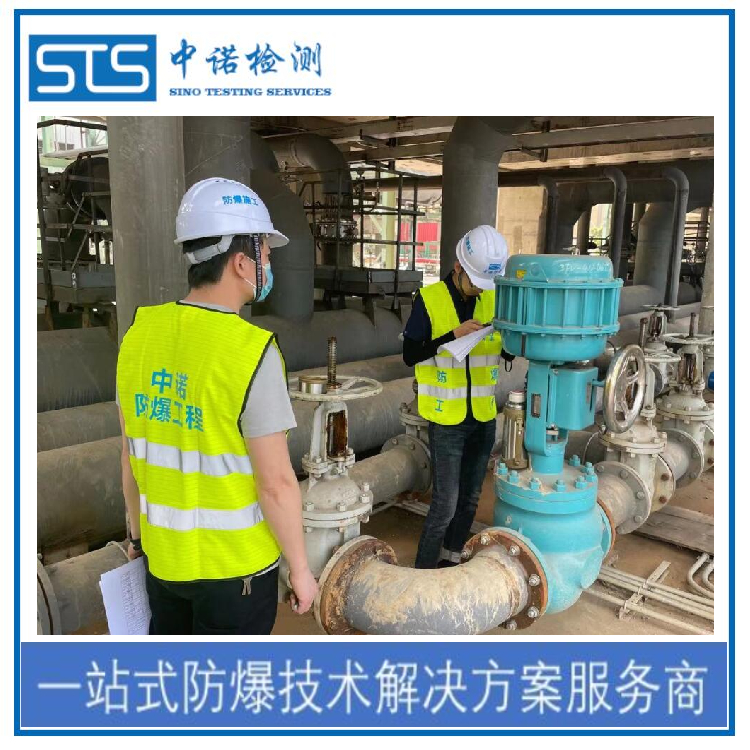
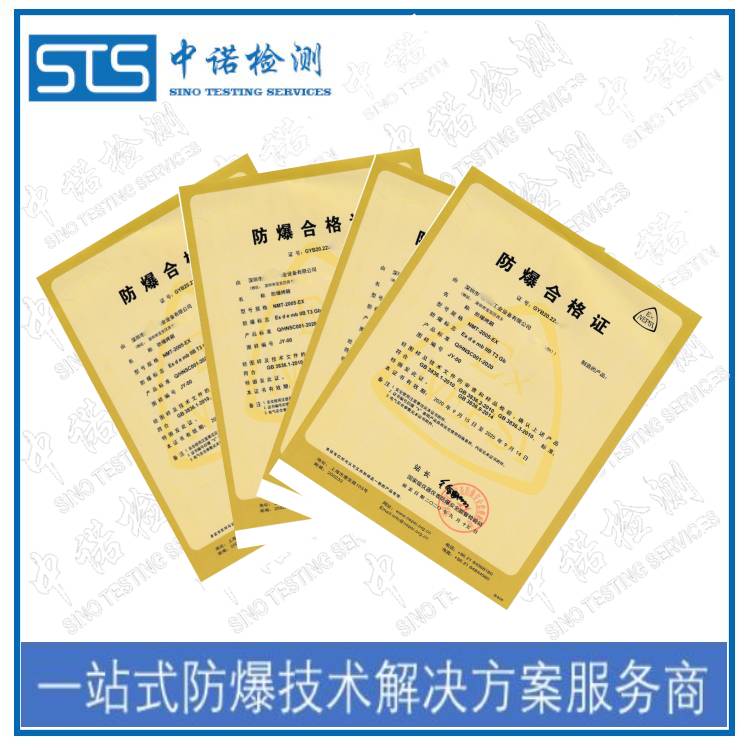
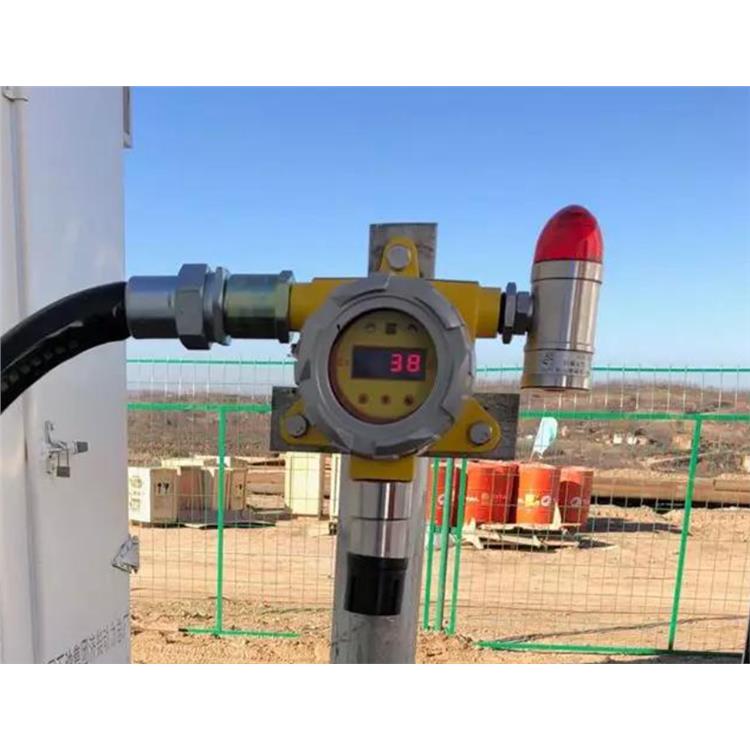

Shenzhen Zhongnuo Testing Technology Co., Ltd. offers on-site explosion-proof electrical inspection, explosion-proof project acceptance services, and can provide explosion-proof rectification and construction services for items not meeting inspection standards.
After completion of the explosion-proof project, the project must undergo acceptance inspection by a third-party institution with explosion-proof inspection qualifications (Shenzhen Zhongnu Inspection Technology Co., Ltd.) before it can be put into use.
Explosion-proof project acceptance criteria
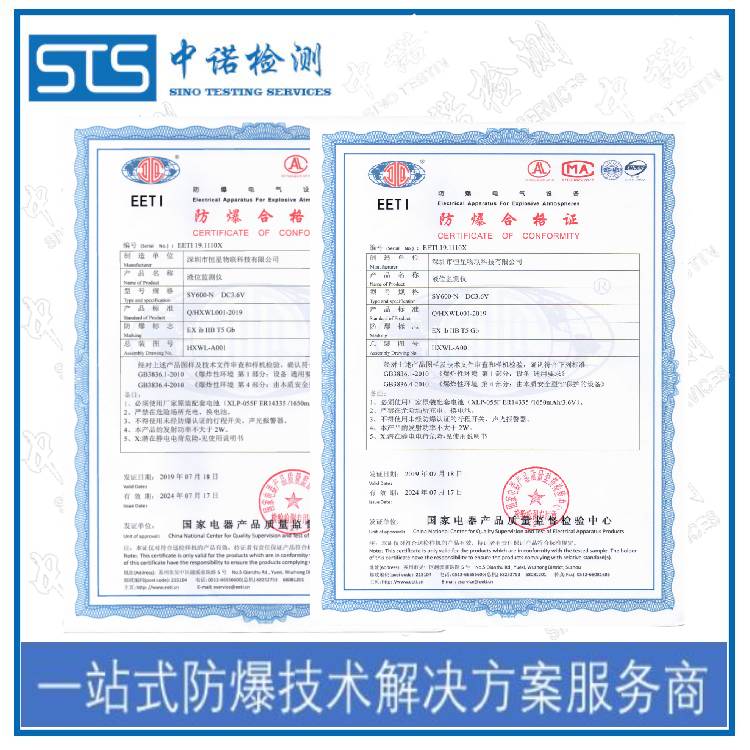
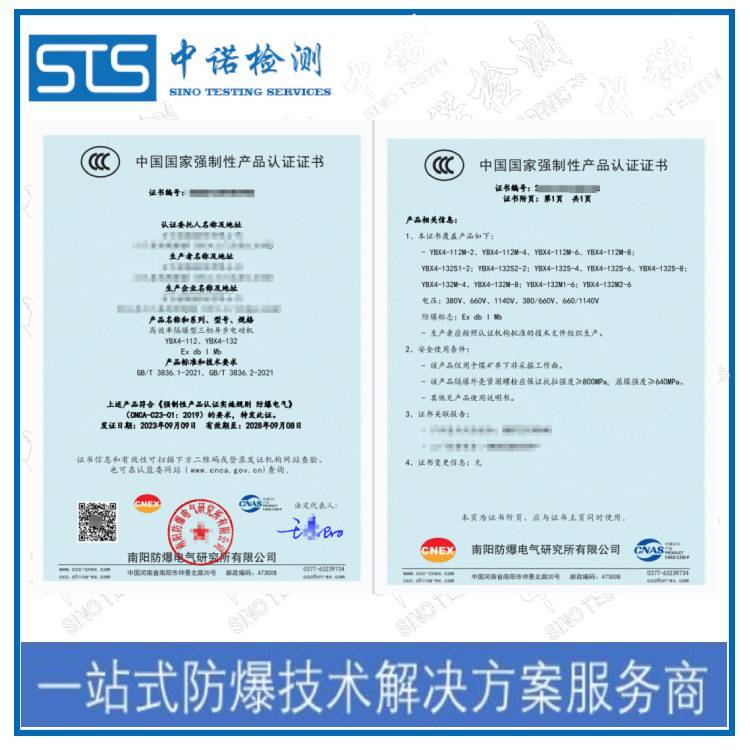
1. The label of explosion-proof electrical equipment must include the explosion-proof certificate number issued by the inspection unit.
2. Types, levels, and groups of explosion-proof electrical equipment should comply with the design.
3. The housing of explosion-proof electrical equipment should be free of cracks or damage; the paint should be intact. The cover of the junction box should be tightly secured, and the fixing bolts and anti-loosening devices should be in place.
4. The ventilation and exhaust systems of positive-pressure electrical equipment should be unobstructed, properly connected, and the import and export installation locations should meet the requirements.
5. Excess entry ports of electrical equipment should be sealed as per regulations.
6. The installation of sealed devices in electrical circuits should comply with regulations.
7. The wiring engineering of intrinsic safety electrical equipment should comply with the design for its route and elevation; the lines should be marked with a sky blue sign.
8. The grounding or neutral connection of electrical installations, as well as anti-static wiring, should comply with design requirements and ensure a firm and reliable grounding.
ZheNuo Inspection's On-site Explosion Proof Inspection Service Scope:
Explosive gas environments and hazardous areas with explosive or flammable dust in industries such as oil, chemicals, coal, shipping, ports, marine engineering, gas engineering, pharmaceuticals, machinery, textiles, electricity, light industry, grain processing and storage, and wood processing must ensure the anti-explosion safety of dangerous explosive sites to safeguard the economic development of our country and its people.
Shenzhen Zhongnuo Inspection Technology Co., Ltd. summarizes the experience from previous explosion-proof electrical inspections and lists the following common non-compliance items in on-site explosion-proof inspections for your reference.
Common phenomena include:
1. Corrosion and damage to explosion-proof housing. The protective housing of explosion-proof electrical equipment is damaged due to corrosion from surrounding media, leading to rust penetration, structural deterioration, and loss of original strength, rendering the explosion-proof electrical equipment ineffective in preventing explosions.
2. Explosion-proof protective casing subjected to electrochemical corrosion and damage. In situations such as electrical leakage and potential drift, the metal casing becomes electrified, and when the electrified metal contacts the air medium, it behaves like a battery's reaction, causing the metal casing to corrode. This leads to the loss of the electrical appliance's explosion-proof capability.
3. Damage due to external forces and mechanical impacts. This includes damage to the protective casing caused by collisions with other equipment or mechanical substances on the work site, as well as casing damage resulting from excessive force during installation.
4. Shell damage caused by over-temperature breakage. In cold regions, protection shell material structure cold shrinkage deformation due to climate adaptation issues leading to shell breakage and subsequent damage to the protective shell.
5. Damage due to improper installation. Damage, loss, and failure of protective functions resulting from the failure to follow installation requirements during the process of installing explosion-proof electrical equipment.
6. Inadequate sealing, including improper handling of sealing materials during installation and maintenance, loose joints on sealing surfaces, damaged sealing components, and unsuitable or missing fasteners for sealing fixation, all contribute to inadequate or weak explosion-proof performance.
7. Explosion-proof electrical equipment issues: Inadequate material and unreasonable structural design of the explosion-proof housing, leading to insufficient load-bearing capacity; internal wiring is prone to loosening, and an unreasonable internal circuit may cause sparking or overheating; unreasonable mechanical structural components, excessive equipment temperature, and internal water accumulation may lead to faults in explosion-proof electrical equipment.
8. Due to the actual changes in the hazardous area caused by the alteration of production facilities, the electrical equipment in that area has not been timely upgraded to explosion-proof equipment.
9. Incorrect selection of explosion-proof electrical equipment; intrinsic safety electrical equipment used with non-intrinsic safety voltages; increased safety enclosures used for generating light, heat, and other wiring equipment.
As an end-user of explosion-proof electrical equipment, it is necessary to conduct regular explosion-proof inspections even in explosive hazardous areas where such equipment is installed and used. This is both a requirement of various departments and a high level of attention to personnel and property safety.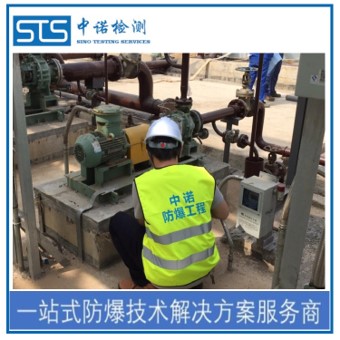
Do you need to conduct a explosion-proof electrical inspection and acceptance report after the explosion-proof site construction? What standards are followed?
The explosion-proof performance of explosion-proof products is not just about the equipment itself; it also involves the selection of the equipment, the installation method, the on-site wiring, and the daily maintenance and care methods.
Improper selection and installation of explosion-proof equipment, non-compliance with standard wiring requirements on-site, and daily maintenance damage that compromise the equipment's explosion-proof performance can all lead to the loss of explosion-proof capabilities, posing a risk of explosion.
Therefore, the installation and acceptance of the newly introduced explosion-proof equipment is particularly necessary and important.
The explosion-proof acceptance standards are mainly based on AQ 3009, GB/T3836.15, GB/T3836.16, GB 50257, GB 50058, and others, with an explosion-proof electrical inspection report issued.
After the installation and acceptance of explosion-proof equipment, it's not a one-time task. To ensure the equipment operates effectively and can be safely used in hazardous areas for a long term, continuous supervision and regular inspections of the in-use explosion-proof equipment are necessary.
The interval for regular inspections is generally no more than 3 years.
Zhaonuo Inspection has provided on-site explosion-proof electrical inspection and explosion-proof modification construction services for various gas stations, oil stations, oil depots, food factories, feed mills, and chemical plants, boasting a wealth of successful cases and industry experience.
If you happen to need a防爆电气检查报告 for such on-site requirements, feel free to send us a private message for detailed communication.
On-site Explosion Proof Electrical Equipment Regular Inspection Consultancy Services - Shenzhen ZhongNuo Testing Technology Co., Ltd.
WeChat Official Account

Scan to follow Official Account