
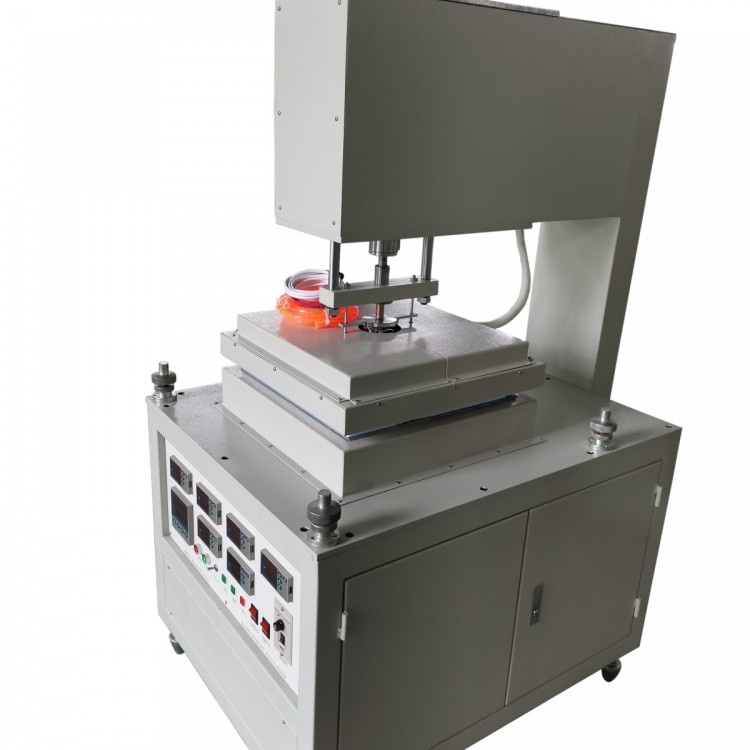



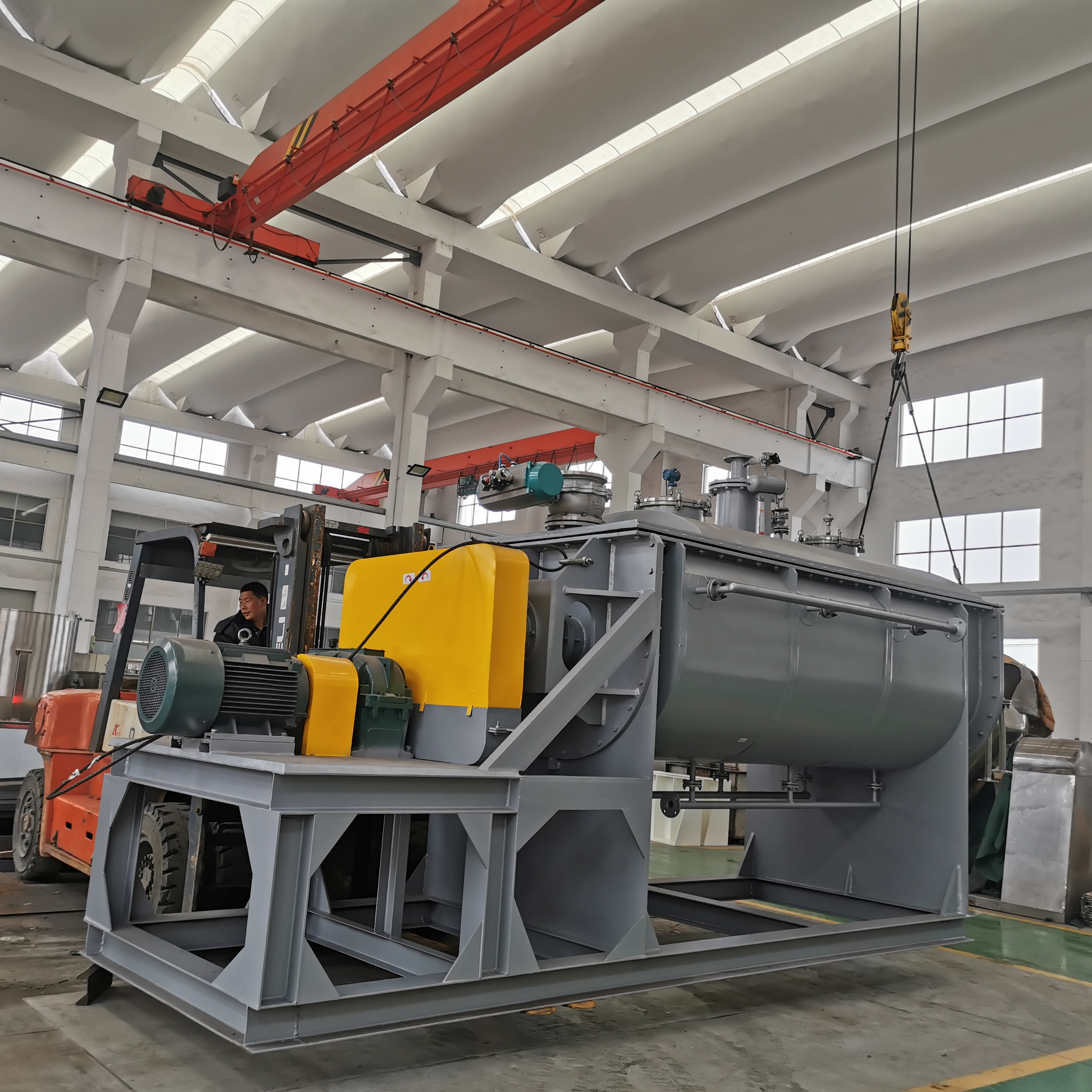





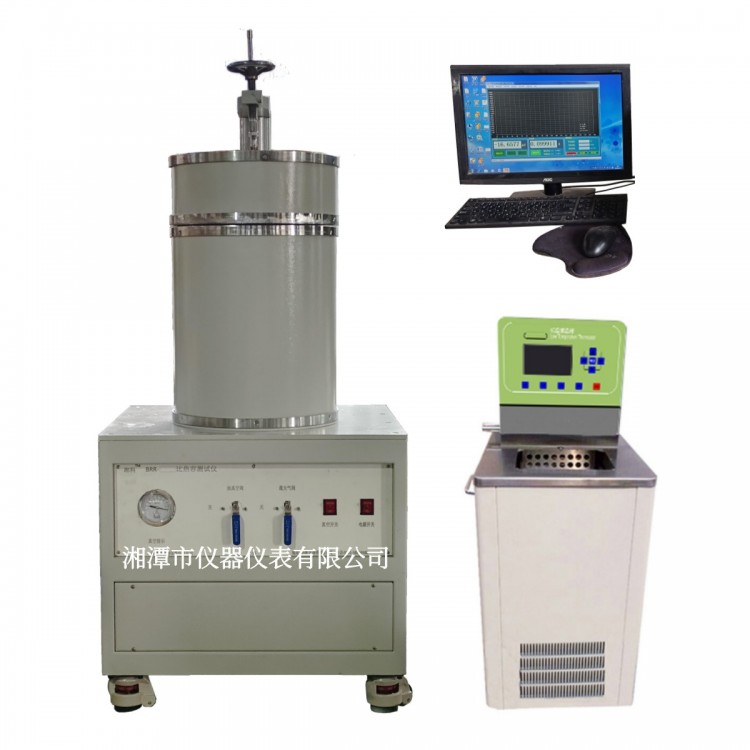
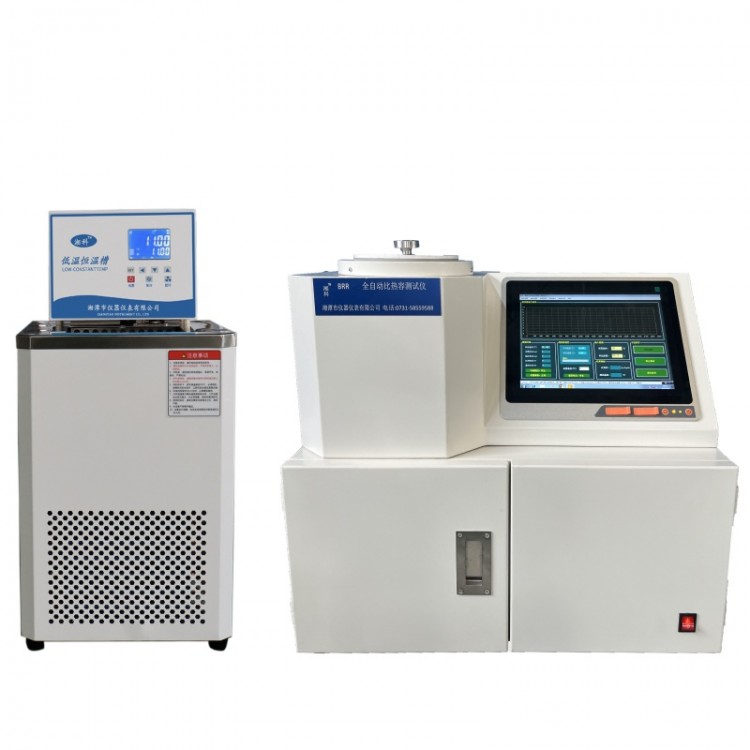
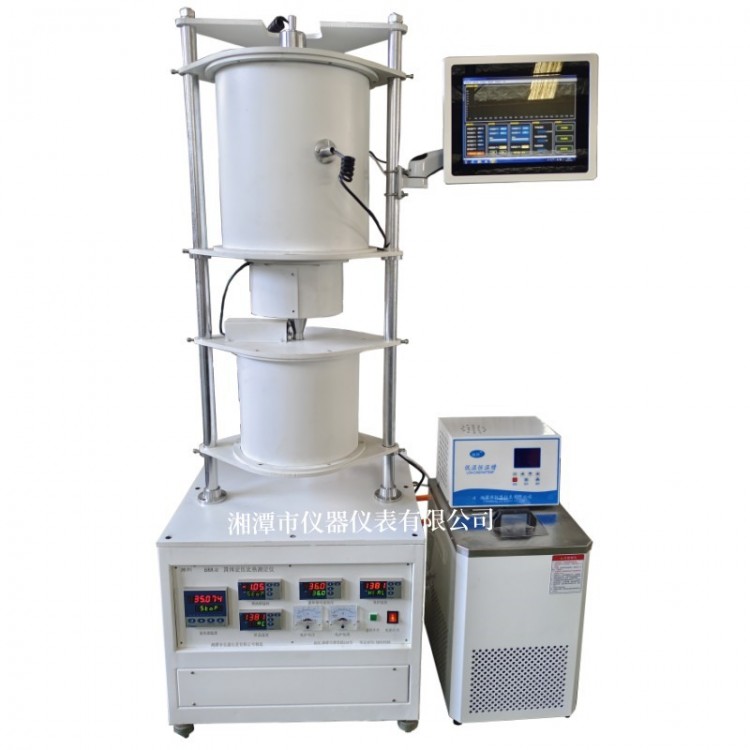

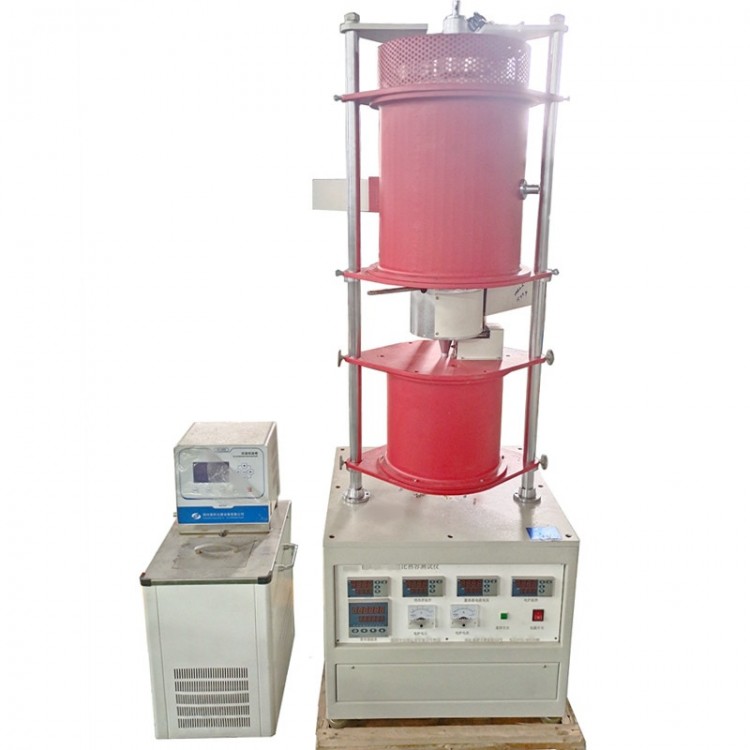
XiangkeDRC-IIInsulated vacuum glassU(KThermal Conductivity Tester, Flat Heat Flow Meter Method
XiangkeDRC-IIInsulated Glass Thermal Conductivity Tester
I. Overview:
The instrument meetsGB/T 22476-2008Insulated glass steady stateUValue(Thermal Conductivity)Calculation and measurement、GB/T 10295-2008Determination of Steady-State Thermal Resistance and Relevant Properties of Insulating Materials-Standard design and manufacturing using the heat flow meter method. Measurement and control are both computerized, achieving full automatic measurement of the instrument.
The instrument is primarily used for measuring the thermal conductivity of hollow glass.U(KValue test; also applicable for thermal conductivity testing of other insulating materials.
II. Main Technical Specifications:
1Thermal Conductivity CoefficientU(KValue Range:0.5-20W/m2KTest Accuracy:<5%。
2Thermal conductivity range:0.005-0.2W/mkTest Accuracy:<5%。
3Sample Size: Greater than or equal to600mm×600mm×(5-50)mm。
4Hot noodle temperature range: room temperature+10℃——90℃。
5Cold Noodles Temperature Range:5℃——60℃。
6Pressure Control:0-1000(N)。
7Fully automatic computerized testing and control.
8Instrument Power Supply:220V/50Hz,Power consumption less than2KW。
III. Working Principle:Under steady-state conditions, within a uniformly sized specimen with parallel surfaces, a one-dimensional uniform heat flux density is established, similar to that existing in an infinite large plate bounded by two parallel planes with uniform temperatures. The thermal conductivity and heat transfer coefficient of the sample can be calculated by measuring the temperatures of the hot and cold surfaces and the heat flux density.
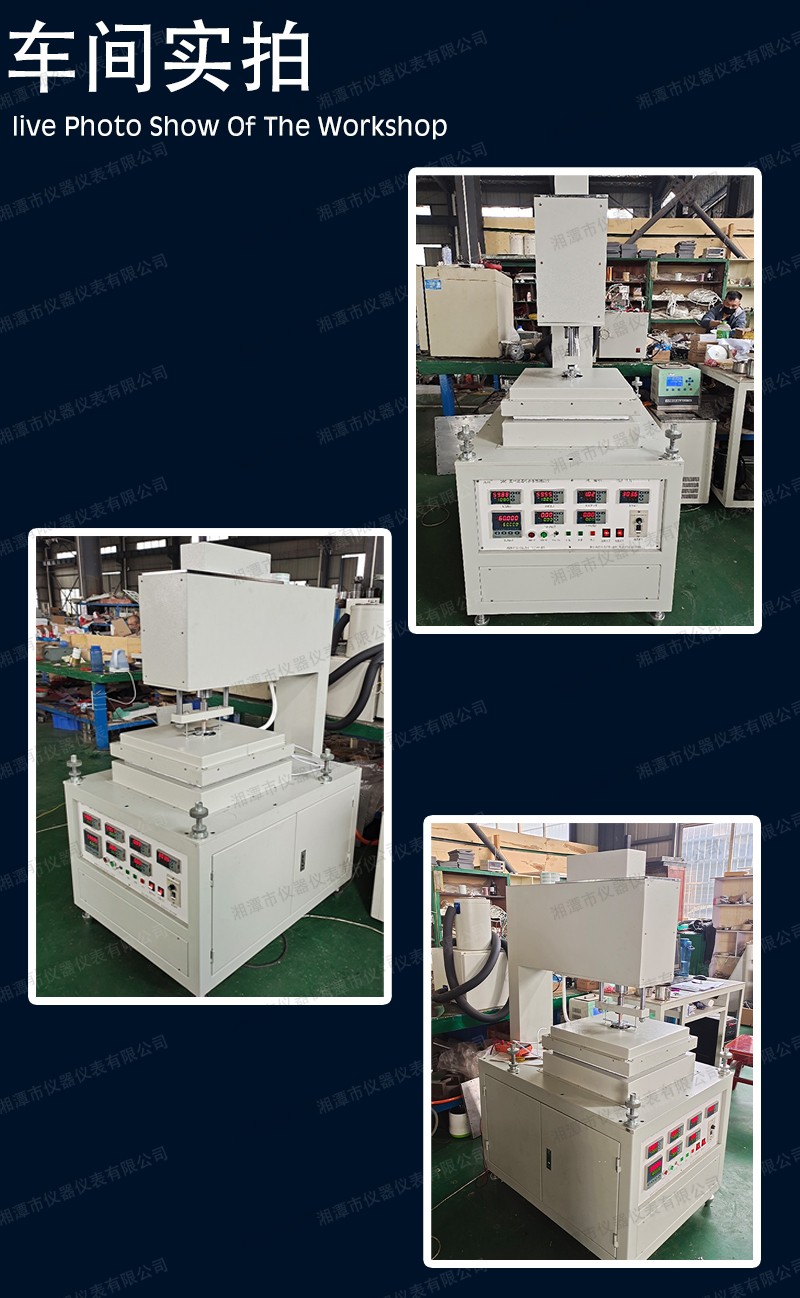
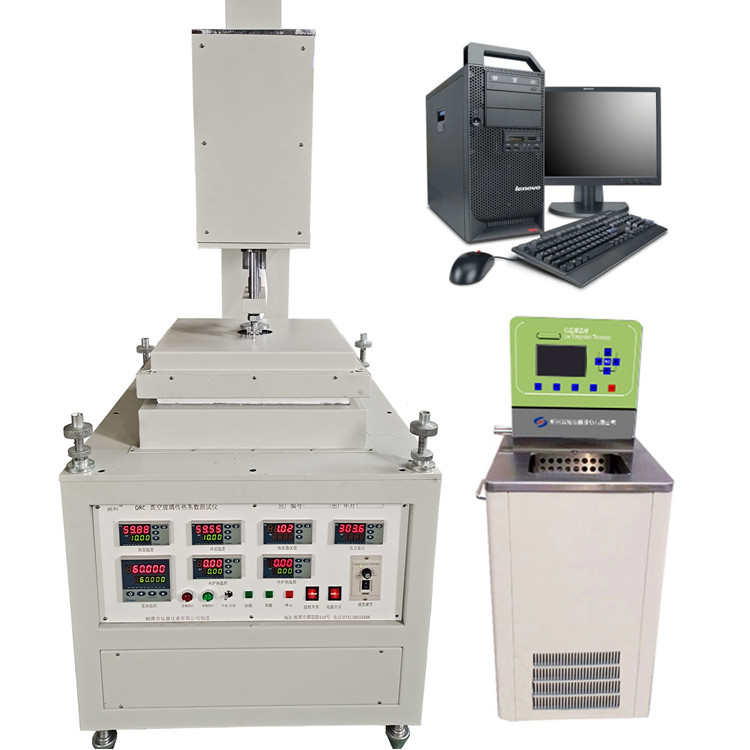
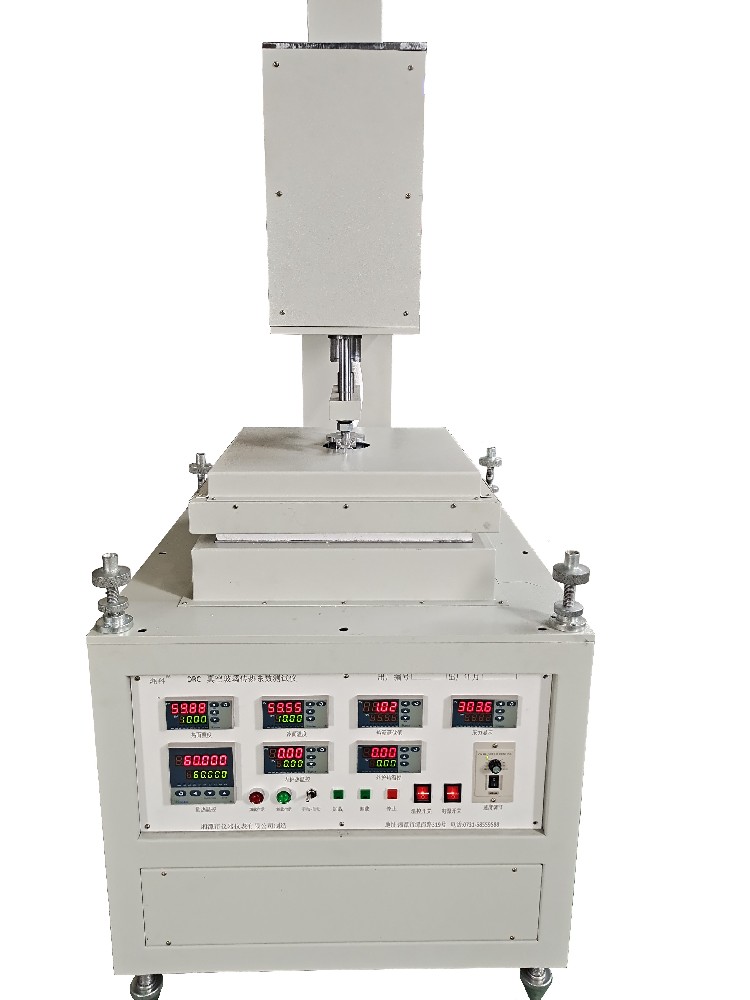
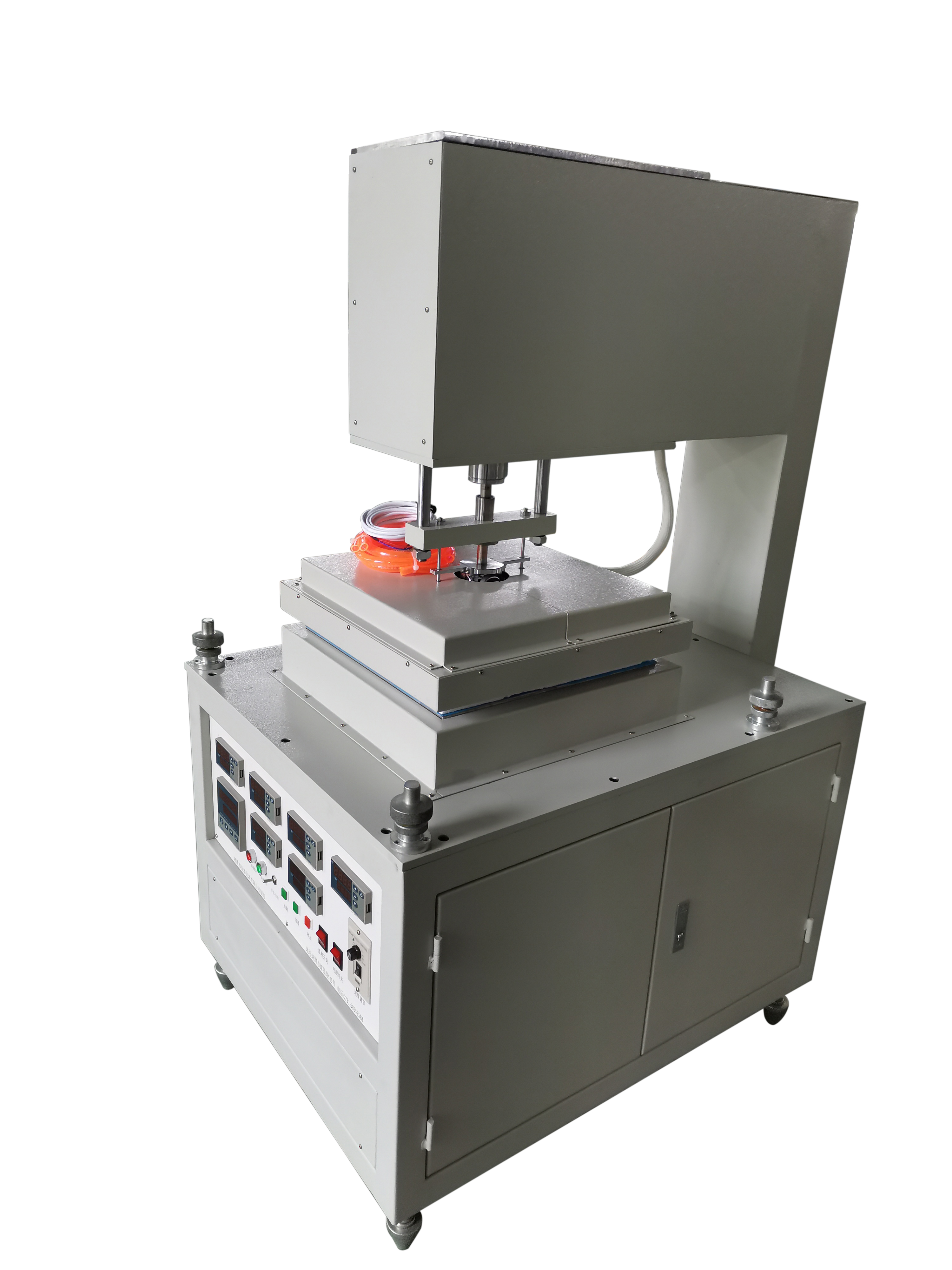
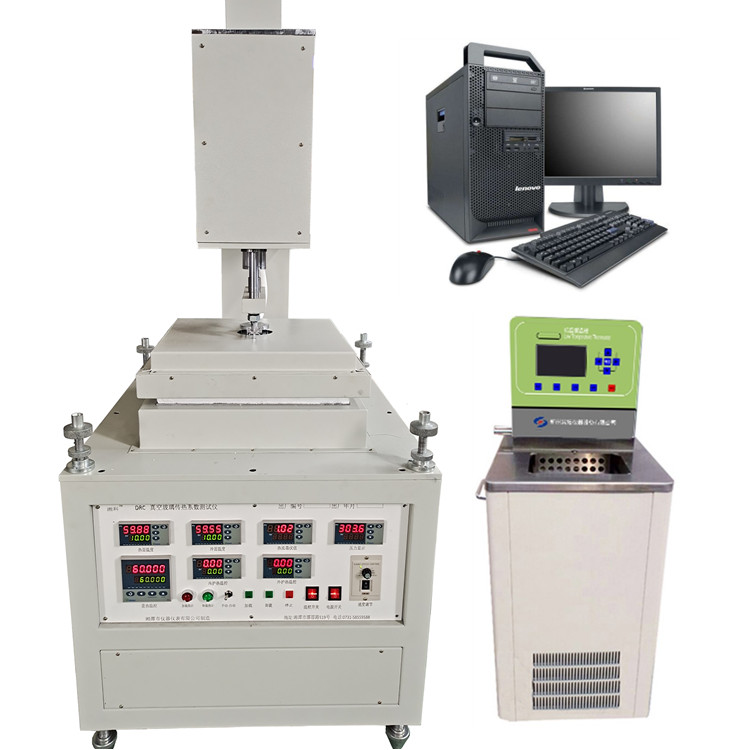
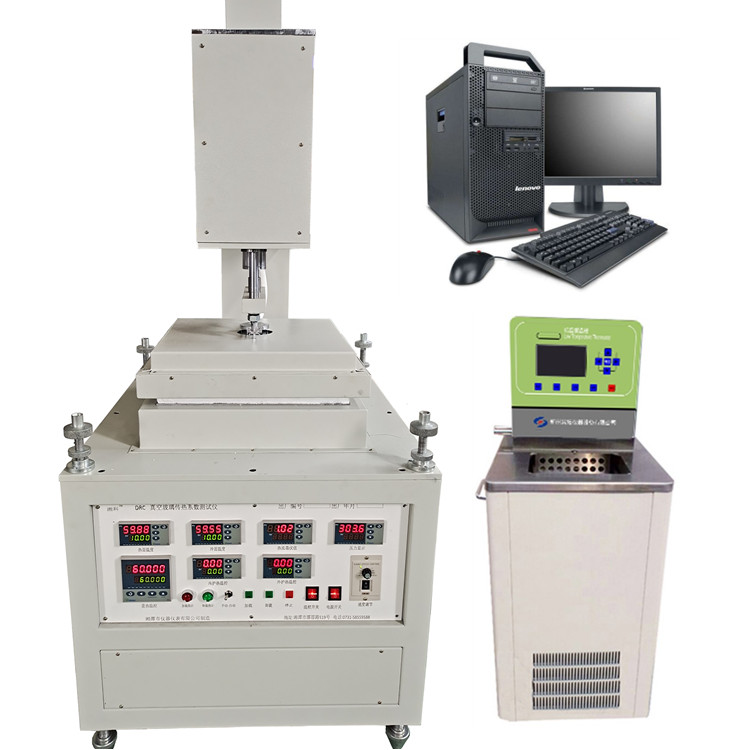
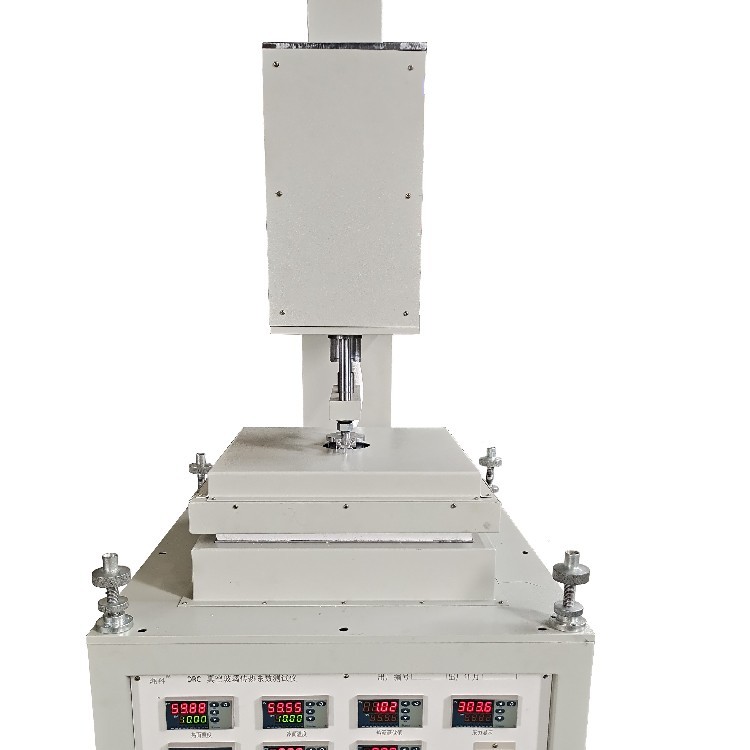
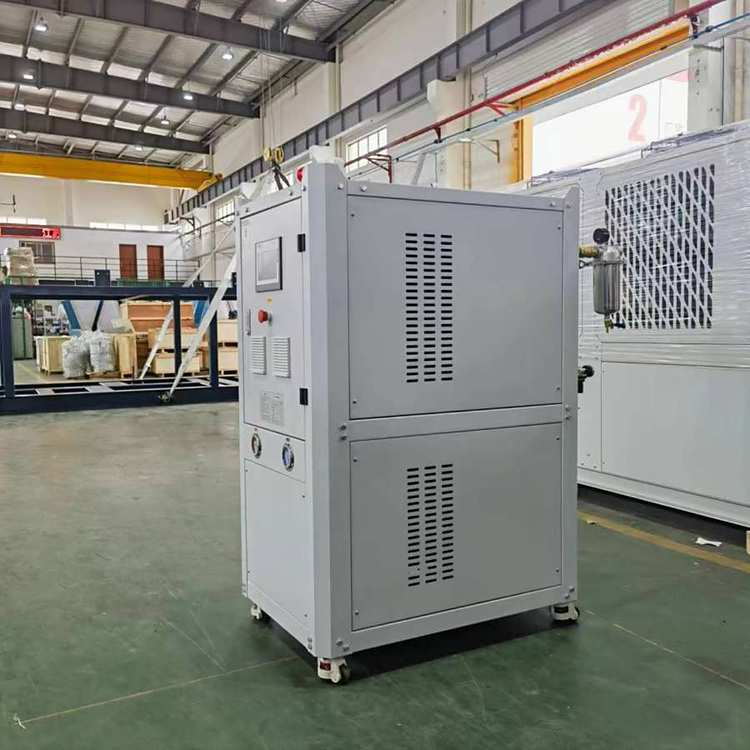
The equipment consists of a cold plate assembly, an electric pressure unit, a hot plate assembly (including calorimetric, inner heat insulation, and outer heat insulation sections), a data collection control system, and a computer measurement and control system. The specimen is placed between the cold and hot plates, and the electric pressure unit is used to tightly compress the specimen. The cold plate constant temperature system and the hot plate temperature control system provide a stable temperature difference on both sides of the specimen. A heat flow meter on the calorimeter measures the heat flux density passing through the specimen, and then calculates the thermal conductivity and thermal diffusivity of the specimen.
Configuration: IncludedDRC-IIOne heat transfer coefficient test main unit, one software set, one high-precision constant temperature water bath.One computer (as per contract specifications)。