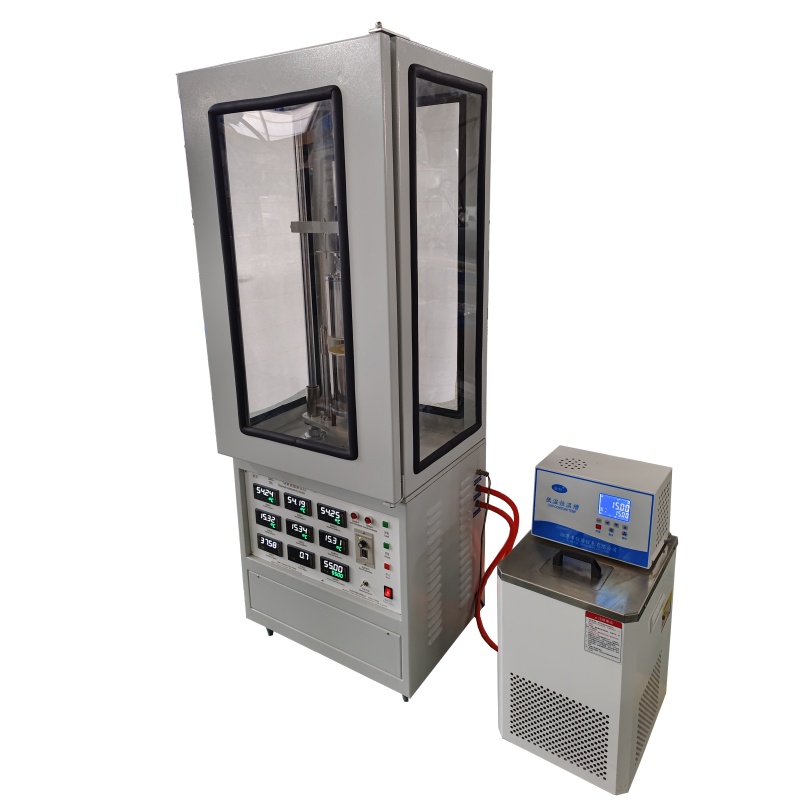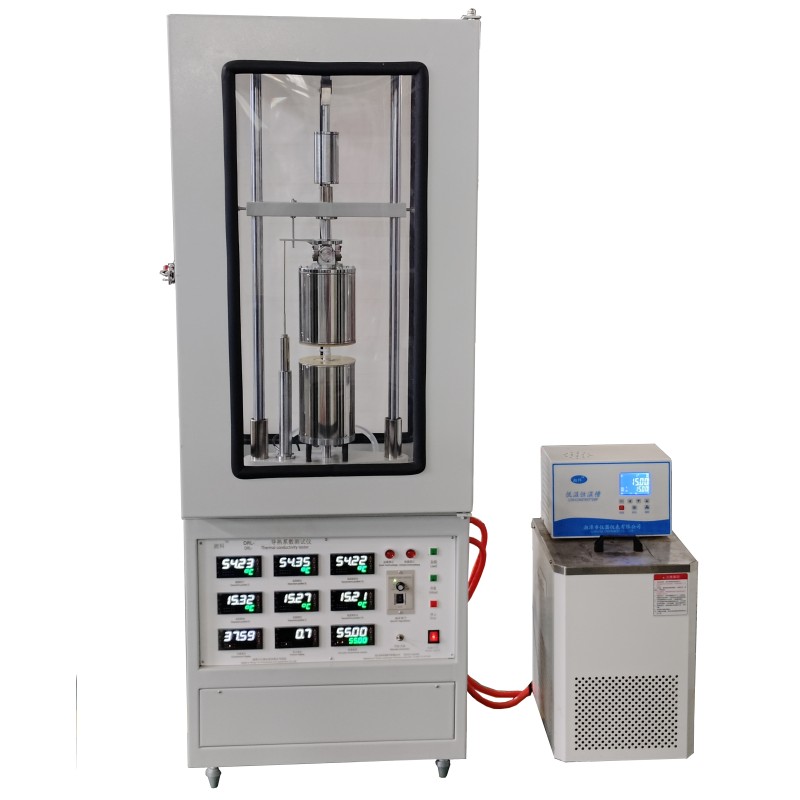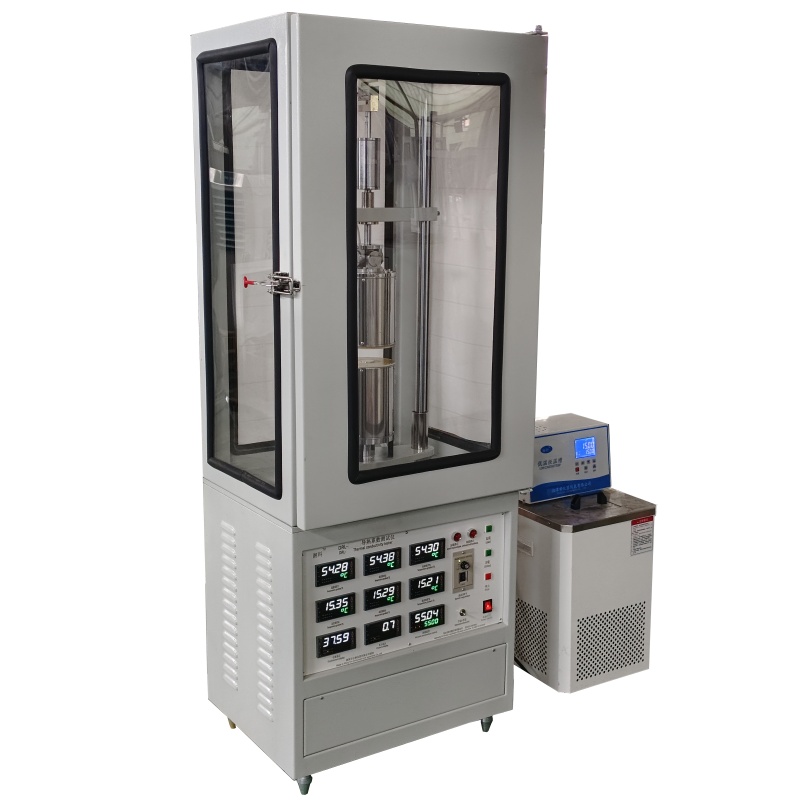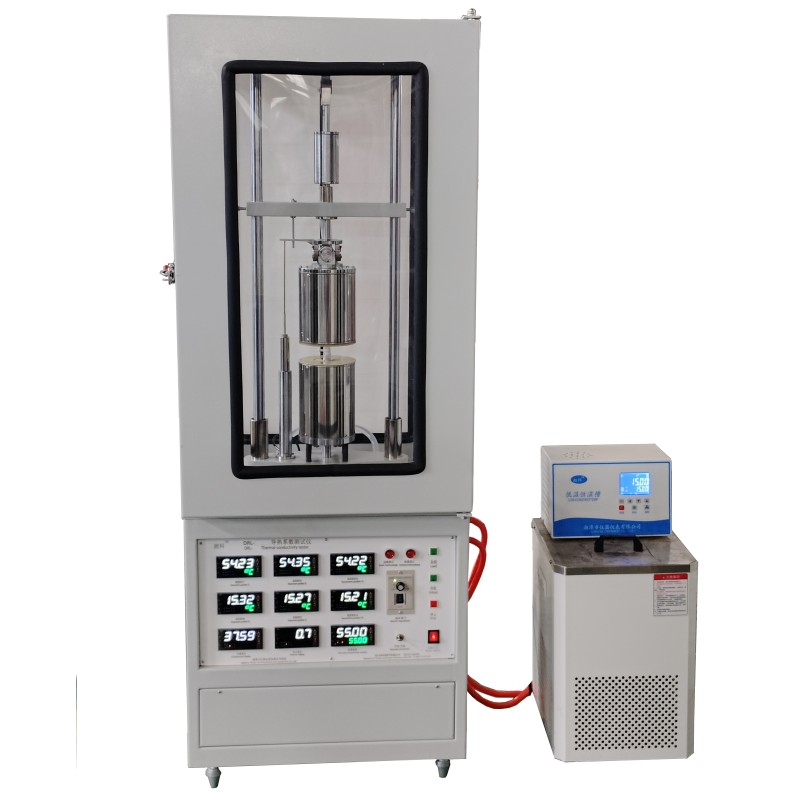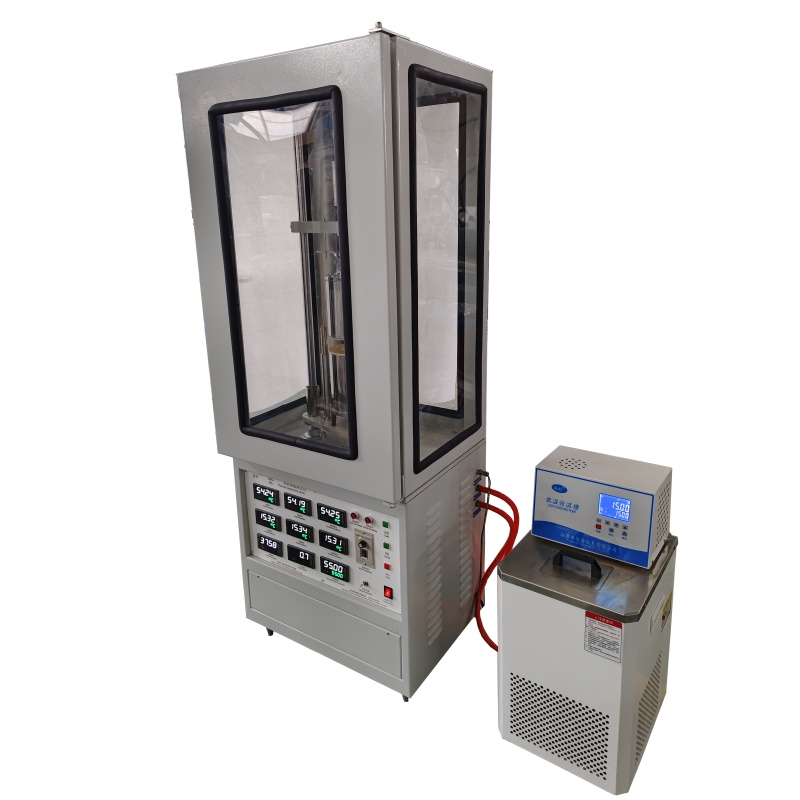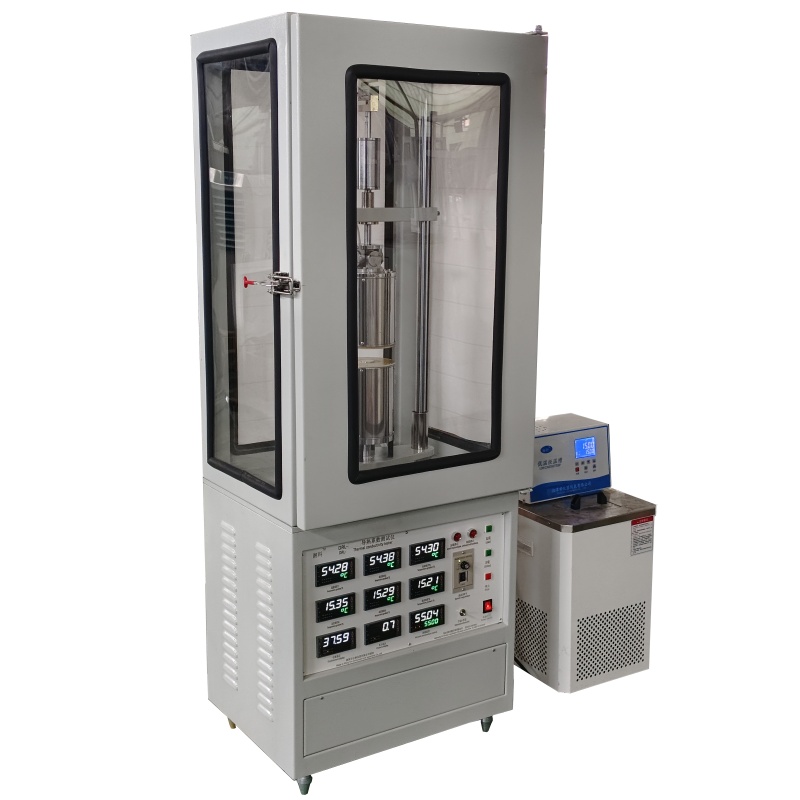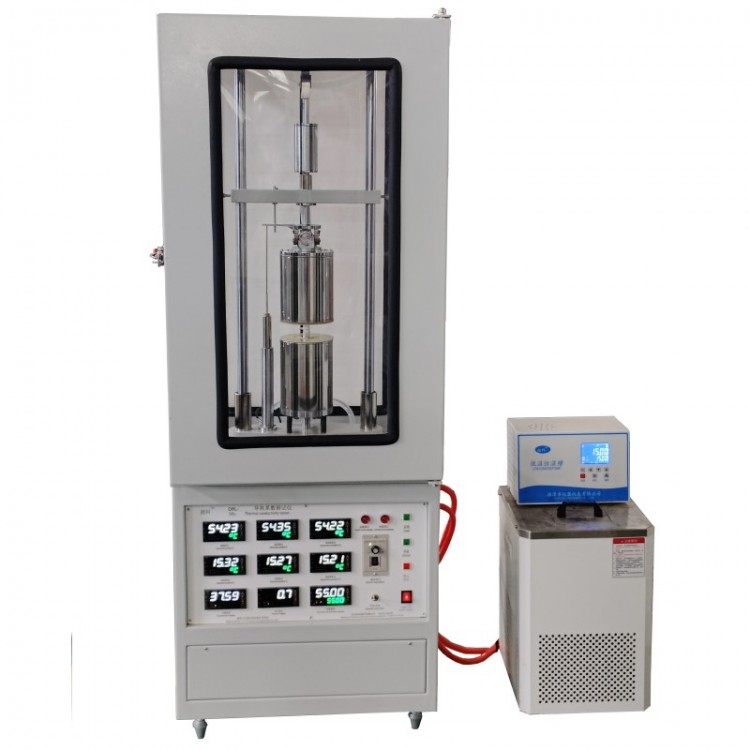

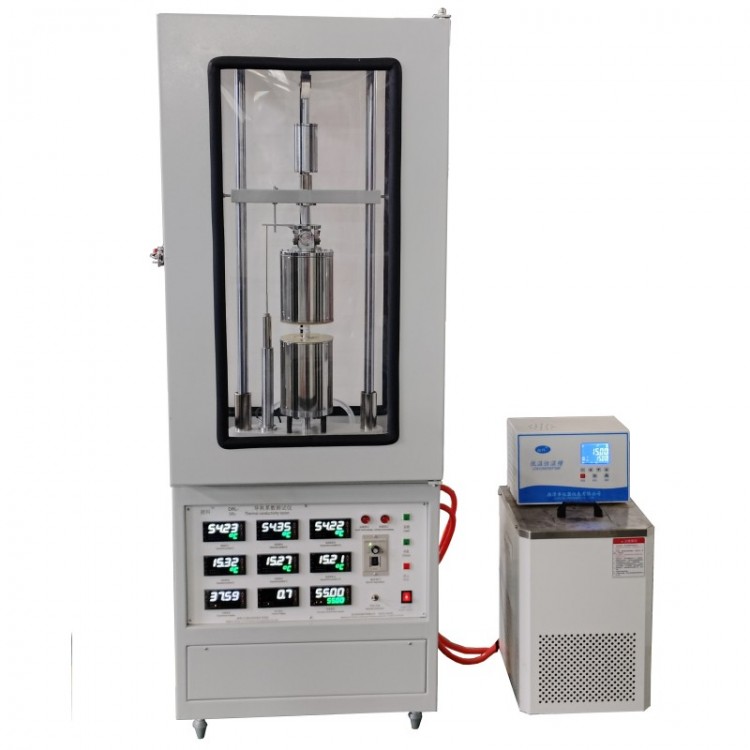
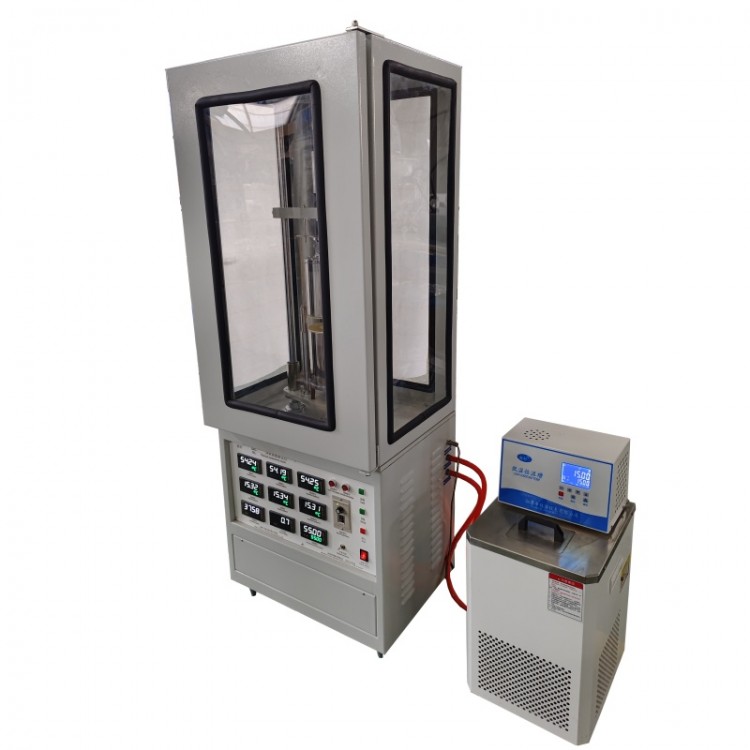
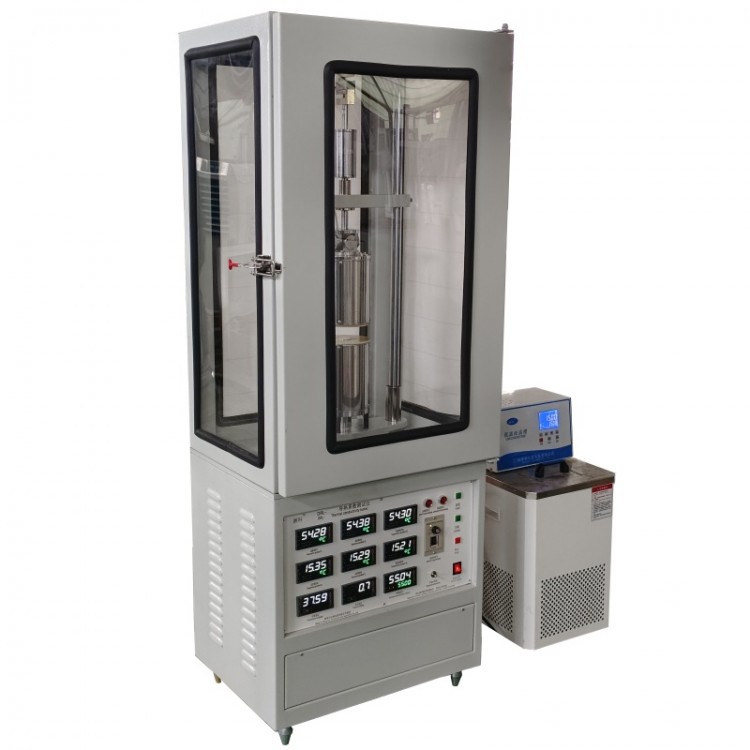








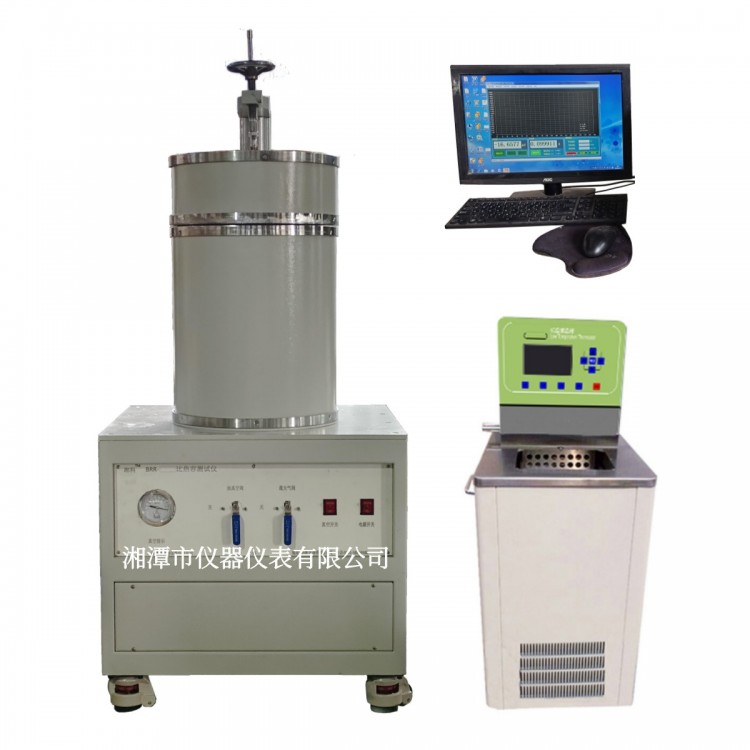
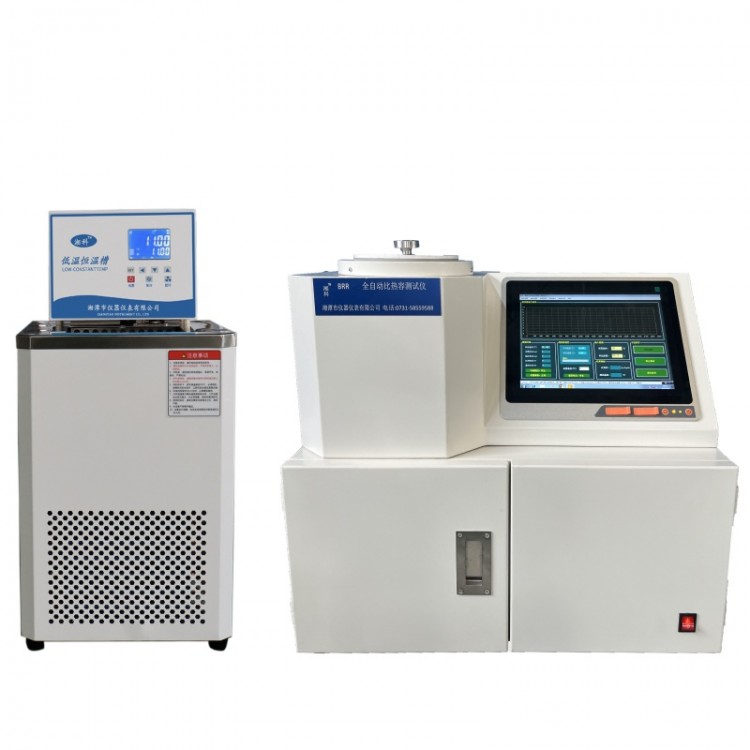
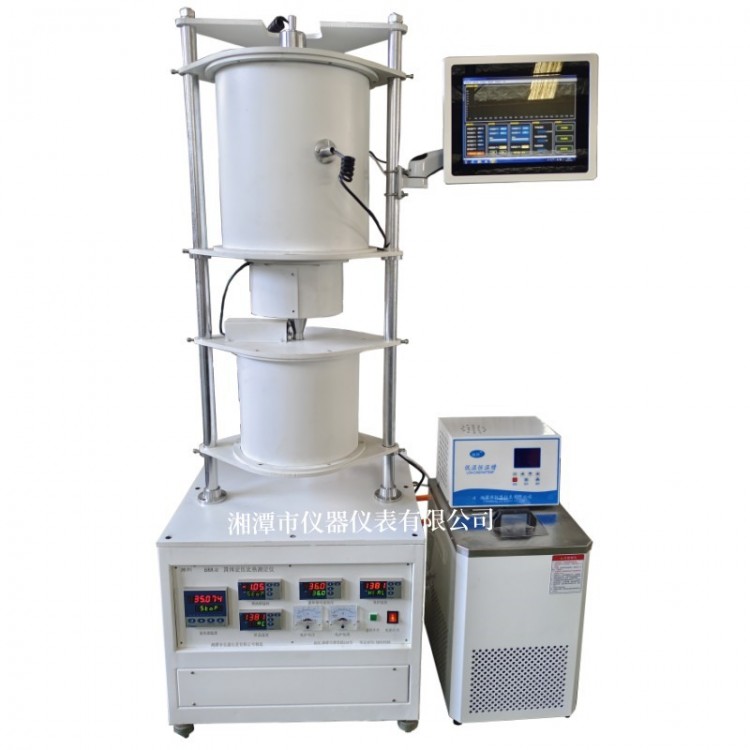

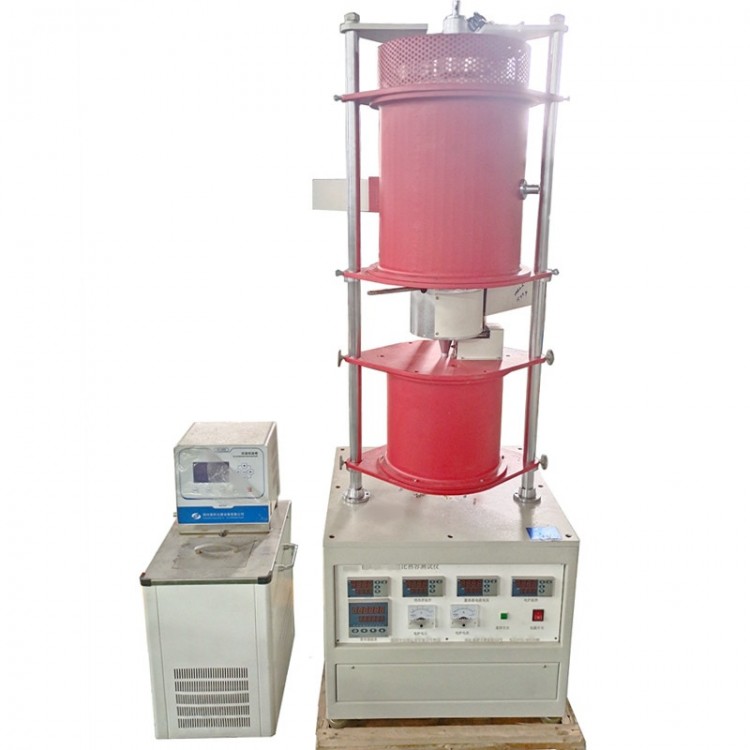
Xiangtan XiangkeDRL-IIISeries Thermal Conductivity Meters for High Polymers, Plastics, Rubbers, Silica Gel Greases, Aluminum Substrate
One, Overview
This instrument primarily tests the thermal resistance of materials such as thin thermal conductors, solid electrical insulators, thermal conductive grease, silicone, plastics, resins, rubbers, ceramics, beryllium oxide ceramics, aluminum oxide ceramics, aluminum substrates, coatings, and high polymers, as well as the contact thermal resistance at solid interfaces and the thermal conductivity of the materials. The materials to be tested are in solid, sheet form, and by adding a frame, it can also test powdered and paste-like materials.
Instrument Reference Standards:MIL-I-49456AInsulating Sheet Materials, Thermal Conductive Resins, Thermally Conductive Glass Fiber ReinforcementGB 5598-2015Method for Measuring Thermal Conductivity of Beryllium Oxide Ceramic - Rod Axis MethodASTM D5470-12Standard for Testing Thermal Conductivity of Thin Solid Electrical Insulating MaterialsGB/T38712-2020Experimental Method for Thermal Conductivity of Ultra-thin Glass (Heat Flow Method)GB /T29313-2012Methods for testing thermal conductivity of electrical insulating materials.
Instrument Features:Automatic pressure and thickness measurement devices, linked with a computer for full automatic control. The instrument utilizes6Temperature gradient detection enhances test accuracy. Electric loading is employed to detect thermal resistance curves under various pressures. An optimized mathematical model is used to measure multiple parameters, including thermal conductivity, thermal resistance, and contact thermal resistance at the interface.
Widely applied in universities, research institutions, quality inspection departments, and manufacturing plants for material thermal conductivity analysis and testing.
II. Main Technical Parameters
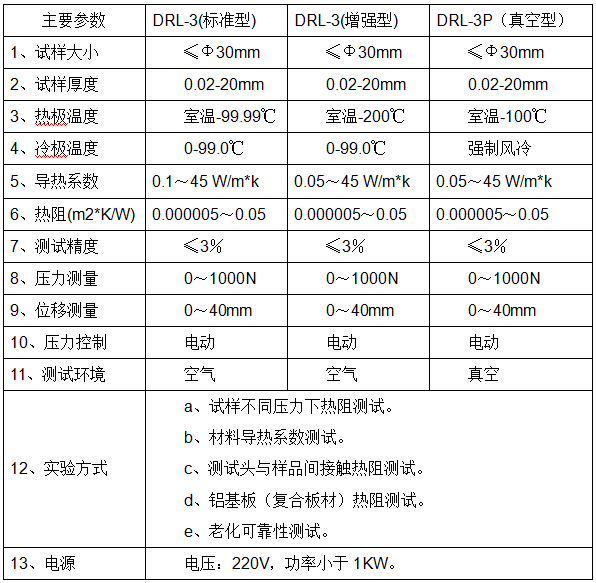
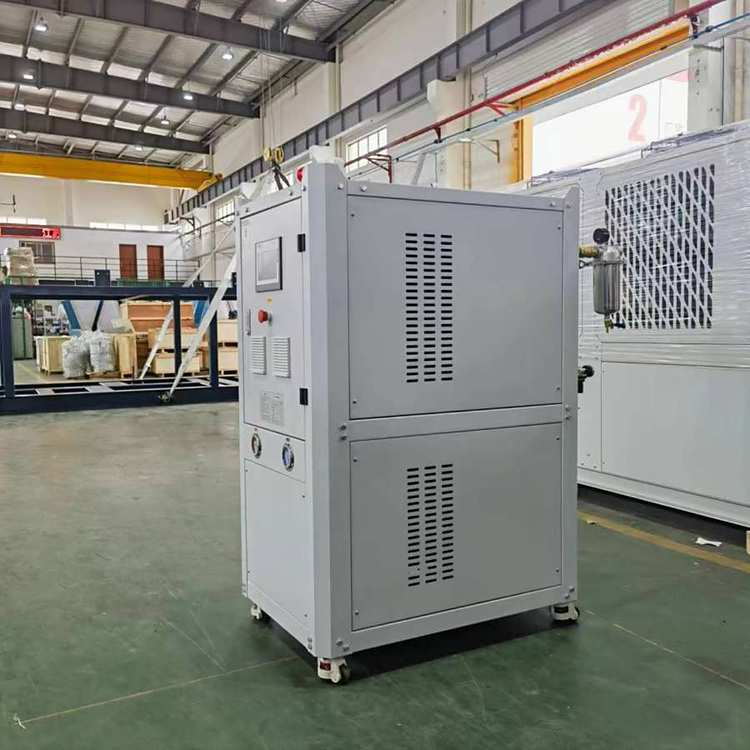
Instrument Selection:DRL-3(Enhanced)It isDRL-3(Standard Type)Enhance the thermal extreme temperature on the basis, mainly used for testing materials with slightly higher test temperature requirements and lower thermal conductivity.DRL-3PPrimarily used forMaterial prone to oxidationPlease provide the Chinese content that needs to be translated into American English.Test environment with vacuum requirements testing。