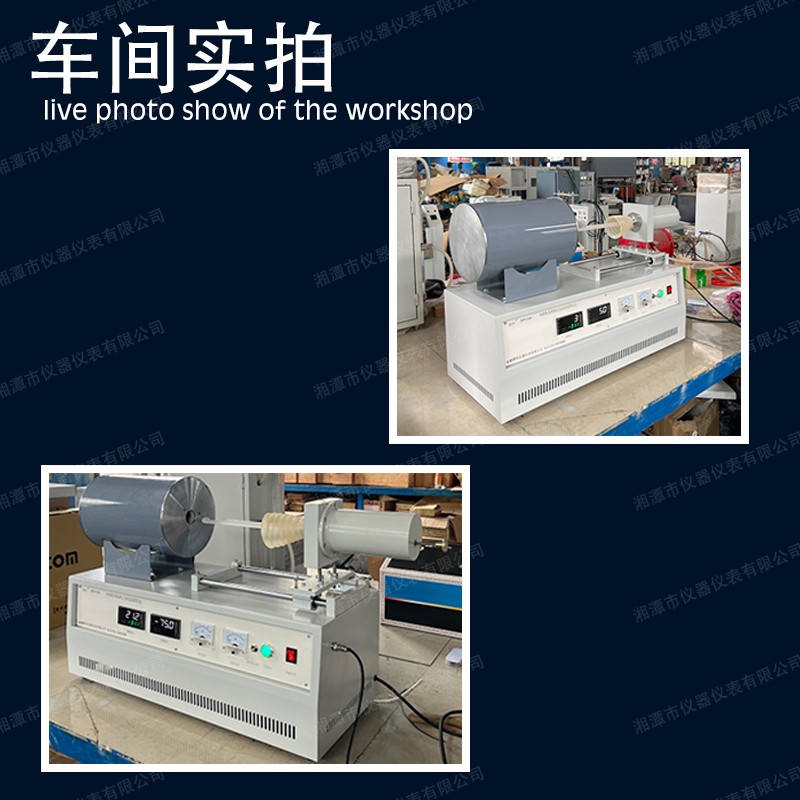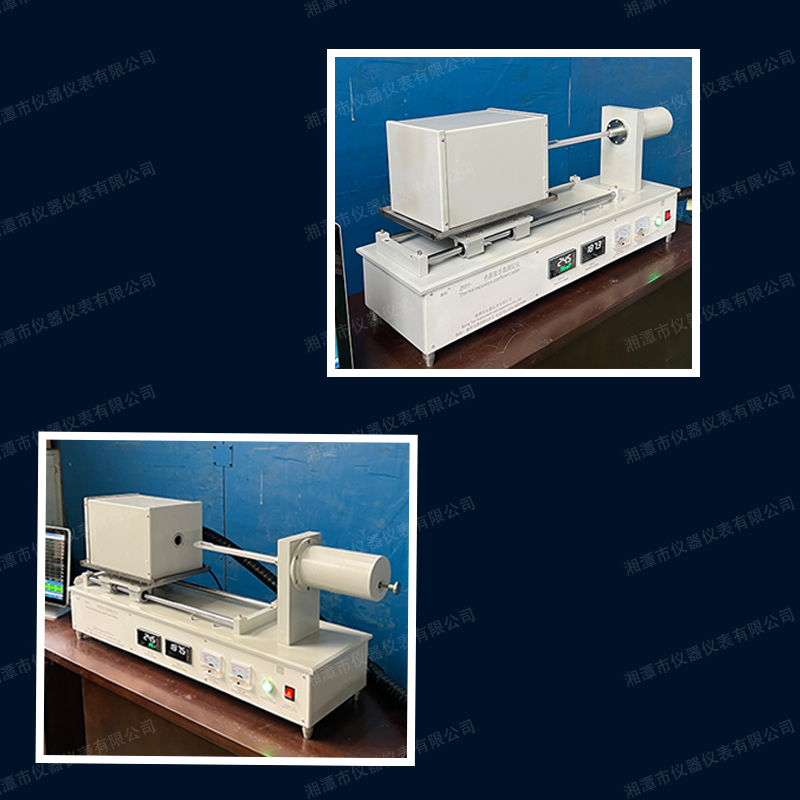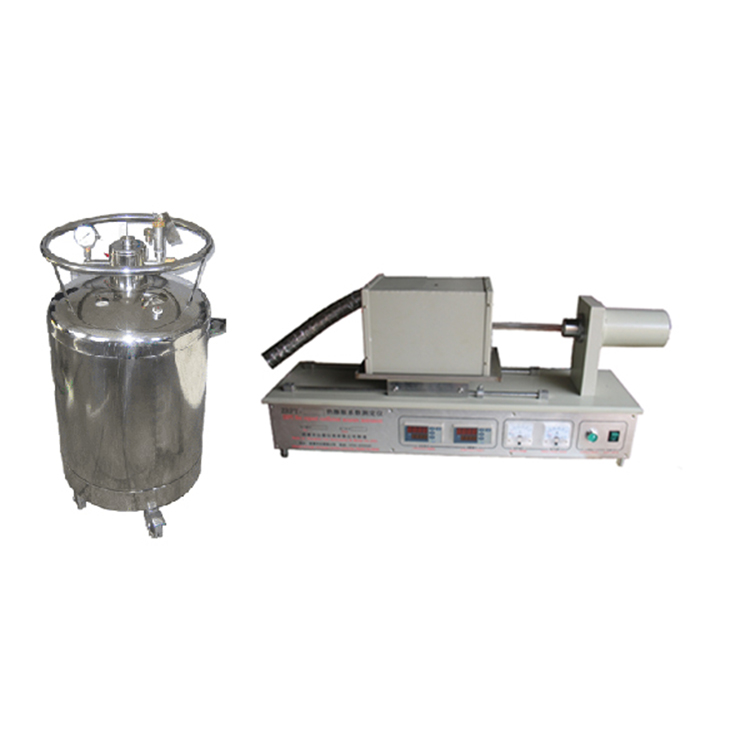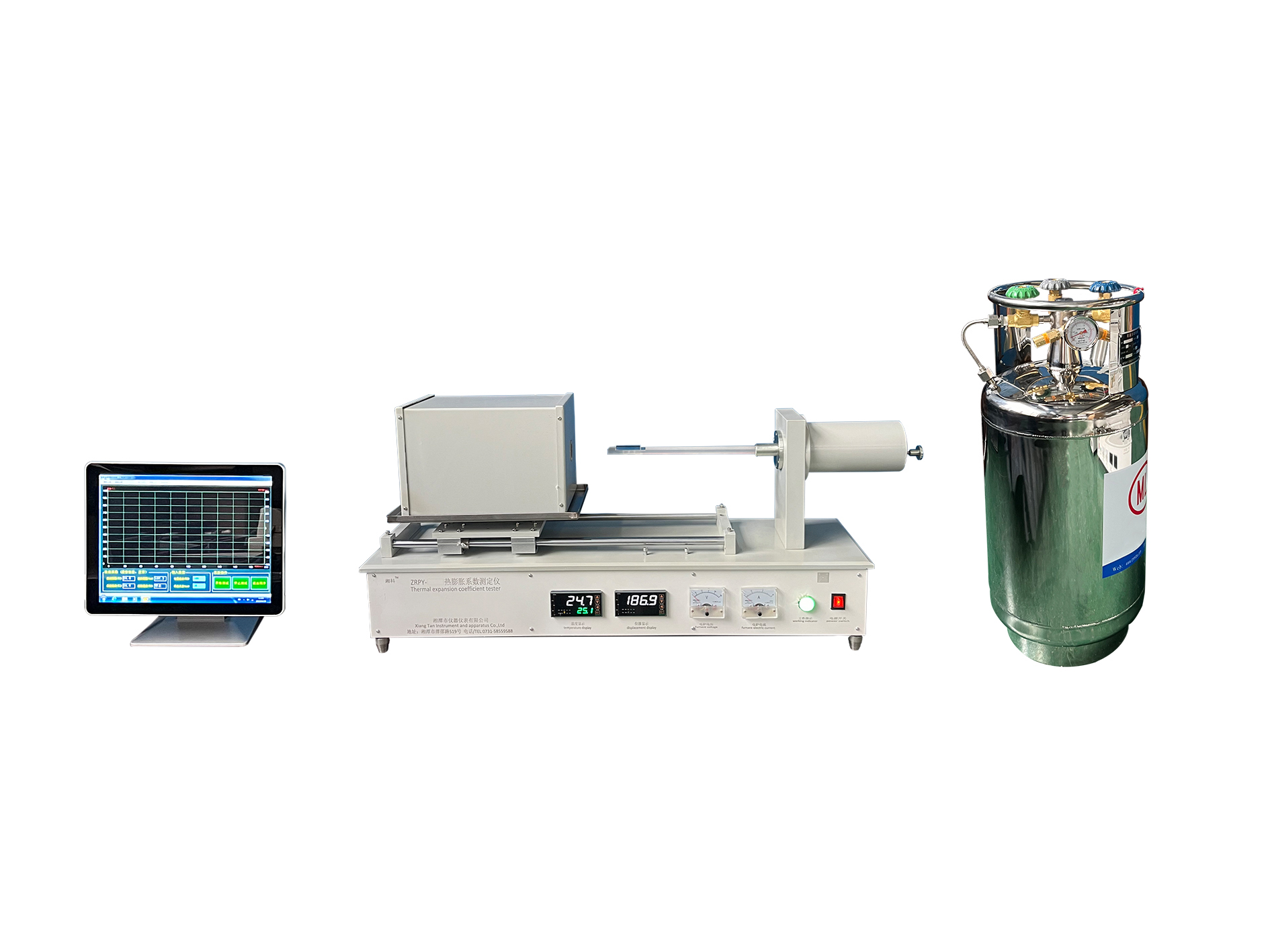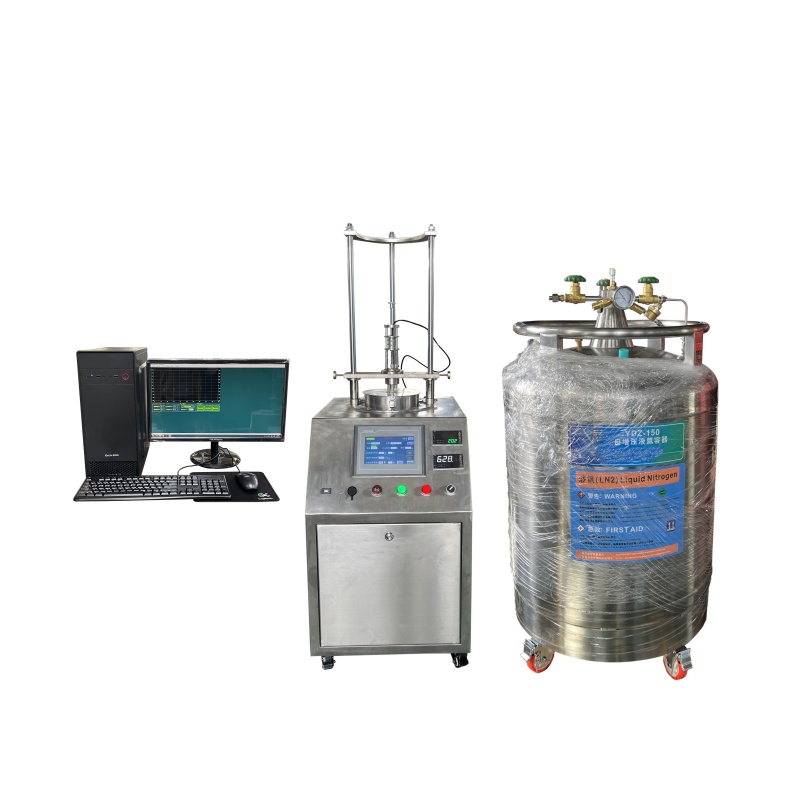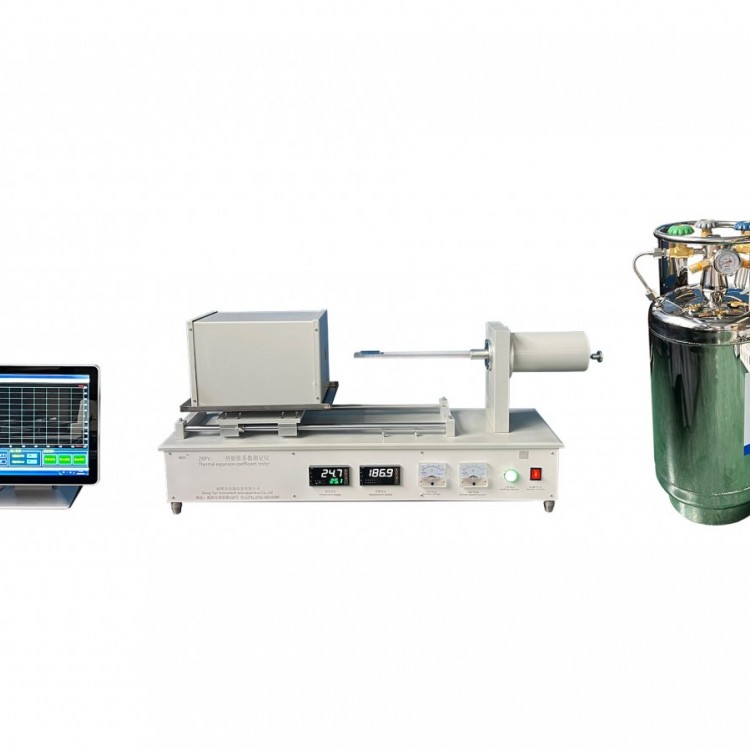
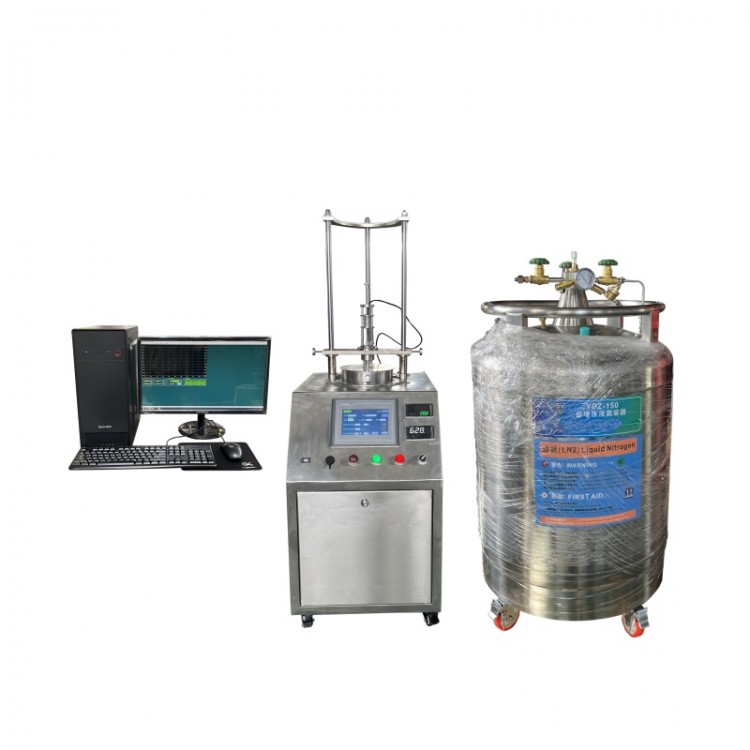


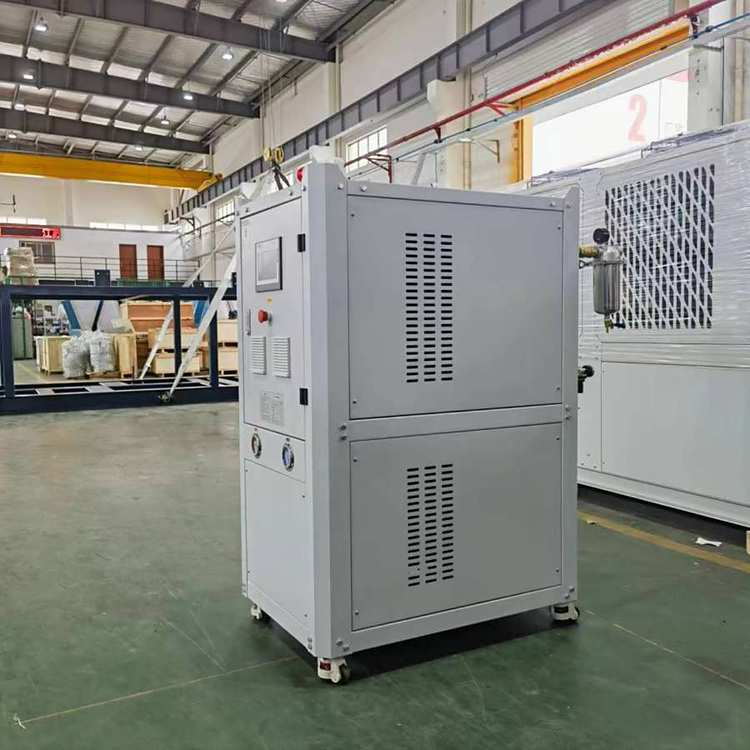





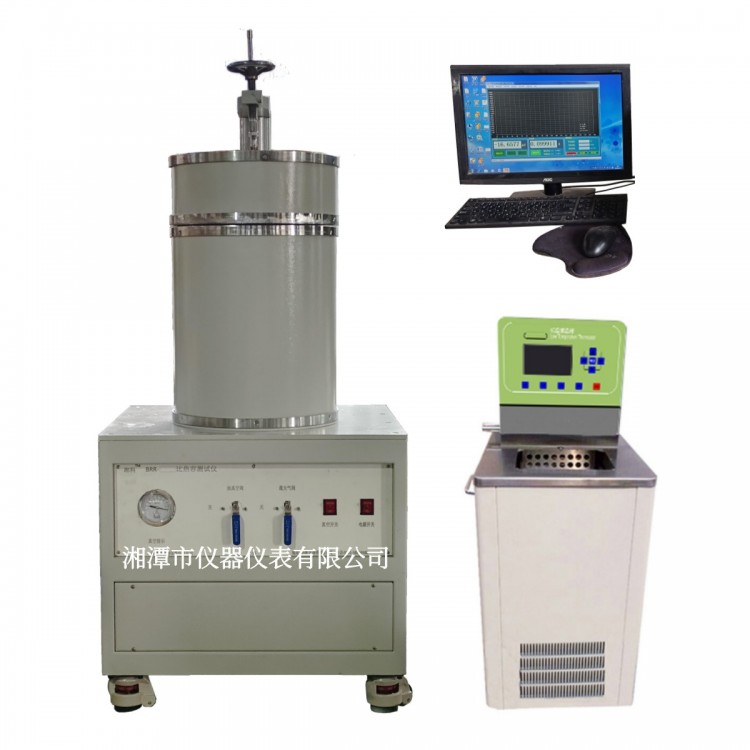
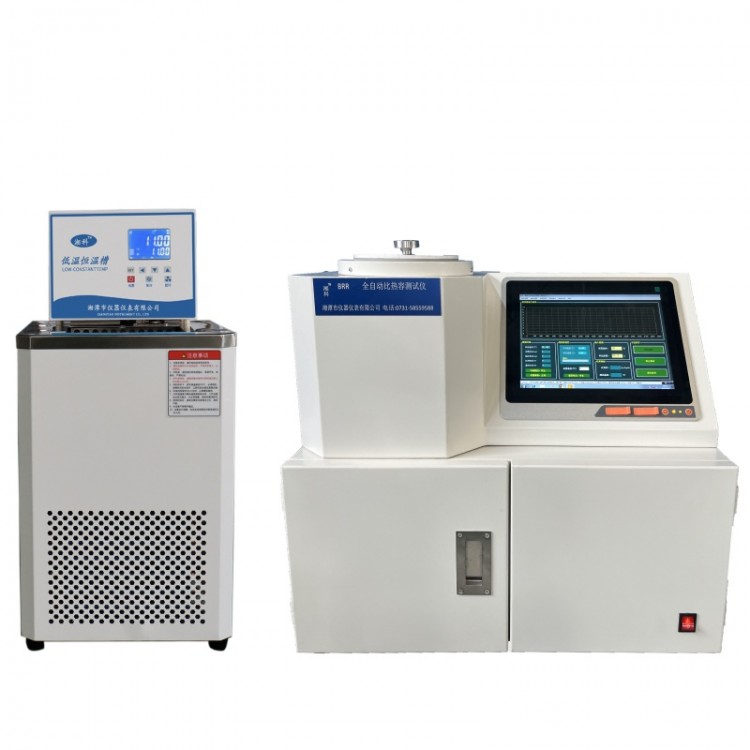
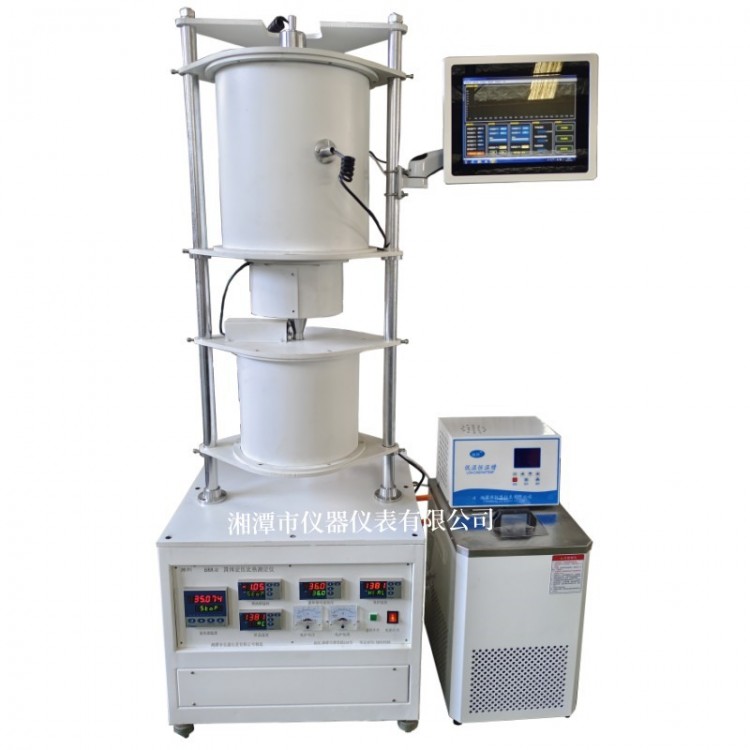

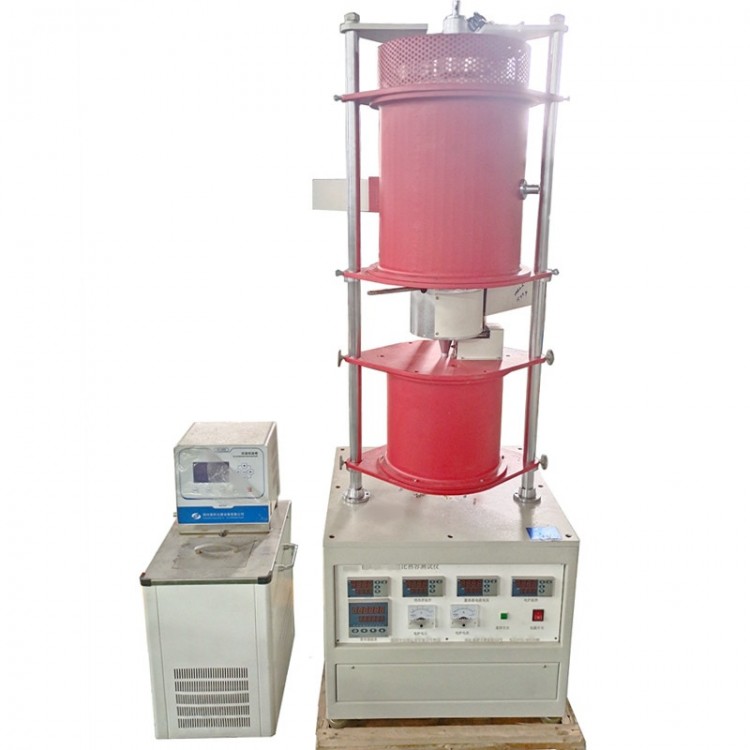
Xiangke ZRPY-DW Low Temperature Coefficient of Linear Thermal Expansion Instrument, Liquid Nitrogen Cooling Linear Expansion Instrument
This instrument is suitable for measuring the volume changes (expansion and contraction) of metals, ceramics, glazes, refractory materials, plastics, and other non-metallic materials as they change temperature from low (-60℃) to 200℃.
Instrument Reference Standards: GB/T 1036-2008 "Determination of Linear Thermal Expansion Coefficient of Plastics - Quartz Dilatometer Method", GB/T 2572-2005 Test Method for Average Linear Thermal Expansion Coefficient of Fiber Reinforced Plastics.
Xiangke ZRPY-DWLow-temperature thermal expansion coefficient instrument, linear expansion gaugeMain Technical Parameters:
Temperature Range: -60 to 200℃ (using liquid nitrogen cooling)
2. Measurement of deformation range: ±1.5mm.
3. Displacement sensor sensitivity: 0.1 um, automatic range calibration.
4. Temperature Control Accuracy: ±1°C
5. Automatically calculates the expansion coefficient, volume expansion, and linear expansion.
6. Automatically calculates and compensates for the compensation coefficient, with the option for manual adjustments.
7. Sample Sizes: Ø6-10×50mm, 10×10×50mm, both square and round samples are available.
Power Supply: 220V, 2KW
9. Automatic temperature control, recording, storage, and data printing, including printing the temperature-expansion coefficient curve. All testing operations are completed through a computer interface, offering convenient and easy-to-learn operation, along with a full software suite.
10. Refrigeration Method: Compression refrigeration for models with a -30~100℃ range, and liquid nitrogen refrigeration for models with a -60~200℃ range.
Product Comprehensiveness:
1. Low-temperature expansion instrument main unit, 1 set.
2. Software set of 1
1 each self-pressurized liquid nitrogen cylinder (with interface)
4. 1 quartz standard sample
5. 1 set of data cables and communication interfaces.
6. 1 set of computers and printers (as per contract specifications).
Note: There is also a vertical expansion gauge with ultra-low temperature range of -196 to -200°C.