








Nanjing Electro-phoresis Paint Ultrafiltration Equipment - Reverse Osmosis Water Treatment Equipment - Quankun Customization - Bacterial Clarification Filtration
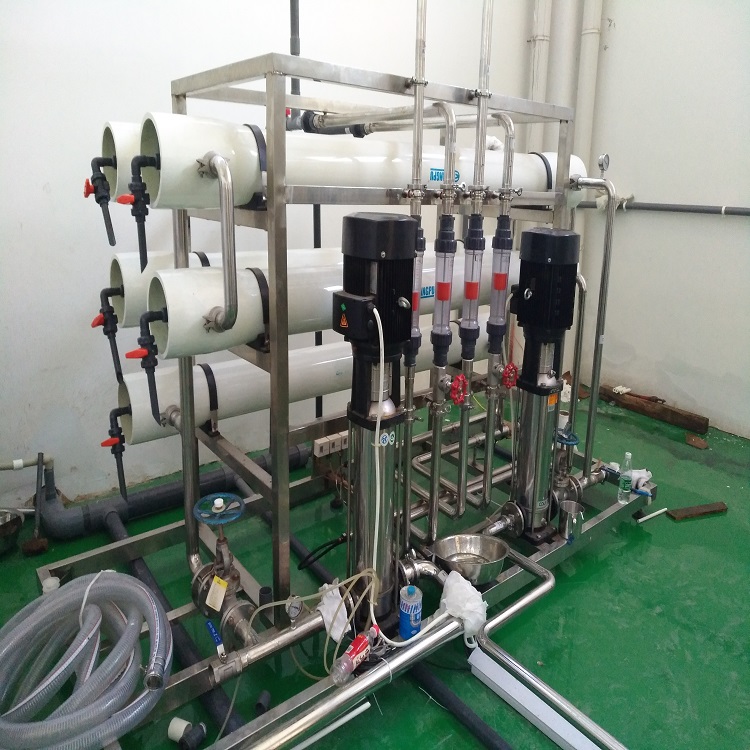
Ultrafiltration (UF) is a pressure-driven membrane separation technology with a typical pore size range of 0.001-0.1 micrometers, capable of retaining substances with molecular weights ranging from 1,000 to 500,000 daltons. Industrial-grade equipment commonly employs hollow fiber membranes, rolled membranes, or flat sheet module configurations, with hollow fiber membranes being the mainstream choice due to their larger surface area and higher flux. For instance, in the pretreatment stage of reverse osmosis, ultrafiltration units effectively remove suspended solids and colloids from the raw water, reducing the risk of contamination in subsequent processes.
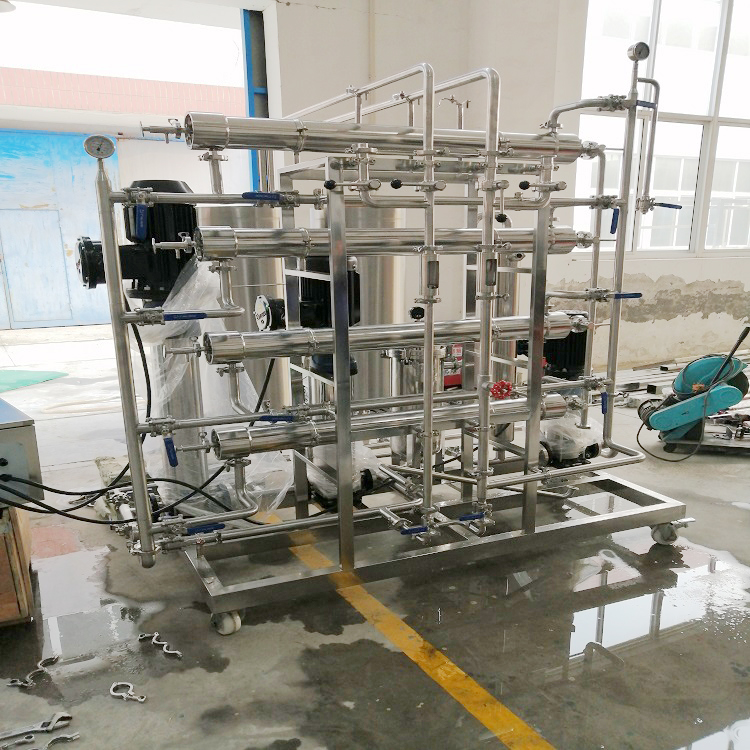
Process Features:
Membrane filtration driven by pressure difference can be divided into three types: ultrafiltration, microfiltration, and reverse osmosis. The distinction is based on the particle size or molecular weight that the membrane layer can retain. When using the rated pore size range as the criterion for distinction, the rated pore size range of microfiltration (MF) membranes is 0.02~10μm; ultrafiltration (UF) membranes are 0.001~0.02μm; and reverse osmosis (RO) membranes are 0.0001~0.001μm. Consequently, ultrafiltration membranes are suitable for separating and concentrating solutes in solutions or for separating colloidal suspensions that are difficult to separate with other separation techniques. The film-forming technology of ultrafiltration membranes, which is to obtain membranes with expected pore sizes and narrow distributions, is extremely important. There are many factors controlling the pores, such as the type and concentration of the solution during film formation, as well as evaporation and condensation conditions, which can yield ultrafiltration membranes with different pore sizes and distributions.
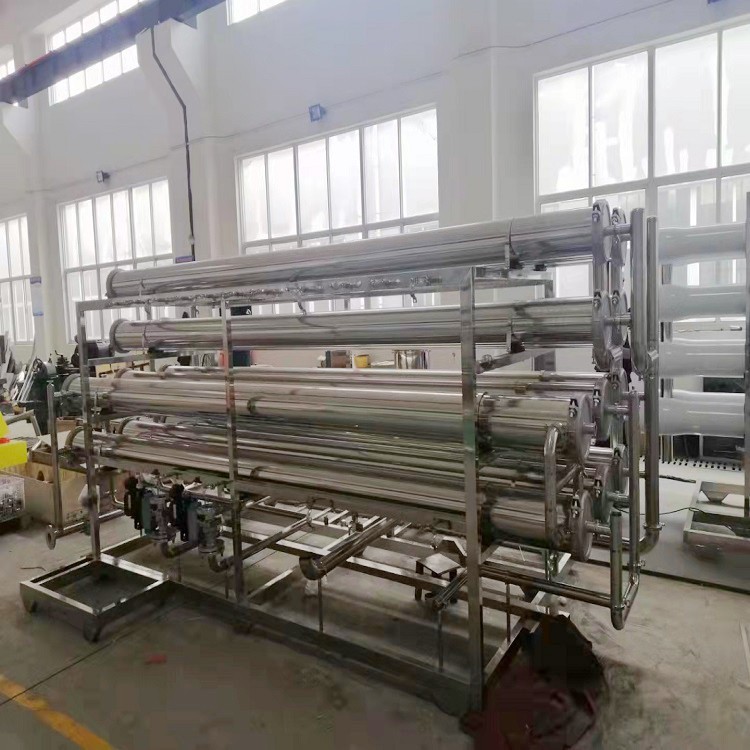
Basic Principle of Ultrafiltration:
Pore sizes of ultrafiltration membranes are generally between 0.005-1 micrometers. Therefore, the ultrafiltration separation process was once considered a purely physical separation process. There are three scenarios in the ultrafiltration process:
(1) Solutes are adsorbed on the membrane surface and the walls of the micropores (primary adsorption)
(2) The particle size of the solute is similar to the membrane pore size, where the solute is mechanically retained on the membrane surface, achieving separation (blockage).
(3) The particle size of the solute is larger than the membrane pore size, causing mechanical retention of the solute on the membrane surface, thereby achieving separation by sieving.
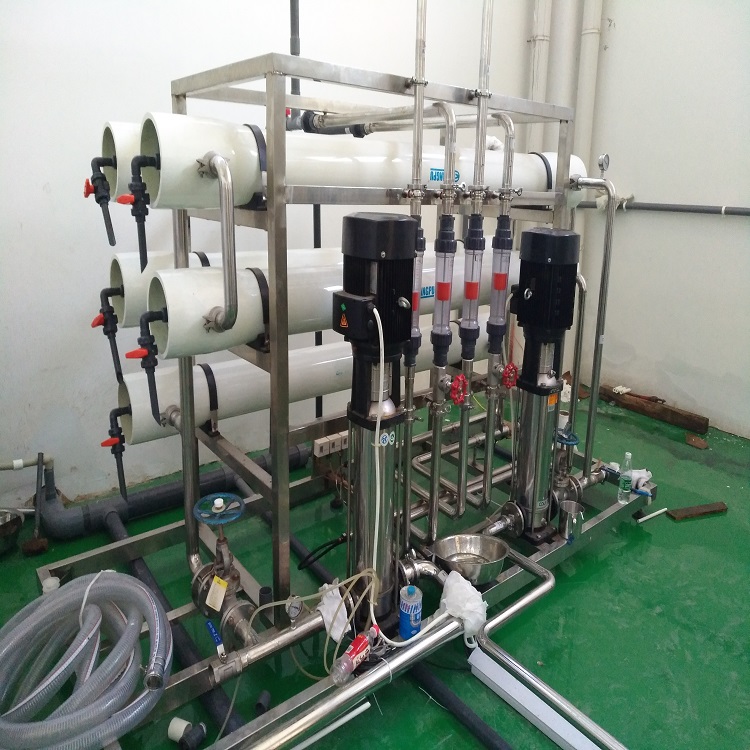
Product Structure:
The structure of ultrafiltration reverse osmosis equipment is divided into symmetrical and asymmetric types. The former is isotropic, lacking a skin layer, with pores of the same size in all directions, and belongs to deep filtration; the latter has a denser surface layer and a bottom layer mainly composed of finger-like structures. The surface layer is 0.1 micrometers or thinner, with ordered micro-pores, and the bottom layer is 200 to 250 micrometers thick, which is surface filtration. Industrial ultrafiltration membranes typically use asymmetric membranes. The main materials for ultrafiltration membranes include cellulose and its derivatives, polycarbonate, polyvinyl chloride, polysulfone, polyamide, poly sulfoneamide, sulfonated polysulfone, cross-linked polyvinyl alcohol, polymers, and so on.
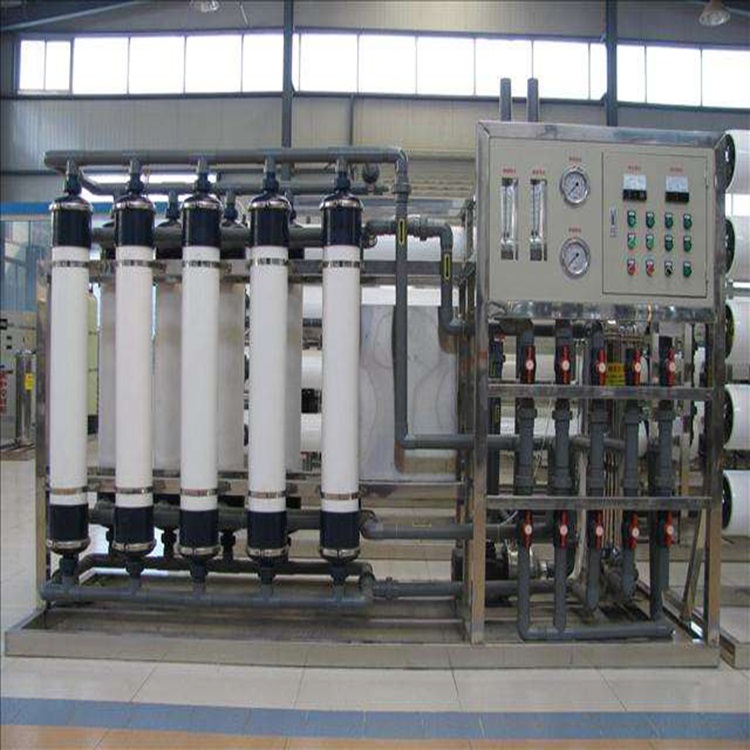
Ultrafiltration membrane filtration:
Ultrafiltration membrane filtration is a membrane separation method driven by pressure difference using ultrafiltration reverse osmosis equipment. Ultrafiltration membranes are mostly made of acetate fiber or high polymer materials with similar properties. They are suitable for the separation and concentration of solutes in solutions and are often used in the separation of colloidal suspensions that are difficult to process with other separation techniques. Their application fields are expanding.
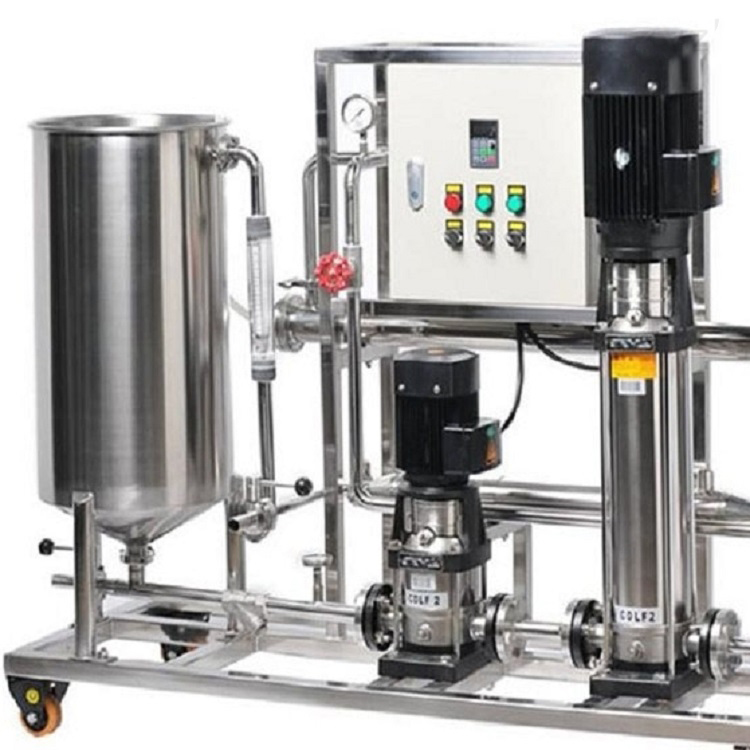
Nanjing Electrophoresis Paint Ultrafiltration Equipment - Reverse Osmosis Water Treatment Equipment - Quankun Customized - Bacterial Clarification Filtration
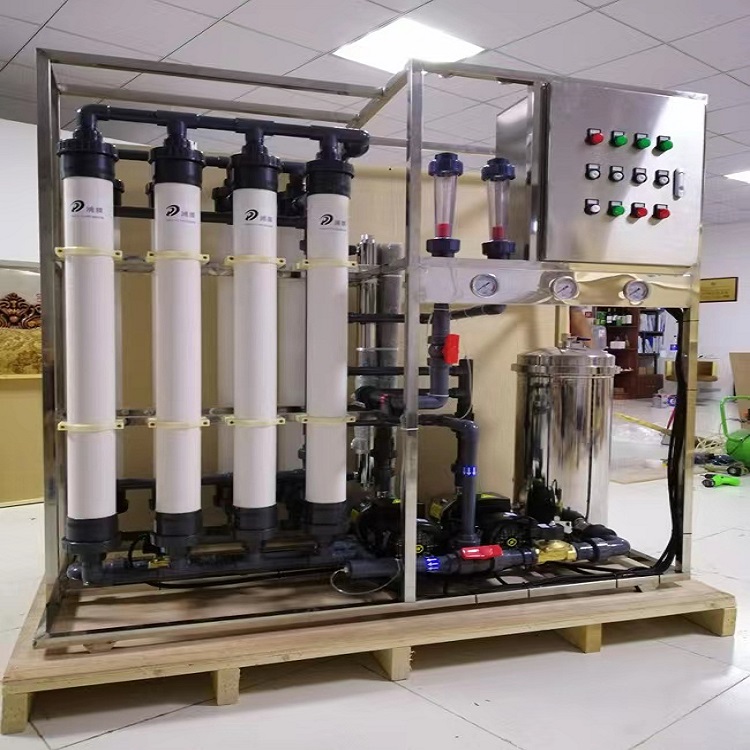
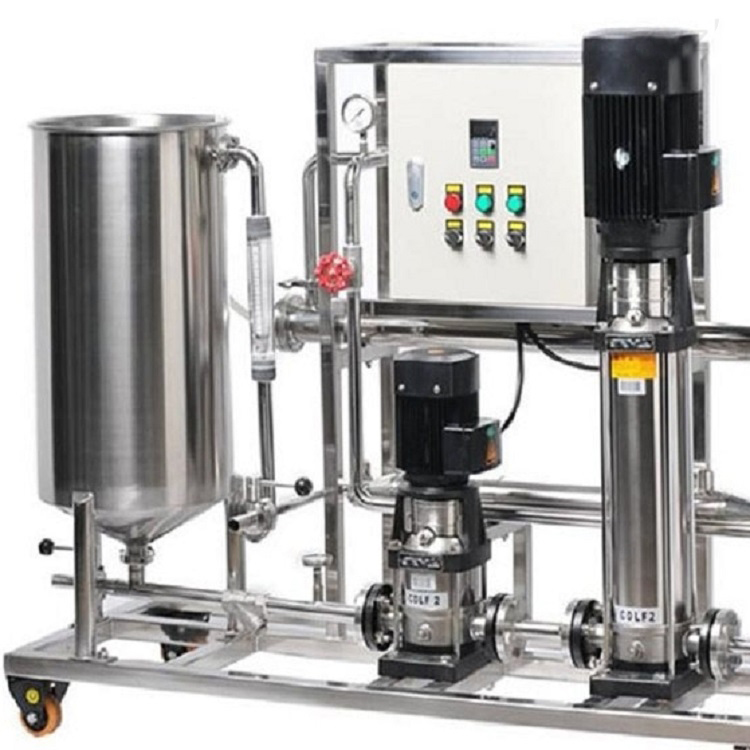
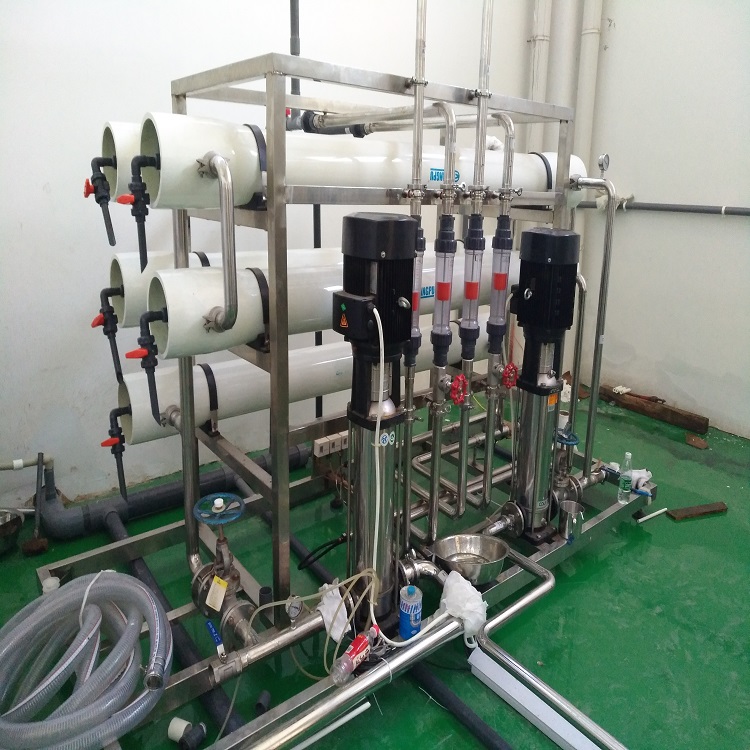
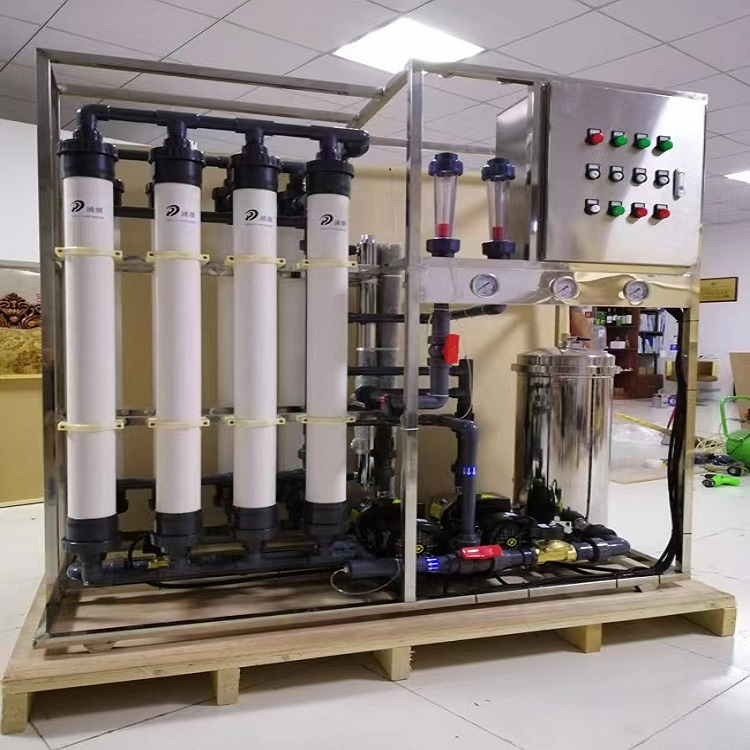
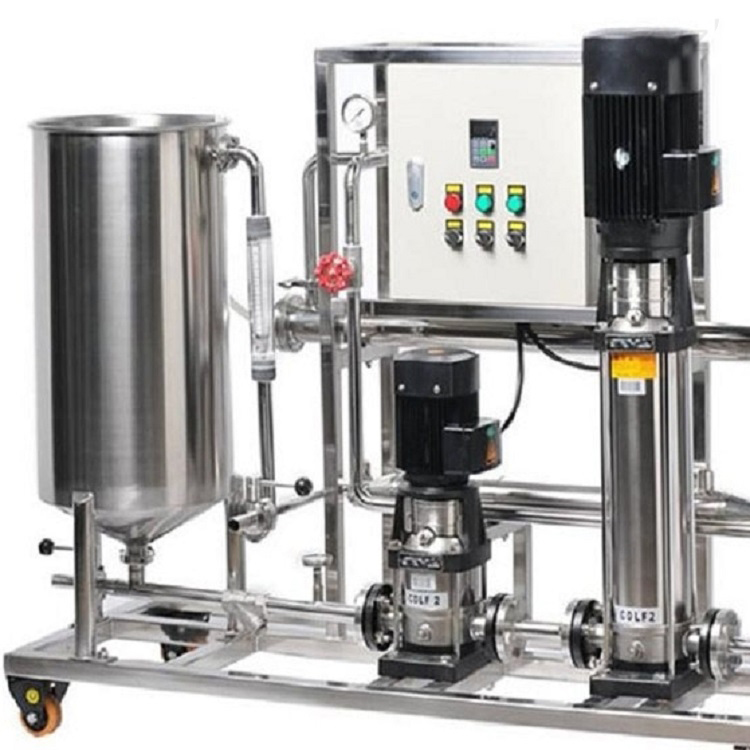
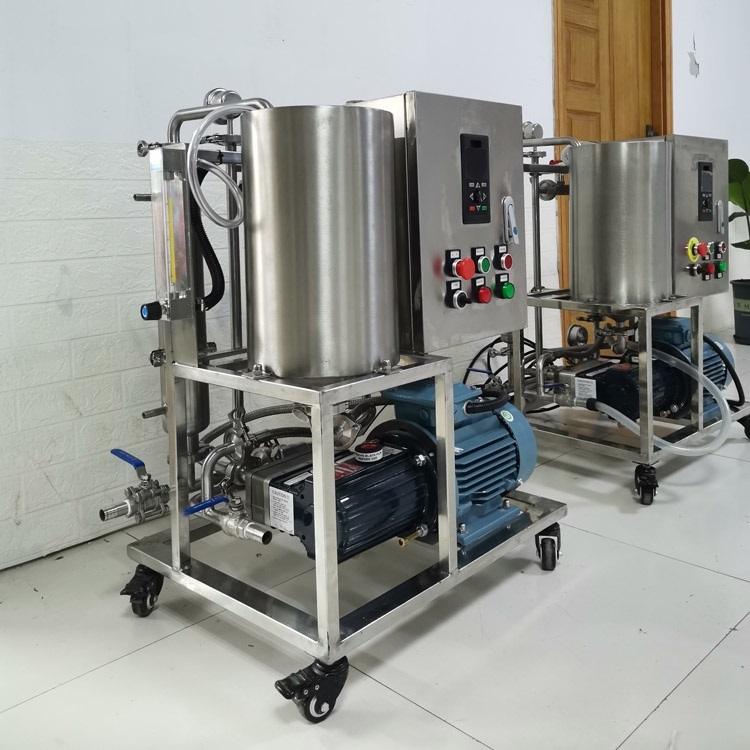
Core components include:
Membrane Unit: Membrane fibers made of materials such as PVDF (Polyvinylidene Fluoride) and PES (Polyether Sulfone), featuring anti-pollution and chemical corrosion resistance.
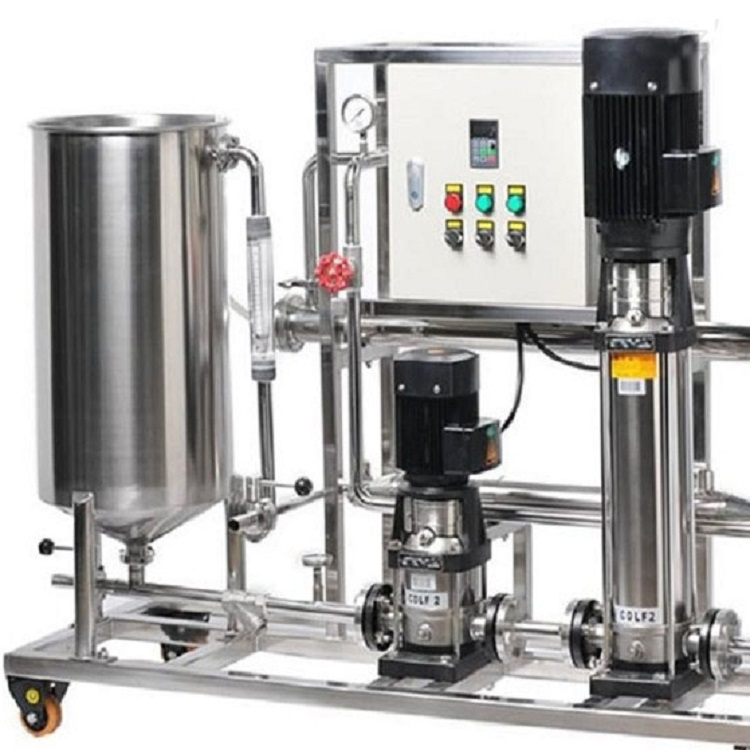
2. Pressure System: Multi-stage centrifugal pumps provide operating pressures of 0.1-0.5 MPa, complemented by variable frequency control for energy consumption optimization.
3. Self-cleaning devices: air-water backflush, chemical enhanced backwashing (CEB), and on-line chemical cleaning (CIP) systems for long-term stable operation.
4. Smart Control Unit: PLC integrated with flow, pressure, turbidity sensors, achieving automated management.