









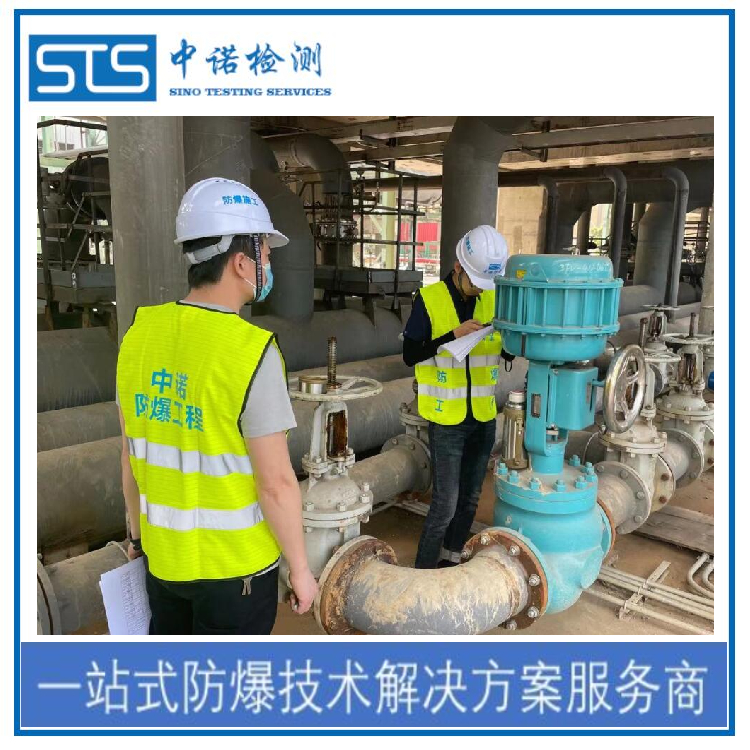
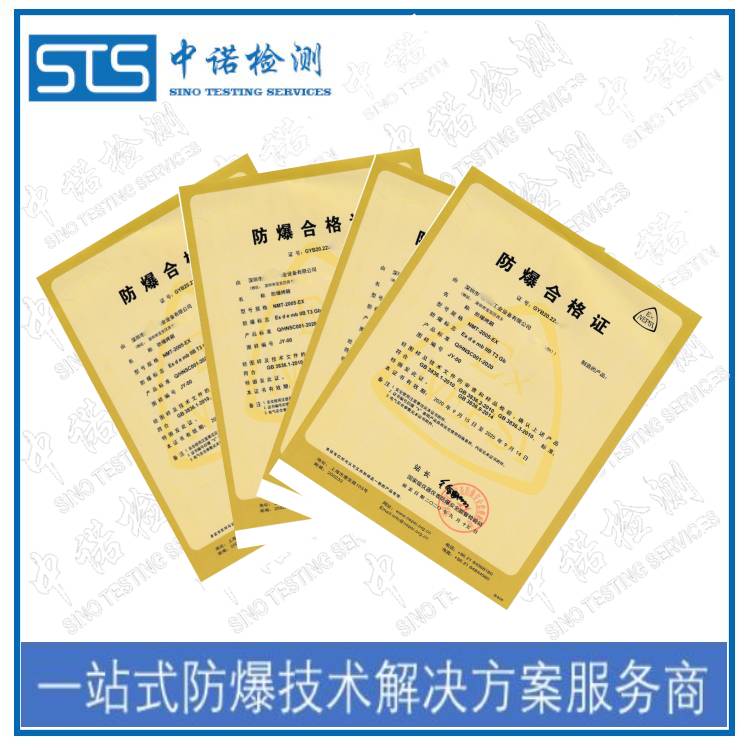
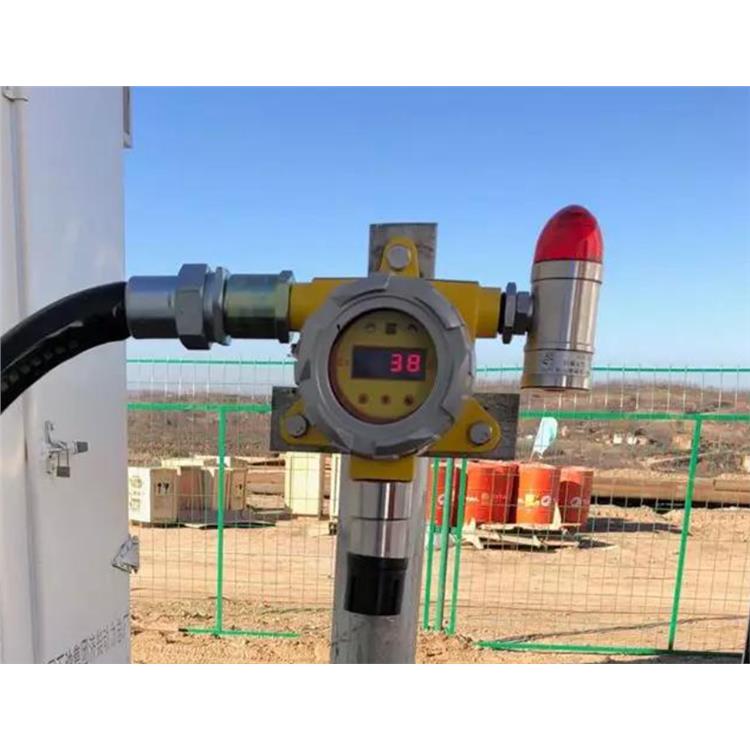
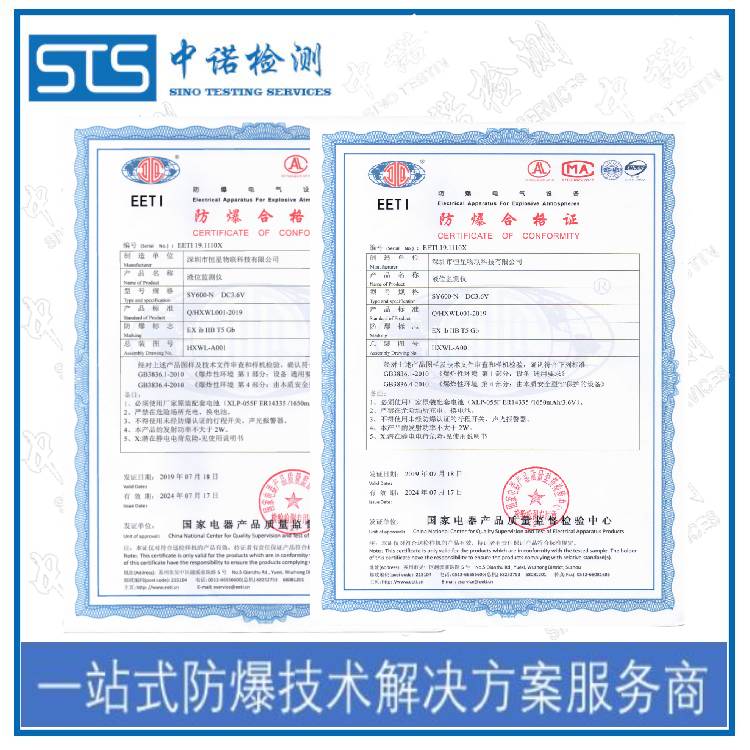
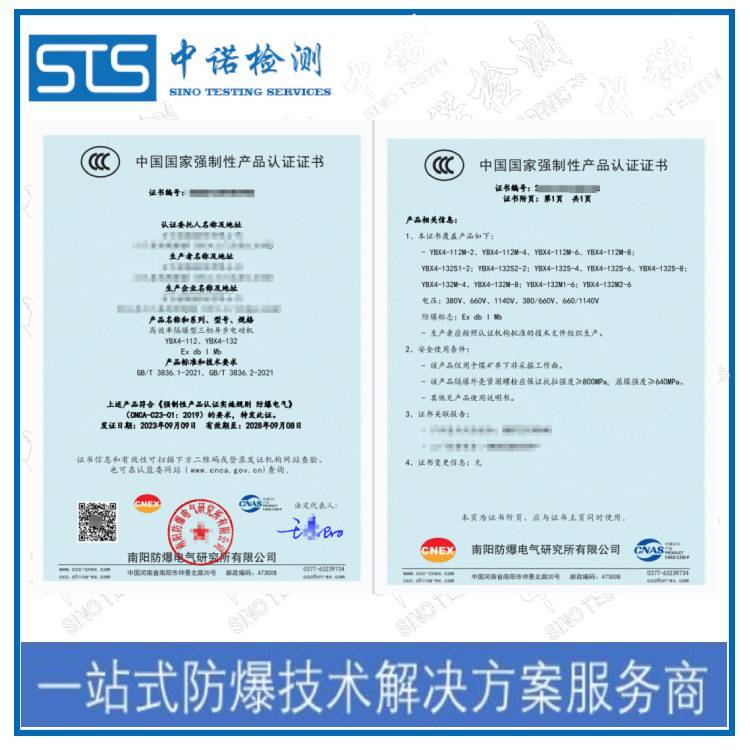
Shenzhen ZhongNuo Testing Technology Co., Ltd. specializes in consulting services for explosion-proof CCC certification. We have an extensive portfolio of consulting cases in the field of explosion-proof 3C certification. We are well-versed in the application process and technical requirements for explosion-proof 3C certification, and can provide services such as application assistance and factory audit guidance for this certification.
Basic Content of Factory Audit for Explosion-Proof CCC Certification:
A. Factory Audit Conclusions are typically categorized into four types: "Factory Audit Passed," "Documentation Verification Passed," "On-Site Verification Passed," and "Factory Audit Failed."
"Written Verification Passed" refers to the case where there are non-conformities, the factory has taken corrective actions within the specified time, and the certification body verifies the written correction as effective, leading to a pass in the factory inspection; "On-site Verification Passed" refers to the situation where there are non-conformities, the factory has taken corrective actions within the specified time, and the certification body verifies the on-site correction as effective, resulting in a pass in the factory inspection.
B. If there are any non-compliant items during the factory audit, corrections are generally required to be completed within 40 days.
C. Basic Review Items
(1) Specify if the test results are satisfactory.
(2) Do the key resources meet the requirements for ensuring product consistency or compliance with standards?
(3) Product consistency issues, such as changes in product structure or critical components, whether they comply with the specified requirements.
(4) Presence of defects in certified products that may lead to quality and safety accidents.
(5) Is the implementation of product certification changes and consistency control effective?
(6) Did the factory take corrective actions during the suspension of the certification certificate?
(7) Proper use of the CCC mark or certificate, including counterfeiting, renting, lending, misusing, selling, transferring the CCC mark or certificate, and theft of the CCC mark; Continuing to use the CCC mark or certificate after being notified of its revocation or suspension; Deliberately affixing the CCC mark on products without obtaining the CCC certificate; Other intentional illegal uses of the CCC mark or certificate;
(8) Does the factory have any instances of obtaining certification certificates through deceit, bribery, or other improper means?
(9) Are there any other circumstances that directly threaten product consistency or compliance with standards?
Ex-proof CCC Certification Authority
China Quality Certification Center (CQC)
Fang Yuan Brand Certification Group Co., Ltd. (CQM)
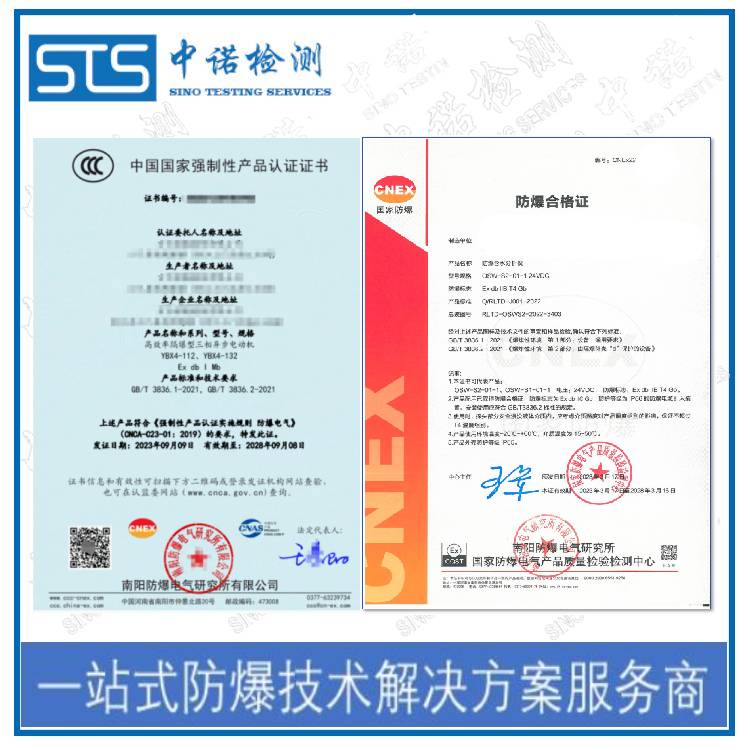
Nanyang Explosion-Proof Electrical Equipment Research Institute Co., Ltd. (CNEX)
Shanghai Instrumentation & Automation System Inspection & Test Institute Co., Ltd. (NEPSI)
China Innovation Ocean (Tianjin) Certification Service Co., Ltd. (PCEC)
Jiamusi Explosion-Proof Electric Motor Research Institute (JEXM)
What is the relationship between the explosion-proof certificate and the explosion-proof CCC certification?
Which certification is required for a company's explosion-proof products to enter the market? What are the requirements for the applying company, etc.? These are many of the current dilemmas faced by businesses.
Below, China Newo Inspection will simplify and address some common questions for you.
Firstly, the explosion-proof certificate and the explosion-proof CCC certification are both certification requirements for explosion-proof equipment.
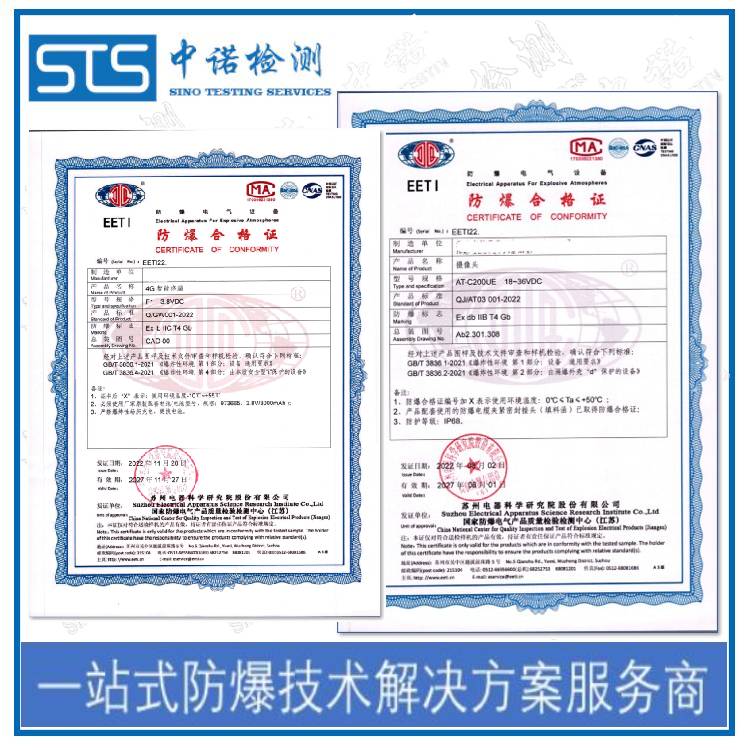
Whether to apply for the explosion-proof certificate or the explosion-proof CCC certification largely depends on the product category.
In plain terms, it's about checking if your product is listed in the explosion-proof CCC certification product catalog.
Yes, it requires the explosion-proof CCC certification; no, then it requires the explosion-proof compliance certificate.
Requirements for applying for the explosion-proof 3C certification:
Certificate Application Form
(2) Certified Principal, Producer, and Manufacturer Registration
(3) Product Description, including: technical specifications, structure, model descriptions, list of key components and materials, and explanations of differences between products of different specifications within the same certification unit;
(4) Technical documents, mainly including: product standards (or technical specifications), manuals, product drawings related to explosion-proof performance, etc.
(5) Certificate of Compliance for test samples, Factory Testing Report, etc.
(6) Manufacturer Information Sheet (required for factory inspection)
(7) ODM Model: Provide the relevant documents as required by the supplementary regulations for the ODM model in CQM02-C1 "Supplementary Regulations for ODM Model in CCC Certification," such as the ODM agreement.
(8) OEM Model: OEM agreements, etc.
(9) Documentation for related change request projects;
(10) Any other required documents.
Explosion-proof 3C Certification Business Consultation Services - Shenzhen Zhongnuo Testing Technology Co., Ltd.
WeChat Official Account

Scan to follow Official Account