








Titanium is an allotrope with a melting point of 1668°C. Below 882°C, it exhibits a hexagonal close-packed crystal structure, known as α-titanium; above 882°C, it has a body-centered cubic crystal structure, referred to as β-titanium. By leveraging the distinct characteristics of these two structures in titanium, adding appropriate alloying elements allows for the gradual alteration of phase transformation temperatures and phase compositions, resulting in different microstructures of titanium alloys. At room temperature, titanium alloys have three primary microstructures, leading to the categorization into the following three types: α alloys, (α+β) alloys, and β alloys. In China, they are respectively represented by TA, TC, and TB.
Titanium is a new type of metal, with its properties being related to the content of impurities such as carbon, nitrogen, hydrogen, and oxygen. The purest titanium iodide has an impurity content of no more than 0.1%, but it has low strength and high plasticity. The properties of 99.5% industrial pure titanium are as follows: density ρ = 4.5 g/cm³, melting point 1725°C, thermal conductivity λ = 15.24 W/(m·K), tensile strength σb = 539 MPa, elongation δ = 25%,断面收缩率 ψ = 25%, modulus of elasticity E = 1.078×10^5 MPa, hardness HB195.
High strength
Titanium alloys generally have a density of around 4.51 g/cm³, which is only 60% of steel. Pure titanium's density is close to that of ordinary steel, and some high-strength titanium alloys exceed the strength of many alloy structural steels. Therefore, the specific strength (strength/density) of titanium alloys is much greater than that of other metal structural materials, as shown in Table 7-1, allowing for the production of lightweight components with high strength and rigidity. Titanium alloys are used in aircraft engine components, frames, skins, fasteners, and landing gears.
High thermal intensity
Utilizing temperatures several hundred degrees higher than aluminum alloys, these titanium alloys can maintain the required strength at moderate temperatures and operate continuously at temperatures between 450-500°C. They exhibit high specific strength within the range of 150-500°C, whereas aluminum alloys show a significant drop in specific strength at 150°C. Titanium alloys can operate up to 500°C, while aluminum alloys are limited to below 200°C.
Good corrosion resistance
Titanium alloys perform exceptionally well in humid atmospheres and seawater environments, offering far superior corrosion resistance compared to stainless steel; they exhibit exceptional resistance to pitting, acid corrosion, and stress corrosion. They also possess excellent resistance to alkalis, chlorides, organic chlorine compounds, sulfuric acid, and more. However, titanium has poor corrosion resistance against reducing oxygen and chromate media.
Good low-temperature performance
Titanium alloys maintain their mechanical properties at low and ultra-low temperatures. Alloys with excellent low-temperature properties and extremely low interstitial elements, such as TA7, can still retain certain plasticity at -253°C. Therefore, titanium alloys are also important low-temperature structural materials.
Five. High chemical activity
Titanium has a high chemical reactivity, reacting strongly with oxygen, nitrogen, hydrogen, carbon monoxide, carbon dioxide, and water vapor in the atmosphere. When the carbon content exceeds 0.2%, hard TiC forms in titanium alloys; at higher temperatures, reaction with nitrogen also results in the formation of TiN on titanium alloy products, creating a hard surface layer. Above 600°C, titanium absorbs oxygen to form a highly hardening layer; an increase in hydrogen content can also lead to the formation of a brittle layer. The depth of the hard and brittle surface layer produced by gas absorption can reach 0.1 to 0.15 mm, with a hardening degree of 20% to 30%. Titanium also exhibits a high chemical affinity, easily adhering to friction surfaces.
Section 6: Low Thermal Elasticity
Titanium's thermal conductivity λ is approximately 15.24 W/(m·K), which is about 1/4 that of nickel, 1/5 that of iron, and 1/14 that of aluminum. The thermal conductivity of various titanium alloys is about 50% lower than that of pure titanium. The elastic modulus of titanium alloys is about half that of steel, making them less rigid and more prone to deformation, unsuitable for making slender rods and thin-walled parts. During cutting, the amount of workpiece surface rebound is significant, about 2 to 3 times that of stainless steel, leading to severe friction, adhesion, and bonding wear on the tool's back face.
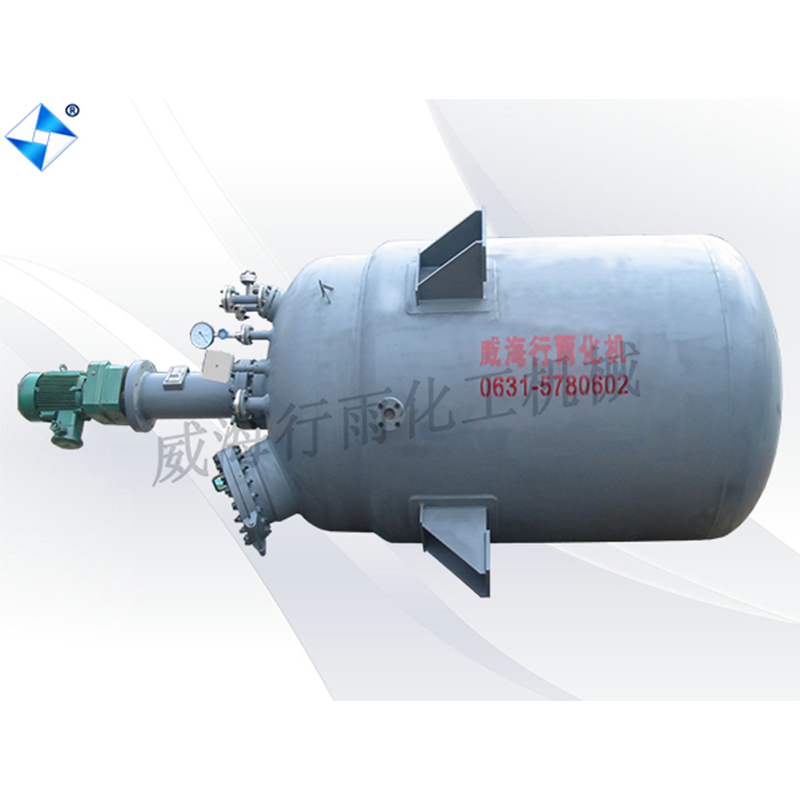
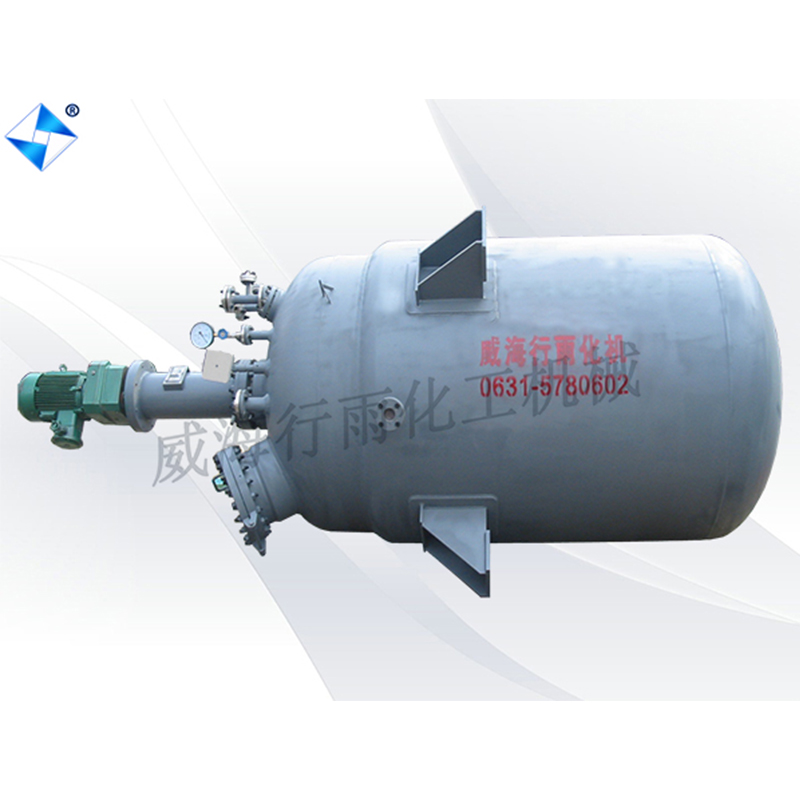
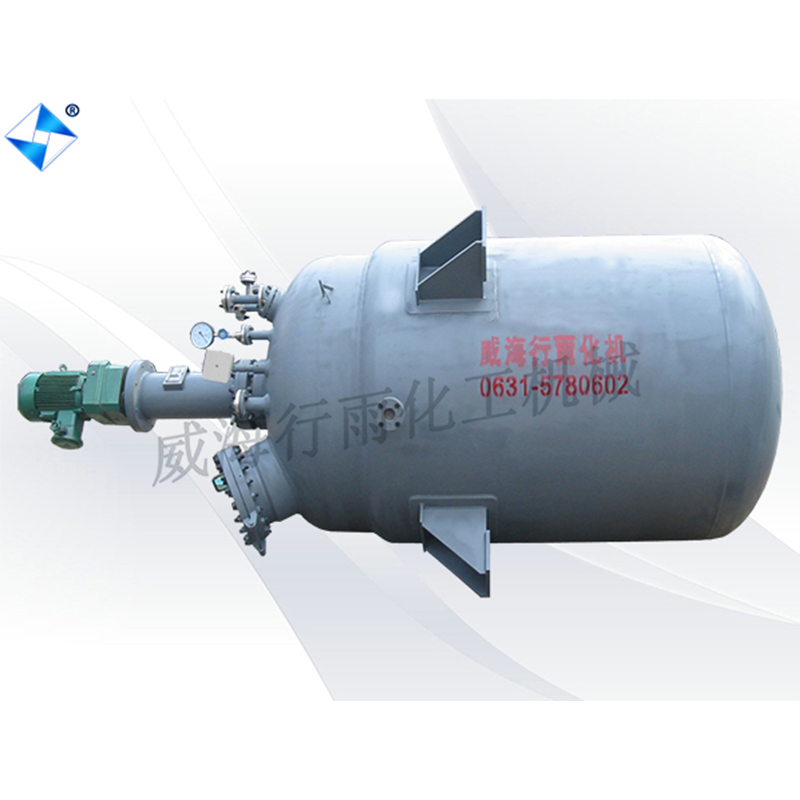
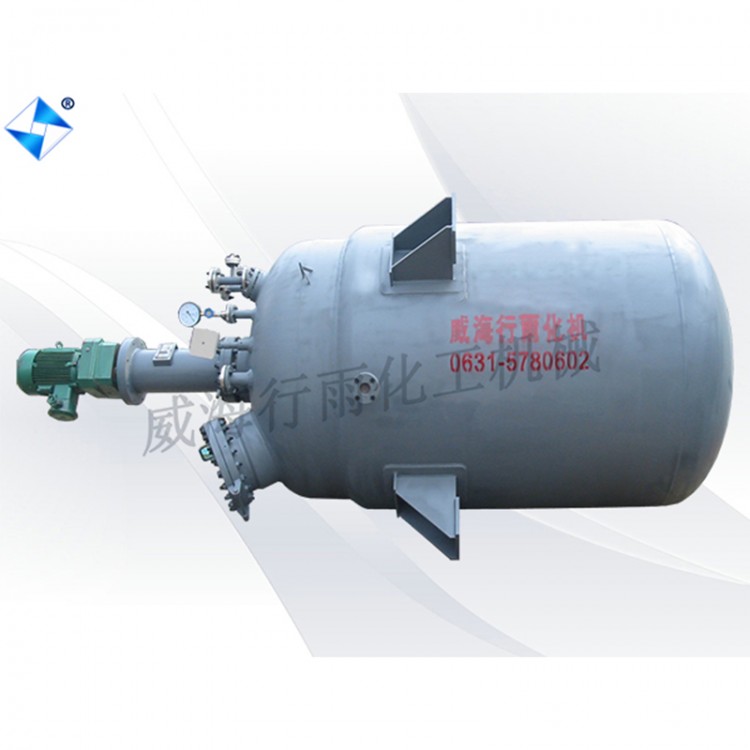
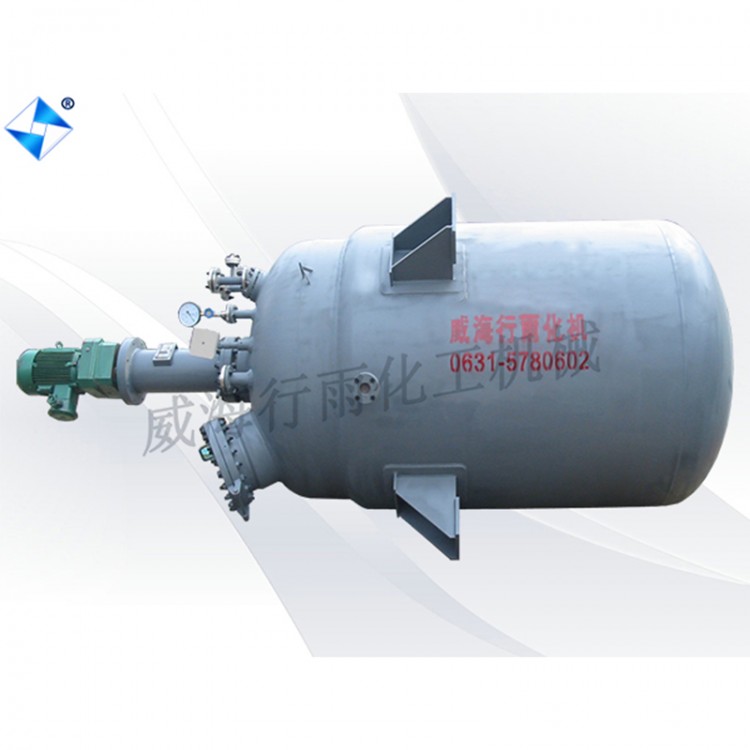
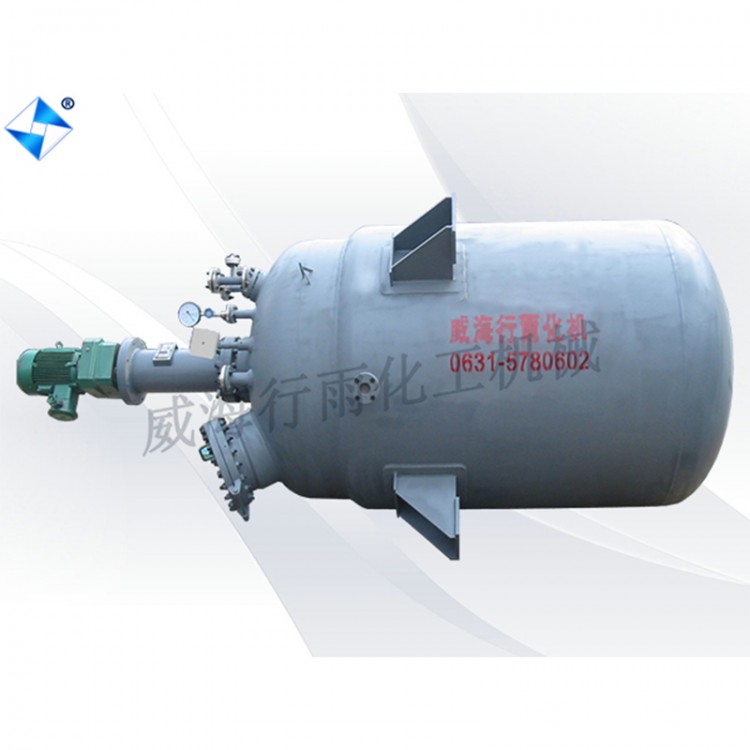
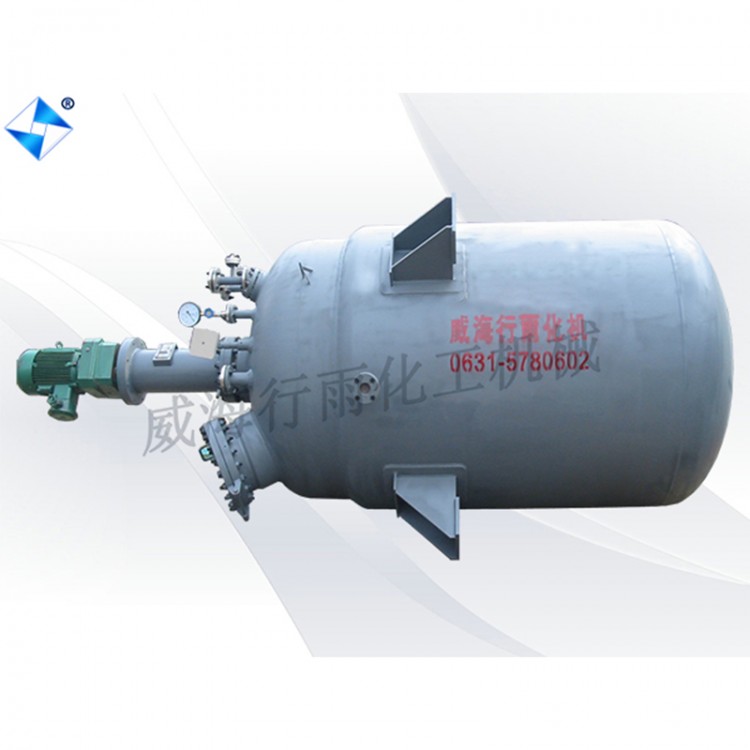
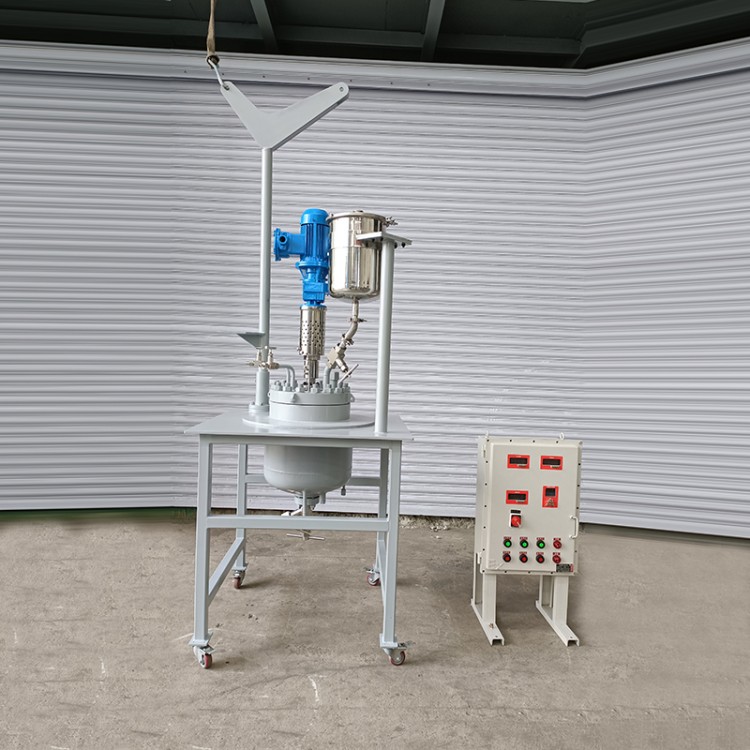
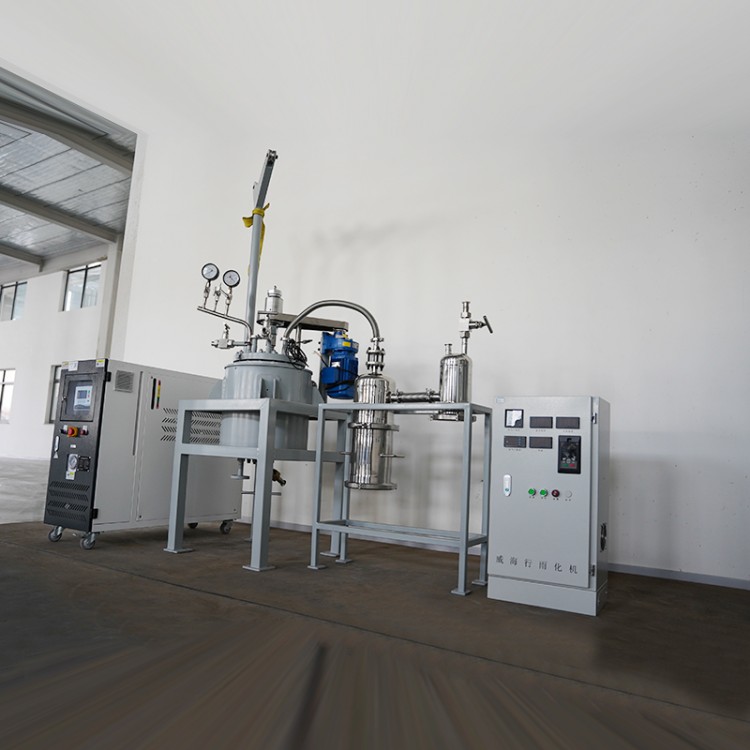
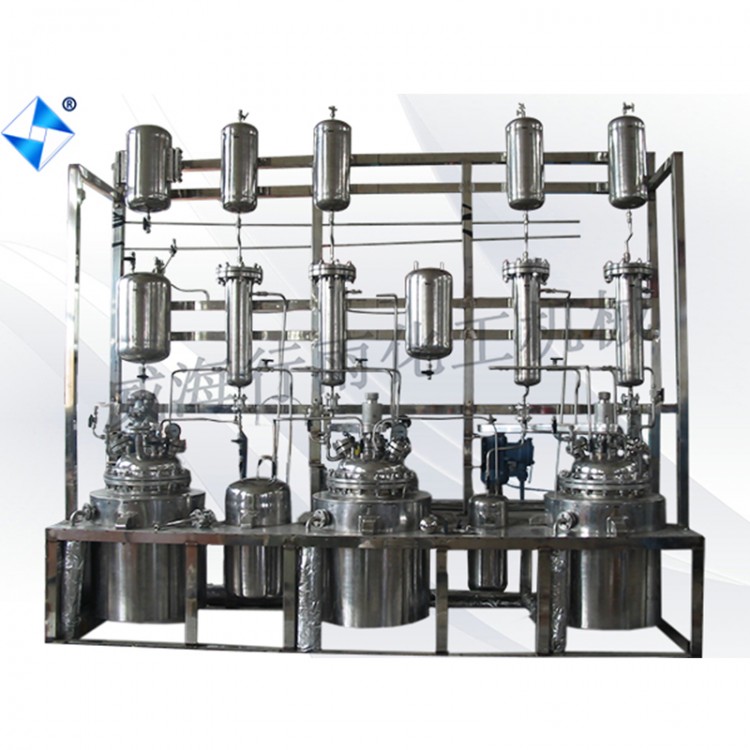
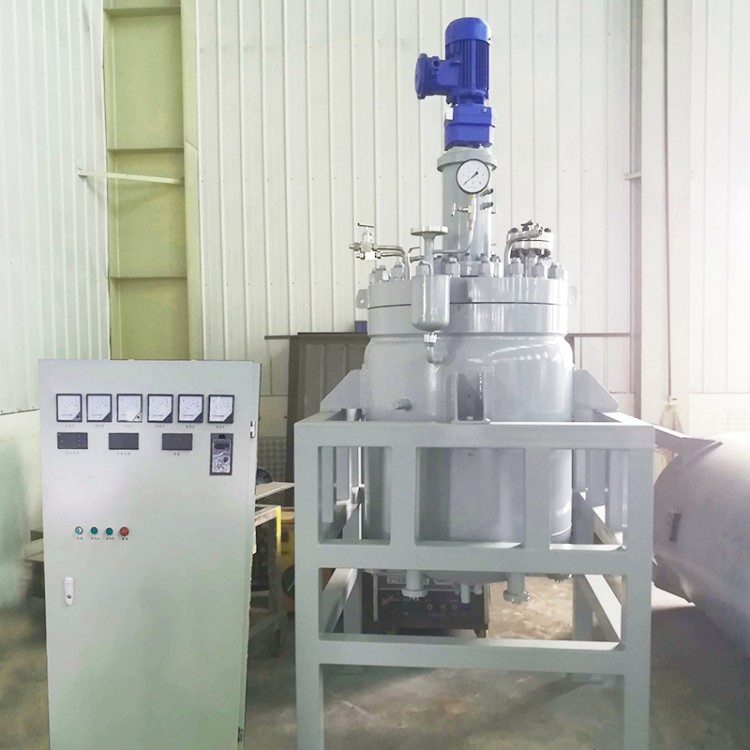
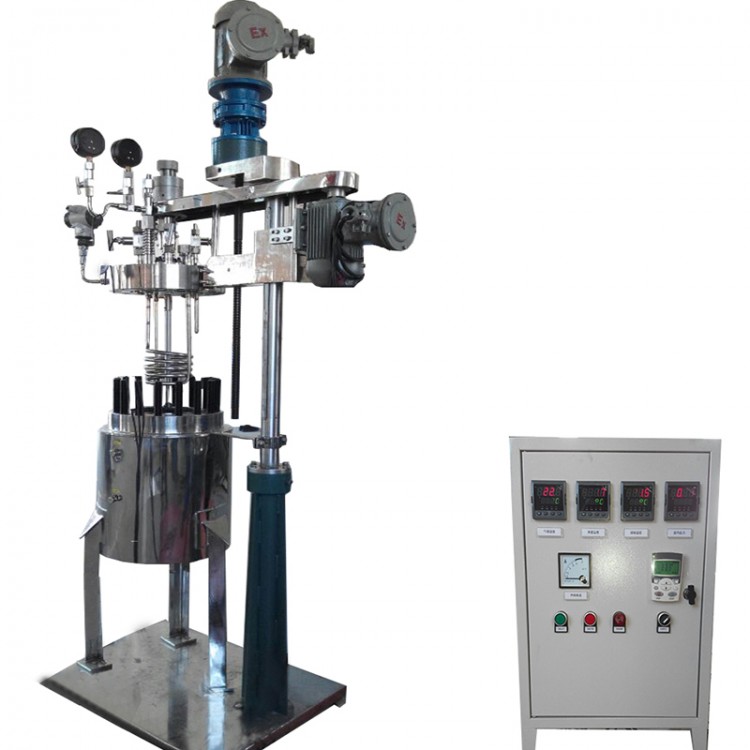
Reaction vessels are widely used in the petrochemical, rubber, pesticide, dye, pharmaceutical, and food industries. They serve as pressure vessels for processes such as vulcanization, nitration, hydrogenation, hydrocarbonation, polymerization, and condensation. The design and parameters of reaction vessels vary depending on the specific production process and operating conditions, making them non-standardized equipment with different structural styles. Materials typically include carbon manganese steel, stainless steel, zirconium, titanium, nickel-based alloys (Hastelloy, Monel, Inconel), and other composite materials. Heating/cooling methods can be electrical, hot water, thermal oil circulation, steam, far-infrared, external/internal coil, and electromagnetic induction. Cooling methods include jacket cooling and internal coil cooling. The choice of heating method primarily depends on the required heating/cooling temperature for the chemical reaction and the amount of heat needed. Agitators come in anchor, frame, paddle, turbine, scraper, and multi-layer composite blade designs, tailored to the specific process requirements of different working environments.