









904L (N08904, 4N 14539) super-austenitic stainless steel contains 14.0-18.0% chromium, 24.0-26.0% nickel, and 4.5% molybdenum. This super-austenitic stainless steel is a low-carbon, high-nickel and molybdenum austenitic acid-resistant steel, exclusively sourced from France's H.S. Company. It boasts excellent activation-passivation transition properties, exceptional corrosion resistance, and good resistance to corrosion in non-oxidizing acids such as sulfuric acid. It also exhibits excellent resistance to pitting corrosion in neutral chloride-containing media, along with good resistance to crevice and stress corrosion. Suitable for use in various concentrations of sulfuric acid below 70°C, it maintains excellent corrosion resistance in any concentration and temperature of mixed acids under atmospheric pressure.
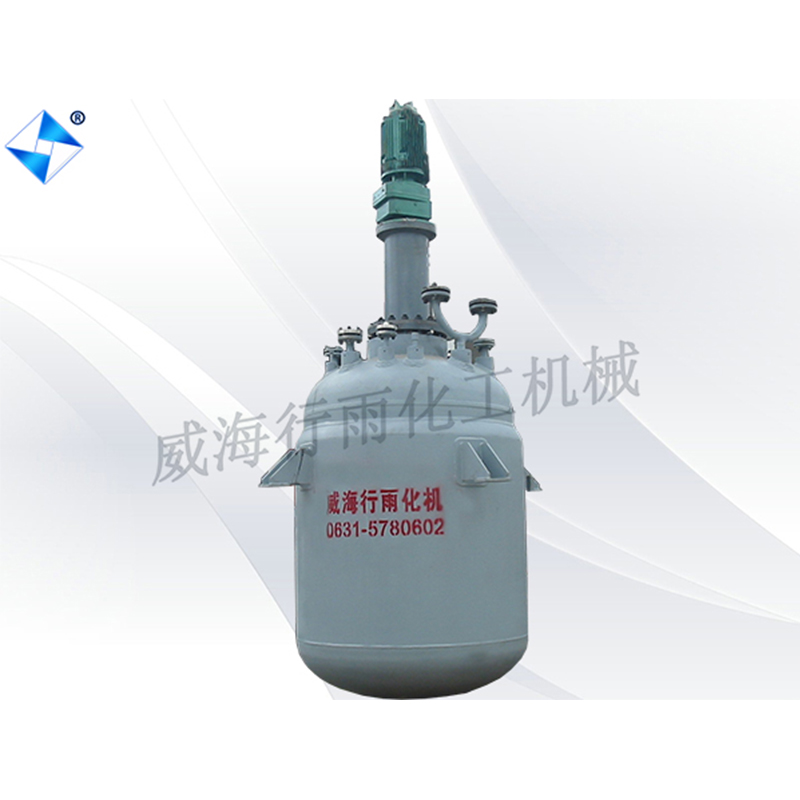
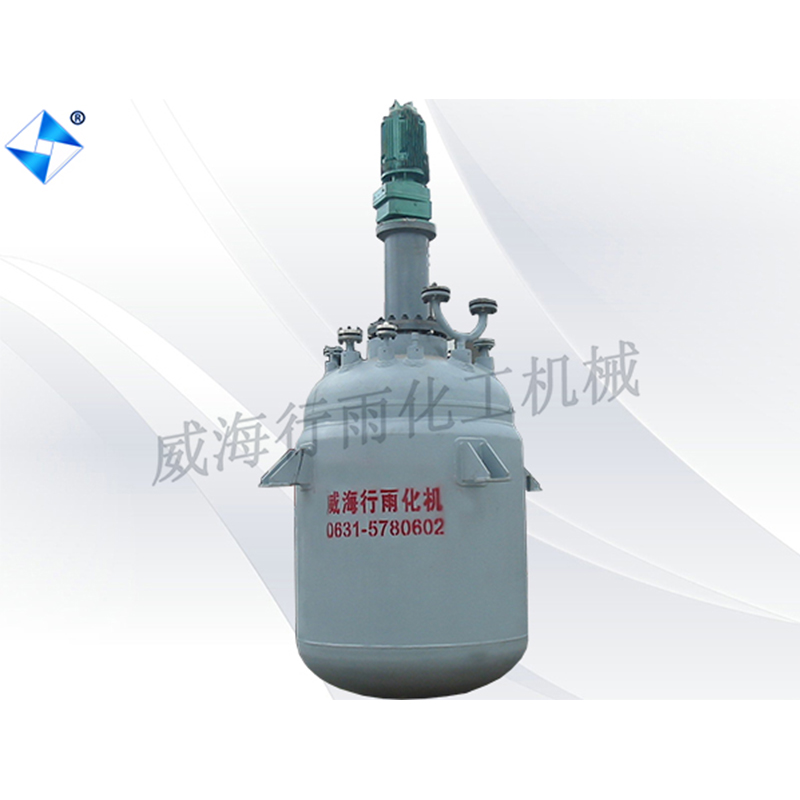
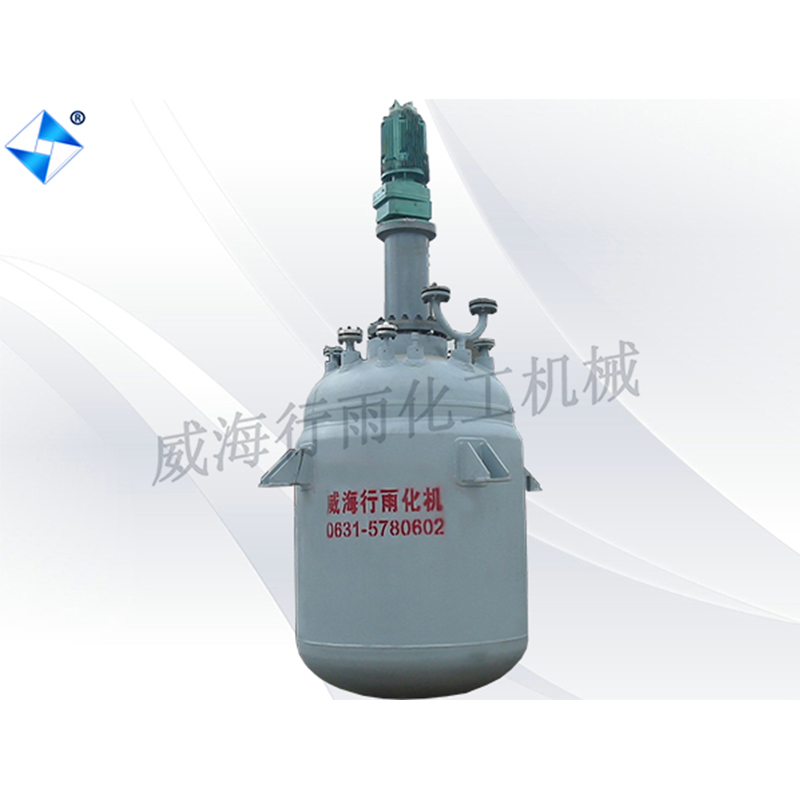
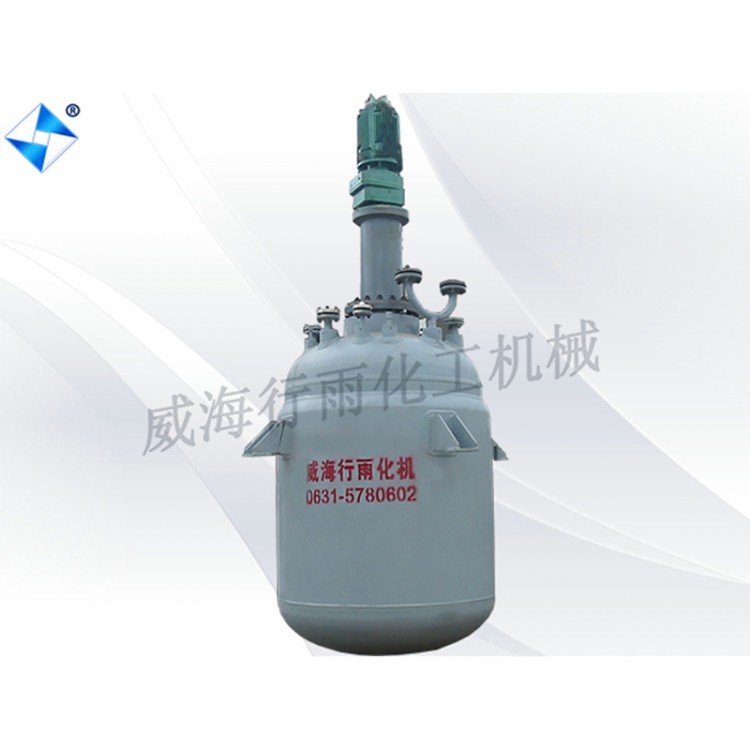
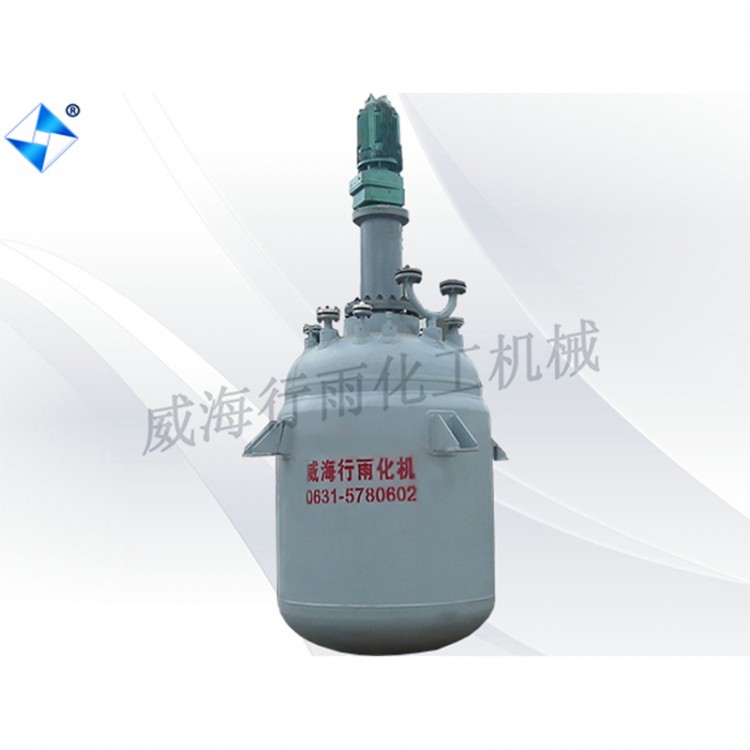
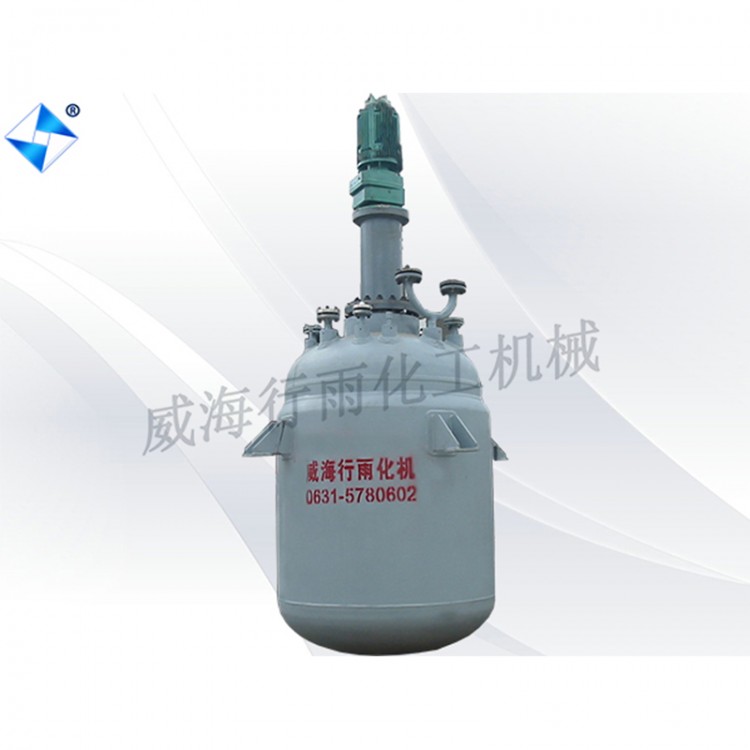
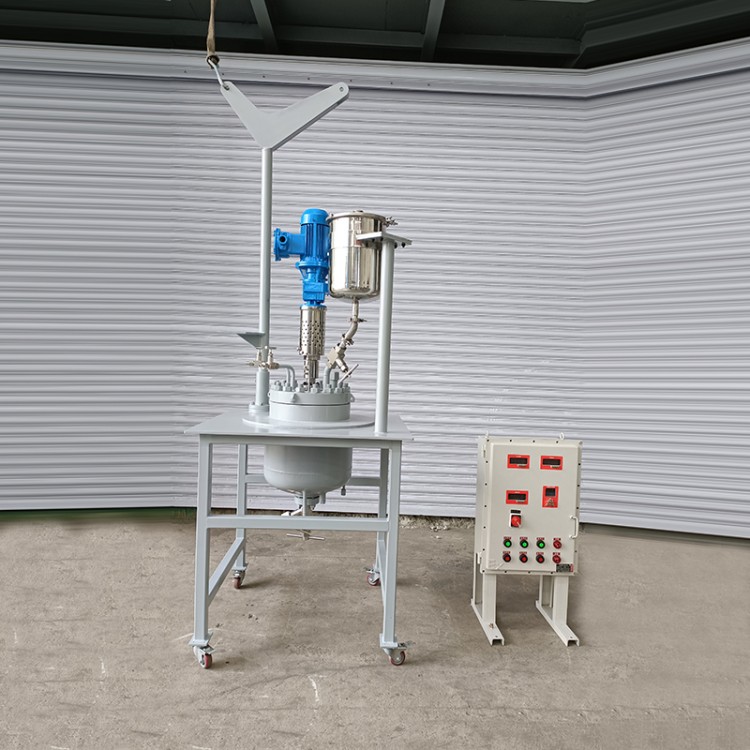
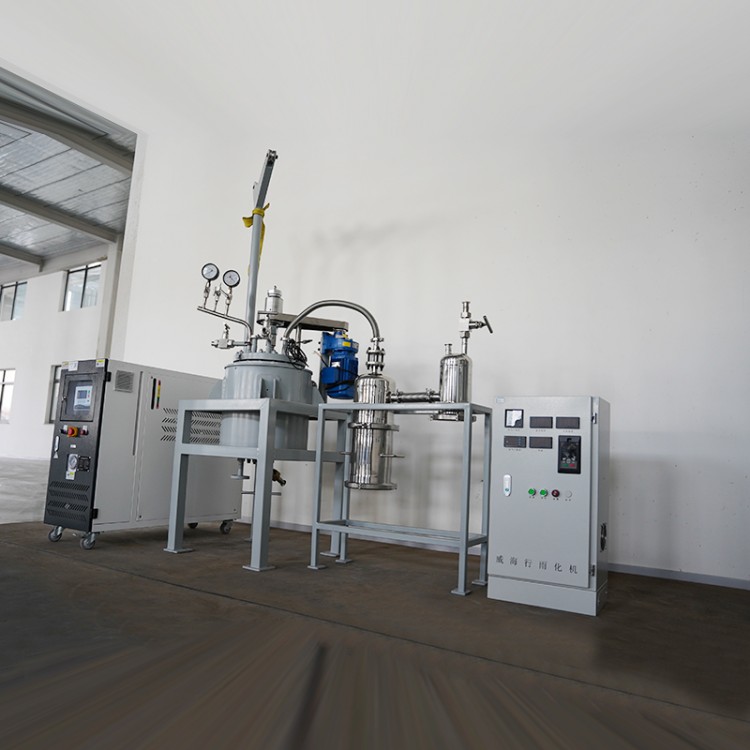
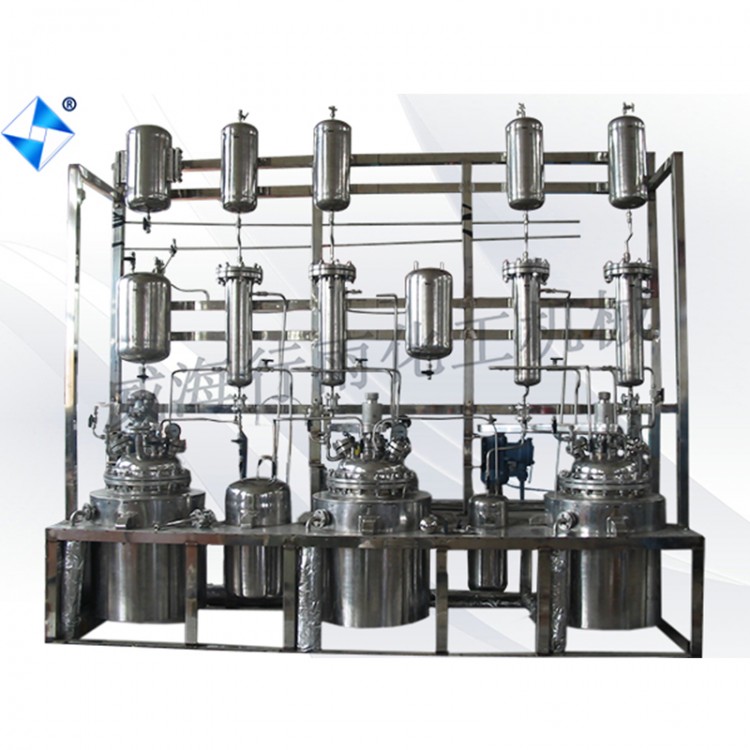
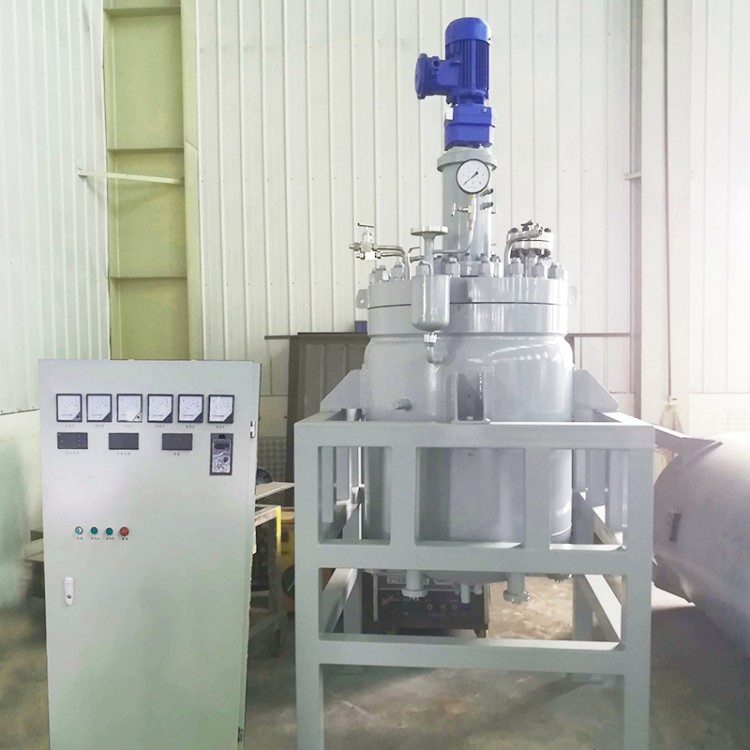
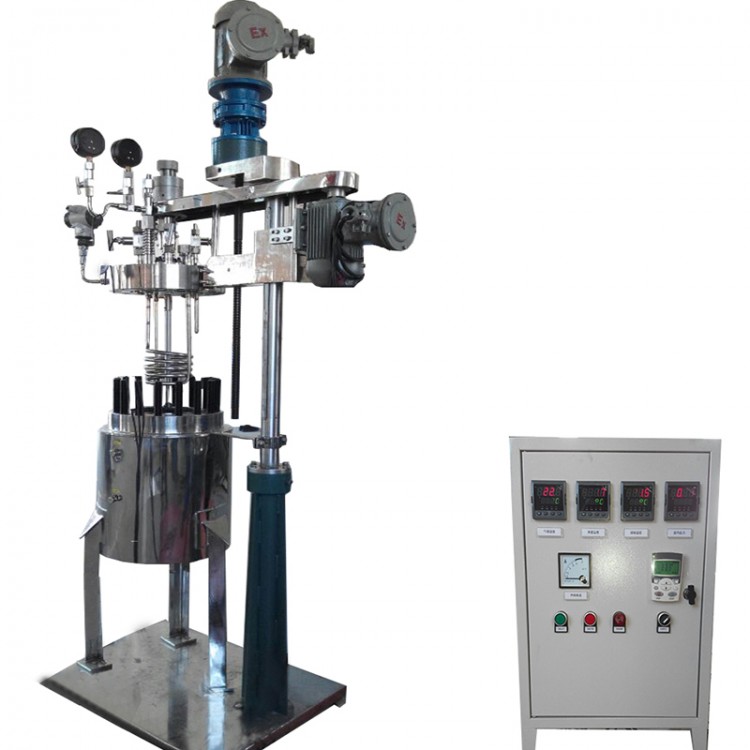
Large-scale production reactors are widely used in industries such as petrochemicals, rubber, pesticides, dyes, pharmaceuticals, and food. They are pressure vessels used for processes like vulcanization, nitration, hydrogenation, hydrocarbonation, polymerization, and condensation. The materials typically include carbon manganese steel, stainless steel, zirconium, and nickel-based alloys (Hastelloy, Monel, Inconel) as well as other composite materials.
Based on process requirements: production volume of 100L - 50,000L
Design Pressure: 0.1 MP - 9.9 MPa
Temperature: 0℃ - 350℃
Reactor Structure: Divided into three main categories - Open Flat Cover Reactor, Open Flanged Reactor, and Closed Vacuum Reactor.
Sealing Type: Options include packed seal, mechanical seal, magnetic seal, etc.
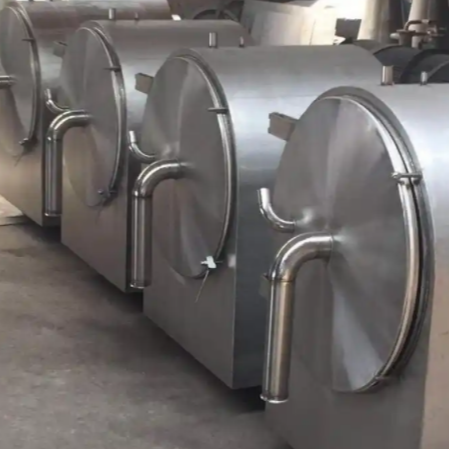
Heating Methods: Electric heating, steam heating, hot water heating, heat transfer oil circulation heating, far infrared heating, etc.; cooling methods include jacket cooling and external (internal) pipe cooling outside the kettle.
Mixing Type: Generally includes anchor, paddle, turbine, propeller, or frame types. When the aspect ratio of the mixing vessel is high, multi-layer paddle blades can be used, or the selection can be made according to the production process requirements.