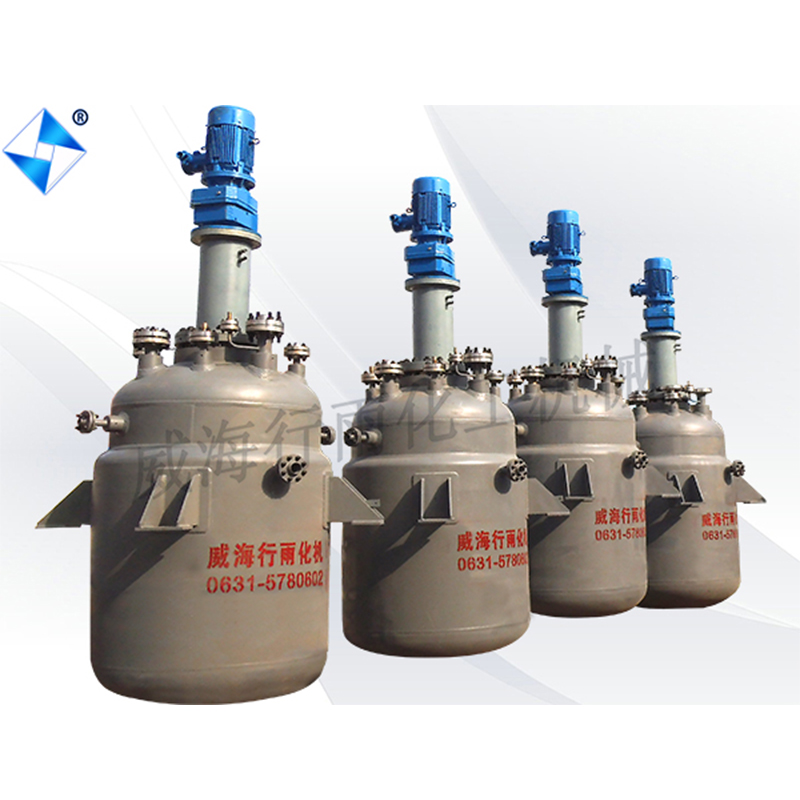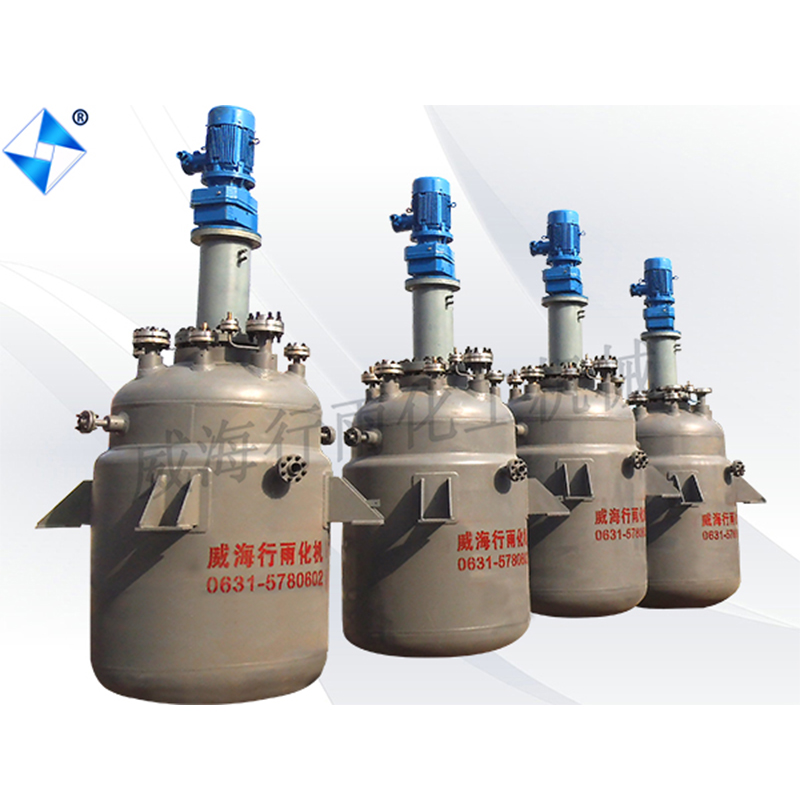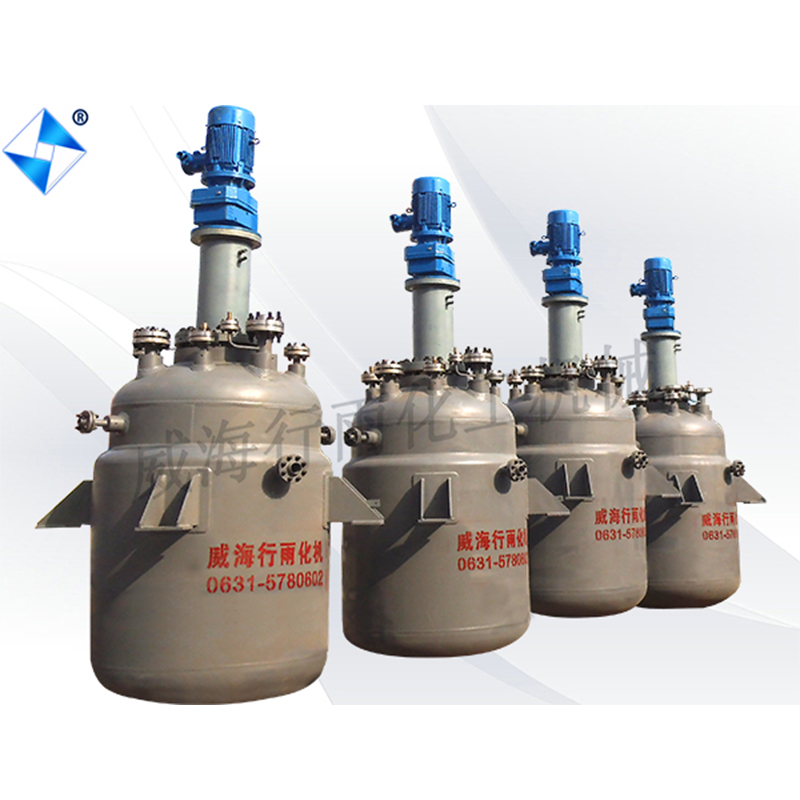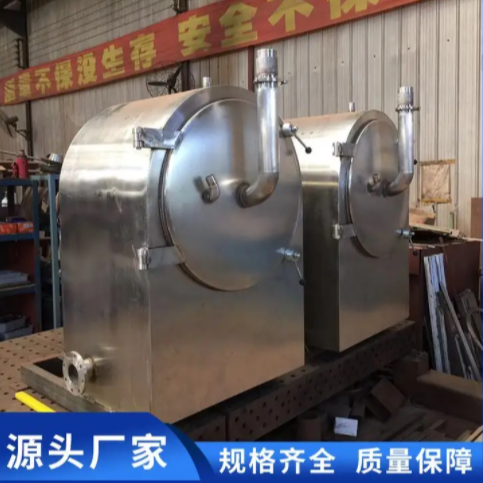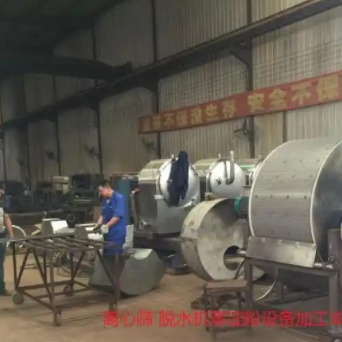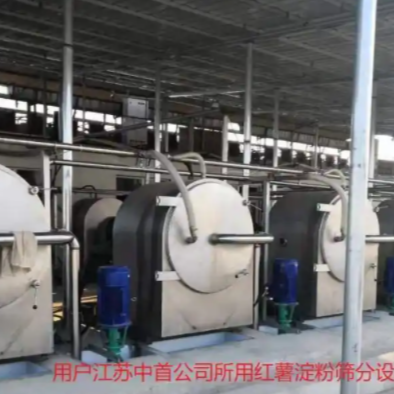

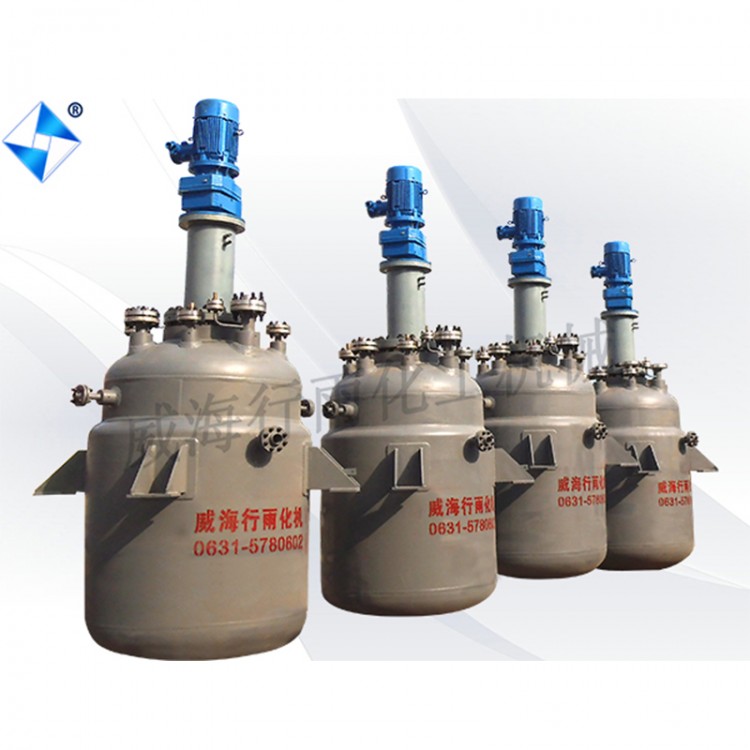

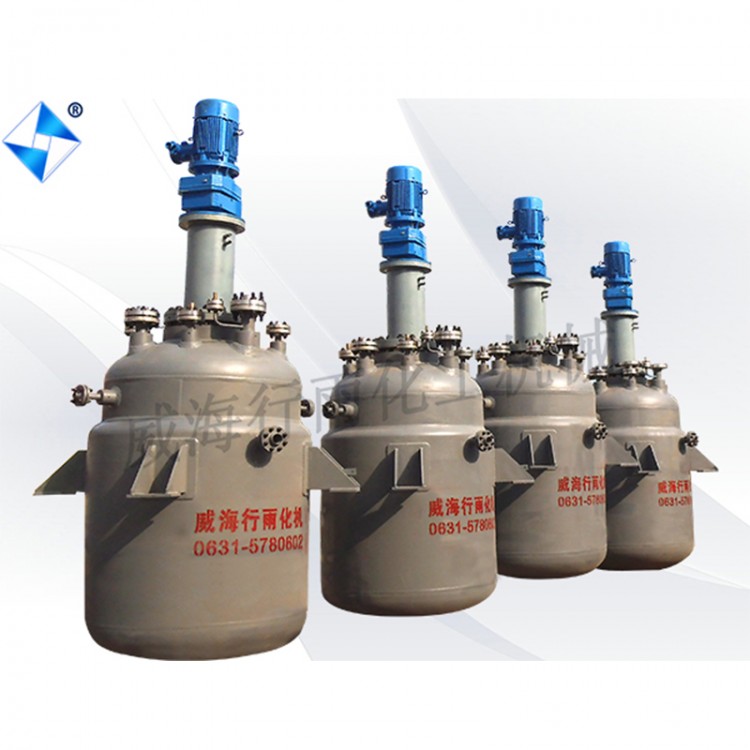

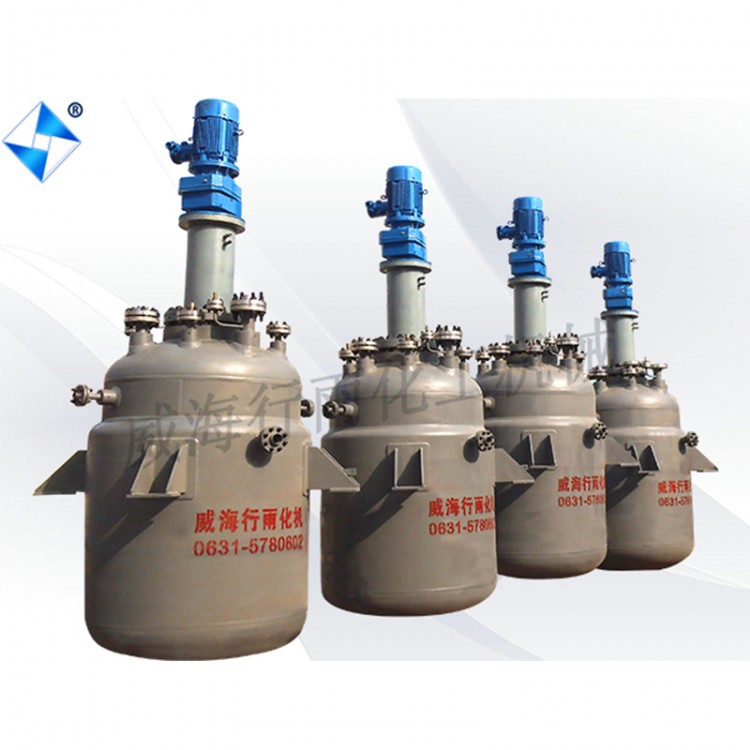


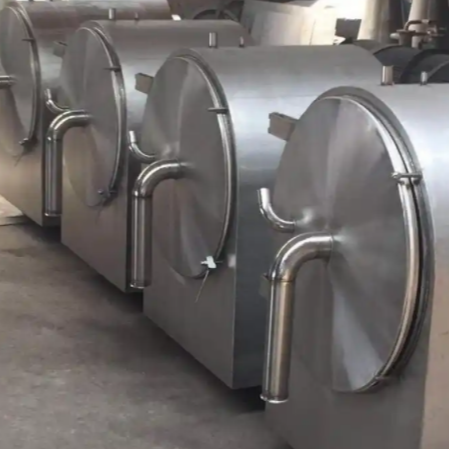
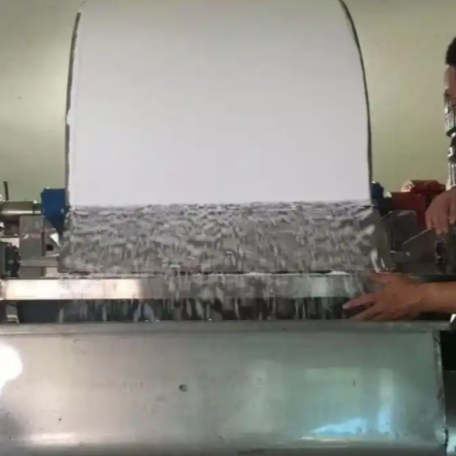
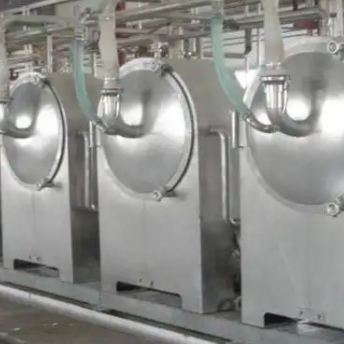
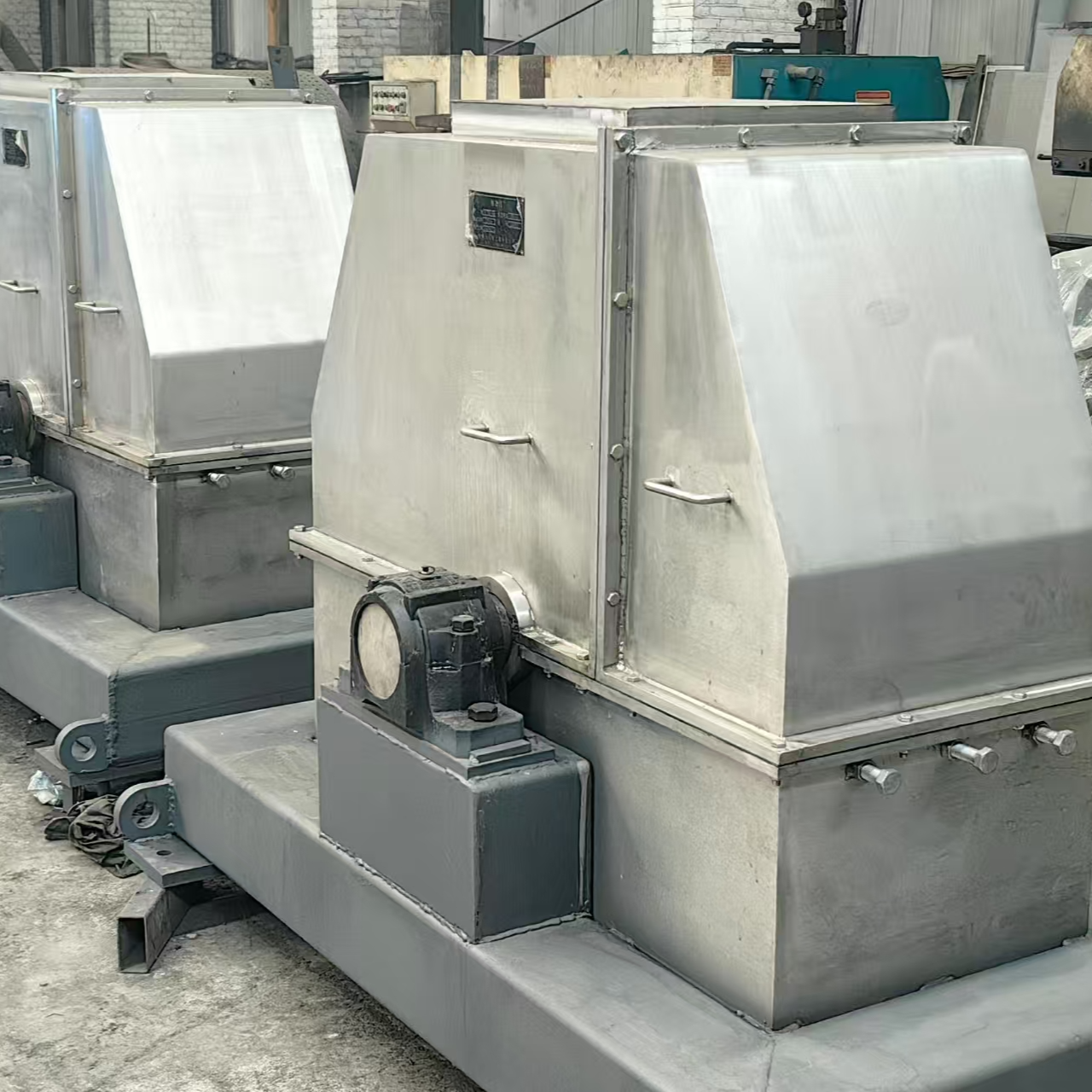





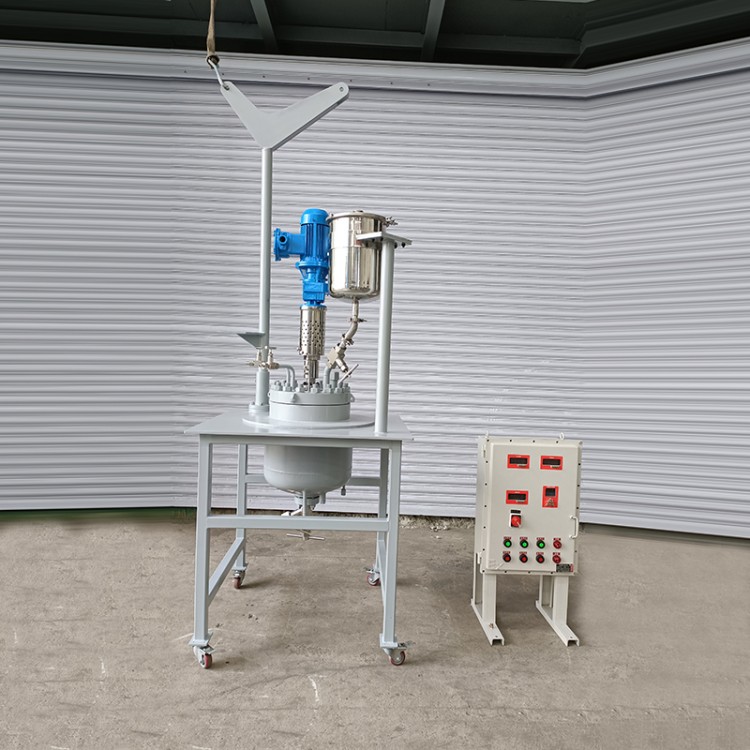
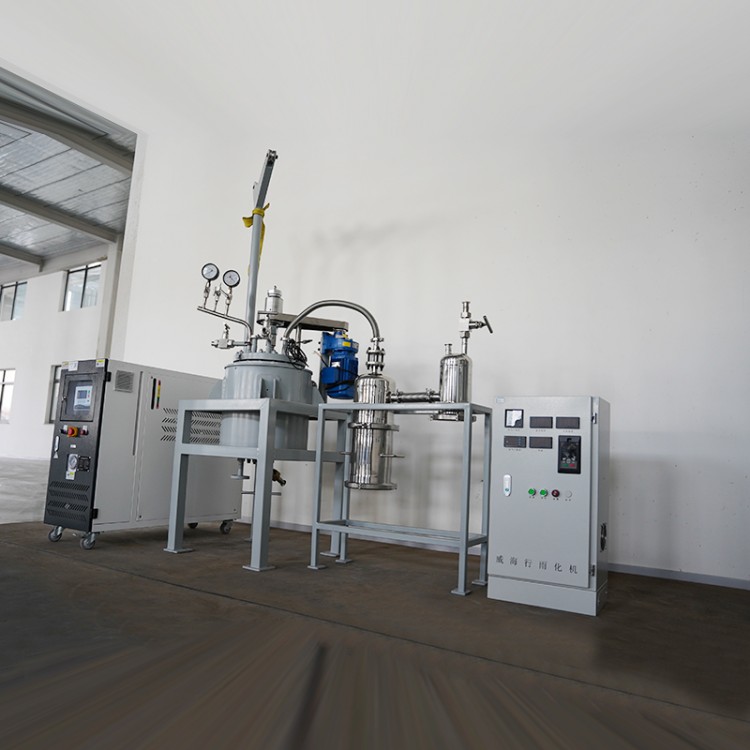
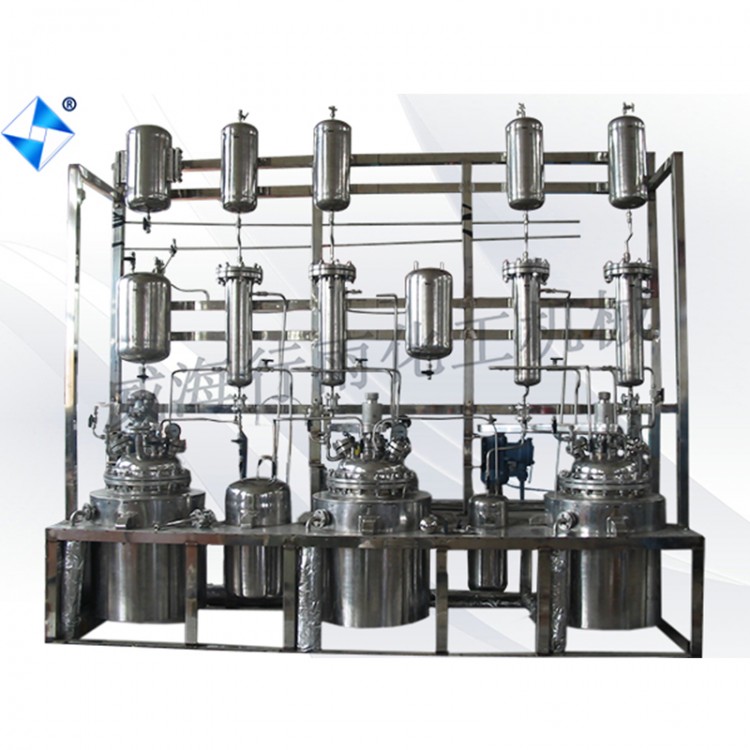
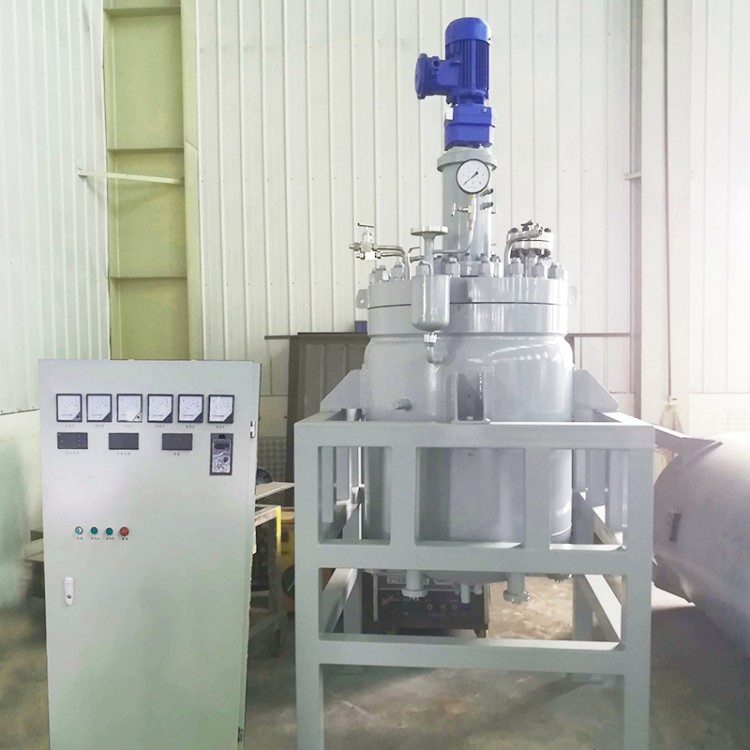
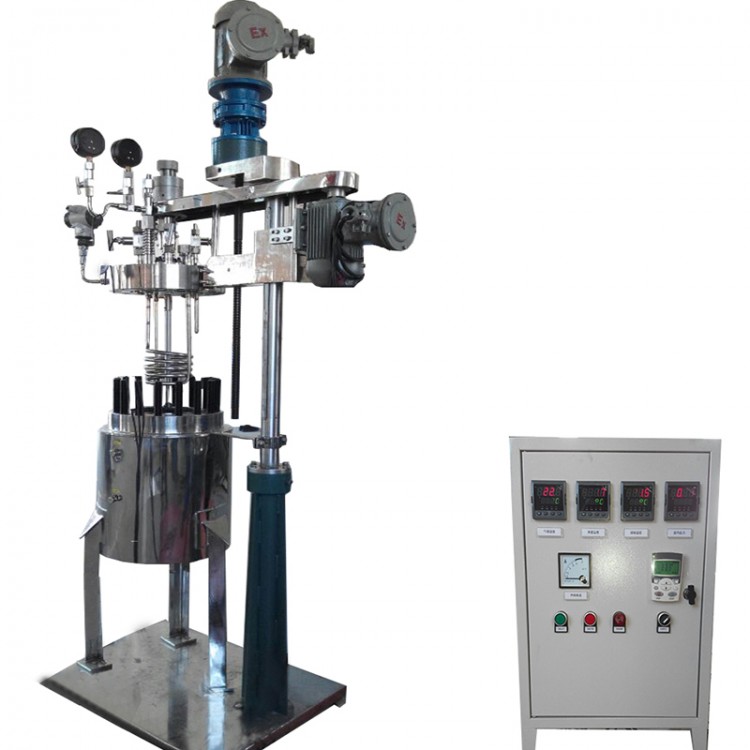
Stainless steel reactors are widely used in chemical, food, paint, hot melt adhesive, silicone, paint, pharmaceutical, and petrochemical production processes, including reaction, evaporation, synthesis, polymerization, saponification, sulfonation, chlorination, and nitration. They are pressure vessels with features such as rapid heating, high-temperature resistance, corrosion resistance, hygiene, non-environmental pollution, and aesthetic appearance. The contact parts of the stainless steel reactor are all made of high-quality stainless steel grades 304 or 316L, 321, and meet GMP standards. During the processing of stainless steel, black oxide scale is produced through rolling, edging, welding, or artificial surface heat treatment. This hard, gray-black oxide scale is primarily composed of NiCr2O4 and NiF EO4 components. However, this method is costly, environmentally polluting, harmful to humans, and highly corrosive, and is gradually being phased out. Common surface treatments for stainless steel reactors include sandblasting (mainly using micro-glass bead blasting to remove the black oxide scale from the surface), chemical methods (acid pickling passivation, organic cleaning fluid cleaning), stainless steel polishing (various methods such as mechanical polishing, chemical polishing, and electrochemical polishing are used depending on the complexity of the stainless steel product and user requirements to achieve mirror-like luster), and surface coloring treatment to enhance the product's wear resistance and corrosion resistance.
WeChat Official Account

Scan to follow Official Account