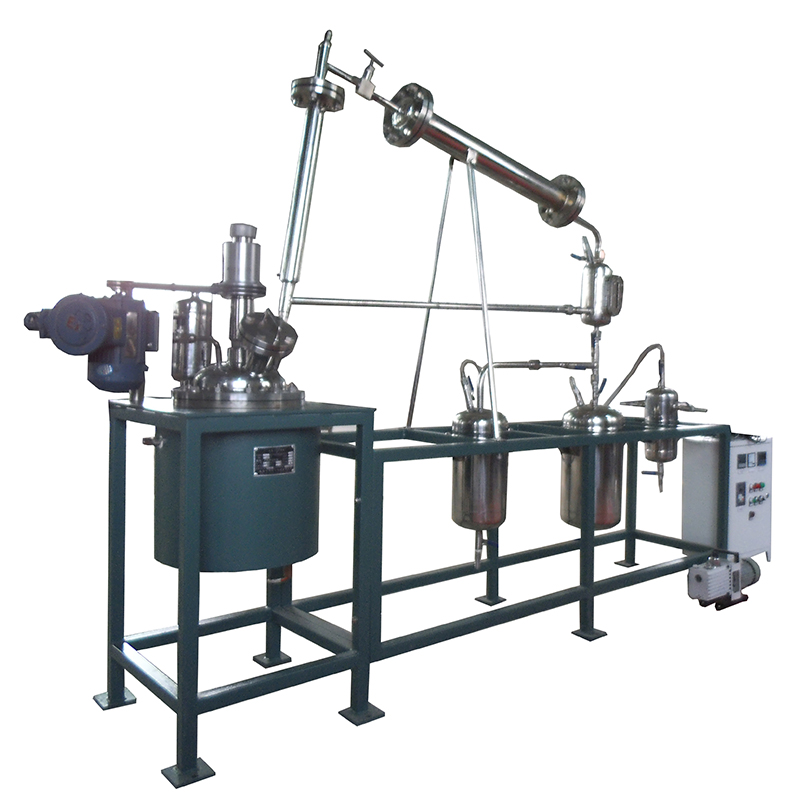


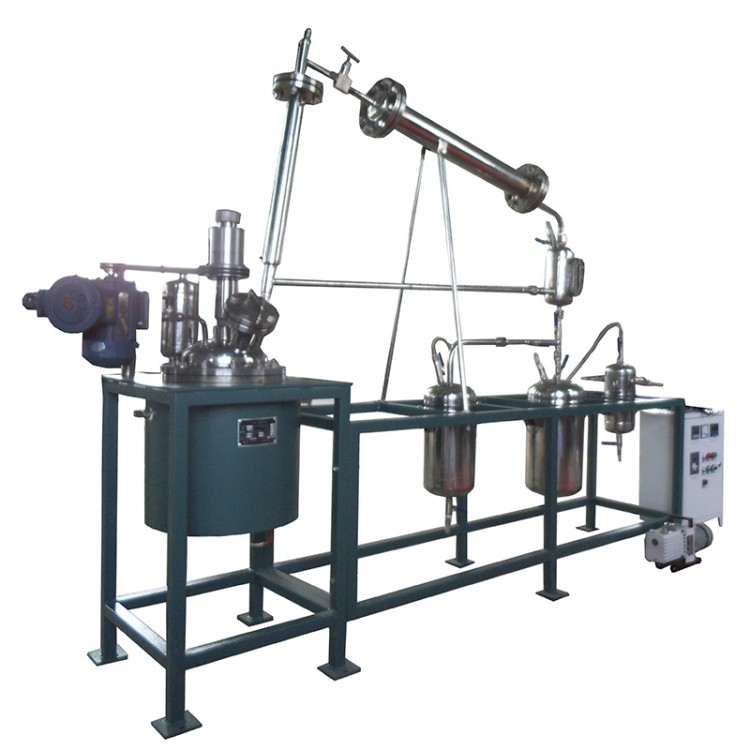
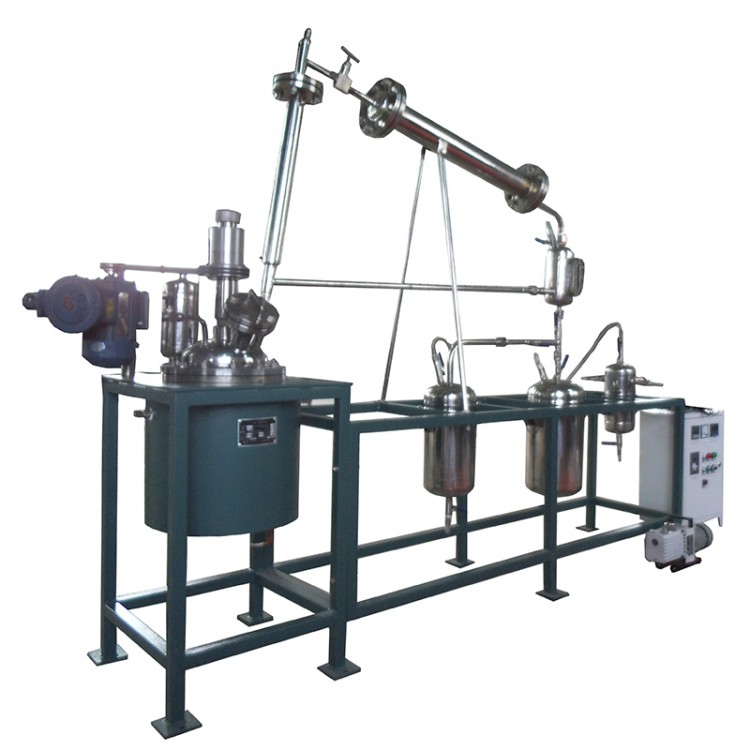
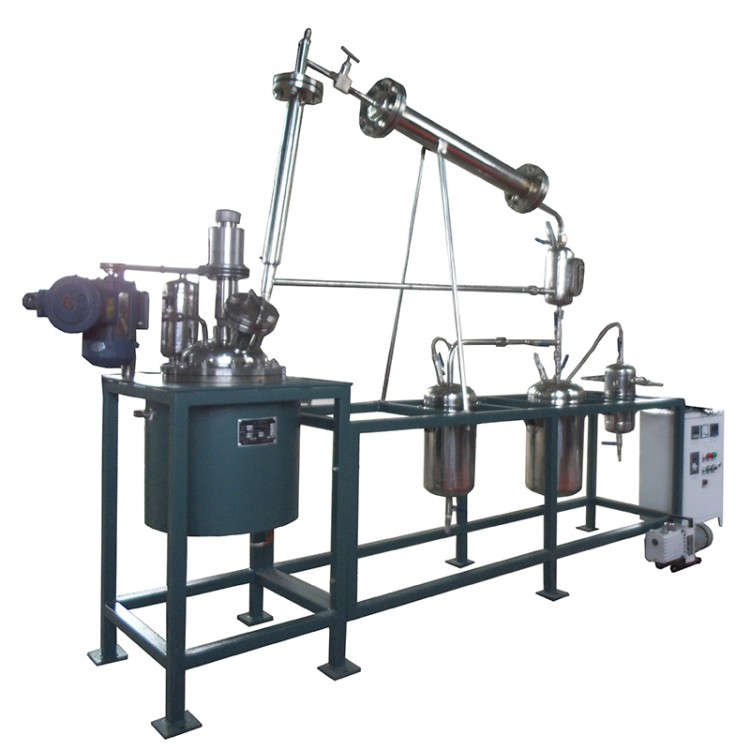







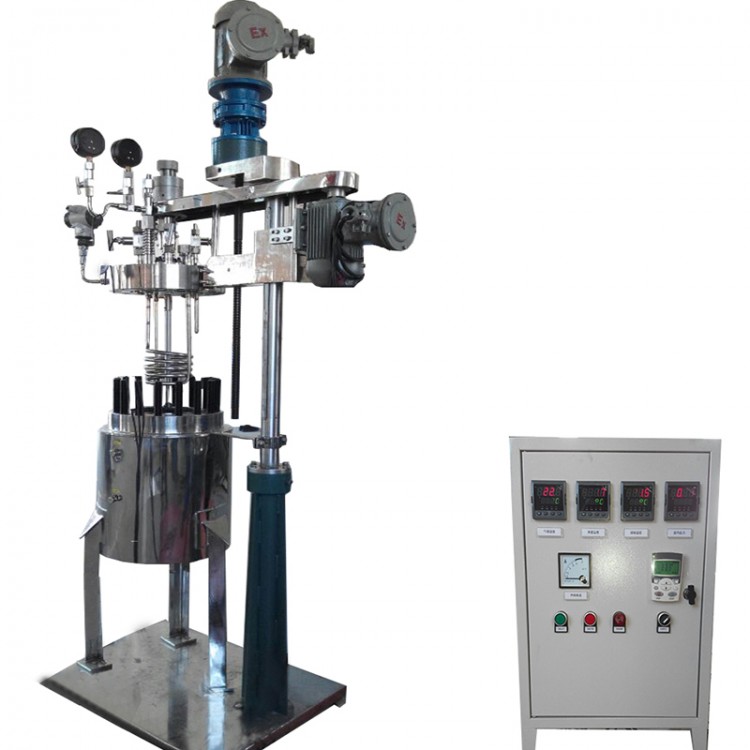
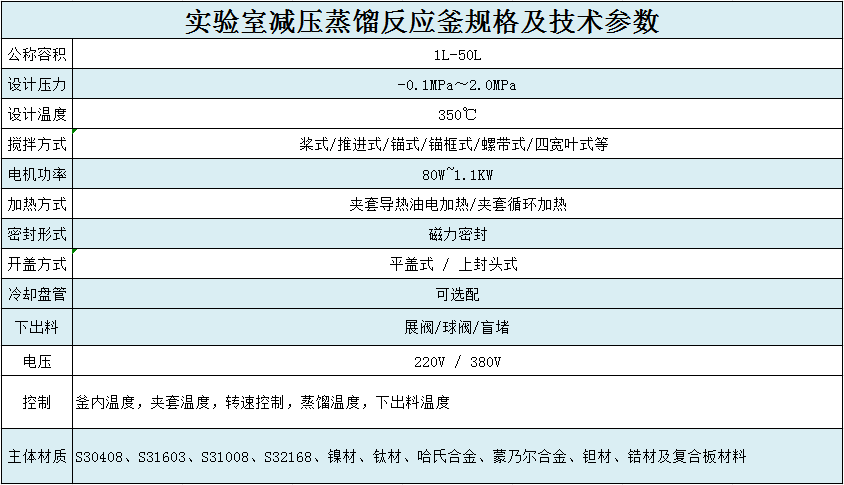
The boiling point of the liquid in a减压distillation laboratory reactor refers to the temperature at which its vapor pressure equals the external pressure. As the external pressure decreases, the boiling temperature follows suit. During distillation operations, some organic substances, when heated near their normal boiling points, can undergo oxidation, decomposition, or polymerization reactions due to excessive heat, rendering them unsuitable for distillation under normal pressure. By using a vacuum pump to lower the internal pressure of the system, distillation can be carried out at temperatures much lower than the normal boiling points of these organic substances.减压distillation is a commonly used method for separating pure organic compounds and is primarily applied in the following situations:
Purified high-boiling point liquid
② Liquids that are prone to decompose, oxidize, or undergo other chemical changes at atmospheric boiling point temperatures, and require separation or purification.
③ Liquid mixture that is difficult to separate under atmospheric pressure due to similar boiling points, but can be effectively separated under reduced pressure.
④ Separate and purify low-melting point solids.
Pressure-reduced distillation does not necessitate the use of the highest possible vacuum level. This is not only due to the stringent precision and operational techniques required for instruments and equipment but also because under high vacuum, the boiling points of liquids drop too low, making condensation and collection of their vapors quite麻烦. Higher vacuum levels are not sought when lower ones can meet the requirements. The working conditions chosen for pressure-reduced distillation typically involve boiling the liquid between 50 to 100°C, upon which the necessary vacuum level is determined. This approach does not demand rigorous heat sources, and condensation of the vapors is not difficult. If the vacuum pump cannot achieve the required vacuum, the liquid can be boiled above 100°C; if the liquid is highly sensitive to heat, a higher vacuum level should be used to lower its boiling point further. Following these principles, the majority of organic liquids can be distilled under conditions of low or moderate vacuum at relatively low temperatures.
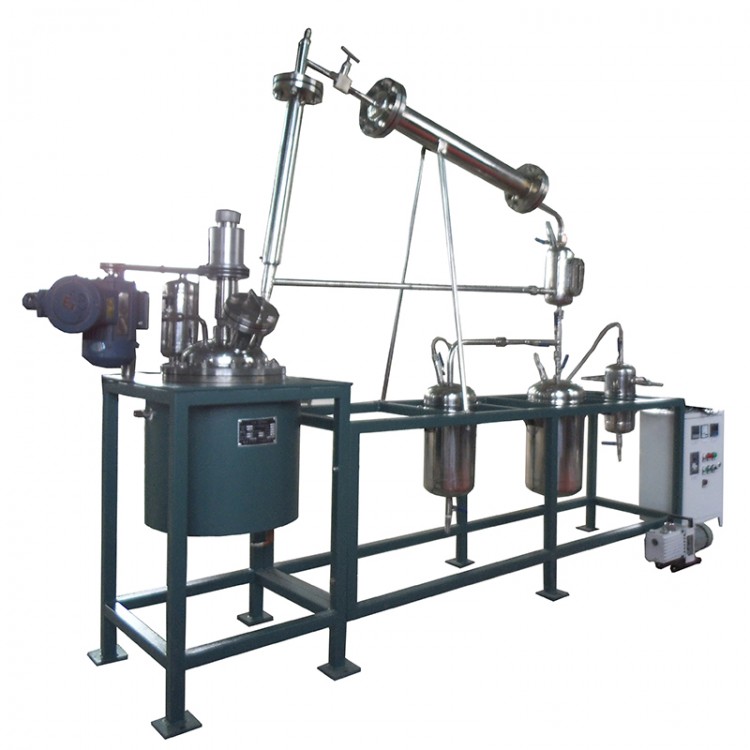
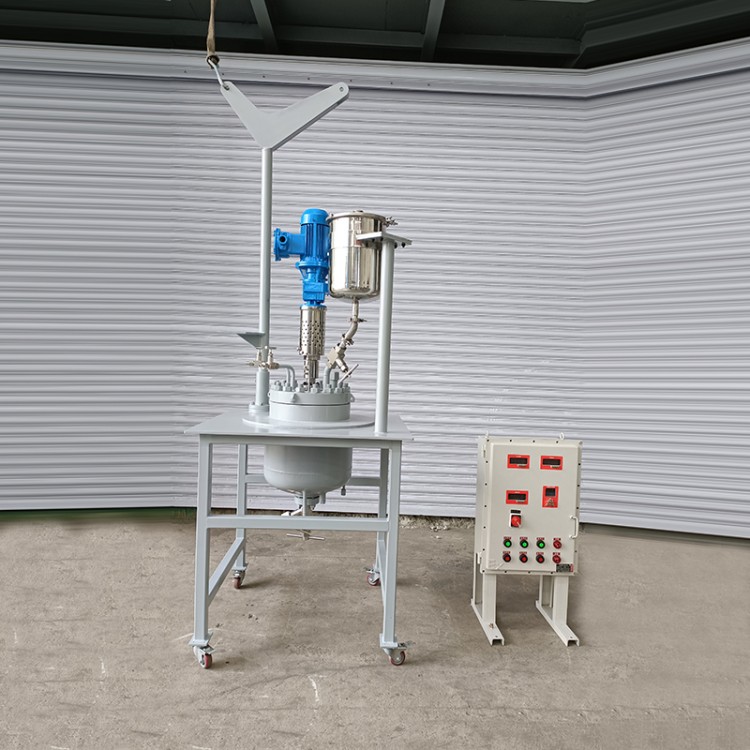
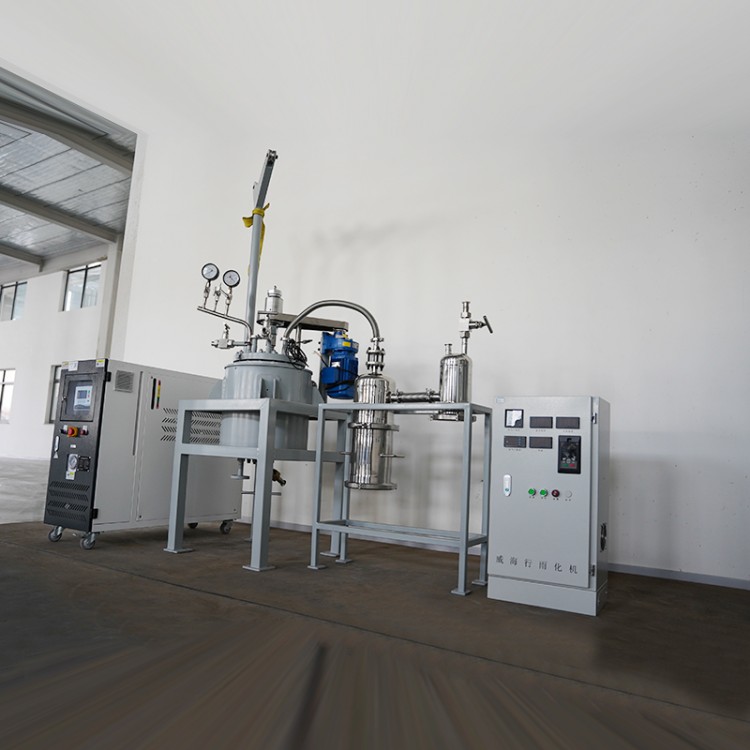
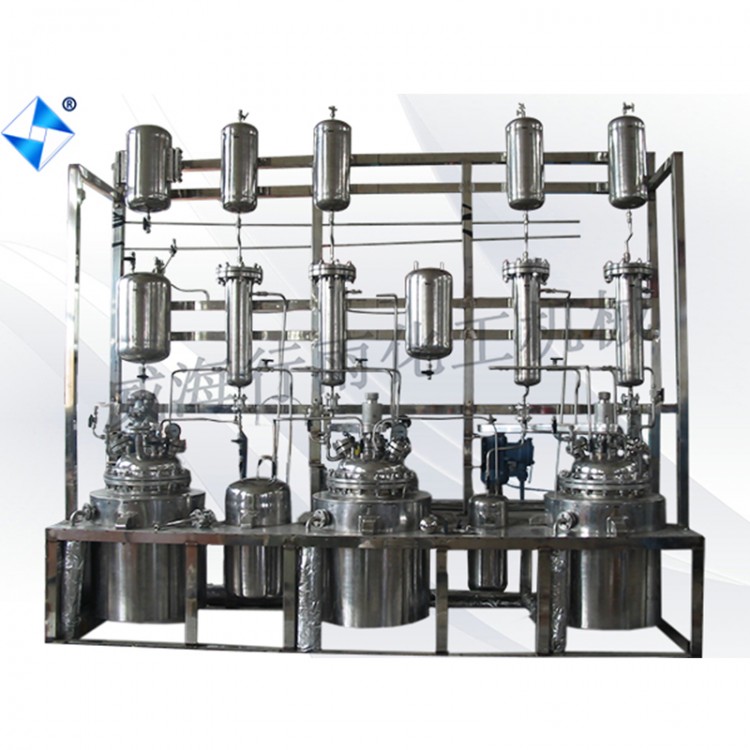
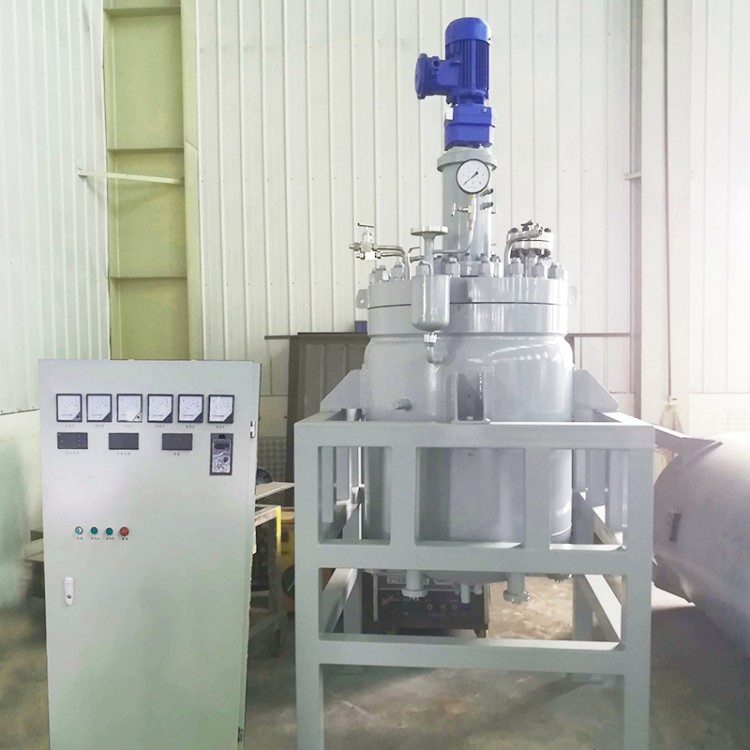
The laboratory vacuum distillation unit is mainly composed of four parts: distillation, vacuum pumping, safety protection, and pressure measurement.