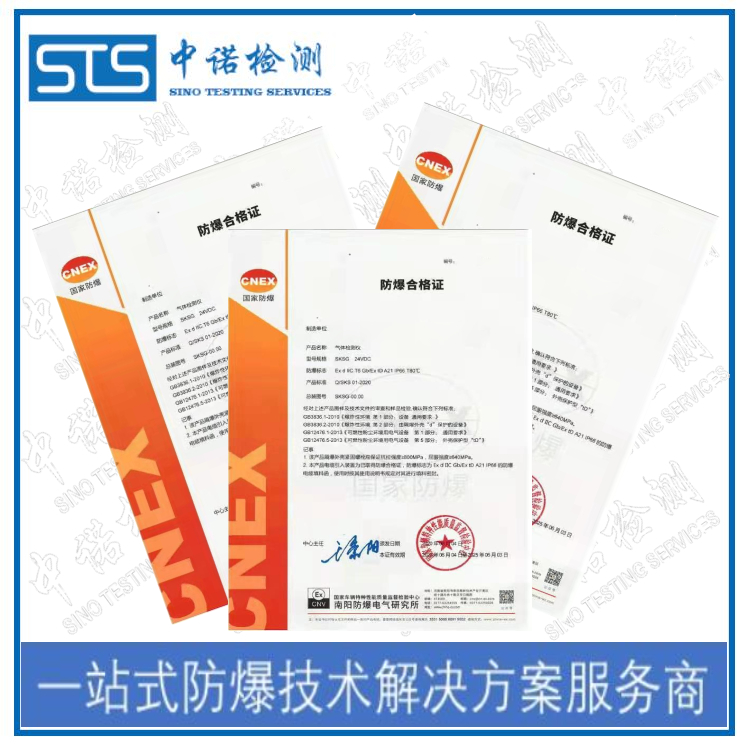
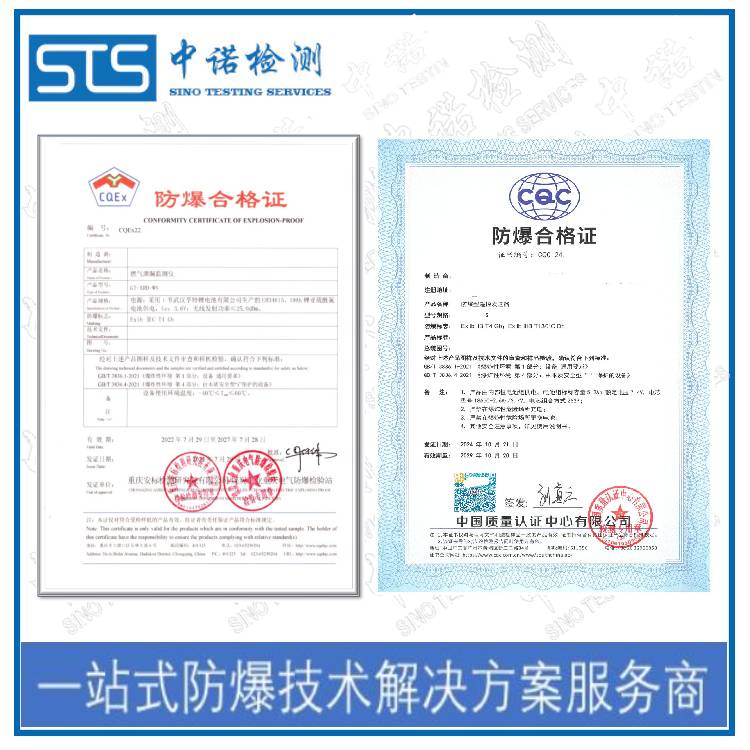










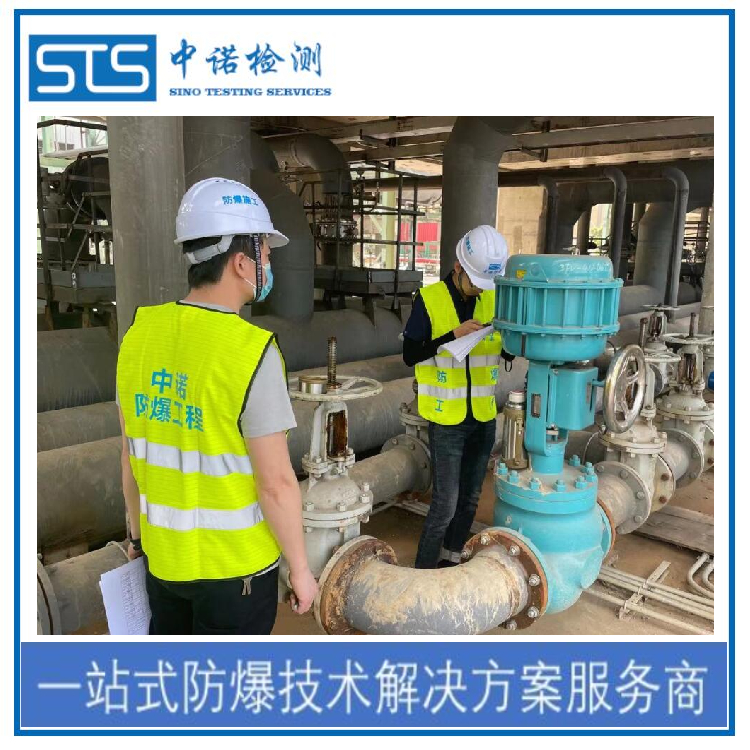
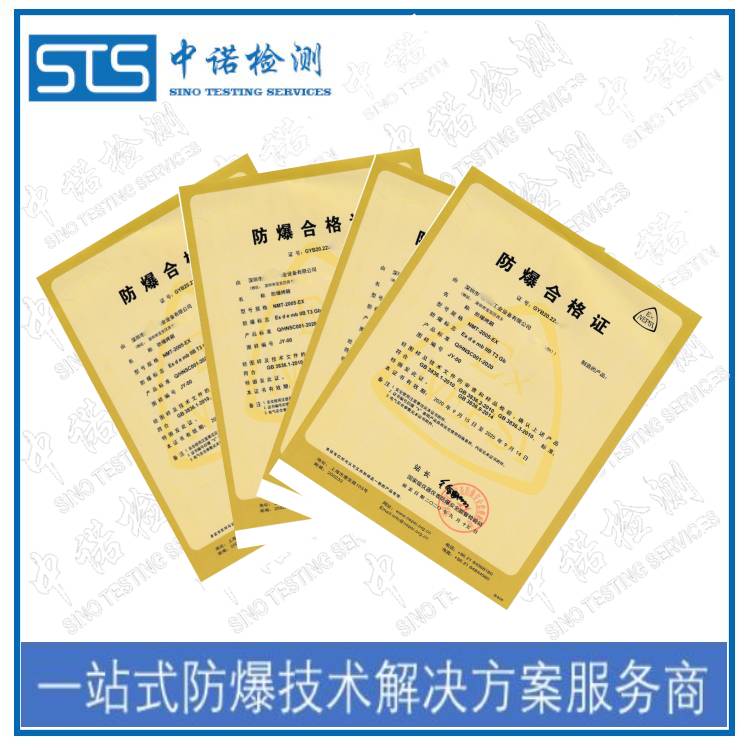
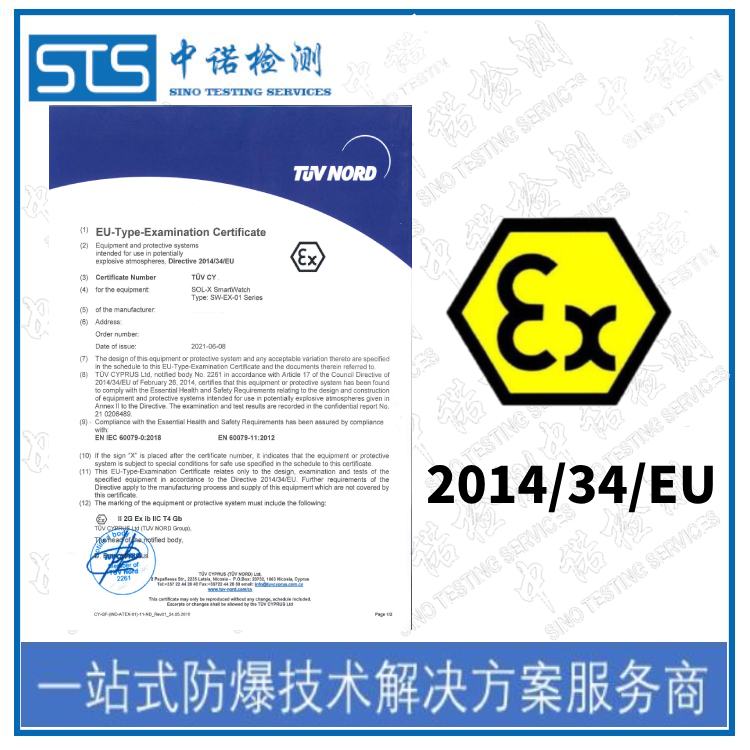
Shenzhen ZhongNuo Testing Technology Co., Ltd. is based in South China and specializes in explosion-proof certification and coal safety certification application consulting services, offering one-stop explosion-proof technology consulting services.
Are explosion-proof lighting fixtures required to obtain an explosion-proof certificate or an explosion-proof 3C certification?
Explosion-proof lighting is a relatively common type of explosion-proof product, used almost universally in explosive environments.
These explosion-proof lighting fixtures must pass the tests according to the GB/T 3836 series of relevant standards.
Qualified for testing and obtained a防爆 certification, it can then be used in explosive areas.
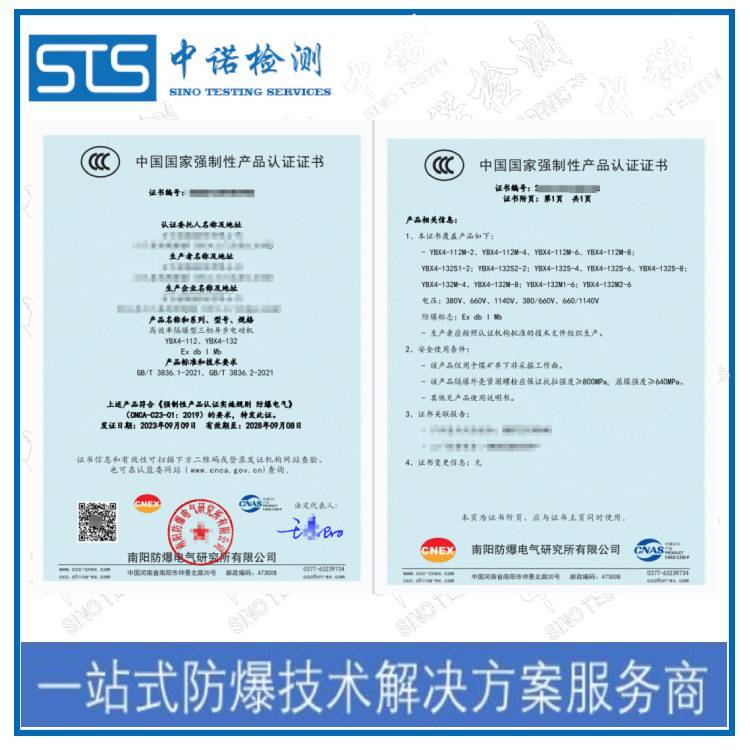
However, according to the new market supervision and administration announcement document, explosion-proof lighting and control devices have been included in the mandatory product certification catalog, i.e., the CCC certification.
The transition period is one year, and as of May 1, 2025, all lighting fixtures and control devices will be required to obtain mandatory防爆CCC certification, not just a防爆pass certificate.
Of course, businesses can now also apply for the explosion-proof 3C certification for lighting fixtures.
Starting May 1, 2024, various certification bodies have begun accepting applications for the CCC certification of explosion-proof lighting fixtures.
Shenzhen Zhongnuo Testing Technology Co., Ltd. is a防爆 certification and 3C consulting firm.
We offer comprehensive explosion-proof product design and modification guidance, 3C certification factory audits, certification agency representation, and a one-stop explosion-proof 3C certification consulting service.
Feel free to message us anytime if needed!
Sample requirements for explosion-proof certification application:
The sample machine submitted by the company must match the approved drawings and be fully assembled. The number of inspection units should meet the requirements.
If special disassembly tools are required, they should be sent along as well.
For potting-type electrical equipment, one set of products with and without potting should be sent.
The transparent pieces for the observation window should be sent separately with at least 5, but no more than 3.
The transparent parts of the lighting fixtures should be sent separately in at least 5 pieces, with an additional 8.
Rubber aging tests should provide 3 to 5 pieces of 35156 rubber blocks.
Provide two plastic sheets with a diameter of 15-6 mm for the insulation resistance test of the plastic casing. If the dimensions allow, the plastic casing can be tested directly.
Generally, 1-2 finished products are required.
Equipment certified for intrinsic safety significantly reduces the risk of explosion in flammable and explosive environments, ensuring personnel and property safety. Moreover, obtaining intrinsic safety certification is a crucial entry requirement for companies to enter the explosion-proof product market, which aids in enhancing their product's market competitiveness.
Are intrinsically safe and flameproof types the same? Which one has a higher level?
intrinsic safety and explosion-proof types are two different types of explosion protection.
Generally, intrinsic safety protective types mainly achieve explosion-proofing by limiting the energy of the equipment.
It is inherently safe, suitable for low-power products, handheld devices, etc.
Airtightness is primarily achieved by designing a blast-proof housing that can withstand explosions in the external environment.
Can withstand internal explosion without propagating to the external explosive environment.
Each explosion-proof type operates on its unique explosion-proof principle, but they are generally safe in nature (intrinsically safe, increased safety).
Or, by taking measures to isolate ignition sources, explosion-proof performance can be achieved.
Intrinsically safe types include ia, ib, and ic, suitable for explosion-proof zones 0/20, 1/21, and 2/22, respectively.
Explosion-proof types include da, db, and dc. Da is only suitable for fixed gas equipment with catalytic sensors.
Most explosion-proof products are of the db protection type, suitable for Zone 1.
It can be used in the 0/20 zones based on their applicable areas, offering a broader application range.
However, the same explosion-proof zones, such as Zone 1, can achieve the same explosion-proof performance through intrinsic safety and explosion-proofing methods, with no higher-grade claim.
Content above shared by Shenzhen ZhongNuo Inspection Technology Co., Ltd.!
Explosion-proof Certification Application Consulting Service - Shenzhen Zhongnuo Testing Technology Co., Ltd.
WeChat Official Account

Scan to follow Official Account