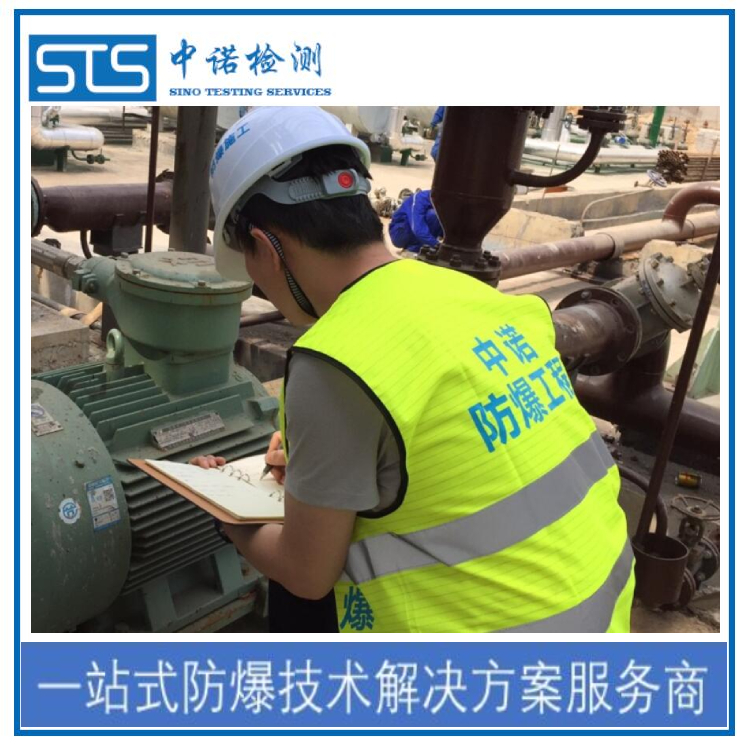
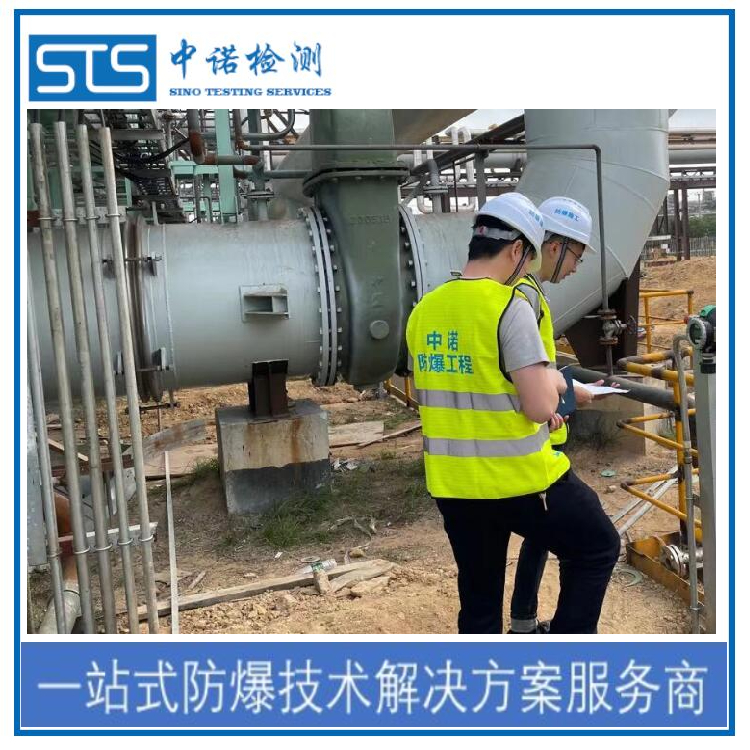











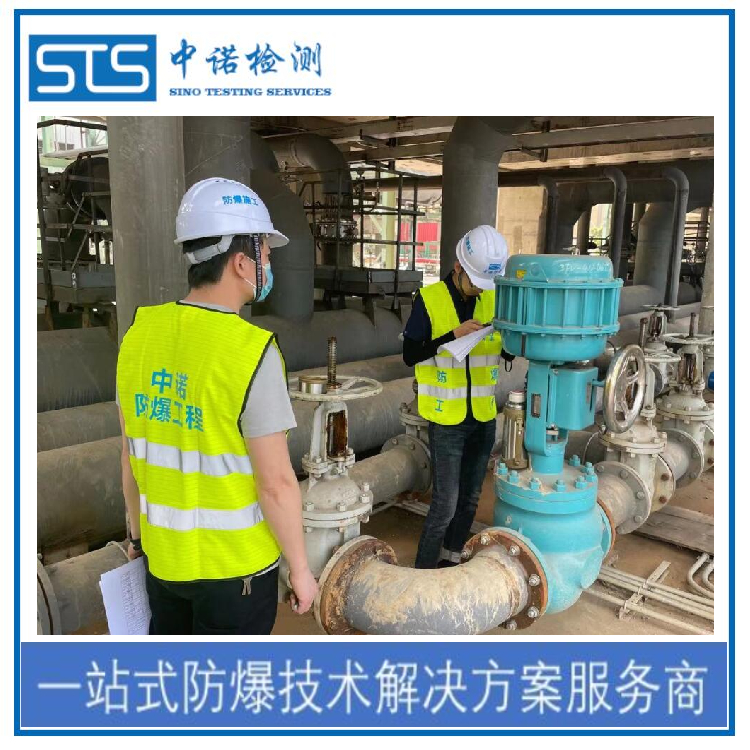
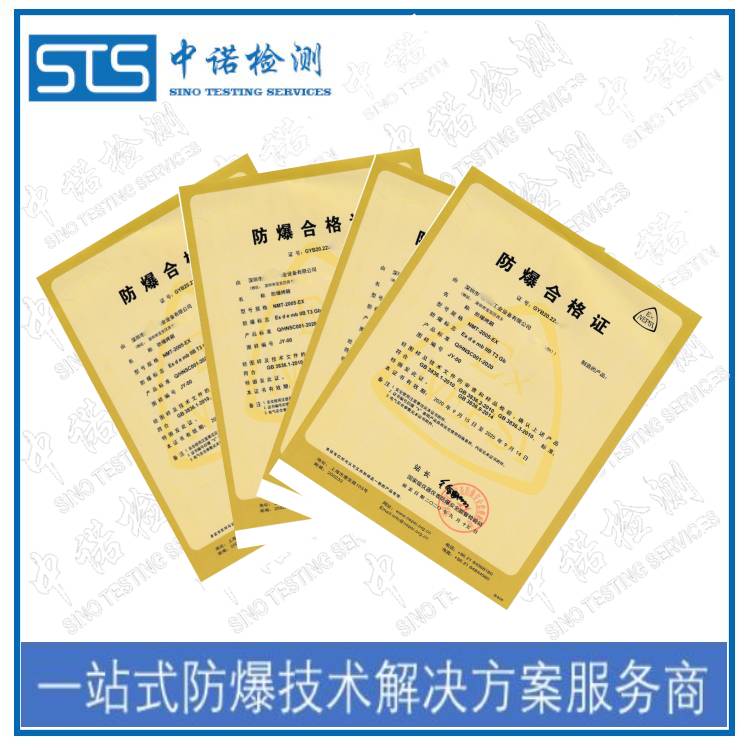
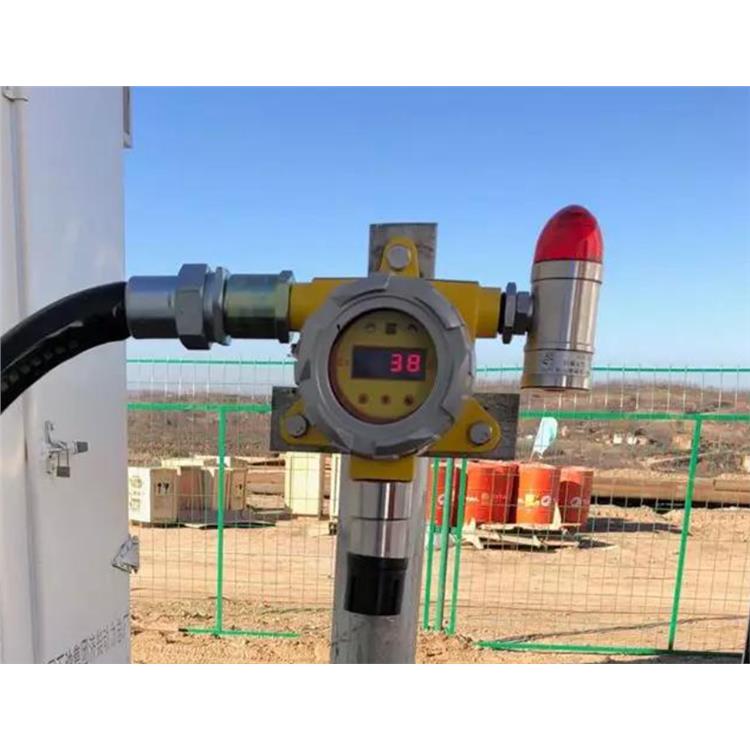

Shenzhen ZhongNuo Inspection & Technology Co., Ltd. offers on-site explosion-proof electrical inspection, explosion-proof project acceptance services, and can provide explosion-proof rectification and construction services for items not meeting inspection standards.
What qualifications are required for regular inspections of explosion-proof electrical equipment?
The regular inspection of explosion-proof electrical equipment, as mentioned in the above section, in accordance with the AQ 3009-2007 "Electrical Safety and Explosion-proof Specifications for Hazardous Areas" standard, must be conducted by a testing center with explosion-proof professional qualifications. This explosion-proof qualification is authorized by the China National Accreditation Service for Conformity Assessment (CNAS) and can be verified on the CNAS website.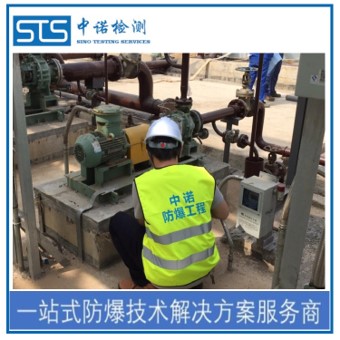
Shenzhen Zhongnuo Testing Technology Co., Ltd. summarizes its past experience in explosion-proof electrical inspections. The main items and contents of the AQ3009 explosion-proof electrical inspection include:
Pursuant to Section 7 of AQ3009-2007 "Safety Code for Electrical Explosion-Proof in Hazardous Areas" (effective as of January 1, 2008): Electrical equipment used in hazardous areas must undergo initial and periodic inspections. These inspections must be conducted by a qualified explosion-proof inspection agency, with intervals generally not exceeding 3 years. Enterprises should take corrective actions based on the inspection results and file the Report and the status of corrections with the Safety Production Supervision and Management Department.
The "AQ 3009-2007 Electrical Safety and Explosion-Proof Regulations for Hazardous Areas" serves as a Chinese industry standard, with the preface clearly stating that Chapter 4, Chapter 5, Chapter 6, and Chapter 7 are mandatory and must be strictly enforced. Therefore, similar safety regulations are part of the legal and regulatory framework and must be strictly enforced!
Materials Required for On-Site Explosion-Proof Inspection Application
1. Area of explosion-proof facility.
2. Explosion Hazard Zone Division Map
3. Names of explosive hazardous substances within the corresponding dangerous areas, along with their Material Safety Data Sheets (MSDS)
4. Explosion-proof electrical product list, including installation area and tag number information
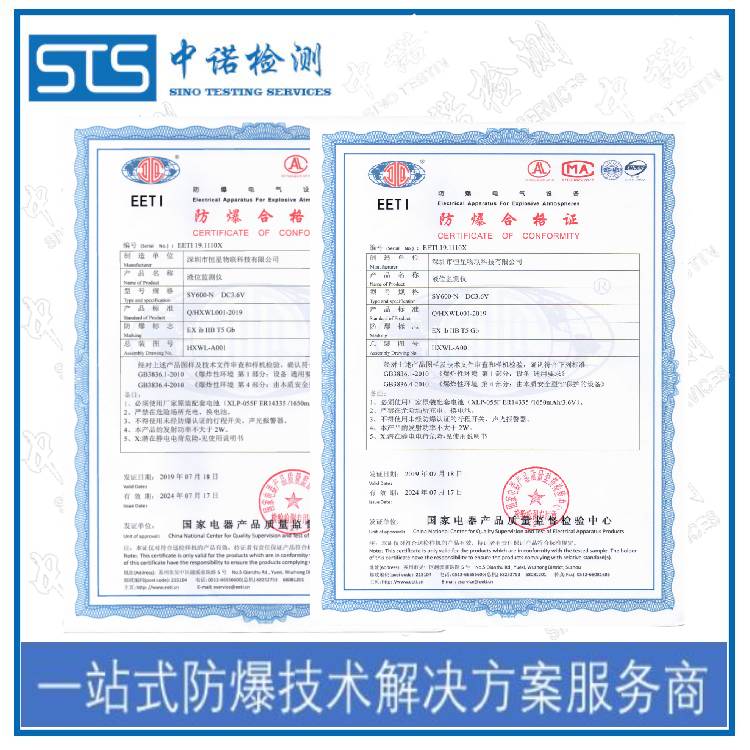
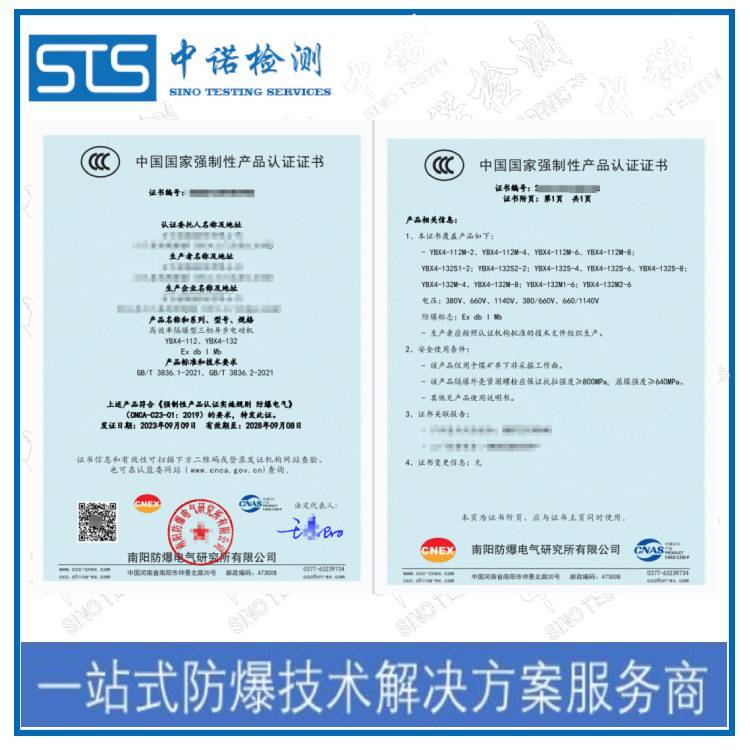
5. Copies of explosion-proof electrical products' explosion-proof certification
6. Explanation Document on Special Usage Conditions for Explosion-Proof Electrical Equipment
7. Descriptive Technical Documentation of Intrinsically Safe Systems
8. Documentation regarding installation quality
Application Institution:
It's widely known that after electrical construction in explosive hazardous areas, third-party organizations must conduct post-completion inspections. Only upon passing the inspection can the facility be put into use. Moreover, in addition to regular self-inspections by the company, there must be periodic inspections by qualified explosion-proof inspection agencies every three years.
What are the main items inspected during the acceptance of completed projects here?
1. Inspect if the explosion-proof electrical equipment has a label, Ex symbol, and clear identification of the type, class, and group of the explosion-proof equipment. Is the certification number of the explosion-proof qualification issued by the inspection unit marked on the label?
2. Verify that the types, classifications, groups, environmental conditions, and special markings of explosion-proof electrical equipment comply with regulations.
3. Inspect the casing of explosion-proof electrical equipment for cracks or damage; ensure the paint is intact, that the junction box cover is securely fastened, and that the fixing bolts and anti-loosening devices are in place.
4. Check for oil leakage and seepage in oil-filled electrical equipment, and ensure the oil level meets the required specifications.
5. Ventilation and exhaust systems of explosion-proof electrical equipment with positive pressure should be unobstructed, connections should be correct, and the installation positions of inlets and outlets should meet the requirements.
6. Are the extra entry ports of explosion-proof electrical equipment properly sealed in accordance with regulations?
7. Installation of sealed or insulated devices in electrical circuits should comply with regulations.
8. Wiring engineering for intrinsic safety explosion-proof electrical equipment should comply with design requirements; the wiring should be marked with a sky blue sign.
9. The grounding or earthing of explosion-proof electrical equipment, as well as static electricity grounding, should meet design requirements and ensure solid and reliable grounding.
10. At the time of completion and acceptance, the relevant documents, materials, manufacturer's product user manuals, test records, certification of compliance, and installation drawings, as well as other technical files, should be submitted.
11. At the time of inspection, the following measurement records should also be submitted:
Measurement records of the single-sided air gap of the stator and rotor for explosion-proof motors with increased safety.
(2) Adjustment records for pressure-relief devices protecting explosion-proof electrical equipment, such as wind and pressure relays, along with high-temperature records of the equipment's housing during trial operation and test records of the grounding resistance for static-dissipative grounding.
12. Operation records of explosion-proof electrical equipment
The shell temperature of explosion-proof electrical equipment, including intrinsically safe and non-sparking explosion-proof electrical equipment, should not exceed the specified limit.
(2) After the internal wiring of the junction box is securely fastened, the electrical clearances and creepage distances between the live parts and the metal housing should comply with the regulations.
(3) The exhaust of explosion-proof electrical equipment with positive pressure should not emit sparks. The micro-pressure relay should operate reliably when reducing air pressure and wind pressure.
(4) Protection devices and interlock devices for explosion-proof electrical equipment should operate correctly and reliably.
On-Site Explosion-Proof Electrical Equipment Regular Inspection Consulting Service - Shenzhen ZhongNuo Inspection Technology Co., Ltd.
WeChat Official Account

Scan to follow Official Account