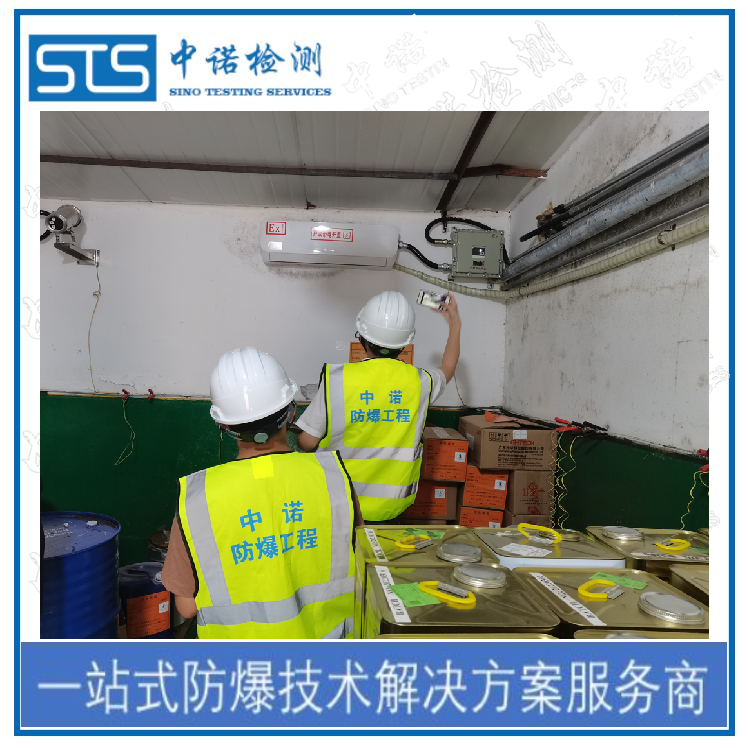
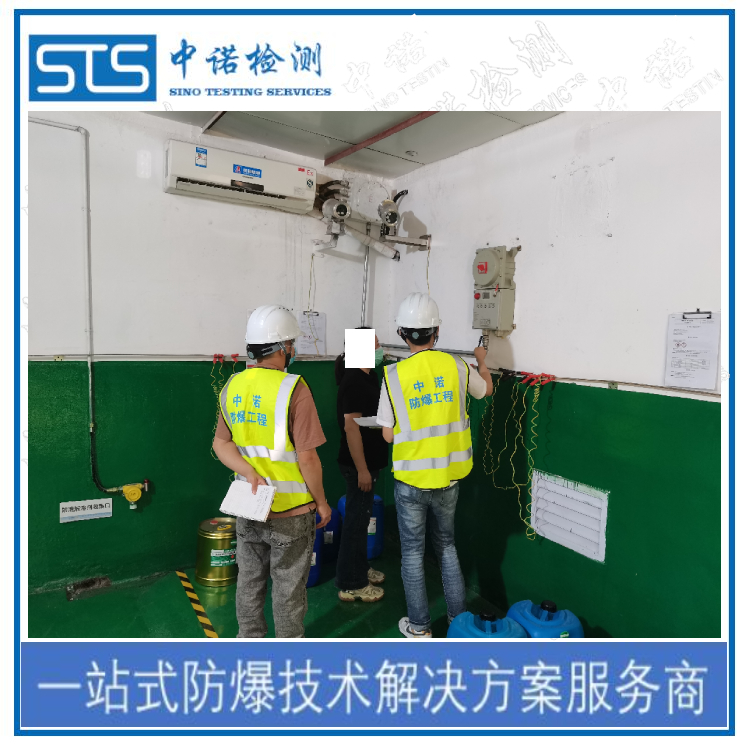













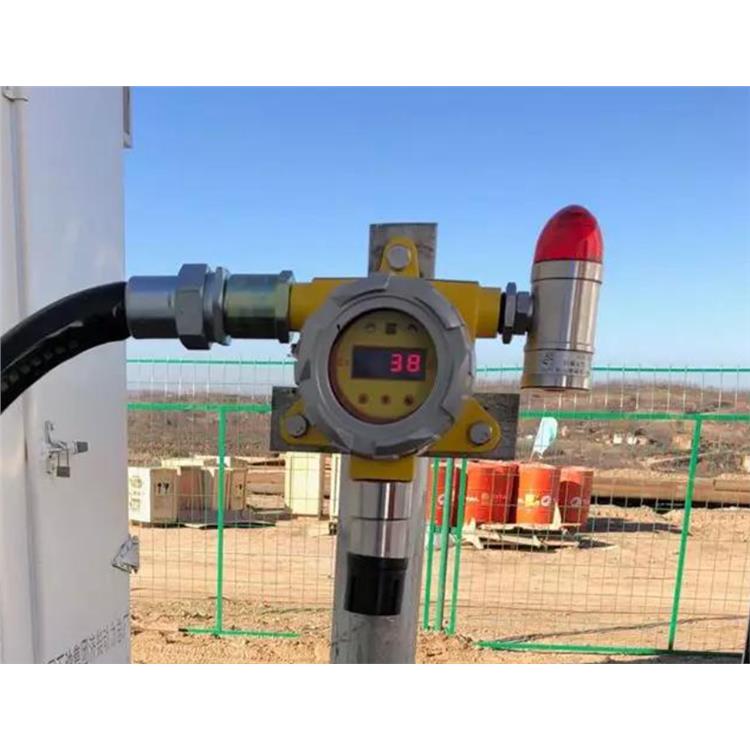



Shenzhen ZhongNuo Inspection & Technology Co., Ltd. offers on-site explosion-proof electrical inspection, explosion-proof project acceptance services, and consulting. We also provide explosion-proof rectification and construction services for items that fail inspection.
How often is the periodic inspection for explosion-proof electrical equipment?
With the widespread use of explosion-proof electrical equipment, many hazardous explosive environments have adopted such equipment. Many end-users believe that installing explosion-proof electrical equipment in hazardous explosive areas is sufficient. However, in many cases, the so-called explosion-proof equipment lacks valid explosion-proof certification, or the certification has expired or is fraudulent. There may be discrepancies between the label and the explosion-proof certification, improper selection of explosion-proof types, the misuse of gas and dust explosion-proof equipment, drilling holes in explosion-proof enclosures, long-term corrosion, high temperatures, and intense vibrations. As for explosion-proof electrical equipment in use, the AQ 3009-2007 "Electrical Safety and Explosion-proof Regulations for Hazardous Areas" standard stipulates: explosion-proof electrical equipment in use should be inspected by a qualified explosion-proof inspection center at least once every 3 years for performance, installation, and maintenance. Immediate corrective measures must be taken for any non-compliance, and the inspection report and corrective actions must be filed with the safety production supervision and management department. Conducting on-site explosion-proof checks for electrical equipment in use is not only a requirement of the safety production department but also a reflection of the company's emphasis on its own life and property safety.
ZhongNuo Inspection has provided on-site explosion-proof inspections and reconstruction services for various facilities such as gas stations, oil depots, food factories, feed mills, and chemical plants, boasting a wealth of successful cases and industry experience.
If you happen to need a report for on-site explosion-proof electrical inspections, feel free to DM us for specific discussions.
What certifications are required for regular inspections of explosion-proof electrical equipment?
The periodic inspection of explosion-proof electrical equipment, as mentioned in the above section, in accordance with the AQ 3009-2007 "Safety Requirements for Electrical Installations in Hazardous Areas," must be conducted by a certified inspection center with explosion-proof expertise. This certification is authorized by the CNAS and can be verified on the CNAS website.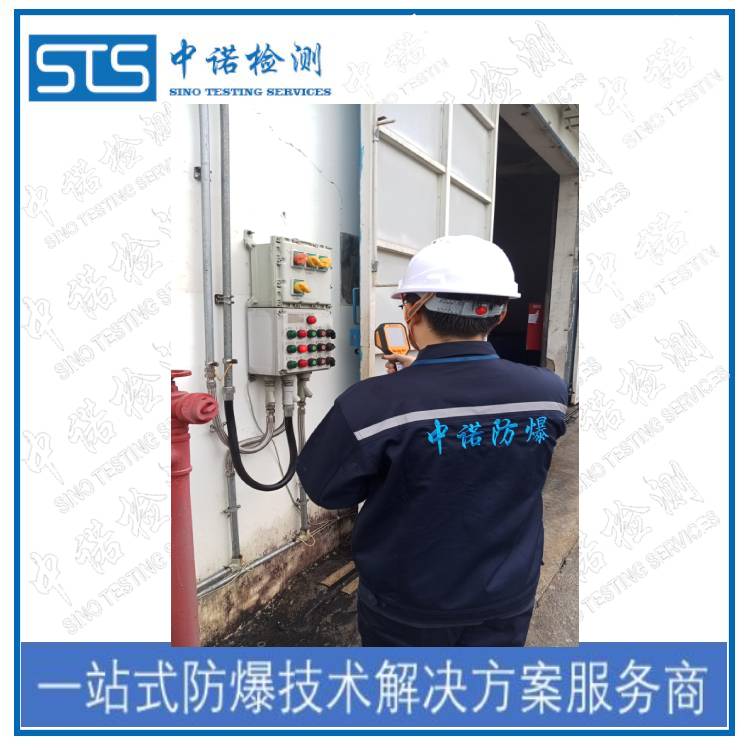
Main contents of regular inspections for explosion-proof electrical equipment
1. Model Inspection
In strict accordance with relevant laws, explosion-proof electrical equipment must have standardized explosion-proof markings, and must pass the relevant explosion-proof standard checks before implementation. It is necessary to design the appropriate explosion-proof type, level, and temperature class for electrical equipment based on the specific working environment.
2. Installation Inspection
During electrical equipment installation, any carelessness can lead to potential losses. For instance, if the ventilation and exhaust system is not properly installed and is not sufficiently unobstructed, and if the electrical equipment's casing could potentially explode during operation, it is crucial to install with utmost precision. It is mandatory to follow the relevant standards meticulously.
3. Wire inspection
Electrical equipment is often composed of a large number of interconnected wires, which can be particularly complex. If they are not securely connected, or if there are incorrect connections, or if the insulation of the wires peels off, it may lead to short circuits or overloads, resulting in arc or electrical spark phenomena. Therefore, it is crucial to strengthen inspections of the circuit, especially the wire seals, to ensure that the wire connections meet the requirements.
4. Grounding Inspection
Electrical equipment generates static electricity during operation. When there's an excess of static, it can discharge, resulting in sparks. Therefore, proper grounding protection is essential to safely dissipate static electricity and prevent explosions. There are typically three grounding methods: working grounding, static grounding, and lightning protection grounding. Engineers must select the appropriate grounding method based on the specific working environment and ensure that the grounding is secure and stable.
We understand that places involving explosive gases and dust require regular explosion-proof electrical inspections. What exactly is checked during these inspections?
Electrical Explosion-Proof Safety Inspection for Hazardous Areas
1. Model Inspection
In strict accordance with relevant laws, the explosion-proof marking of explosion-proof electrical equipment must be standardized, and it can only be implemented after passing the relevant explosion-proof standard inspection and obtaining the qualification. Information such as the explosion-proof type, grade, and temperature class of electrical equipment should be designed according to the specific working environment.
2. Installation Inspection
During electrical equipment installation, any oversight can potentially lead to losses. For instance, if the ventilation and exhaust system is not properly installed and not sufficiently unobstructed, or if the electrical equipment's casing has the potential to explode during operation, it poses significant risks. Therefore, it is crucial to strive for perfection during installation and adhere strictly to relevant standards.
3. Line Inspection
Electrical equipment is often composed of a large number of interconnected wires, which can be particularly complex. If they are not securely connected, or if there are incorrect connections, or due to the insulation layer of the wires coming off, it can lead to short circuits or overloads, resulting in arcs or sparks. Therefore, it is crucial to enhance the inspection of circuit connections, especially the sealed ones, to ensure that the wire connections meet the requirements.
4. Grounding Inspection
Electrical equipment generates static electricity during operation. If there's an excessive buildup, sparks may occur upon discharge. Therefore, proper grounding protection is crucial to timely dissipate static electricity and prevent explosions. Common grounding methods include working grounding, static grounding, and lightning protection grounding, among others. Engineers must select the appropriate grounding method based on the specific working environment, ensuring both safety and stability.
Chemical companies must regularly maintain and inspect explosion-proof electrical and static electricity prevention facilities in hazardous areas to ensure they are always operating in a normal state. For dangerous sites, electrical explosion-proof safety inspections should be scientifically developed, keep pace with the times, enhance the discovery and invention of new inspection methods and means, continuously apply new knowledge and technology, as well as management methods, to prevent potential dangers and eliminate unsafe factors.
On-Site Explosion-Proof Electrical Equipment Regular Inspection Consultancy Service - Shenzhen Zhongnuo Testing Technology Co., Ltd.
WeChat Official Account

Scan to follow Official Account