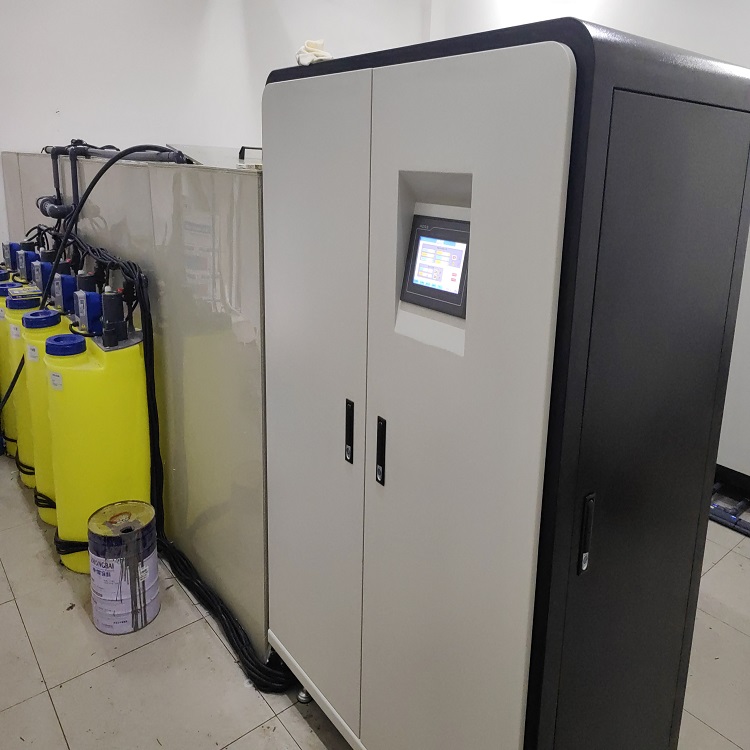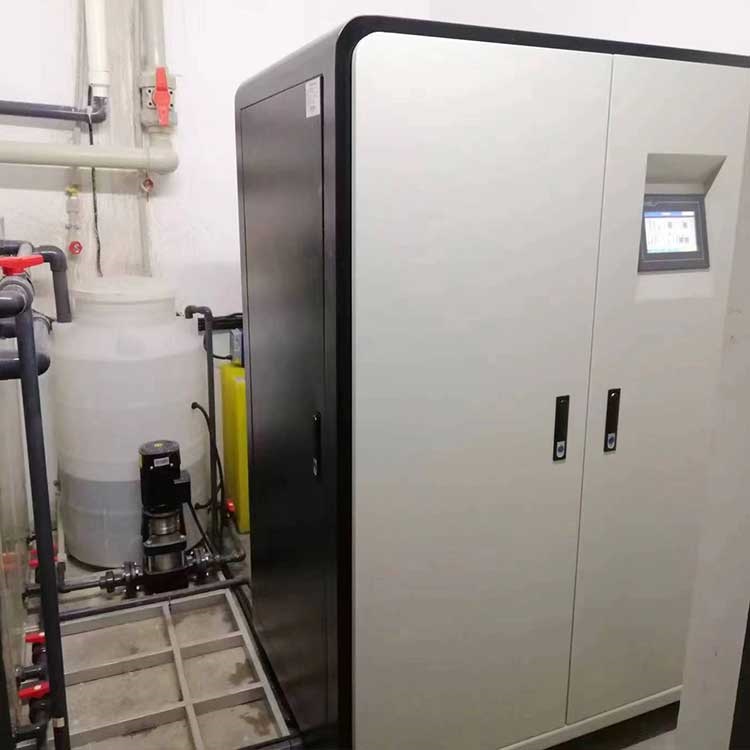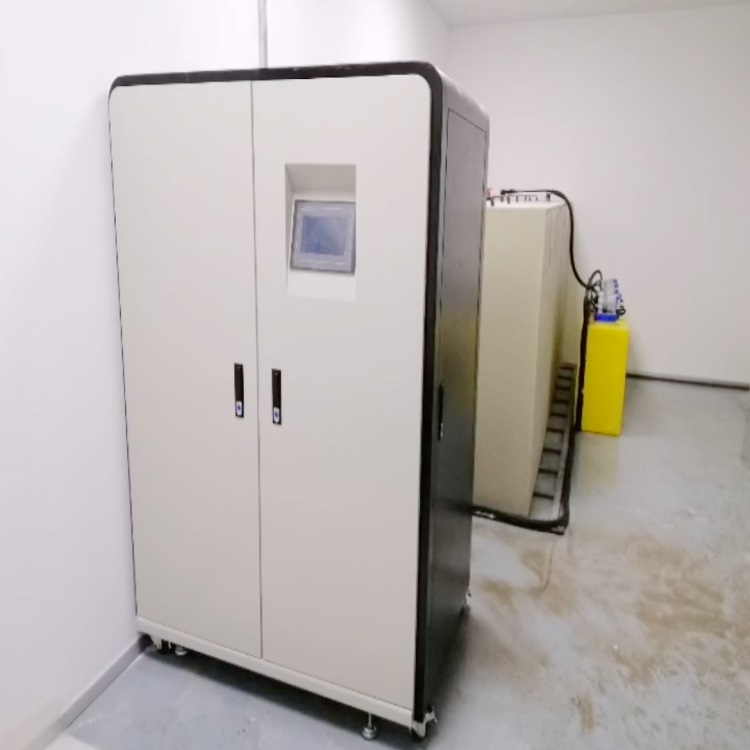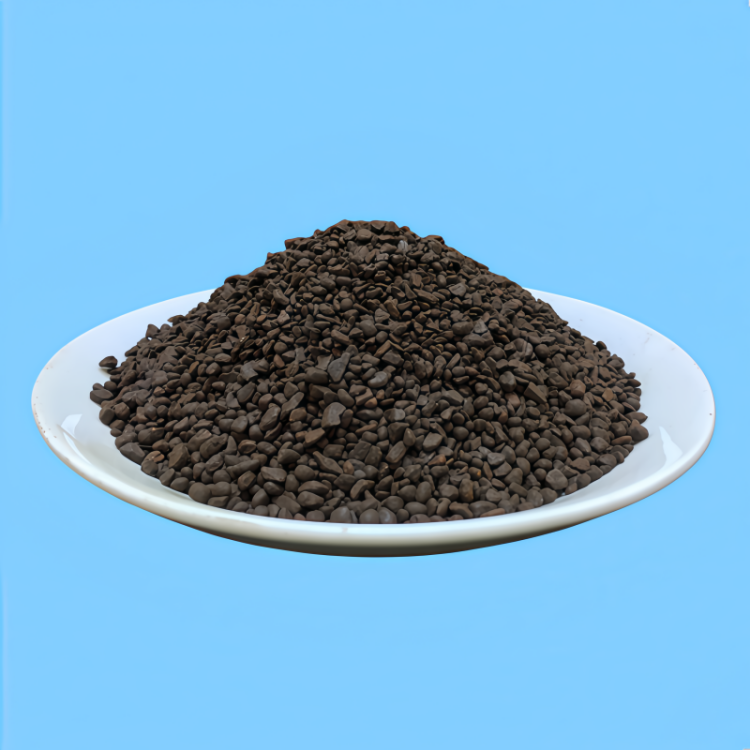

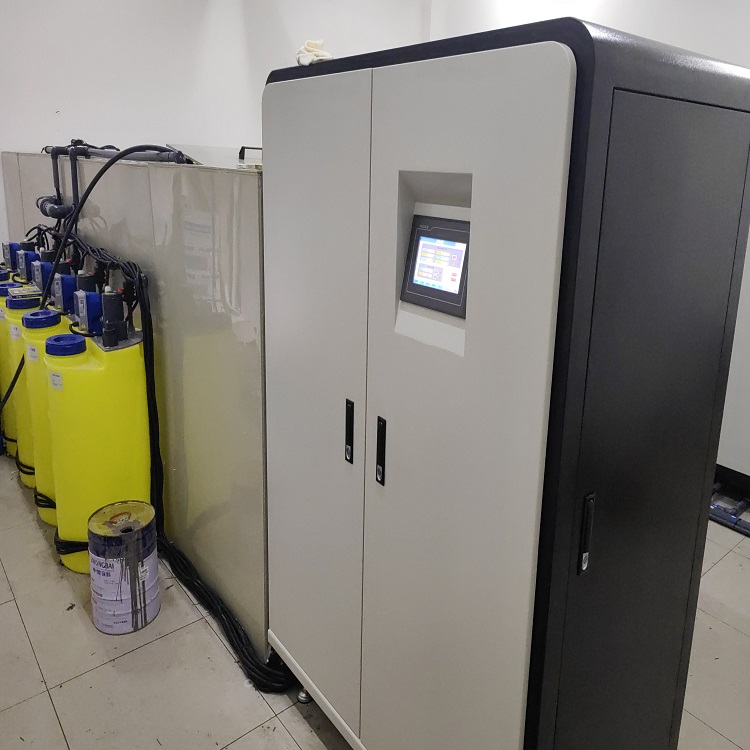

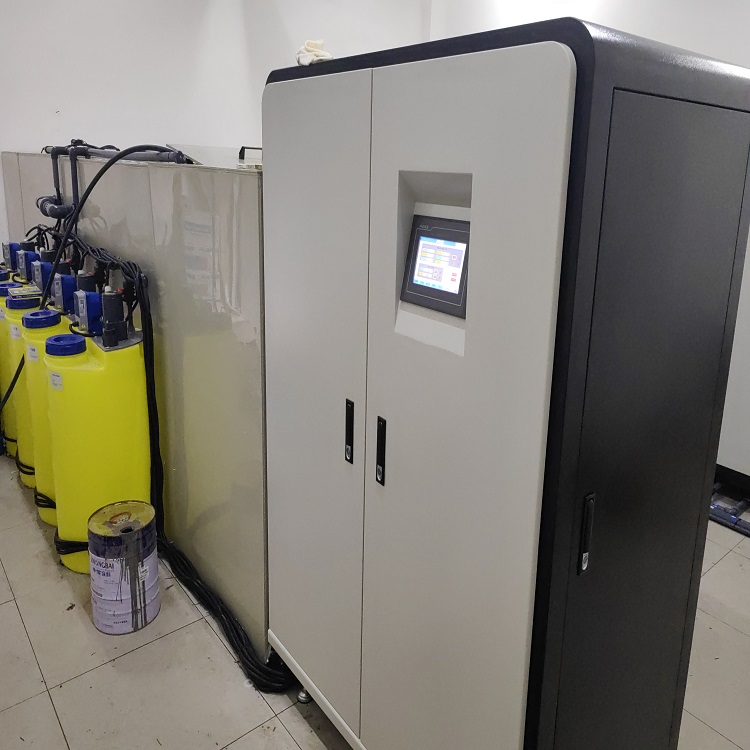
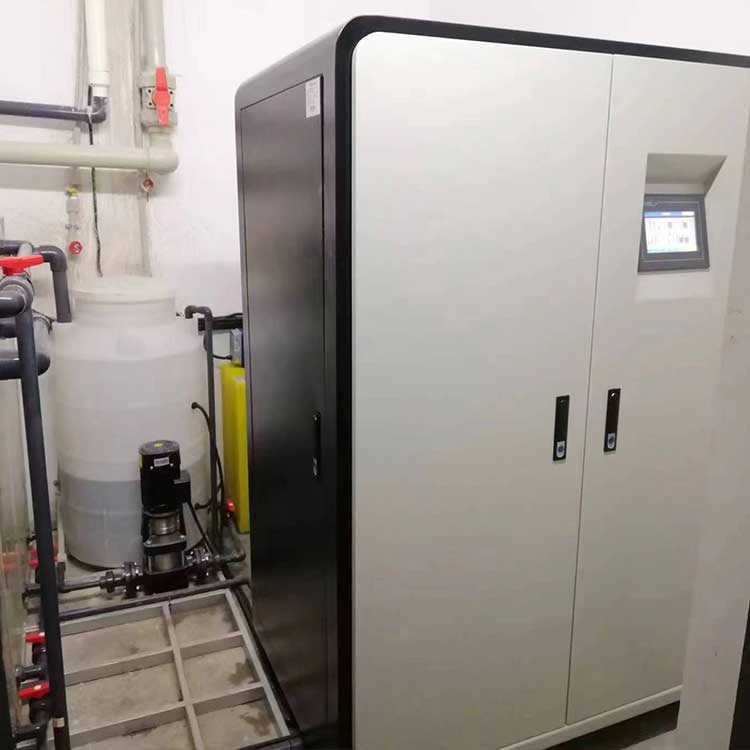
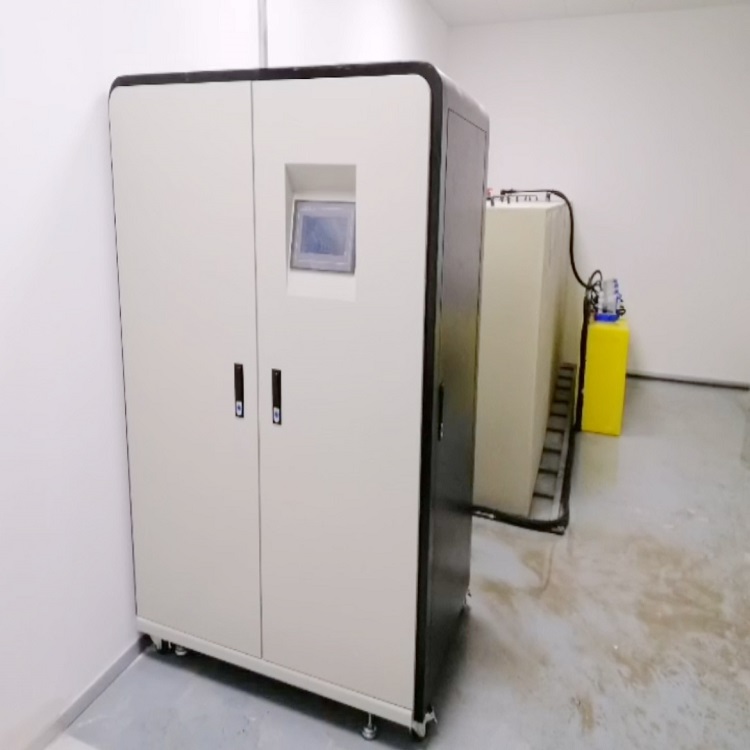







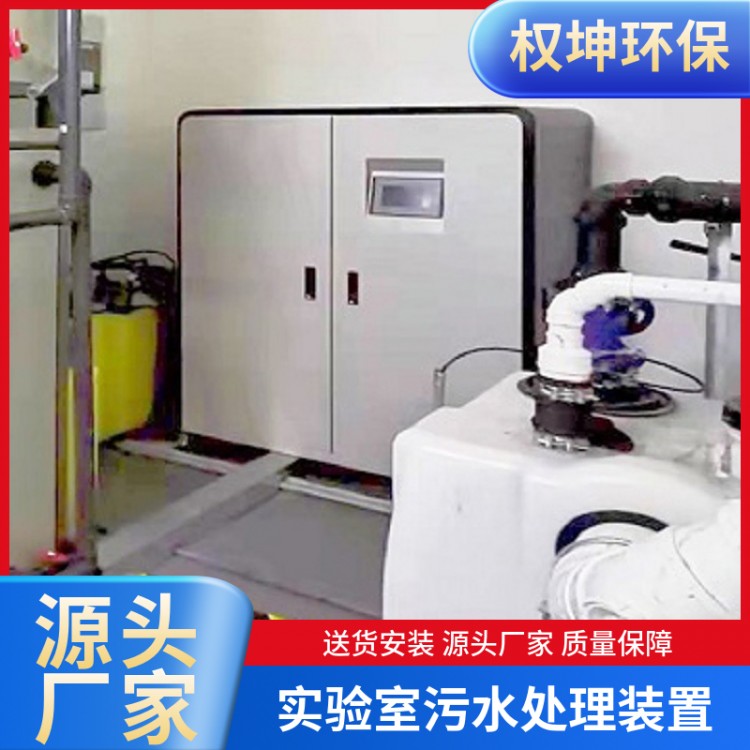
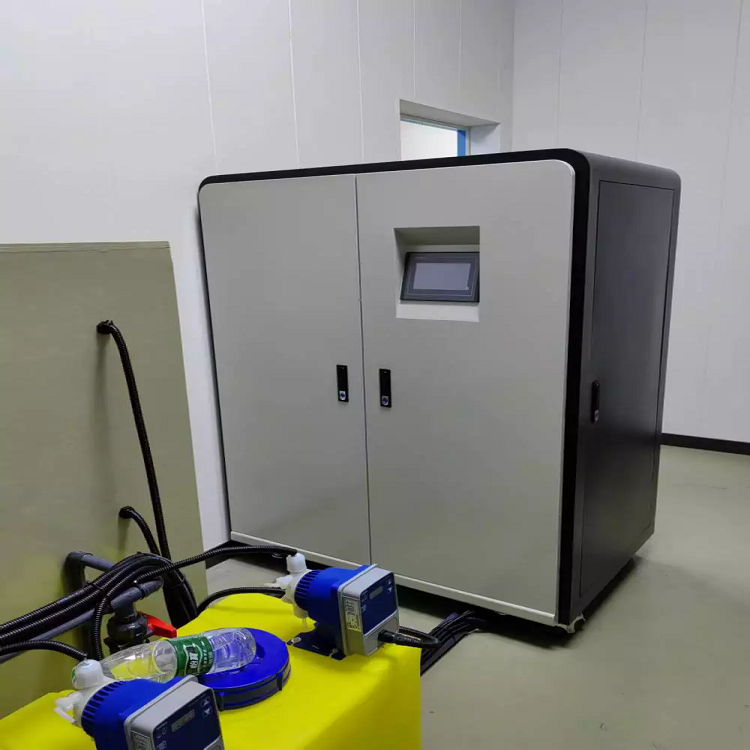
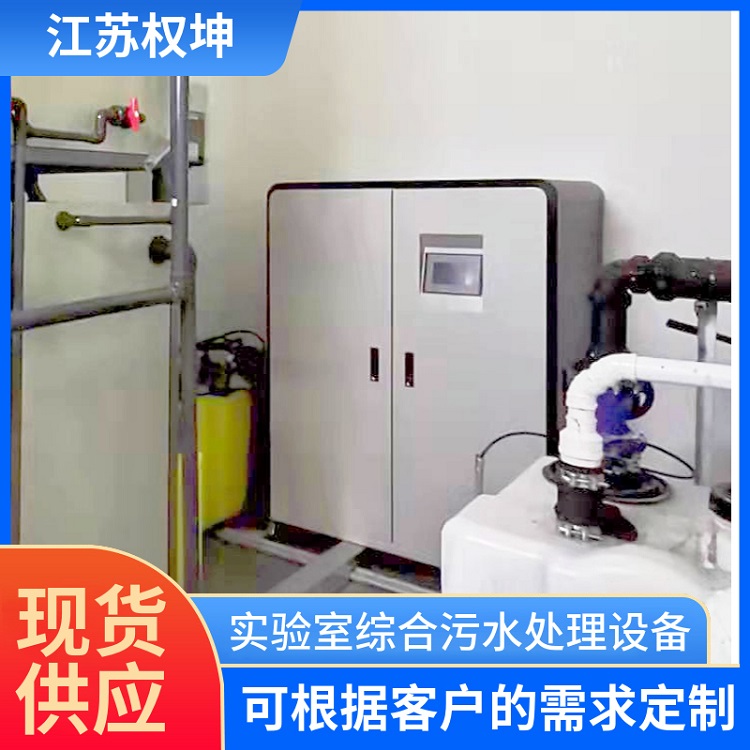
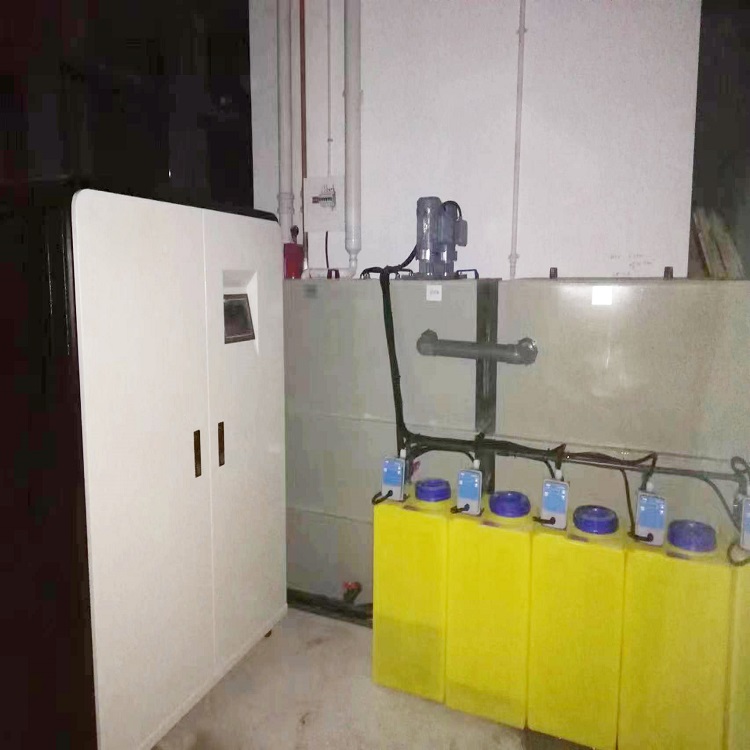
Quality Inspection Laboratory Sewage Treatment Equipment, Underground Sewage Treatment Equipment, Mobile Design, Quankun
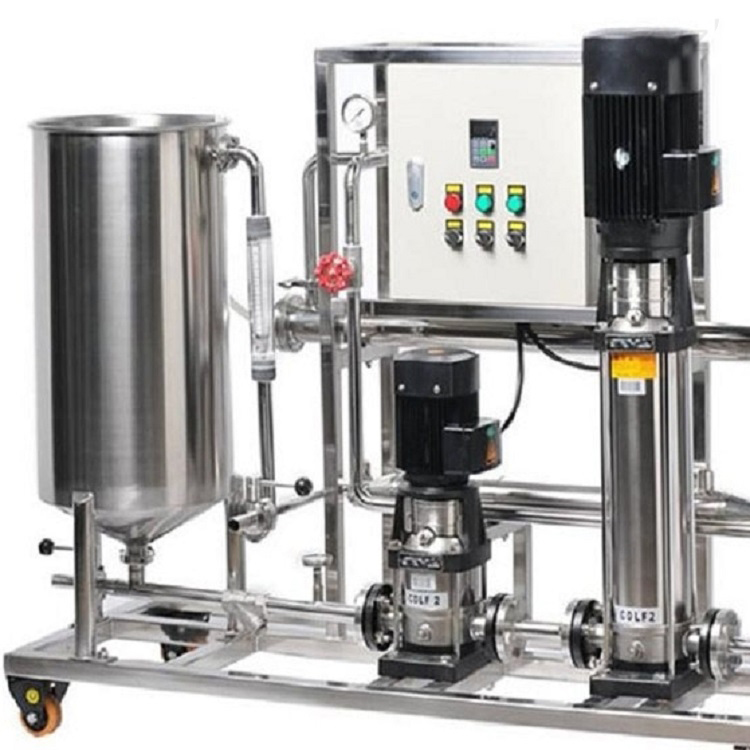
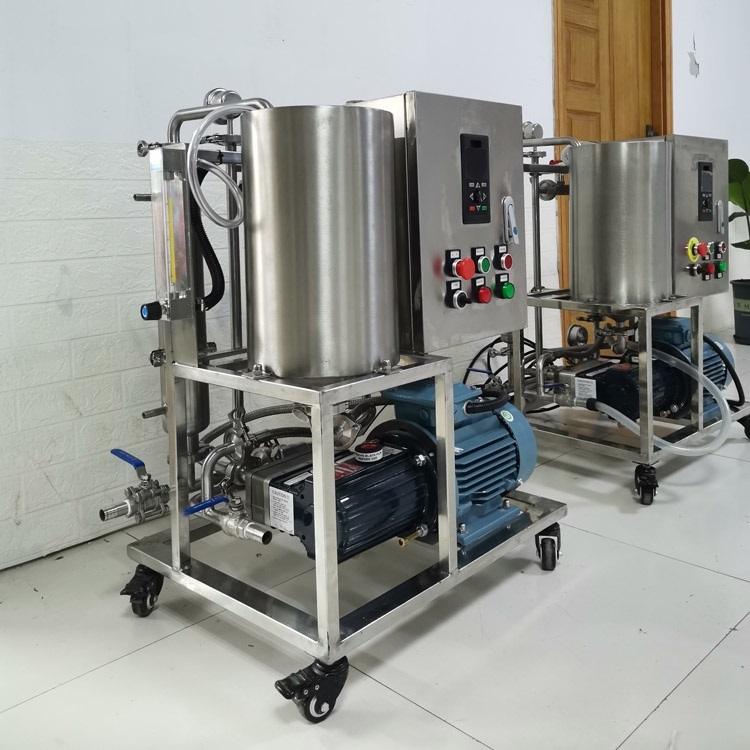
Laboratory wastewater treatment equipment includes wastewater collection units, automatic adjustment units, pretreatment units, automatic dosing units, coagulation and air flotation mixing units, flocculation and sedimentation units, sedimentation separation units, solid-liquid separation units, sludge drying units, heavy metal capture units, filtration and adsorption units, novel catalytic micro-electrolysis treatment units, high and low potential difference micro-electrolysis technology treatment units, electrochemical catalytic oxidation and reduction proprietary technology treatment units, photocatalytic reaction technology treatment units, multi-stage deep decomposition degradation treatment units, two-stage organic biological active treatment units, novel biological reaction treatment units, composite disinfection treatment units, and new organic wastewater packed bed photocatalytic reaction special technology units. This forms a comprehensive laboratory wastewater treatment system. The system operates automatically using a PLC programmable control system, human-machine interface operating system, remote monitoring, and operation system, following the programs set by the PLC controller and the parameters set by the pH/ORP automatic controller, with multi-level automatic online monitoring.
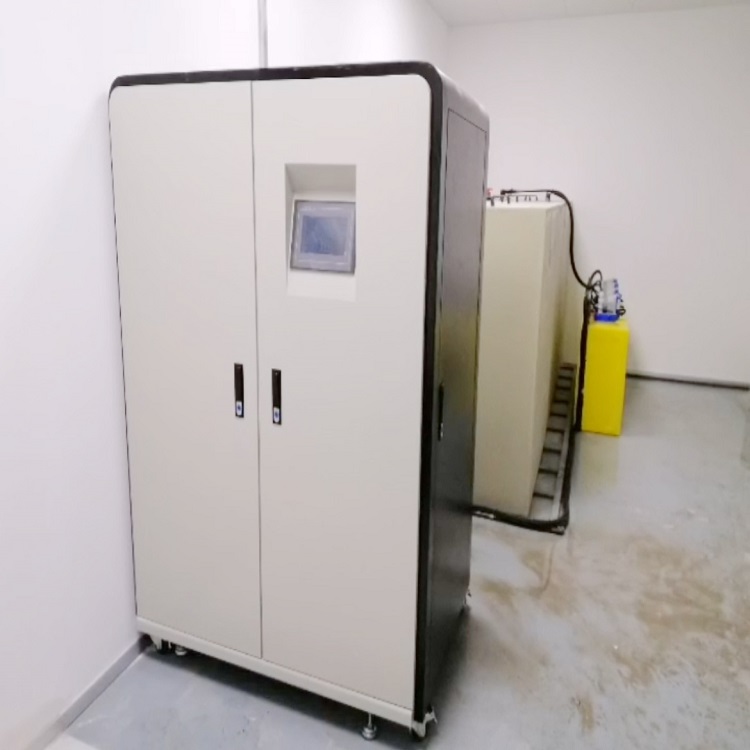
Advanced laboratory wastewater treatment equipment is a system featuring high technology, automation, excellent treatment effects, minimal land occupation, simple operation and management, and does not require constant staff supervision. It is specifically designed for comprehensive wastewater treatment in laboratories across various industries both domestically and internationally. Highly praised by users, it is widely used in research institutions, universities, environmental monitoring, product inspection, food and drug inspection, entry-exit quarantine inspection, disease control centers, geological and mineral detection centers, analysis and testing centers, water resource monitoring, and grain and oil quality inspection, both domestically and internationally.
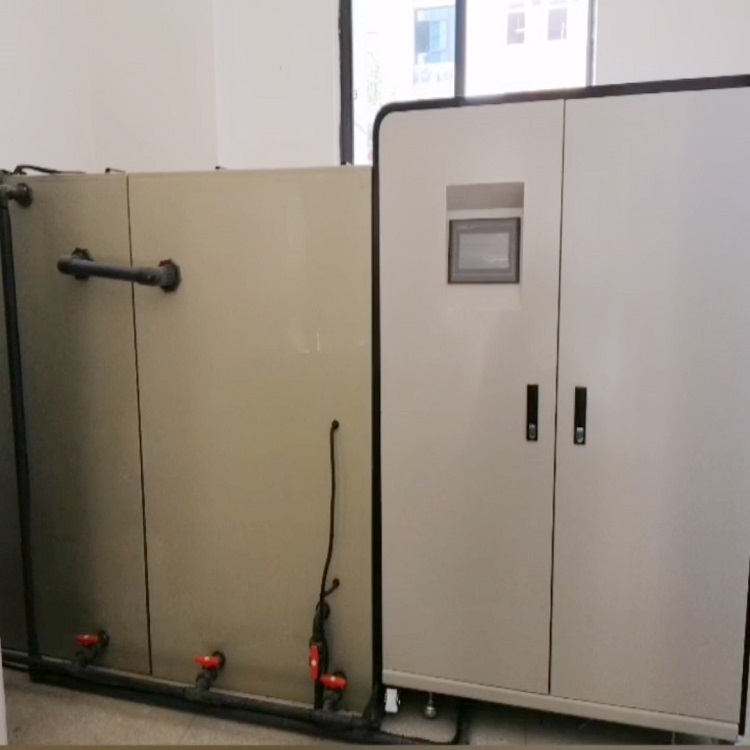
Product Features of Laboratory Wastewater Treatment Equipment:
1. Installed below ground level, the surface above the equipment can be used for landscaping or other purposes without the need for construction or heating/insulation.
2. The second-level biological contact oxidation process employs plug flow biological contact oxidation, which offers superior treatment performance compared to *mixed flow or two-stage series mixed flow* biological contact oxidation ponds. It also requires less volume than an activated sludge pond, exhibits strong adaptability to water quality, excellent shock load resistance, and stable effluent water quality without causing sludge bulking. The pond utilizes new elastic three-dimensional packing material, which has a larger specific surface area, facilitating easy attachment and detachment of microorganisms. Under the same organic load conditions, it achieves a high removal rate of organic matter and can enhance the solubility of oxygen in water.
3. The biochemical pool utilizes the biological contact oxidation method, featuring a low volume load of fillers. Microorganisms are in their own oxidation stage, resulting in minimal sludge production. Sludge removal is required only once every three months (90 days) or more, either by pumping with a manure truck or dewatering into sludge bricks for external transport.
4. The deodorization method not only utilizes conventional high-altitude exhaust, but also includes soil deodorization measures.
5. The entire equipment processing system is equipped with an automatic electrical control system and a device fault alarm system, ensuring safe and reliable operation. Generally, no dedicated personnel management is required, only timely maintenance and care for the equipment.
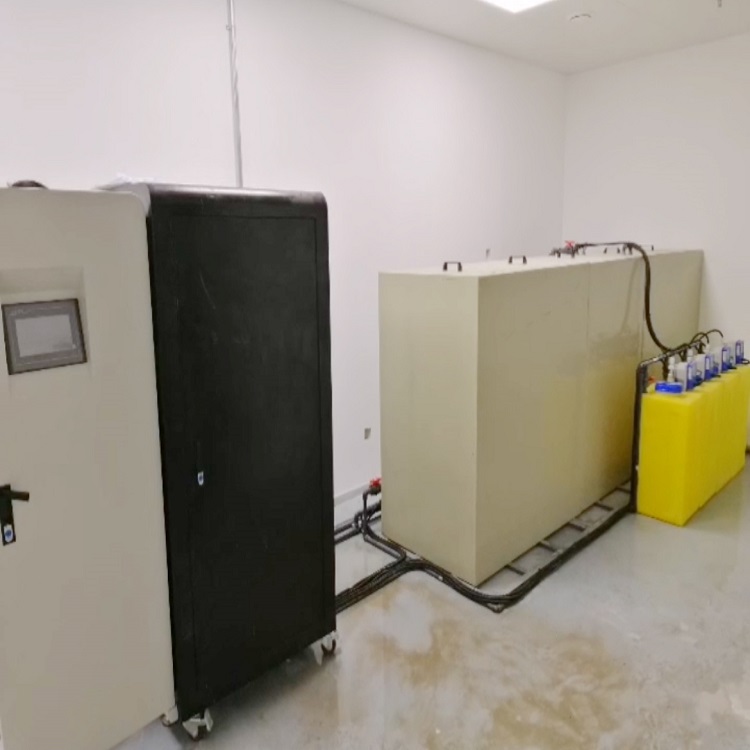
Laboratory wastewater has the following distinct characteristics compared to industrial wastewater or domestic sewage:
Composition complex: Includes inorganic substances (such as heavy metal ions), organic substances (such as benzene derivatives, halogenated hydrocarbons), biological preparations, etc., with significant fluctuations in concentration.
2. High toxicity: Some reagents, such as cyanides and arsenic compounds, are highly toxic and require special handling.
3. Irregular emissions: The experimental cycle leads to fluctuating wastewater discharge volumes, demanding high stability from the equipment.
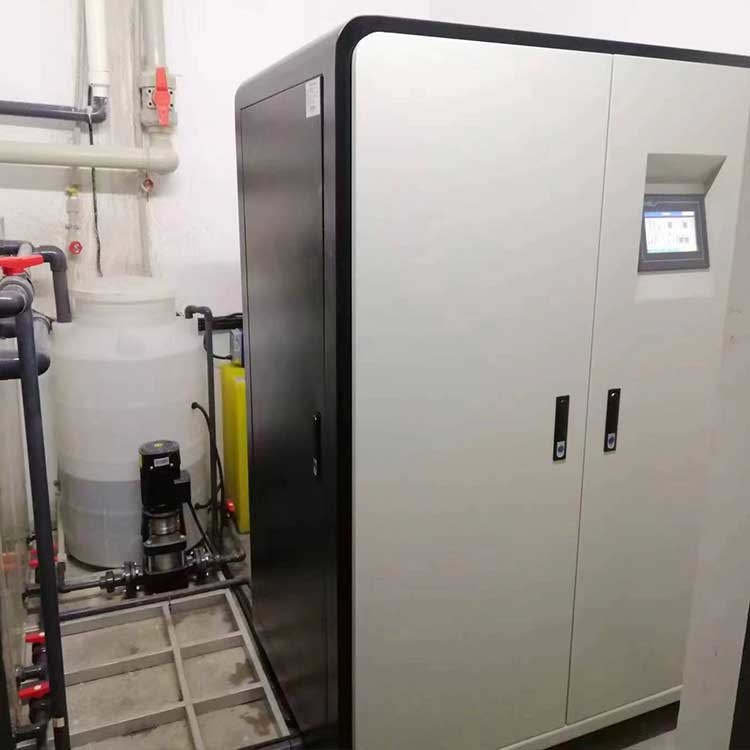
The laboratory wastewater composition is complex, typically containing the following types of pollutants:
Organic matter: Such as experimental residues of solvents, dyes, proteins, etc., with high COD (Chemical Oxygen Demand) and BOD (Biological Oxygen Demand).
2. Inorganic substances: strong acids, strong bases, heavy metal ions (such as lead, mercury, chromium), etc., may cause serious harm to the environment and human health.
3. Biological Contaminants: Bacteria, viruses, etc., generated from microbiological experiments, must be strictly inactivated.
4. Radioactive Materials (for a few special laboratories): require special handling.
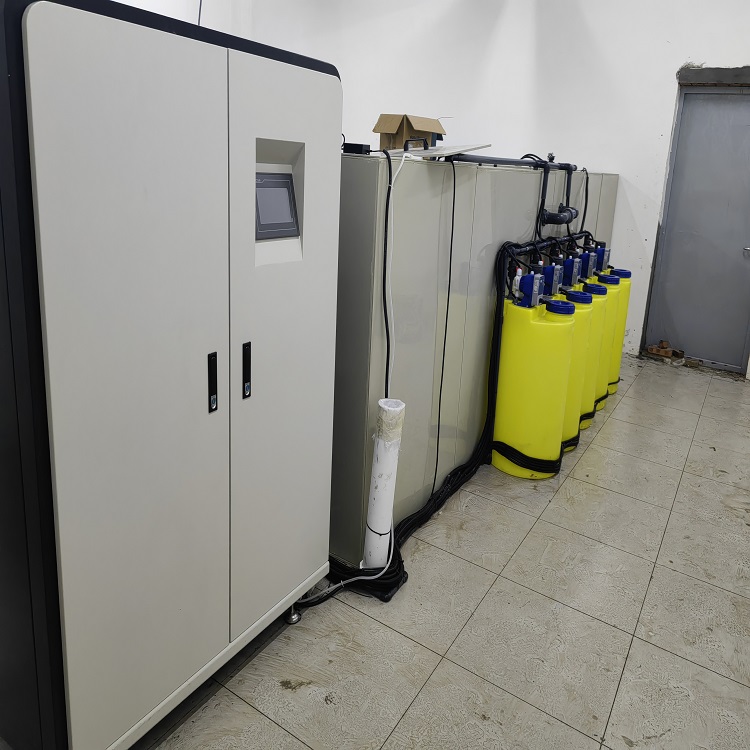
Quality Inspection Laboratory Sewage Treatment Equipment, Underground Wastewater Treatment Equipment, Mobile Design, Quankun
Features of Laboratory Wastewater Treatment Equipment:
Technologically advanced, fully automated operation, compact footprint, easy and convenient operation, no need for human monitoring.
Design Elements of Wastewater Treatment Equipment:
1. Laboratory wastewater sources: Comprehensive wastewater generated from laboratory drugs, reagents, test solutions, waste liquids, residual reagents, container cleaning, instrument cleaning, and leaks during the experimental process.
2. Daily Waste Water Treatment Capacity: T/D or L/D
3. Comprehensive laboratory wastewater composition: inorganic substances, organic substances, biological wastewater, etc.