
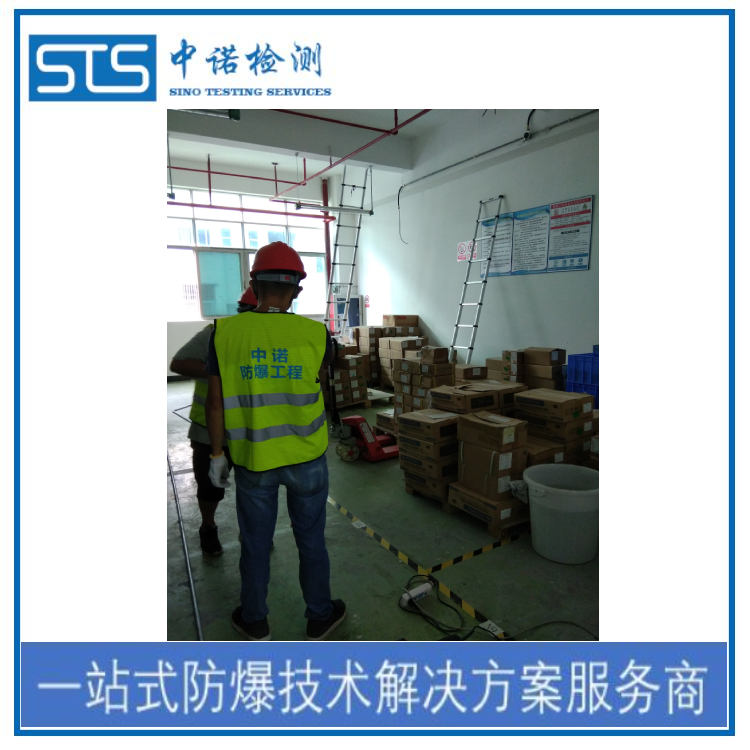











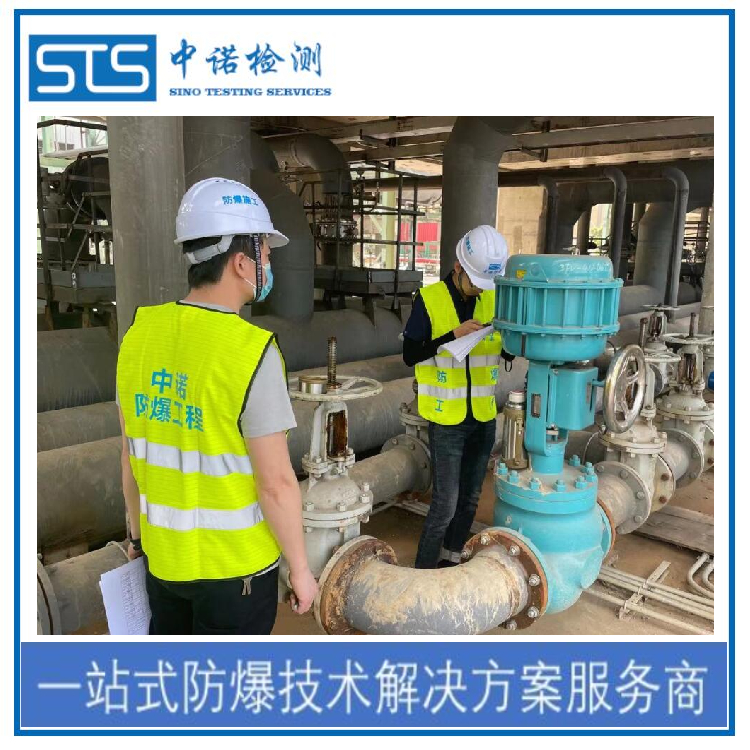
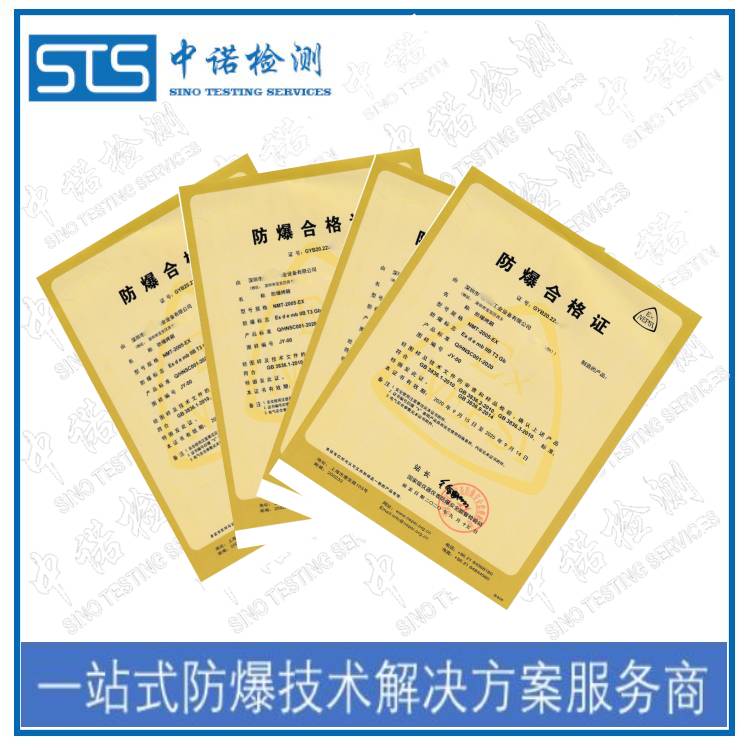
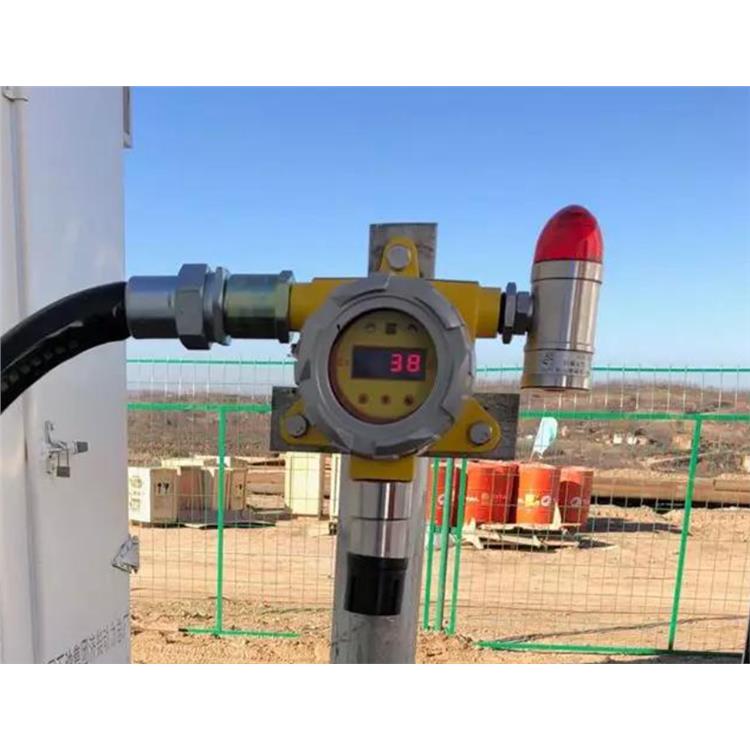



Shenzhen Zhongnuo Inspection & Technology Co., Ltd. is based in South China, offering on-site explosion-proof construction, safety inspections, renovations, project acceptance, and explosion-proof installation consulting services. We are well-versed in explosion-proof construction standards, boasting experienced construction teams and a wealth of construction experience. We have served major corporations such as PetroChina, LG, Hanlan Environment, BOE Technology Group, and Sinovac Biotech, receiving consistent praise and trust from our clients!
Shenzhen ZhongNuo Testing Technology Co., Ltd. offers explosion-proof construction services for hazardous areas involving explosive risks:
1. Explosion-proof site inspection and consultation
2. Explosion-proof engineering site construction and renovation
3. Explosion-proof construction acceptance
4. Explosion-proof electrical installation, maintenance, and renovation
5. Explosion relief walls, doors, and windows installation
6. Dust Removal Equipment Installation and Retrofitting Construction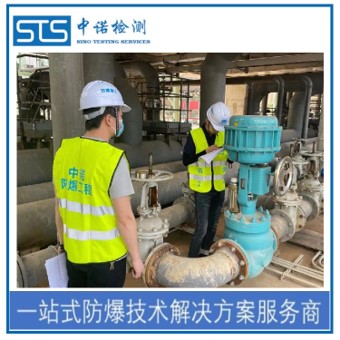
Basic Specifications for Explosion-Proof Electrical Construction (Shared by Shenzhen ZhongNuo Testing Technology Co., Ltd.)
Explosion-proof electrical construction differs from standard electrical construction due to the increased explosion-proof requirements of its environment. In accordance with industry standards, an explosive environment is defined as one where a mixture of gas, vapor, mist, or dust with air, upon ignition, can spread to the entire unburned mixture. An area where a large quantity of explosive gas environments or flammable dust environments is present or expected, necessitating special preventive measures for the structure, installation, and use of electrical equipment, is termed a hazardous area. Explosion-proof electrical construction refers to a task that meets the requirements for explosion-proof electrical equipment, conditions, and personnel, involving work in explosive environments and hazardous areas, with strong emphasis on safety.
General Requirements for Explosion-Proof Workshop Design (Shared by Shenzhen ZhongNuo Testing Technology Co., Ltd.)
4.1 Floor, Interior Wall
Areas producing flammable gases heavier than air or vapors of flammable or combustible liquids, as well as Class B production areas with dust or fiber explosion hazards, should use non-sparking floors. To prevent sparks, the floors can be made of rubber, plastic, rubber mixed with graphite, or asphalt concrete, etc.
Wall surfaces in workshops where combustible dust may settle should be plastered or painted to create easily cleanable (wiping paint) interiors.
4.2 Office, Break Room
For personnel safety, do not establish offices or restrooms in Class A or B production buildings with explosive hazards. If necessary, such rooms can be located outside the workshop, separated from the workshop by non-combustible walls with fire resistance of not less than 3.5 hours.
4.3 Electrical Equipment
Electrical equipment in explosion-proof workshops should be selected and installed with explosion-proof types based on different conditions, such as explosion-proof switches, explosion-proof motors, explosion-proof lighting, etc., and non-explosion-proof types should be strictly avoided.
4.4 Lightning Protection Facilities
In factories and workshops prone to explosions, in addition to installing lightning protection devices on the building itself, lightning rods should be installed around the building as required, ensuring the building is within the protected range of the entire lightning protection system, to prevent accidents caused by lightning strikes.
In the design of industrial factory buildings, different production processes have varying requirements for the structures. Precision instrument and equipment production facilities necessitate constant temperature, humidity, and cleanliness; while certain hot workshops and dust-laden areas demand excellent ventilation and dust removal systems. For industrial enterprises in the chemical, pharmaceutical, and petrochemical sectors, due to the risk of explosions during production, the design of the factory buildings must not only meet production process requirements but also seriously consider explosion prevention measures. In the event of an explosion, efforts should be made to minimize the loss of life and property. Shenzhen Zhongnuo Testing Technology Co., Ltd. shares its views on the design of buildings for explosive areas and electrical wiring systems, for your reference only.
Basic technical measures for explosion-proof in factory design
(1) For factories (such as plants) with explosive hazards throughout the entire industrial area, the overall planning and design should consider factors like the production processes, product types, production characteristics, and degree of danger of hazardous materials within the buildings. After determining the danger level of the buildings, zoning planning should be carried out. The distances between buildings within the hazardous material production area and surrounding villages, highways, railways, towns, and the factory's living facilities should be calculated based on the danger level of the buildings and the amount of stored drugs, and the maximum value should be taken according to regulations. If the required distances cannot be met due to site limitations, protective barriers must be installed, such as protective embankments or reinforced concrete walls. Protective barriers must be set for Class A buildings. Planning should be tailored to the specific conditions and terrain, making the most of the local geography for an optimal and reasonable layout.
(2) For production and workshop buildings within general industrial zones, it is advisable to locate them in the same area as much as possible. The distance between these buildings and general workshops should meet the safety distance requirements to facilitate unified handling of firewalls and other explosion-proof structural elements.
(3) Workshops with explosive hazards should be located in a single-story building. If the building must be multi-story due to process requirements, they should be placed on the upper floor.
(4) When local explosion-proof rooms are installed in general factory buildings or workshops, these rooms should be as close to the exterior wall as possible. Use specially designed windows that are easy to open outward. This makes it easier to address the area for pressure relief and facilitates extinguishing fires.
(5) In the factory, workshops with high and low risks should be separated by sturdy fire-resistant walls (brick or reinforced concrete walls). It is advisable to open doors on the exterior walls to facilitate communication between workshops using external corridors or balconies; or install double doors in the fire-resistant walls, positioning them as far apart as possible to minimize the impact of the explosion shockwave and reduce the scope of the explosion's effect.
(6) For equipment prone to explosion, it should be placed as close to the exterior wall or windows as possible, or outdoors, to minimize its destructive force.
(7) Production and storage of hazardous materials of different natures should be separated, such as those that must be kept apart from oxygen.
(8) Do not locate areas with explosive hazards in basements or semi-basements due to poor ventilation, which can significantly impact accidents and is不利于 evacuation and rescue efforts.
Explosion-proof electrical modifications and on-site explosion-proof construction consulting services for hazardous areas — Shenzhen Zhongnuo Testing Technology Co., Ltd.
WeChat Official Account

Scan to follow Official Account