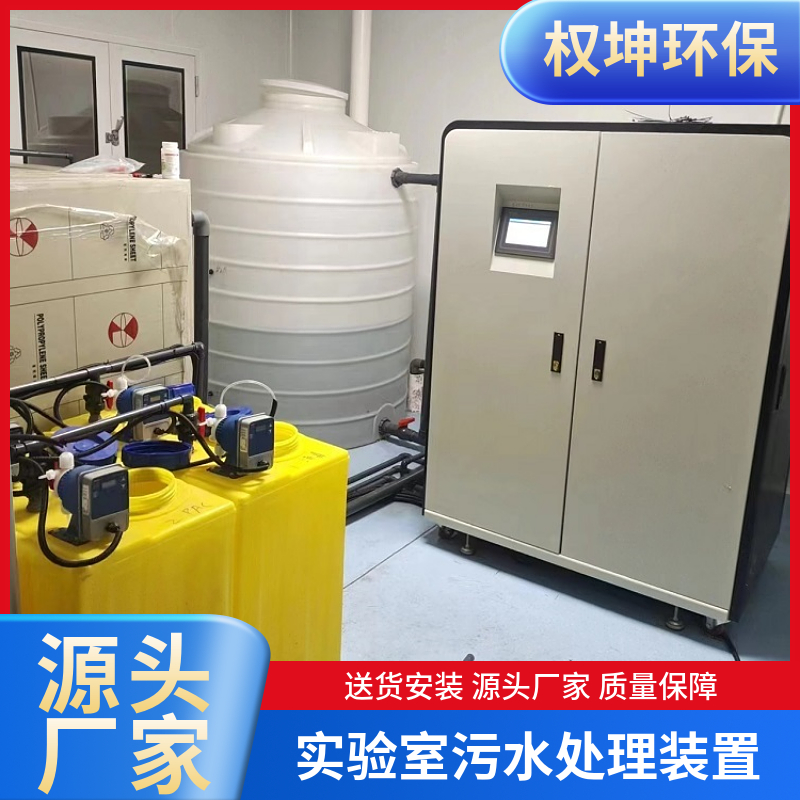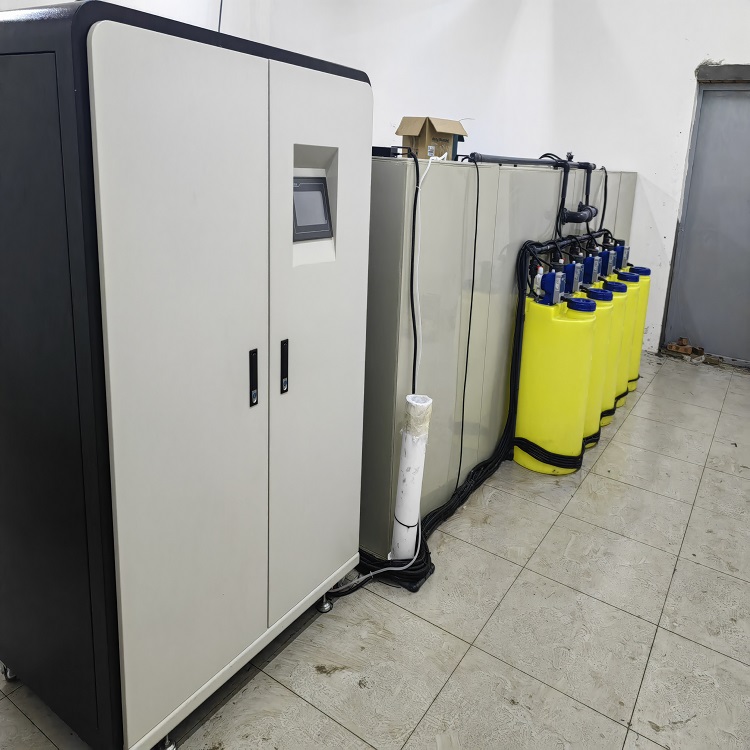

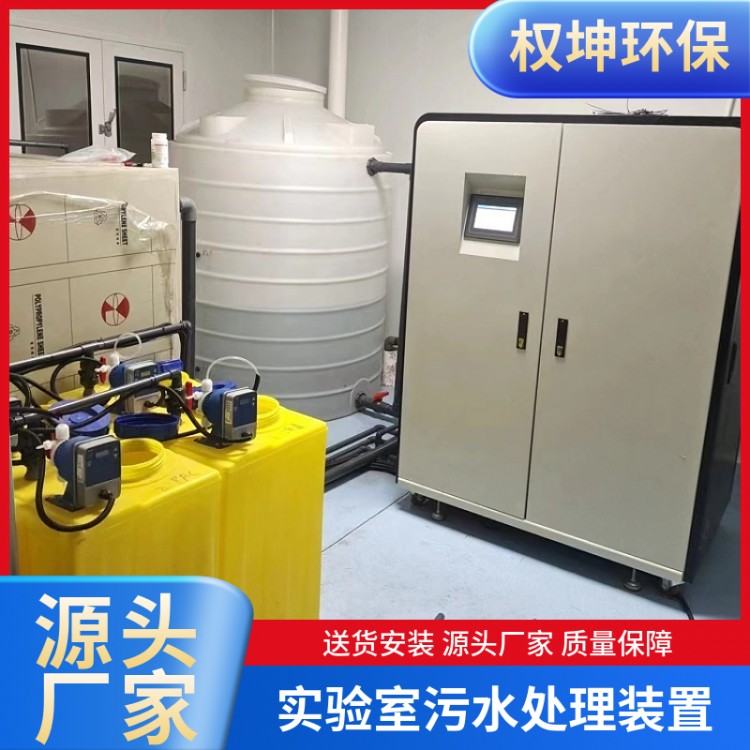

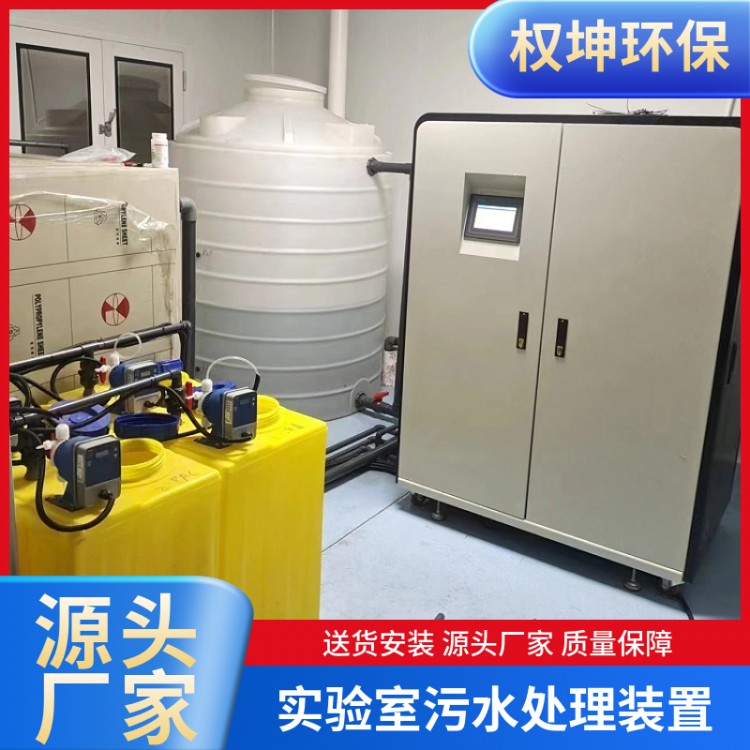
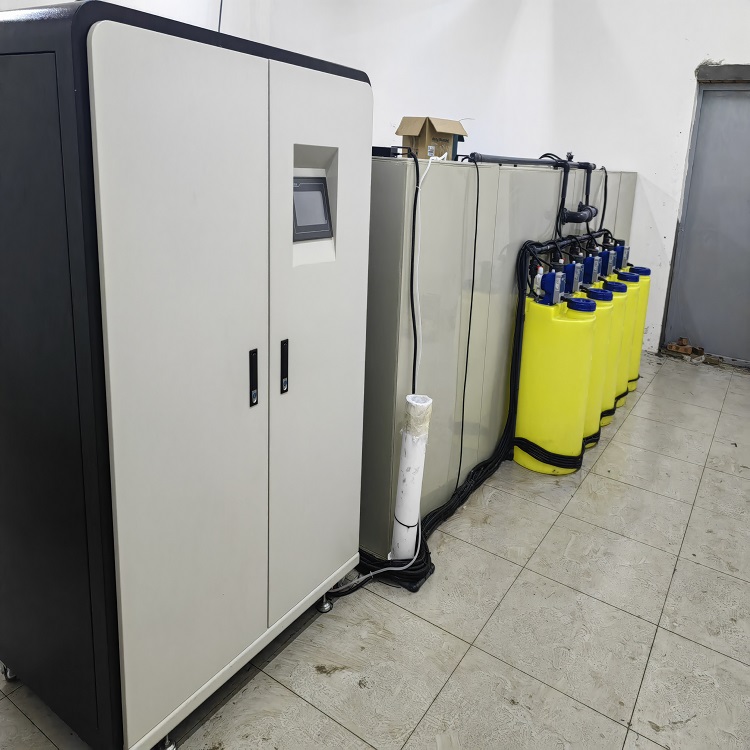
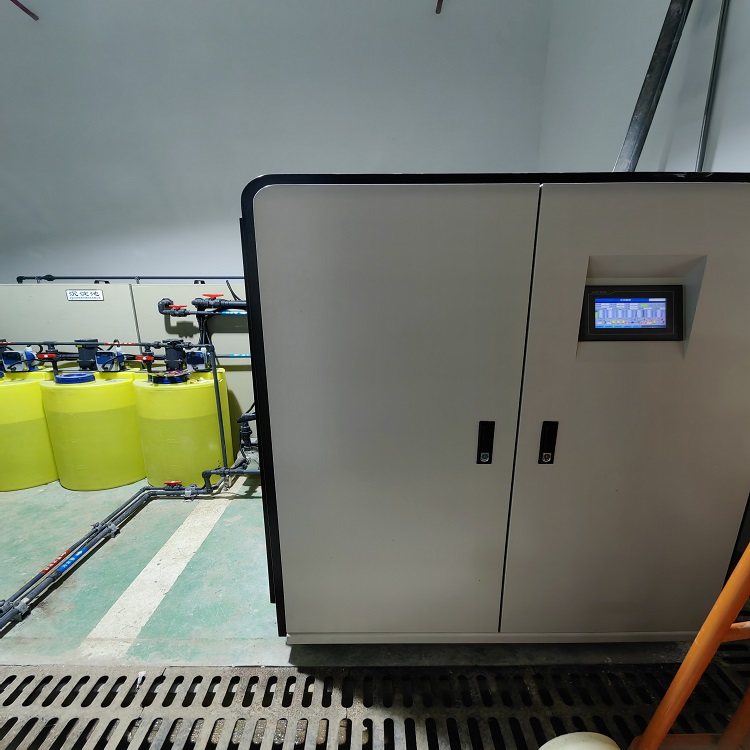







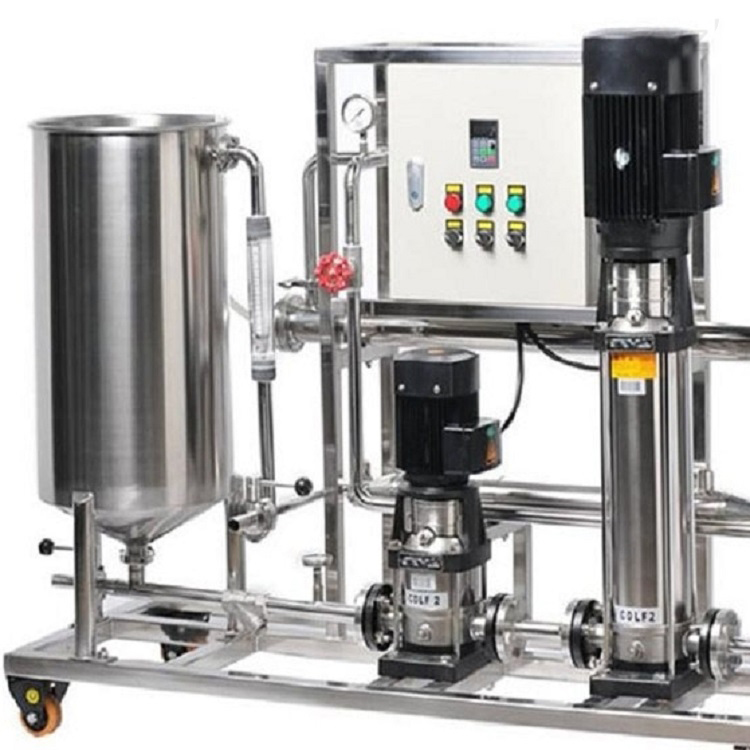
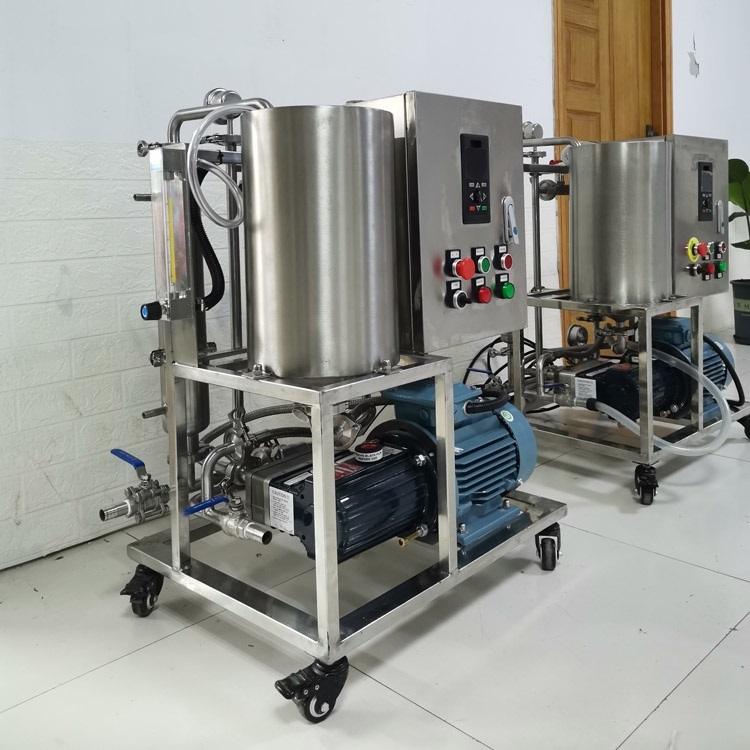
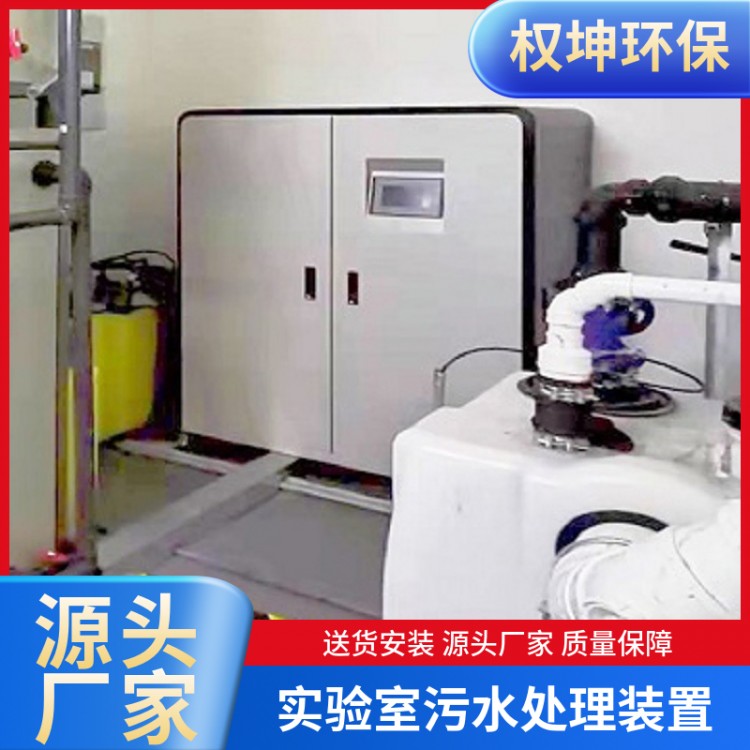
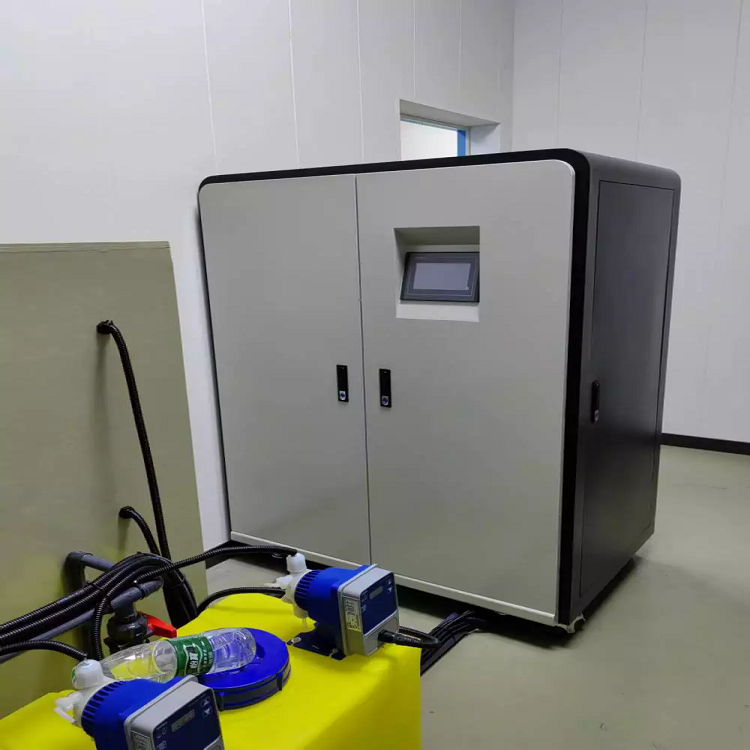
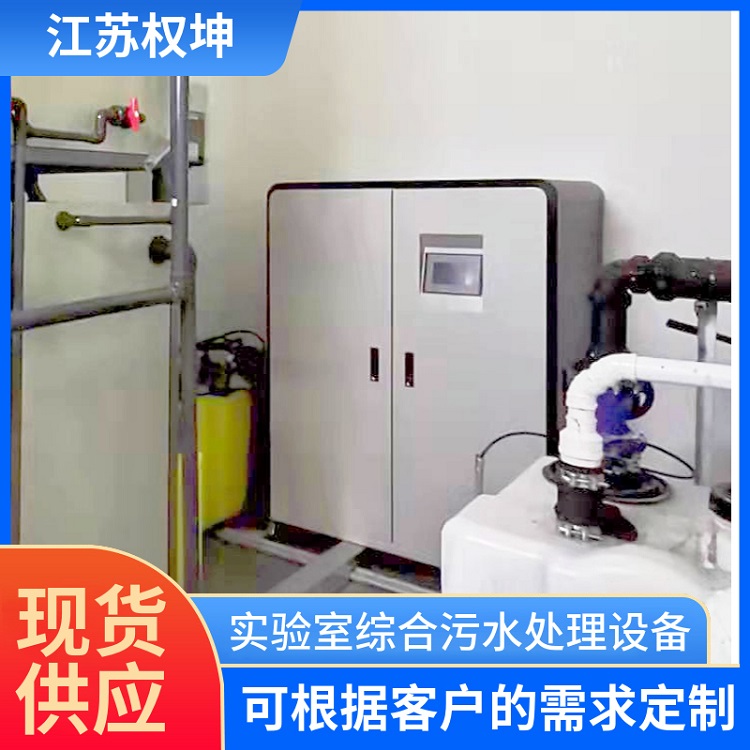
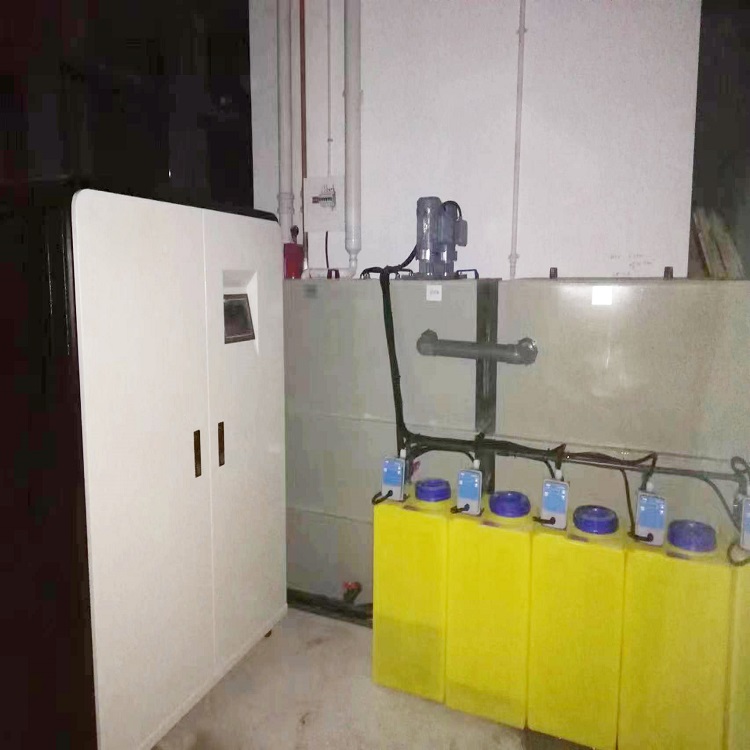
Middle School Lab Wastewater Treatment System, Mobile Design, Integrated Sewage Treatment Equipment
The configuration and operation of laboratory wastewater treatment equipment is a crucial part of environmental protection efforts in laboratories. By understanding the principles, types, selection criteria, and daily management and maintenance methods of wastewater treatment equipment, we can better choose and utilize appropriate treatment devices, ensuring the safe discharge of laboratory wastewater.

Types of laboratory wastewater treatment equipment:
Primarily used for removing suspended solids from wastewater. The wastewater remains in the sedimentation tank for a period, during which heavier particles settle to the bottom under the force of gravity, forming sludge, while the clarified liquid flows out to the next treatment stage.
2. Includes sand filters, activated carbon filters, etc., for removing fine particles, colloids, and some dissolved organic matter from wastewater. The filtering medium retains pollutants on its surface or inside through adsorption and interception.
3. Adjusts wastewater pH levels to meet discharge standards. By adding acid or base, neutralizes acidic or alkaline substances in the wastewater, forming harmless salts.
4. Utilize oxidizers or reductants to convert harmful substances in wastewater into non-hazardous or low-toxic materials. Common oxidizers include ozone and hydrogen peroxide, while common reductants are sodium sulfite and ferrous sulfate.
5. Utilizing the metabolic action of microorganisms, organic matter in wastewater is decomposed into carbon dioxide, water, and biomass. Bio-reactors can be classified into aerobic and anaerobic bio-reactors, with the former requiring oxygen and the latter operating in an oxygen-free environment.
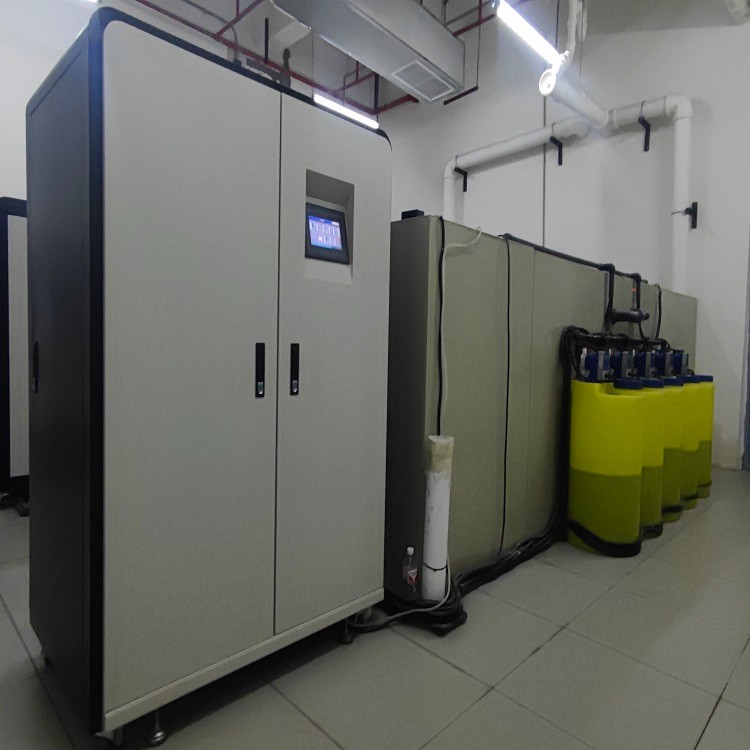
Laboratory wastewater treatment equipment and its functions:
Activated Carbon Adsorption Equipment: Utilizes the adsorption capability of activated carbon to remove organic pollutants from wastewater. Activated carbon is porous, allowing it to adsorb and immobilize harmful substances in wastewater, thereby purifying the water quality.
2. Membrane Separation Equipment: Utilizes membrane technology to separate solutes from wastewater via the selective permeability of the membrane. This equipment can effectively remove microorganisms, suspended solids, dissolved substances, and heavy metals from wastewater.
3. Ozone Oxidation Equipment: Utilizes the strong oxidizing properties of ozone to oxidize organic matter in wastewater. When ozone comes into contact with organic matter, it rapidly oxidizes and decomposes it, thereby purifying the wastewater. This equipment is suitable for removing harmful substances such as organic matter, odors, and colors from wastewater.
4. Sludge Dewatering Machine: Used for treating sludge generated during the wastewater treatment process. Extracts moisture from the sludge through mechanical pressing or centrifugal methods, achieving dewatering and reduction in sludge volume.
5. Electric control system and wastewater treatment unit: including sedimentation tank, internal electrolytic tank, micro-electrolytic tank,

When selecting and inspecting laboratory wastewater treatment equipment, the following factors should be considered:
Wastewater Quality: Understand the composition, concentration, and discharge standards of the wastewater to select the appropriate treatment process and equipment.
2. Treatment Capacity: Select equipment with appropriate treatment capacity based on the laboratory's wastewater generation and treatment requirements.
3. Operating Costs: Consider the total cost of equipment purchase, operation, and maintenance when selecting high-value-for-money equipment.
4. Ease of Operation: Choose equipment that is easy to operate and maintain, reducing the skill requirements for operators.
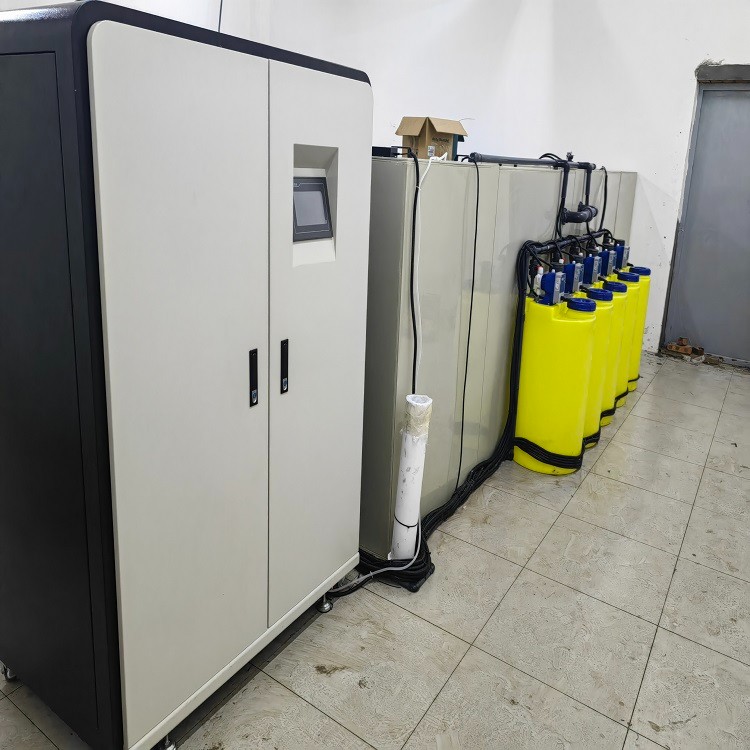
Proper operation and maintenance are crucial for ensuring the efficient operation of the wastewater treatment equipment in the inspection laboratory. Here are some suggestions for operation and maintenance:
Operate strictly according to the equipment's manual to prevent misuse that could damage the device or degrade the processing results.
2. Conduct regular inspections and maintenance of equipment to promptly identify and address any malfunctions or abnormal conditions.
3. Keep the equipment clean to prevent debris or dirt from affecting performance.
4. Regularly test treated wastewater to ensure the effluent quality meets relevant standards.

Middle School Lab Wastewater Treatment Unit, Mobile Design, Integrated Sewage Treatment Equipment
When selecting laboratory wastewater treatment equipment, consider the following factors:
Understand the composition, concentration, pH value, temperature, and other characteristics of wastewater to select the appropriate treatment process and equipment.
2. Determine the scale of required treatment equipment based on the laboratory wastewater generation. An oversized scale increases investment costs, while an undersized scale may not meet the treatment requirements.
3. Familiarize yourself with the local environmental department's specific requirements for wastewater discharge, ensuring the chosen equipment meets emission standards.
4. Consider factors such as energy consumption, chemical usage, and maintenance costs when selecting an economically reasonable treatment solution.
5. Prioritize equipment that is technologically mature, stable in operation, and easy to maintain to reduce operational risks.