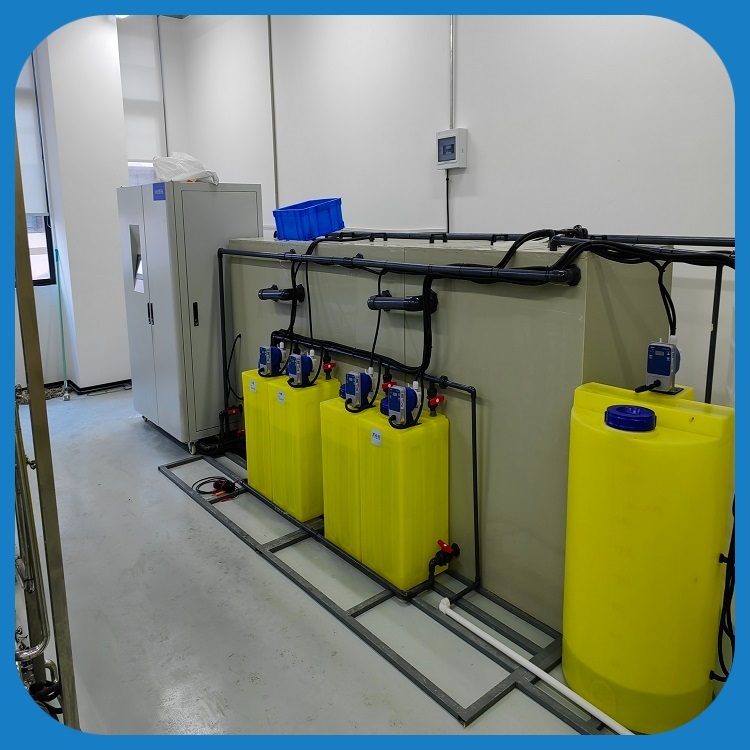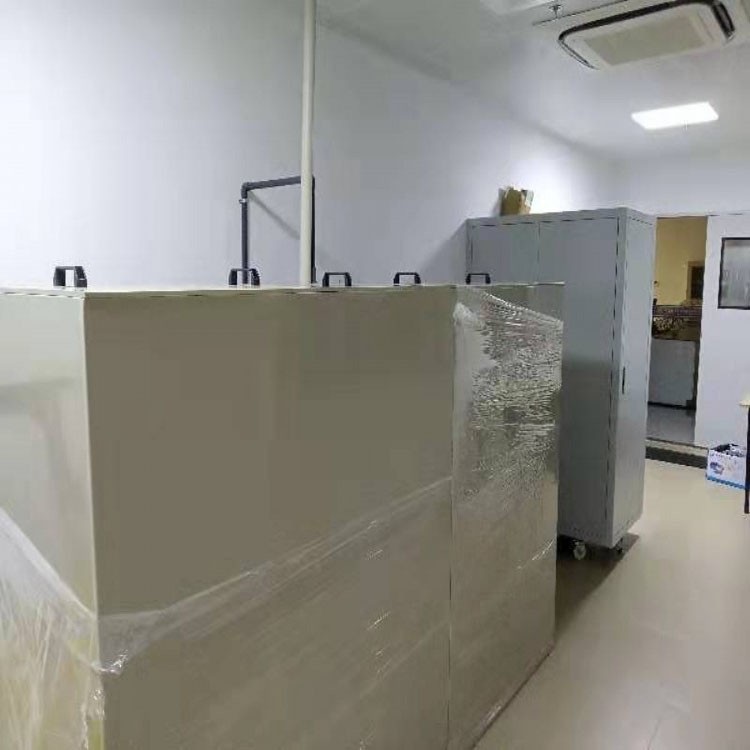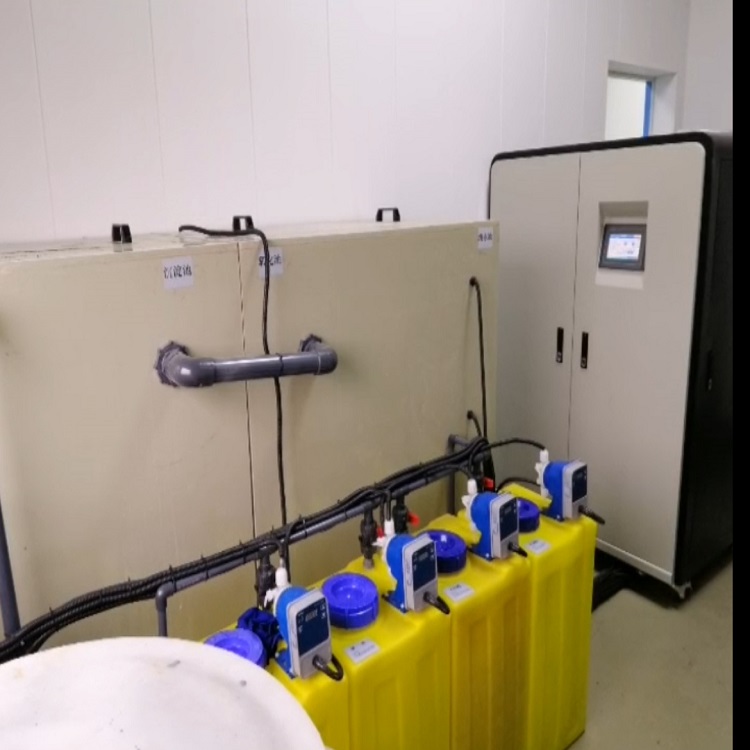

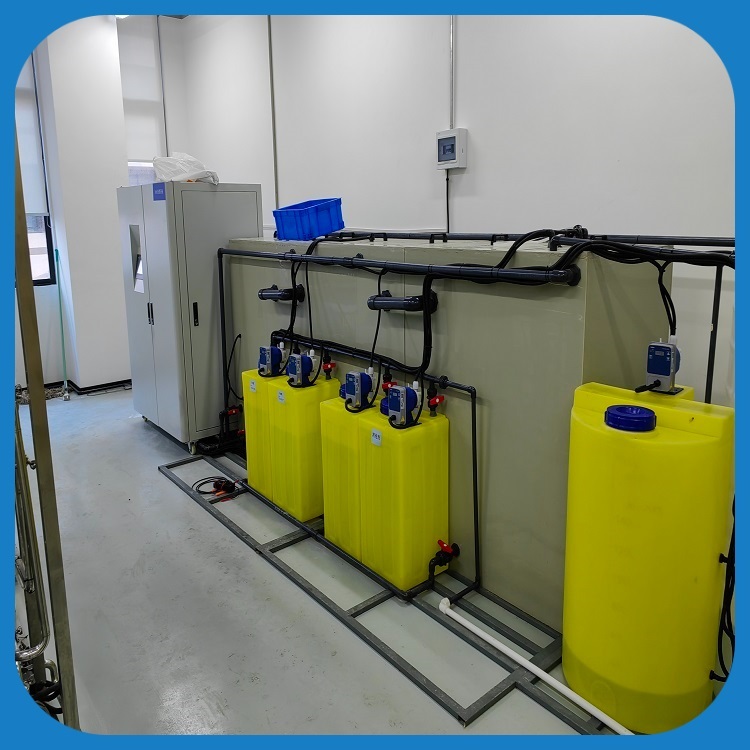

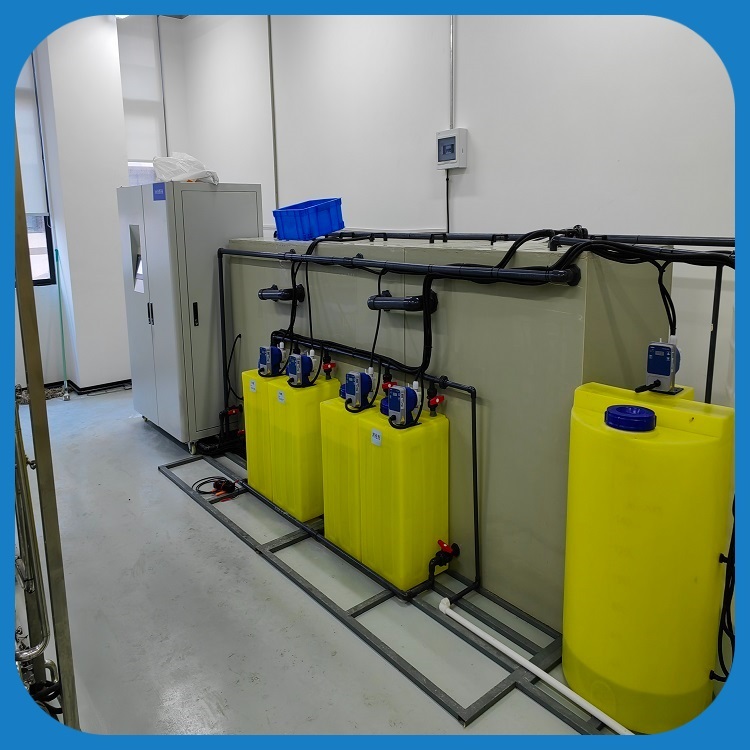
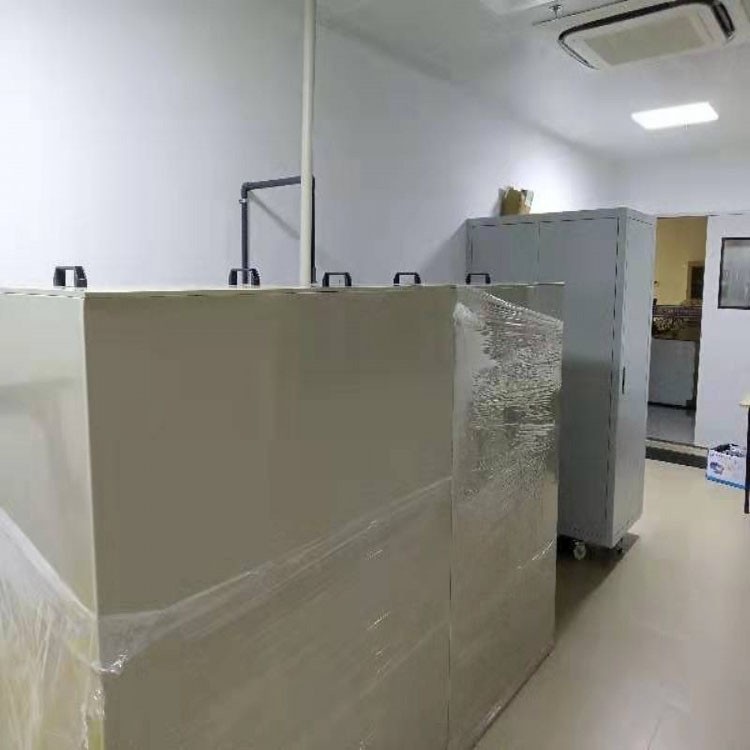
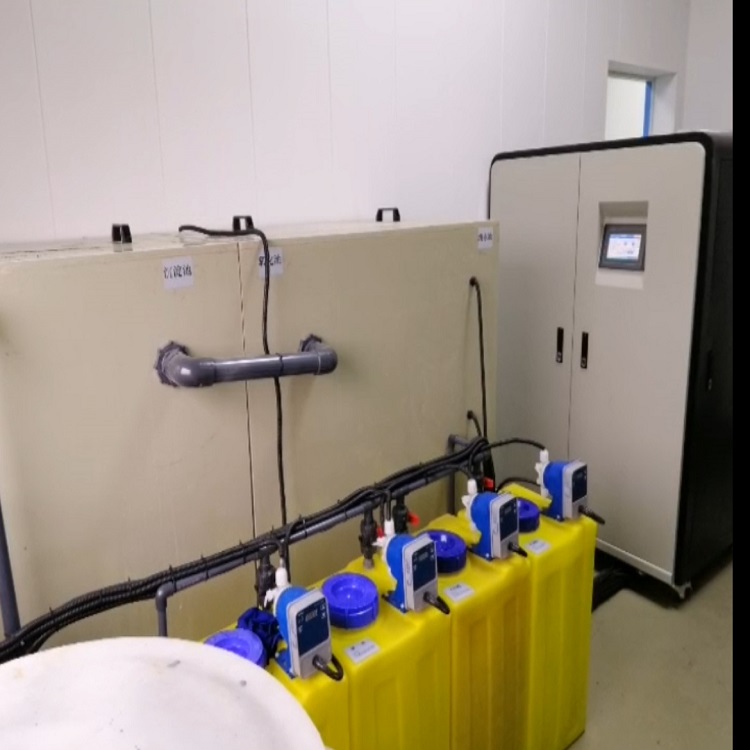







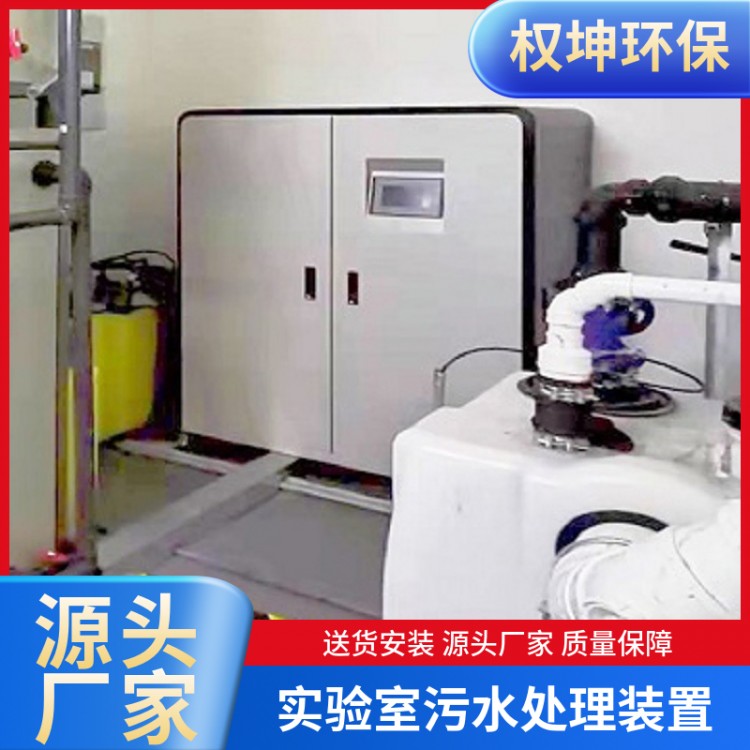
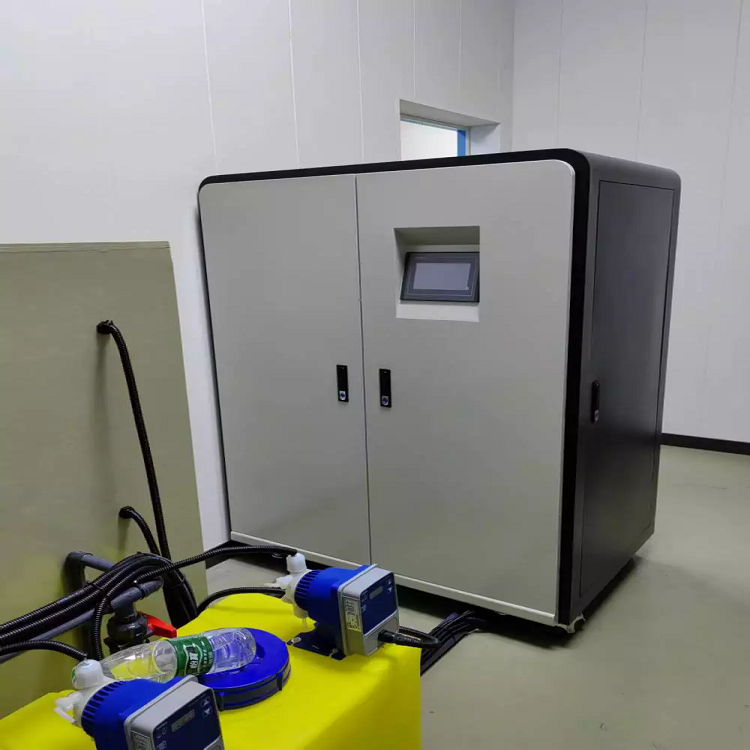
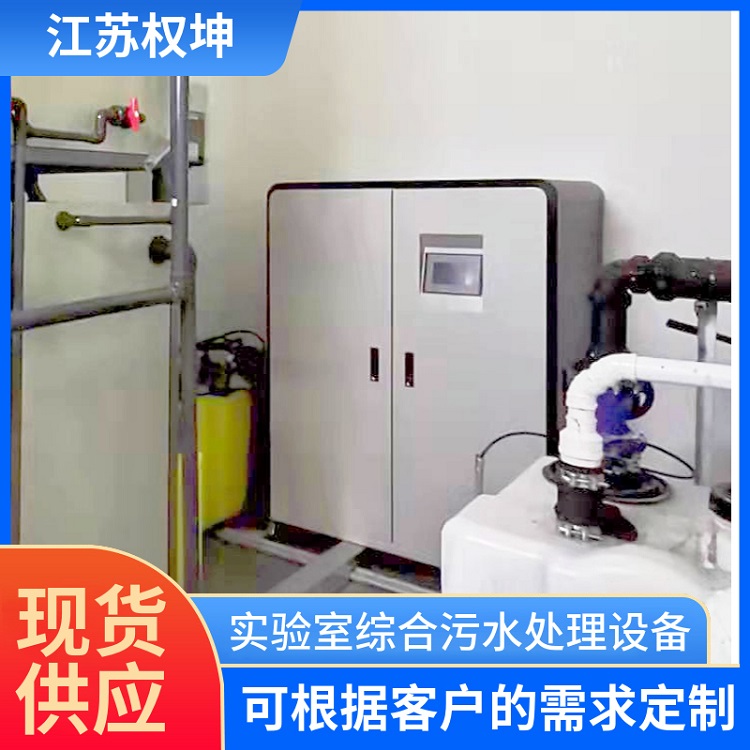
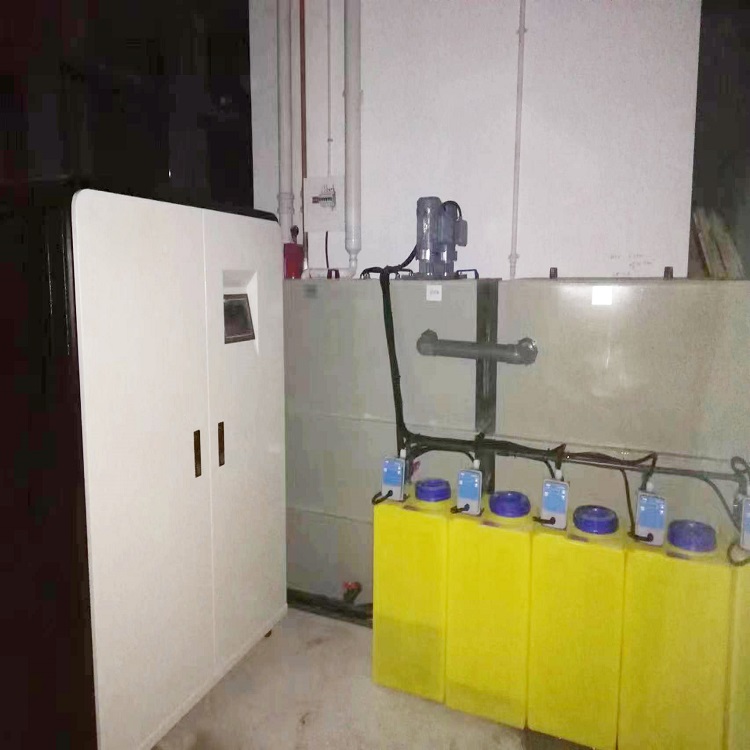
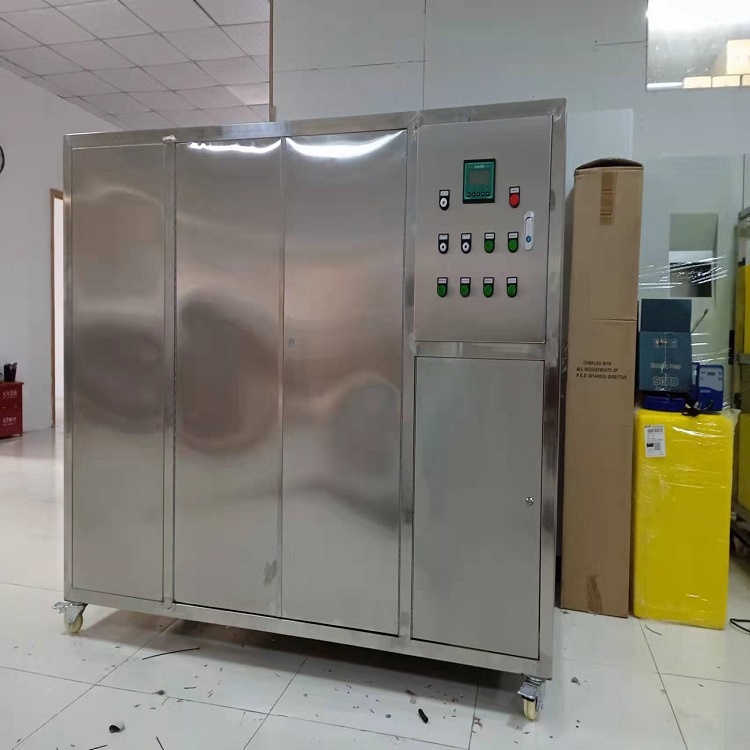
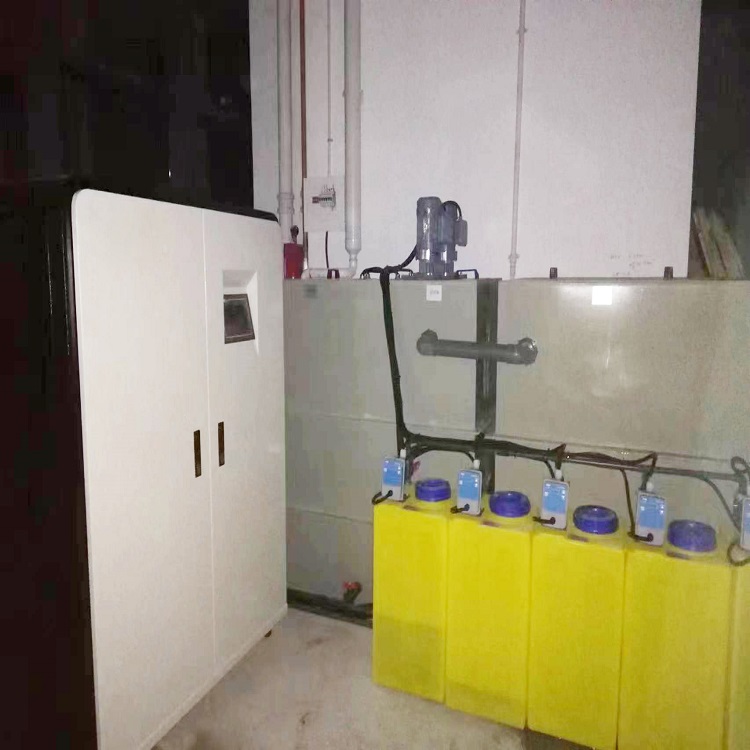
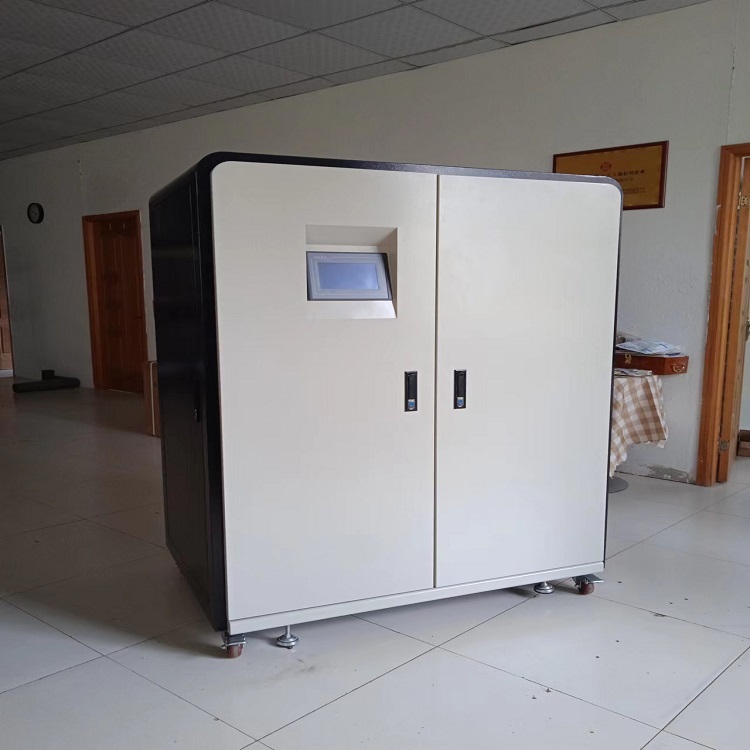
Nanjing Laboratory Wastewater Treatment System, Integrated Residential Wastewater Treatment Unit, Stable Operation
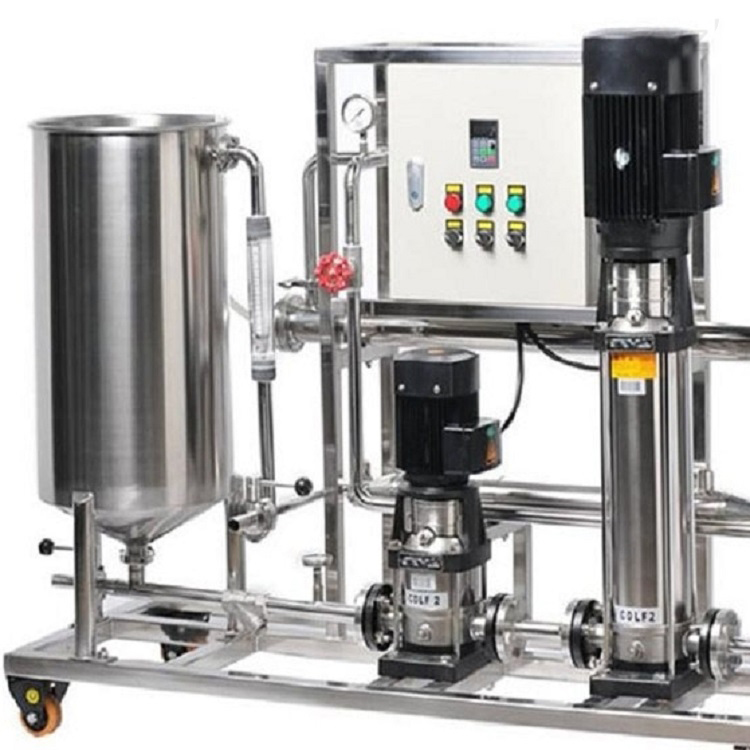
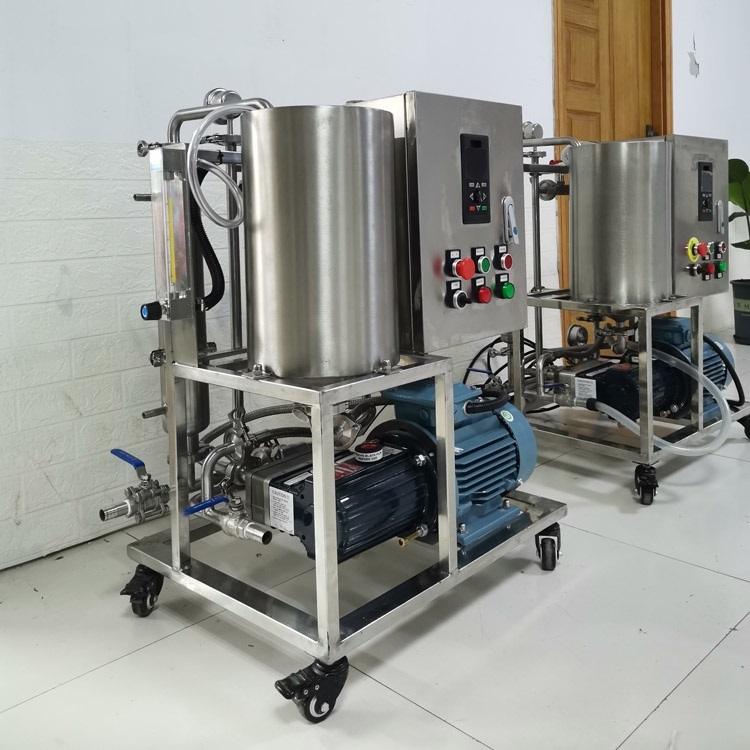
The comprehensive wastewater treatment equipment for laboratories processes agricultural production system, inorganic, and biological wastewater within the lab through units such as wastewater collection, automatic adjustment, coagulation-floatation mixing, flocculation-assisted sedimentation reaction, sedimentation separation, multi-stage high-pH oxidation treatment, multi-level decomposition degradation, microelectrolysis technology with high and low potential differences, electrochemical oxidation-reduction, two-stage agricultural production system biological activity treatment technology, and novel biochemical reaction treatment technology. This effectively removes COD, BOD, SS, color, and heavy metal ions from the wastewater. Different treatment techniques and control systems are employed based on the composition of various experimental wastewater.
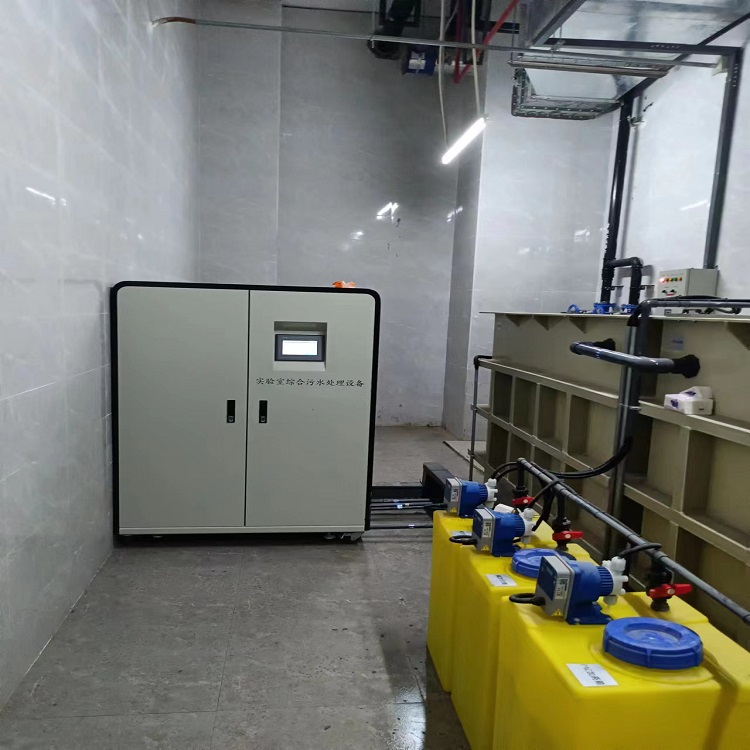
Features of Laboratory Water Treatment Equipment:
1. Capable of denitrification and phosphorus removal, the equipment can be adjusted to meet the treatment requirements for industrial wastewater, domestic wastewater, and urban wastewater.
2. The equipment has strong impact load resistance, with an average residence time in the contact oxidation process exceeding 6 hours.
3. Equipment discharge water quality is stable, with minimal sludge production and easy handling.
4. The equipment features an aeration blower installed in the contact oxidation tank for aeration, which allows fibers to continuously float and ensures uniform aeration. This promotes the growth and maturation of microorganisms within the tank, exhibiting characteristics of the activated sludge process.
5. Water treatment equipment can be placed above ground or buried underground. This reduces the land area required, conserving land usage. When buried, the top can be covered with a layer of greenery.
6. The equipment not only employs conventional silencer measures with blowers but also features new sound-absorbing materials installed on the interior walls of the blower room, ensuring the operational noise is below 50 decibels, thereby minimizing the impact on the surrounding environment.
7. Submersible pumps can be installed within the equipment, saving costs.
8. Easy to operate, convenient, labor-saving, with both manual and automatic operation options.
When selecting a small-scale laboratory wastewater treatment unit, consider the following factors:
Wastewater Quality: We require information on the composition, concentration, pH level, etc., of the wastewater to select the appropriate treatment process.
Treatment Capacity: Select an appropriate treatment capacity based on the laboratory's wastewater generation.
Understand the local wastewater discharge standards to ensure that the treated wastewater meets the standards for discharge.
Operating Costs: Consider the energy consumption of the equipment, reagent usage, and maintenance fees.
Operation and Maintenance: Select equipment that is easy to operate and convenient to maintain.
Types of laboratory wastewater treatment equipment:
Primarily used for removing suspended solids from wastewater. The wastewater is held in a sedimentation tank for a period, during which heavier particles settle to the bottom under gravity, forming sludge, while the clarified liquid flows out to the next treatment stage.
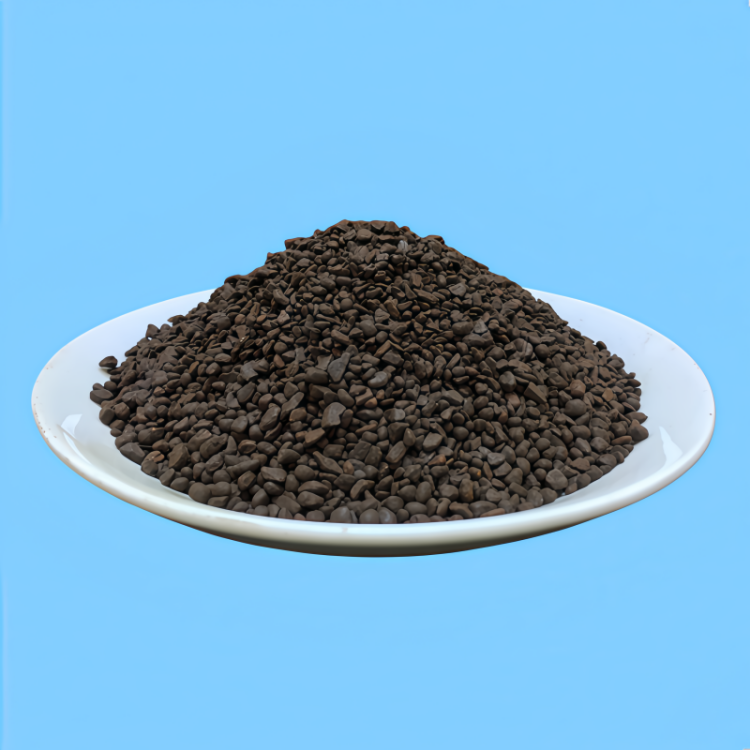
2. Includes sand filters, activated carbon filters, etc., used for removing fine particles, colloids, and some dissolved organic matter from wastewater. The filtration medium retains pollutants on or within its surface or interior through adsorption and interception.
3. Adjusts the pH level of wastewater to meet discharge standards. Neutralizes acidic or alkaline substances in the wastewater by adding acid or alkali, forming harmless salts.
4. Utilize oxidizing or reducing agents to convert harmful substances in wastewater into harmless or low-toxic substances. Common oxidizing agents include ozone and hydrogen peroxide, while reducing agents include sodium sulfite and ferrous sulfate.
5. Utilize the metabolic action of microorganisms to decompose organic matter in wastewater into carbon dioxide, water, and biomass.
Laboratory wastewater classification and characteristics:
Laboratory wastewater can be categorized into three main types based on its source and nature: inorganic wastewater, organic wastewater, and biological wastewater. Inorganic wastewater primarily contains heavy metal ions (such as lead, mercury, cadmium, chromium, etc.), acidic and alkaline substances, and cyanides; organic wastewater includes organic solvents (such as benzene), dyes, and pesticide residues; biological wastewater may carry pathogenic microorganisms or residual tissue from laboratory animals. These wastewaters typically exhibit the following characteristics:
Composition complex: Wastewater from different experiments can vary greatly, potentially containing multiple pollutants simultaneously.
2. Large Concentration Fluctuations: Waste water discharge is discontinuous during the experiment, which may cause sudden spikes in pollutant concentration.
3. High toxicity: Some wastewater contains carcinogenic, teratogenic, or bioaccumulative substances.
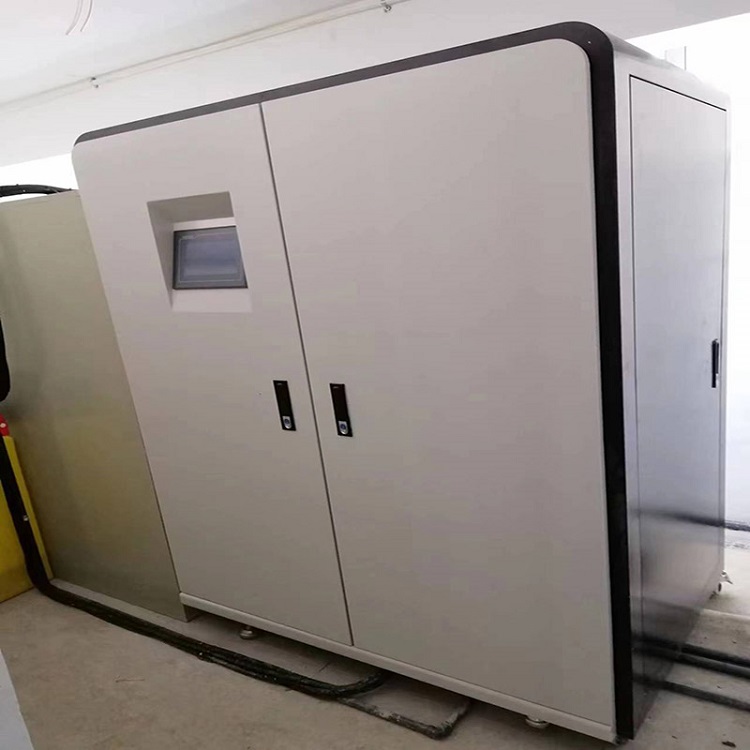
Nanjing Laboratory Sewage Treatment Equipment, Integrated Sewage Treatment Unit, Stable Operation
Lab Wastewater Treatment Equipment Application Range:
A highly automated comprehensive wastewater treatment system for laboratories, with excellent treatment results, minimal land use, easy operation and management, and no need for dedicated personnel. This specialized system is widely appreciated by users and is extensively used in various industries at home and abroad. It is applied in universities, research institutions, food and drug inspection, product quality inspection, disease control centers, environmental monitoring, agricultural product quality inspection, inspection and quarantine, grain and oil testing, animal disease control, blood stations, livestock breeding, health institutions, hospitals, biopharmaceuticals, petrochemicals, and various laboratory and testing rooms. The treated wastewater meets the first, second, and third-grade standards of the Comprehensive Wastewater Discharge Standard [GB8978-1996]. The treated wastewater can be discharged into the municipal sewage pipeline or surface and river water, or can be reused through further treatment processes.