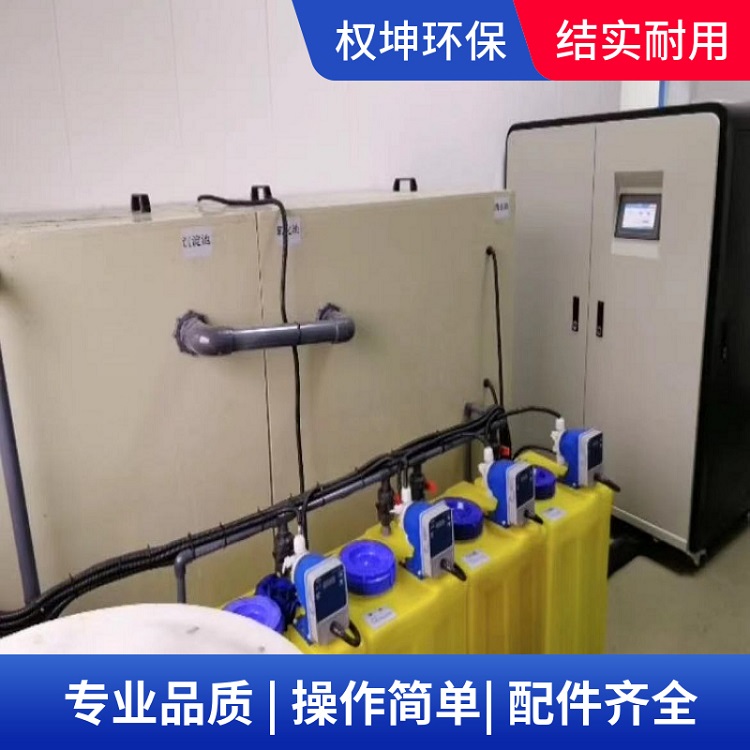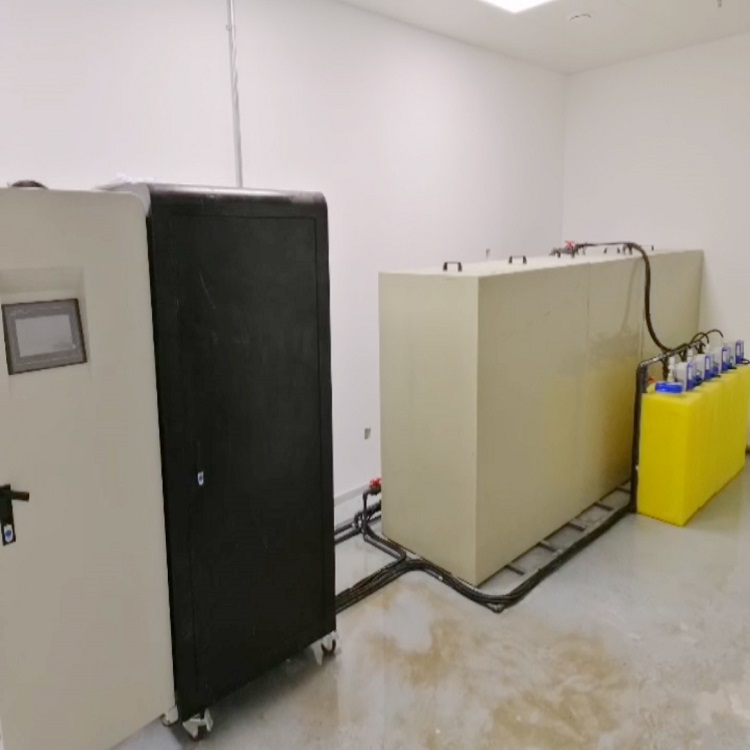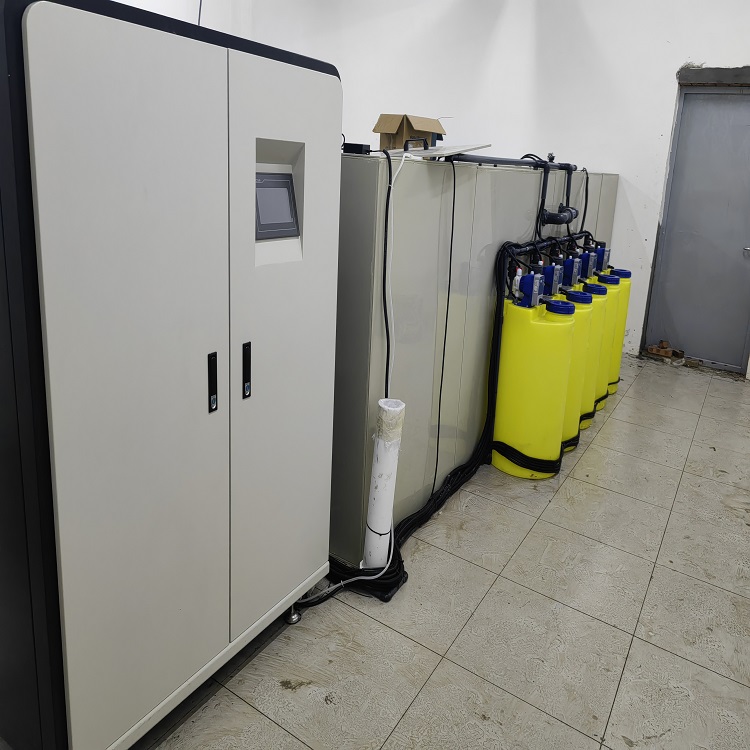







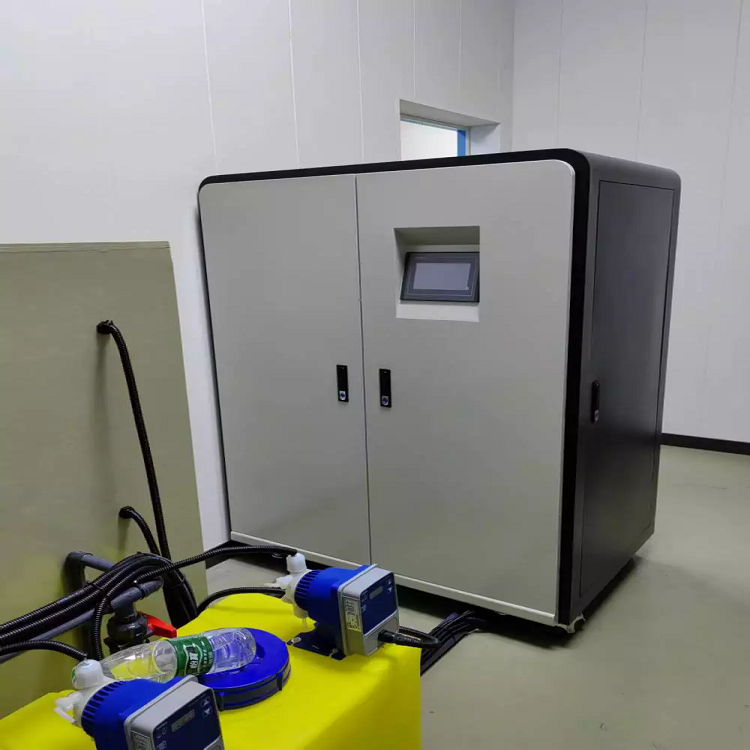
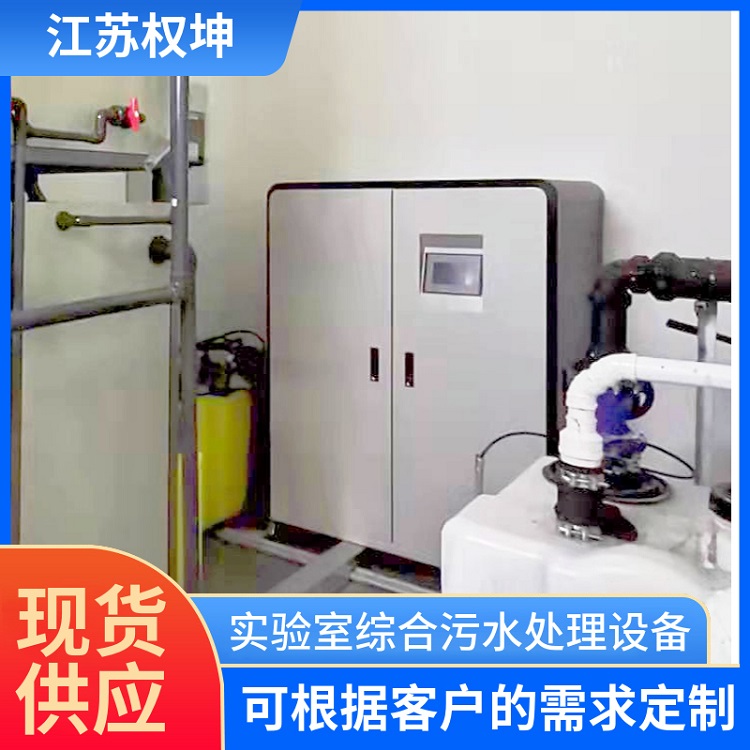
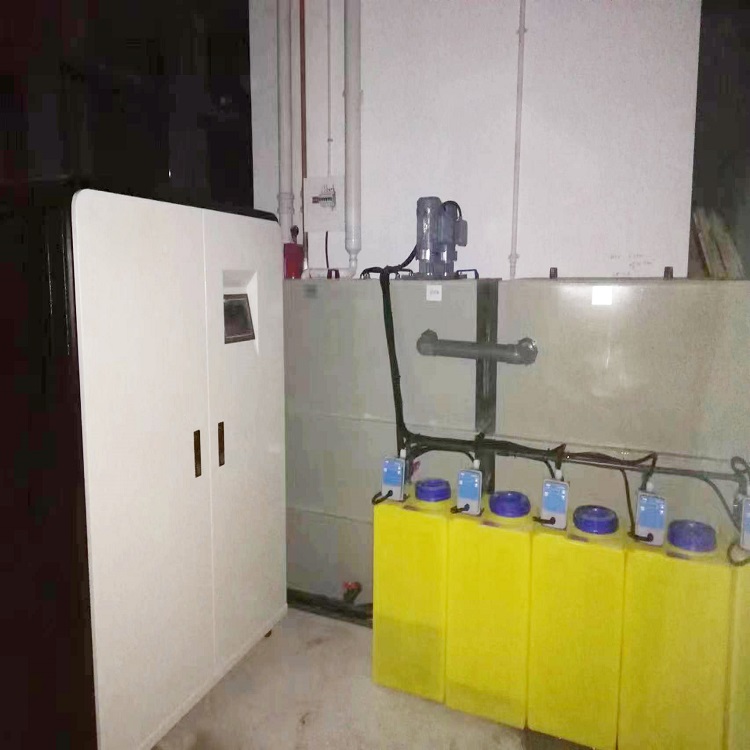
Quan Kun High-Tech University Laboratory Sewage Treatment Equipment, Sewage Treatment Plant Equipment Manufacturer, Easy to Operate, Quan Kun
University laboratory wastewater significantly differs from ordinary domestic wastewater or industrial effluent, characterized by the following features:
Composition complex: Wastewater from laboratories in different disciplines varies greatly, chemical laboratories may contain strong acids and bases, heavy metal ions; biological laboratories may contain pathogenic microorganisms; laboratories may contain radioactive materials, etc.
2. Large water volume fluctuations: Experimental activities are intermittent, leading to unstable wastewater discharge volumes, with concentrated emissions during peak periods.
High pollutant concentration: The concentration of certain pollutants (such as mercury, chromium, etc.) in some experimental wastewater may far exceed the emission standards.
4. High toxicity: Some organic solvents or synthetic intermediates have biological toxicity, which is difficult to degrade by conventional treatment methods.

These characteristics present challenges in laboratory wastewater treatment, such as high technical difficulty and complex process combinations, which often make conventional wastewater treatment methods insufficient.
Laboratory wastewater treatment should adhere to the following principles:
Categorize Collection: Collect waste water based on its characteristics to avoid mixing different types, which can increase treatment difficulty or cause hazardous reactions.
2. Source Control: Minimize pollutant generation through methods such as micro-experiments and alternatives to toxic reagents.
3. Decontamination: Ensure the treated wastewater meets national or local discharge standards.
4. Safe Operation: Pay attention to safety protection during the handling process to avoid accidents such as poisoning and explosion.

Laboratory wastewater treatment typically follows the following process:
1. Collection and Categorization: Collect laboratory wastewater by nature and segregate it into different containers.
2. Pretreatment: Perform corresponding pretreatment based on the characteristics of the wastewater, such as neutralization, sedimentation, oxidation, etc.
3. Comprehensive Treatment: After pretreatment, the wastewater is discharged into the comprehensive treatment system for further processing.
4. Deep Treatment: Deep treatment is conducted as required using methods such as membrane separation and activated carbon adsorption.
5. Disinfection: Treat the processed wastewater with disinfection to ensure that pathogenic microorganisms meet the standards.
6. Monitoring and Emission: Monitor treated wastewater to ensure compliance before discharge.

Laboratory wastewater exhibits the following distinct characteristics compared to industrial wastewater or domestic sewage:
Complex composition: Covers inorganic substances (such as heavy metal ions), organic substances (such as benzene derivatives, halogenated hydrocarbons), biological preparations, etc., with significant fluctuations in concentration.
2. High toxicity: Some reagents like cyanides and arsines are highly toxic and require special handling.
3. Irregular emissions: The experimental cycle leads to fluctuating wastewater discharge volumes, demanding high stability of the equipment.

Quan Kun High-Education Laboratory Sewage Treatment Equipment, Sewage Treatment Plant Equipment Manufacturer, Easy Operation, Quan Kun
Mainstream processing techniques and equipment selection:
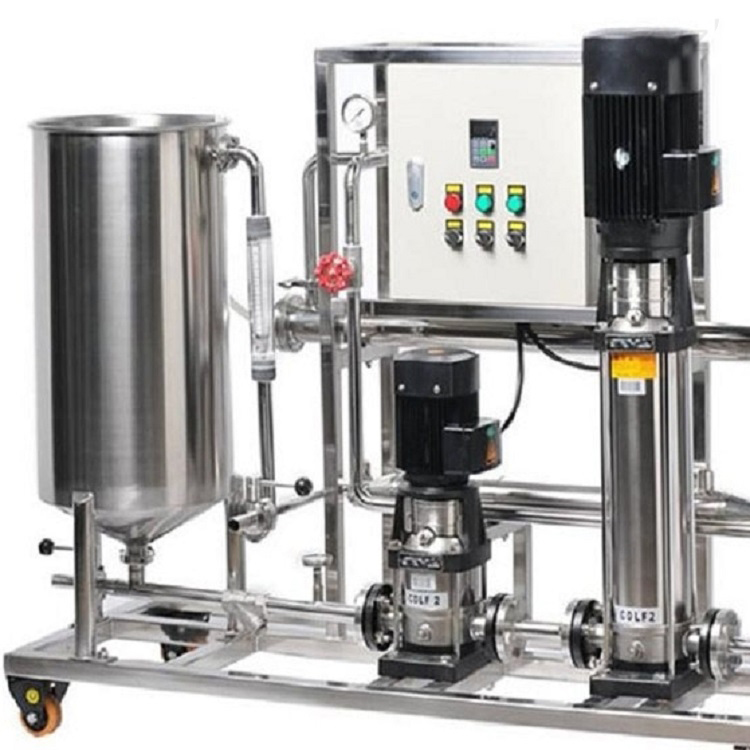
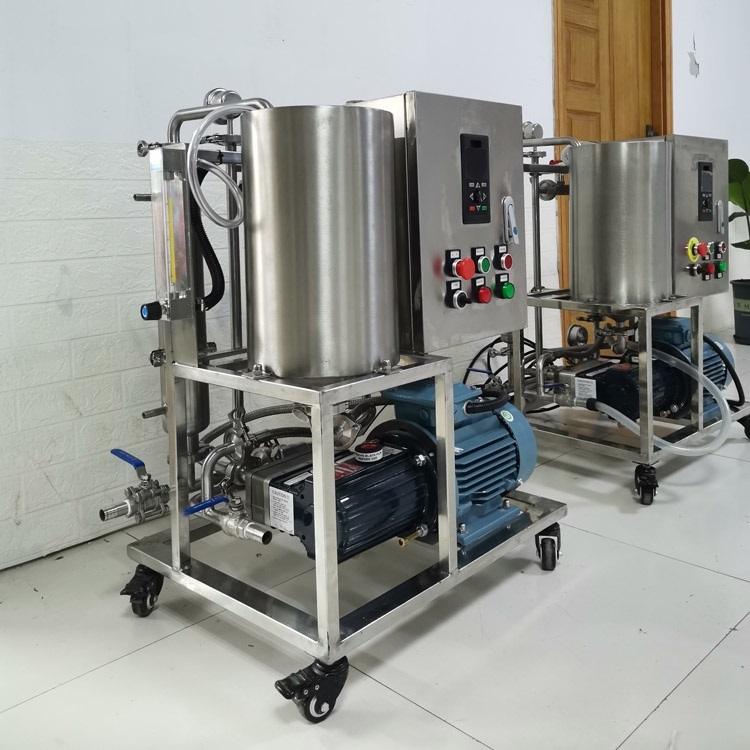
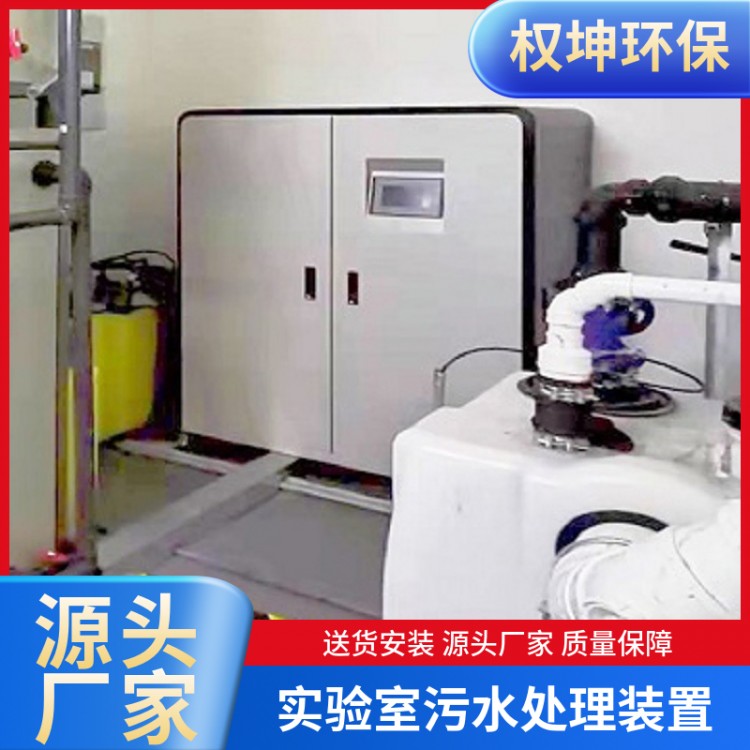
Integrated comprehensive processing equipment
Technical Principle: Integrates multi-level treatment units such as pH adjustment ponds, flocculation sedimentation ponds, membrane filtration modules, etc., with a high degree of automation.
2. Heavy Metal Special Treatment Equipment
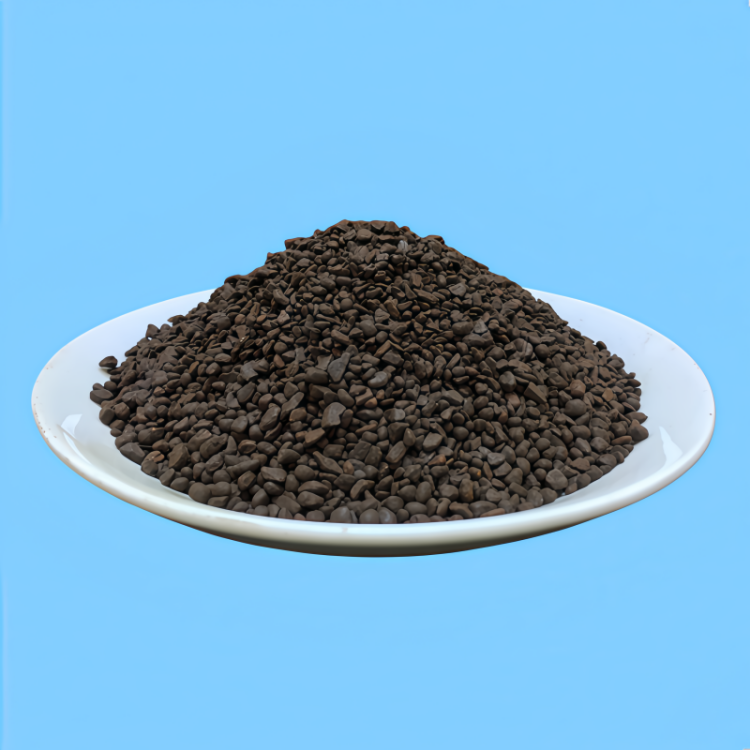
Technical Core: Utilizes ion exchange resins or chemical precipitation methods to specifically remove heavy metals such as lead, mercury, and cadmium.
3. High-concentration Organic Wastewater Treatment Equipment
Solution: Advanced oxidation technology (reaction, ozonation catalysis) breaks down non-biodegradable organic matter, supplemented by activated carbon adsorption of residual pollutants.