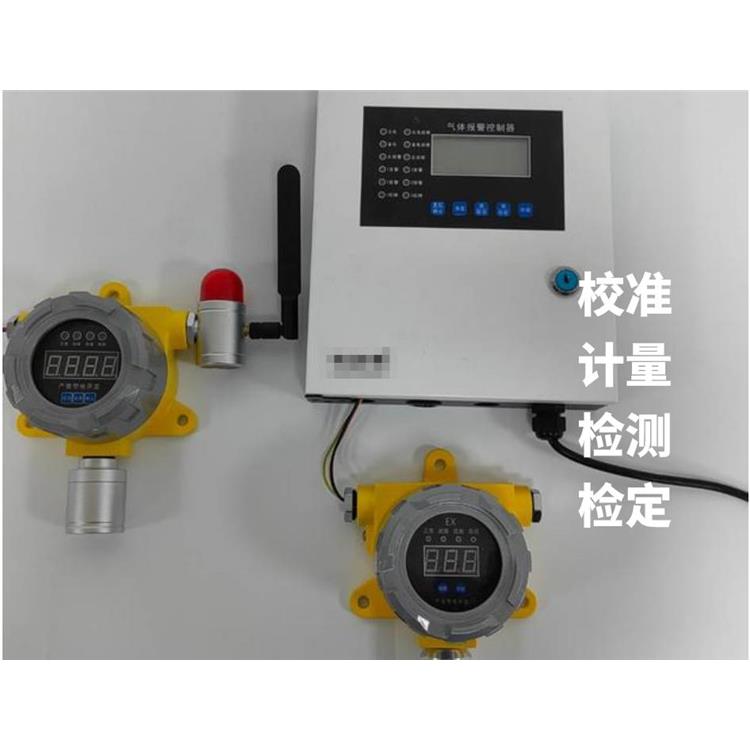

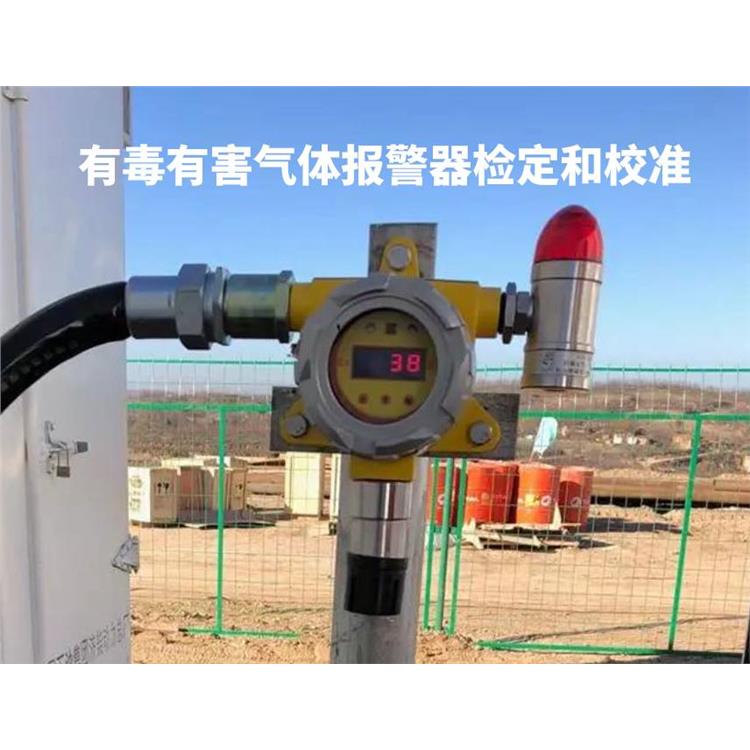
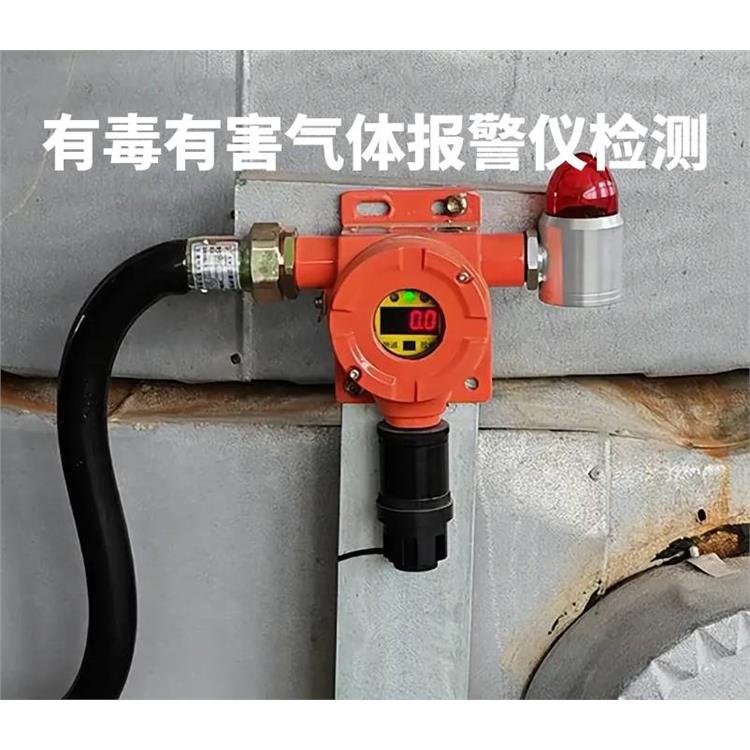











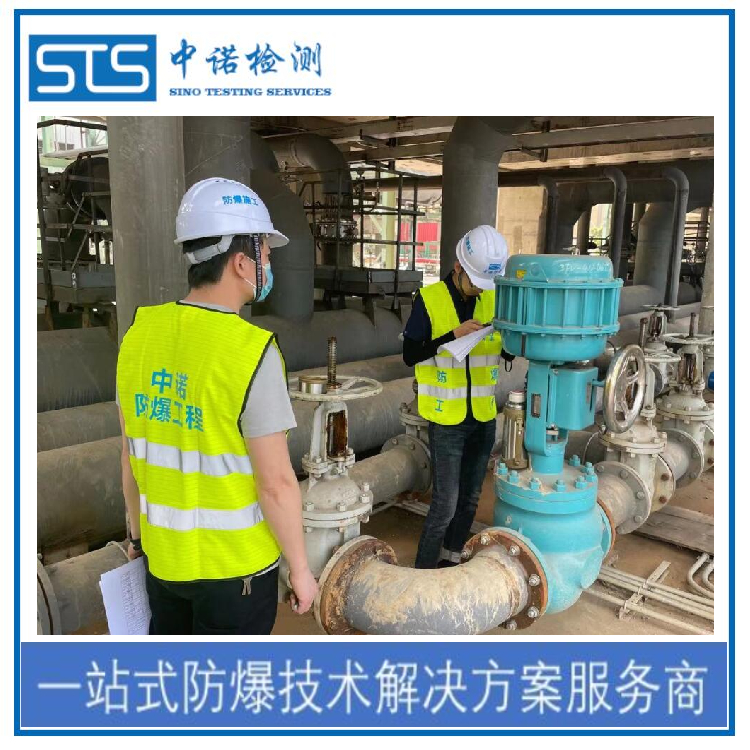
Shenzhen Zhongnuo Testing Technology Co., Ltd. specializes in the calibration, verification, and metrological services for equipment such as gas alarms, combustible gas detectors, and harmful gas detection instruments at various locations. With qualifications to serve nationwide, we provide solutions to electrical safety and explosion-proof fire prevention issues for customers, promoting safe production.
Regular Calibration Content for Gas Detectors
Installation spacing of inspection (testing) points
2. Installation Height of the Detector
3. Indicated Error (Concentration)
Repetitive (Concentration)
5. Alarm Error (Concentration)
6. Response Time (Seconds)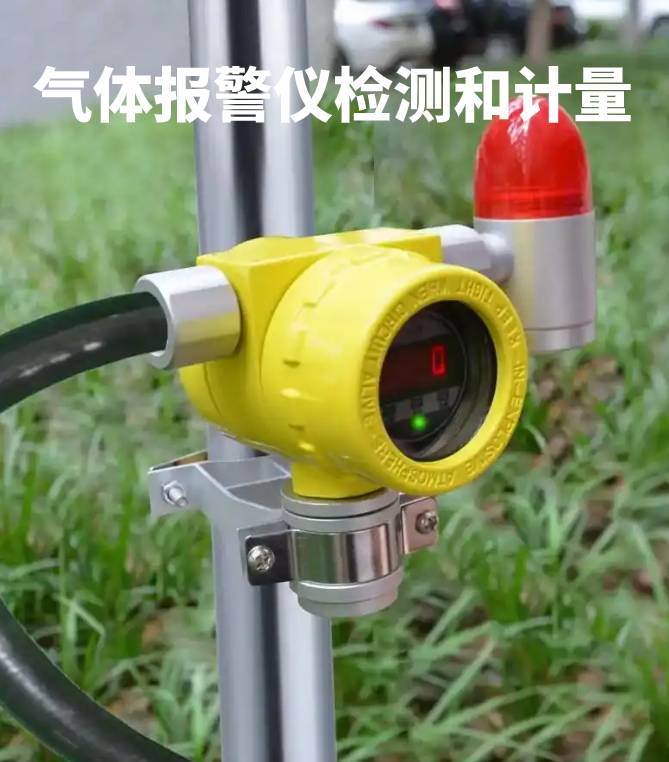
Inspection Method
Appearance and structure
Inspect visually and by touch according to the requirements of 4.1
Logos and Branding
Inspection to be conducted as per requirement 4.2.
Power-on inspection
Inspect visually and by touch in accordance with 4.3 requirements to check the 5.3.4 alarm function and alarm action values.
Introduce a standard gas substance with a concentration exceeding the alarm set point, causing the instrument to trigger an alarm. Observe whether the instrument's sound and light alarm function properly and record the instrument's reading at the time of alarm. Repeat the measurement three times; the arithmetic mean of the three readings is the instrument's alarm action value.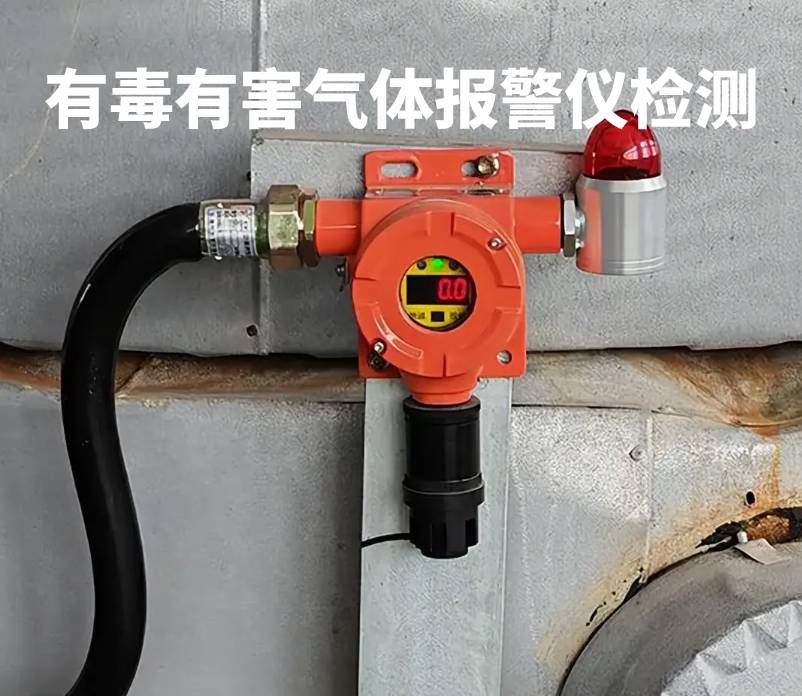
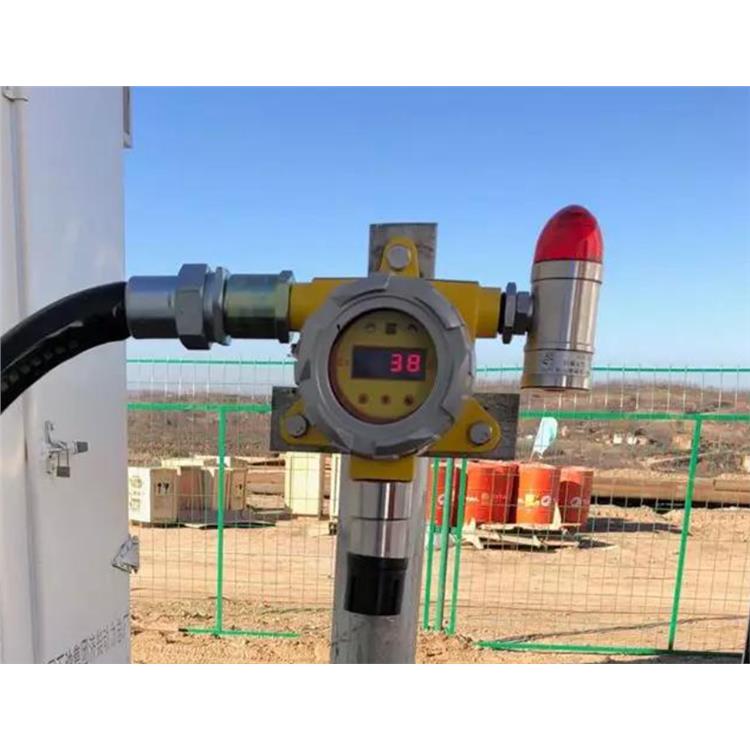
The principle of instrument detection mainly includes catalytic combustion, infrared absorption, and thermal conductivity types. Sampling methods include diffusion and aspiration. The instrument is mainly composed of detection elements, amplification circuits, alarm systems, and displays, used for monitoring the concentration of combustible gases in the environment.
What does a calibration report for a combustible gas detector typically include?
The verification results should be reflected in the verification certificate or report, and the verification proof or report must include the following information.
① Title, such as "Calibration Certificate" or "Calibration Report";
② Laboratory Name and Address
③ Calibration Location (if not calibrated in the laboratory)
④ Certificate or report (e.g., with serial number), indicating each page and the total number of pages;
Please provide the name and address of the shipping entity.
⑥ Describe and clearly identify the school target.
Date of calibration and receipt;
⑧ Technical specifications for calibration base, including names and codes;
Description of the traceability and validity of the measurement standards used in our calibration.
⑩ Description of Calibration Environment
11. Calibration Results and Measurement Uncertainty Statements
12. Signature of the issuer of the calibration certificate or calibration report, position or equivalent mark, and the date of issue.
13. Calibration results are only applicable to the calibration object.
14. No part of the certificate or report may be copied without written consent from the laboratory.
Re-review interval
Instrument recalibration is typically every 1 year, determined by the submitting unit based on actual usage. During the secondary calibration process, if there are doubts about the instrument's test data, or if the main components of the instrument are replaced, or if recalibration is required after repairs.
Shenzhen ZhongNuo Testing Technology Co., Ltd. is a third-party institution specializing in electrical safety, electrical explosion-proof, gas alarm, and toxic and harmful gas alarm instrument calibration, regular inspections, and metrological services. We are qualified to provide solutions for fire and explosion prevention issues for our clients.
WeChat Official Account

Scan to follow Official Account