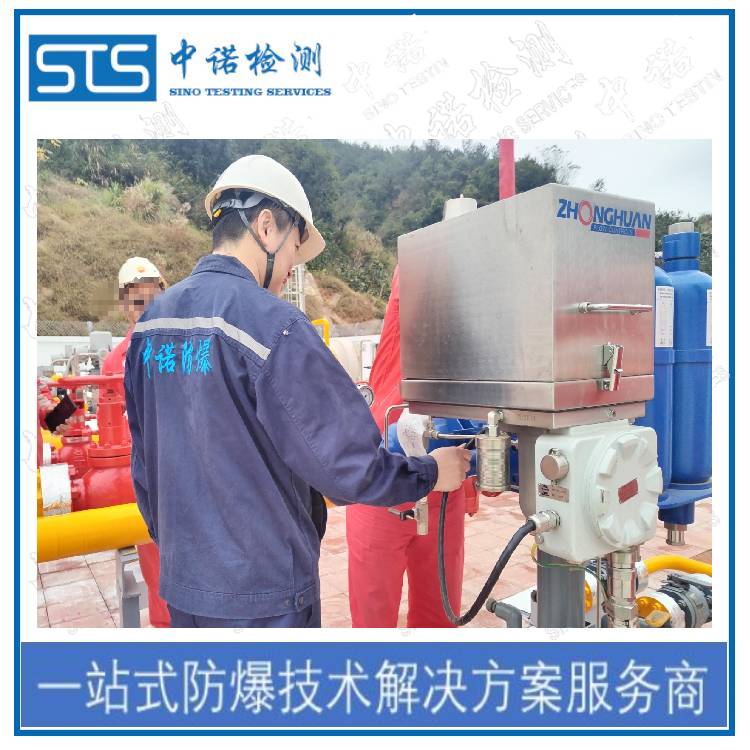

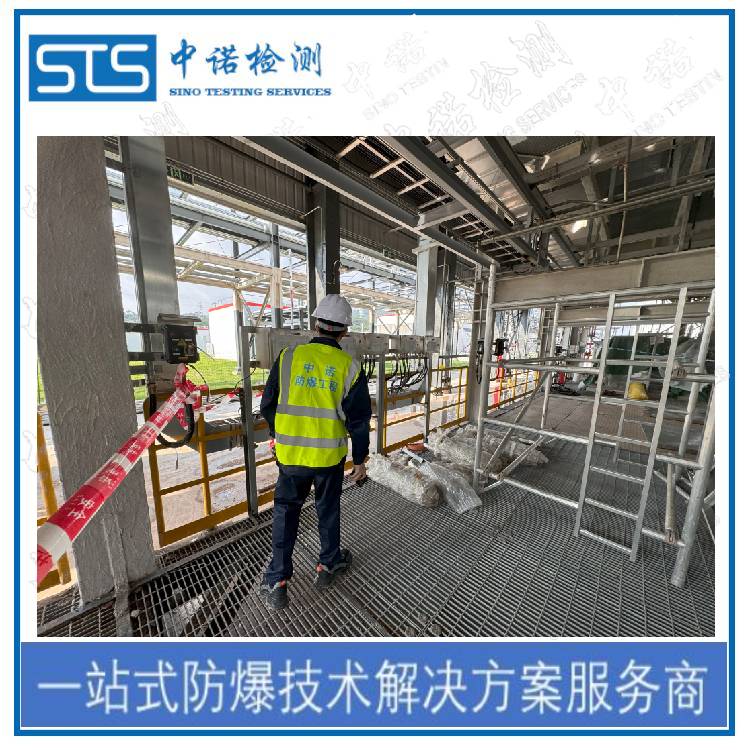
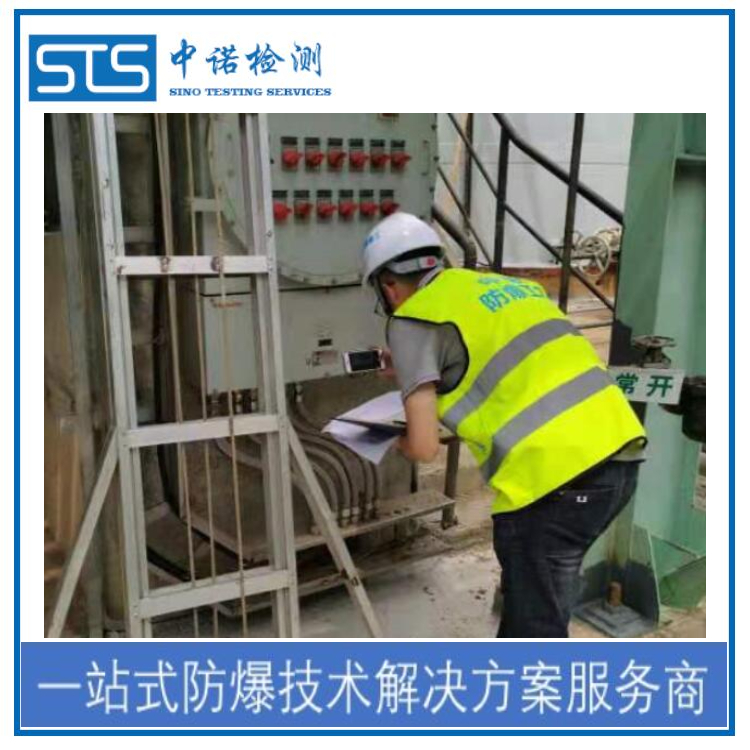











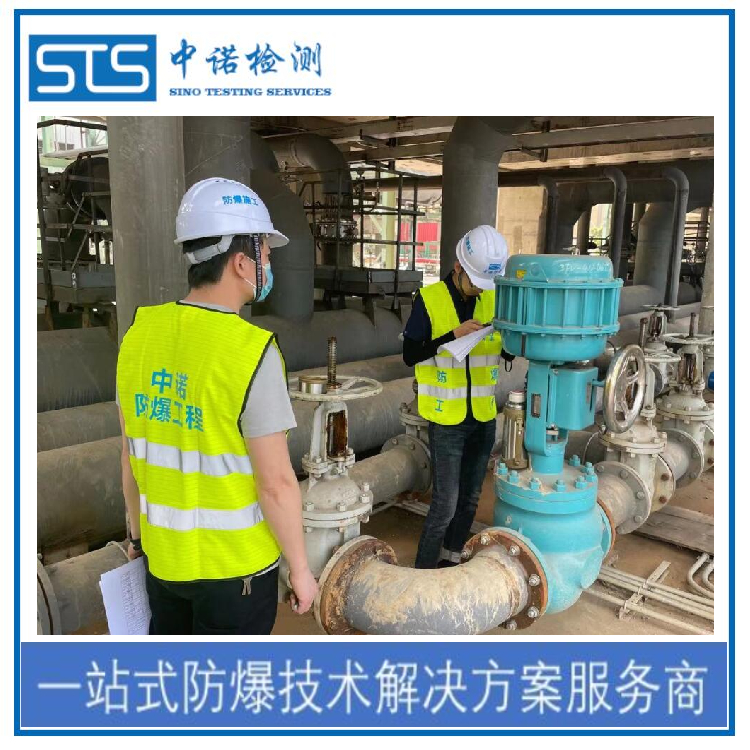
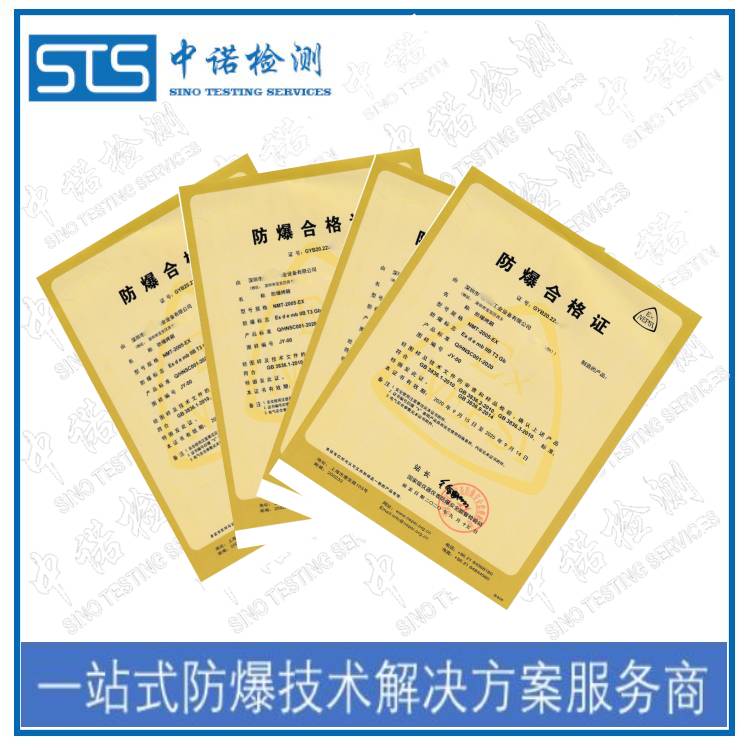
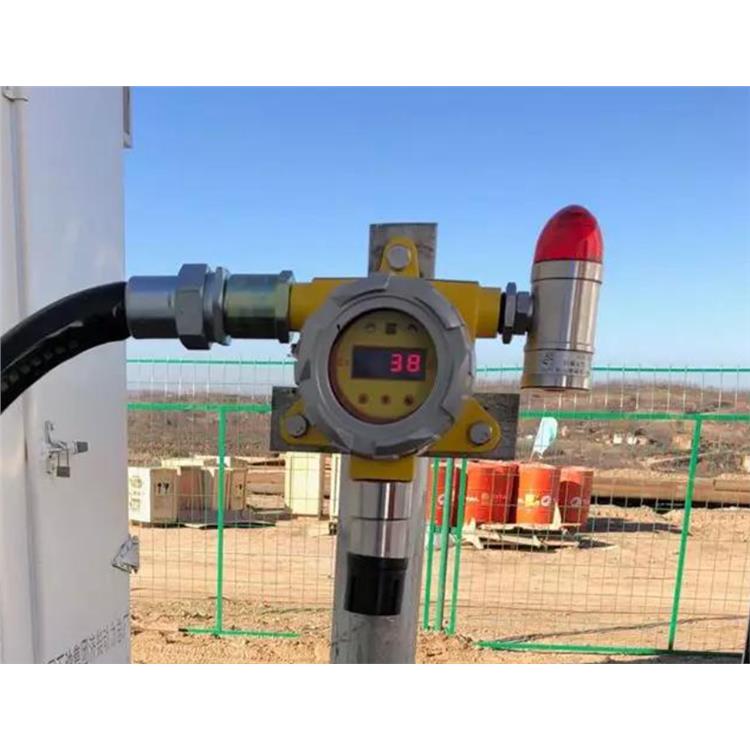
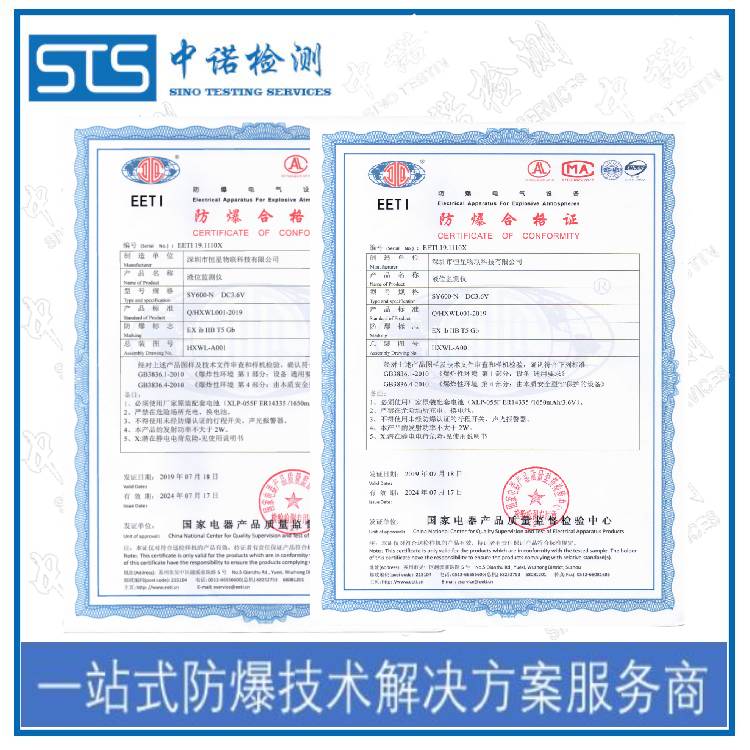


Shenzhen Zhongnuo Inspection Technology Co., Ltd. offers on-site explosion-proof electrical inspection, explosion-proof project acceptance services, and can provide explosion-proof rectification and construction services for non-compliant items.
Required Documents for On-Site Explosion-Proof Inspection Application
1. Area of explosion-proof site
2. Explosion Hazard Area Division Map
3. Names of explosive hazardous substances within the relevant danger zones, along with their Material Safety Data Sheets (MSDS)
4. Explosion-proof electrical product list, including installation area and tag number information
5. Copies of explosion-proof electrical products' explosion-proof certification
6. Explanation Document on Special Conditions for the Use of Explosion-Proof Electrical Equipment
7. Descriptive Technical File for Intrinsically Safe System
8. Relevant documents concerning installation quality
Shenzhen ZhongNuo Inspection Technology Co., Ltd. summarizes past experiences in explosion-proof electrical inspections, common non-conformities found during on-site explosion-proof electrical inspections:
Currently, hazardous chemical production enterprises in our country frequently experience accidents, thus demanding a high priority on safety production inspections. We should gradually explore the safety performance of products and equipment involving personal safety, gradually forming a significant role in safety production inspections. Now, safety checks can provide substantial technical support to hazardous chemical enterprises, particularly the electrical explosion-proof safety inspections, which should be widely promoted, continuously guiding and serving the enterprises in their safe production endeavors.
1. Improper design within hazardous zones
Many businesses are constrained by their company history, and at the same time, the production materials of the enterprises are continuously changing, making the demarcation of hazardous areas less orderly and somewhat chaotic. The layout of equipment and facilities does not meet the explosion-proof requirements.
2. Understanding of explosion-proof knowledge is relatively weak.
In many hazardous chemical enterprises, there is a lack of distinction between electrical explosion-proof safety inspections and fire protection electrical and building electrical inspections. In aspects such as temporary electrical use, firework operations, equipment replacement, and electrical management systems, there is a significant lack of standardization.
3. Improper installation of explosion-proof electrical equipment
Although many companies now have explosion-proof features in electrical equipment, issues in installation are still prevalent. For instance, direct wiring connections, missing explosion-proof face screws, and using PVC pipes for wiring through incoming and outgoing pipelines. Additionally, the installation of switches and sockets, wiring terminals, power and lighting distribution boxes, grounding systems, and electrical wiring systems is not very rational, with numerous safety concerns.
4. Explosion-proof electrical wiring routing does not meet specifications
In explosive environments, most companies currently do not place enough emphasis on explosion-proof electrical wiring, fail to correctly understand the technical parameters of hazardous materials in dangerous areas, and often install wiring arbitrarily.
5. Non-standard grounding of explosion-proof electrical equipment
For explosion-proof electrical equipment grounding, there are mainly internal neutral grounding, case protective grounding, and antistatic grounding. The grounding of unenergized metal cases is often poorly done, frequently resulting in grounding wires being connected to material pipelines.
6. There is a lack of overall planning for explosion-proof zones in the selection of power distribution rooms and control rooms.
Many power distribution and control rooms are located within explosion-proof zones but lack adequate explosion-proof measures.
7. Inadequate explosion-proof selection and requirements for explosion-proof electrical equipment
In electrical explosion-proof equipment, they are not distinguished between environments with combustible dust or explosive gases; they are mixed and used together. Different hazardous locations have their specific electrical explosion-proof standards, explosion-proof markings, and types, along with varying levels and temperature classes. However, many companies mix and match explosion-proof electrical equipment without distinguishing these differences.
Regulations and laws regarding periodic inspections of explosion-proof electrical equipment:
Explosion-proof equipment used in hazardous areas must undergo a series of life cycle stages, including production, installation, operation, inspection, maintenance, and withdrawal from the market.
Regular inspections provide a strong guarantee for their usage conditions and explosion-proof safety performance. Relevant laws and regulations in our country also have corresponding provisions on this matter.
There is a clear specification in the standard AQ3009-2007 "Electrical Safety and Explosion-proof Regulations for Hazardous Areas":
Inspections should be conducted by a safety production inspection agency with explosion-proof qualifications at intervals not exceeding three years.
The company should promptly take corrective measures based on the inspection results and file the inspection report and the rectification status with the safety production supervision and management department.
In the preface of AQ3009-2007 "Electrical Safety and Explosion-Proof Regulations for Hazardous Areas," it is explicitly stated that Chapter 4, Chapter 5, Chapter 6, and Chapter 7 are mandatory and must be strictly enforced. Therefore, such safety regulations are part of the legal and regulatory framework, and they must be strictly enforced!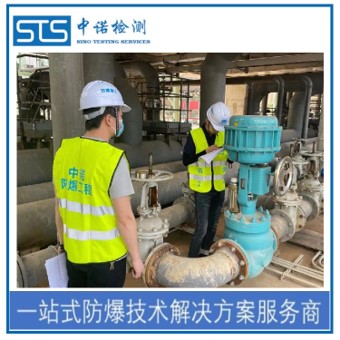
Flameproof Field Safety Inspection Standards
1. GB 50058-2014 "Code for Design of Electrical Installations in Explosive Hazardous Environments"
2. GB 3836.14-2014 "Part 14: Classification of explosive atmospheres - Explosive gas atmospheres"
3. AQ 3009-2007 "Electrical Explosion Protection Safety Specification for Hazardous Areas"
4. GB 50257-2014 "Electrical Installation Engineering, Construction and Acceptance of Electrical Installations in Explosive and Fire Hazardous Environments"
5. GB15577-2018 "Safety Code for Dust Explosion Prevention"
On-Site Explosion-Proof Electrical Equipment Regular Inspection Consulting Service - Shenzhen Zhongnuo Inspection Technology Co., Ltd.
WeChat Official Account

Scan to follow Official Account