







Product Introduction
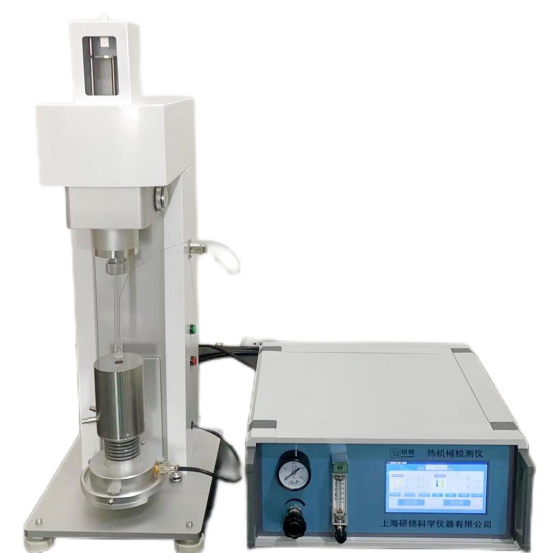
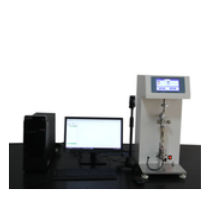
TMA (Thermo-mechanical Analyzer) Static thermal mechanical analysis: A method that measures the deformation of a sample under specific environmental and temperature programs by applying non-vibratory loads such as compression, tension, and bending, and treating the deformation as a function of temperature or time.
Thermal expansion and contraction, glass transition temperature, densification and sintering processes, heat treatment process optimization, softening point detection, phase transition processes, research on reaction kinetics, etc.
Technical Features
The furnace features a vertical structure: compact and lightweight; with a low heat capacity, it offers rapid heating and cooling rates; the well-sealed water-cooled outer casing ensures linear and uniform temperature changes, achieving high precision in temperature control.
3. Variety of working probes available: Accurately measures various deformation physical parameters.
4. Multitasking: capable of performing measurements and data analysis simultaneously.
5. Data Export
6. Instrument Calibration: Temperature Calibration, Baseline Calibration.
7. Displacement Calculation
8. TMA/DTMA/T Curve Display
9. Marked glass transition temperature and softening point temperature
10. Software Automatic Baseline Calibration
Technical Specifications
Temperature Range: Room Temperature to 1100℃
2. Heating Rate: 1~50℃/min
3. Cooling Rate: 1~50℃/min (by temperature section)
4. Temperature Resolution: 0.01℃
5. Temperature Accuracy: ±1°C
6. Maximum Load: 250g
7. Displacement Range: ±2500um
8. Displacement Resolution: 0.1 um
9. DTMA Range: ±1 to ±2500 um/min
10. TG Drift: <0.05%
11. Atmosphere Unit (Optional): Measures atmosphere: inert, oxidizing; adjustable range: 0~200 ml/min
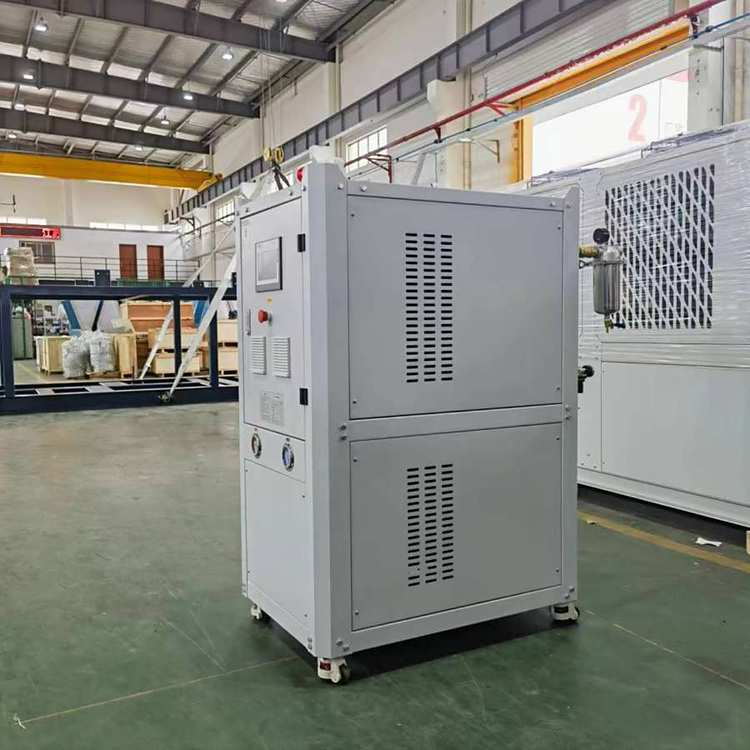
Chiller equipment: Water-cooled
13. Customized Intelligent Analysis Software (features dedicated calculation functions tailored to user requirements)
14 Offer Line Expansion Probes, Penetration Probes, and Bending Probes
Application Examples
Measurements of materials and reactions associated with shape changes due to thermal expansion, contraction, glass transition, curing reactions, and thermal history are widely used in fields such as plastics, rubber, films, fibers, coatings, ceramics, glass, metals, and composite materials.