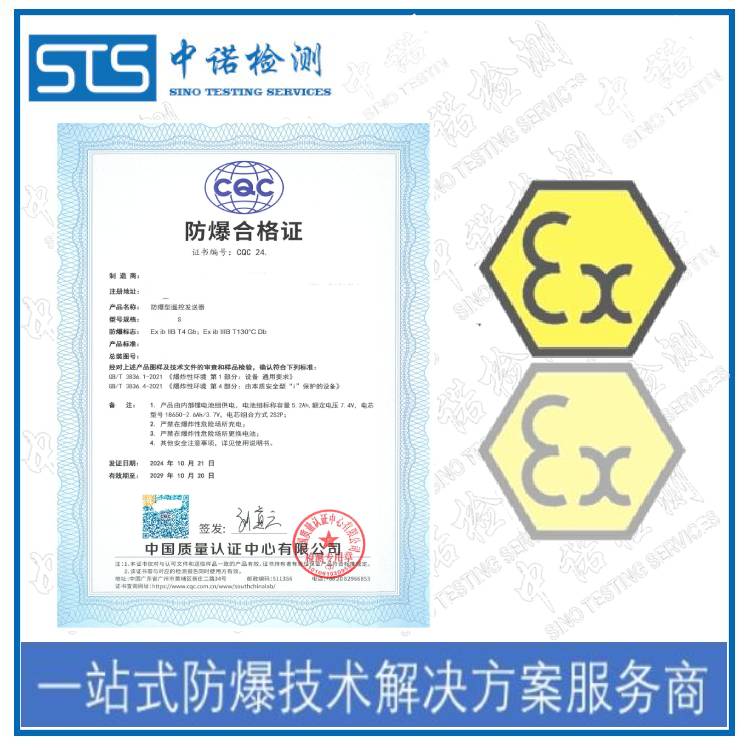

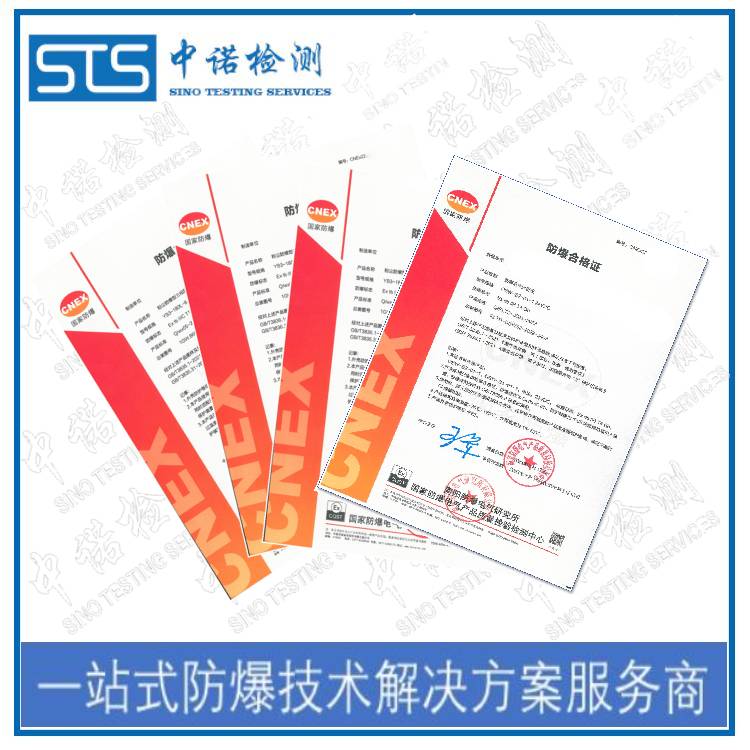
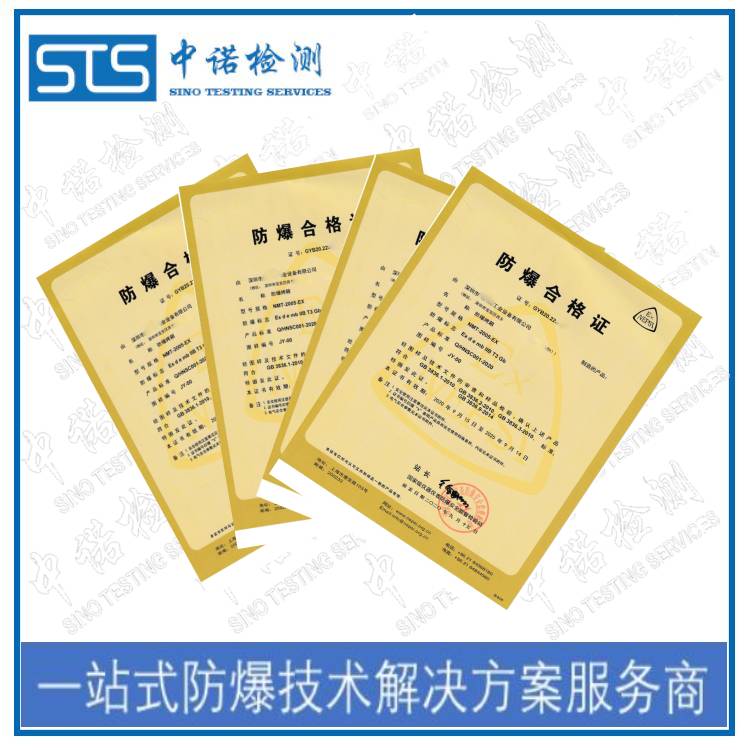










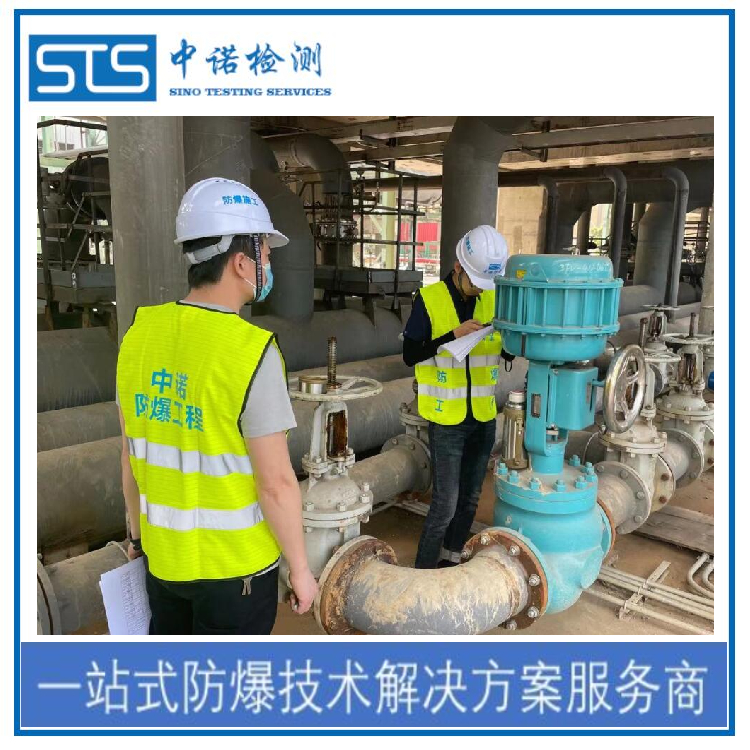
Shenzhen Zhongnuo Inspection & Technology Co., Ltd. is based in South China and specializes in explosion-proof certification and coal mine safety certification application consulting services, offering one-stop explosion-proof technology consulting services.
intrinsic safety certification, also known as intrinsic type explosion-proof certification. Below is a detailed introduction to intrinsic safety certification:
The fundamental definition of intrinsic safety:
Intrinsically safe refers to the design of electrical equipment where the circuit energy is limited so that under normal operation or in specified fault conditions, the electrical sparks or heat effects produced cannot ignite the surrounding flammable or explosive environment. This type of explosion-proofing primarily focuses on limiting the energy within the circuit, reducing the potential spark energy to below the level that can ignite the specified gas mixture, and keeping the surface temperature of the wires and components below the ignition temperature of the gas mixture, thereby achieving intrinsic safety.
Application Scope of Intrinsically Safe:
Intrinsically Safe certification is widely used for instruments and handheld terminal products with low power consumption and energy levels. Due to the relatively low energy produced by these devices, it is easy to control them within a manageable range using technical means, in compliance with Intrinsically Safe requirements. Products such as temperature vibration sensors, remote transmitters, monitoring devices, Bluetooth beacons, and two-way radios can all undergo Intrinsically Safe certification.
Certification Standard for Intrinsically Safe
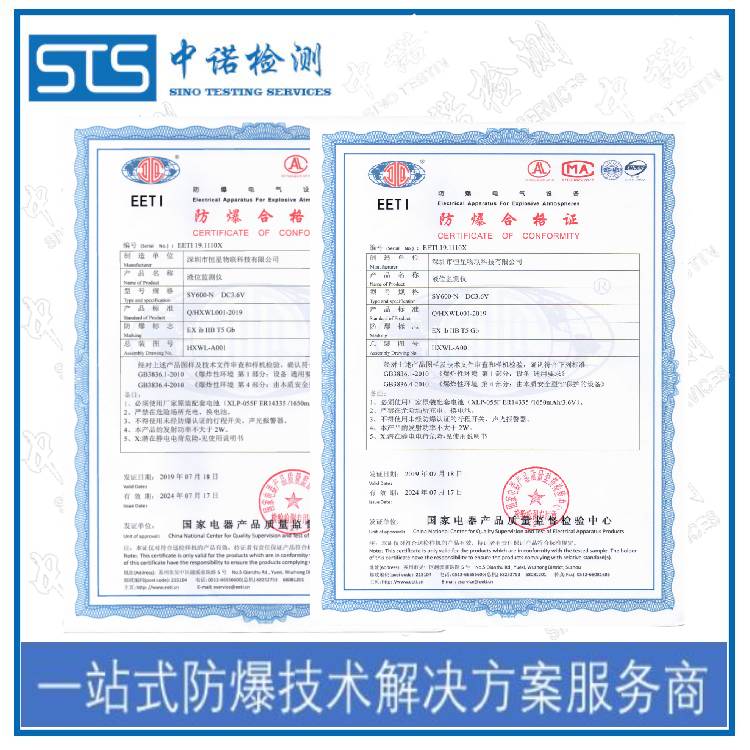
Domestic intrinsic safety certification standards primarily include GB/T3836.1 and GB/T3836.4, among others. The international IECEx certification standards are IEC60079-0 and IEC60079-11. These standards provide detailed regulations on the technical requirements, testing methods, and inspection rules for intrinsically safe electrical equipment, ensuring their intrinsic safety performance.
Required documents for obtaining the ATEX certification:
Including product manuals, corporate standards, electrical schematics, block diagrams, PCB layouts, assembly drawings, battery specifications, potting process documents, wireless transmission power reports, and shell material reports.
The significance of ATEX certification:
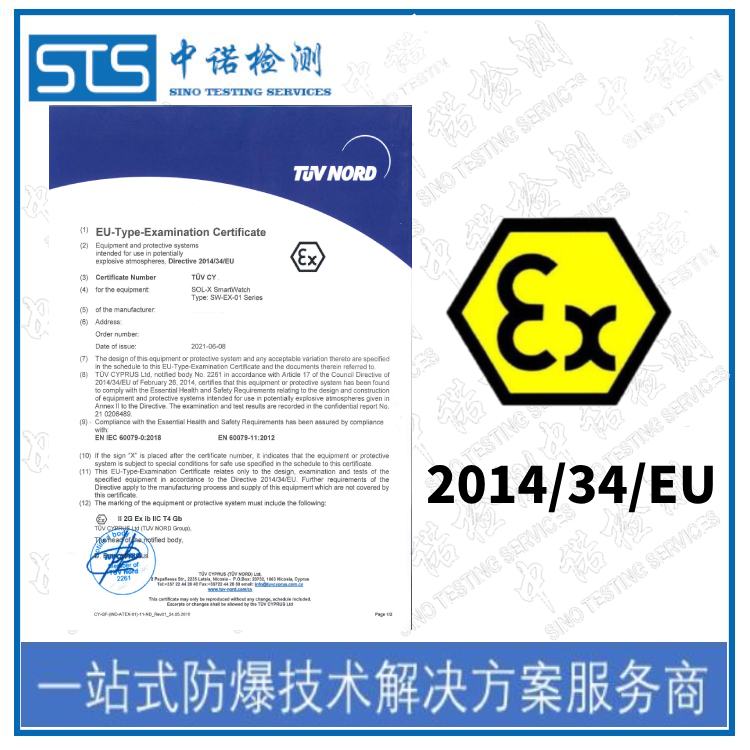
Devices with ATEX certification can significantly reduce the risk of accidents in flammable and explosive environments, safeguarding both human lives and property from damage. Moreover, obtaining ATEX certification is a crucial entry requirement for companies to enter related markets, which helps enhance the market competitiveness of their products.
ATEX explosion-proof certification primarily applies to equipment and protective systems that may generate flammable and explosive environments. The product range is extensive, including but not limited to the following categories:
Electrical equipment: such as motors, switches, lighting equipment, etc., these devices must meet specific explosion-proof requirements when used in flammable and explosive environments.
(2) Machinery and Equipment: Machinery operating in flammable and explosive environments, such as mixers and pumps, also require ATEX certification.
(3) Protection System: Systems designed to prevent or limit the impact of explosions, such as explosion-proof walls and explosion suppression devices.
(4) Ex components: Explosion-proof Ex components for use in flammable and explosive environments.
However, the 2014/34/EU Directive also explicitly states that the following equipment is not within the scope of the ATEX Directive:
Medical equipment for environmental use
(2) Equipment and protective systems that pose an explosive hazard solely due to the presence of flammable and explosive materials or unstable chemicals.
(3) Equipment used in residential and non-commercial settings, where potential flammable and explosive substances may occasionally exist due to gas leaks.
(4) Personal Protective Equipment (PPE)
(5) Marine Equipment
(6) Transportation Vehicles
(7) Other equipment not applicable as specified
For inquiries regarding the scope of the ATEX explosion-proof certification directive, please contact Shenzhen Zhongnuo Testing Technology Co., Ltd. at any time.
The cost of obtaining explosion-proof certification at Shenzhen Zhongnuo Testing Technology Co., Ltd. is related to the following aspects:
1. Do you need a防爆certificate or the防爆3C certification? If the防爆3C certification is required, a factory audit is necessary, which includes the audit fee, travel expenses for the auditor, the applying fee for the 3C certificate, and the Certificate fee.
2. Related to explosion-proof markings. Different explosion-proof markings indicate different explosion-proof items, and naturally, the costs vary accordingly.
3. Domestic explosion-proof certification or international explosion-proof certification? The same explosion-proof mark, ATEX/IECEx certification is much more expensive than the domestic explosion-proof qualification certificate, and it also requires factory audit. North American explosion-proof certification is even more costly, over 100,000+
4. Do you need to retest? Some customers' products haven't been designed for explosion-proof, and they need to be modified when we receive them, which adds to the cost. If the product includes batteries, battery testing is also an additional expense, especially for those batteries that frequently fail the tests.
5. Needed or not. Labs are often booked up with multiple orders, and there's often a waiting list. If needed, there will be a fee involved.
Limitation requirements for surface resistance of non-metallic casings of explosion-proof equipment
In hazardous areas with explosive dust or gases/vapors, such as coal powder, flour, etc., static electricity can cause fires or explosions, posing a significant risk. Therefore, it is advisable to minimize the use of insulating materials in explosive hazard areas. When selecting electrical insulating materials, consider maintaining low insulation resistance to prevent discharge when non-metallic components come into contact with charged parts. For non-metallic insulating materials, the antistatic capability of the equipment can be assessed by measuring the surface resistance of the equipment's housing.
Surface Resistance, measured in ohms (Ω), refers to the resistance between two electrical contacts on the measuring surface.
In accordance with the requirements of the IEC 60079 series standards:
In Class II explosive gas environments, when the surface area of a non-metallic shell of electrical equipment exceeds a certain limit value (as shown in Table 1), a surface resistance test of the non-metallic material must be conducted to ensure that: by selecting the material, the surface resistance meets at least one of the following requirements during measurement in accordance with IEC 60079-0 26.13:
At ≤1 GΩ, (505)% relative humidity;
At ≤100 GΩ, (305)% relative humidity.
2. In environments with Class III explosive dust, if the surface area of the non-metallic casing of electrical equipment does not exceed 500 mm², the risk of static electricity can be disregarded; if it exceeds this limit, a surface resistance test must be conducted for verification. The criteria for assessment are the same as those for the surface resistance test limits for Class II gas environments. For fixed installation equipment that cannot meet the surface resistance limits, an "X" can be added after the "Explosion-proof" sign, a corresponding warning sign should be placed on the equipment, and the user should be informed in the user manual.
Explosion Proof Certification Application Consultation Service - Shenzhen Zhongnuo Testing Technology Co., Ltd.
WeChat Official Account

Scan to follow Official Account