






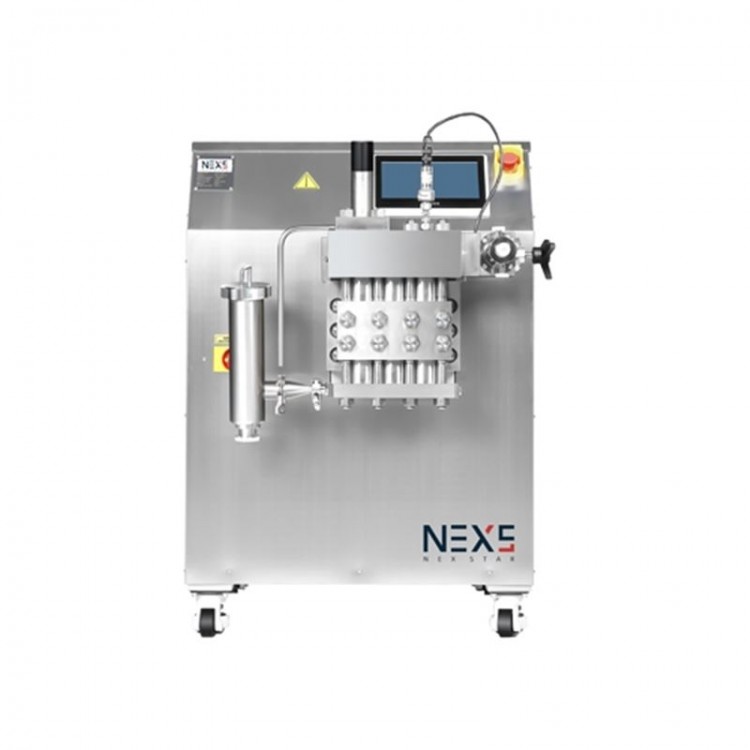
Najida Microjet HomogenizerDetailed Description
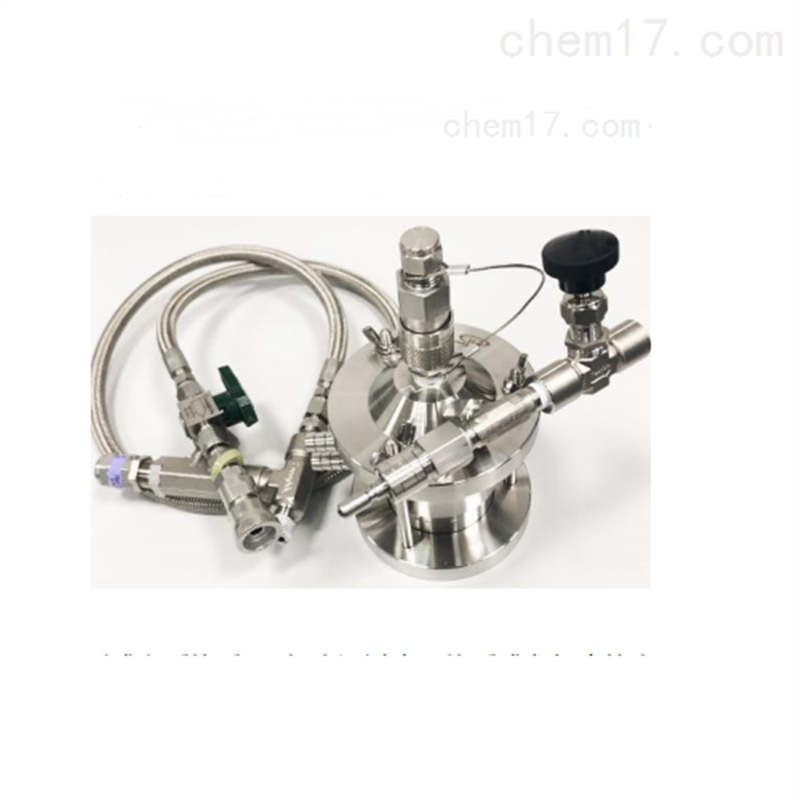
Core principle utilizes ultra-high-pressure microjet technology, leveraging the high-speed shearing, impact, and cavitation forces generated by diamond interfacial cavities to achieve nanometer-scale treatment. Key advantages include nanometer-scale dispersion and emulsification, low risk of sample contamination, hygienic design, modular flexible configuration, and high safety. Typical application fields include pharmaceuticals (liposomes, nanomedicine delivery systems), biotechnology, conductive inks, graphene dispersion, cosmetics, and food.
High-efficiency nano-scale processing: Easily homogenizes material particle sizes below 100 nanometers, outperforming traditional equipment such as intelligent mixers, ultrasonic devices, or ball mills.
Sanitary design and low contamination risk: Materials in contact with the product (such as 316L stainless steel, tungsten carbide, etc.) generally comply with GMP, FDA, and other regulatory requirements, offering good biocompatibility. Sample processing is achieved through turbulence and collision between samples, reducing the risk of sample contamination.
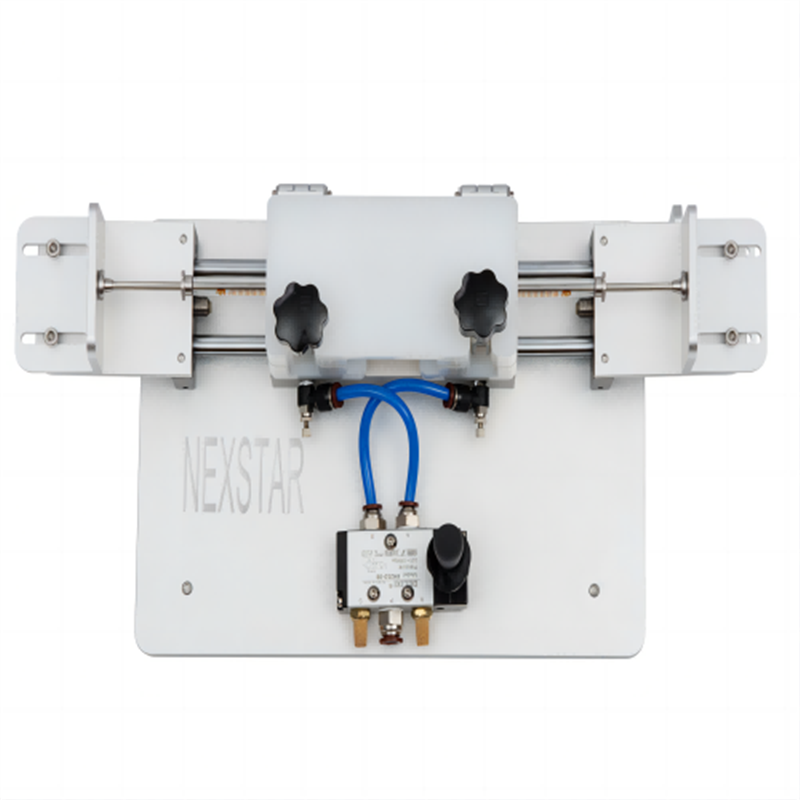
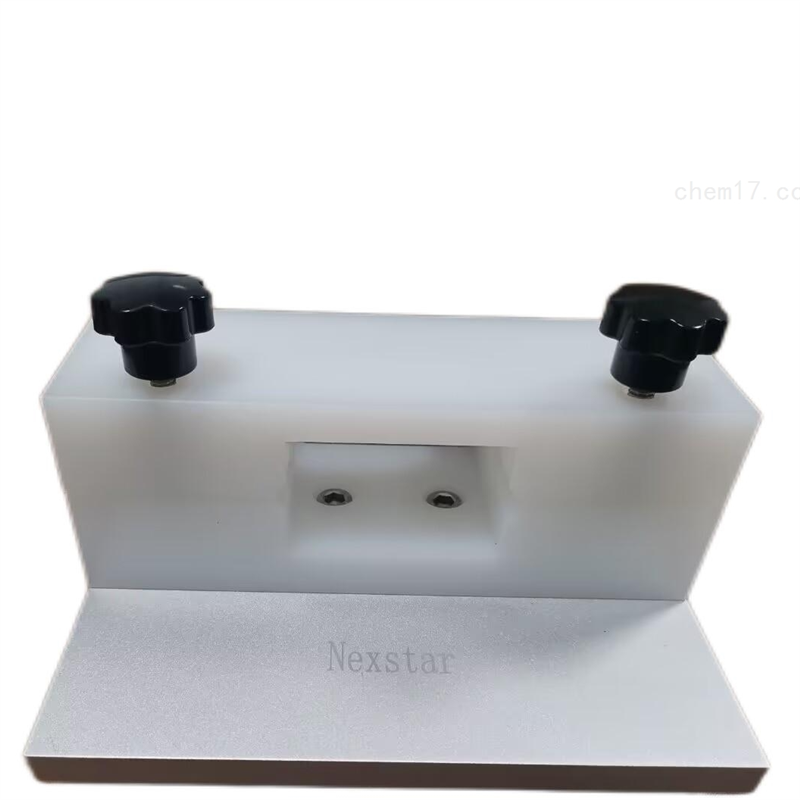
Modular and flexible: Optional diamond interaction cavities in Y and Z models, material inlets and outlets can directly utilize or switch to stainless steel hoppers, convenient for handling small quantities of expensive samples or materials with different properties.
Sample adaptability is excellent: Sample quantities can be as low as 5ml, suitable for handling expensive or scarce samples, effectively reducing R&D costs.
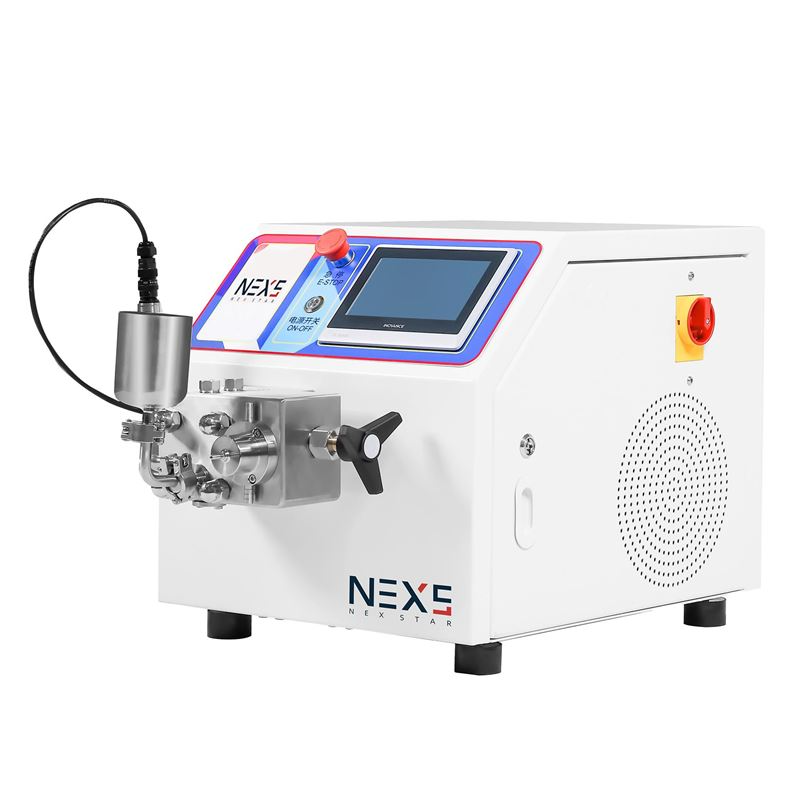
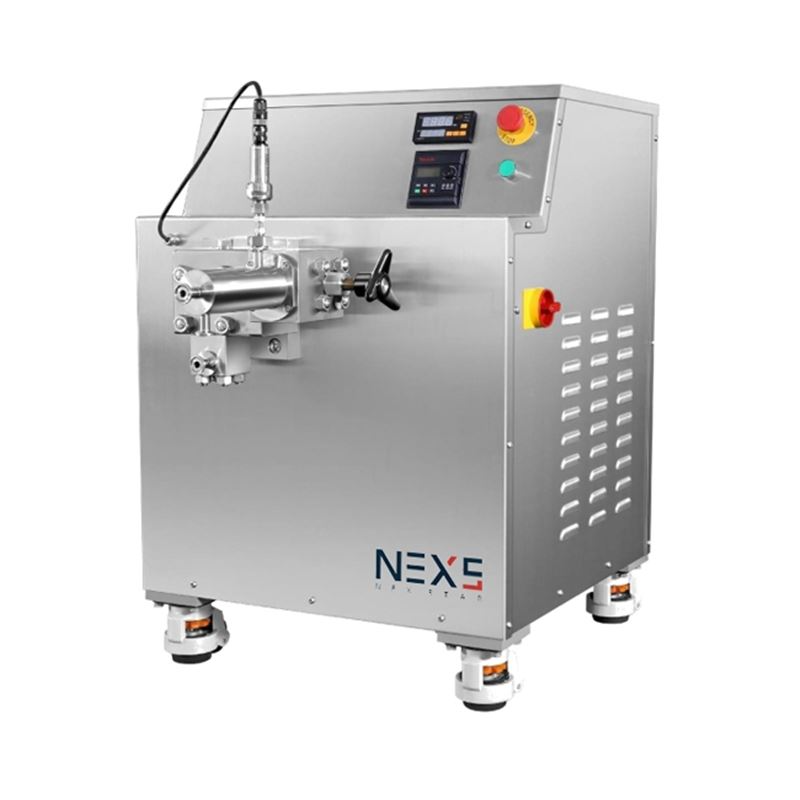
Model Selection:Nachiida Micro Jet HomogenizerWe offer various models (such as NZ-NANO, NZ-M30, NZ-M120), each with different operating parameters like pressure and flow. Please select the appropriate model based on your specific application needs (e.g., required pressure, sample characteristics, processing volume).
Cavity Selection: Common diamond interfacial cavities include Z-shaped and Y-shaped types, with each configuration producing slightly different fluid effects that can impact processing outcomes. Selection should be based on the material and target requirements.
Temperature Control: The high-pressure homogenization process generates heat. Materials sensitive to temperature, such as certain active biological preparations, require special attention. Models equipped with a sanitary heat exchanger (temperature control jacket) can be chosen to effectively control the material temperature.
Pressure and Cycle Count: Pressure levels and the number of cycles are two critical process parameters affecting the final nanofication effect, which need to be optimized during the R&D process.