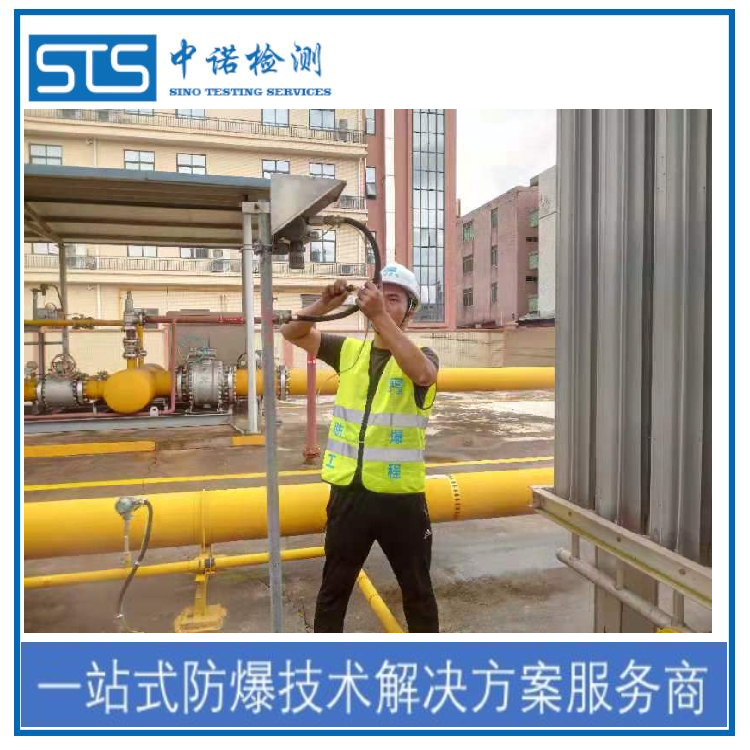

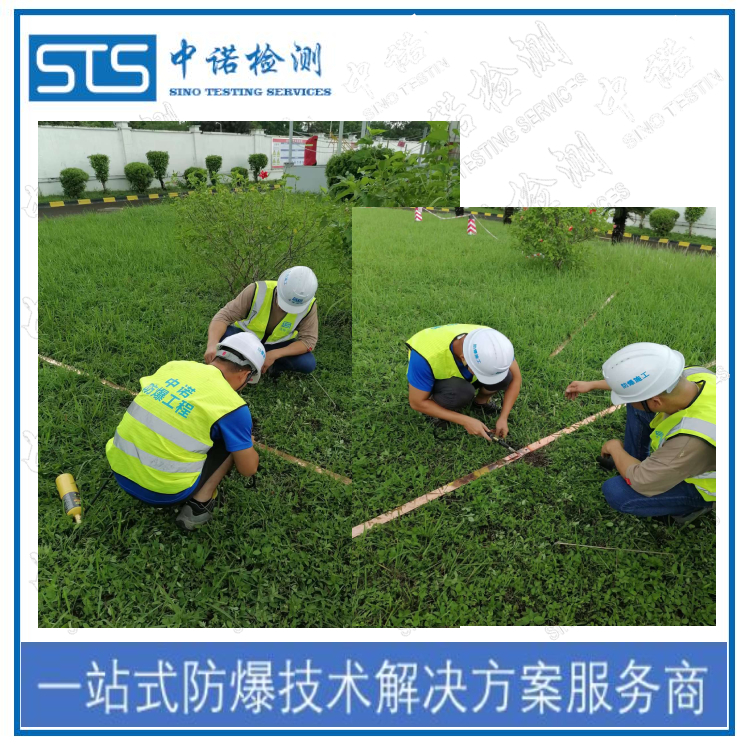
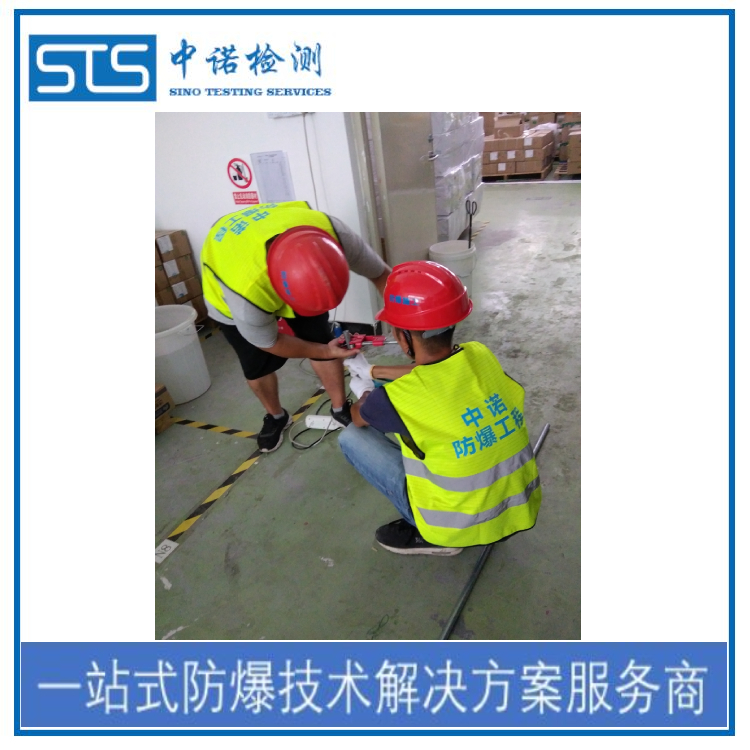










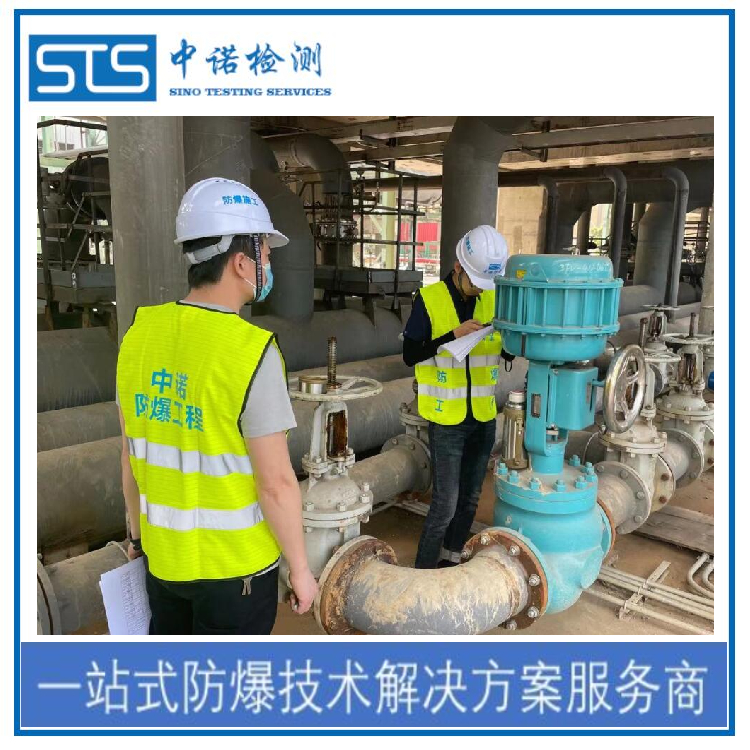
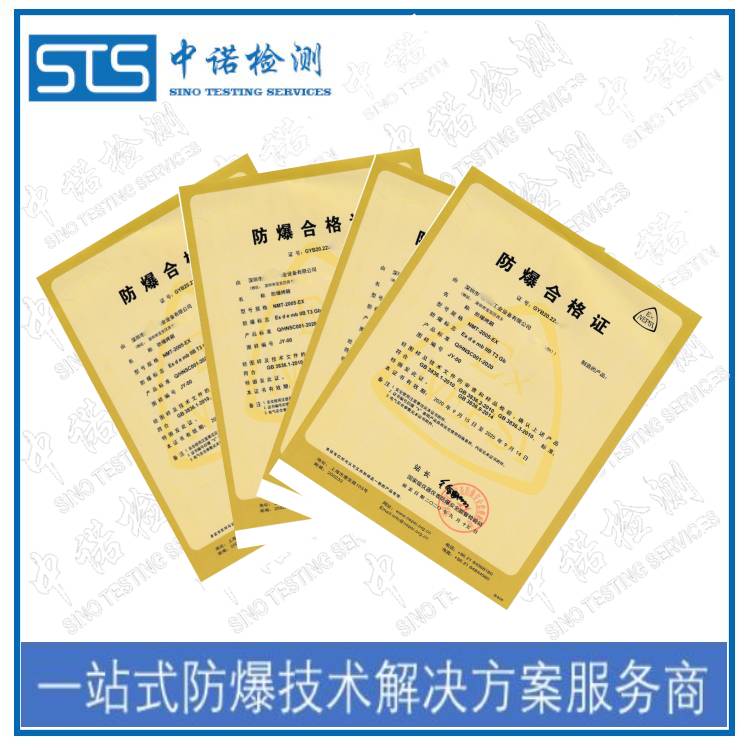
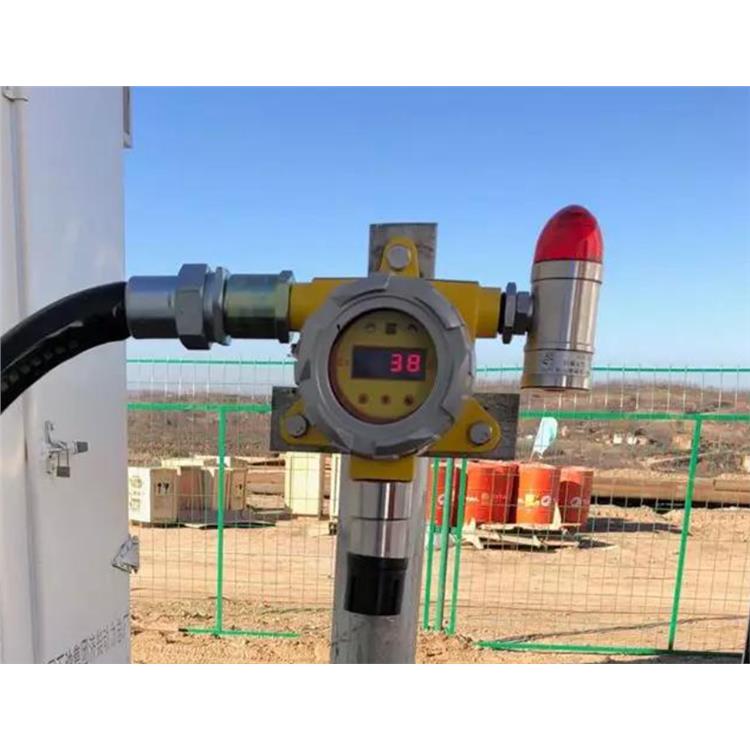
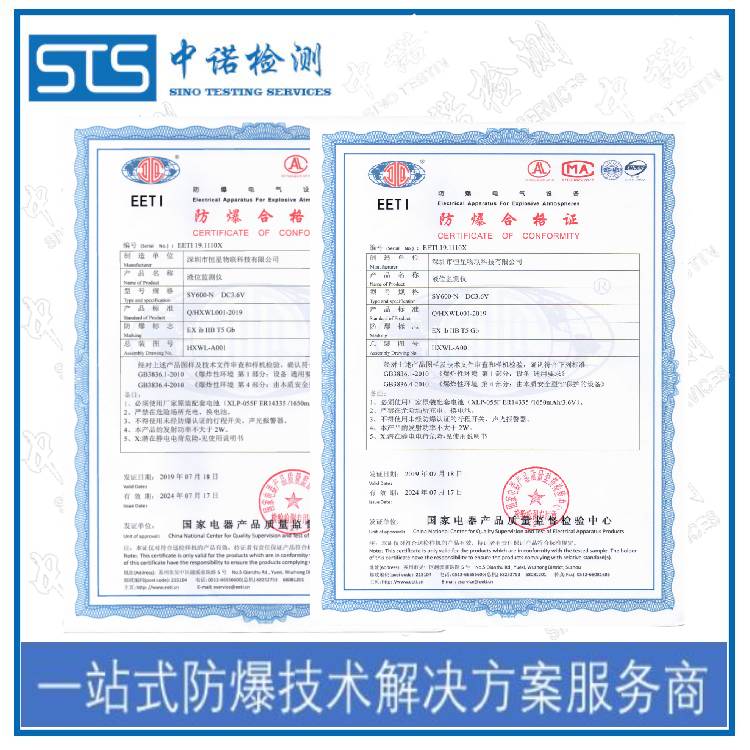
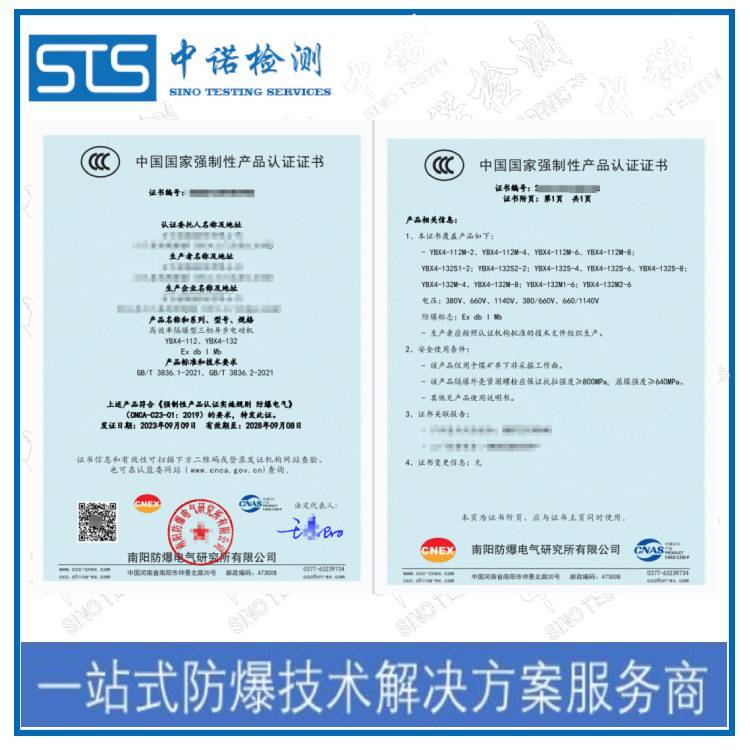

Shenzhen ZhongNuo Inspection Technology Co., Ltd. is based in South China and offers on-site explosion-proof construction, safety inspections, renovations, project acceptance, and explosion-proof installation consulting services. We are well-versed in explosion-proof construction standards, with experienced construction teams and extensive practical experience. We have served large corporations such as PetroChina, LG, Hanlan Environment, BOE, and Sinovac, and have consistently received positive feedback and trust from our clients!
Based on the basic requirements of GB 15577 "Safety Code for Dust Explosion Prevention," for explosion-proof construction and modification in explosive dust environments, the following five main explosion-proof measures can be adopted (shared by Shenzhen ZhongNuo Testing Technology Co., Ltd.).
Anti-knock
1. Definition: An explosion suppression technique that enables the containment to withstand the high explosion pressure when an explosion occurs within a space where combustible dust and gaseous oxidizers or air are present, thus preventing the containment from being damaged.
2. Objective: By enhancing container wall thickness and improving material, external damage can be minimized even in the event of a dust explosion.
3. Basic Requirements:
When producing and handling powders that can cause explosions, if there is no explosion suppression device and no pressure relief measures, all process equipment should be designed to be explosion-proof and capable of withstanding the overpressure generated by internal explosions without bursting.
(2) The connection parts between various processing equipment (such as pipes, flanges, etc.) should have the same strength as the equipment itself. For connections between high-strength and low-strength equipment, explosion-proof devices should be installed.
(3) Equipment that is resistant to explosive pressure and impact should comply with the relevant requirements of GB/T 24626.
2. Bursting Relief
1. Definition: A suppression technology that prevents damage to the containment structure by releasing the high temperature, high-pressure combustion products and unburned materials generated by an explosion within the containment, through pre-set weak points on the structure, before the explosion pressure reaches the containment's limit strength, thus directing the release in a non-hazardous direction.
2. Purpose: To reduce explosion losses by setting up explosion relief devices.
3. Methods: Two explosion relief methods are available, flammable and non-flammable explosion relief.
4. Basic Requirements:
(1) When the strength of the process equipment is insufficient to withstand the overpressure generated by internal dust explosion under actual operating conditions, a relief port should be installed. The relief port should be directed towards a safe direction, and its size should comply with the requirements of GB/T 15605.
(2) Indoor dust explosion hazard process equipment should vent to a safe outdoor direction through pressure relief ducts. The pressure relief ducts should be as short and straight as possible, with a cross-sectional area not less than that of the relief port, and their strength should not be less than that of the protected equipment container.
(3) Equipment inside the room that cannot vent explosion to the outside through a pressure relief conduit should be equipped with flameless explosion venting caps.
(4) Process equipment with inline pipelines should be designed to withstand at least 0.1 MPa of internal overpressure.
3. Explosion Suppression
1. Definition: During the initial stage of an explosion, extinguish the flames and suppress (prevent) the progression of dust explosion through physical and chemical actions.
2. Purpose: To pre-detect and extinguish fires, as well as suppress explosions through the installation of explosion suppression devices.
3. Basic Requirements:
Process equipment with a risk of dust explosion should be protected with explosion suppression devices.
(2) If a monitoring-type explosion suppression device is used, it should comply with the requirements of GB/T 18154.
(3) Explosion suppression system design and application shall comply with the requirements of GB/T 25445.
4. Explosion-proof
1. Definition: Technology to prevent the spread of an explosion through physical and chemical means after the explosion occurs.
2. Purpose: To prevent the spread of flame through pipelines or other passages
3. Basic Requirements:
(3) Equipment and facilities with dust explosion hazards that are interconnected through pipelines should be equipped with explosion-proof devices on the pipelines.
(2) Equipment and facilities with a dust explosion hazard that are interconnected by pipelines should be equipped with explosion-proof devices on the pipelines. The shutdown direction should be consistent with the direction of explosion propagation.
Five, Inertizing
For processes such as crushing, grinding, drying of powders, and pneumatic conveying through pipelines in sealed containers, inert gases such as nitrogen, carbon dioxide, halogenated hydrocarbons, argon, helium, and steam, or inert dusts like fire retardant powder, chemical dry powder, and mineral rock powder are introduced. This is to dilute combustible components and reduce the oxygen content in the environment.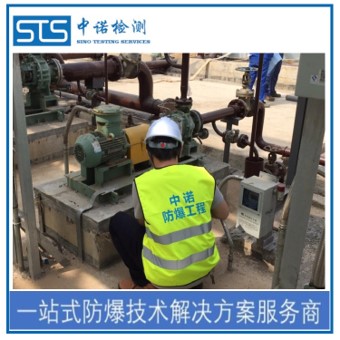
In recent years, with the continuous development of society and the increasing prominence of safety accidents, people's awareness of safety production has been on the rise. The governance of hazards in dangerous environments is urgently needed.
In various industrial sectors in our country, such as oil, chemicals, ports, coal, and others, during the production, processing, transportation, and storage processes, there is often a risk of leakage or spillage of flammable and explosive gases, liquids, dust, and fibers. When these substances mix with air, they may form explosive mixtures. If the concentration of the mixture reaches the explosive range, any ignition source can trigger an explosion and lead to severe accidents, including fires and even chain reactions causing major disasters. Therefore, equipment used in such hazardous environments must be certified with explosion-proof properties. The use of all equipment in explosion-proof environments must be installed and debugged by experienced engineering companies in strict accordance with explosion-proof construction specifications and acceptance standards before being put into actual production use. This ensures the maximum safety requirements for all stages of the production process.
Basic Explosion-Proof Design Standards for Hazardous Areas (Shared by Shenzhen ZhongNuo Testing Technology Co., Ltd.)
1. First, conduct an overall explosion protection design
2.定向 release of explosive energy. Utilize anti-explosion and venting techniques around the explosion source, setting anti-explosion walls and windows in directions with high population density, office areas, and critical equipment; and venting walls and windows in directions with low human traffic and no critical equipment.
3. Establish safe distances. Minimize the placement of office areas, residential zones, and critical equipment areas within distances less than the safe limit, unless necessary; if they are set, implement necessary explosion-proof measures.
4. Conversion of non-blast-resistant buildings to blast-resistant structures. Buildings within the range less than the safe distance should undergo blast-resistance assessment, and those not meeting blast-resistance requirements should be reinforced: to prevent building collapse; to prevent the fracturing of brittle materials like bricks, concrete, glass, etc., and the resulting spalling.
5. Place explosion-proof shelters in hazardous blast areas.
Shenzhen Zhongnuo Testing Technology Co., Ltd. offers explosion-proof construction service in the field of:
Including petrochemical, metal smelting, fine chemicals, petrochemical ground facilities (gas stations, gas filling stations, petrochemical warehousing and transportation, etc.), new energy, special equipment, nuclear power, tunnels, grain processing, wood processing, metal component processing, environmental protection engineering, and many other industries and fields with hazardous explosive gas environments and environments with explosive or flammable dust, ensuring explosion-proof safety in dangerous explosive areas to safeguard the economic development of our country and the people.
Explosion-proof electrical modifications and on-site explosion-proof construction consulting services for hazardous areas — Shenzhen ZhongNuo Inspection Technology Co., Ltd.
WeChat Official Account

Scan to follow Official Account