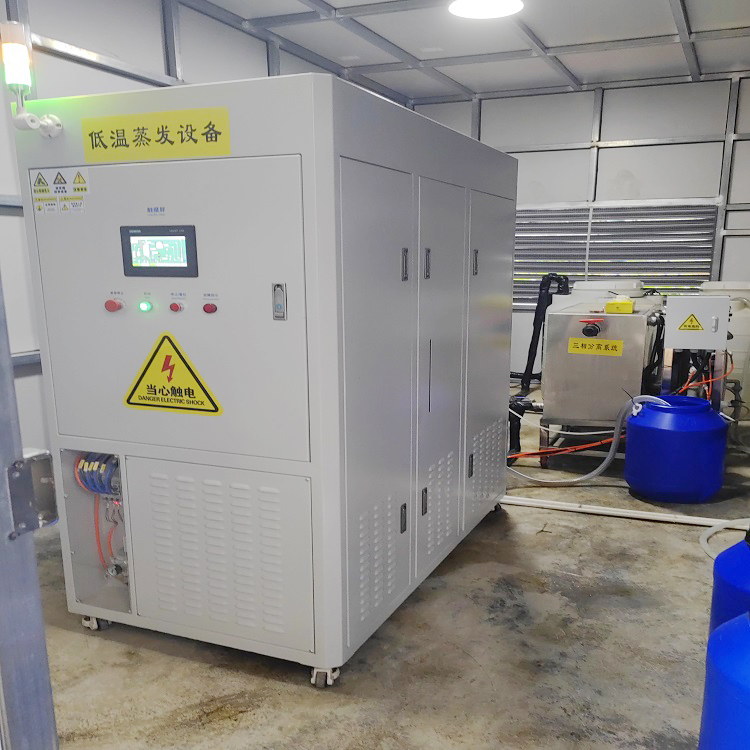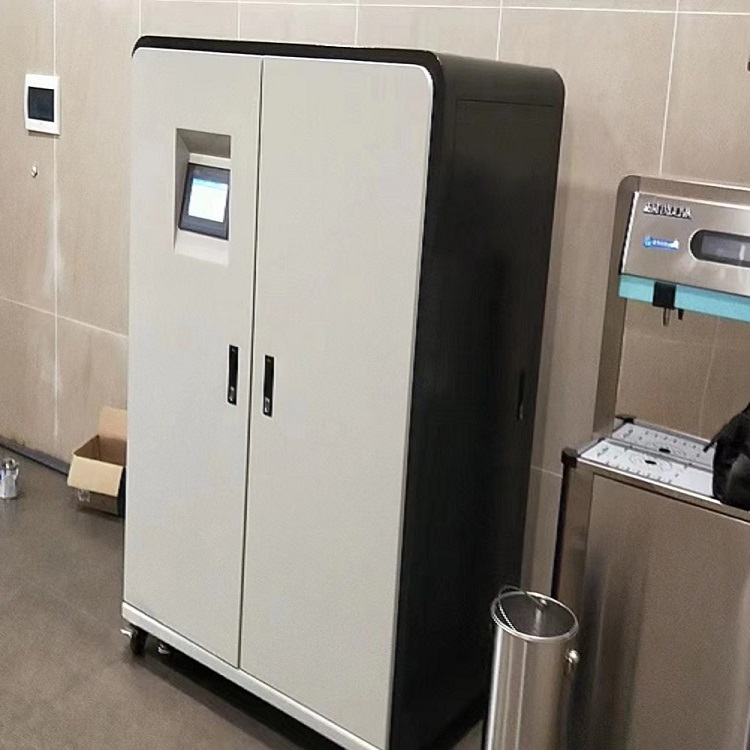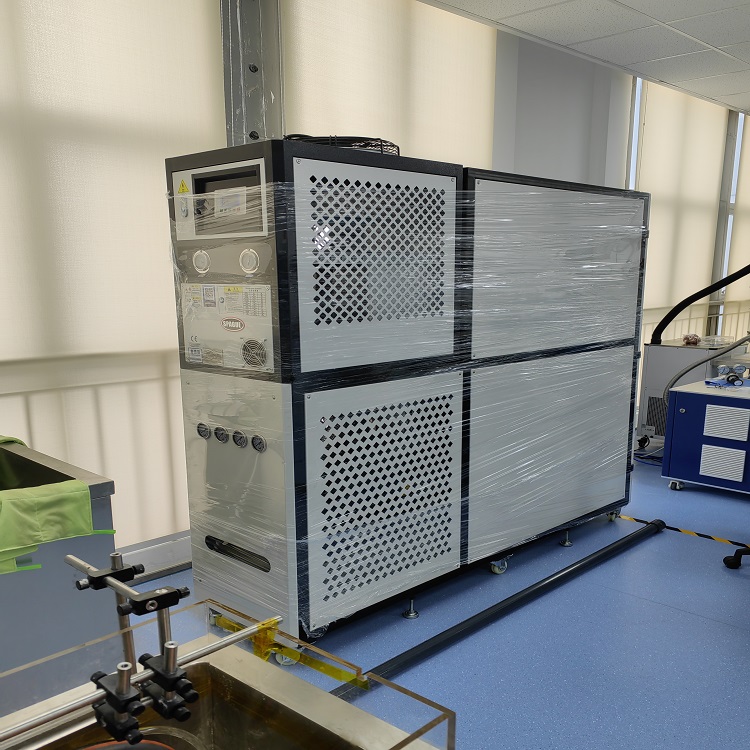

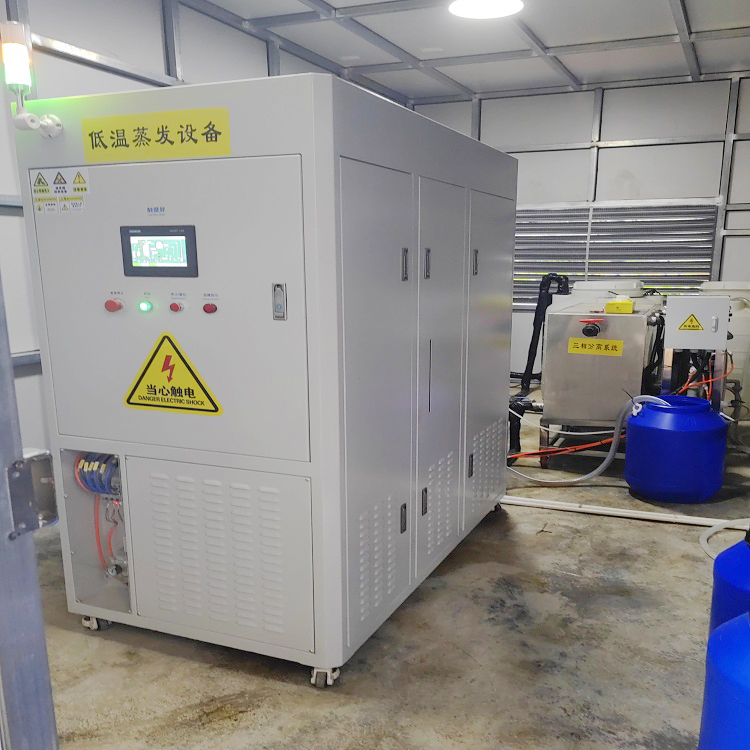

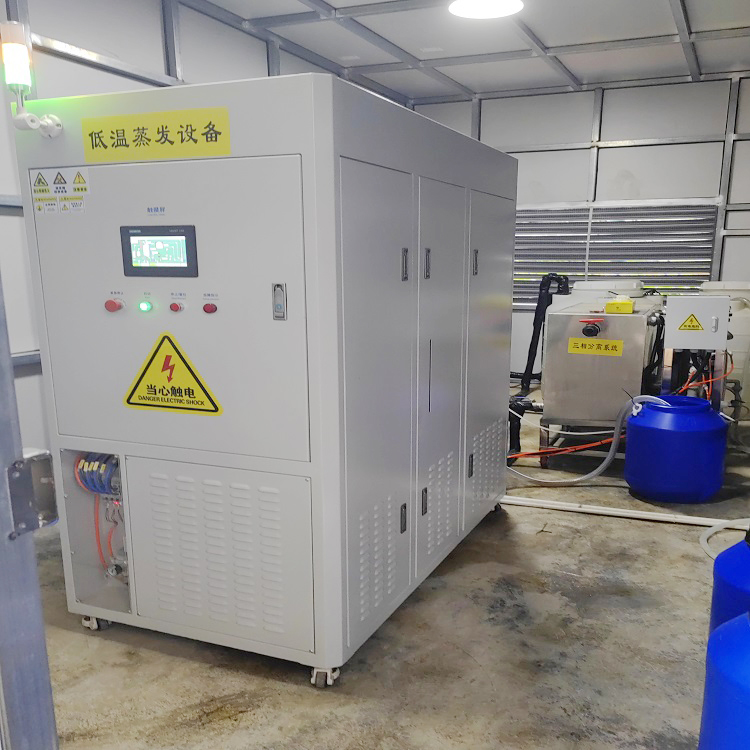
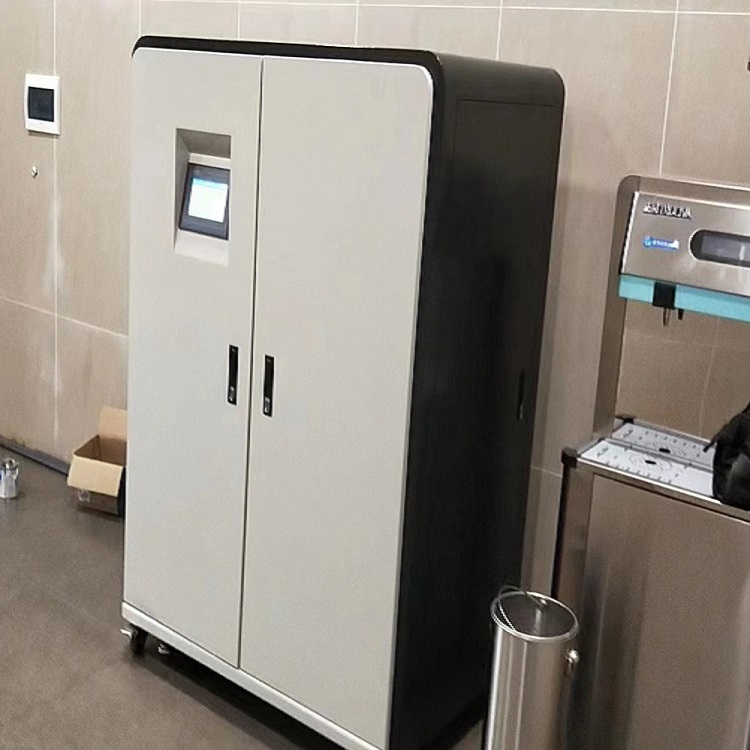
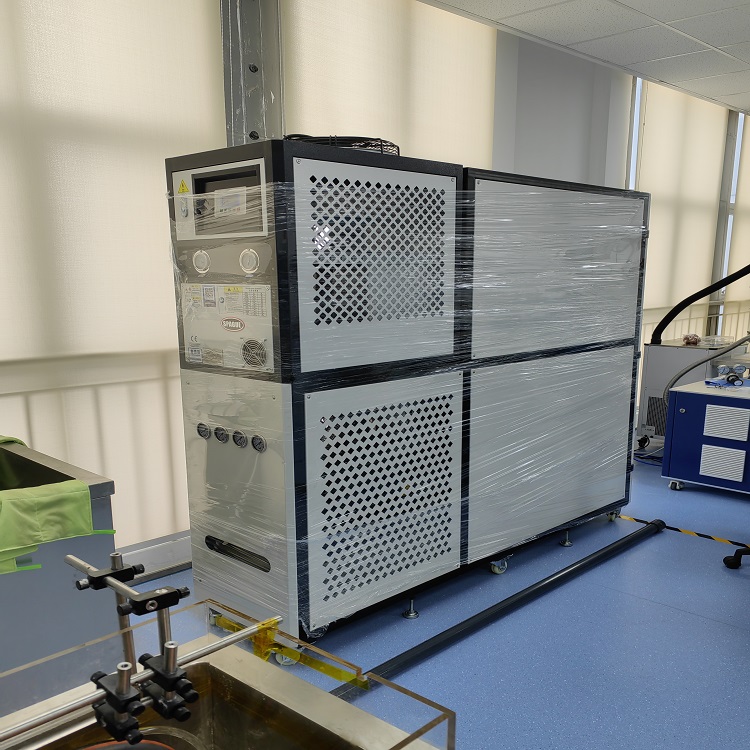







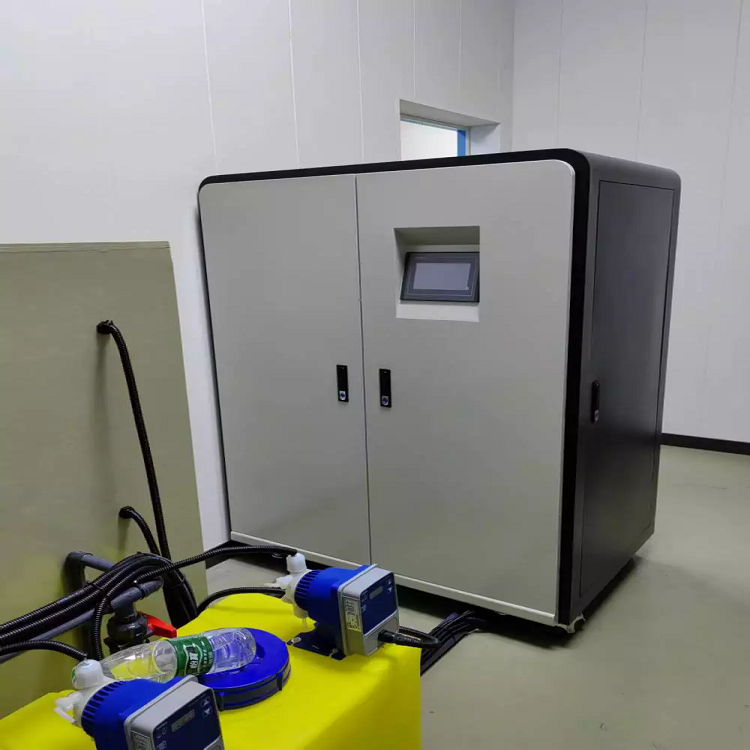
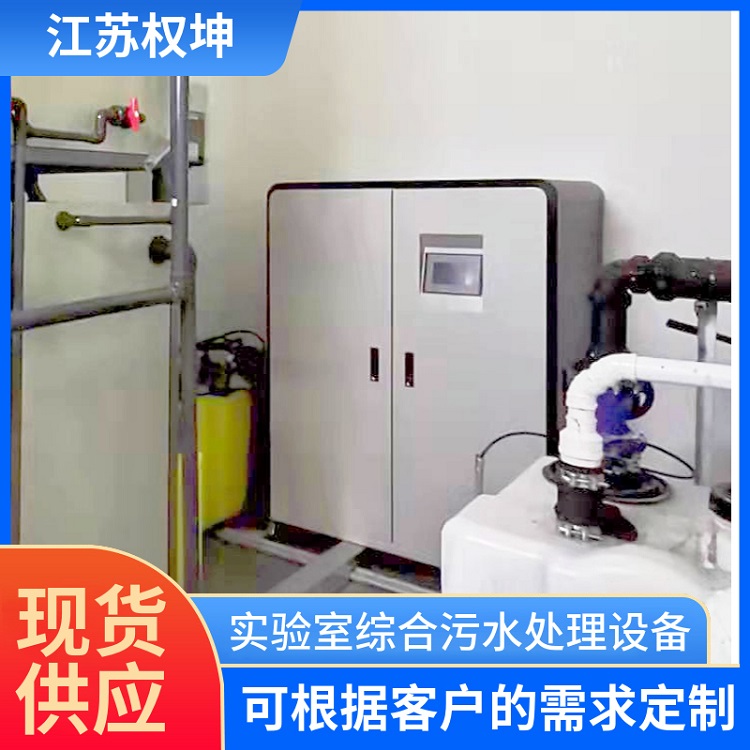
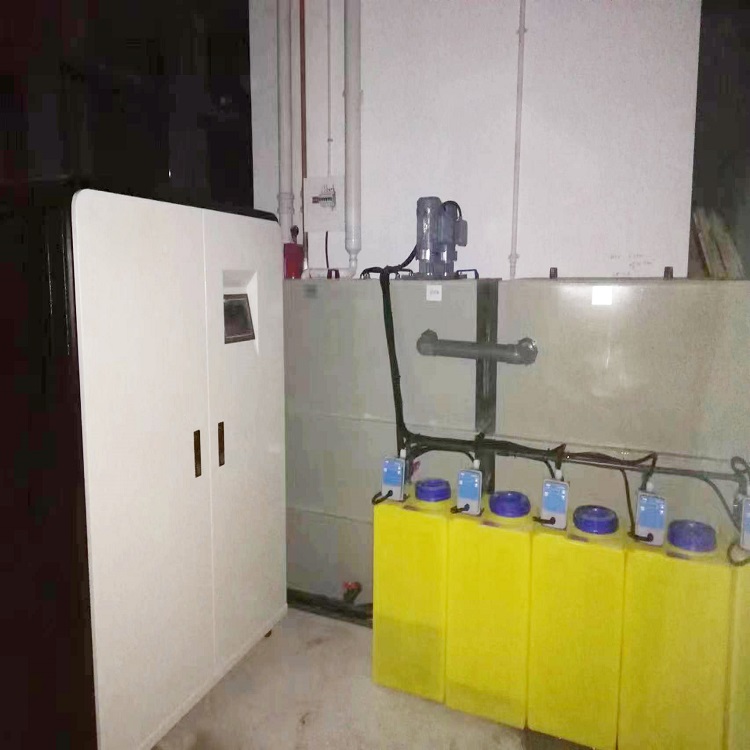
Multi-effect Evaporator, Vacuum Low-Temperature Evaporation Equipment, Reliable Quality, Quankun, Durable
Vacuum low-temperature evaporation equipment is an advanced technological equipment widely used in industries such as chemicals, pharmaceuticals, and food processing. It reduces the boiling point of liquids by creating a vacuum environment, achieving an efficient and energy-saving evaporation concentration process. This technology not only significantly reduces energy consumption but also effectively preserves the active ingredients of heat-sensitive substances, making it an indispensable key equipment in modern industrial production.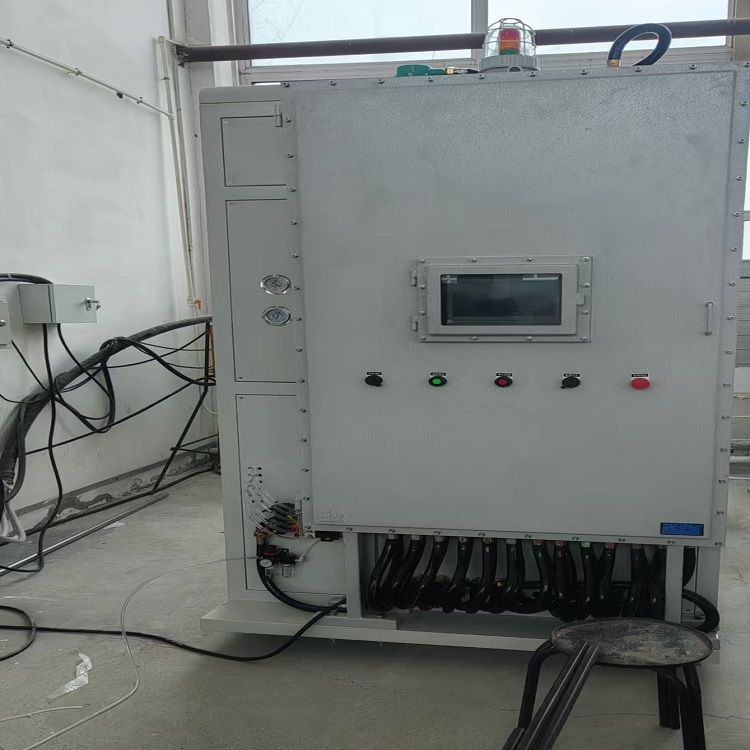
The core of vacuum low-temperature evaporation equipment lies in using a vacuum pump set to reduce the pressure in the evaporation chamber to 0.01-0.05 MPa (about 1/10 to 1/20 of standard atmospheric pressure), thereby lowering the boiling point of water from 100℃ to 45-60℃. According to the explanation of the vacuum evaporator on Baidu Encyclopedia, this low-temperature evaporation characteristic is particularly suitable for processing heat-sensitive materials such as antibiotics and enzyme preparations, preventing protein denaturation or loss of active ingredients due to high temperatures.
The core of low-temperature evaporators lies in the evaporation process under "low-temperature" conditions. Traditional evaporation typically requires high-temperature heating, whereas low-temperature evaporators lower the system pressure (a vacuum environment) to significantly reduce the boiling point of the liquid. For instance, water boils at 100℃ under normal pressure, but in a vacuum environment (like -0.08MPa), its boiling point can drop to around 60℃. This characteristic makes low-temperature evaporators particularly suitable for handling heat-sensitive substances, such as certain pharmaceuticals, foods, or chemical raw materials, to prevent component denaturation or decomposition caused by high temperatures.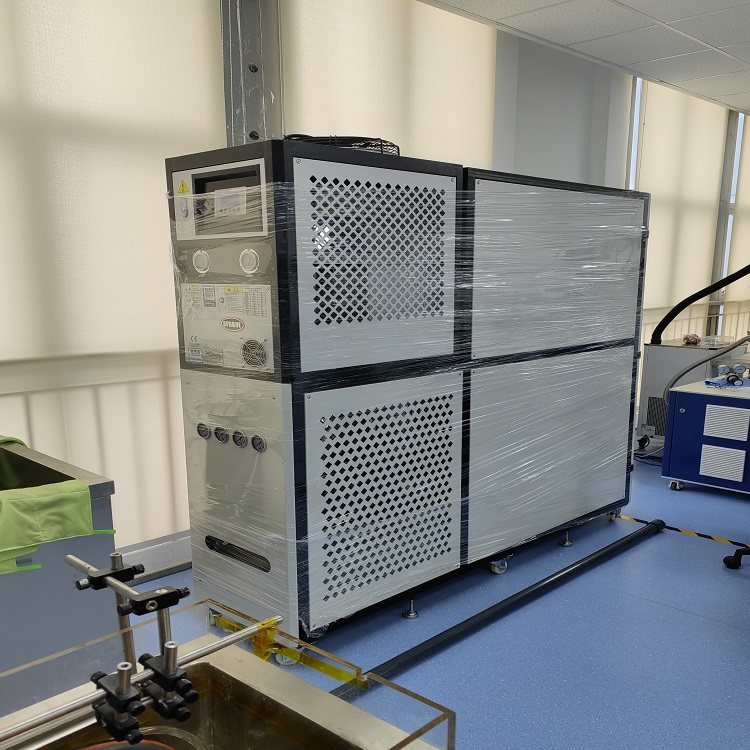
The specific work process is as follows:
1. Pretreatment: The wastewater is first subjected to pretreatment processes such as filtration and sedimentation to remove large suspended particles and some impurities, reducing the risk of scaling during subsequent evaporation.
2. Evaporation Concentration: Pre-treated wastewater enters the evaporator, where, under low-temperature conditions, heat provided by a heat pump or steam compressor causes the water to gradually evaporate into steam, while the dissolved solids and pollutants in the wastewater are concentrated.
3. Steam Condensation: Steam produced through evaporation is cooled by the condenser to become distilled water, which can be reused directly or discharged to meet standards.
4. Wastewater Treatment: The concentrated wastewater can be further processed based on its characteristics, such as solidification, incineration, or resource utilization.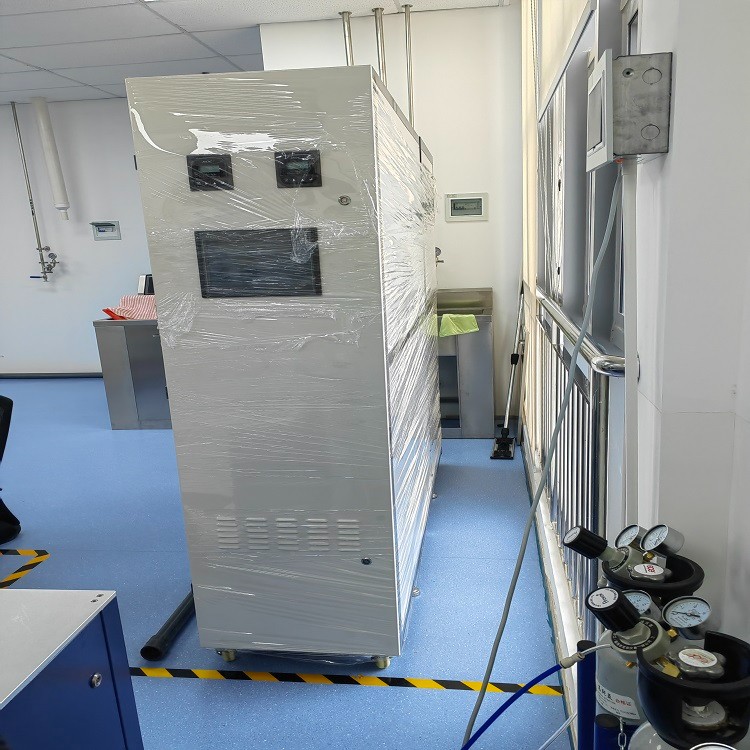
Technical Features of Low-Temperature Waste Water Evaporation Equipment
Energy-efficient: The low-temperature evaporation technology fully utilizes the energy recovery characteristics of heat pumps or steam compressors, reducing energy consumption to only 30%~50% of traditional evaporation technology, significantly lowering operating costs.
2. Environmental Safety: Operation at low temperatures avoids secondary pollution caused by high-temperature evaporation (such as volatile organic compounds escaping) and also reduces the risk of equipment corrosion.
3. Versatile: Capable of treating complex wastewater with high salinity, high COD, and heavy metals, particularly suitable for high-concentration organic wastewater and chemical industrial wastewater.
4. High Automation: Modern low-temperature evaporation equipment predominantly utilizes PLC control systems, achieving full automatic operation, reducing manual intervention, and enhancing stability.
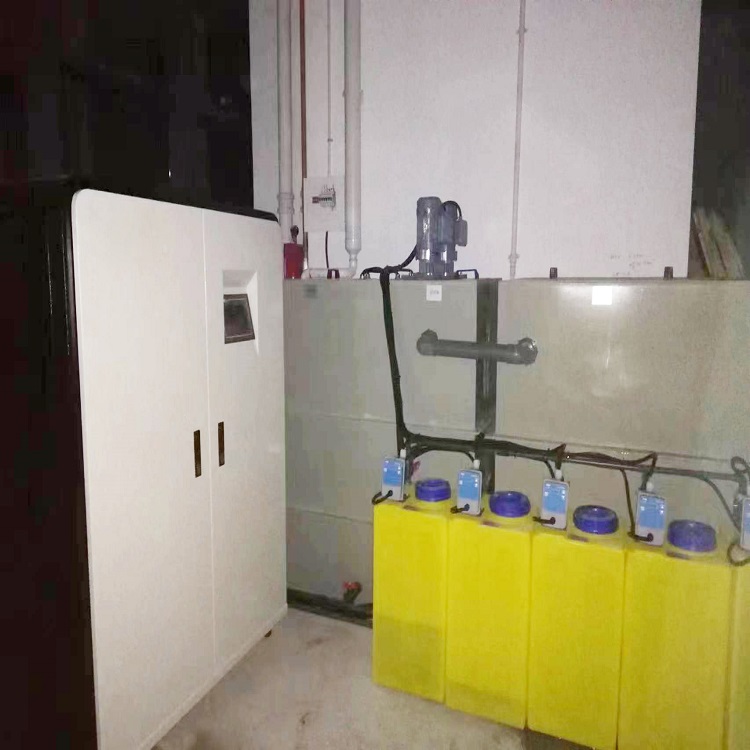
Multi-effect Evaporator, Vacuum Low-Temperature Evaporation Equipment, Reliable Quality, Quankun, Durable
Application Scenarios
Chemical Industry: Saline wastewater and organic wastewater generated during the chemical production process can be reduced in volume and resources recovered through low-temperature evaporation technology.
2. Pharmaceutical Industry: Pharmaceutical wastewater often contains high concentrations of organic matter and salts. Low-temperature evaporation equipment can effectively separate water from pollutants, meeting stringent discharge standards.
3. Food Processing: Organic matter and salts in food wastewater can be concentrated through low-temperature evaporation for further treatment, such as making fertilizers or feed additives.
4. Electroplating Industry: Heavy metal ions in electroplating wastewater can be recovered and reused after evaporation and concentration, reducing environmental pollution.