
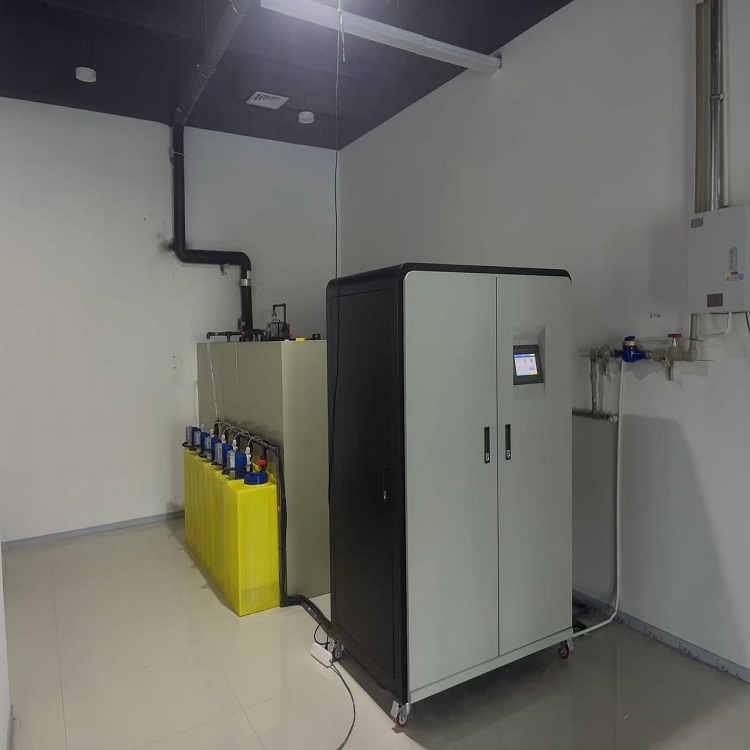

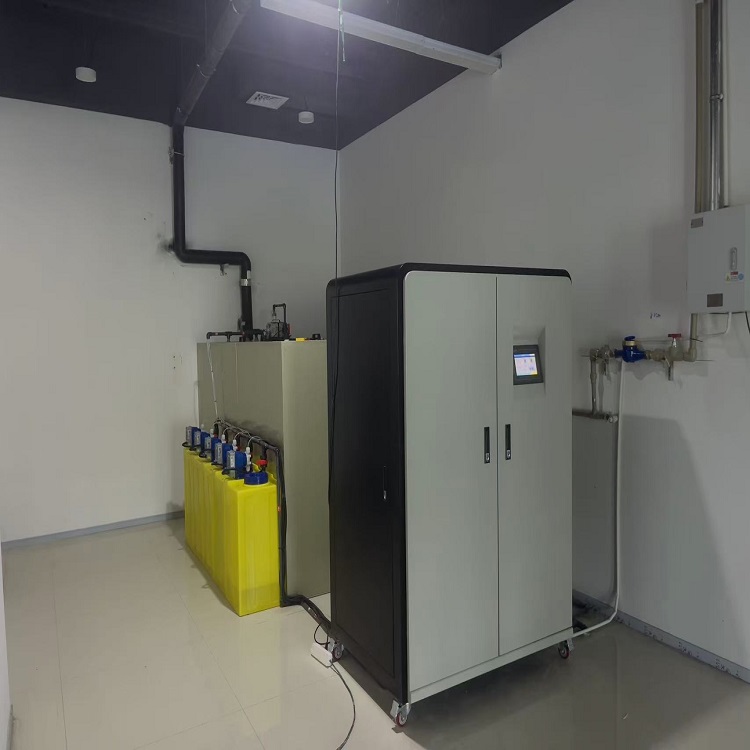
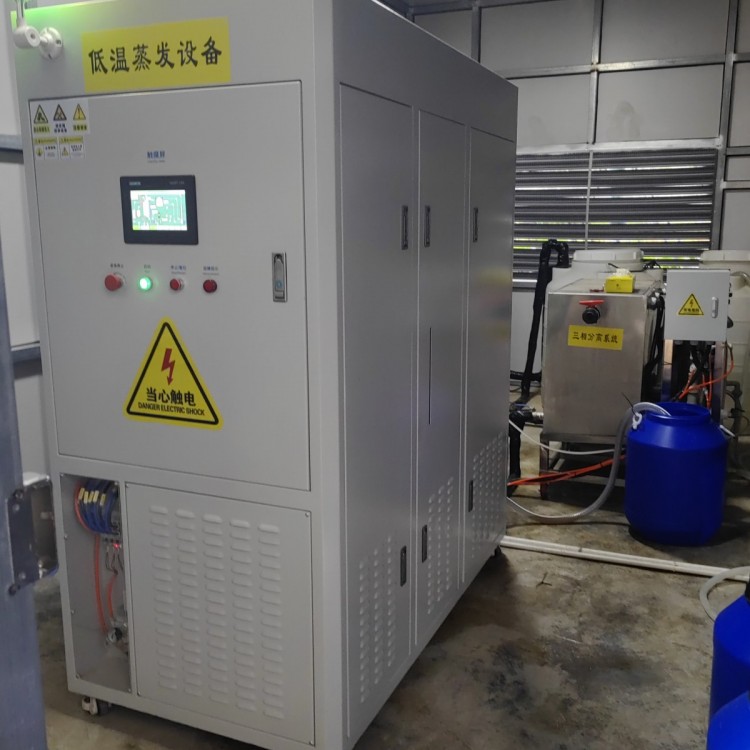
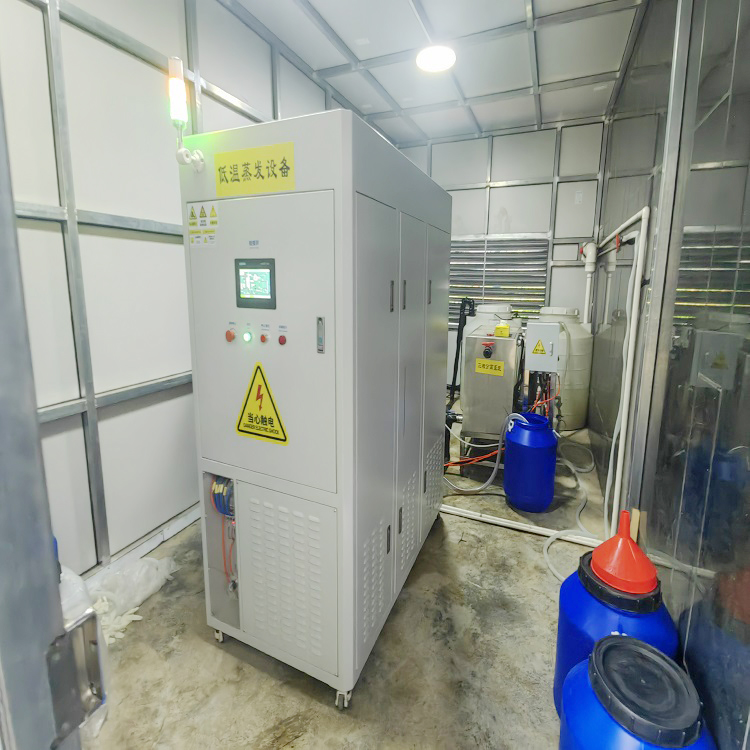







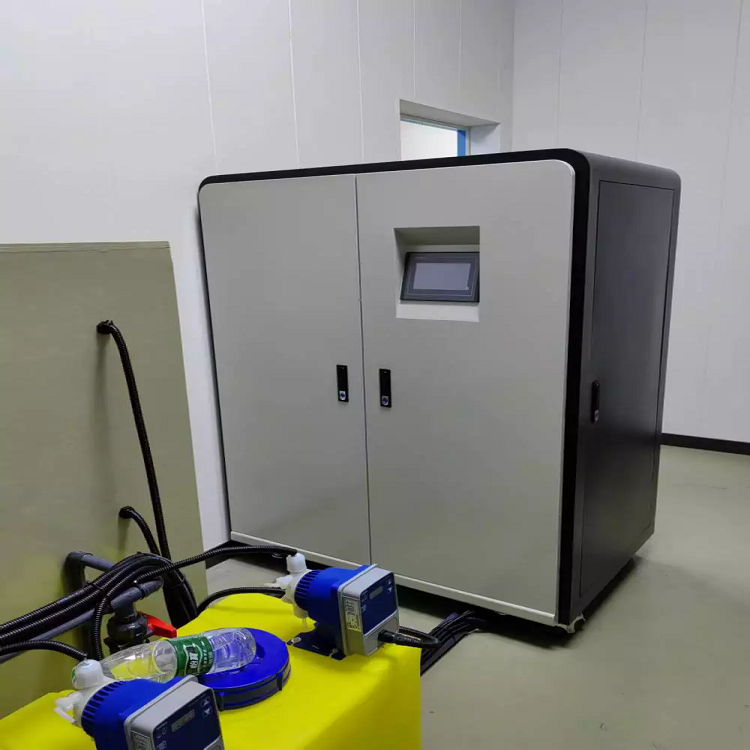
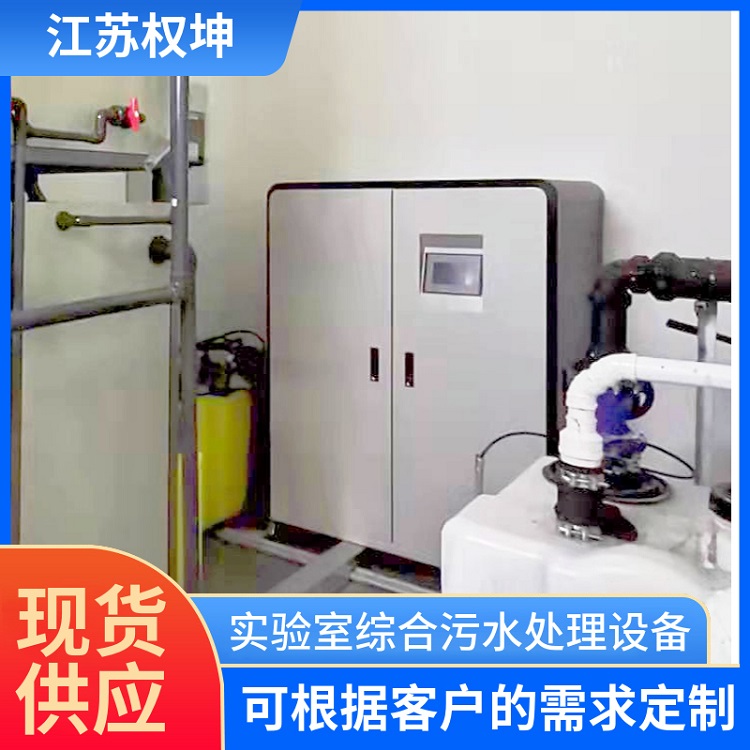
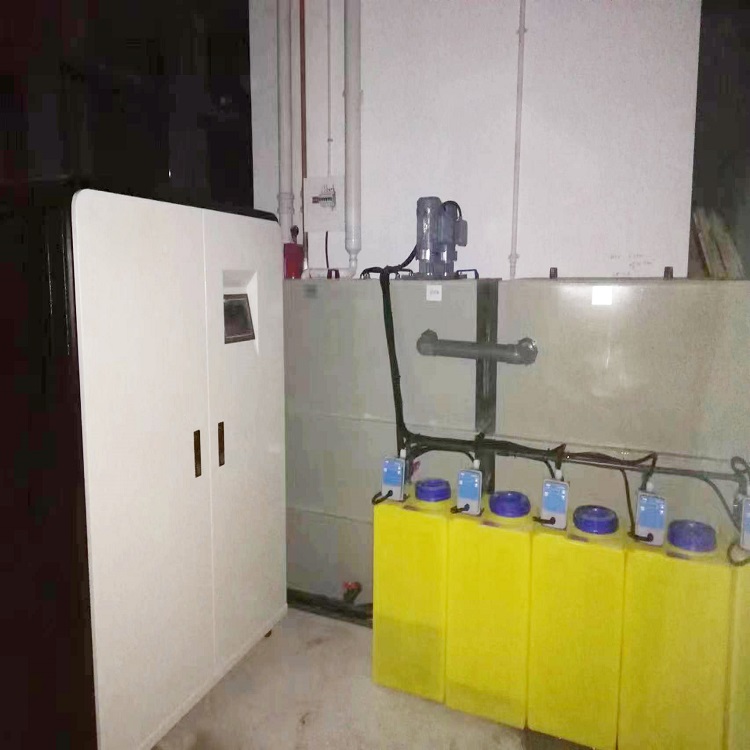
Wastewater Low-Temperature Evaporator - One-Touch Operation - Low-Temperature Evaporator Equipment Manufacturer - Quankun Environmental Protection
Product Overview:
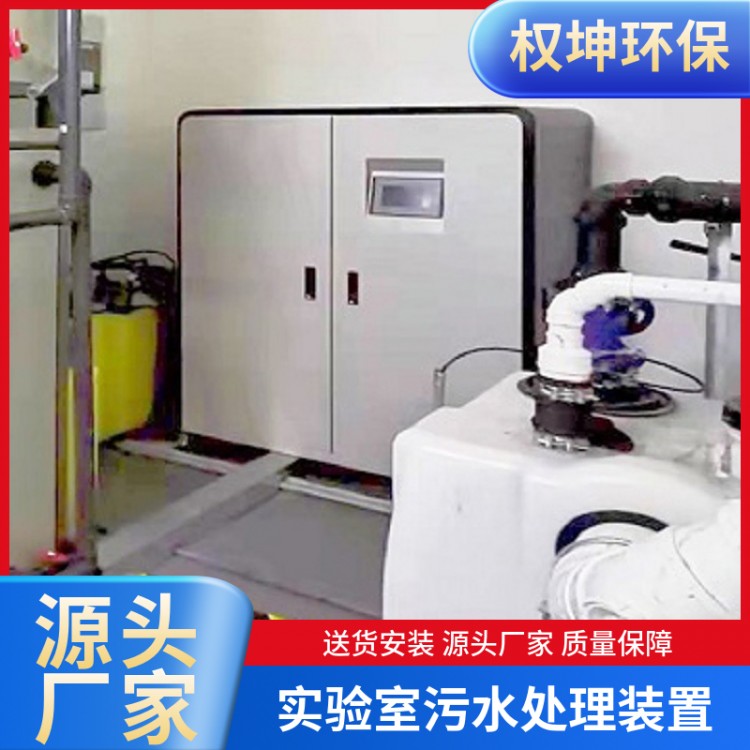
The primary function of low-temperature distillation equipment is wastewater treatment. There is a noticeable difference in water quality before and after treatment. No additional separation equipment such as stacking or filtering is needed for low-temperature distillation. The equipment can separate suspended solids, colloidal matter, and microbial populations discarded by biological units from the wastewater, resulting in safe water quality after treatment and a small footprint of the equipment.
The bio-touch oxidation treatment process used for equipment features has a smaller volume than the activated sludge pool, exhibits strong adaptability to water quality, and is highly effective against shock loadings. The effluent water quality is stable and does not cause sludge expansion. It efficiently removes organic matter from rural domestic wastewater, is reliable, and does not require the addition of chemicals, thereby saving subsequent costs and reducing operating expenses.
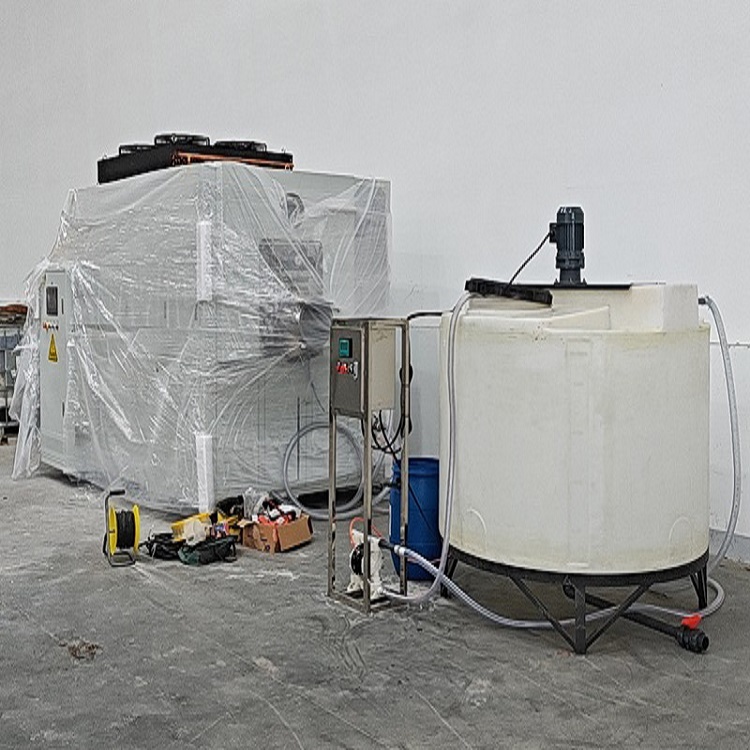
Operating Principle:
Low-temperature evaporators utilize high-efficiency heat exchange technology to heat and evaporate wastewater at lower temperatures. This treatment method effectively reduces the concentration of pollutants in the wastewater while lowering energy consumption during the process.
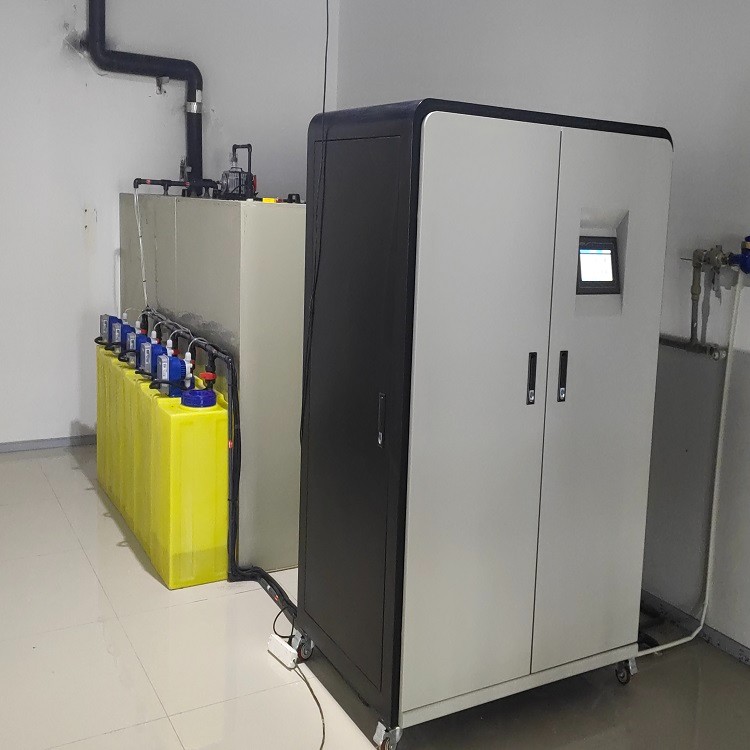
Application Scope:
Low-temperature evaporators are suitable for various industrial wastewater treatment, including chemical, electroplating, food, leather, petrochemical, and other industries' wastewater.
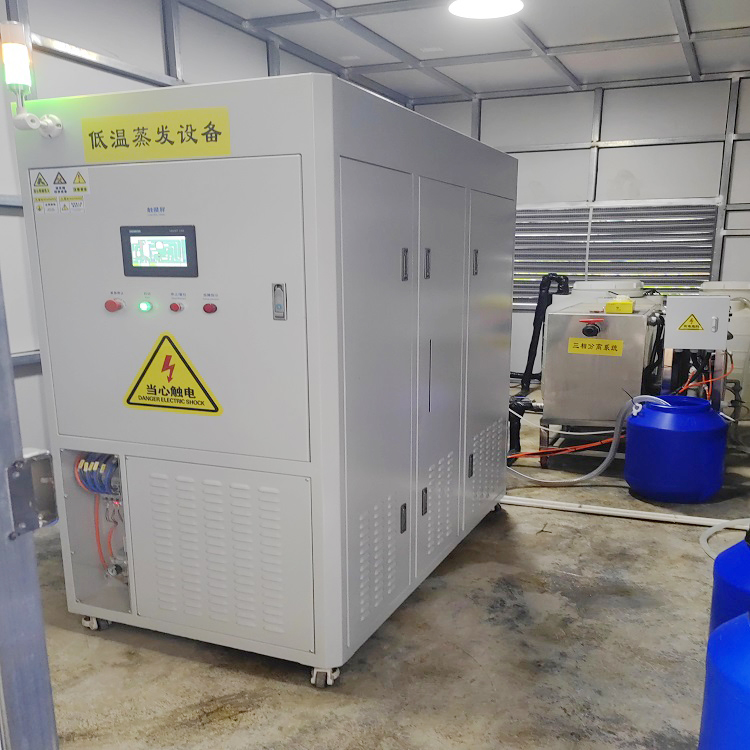
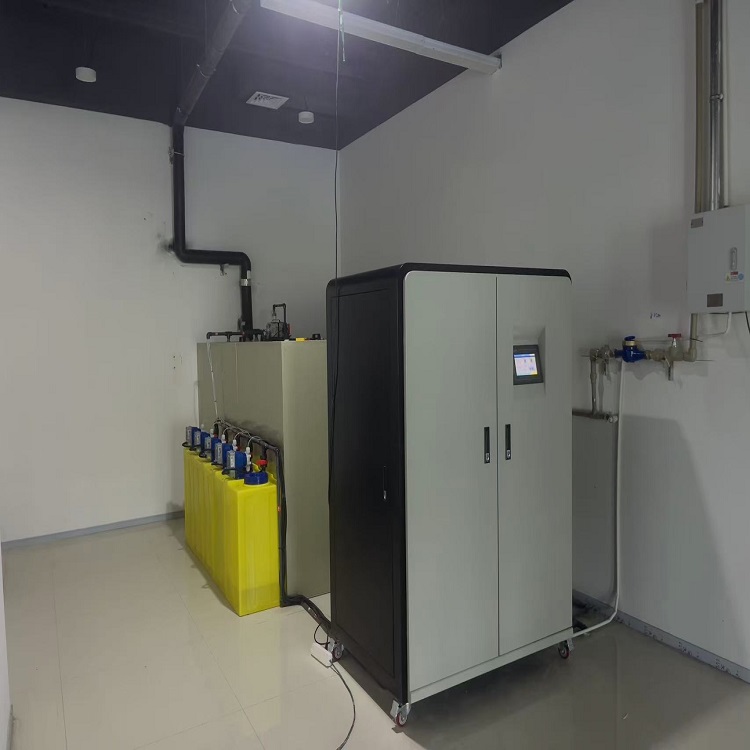
Low-temperature vacuum evaporator process equipment:
1) Virgin Liquid Drums
Square drum, collects the raw high-concentration wastewater after simple filtration pretreatment; can adjust the pH value of the raw liquid with appropriate chemicals as needed.
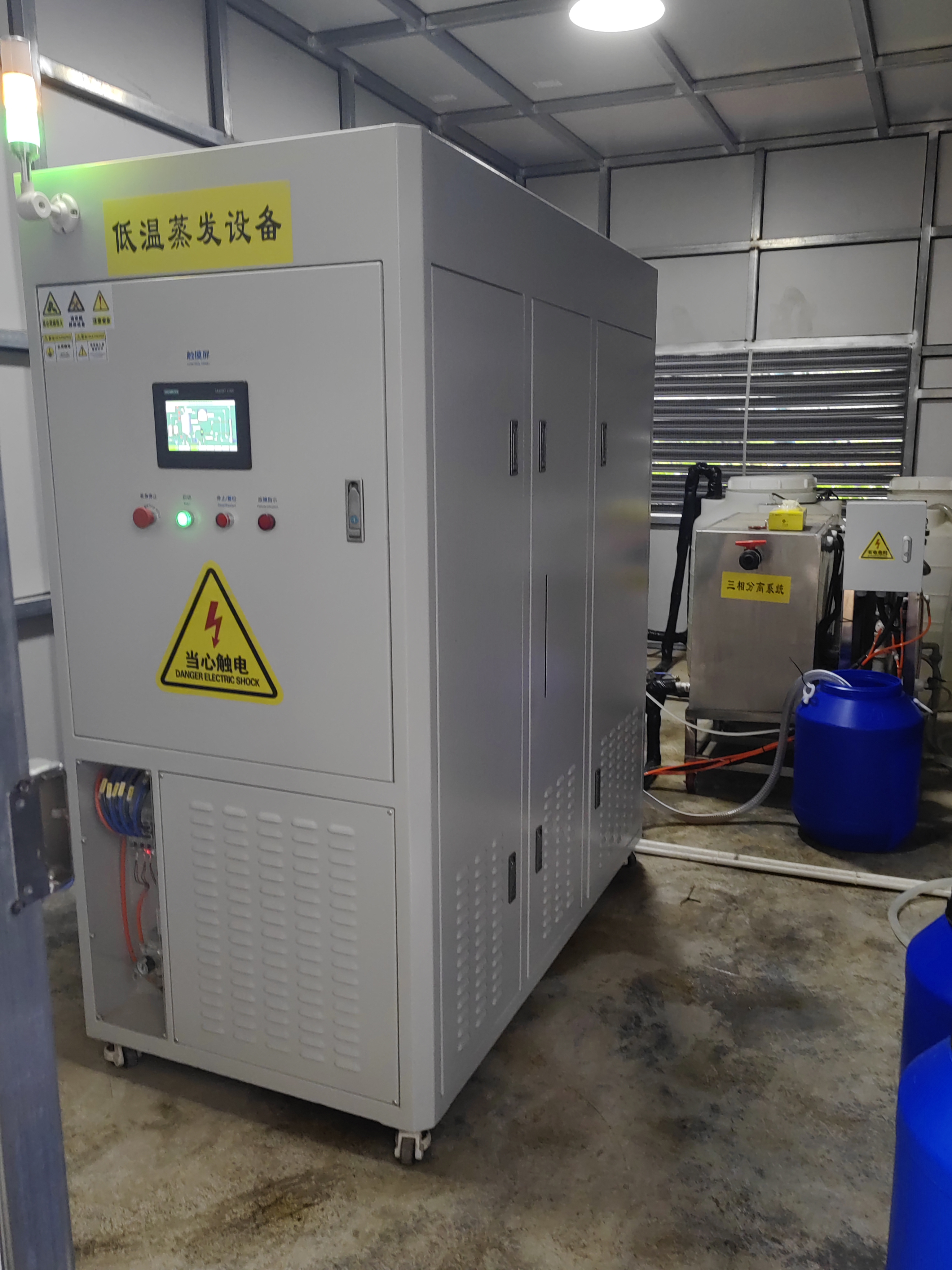
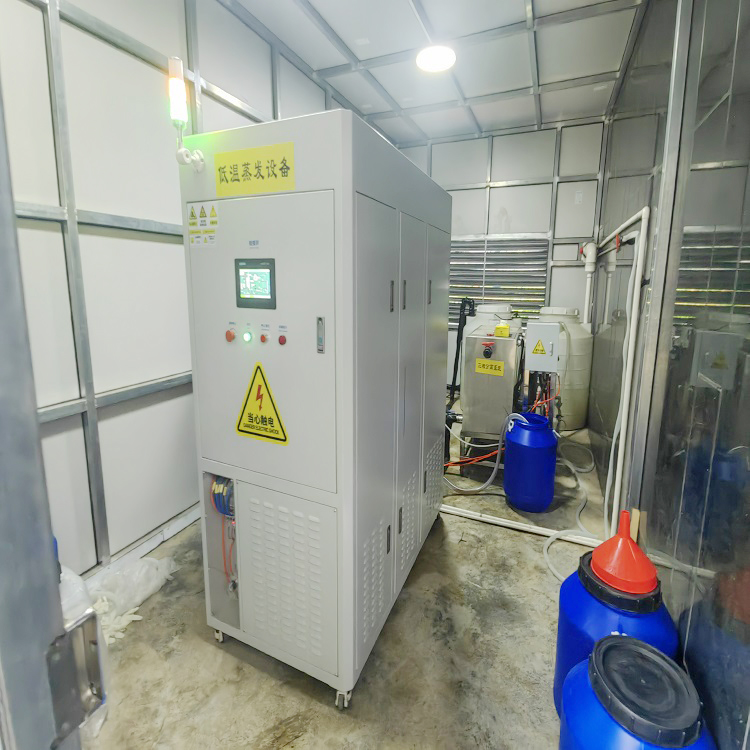
2) Low Temperature Vacuum Evaporator
Wastewater enters the low-temperature vacuum evaporator, where it evaporates at a lower temperature. The steam is then condensed and cooled to form distilled water, while the concentrated water returns to the water collection ton barrel or is handled by an external unit. It can remove heavy metals and most inorganic salts. The water yield of the evaporator is 90%.
3) Water Buckets
Tonnage drums, water vapor condensate collection drums, collect clear liquid water, for reuse or discharge.
4) Concentrate Drum
Collect the concentrated solution produced by the evaporator
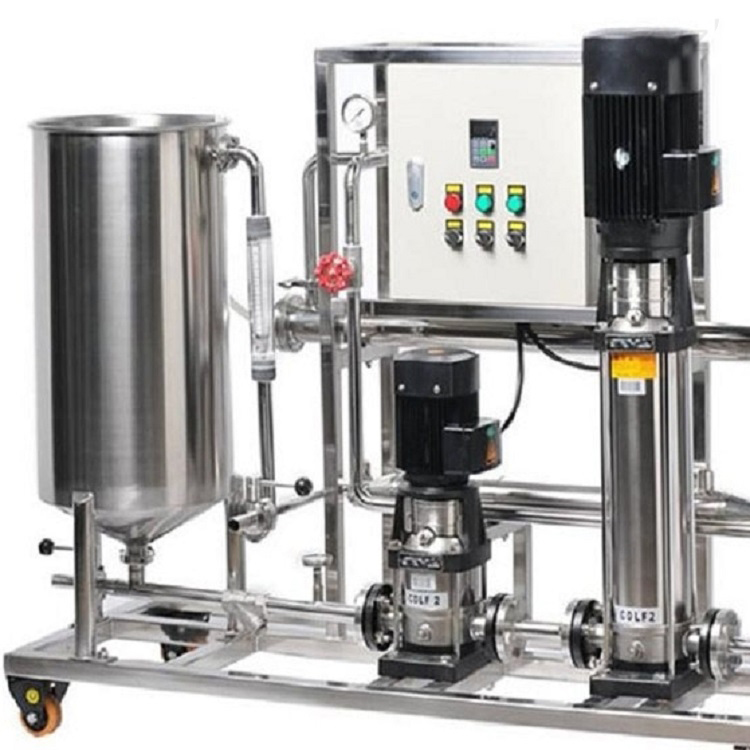
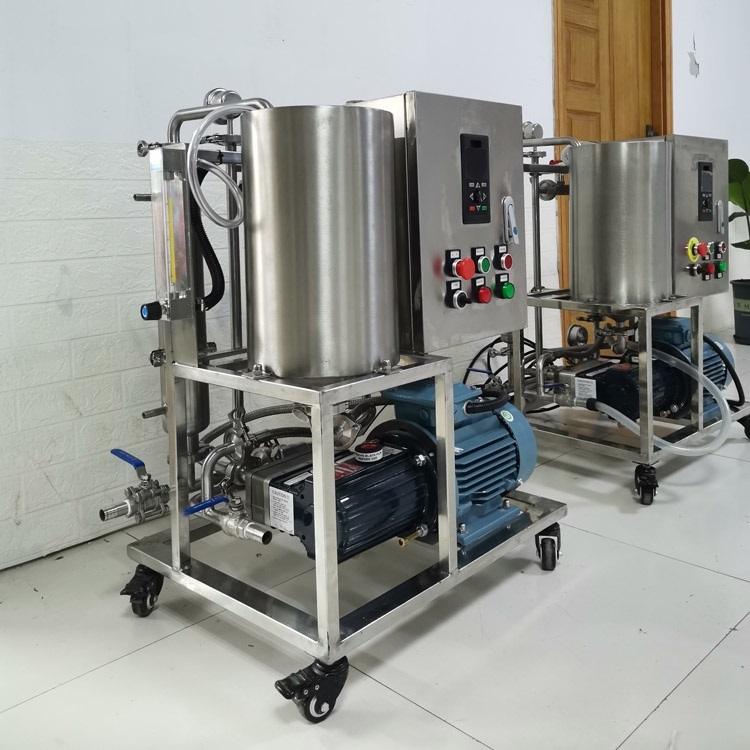
Main components of low-temperature evaporation vacuum equipment include: compressor, circulating water pump, outsourced treatment, jet pump, distillation kettle, coil heat exchanger, condenser tank, diaphragm sludge pump, special control system, touch screen.
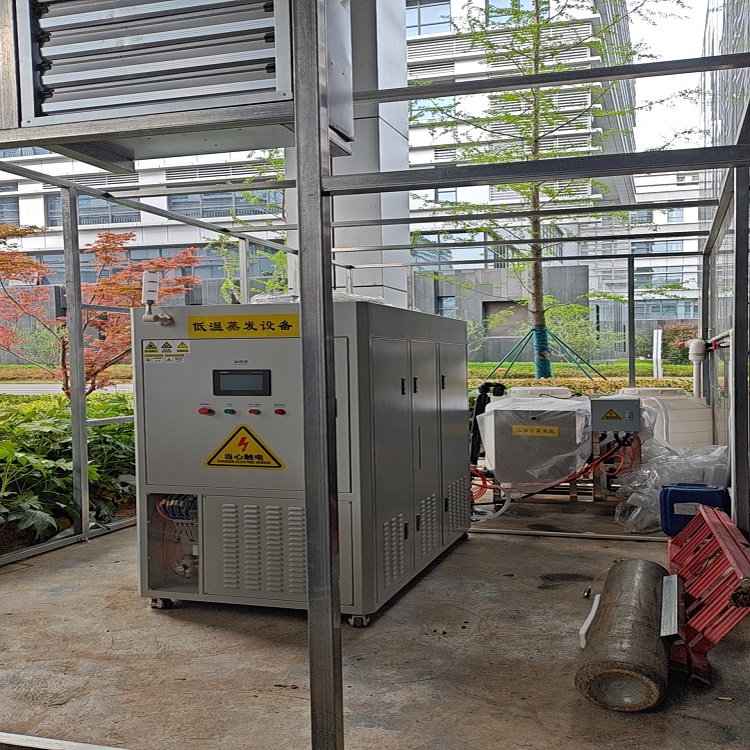
Low-temperature Sewage Evaporator - Key Operation - Manufacturer of Low-Temperature Evaporator Equipment - Quankun Environmental Protection
Step-by-step guide for low-temperature distillation concentration equipment:
First, suck the waste liquid from the waste liquid drum, while simultaneously heating the tank to create a vacuum pressure. Under low temperature and low pressure, the waste liquid is evaporated to produce steam. If bubbles form, defoaming agents can be added during the heating process to prevent foam from affecting the parameters. The steam rises and flows into the cooling system, becoming recycled water. The recycled water is then stored in the cold water tank inside the machine and transferred to an external recycled water drum. This entire process operates fully automatically, requiring no manual intervention. The water processed by the low-temperature evaporator can be reused, reducing energy consumption.