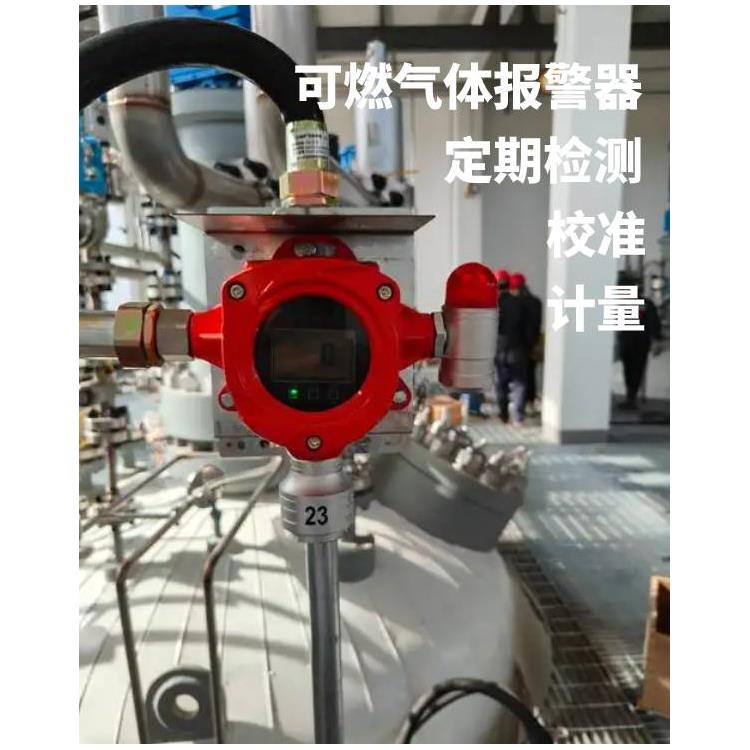

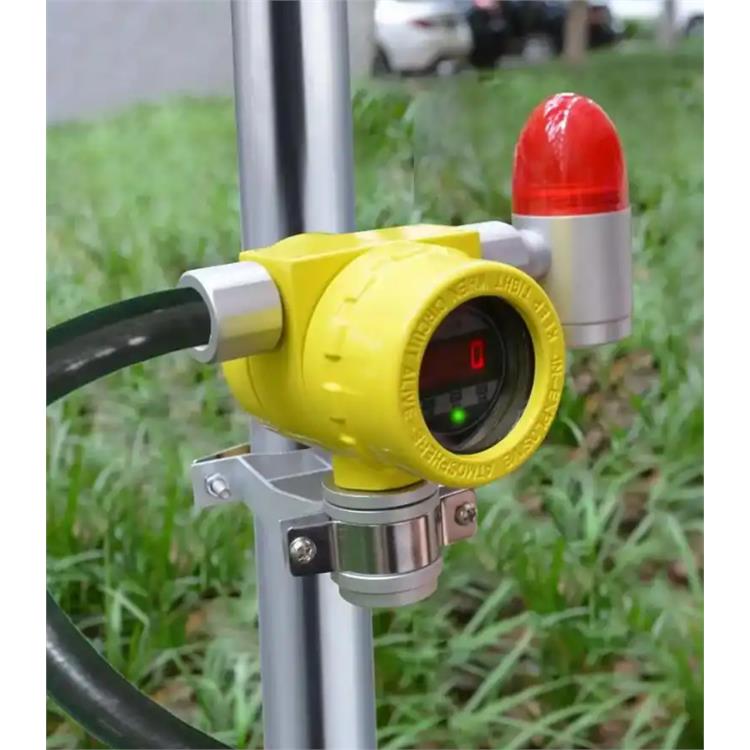











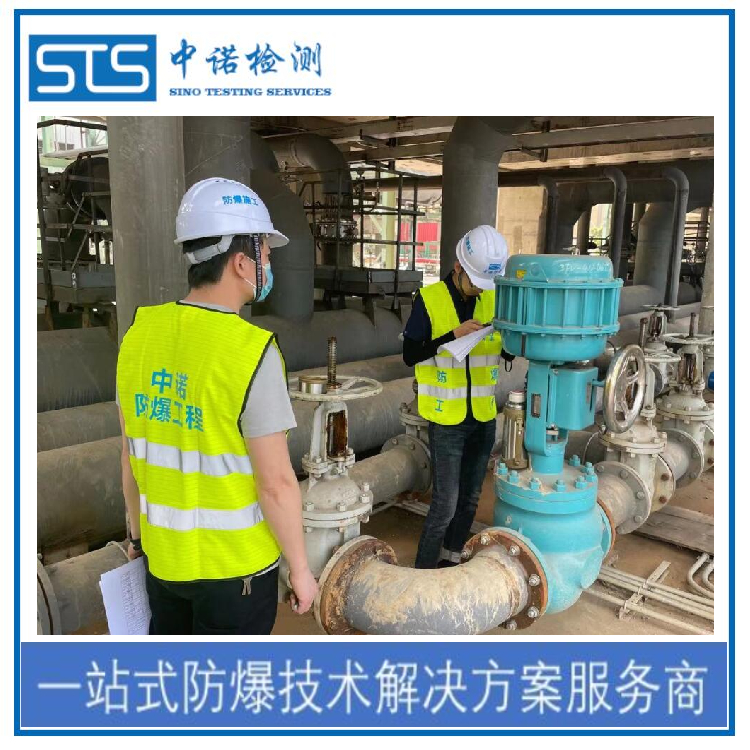
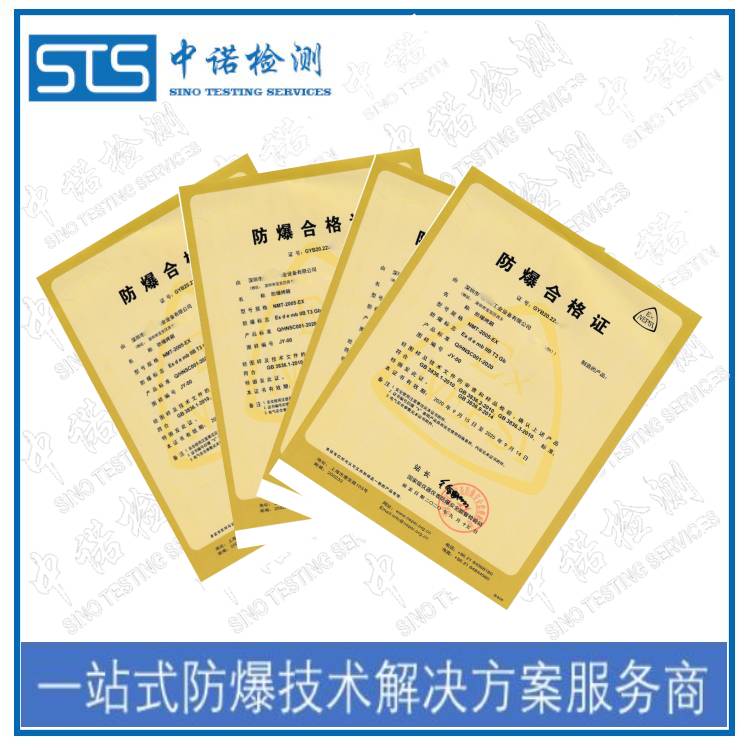
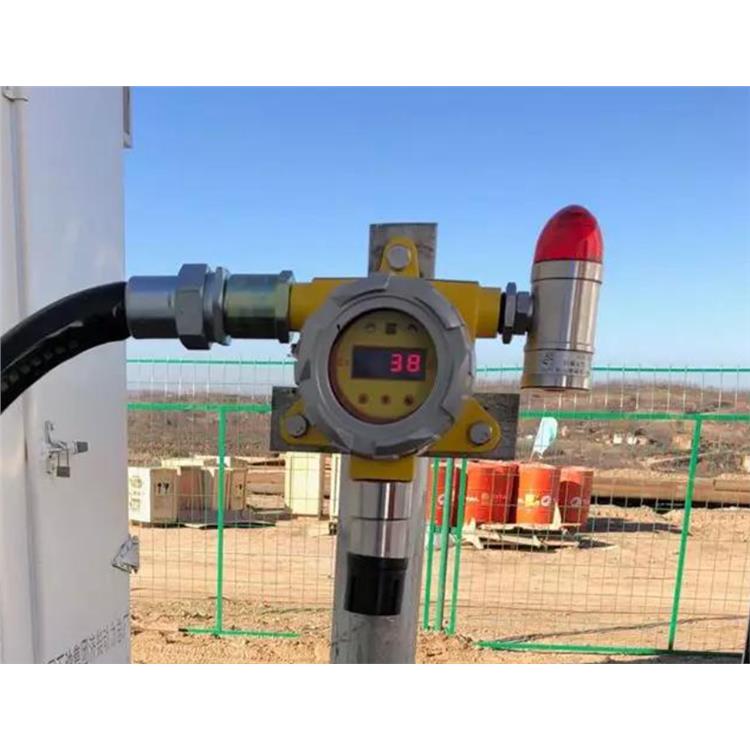
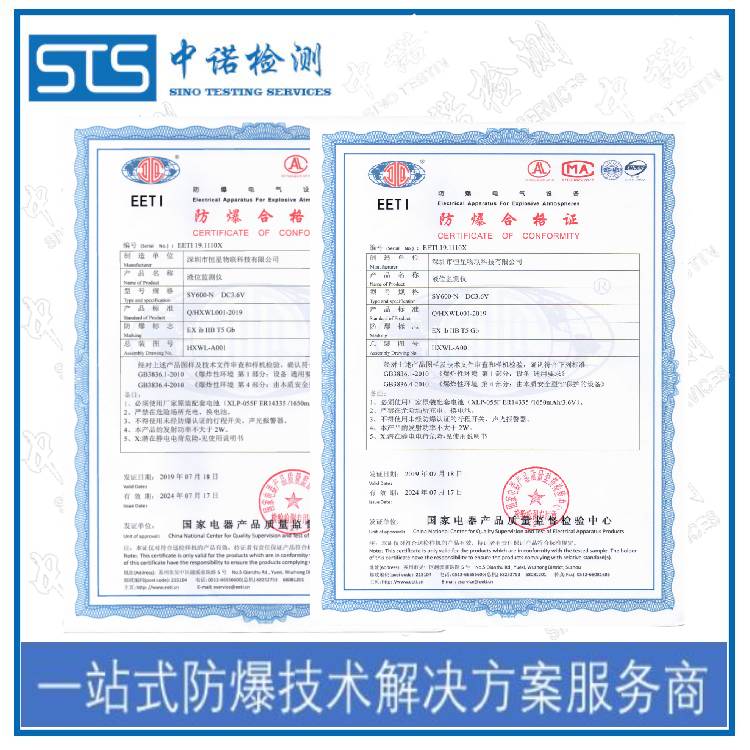
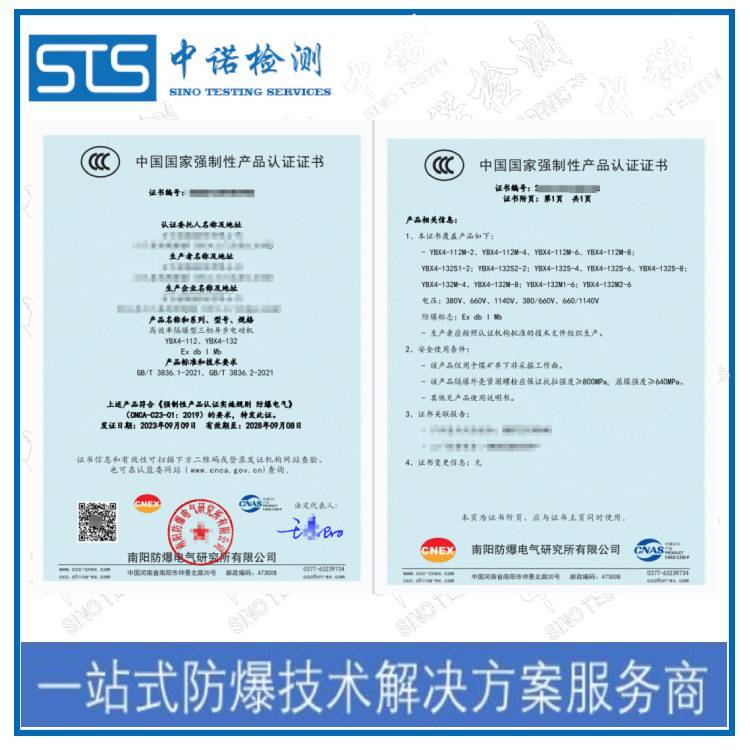
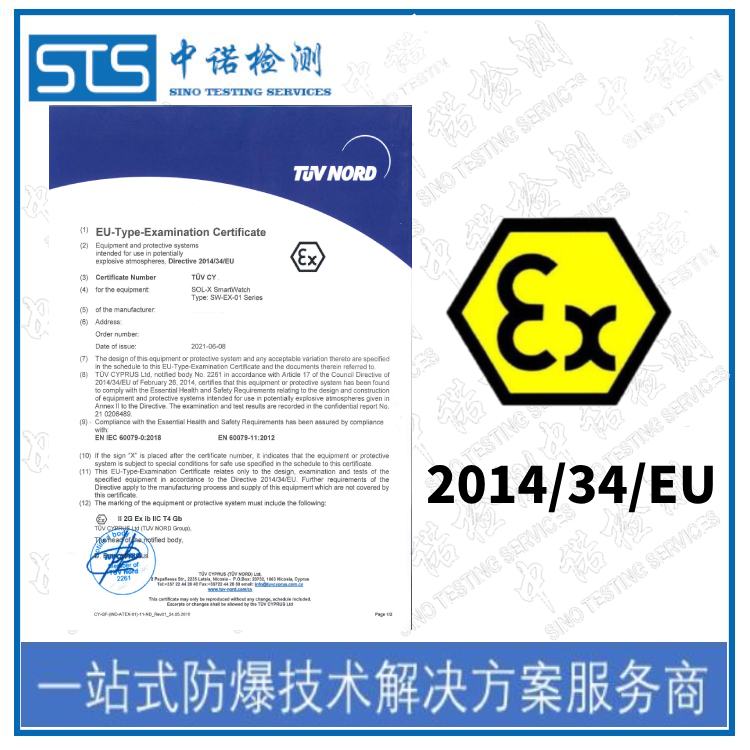
Shenzhen ZhongNuo Testing Technology Co., Ltd. specializes in the calibration, verification, and metrological services for gas alarms, combustible gas detectors, toxic and harmful gas detectors, and other equipment in various locations. We hold the necessary qualifications to serve nationwide, addressing electrical safety and explosion-proof fire prevention issues for clients, and contributing to safe production.
What factors influence the calibration cycle of combustible gas detectors?
Manufacturer Requirements: Different manufacturers may have varying inspection cycle requirements for flammable gas detectors. Therefore, when purchasing equipment, carefully review the product manual to understand the specific requirements of the manufacturer.
Equipment Usage Environment: The operating environment of the alarm directly impacts its inspection cycle. If the equipment is frequently exposed to high concentrations of harmful gases, high or low humidity, or high or low temperatures, its inspection cycle may be shortened accordingly.
Equipment Maintenance Status: The condition of equipment maintenance is also a significant factor affecting the inspection cycle. If the equipment is frequently faced with issues like battery depletion and sensor aging, the inspection cycle will accordingly be shortened.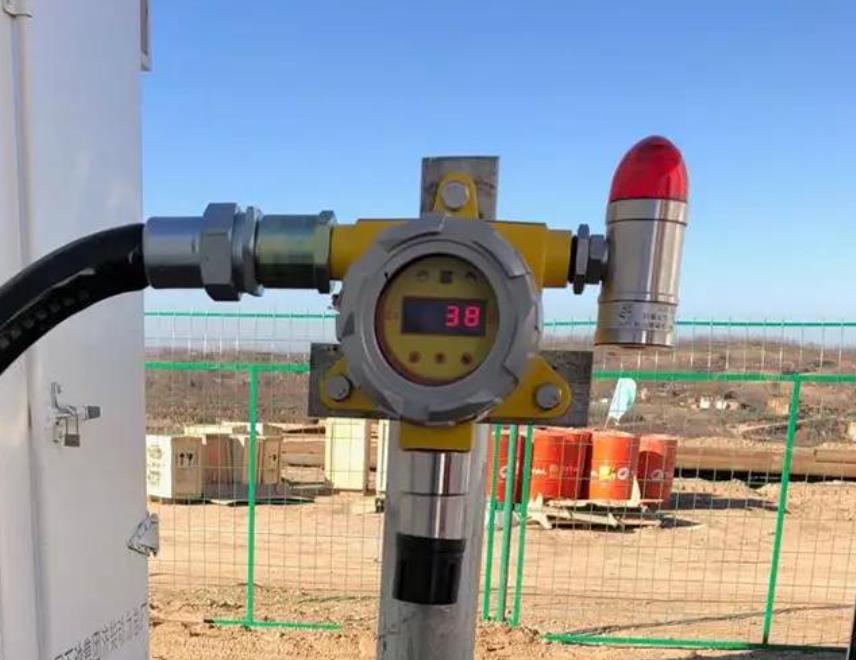
Regulatory Content and Methods for Regular Inspection of Flammable Gas Detectors and Alarms
Annual inspections are conducted on industrial and commercial alarm sensors, primarily checking for accuracy errors, repeatability, drift, and response time in compliance with standards. Additionally, the suitability of the alarm sensor's installation location and any interference from other equipment are assessed.
Gas Alarm Meters Calibration Conditions and Requirements
Environmental Conditions
Ambient Temperature: 0~40℃.
2. Relative Humidity: ≤85%
3. The working environment should not interfere with the normal operation of the instrument due to electromagnetic fields and interfering gases.
Calibration Tools and Instruments
1) Standard Gas Substance
The relative expanded uncertainty of the gas standard material does not exceed 2% (k=2).
2) Standard Gas Dilution Device: Dilution error of 1%.
3) Stopwatch: graduation not greater than 0.1s.
4) Flow Control: Flow range not less than 500 mL/min, flow grade not less than 4.
5) Zero Point Gas: Purified compressed air.
6) Pressure Reducing Valve: A pressure reducing valve that is compatible with the calibrated cylinder.
7) Gas Pipeline: Tube for gas pipelines, such as polytetrafluoroethylene or stainless steel pipes, that do not affect the concentration of the measured gas.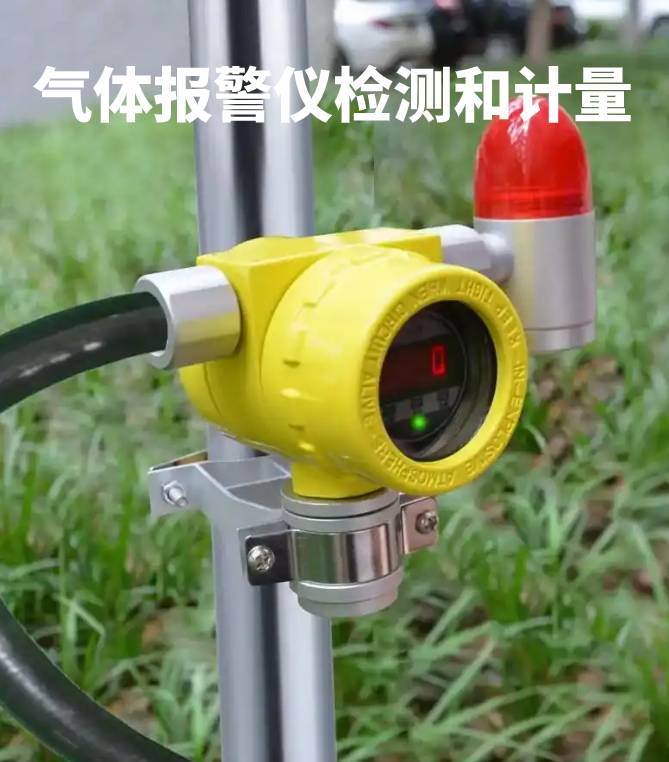
Gas Standard Material
We use gas standard substances of the same type as the gas measured by the instrument, such as methane or ethane, or other gases. If the instrument does not specify the type of gas being measured, the concentration of the gas with a 60% increase in the alarm set point is approximately the full-scale range of the standard substance. The uncertainty of the expanded gas standard substance is not significant (%). The repeatability of the dilution device should not exceed ±1%. The flow value error of the dilution device should be low for high concentration gas standard substances. The concentration unit of the gas standard substance should be converted to match the indicating unit of the inspected instrument, and should not be greater than 0.%.
Shenzhen Zhongnuo Testing Technology Co., Ltd. is a third-party institution providing regular verification, measurement, and calibration services for electrical safety, electrical explosion-proof, gas alarms, and toxic and harmful gas alarm instruments. We hold the necessary qualifications to assist customers in addressing fire and explosion prevention issues.
WeChat Official Account

Scan to follow Official Account