







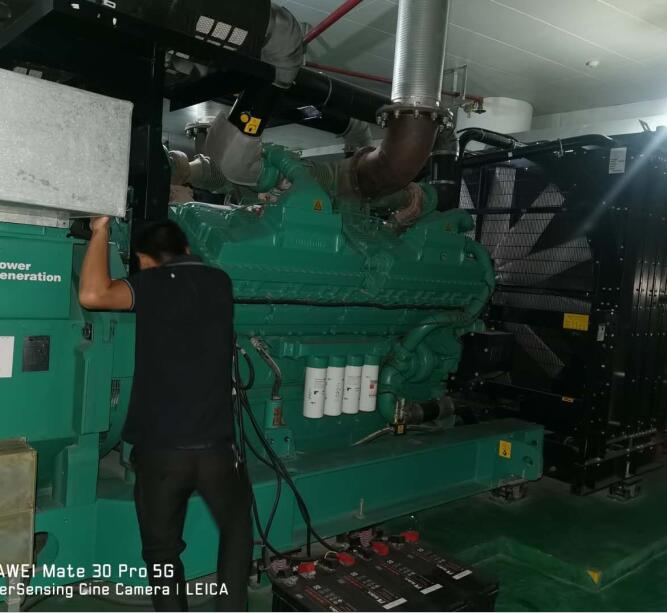
Engine knocking can occur due to factors such as excessive ignition timing (advance angle), engine load, temperature, and fuel quality. When knocking occurs, the combustion of gases happens before the piston reaches top dead center, causing either mild noise and power loss or severe damage to the engine's mechanical components. To prevent knocking, a knock sensor is an essential part that allows the electronic control system to adjust the ignition timing.
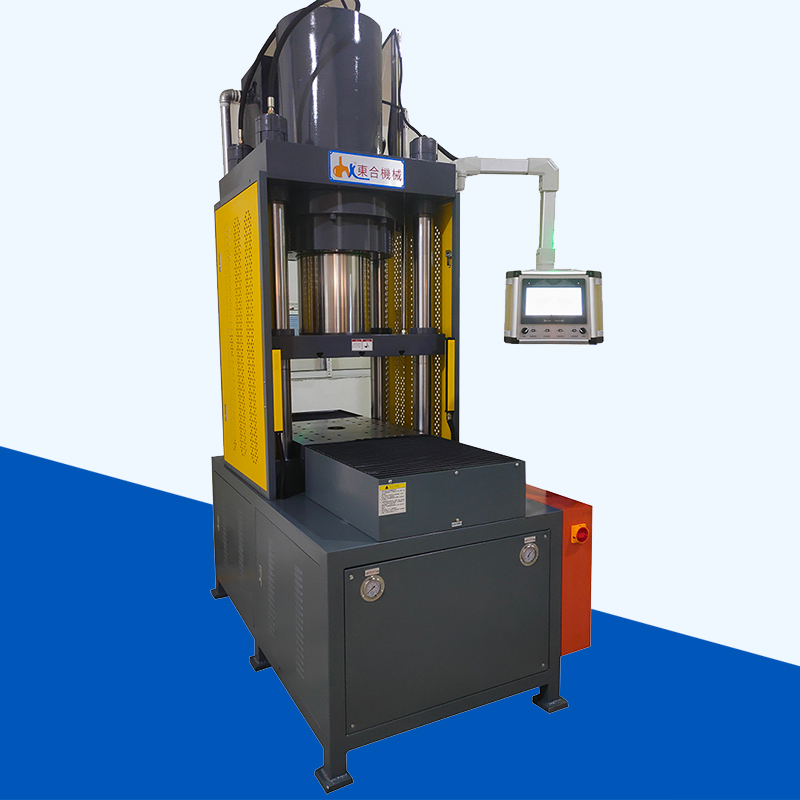
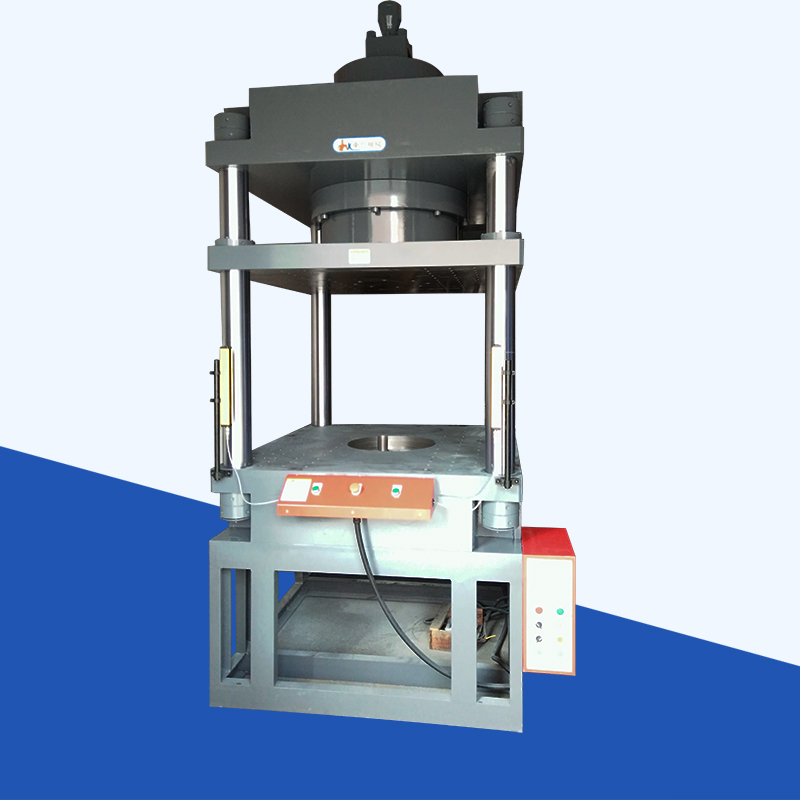
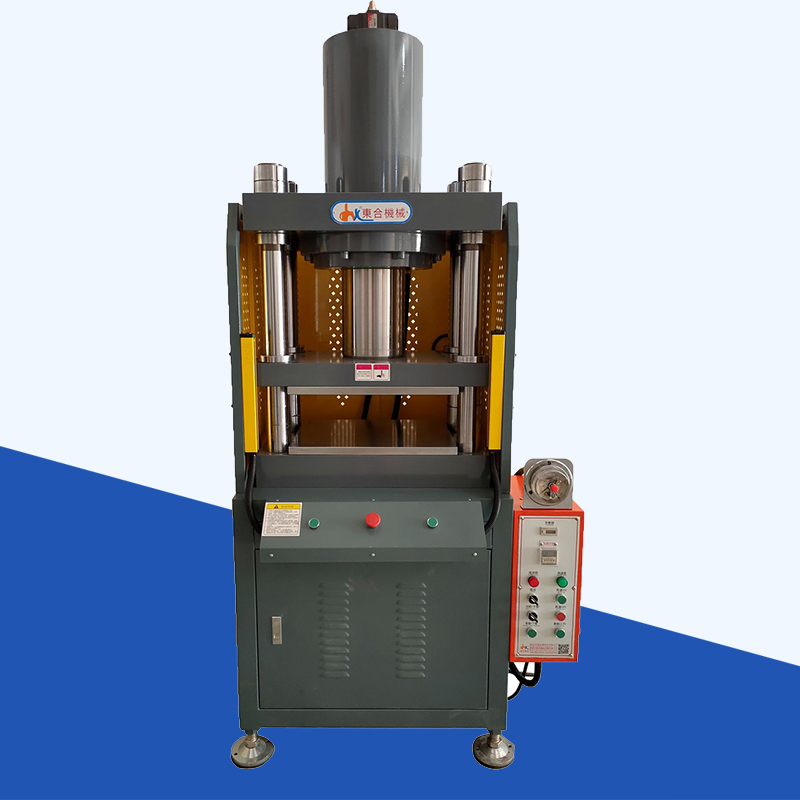
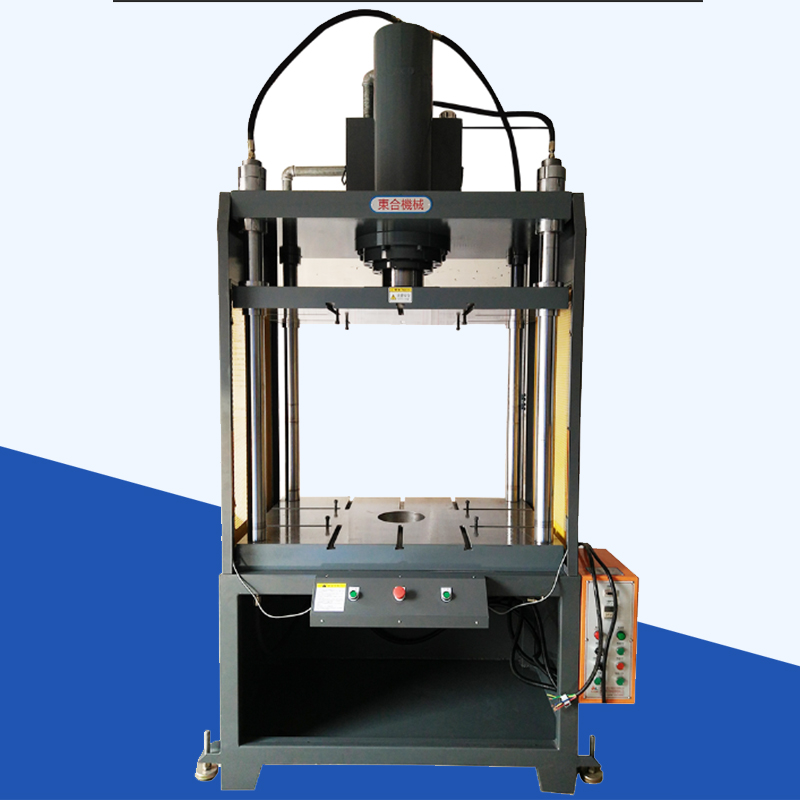
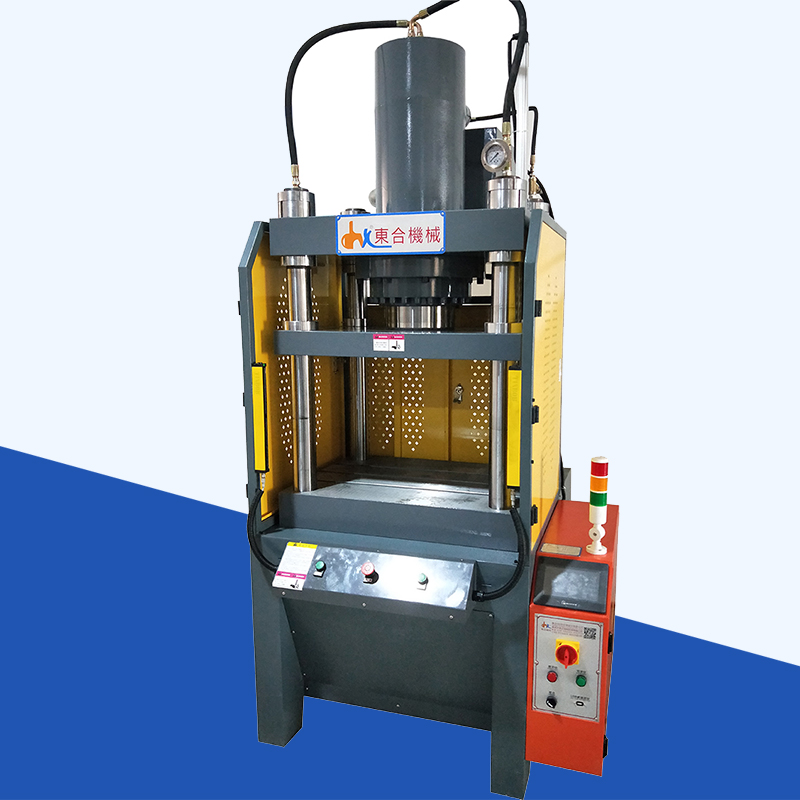
Our machinery repair workshop specializes in mechanical manufacturing. We have several technicians and graduates from junior and senior colleges, with a team of lathe, drilling, milling, welding, and grinding skills. We mainly undertake the production and repair of various motor rotors and components, as well as large-scale machining. Equipped with a C780 extended lathe, C930 extended general lathe, milling machine, planer, boring mill, and an 800-ton vertical press, we can handle the production of various transformers, motor shafts, and motor components. We possess a range of mechanical repair equipment, including spray equipment, cold welding machines, brush plating, CO2 gas shielded welding, and TIG welding, capable of repairing various mechanical wear parts to achieve the original material hardness without deformation. Additionally, we have a dynamic balance testing machine from Guangdong, and our technical strength is robust.
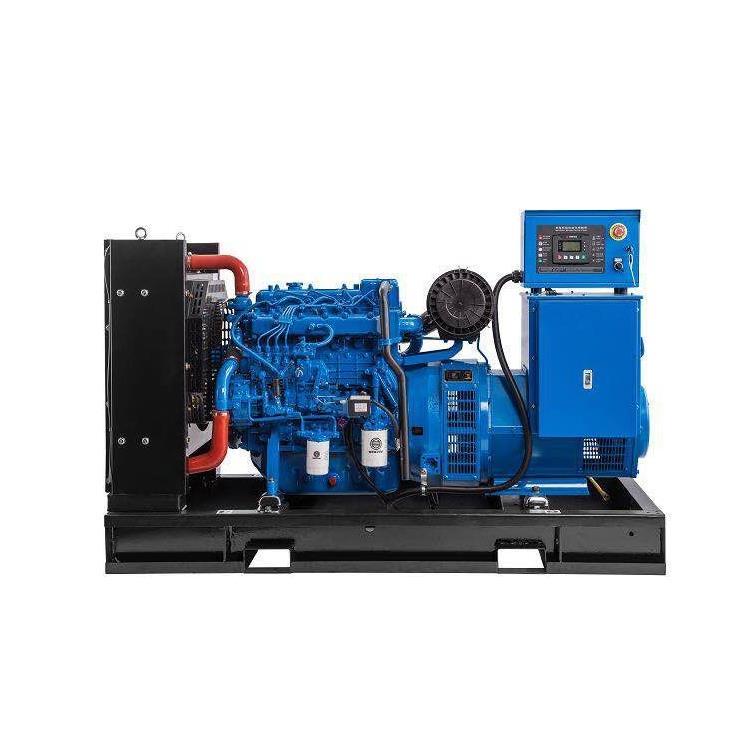
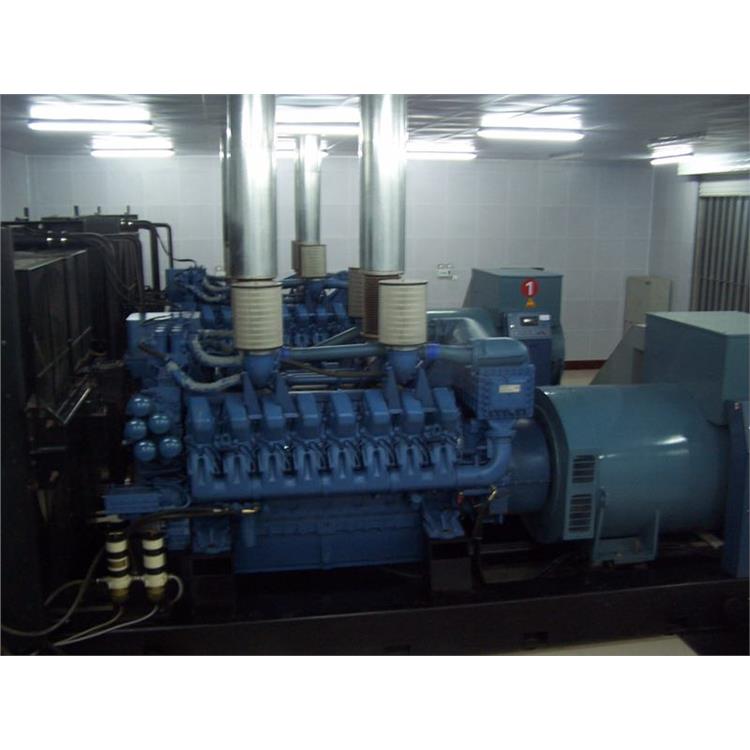
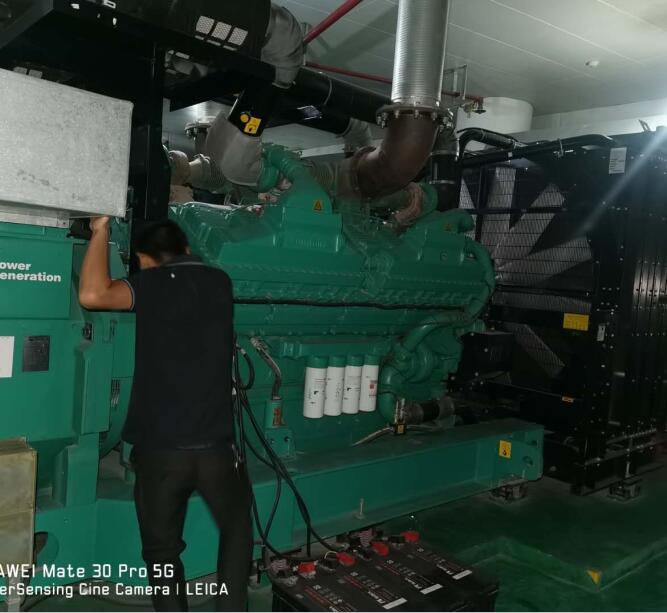
How to Properly Start a Diesel Generator: Do not start or shut down while under load
Before starting, make sure the output air switch is in the off position. After startup, typically allow for a three to five-minute idle run. In winter, due to lower temperatures, extend this by a few more minutes. Pay attention to any oil or water leakage; if detected, immediately stop operation for inspection and repair. Before shutting down, first gradually disconnect the load, then turn off the output air switch. Wait for the equipment to decelerate to idle operation for three to five minutes before powering off.
How to Properly Start a Diesel Generator: Operating Procedure
The piston completes four strokes in motion: intake, compression, combustion and power (expansion) stroke, and exhaust stroke. When the piston moves downward, the intake valve opens, and fresh air filtered through an air filter enters the cylinder to complete the intake stroke. As the piston moves upward from the bottom, both the intake and exhaust valves are closed, compressing the air, which increases its temperature and pressure, completing the compression process. Just before the piston reaches its top dead center, the fuel injector sprays filtered fuel into the combustion chamber in a mist, mixing with the high-temperature, high-pressure air and igniting spontaneously. The resulting high pressure pushes the piston downward to perform work, rotating the crankshaft and completing the power stroke.
Abnormal noise from generator
When the stator and rotor rub against each other, a piercing "click-click" rubbing sound will occur. Check the bearings; if damaged, they need to be replaced. If the bearings are not damaged but show signs of inner or outer ring wear, consider fitting sleeves or replacing the bearings and end caps.
2. The motor is running with a missing phase and produces an unusually loud noise. You may try to shut off and then reset the power, observing if it can start normally again. If it fails to start, it may indicate a missing phase due to a broken circuit in one phase. Missing phase operation can also occur if the switch or contactor's contacts are not properly connected.
3. When the bearing is severely oil-starved, a "squeaky" sound can be heard from the bearing housing. The bearing should be cleaned and refilled with new oil.
4. Blade hitting the shell or debris present can cause a clanging sound. Adjust the blades and clear away any debris around them.
5. Rotor bar breakage, accompanied by intermittent "humming" sounds and a decrease in speed, along with a change in current.
6. Stator winding leads are incorrectly connected at the ends, resulting in a low rumble and a decrease in speed.
7. Stator and rotor cores loose
Generator bearing overheating
When the motor's rolling bearing temperature exceeds 95°C and the sliding bearing temperature exceeds 80°C, it indicates overheating of the bearings. The causes and countermeasures are as follows:
Bearings damaged should be replaced with new ones.
2. Insufficient, excessive lubricating grease, or presence of iron shavings and other impurities in the rolling bearing grease. The amount of grease should not exceed 70% of the bearing and bearing cap capacity. Replace with new grease if impurities are present.
3. The fit between the bearing and end cap is too tight or too loose. When too tight, machine the bearing housing; when too loose, fit a steel sleeve inside the end cap.
4. Poor assembly of motor end caps or bearing caps. Level the end caps or bearing caps and tighten the screws.
5. Belt too tight or incorrect coupling assembly. Adjust belt tension and correct the coupling.
6. Insufficient lubricating oil for sliding bearings, presence of impurities, or stuck oil rings. Add oil, replace with new oil, repair, or replace the oil ring.
7. Excessive or insufficient bearing clearance
8. Motor shaft bending.
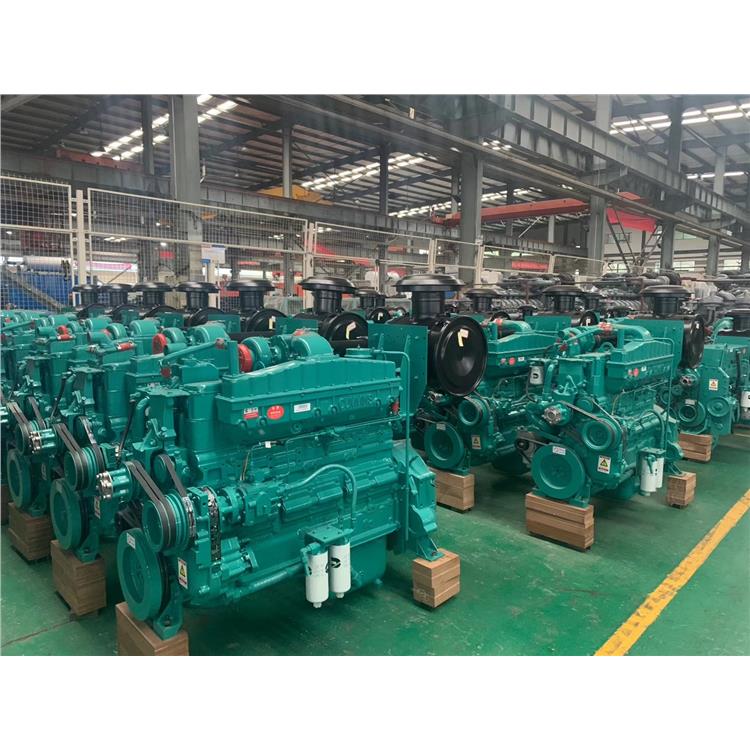
The starter is one of the crucial components of a diesel generator set. When in use, the following points should be noted: 1. After preparation is complete, press the start button. The diesel engine gears will engage with the flywheel gear ring and begin to operate. Normally, it should start on the first attempt; if not, wait for the starter armature to come to a complete stop before attempting to start again. Otherwise, the starter gears may collide violently with the engine gear ring, causing damage. 2. Each start-up should not exceed 5 seconds, and the interval between attempts should be greater than 2 minutes. 3. If the engine fails to start after several attempts, inspect the starter, diesel engine, battery, and connections, and resolve any issues before attempting to start again. 4. Once the diesel engine starts, immediately release the start button to allow the starter gears to return to their original position, stopping the operation, to prevent overspeeding and damaging the starter.
WeChat Official Account

Scan to follow Official Account