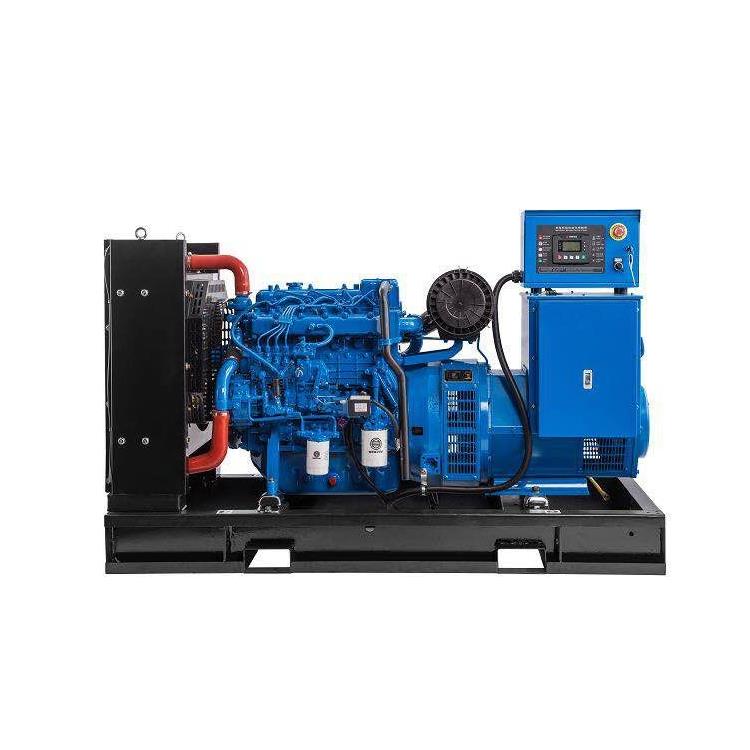

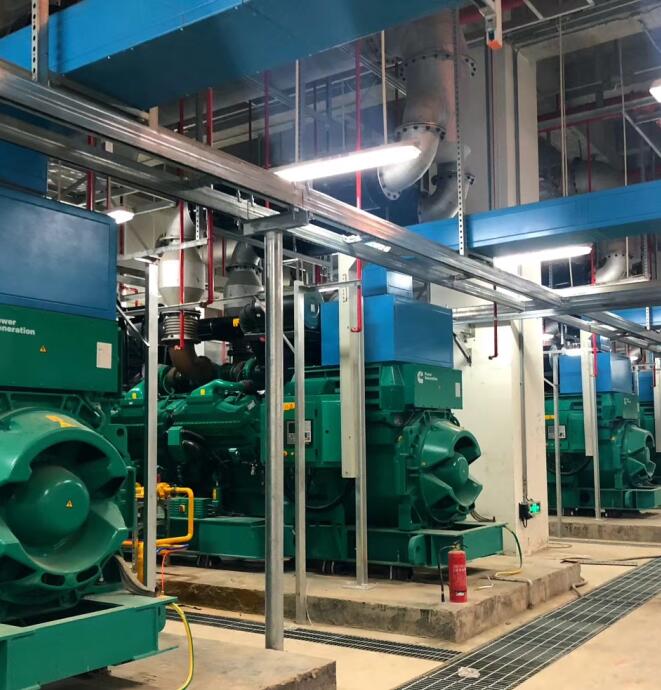
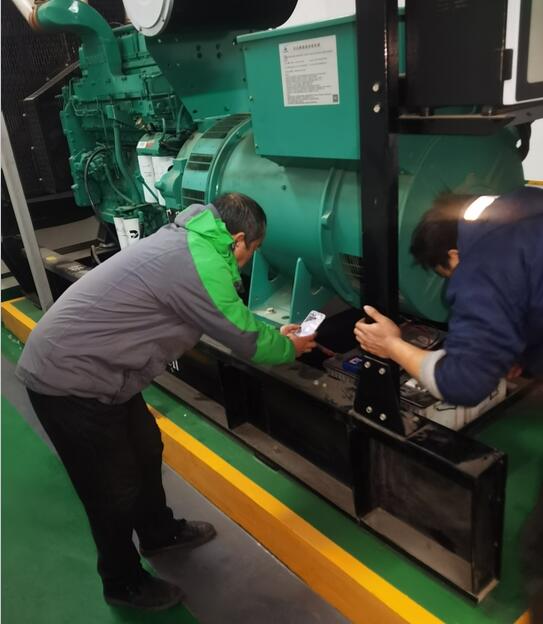







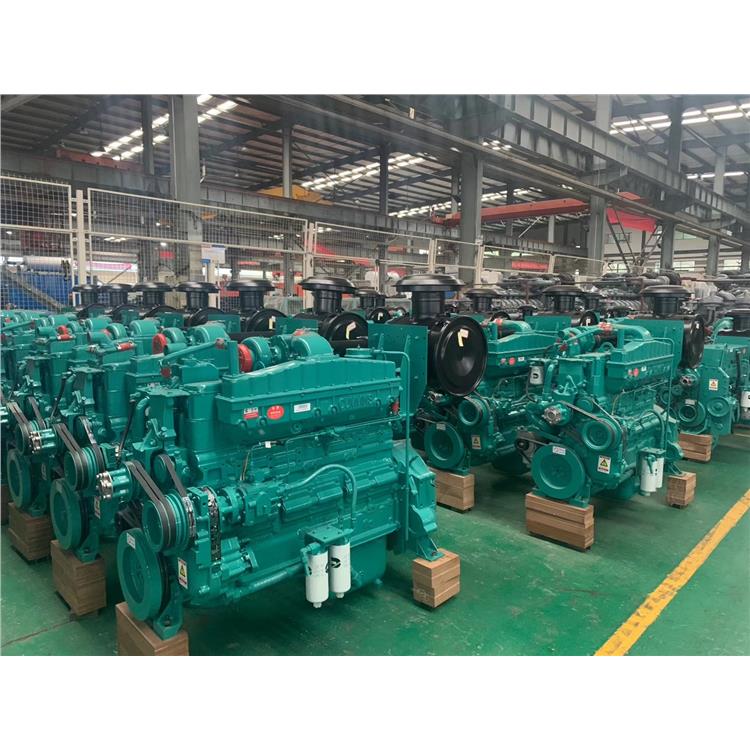
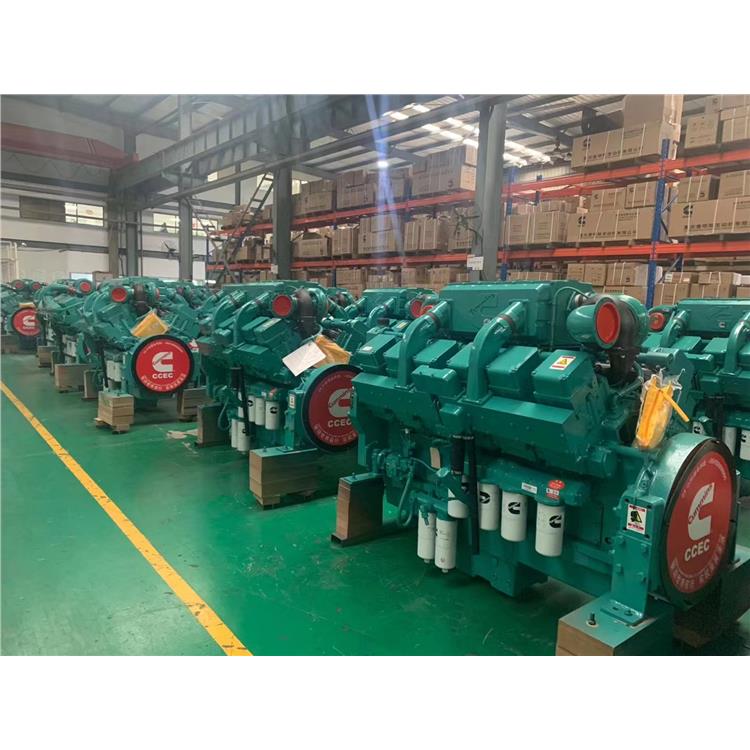
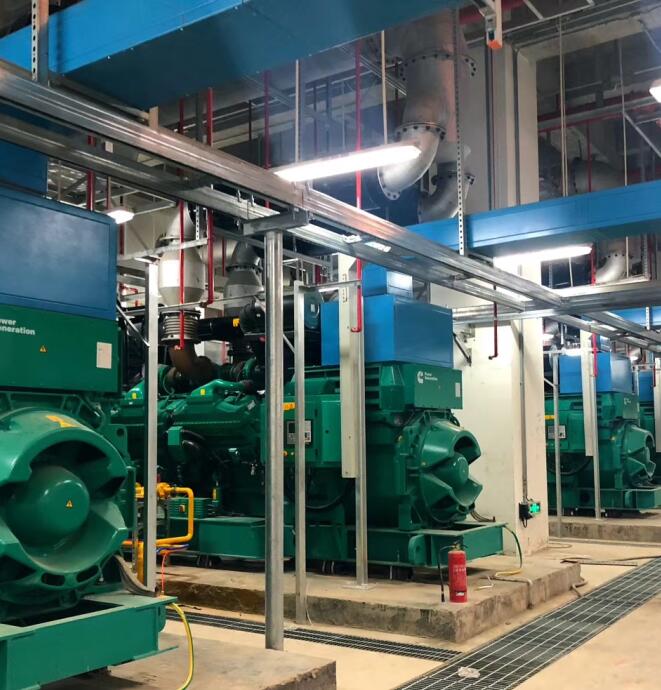
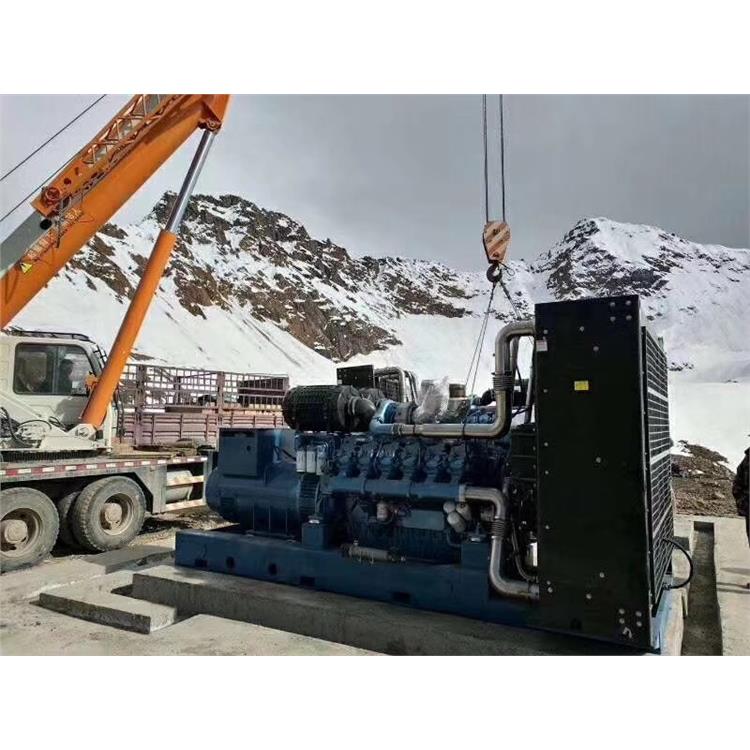
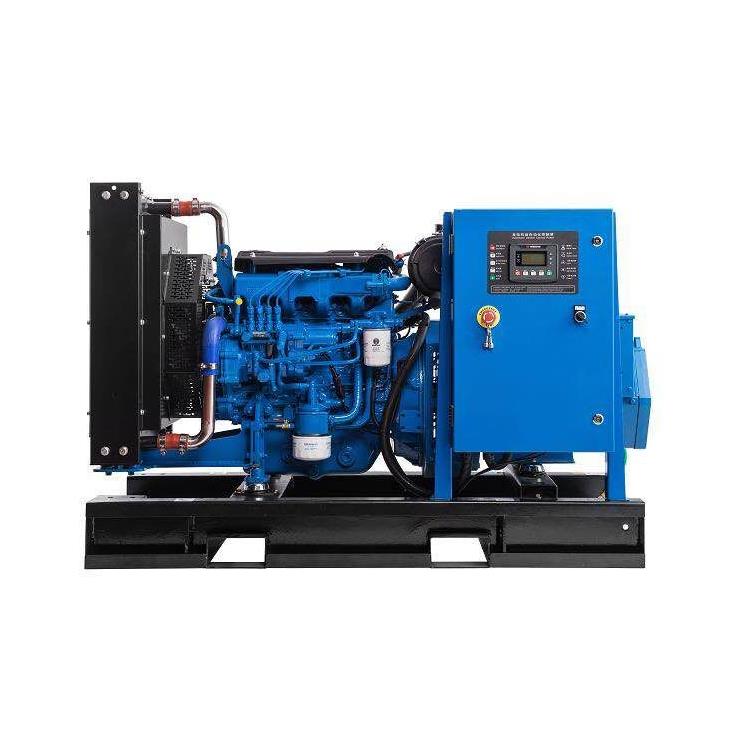
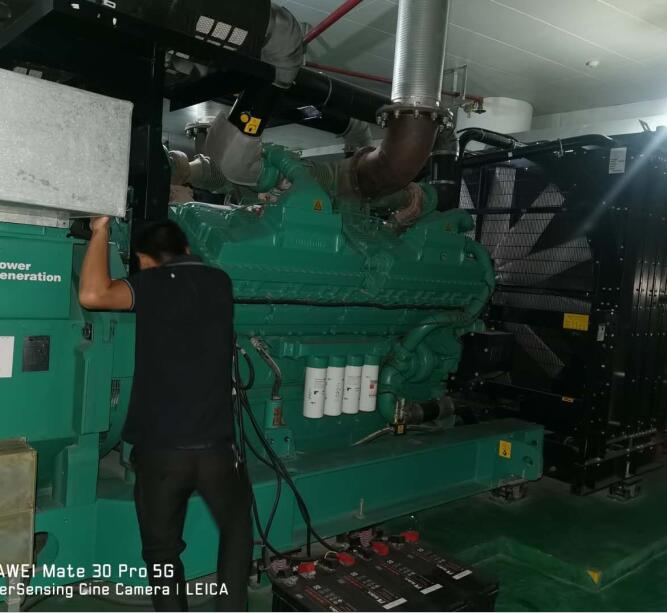
The engine block serves as the skeletal structure of the engine, forming the foundation for the installation of various mechanisms and systems. It houses all major components and accessories of the engine, and withstands various loads. Therefore, the engine block must possess sufficient strength and rigidity. The engine block assembly is primarily composed of parts such as the cylinder block, cylinder liners, cylinder head, and cylinder gasket.
Generator Maintenance Procedure:
1. External inspection of the generator set.
2. Internal inspection items for the diesel engine (dismantling for inspection), including a comprehensive check of the motor and control components.
3. Cleaning of all diesel engine components prior to maintenance.
4. Inspection and measurement of all diesel engine components (parts with a repair history may not meet standard specifications).
5. List of replacement parts required for the generator set.
6. Assembly of all components of the generator set.
7. Pre-commissioning check after diesel engine assembly.
8. Testing of the diesel engine and checks on the motor and control components.
9. Various inspections during the磨合 period of the generator set.
10. Normal operation and delivery for use after the磨合 period of the generator set.
Note the generator's output current.
The output current of the motor is relatively constant under certain conditions. A high-quality, low-cost generator repair team, upon completing the generator repair for the enterprise, will also perform corresponding checks based on the output current of the generator during actual operation. When the three-phase load current of the generator is unbalanced, the generator repair team will adjust the relative rotors and magnets to ensure the generator operates relatively evenly, preventing excessive heating of components like the magnetic pole windings and sleeve valves, which could affect the generator's lifespan. A generator repair team with excellent quality and service will also strive to maintain balanced phase currents, ensuring the generator's actual power generation efficiency is high in energy utilization.
High-quality generator maintenance hinges on the generator maintenance team's ability to inspect the generator's actual operating conditions during actual generator overhauls, based on the generator's actual load. Simultaneously, attention must be given to whether the generator's output current is balanced. Additionally, when considering the above, one must also ensure that the generator's actual heat dissipation and air duct conditions can achieve higher efficiency.
How to Properly Start a Diesel Generator: Do not start or shut down with a load
Prior to start-up, ensure the output air switch is in the off position. After start-up, generally allow for a three to five-minute idle run. In winter, due to lower temperatures, extend this time by a few minutes. Pay attention to any signs of oil or water leakage. If any are detected, immediately stop operation and conduct an inspection and repair. Before shutting down, first gradually disconnect the load, then close the output air switch. Wait for the unit to decelerate to idle run status for three to five minutes before powering off.
How to Properly Start a Diesel Generator: Operating Procedure
Pistons complete four strokes during motion: intake, compression, combustion and power (expansion), and exhaust strokes. When the piston moves downward, the intake valve opens, and fresh air filtered through the air filter enters the cylinder to complete the intake stroke. As the piston moves upward, both intake and exhaust valves are closed, compressing the air, increasing its temperature and pressure, and completing the compression process. As the piston approaches the top, the fuel injector sprays atomized fuel into the combustion chamber, where it mixes with the hot, high-pressure air and ignites immediately. The resulting high pressure pushes the piston downward, driving the crankshaft to rotate and complete the power stroke.
Generator Maintenance Procedure:
The staff are generator maintenance professionals, having passed safety specifications exams and skill assessments.
2. Proficient in identifying defects in inspection processes and work content.
3. Develop technical, safety, and organizational measures for construction.
4. Prepare drawings, documents, technical record forms, and determine the drawings to be surveyed and proofread for maintenance.
5. Construction tools, equipment, safety gear, and testing instruments are fully prepared, inspected, and tested for compliance, with dedicated personnel in charge of storage and record-keeping. Commence maintenance operations.
6. Faults in individual parts or components of the generator set assembly or structural system can be defined as requiring minor repairs.
7. Generator sets that require a thorough overhaul for technical necessity can be defined as a major repair.
The starter, as one of the critical components of a diesel generator set, requires attention to the following points during operation: 1. After preparation is complete, press the start button. The diesel engine gears will engage with the flywheel sprocket and begin to rotate. Normally, it should start on the first attempt; if not, wait for the starter armature to come to a complete stop before attempting again. Otherwise, the starter gears may collide with the diesel engine sprocket with great force and cause damage. 2. Each startup should not exceed 5 seconds, and the interval between startups should be greater than 2 minutes. 3. If the engine fails to start after several attempts, inspect the starter, diesel engine, battery, and connections, and resolve any issues before attempting to start again. 4. Once the diesel engine starts, immediately release the start button to allow the starter gears to return to their original position and stop working, to prevent overspeeding and damaging the starter.
WeChat Official Account

Scan to follow Official Account