








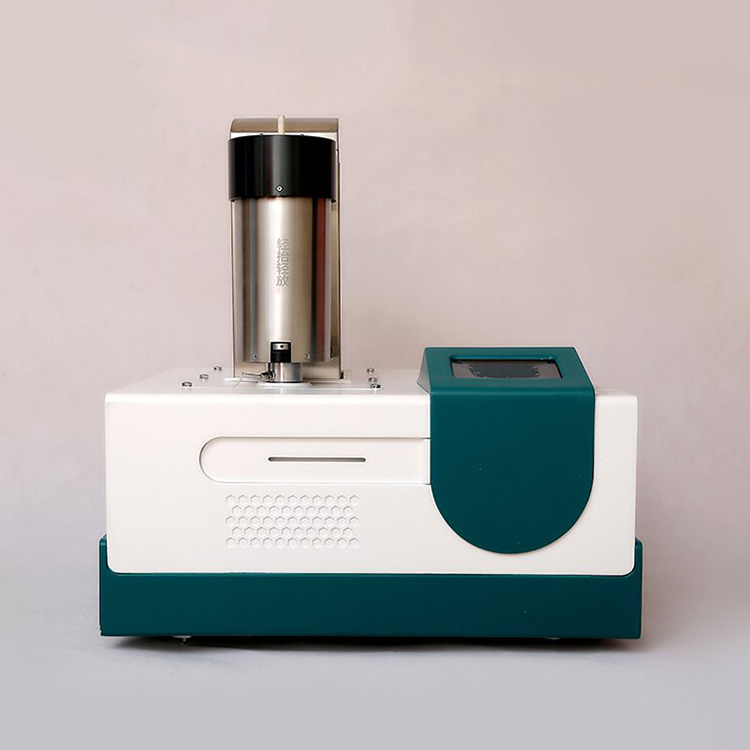

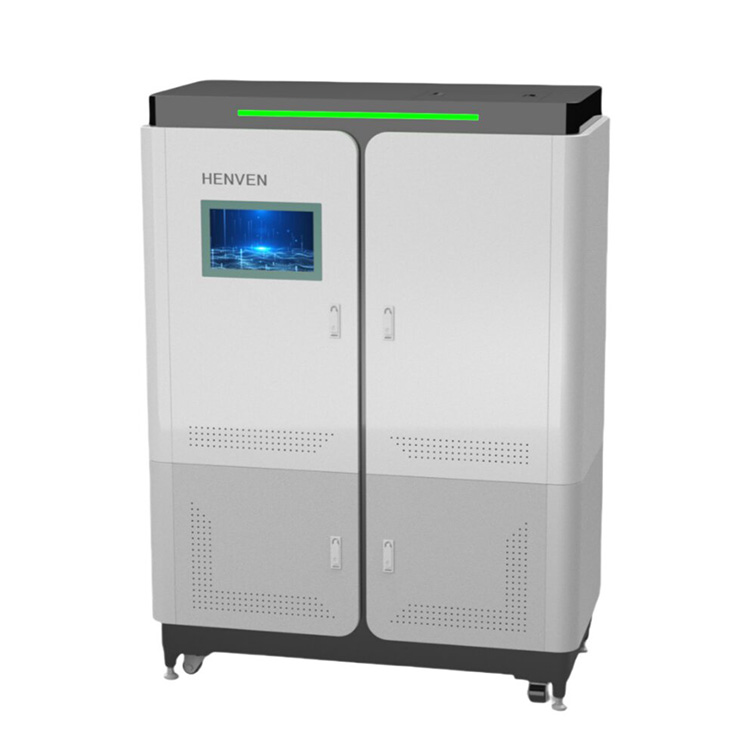
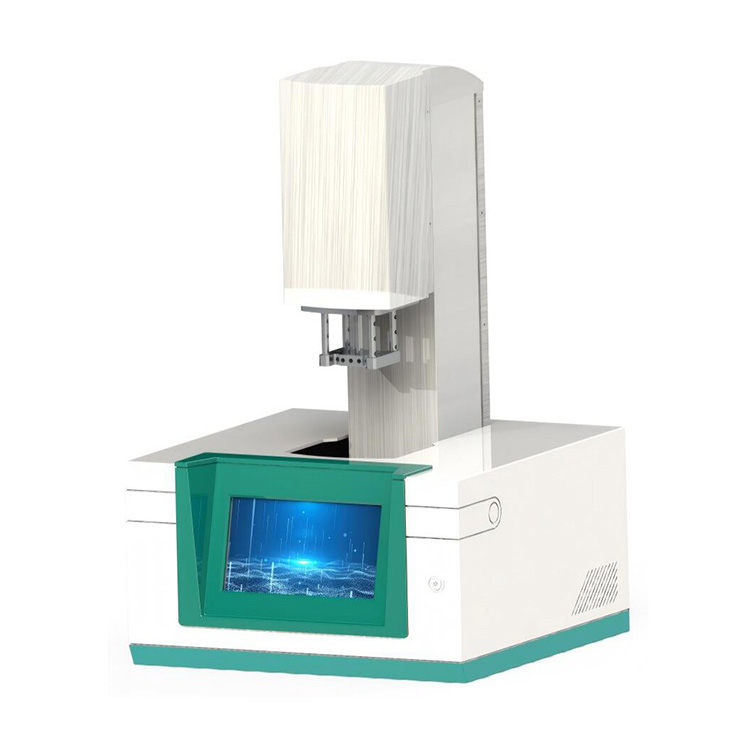
Instrument Application
Primarily measure physical and chemical changes related to heat, such as the melting point, latent heat of fusion, crystallization and its heat, phase transition reaction heat, thermal stability (oxidation induction period), glass transition temperature, adsorption and desorption, content analysis of components, decomposition, combination, dehydration, additives, and other changes.
Instrument Features
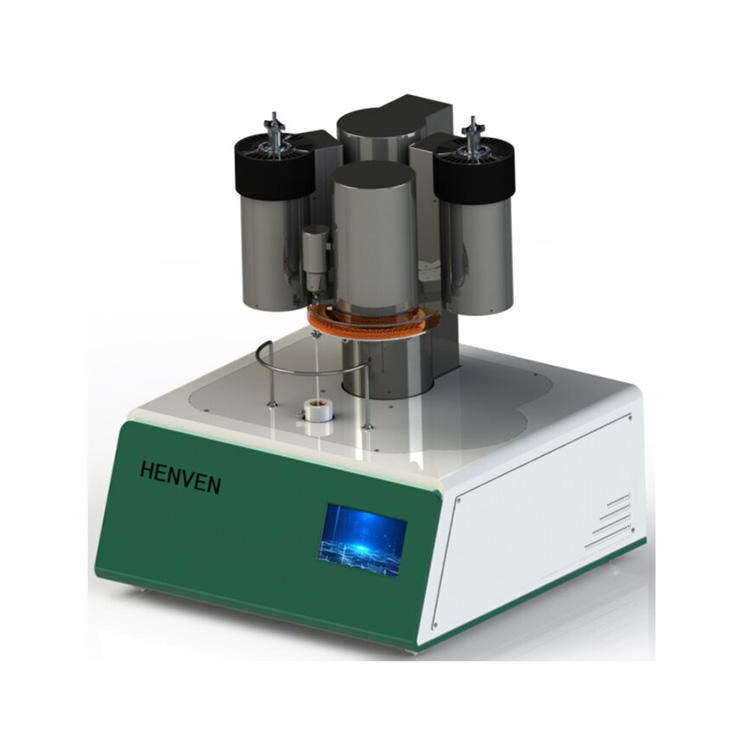
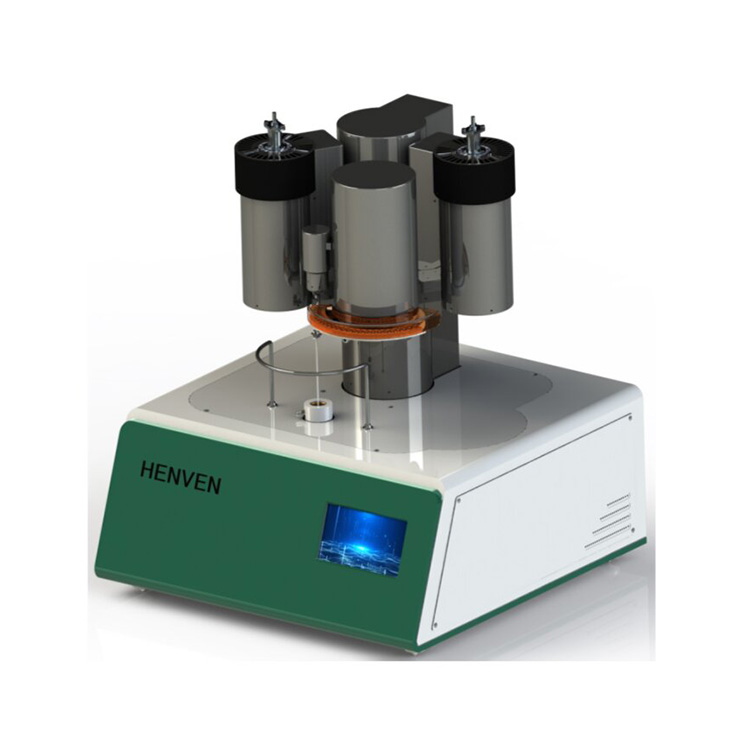
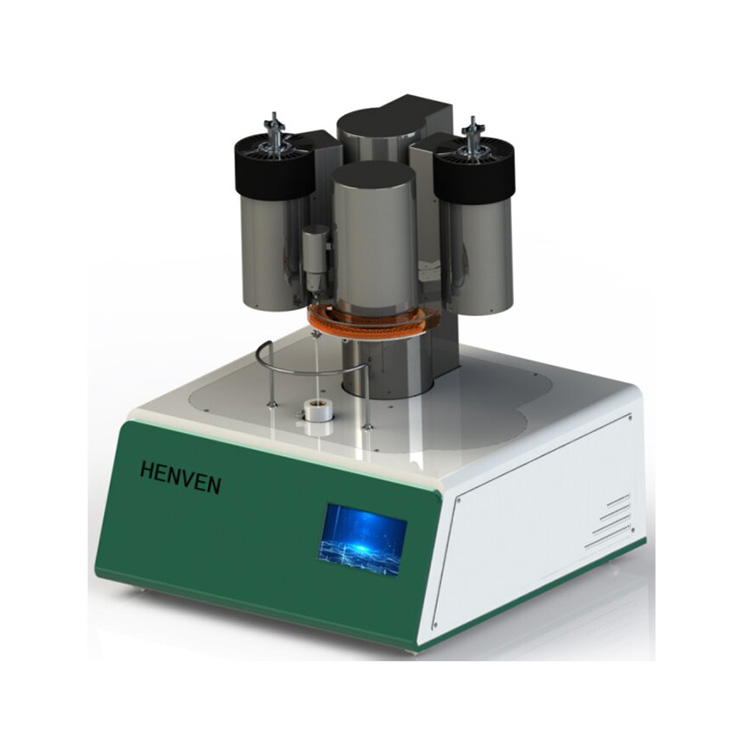
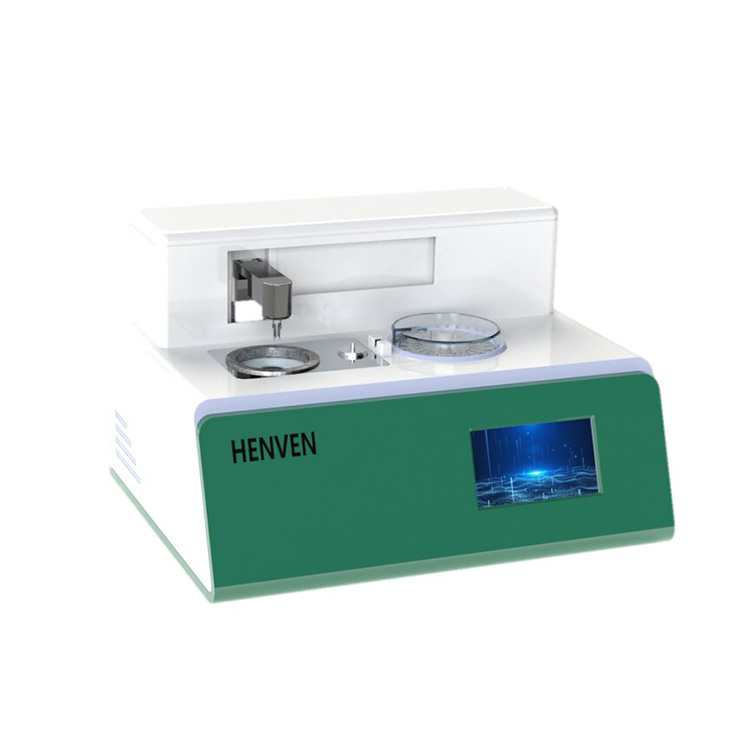
1. Automatic sampling dual furnace design with top loading, easy sample exchange, equipped with a 24-position automatic sampler. Compact in size, ideal for lab placement, enabling unattended testing operations, significantly reducing labor costs and enhancing experimental efficiency.
2. Automatic lifting and lowering of the furnace body with precise positioning and enhanced measurement repeatability.
3. The atmosphere control system employs a mass flow controller, featuring two stable pressure and flow gas lines that can automatically switch during experiments. It boasts high precision, excellent repeatability, and rapid response times (customizable atmosphere control systems resistant to various corrosive gases available).
4. We can accommodate微量 to large sample quantities (up to 5g with a replacement support rod). We meet various testing requirements for different samples.
5. The entire measurement process is fully automated, with automatic drawing capabilities. The rich software features enable the handling of conventional data processing such as DSC, TG, DTG, etc. Special data processing includes DSC peak area calculation, enthalpy calculation, kinetic parameter calculation, data comparison, and various algorithm-based activation energy, glass transition temperature, and specific heat measurements by comparison methods.
6. During the system's sampling process, screenshots can be taken at any time, and the range will automatically adjust according to the output signal size.
7. Large screen LCD display, real-time displaying the instrument's status and data, two sets of thermocouples; one set displays the furnace temperature in real-time (regardless of whether the heating furnace is in operation), and the other set shows the sample temperature during operation.
8. Instrument Expandability: With the optional constant temperature control system, it can be used in conjunction with infrared spectrometers, mass spectrometers, and gas chromatographs. It allows for secondary detection of tar and various reaction gases. Temperature Control Range: RT ~ 200°C, Temperature Control Accuracy: ±0.1°C.
Instrument specifications
Temperature Data:
Temperature Range: RT ~ 1150/1550℃ (Optional different furnace body)
Temperature Accuracy: ±0.1℃
Cooling/Heating Rate: 0.1℃/min to 100℃/min
Tare Data:
Mechanical zero-point photoelectric balance used.
Operating Temperature Range: 1~200mg
Balance Sensitivity: 0.1 μg
Thermal Noise: <0.1 μg
DSC Data:
DSC Range: 0 ~ ±500 mW
DSC Accuracy: ±0.1μW
Calibration Parameters: In Response Ratio: >100 mW/K
Enthalpy Accuracy: ±0.1% (In)
Temperature/Humidity Correction: Multi-point standard samples, non-linear correction technology.
Differential thermal data:
DTA Range: ±2000μV
Resolution: 0.01μV
Sample Atmosphere: Oxidation, Reduction, Inert, Vacuum
Standard Equipment: Ceramic crucible, 0.06ml or 0.12ml.
Optional crucibles: Aluminum crucible, Graphite crucible, Quartz crucible, Platinum crucible