








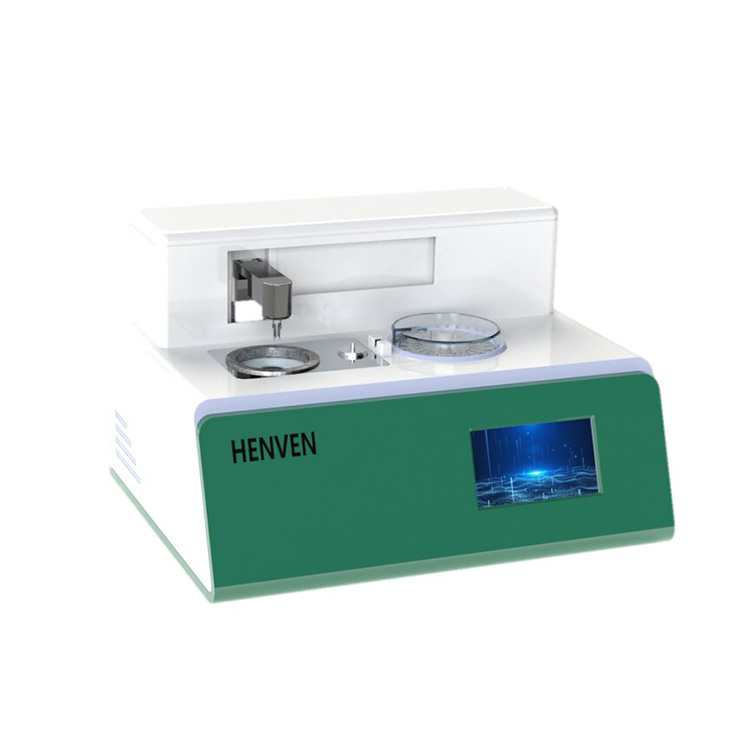

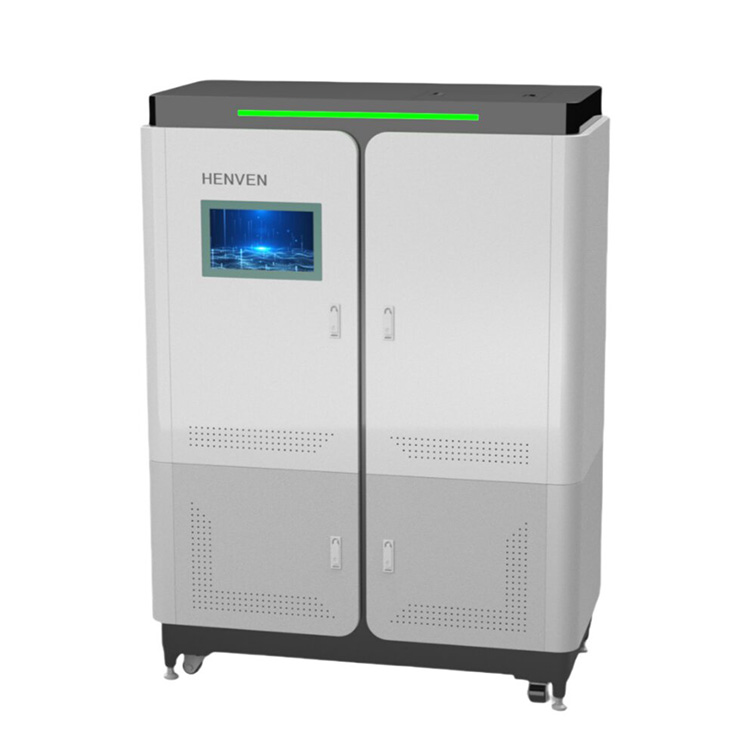
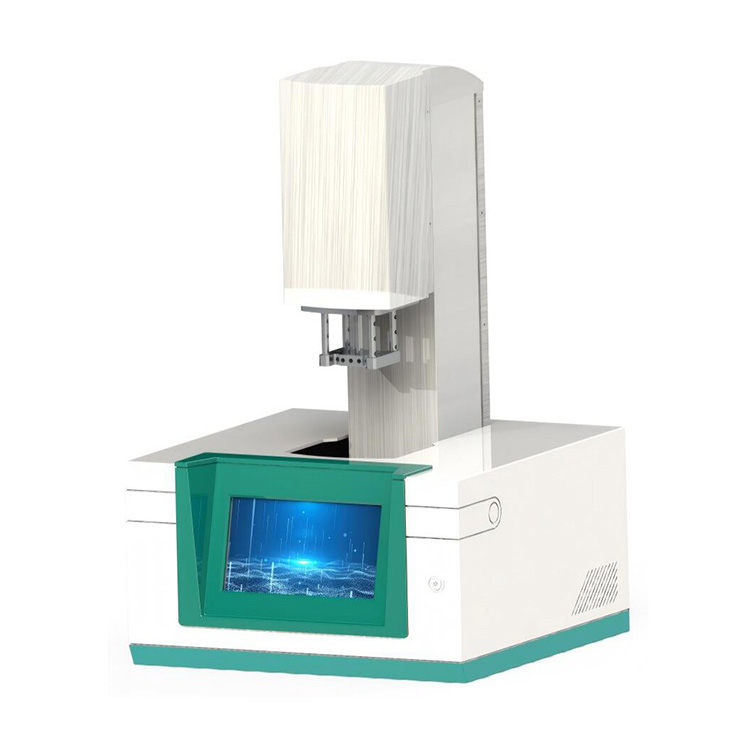
Instrument Introduction
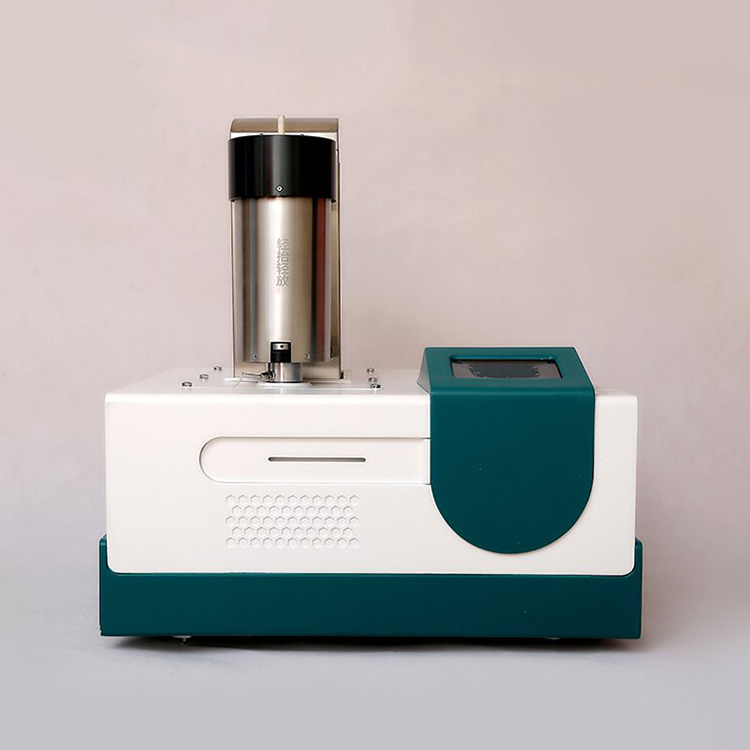
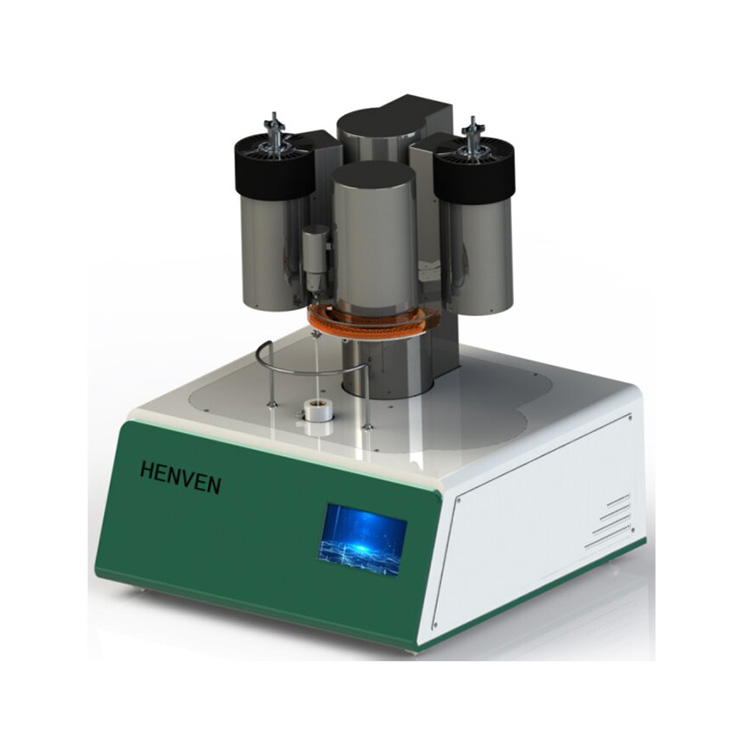
Comprehensive thermal analysis integrates thermogravimetric analysis (TG) with differential thermal analysis (DTA) or differential scanning calorimetry (DSC), allowing for simultaneous acquisition of thermogravimetric and differential thermal data from the same sample in a single measurement.
Instrument Application
Primarily measure and study physical and chemical changes related to heat, such as melting points, enthalpy of fusion, crystallization and crystallization enthalpy, phase change reaction enthalpy, thermal stability (oxidation induction time), glass transition temperature, adsorption and desorption, content analysis of components, decomposition, combination, dehydration, additives, and other changes.
Instrument Features
Hot stream DSC data collection method, plotting the curve of energy and temperature.
Users can self-correct temperature, energy, and thermogravimetric accuracy using standard samples.
The atmosphere control system employs a mass flow controller, allowing for automatic switching between two stable pressure and flow gas lines during the experiment. It features high accuracy, excellent repeatability, and rapid response time (customizable atmosphere control systems resistant to various corrosive gases available).
Samples from trace to bulk quantities are available (adjustable from 0 to 5g by changing the support rod). Can meet the testing requirements of various samples under different conditions.
The entire measurement process is fully automated, with automatic drawing and comprehensive software features for DTA, TG, DTG, and routine data processing; special data processing includes DTA peak area, enthalpy calculation, kinetic parameter calculation, data comparison, and various algorithmic calculations for activation energy, glass transition temperature, and comparative method measurements of specific heat, etc.
During the system's sampling process, screenshots can be taken at any time, and the range will automatically change based on the output signal size.
Large LCD screen display, real-time showing the status and data of the instrument, two sets of thermocouples, one set displaying the furnace temperature in real-time (regardless of whether the heating furnace is in operation), and the other set showing the sample temperature during operation.
Customers provide the calculation formula or method, and our factory can promptly provide the corresponding software development products.
Self-developed constant-temperature controller; constant-temperature gas chromatography/mass spectrometry connectors; constant-temperature belts; fully ensures secondary detection of tar and various reaction gases.
Instrument specifications