






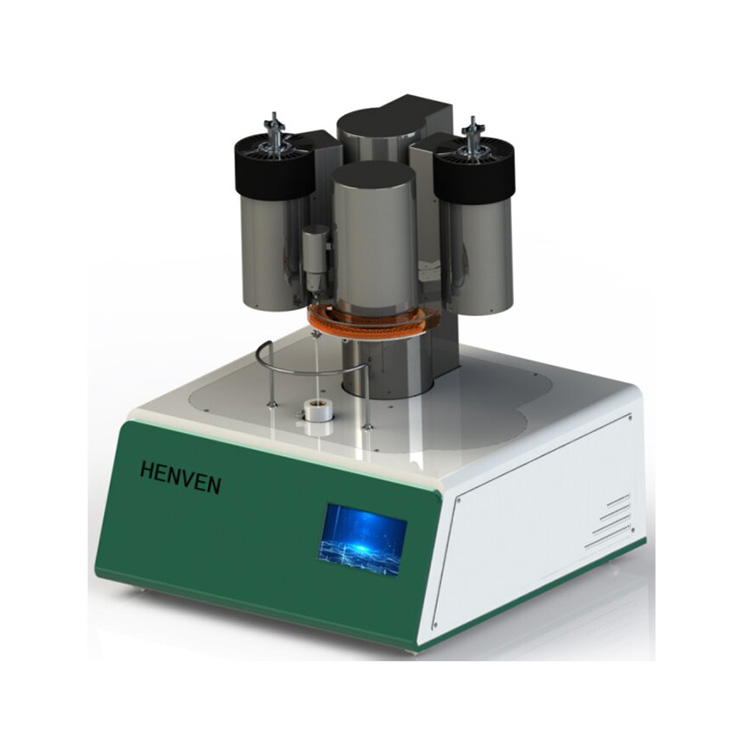
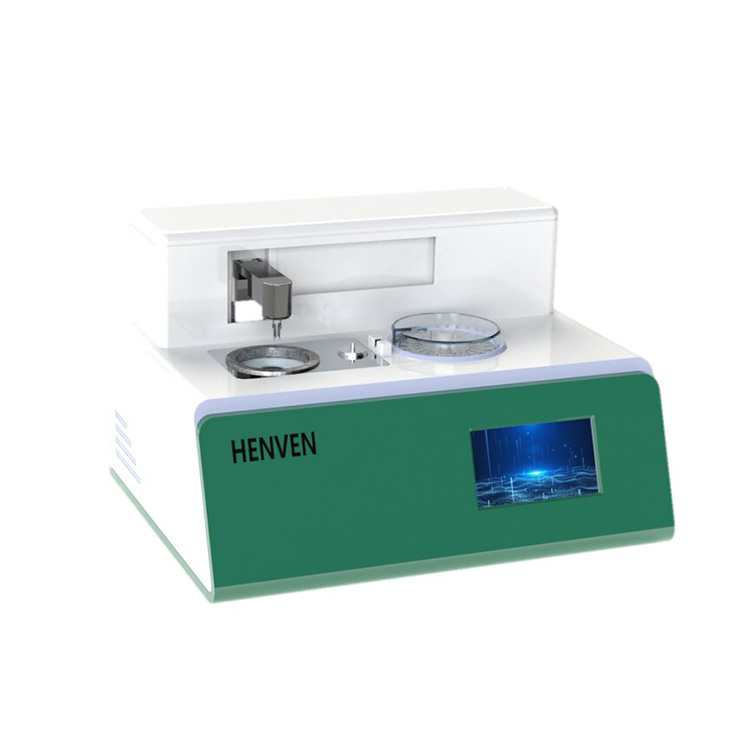
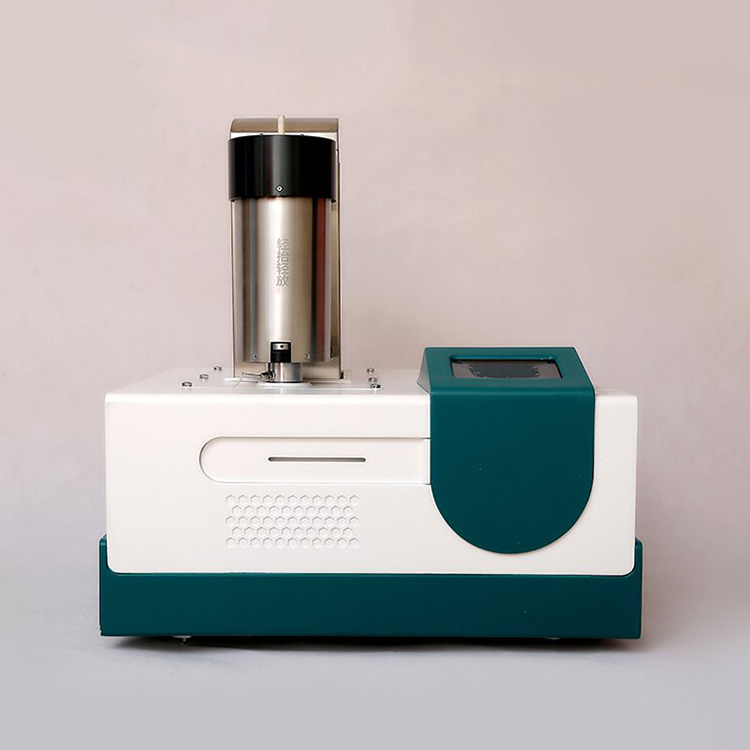

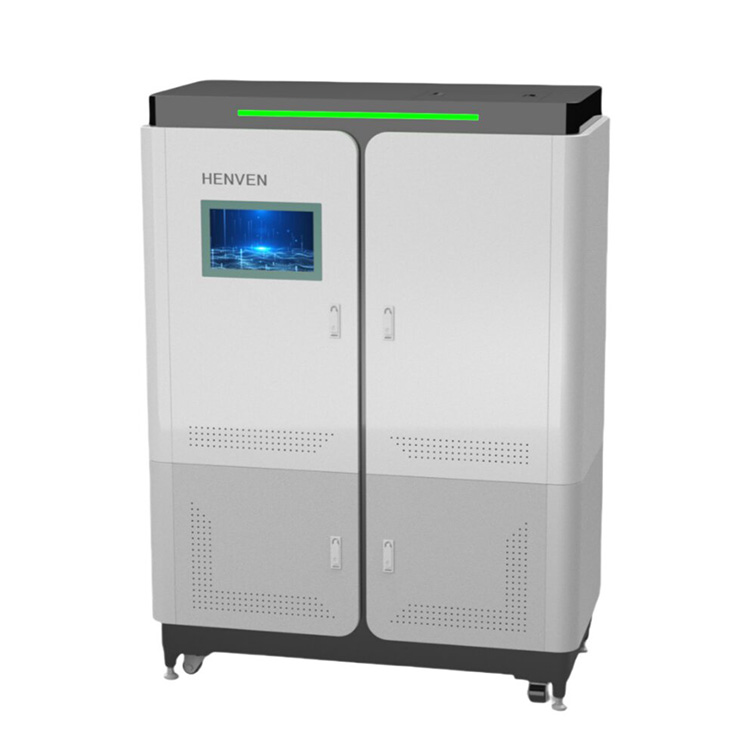
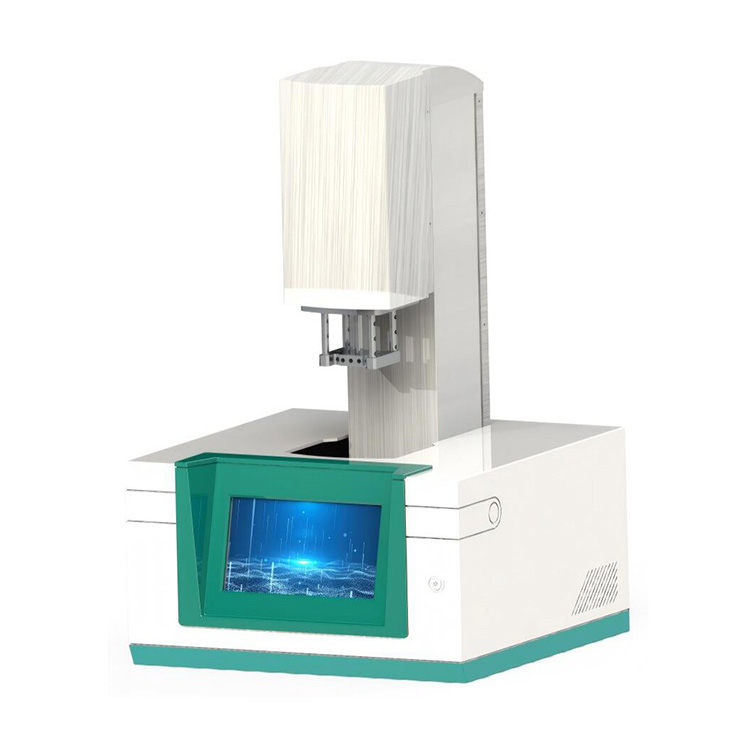
Instrument Introduction
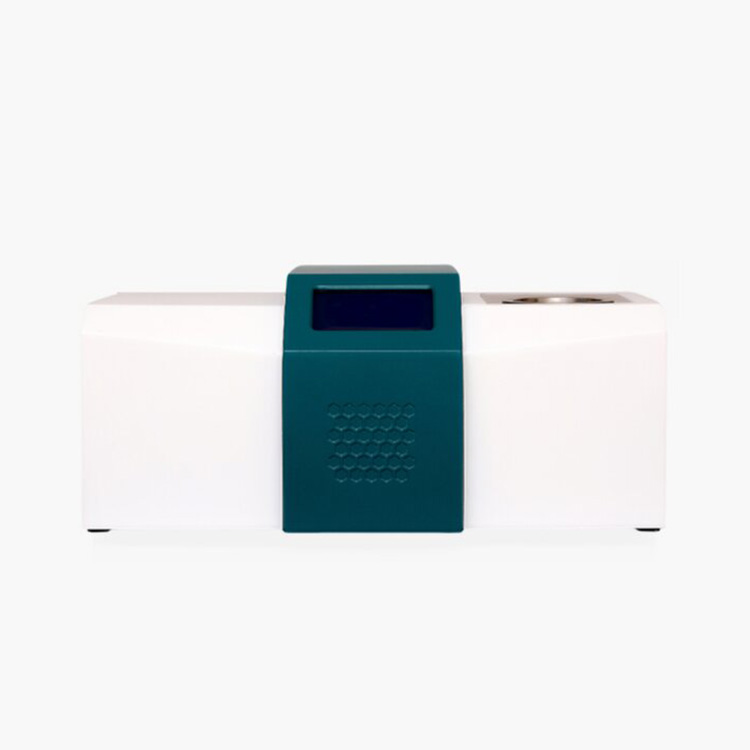
Differential Scanning Calorimetry (DSC), as a classic thermal analysis method for studying thermal effects at controlled program temperatures, has long been widely applied in various fields such as research and development, process optimization, quality inspection and control, and failure analysis in the study of materials and chemicals. Using the DSC method, we can investigate phase transitions in inorganic materials, melting and crystallization processes of polymer materials, polymorphism in drugs, solid/liquid phase ratios in fats and oils, and more.
Instrument Application
Measure physical and chemical changes related to heat, such as glass transition temperature, melting point, melting temperature, crystallization and crystallization heat, phase transition reaction heat, product thermal stability, curing/cross-linking, oxidation induction period, etc.
Instrument Features
The Differential Scanning Calorimeter with Hot-Flow technology offers excellent repeatability and high accuracy, particularly suitable for precise specific heat measurements.
Self-developed thermostatic controllers, thermostatic gas chromatography-mass spectrometry interfaces, thermostatic belts, which can fully ensure the secondary detection of tar and various reaction gases.
Integrated whole machine, combining temperature control and furnace assembly to minimize signal loss and interference.
Improved two-way atmosphere control system, featuring a quality flow controller; during the measurement process, you can opt for dual intake mode, with the software automatically switching settings.
The instrument is equipped with standard substances, allowing users to self-correct across various temperature ranges, thereby reducing the instrument's error.
Intelligent software design with full-automated instrument drafting, capable of processing various data, such as calculating enthalpy, glass transition temperature, oxidation induction time, melting points, crystallization, and more.
Software Advantages: Intelligent baseline correction with customizable options for standard materials (Indium, Tin, Lead, Zinc, Aluminum), allowing users to self-correct for temperature and enthalpy.
The instrument can automatically generate DSC and oxidation induction time experimental reports.
Large screen LCD display, real-time displaying the instrument's status and data, two sets of temperature measuring thermocouples – one set shows the sample temperature during operation of the thermocouple, the other set displays the furnace temperature in real time regardless of the heating furnace's operation.
Equipped with RS232 and USB interface converters, along with intelligent software, the machine allows for automatic programming control and settings.
The instrument features remote operation and maintenance, as well as calibration capabilities (the instrument can be remotely operated via the internet).
Instrument specifications
Temperature Range: HSC-1: Room temperature to 680℃; HSC-2: -30 to 680℃ (Mechanical refrigeration); HSC-3: -60 to 680℃ (Optional different refrigeration systems); HSC-4: -150 to 680℃ (Liquid nitrogen refrigeration).
Temperature accuracy: ±0.1℃; heating rate: 0.1℃/min ~ 100℃/min; temperature repeatability: ±0.1℃.
Temperature Control: Heating, Constant Temperature (Programmatically controlled).
DSC Measurement Range: ±500 mW; DSC Minimum Resolution: ±0.1 μW; DSC Power Noise: ±0.1 μW; DSC Power Accuracy: ±0.1 μW.
Optional with temperature controller, temperature-controlled gas chromatography and mass spectrometry interface, temperature belt; temperature range: room temperature to 200°C.
Cooling Method: Air Cooling.
Display: Large-screen LCD with Chinese characters.
Atmospheric System: Gas Mass Flow Controller; capable of automatic switching between two gas lines.
Gas Flow Rate: 10~200 mL/min.
Standard Crucible Configuration: Aluminum Oxide, High Purity Aluminum; Optional Crucible Configurations: Sealed Liquid Aluminum Crucible (with Sample Sealer), Sealed Solid Aluminum Crucible (with Sample Sealer); Zirconia, Quartz, Graphite, Platinum Rhodium.
Crucible Capacity: 0.06ml.