








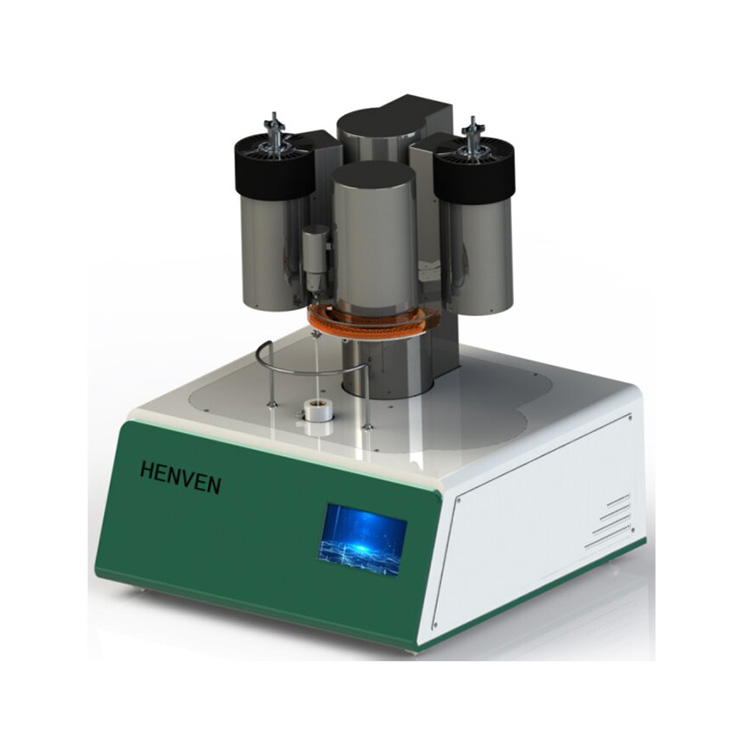
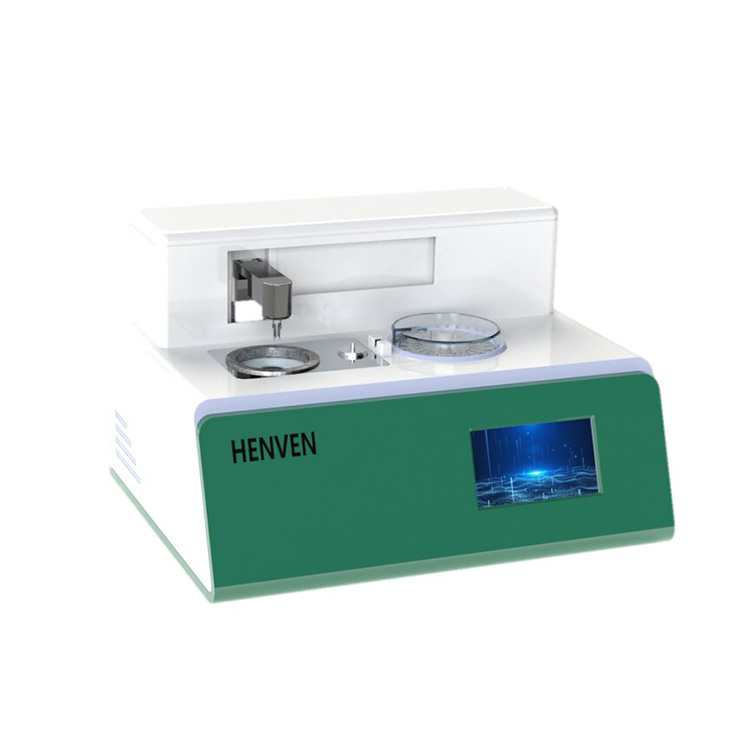
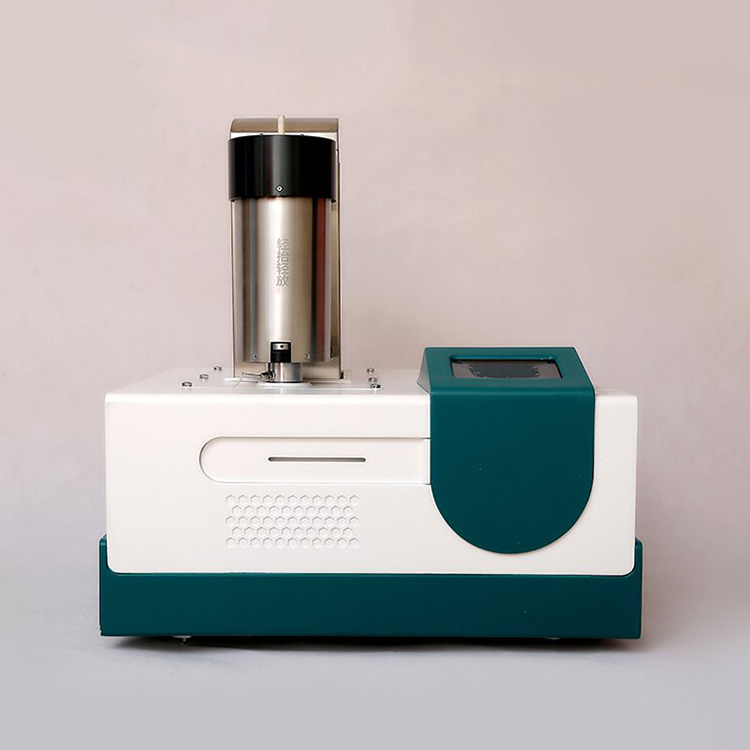

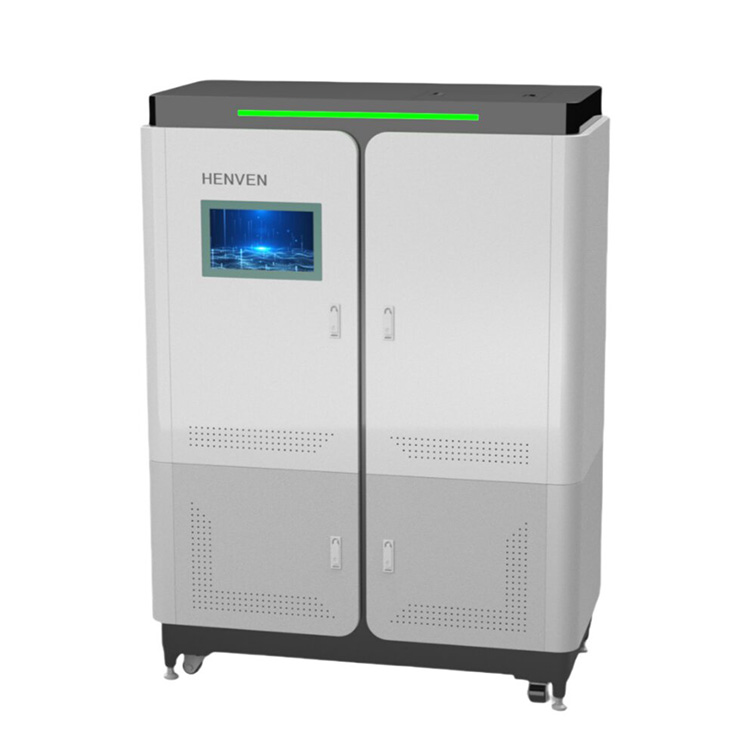
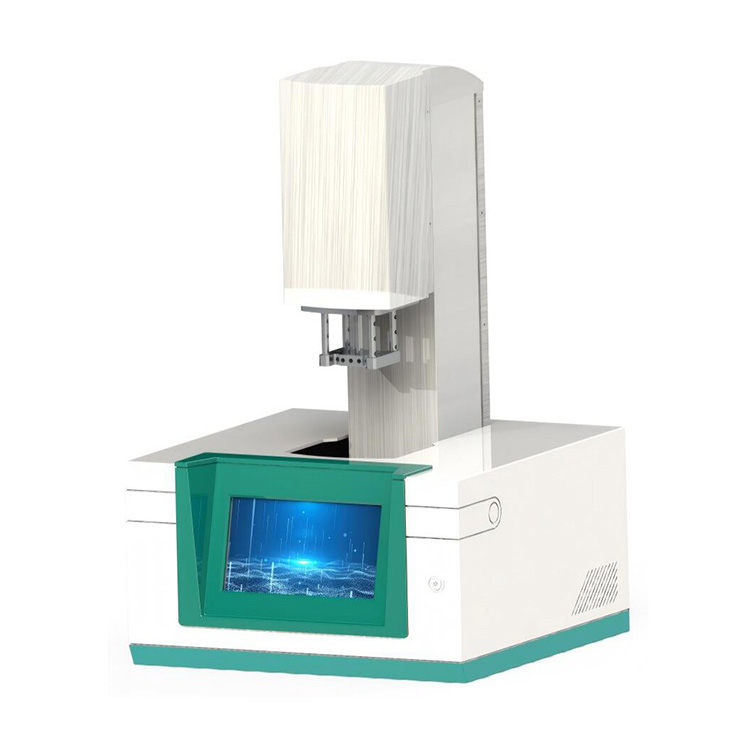
Instrument Application
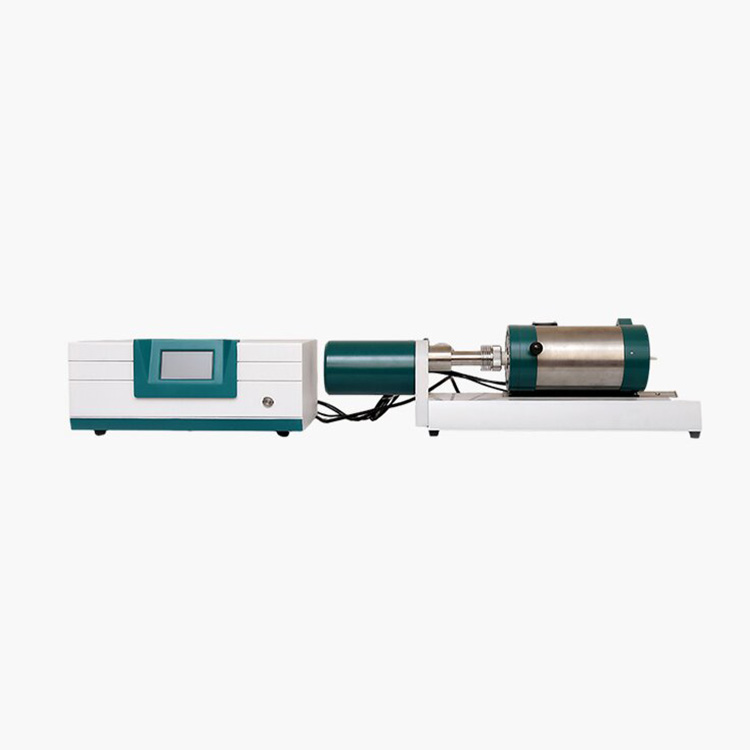
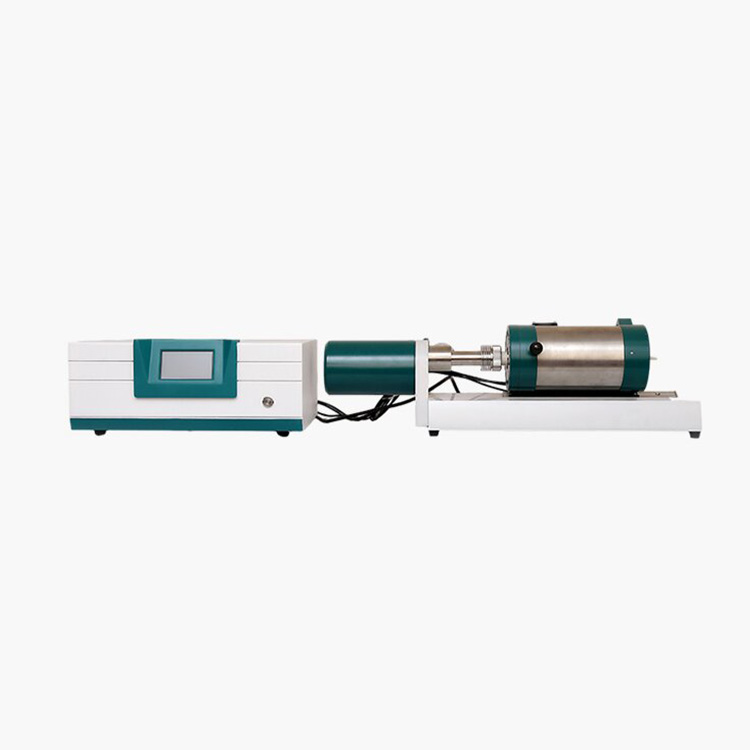
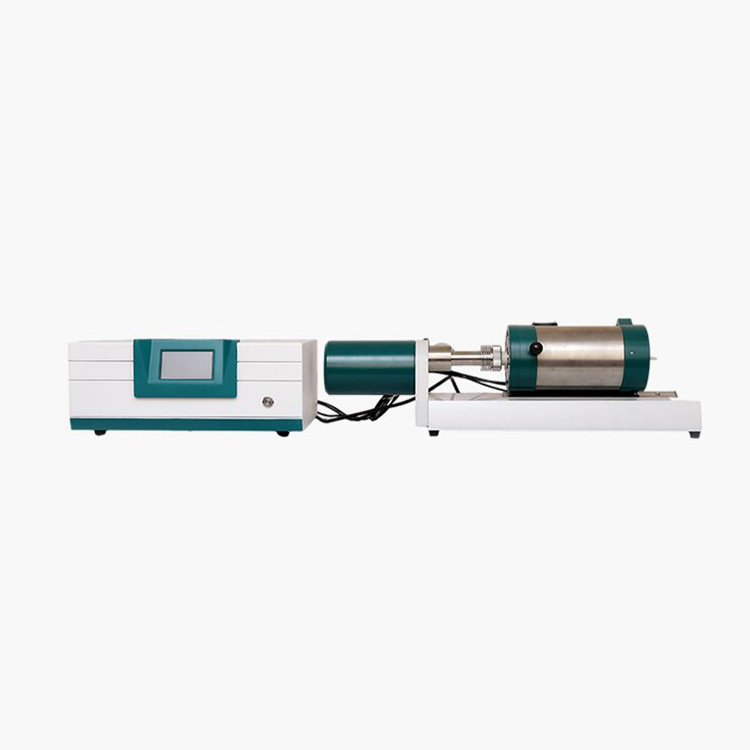
This instrument is designed for testing the high-temperature expansion properties of solid inorganic materials and metal products, particularly including corundum, refractory materials, precision casting shell and core materials, ceramics, ceramic raw materials, porcelain clay, glaze, glass, graphite, carbon, printing materials, and other inorganic materials. It provides essential testing methods for scientific research and education. The instrument can complete tests for linear variable, linear expansion coefficient, volumetric expansion coefficient, softening temperature, sintering kinetics research, glass transition temperature, phase transition, density change, sintering rate control (RCS), and their variation curves. It can also provide atmosphere protection for samples upon customer request, and an optional vacuum unit can be configured for vacuum extraction, with a vacuum degree of 0.1 MPa.
Also applicable to the determination of linear thermal expansion of ceramic tiles according to GB/T3810.9, GB/T3810.10-1999.
Instrument Features
Large LCD screen with real-time display of instrument status and data, two sets of thermocouples; one set displays the furnace temperature in real-time (regardless of whether the heating furnace is operating), and the other set shows the sample temperature during operation.
During the experiment, heating control parameters can be sent via computer software. It is equipped with a built-in high-precision PID temperature control program and linear program temperature control.
Equipped with standard alumina samples for calibration, the computer software includes a built-in database of standard sample expansion, and real-time correction of instrument errors.
The measurement process is automatically completed and drawn, with the option for manual adjustments. The computer automatically calculates the linear expansion coefficient, volume expansion coefficient, linear expansion amount, and rapid expansion.
Imported displacement sensors with high measurement accuracy and good repeatability.
Utilizing high-precision self-locking micro-adjustment knobs, the position of the displacement sensor can be freely adjusted according to the length of the sample.
The displacement sensor fixing system utilizes multiple springs and precision rods for secure fixation, ensuring that the displacement sensor remains perpendicular to the sample's contact surface throughout use, thereby enhancing detection accuracy.
The heating furnace body is equipped with a protective grid, featuring an aesthetically pleasing design, effectively preventing accidental contact with the outer wall of the heating furnace to avoid burns.
Instrument specifications