









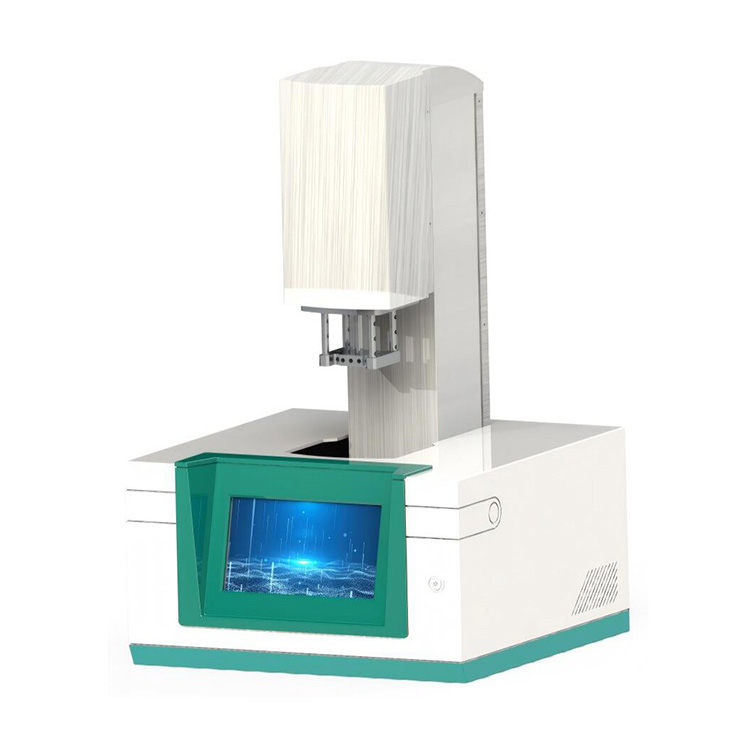
Instrument Introduction
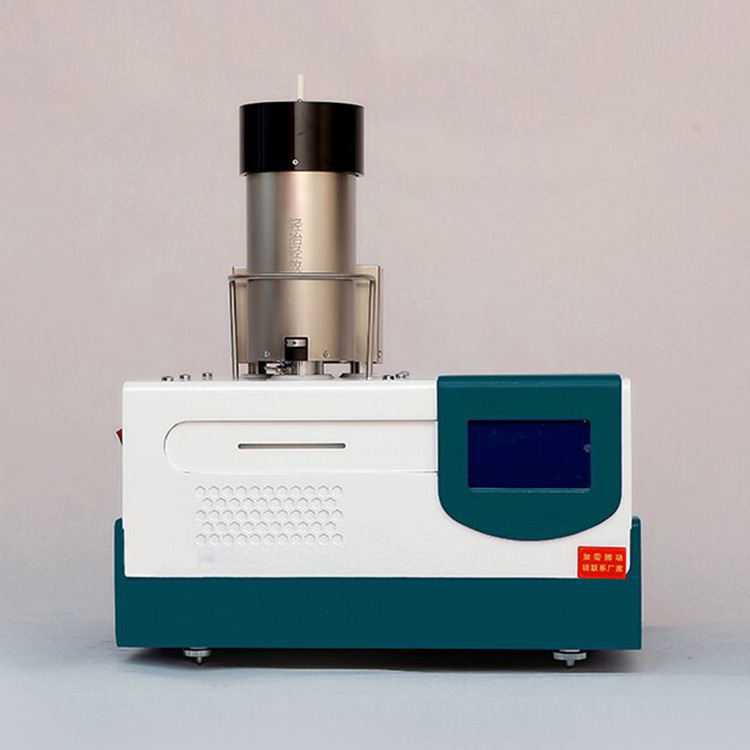
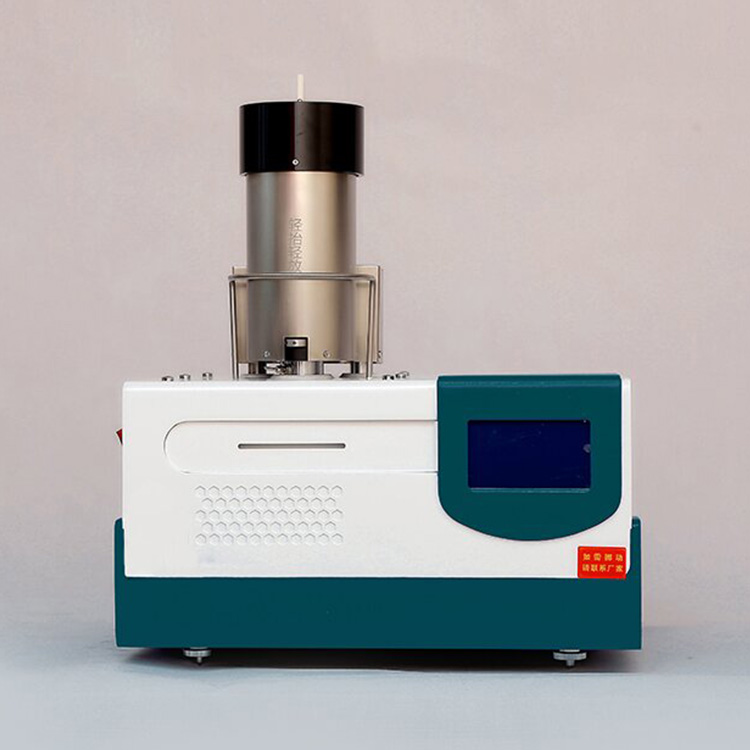
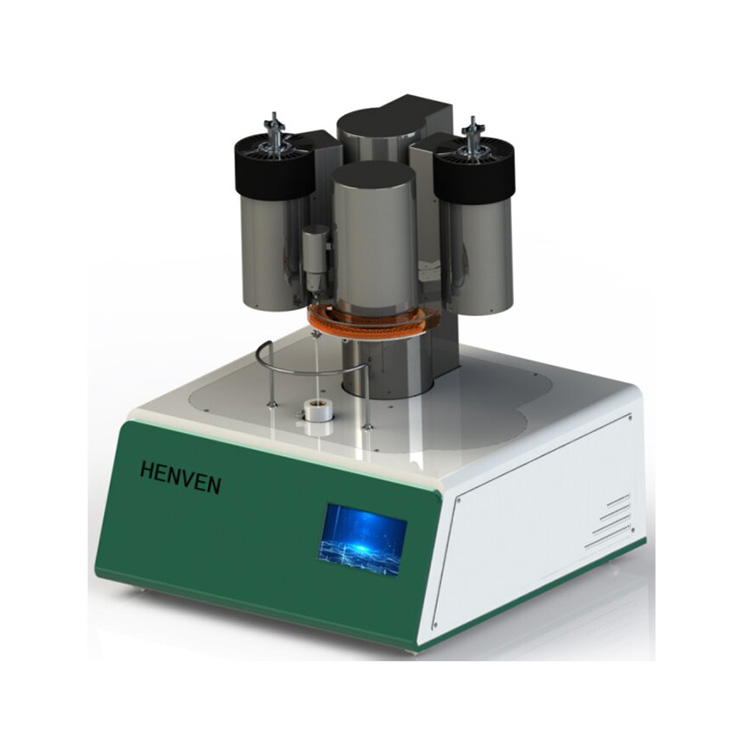
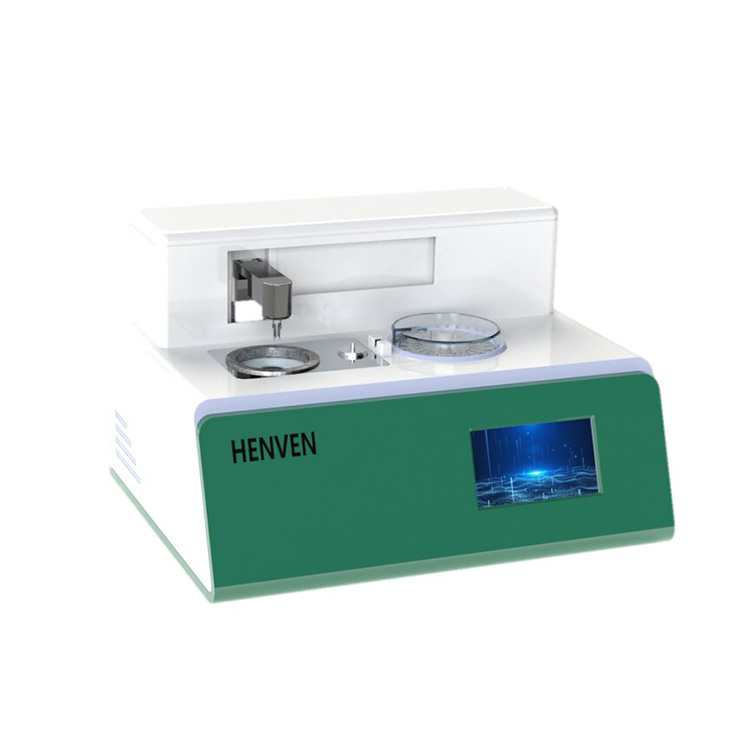
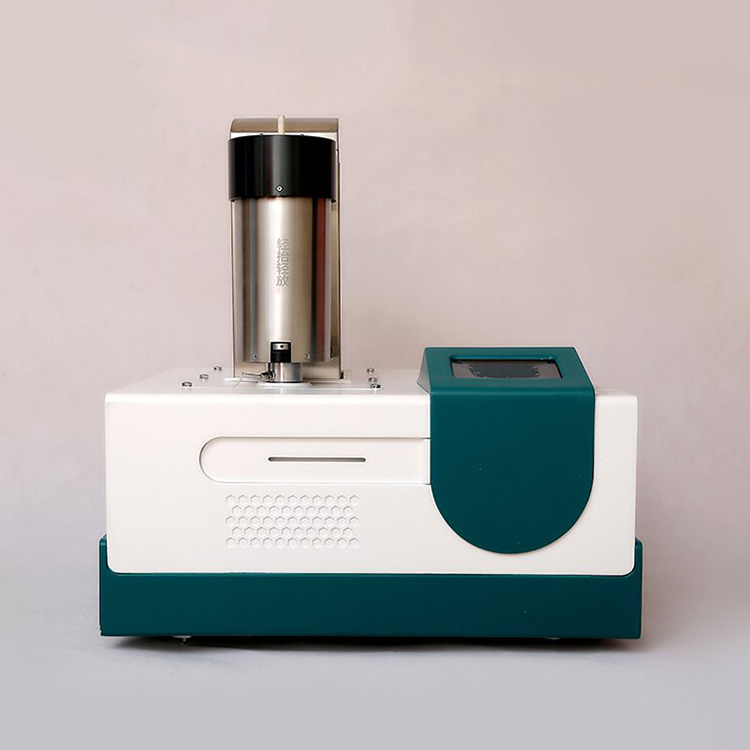
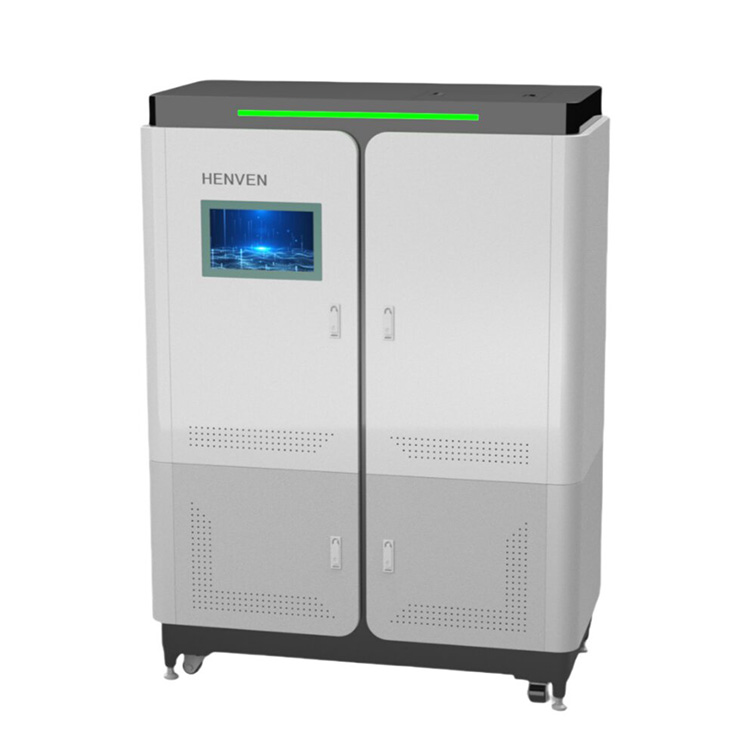
A thermogravimetric analyzer is an instrument that utilizes thermogravimetric analysis to measure the relationship between temperature and mass changes of materials. Thermogravimetric analysis involves measuring the mass change of a substance as it is subjected to programmed temperature changes (or over time). It is widely used in research and development, process optimization, and quality control across various fields such as plastics, rubbers, coatings, pharmaceuticals, catalysts, inorganic materials, metals, and composites.
Instrument Application
Primarily measures physical and chemical changes related to heat, such as adsorption and desorption of substances, content analysis of components, decomposition, combination, dehydration, additives, and other changes.
Instrument Features
An integrated instrument that combines electrical, mechanical, and atmosphere control, reducing signal loss and interference.
The atmosphere control system employs a mass flow controller, featuring two independent pressure and flow control gases that can be adjusted during the experiment. It boasts high precision, excellent repeatability, and rapid response time (customizable atmosphere control systems resistant to various corrosive gases available).
Micro samples to large quantities are available (adjustable from 0 to 5g by changing the support rod). Satisfies testing requirements for various samples under different conditions. crucible types available include Φ5×4, Φ5×8, Φ8×10, Φ18×8, Φ18×15, Φ18×20 (mm).
All measurement processes are fully automated, with automatic drafting. The software functions can handle routine data processing such as TG, DTG, etc.; as well as special data processing (material percentage content, calculation of kinetic parameters, data comparison).
During the system's sampling process, screenshots can be taken at any time, and the range will automatically adjust based on the output signal size.
Users can utilize standard samples for temperature and thermal weight calibration.
Large-screen LCD display, real-time display of instrument status and data, two sets of thermocouples, one set of thermocouples displaying the furnace temperature in real-time (regardless of whether the heating furnace is operating), and the other set displaying the sample temperature during operation.
Customers provide the formula or calculation method, and our factory can promptly provide the corresponding software development product.
Self-developed thermostatic controllers; thermostatic gas chromatography-mass spectrometry connectors; thermostatic belts; fully ensure secondary detection of tar and various reaction gases.
Instrument specifications