
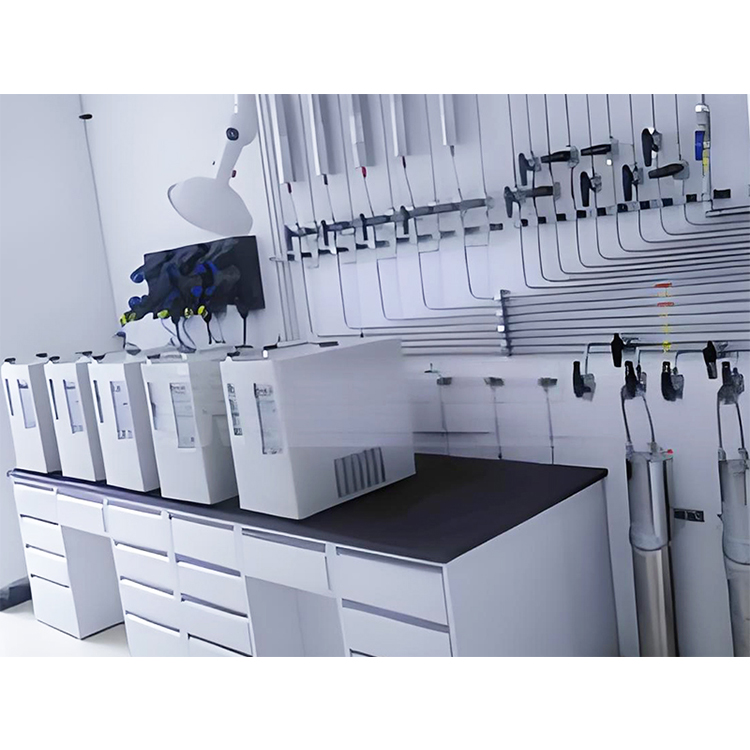


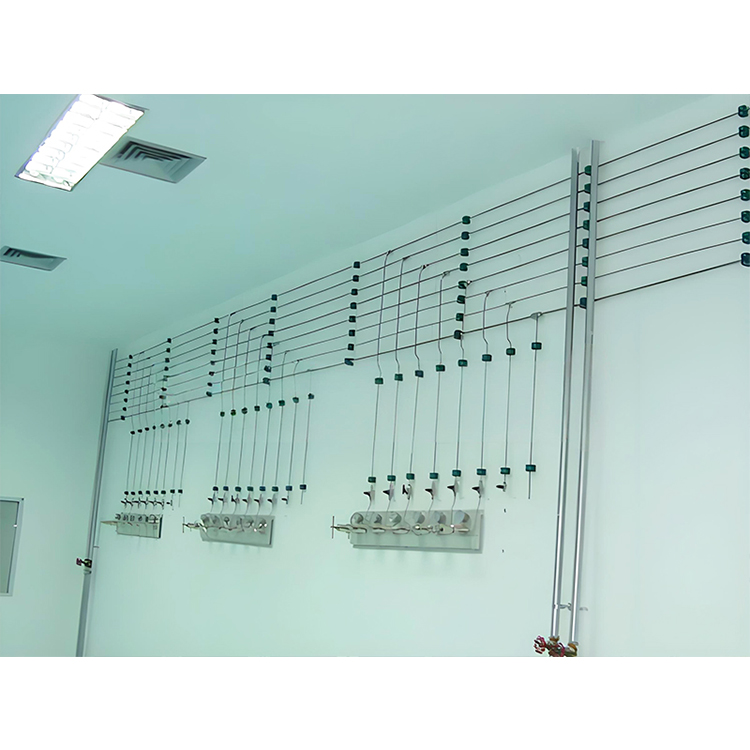
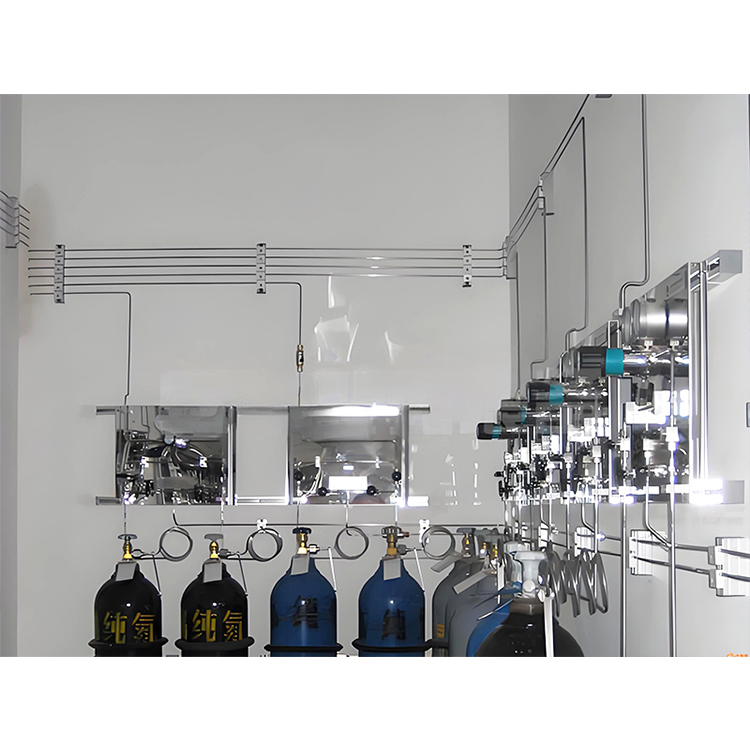
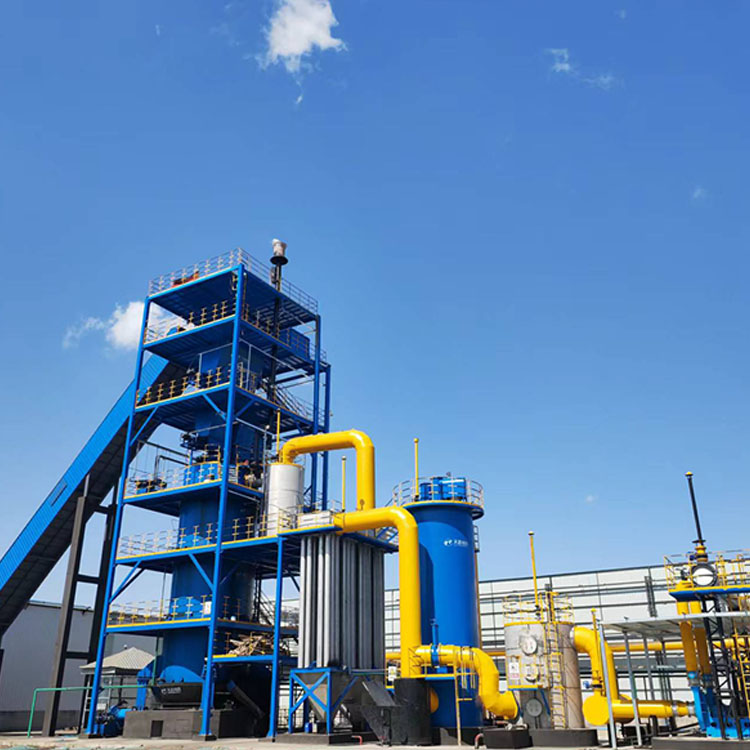





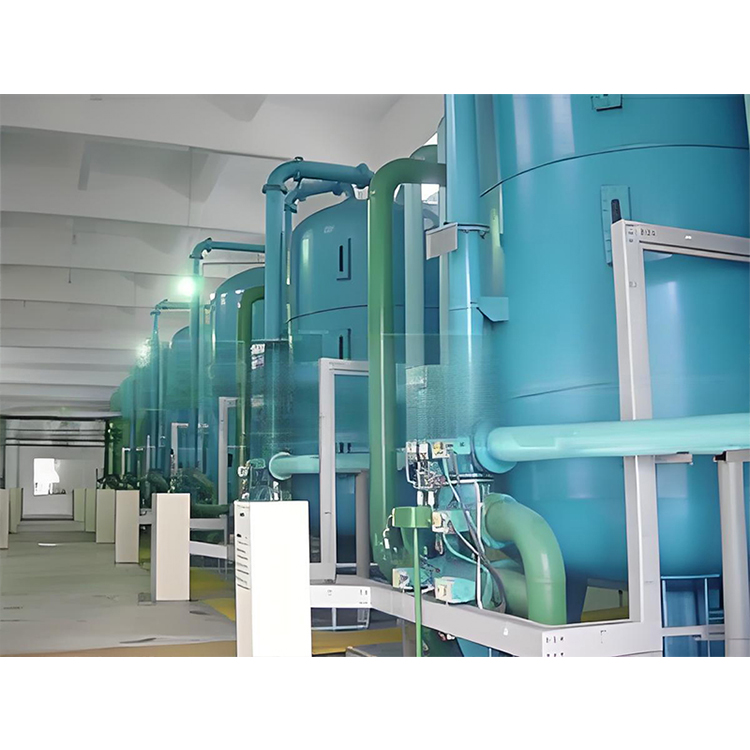
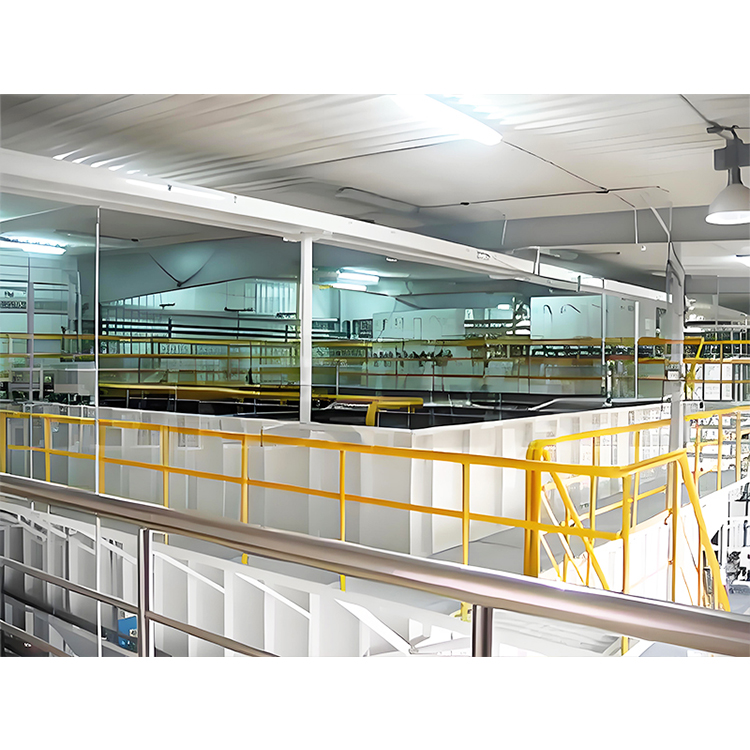
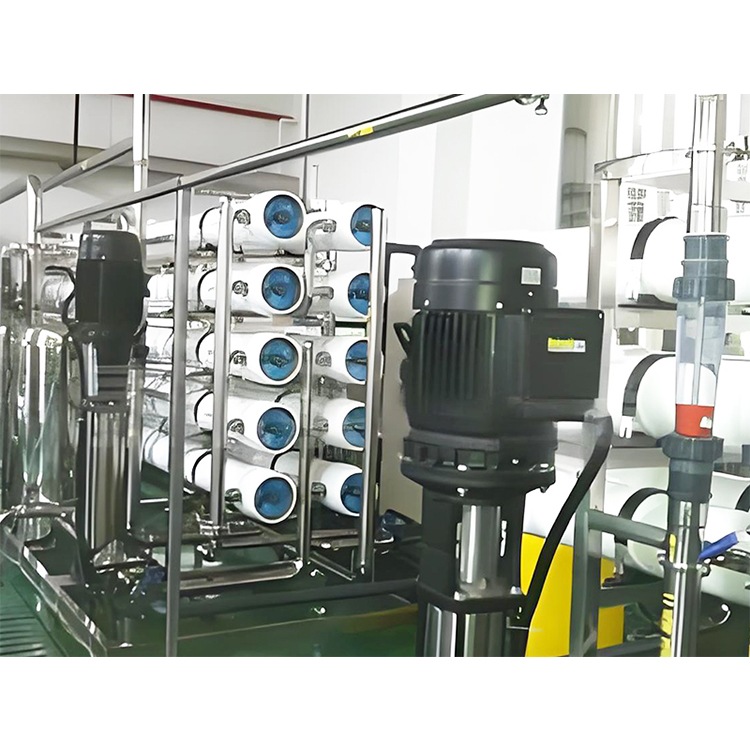
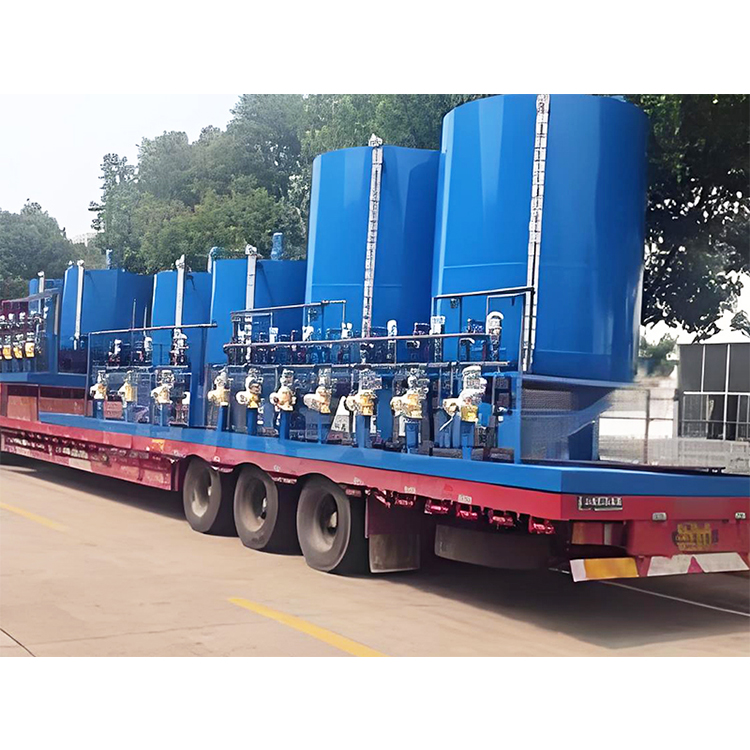
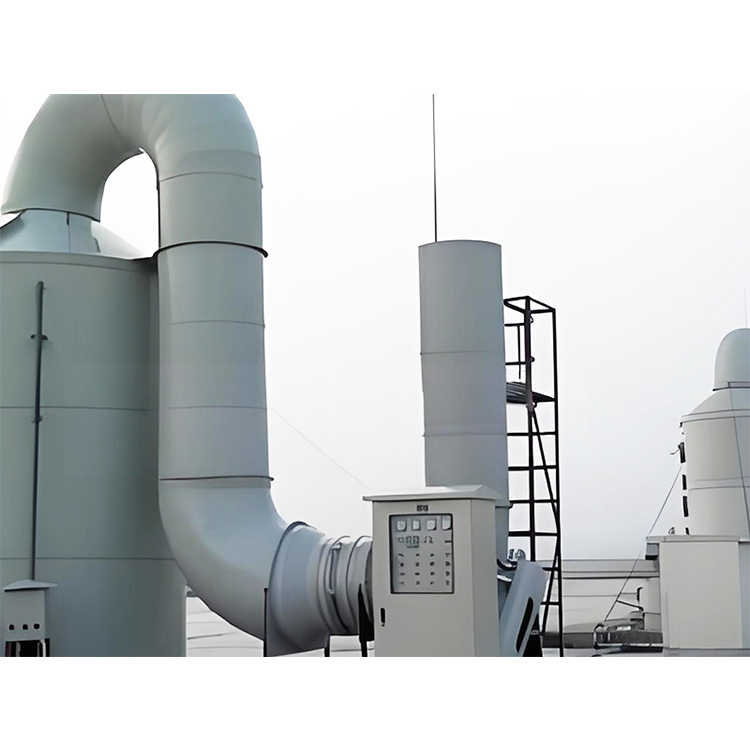
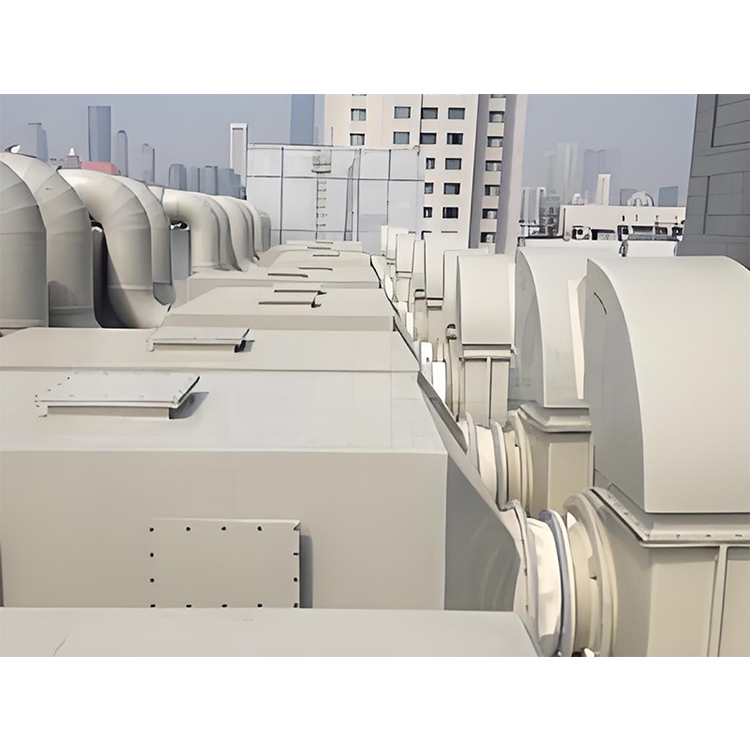
The laboratory gas supply system is a specialized pipeline system designed to provide stable, clean, and safe gases (such as carrier gas, fuel gas, assist gas, and inert gas, etc.) for various analytical instruments and experimental equipment in laboratories. Its design and construction directly impact experimental accuracy, equipment lifespan, and personnel safety, and is widely used in fields such as chemical analysis, biopharmaceuticals, materials science, and environmental testing.
Key Design and Construction Standards
The laboratory gas supply system must comply with strict industry standards (such as the "Code for Design of Laboratory Gas Supply Systems" GB 50, relevant gas supply standards, ISO 10462-1), with the core standards as follows:
Pipe Design Standards
Material Selection: Use 316L stainless steel tubes (with polished inner walls and roughness Ra≤0.8μm) for inert and flammable gases; use (PTFE) tubes for corrosive gases; and copper tubes for low-pressure gases (such as compressed air).
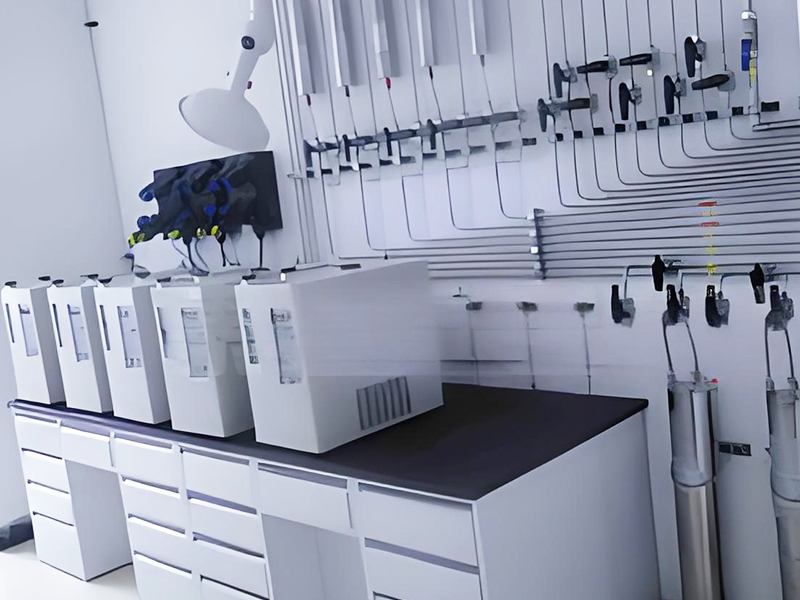
Pipe layout:
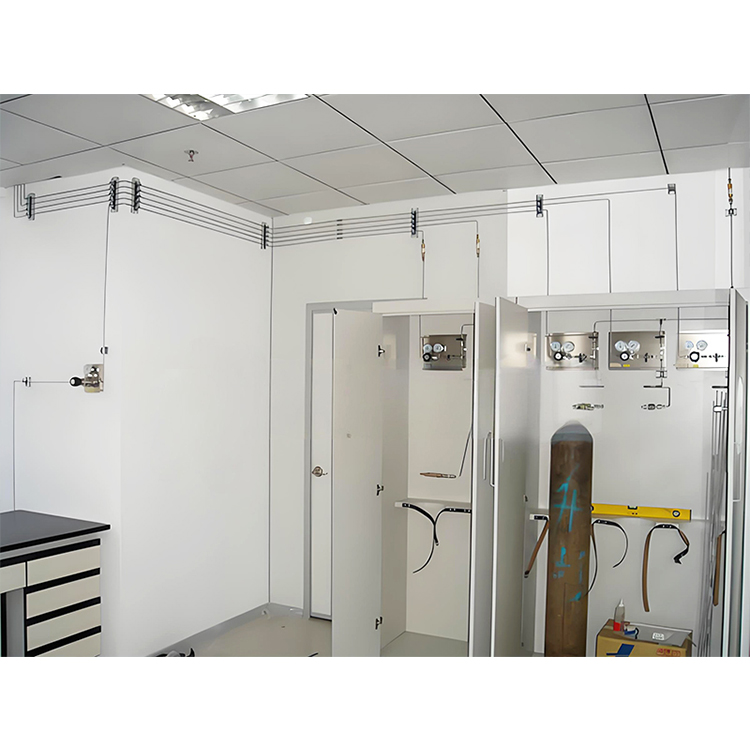
Pipe must be installed along walls or ceilings, avoiding crossing over experimental tables and corridors. Use large-radius elbows at turns (to reduce air flow resistance).
Hazardous/gas pipes that are flammable must not be buried underground; they must be installed visibly with clear identification (e.g., yellow marking for gas pipes, red marking for oxygen pipes).
Pressure and Flow Control: Each gas terminal must be equipped with a secondary pressure reducing valve, and the flow meter accuracy must be ≥1.5 class.
2. Safety Design Standards
Leak Detection: Gas sensors (e.g., with detection limits ≤1% LEL, ≤25ppm) must be installed in toxic/flammable gas areas, connected to emergency shut-off valves to cut off the gas source within 10 seconds in the event of a leak.
Explosion-proof and ventilation:
Flammable gas storage areas (cylinder rooms) must use explosion-proof lighting and switches, and anti-static rubber flooring must be laid on the ground.
Each gas terminal must be equipped with a universal exhaust hood (airflow ≥120 m³/h), and experiments with toxic gases must be conducted within a fume hood.
Steel Cylinder Management:
Cylinders must be securely mounted on a dedicated bracket or wall mount (to prevent tipping), with a minimum distance of ≥1.5m between different types of cylinders (e.g., oxygen cylinders must not be stored in the same room).
Steel cylinder pressure regulators must be "one bottle, one regulator," and strictly prohibited from being mixed (e.g., pressure regulators should not be used for nitrogen).