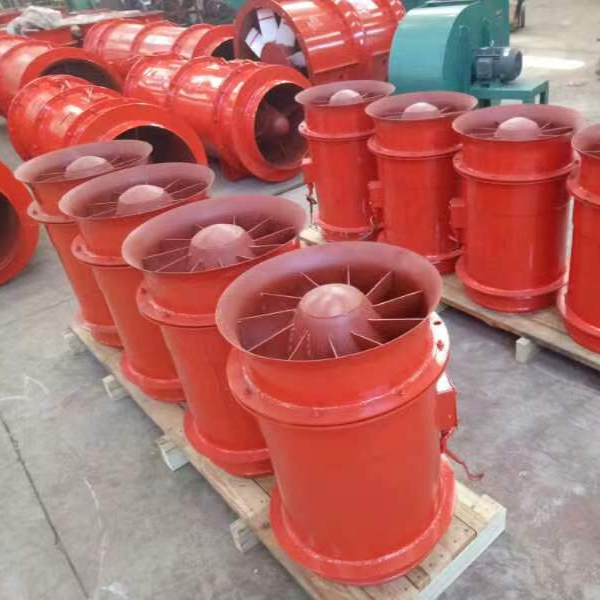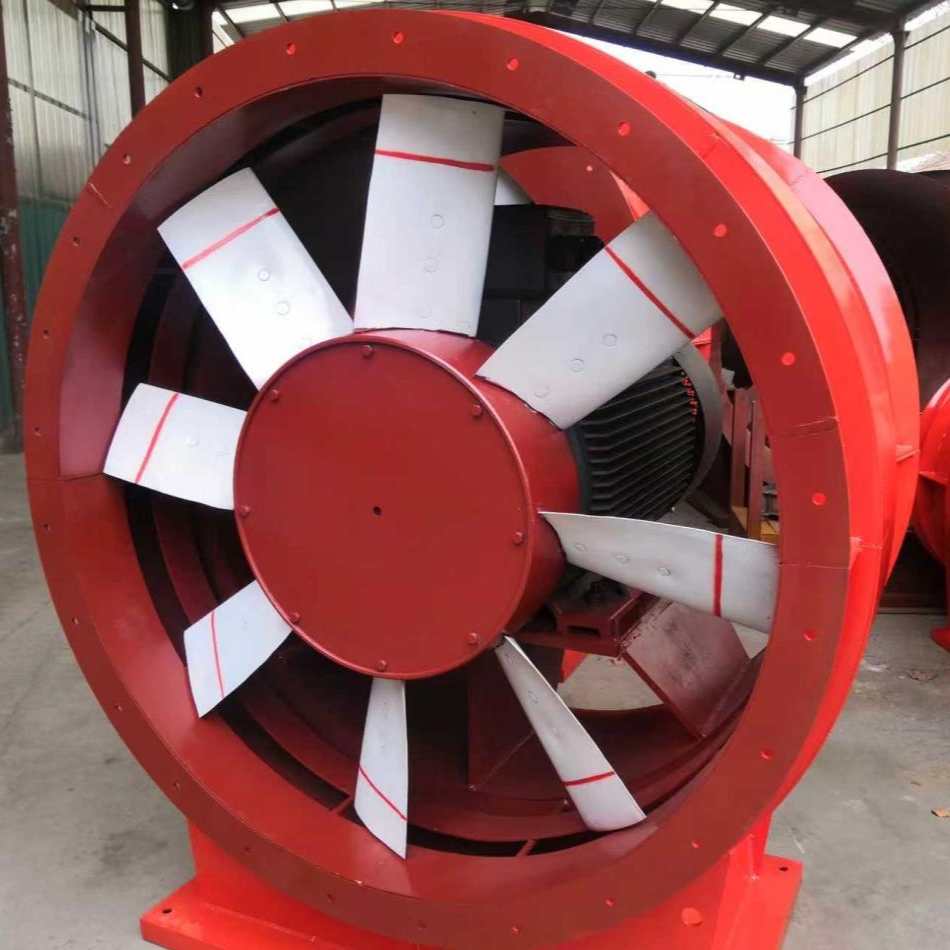

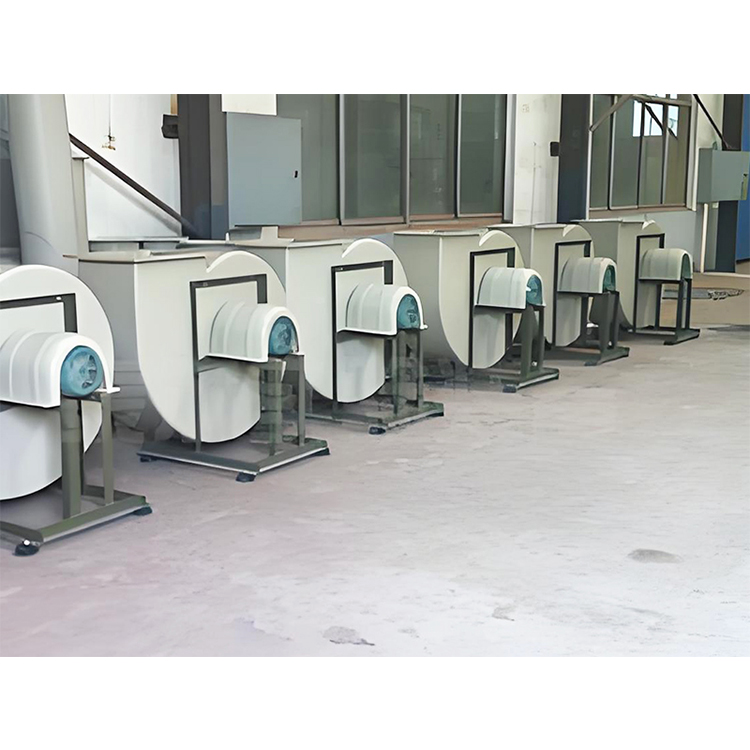


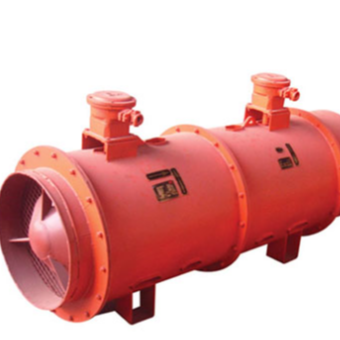
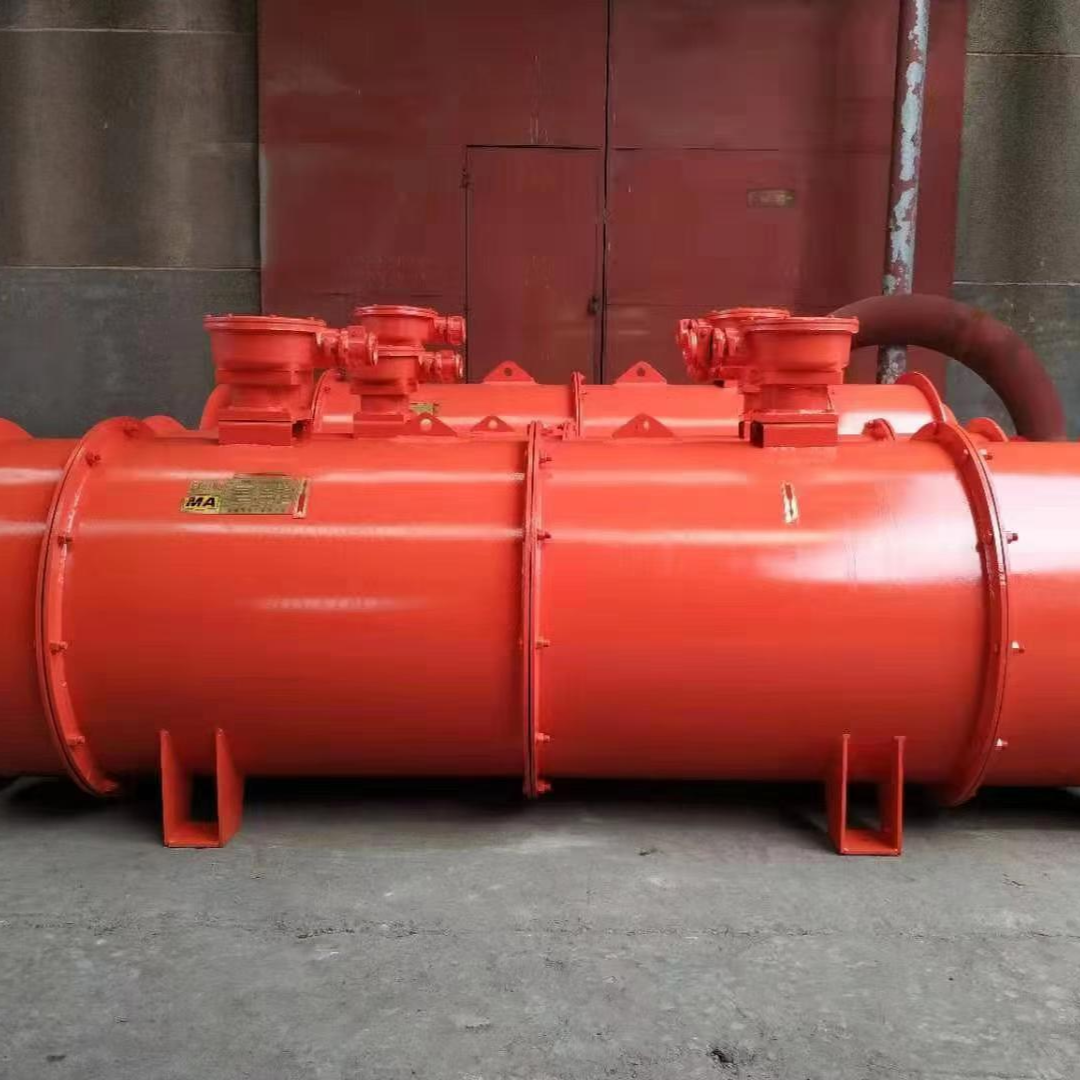
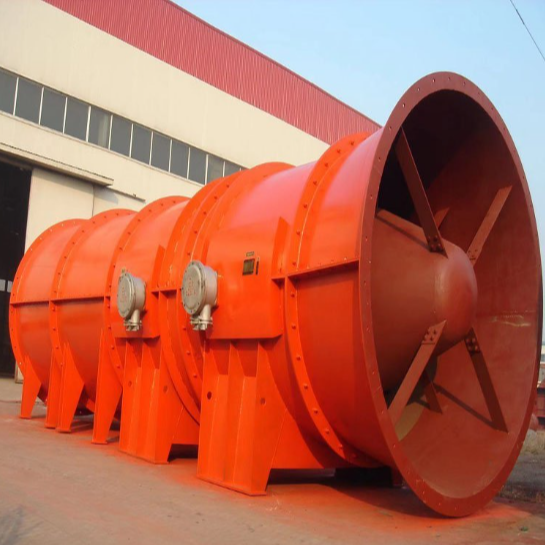





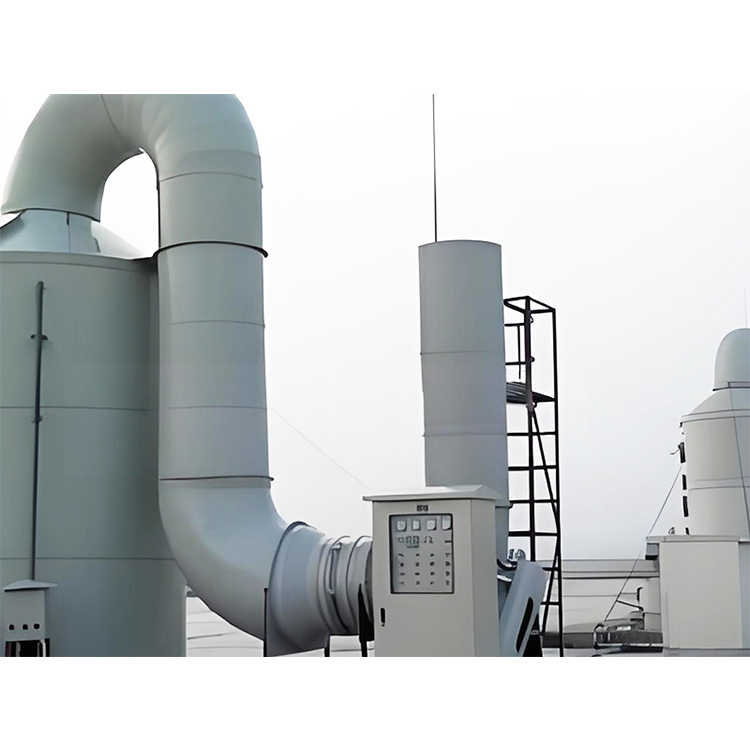
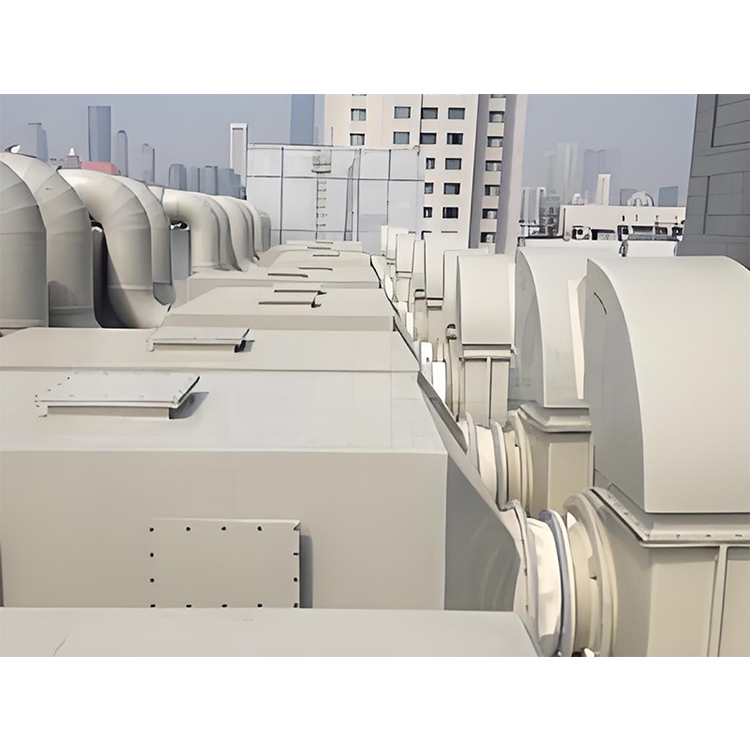
In the laboratory ventilation system, the fan is the core power equipment, responsible for providing "negative pressure suction" to terminal exhaust devices such as fume hoods, atomic suction罩, and multi-directional exhaust hoods. It extracts harmful gases (such as acid mist, volatile organic solvent vapors) and dust generated during the experiment from the laboratory interior and discharges them through exhaust ducts to the outdoors (or after treatment to meet emission standards), serving as the "power core" for ensuring laboratory air quality and personnel safety.
Key Features of Lab Fans (Tailored for Laboratory Environment Needs)
Stable exhaust ventilation, ensuring safety
The laboratory fan must have "continuous operation stability" (most labs require 8-12 hours of continuous operation), with minimal fluctuations in air volume and pressure (e.g., fluctuations ≤ ±5%), to prevent the sudden drop in air volume from causing harmful gases to accumulate inside the lab (e.g., acid mist dispersion, exceeding the concentration of organic solvents).
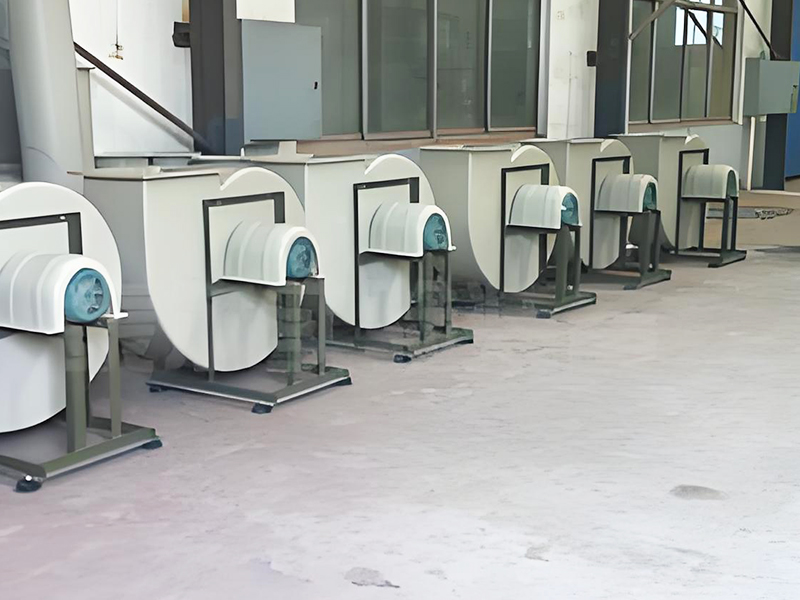
Corrosion-resistant and durable, suitable for chemical environments
For corrosive gases in chemical laboratories (such as sulfuric acid mist), corrosion-resistant fans (made of PP/FRP material) effectively resist material aging and impeller corrosion (regular steel fans may experience impeller rust and airflow reduction within 3-6 months when exposed to acid mist), with a service life of up to 5-8 years (regular steel fans last only 1-2 years in corrosive environments).
Adjustability, energy-saving and consumption reduction
Most laboratory fan kits include a variable frequency drive or an air volume control valve:
When only a portion of the terminal equipment is in operation (e.g., only 3 out of 10 fume hoods are running), the variable-frequency drive can reduce the motor speed to decrease the air exhaust volume (to avoid the energy waste of "a strong horse pulling a light cart").
Partial models support联动 with the "door height sensor" of fume hoods (e.g., when the fume hood door rises, the fan automatically increases air volume; when the door lowers, the fan decreases air volume), further enhancing energy saving (can reduce energy consumption by 20%-30%).
Safety protection, risk reduction
Motor with "Overload Protection" (automatically shuts off power when the motor is overloaded due to pipe blockage, preventing motor burnout).
Outdoor Fans (Roof / Floor-mounted) with "Rainproof Canopy" and "Lightning Grounding" (to prevent rain from entering the motor and lightning damage to the equipment).
Some models are equipped with a "backflow valve" (to prevent outdoor wind from reversing into the lab, especially during typhoons or strong wind conditions).