







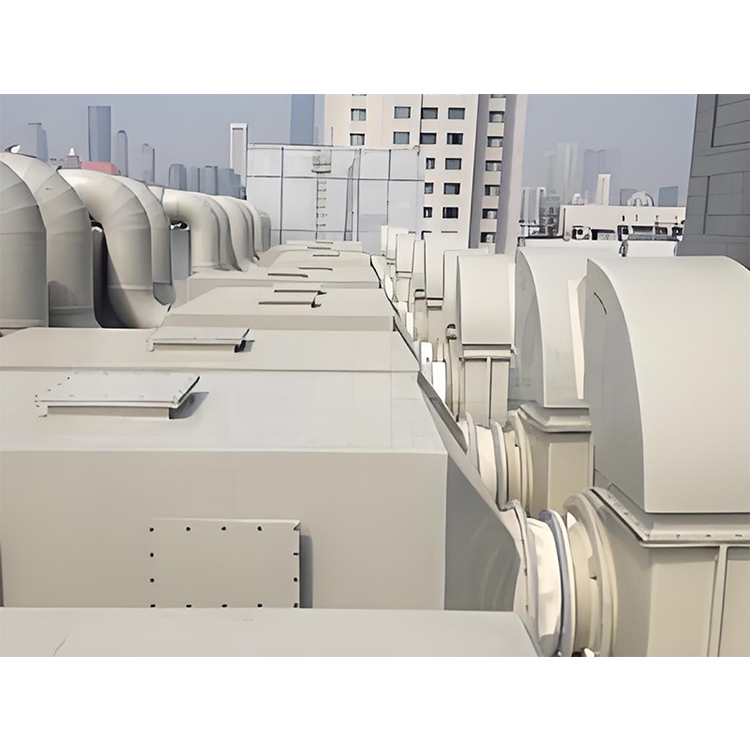
The steel-wood structure ventilation cabinet is a commonly used ventilation equipment in laboratories, primarily made of steel and wood. It combines the advantages of both materials, offering excellent stability, corrosion resistance, and practicality.
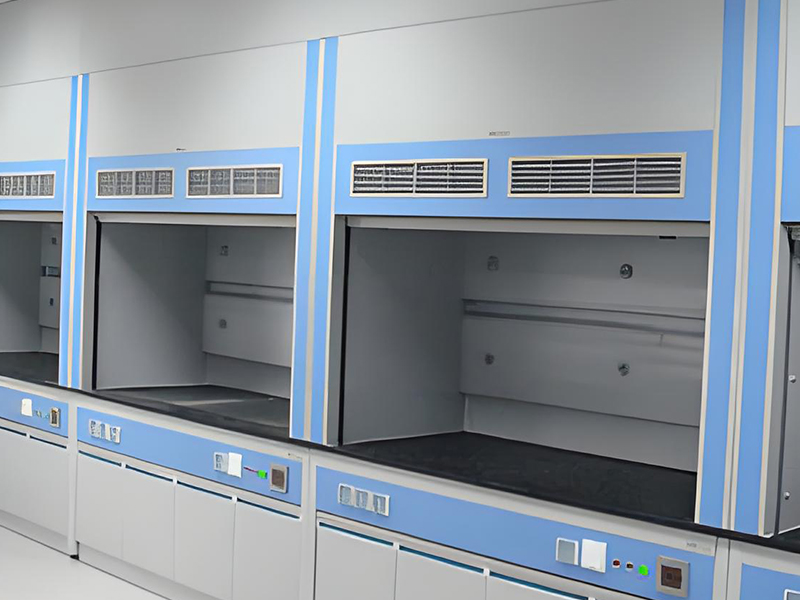
Structure and Material
Top Surface: Typically made of 12.7mm thick solid-core laboratory-grade chemical board, with the edges widened to 25.4mm. This surface boasts excellent corrosion resistance, capable of withstanding the erosion of strong acids, alkalis, and organic solvents. It also features impact resistance, high-temperature resistance (up to 200°C), waterproofing, antibacterial properties, antistatic characteristics, and is environmentally friendly and healthy.
Wooden Parts: The cabinet panels are made of 18mm thick MDF core melamine board, with tight and flat facing and edge parts. The edges are sealed with a 2mm thick waterproof process by an automatic edge banding machine. The bottom of the cabinet is equipped with kick plates, effectively preventing dampness and corrosion.
The steel frame is made of high-quality metal profiles with dimensions of 40×60×2 mm, welded into shape. The surface of the steel components has been treated with a pure epoxy resin powder and cured at high temperatures, resulting in a smooth and even finish with excellent rust and corrosion resistance.
Window: Generally equipped with 6mm thick professional explosion-proof glass, featuring seamless balanced and concealed structure design. The window is weighted for balance, allowing smooth up and down sliding and staying at any position. Additionally, an air grille is designed at the vertical closure point between the window and the work surface to prevent gas leakage.
Inner Lining and Diverter Plates: Equipped with imported 6mm thick white surface SOLIDPHENOLIC RESIN COMPOSITE LINER for acid and alkali-resistant ventilation cabinets. The installation position and angle ensure even exhaust distribution without dead spots. Some models also feature manually adjustable air volume ratio design to accommodate various experimental requirements.
Other accessories: Window handles are made of steel pull handles with epoxy powder coating; the lighting system uses explosion-proof fluorescent lamps, ensuring a brightness standard of no less than 450Lux on the work surface; power outlets are equipped with multi-functional six-hole outlets with overload protection switches; switches feature a touch design for easy and intuitive operation.