








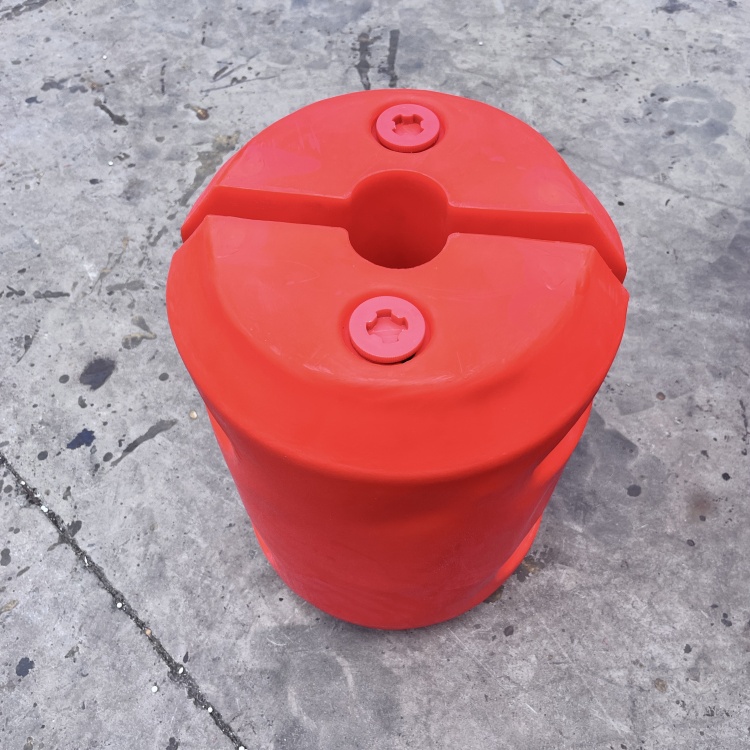
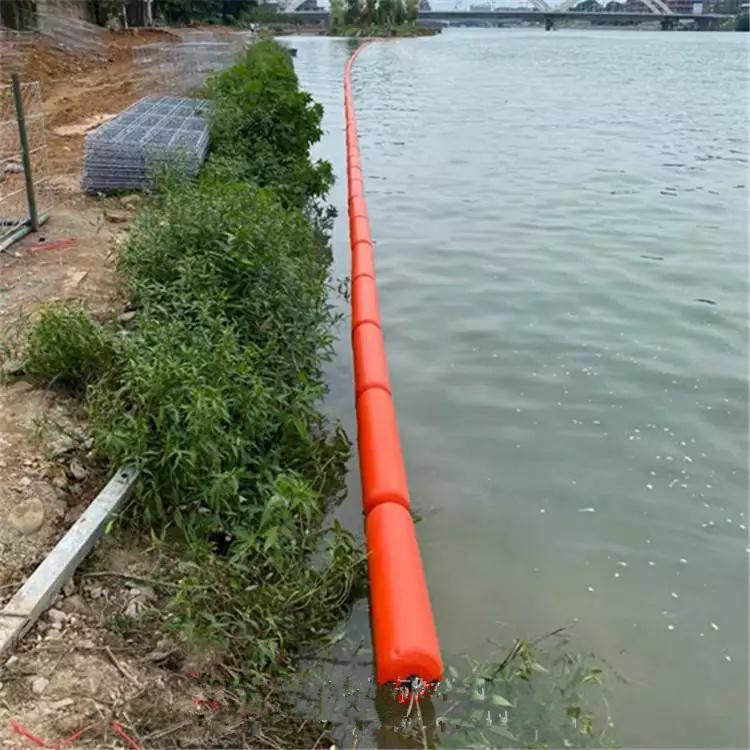
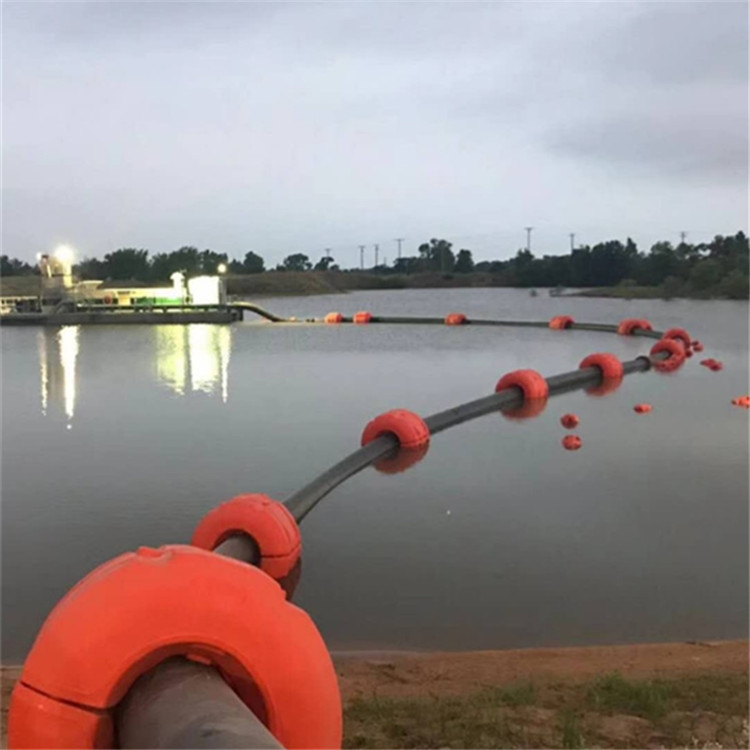
Channel navigation buoy, critical bend area mooring plastic buoy
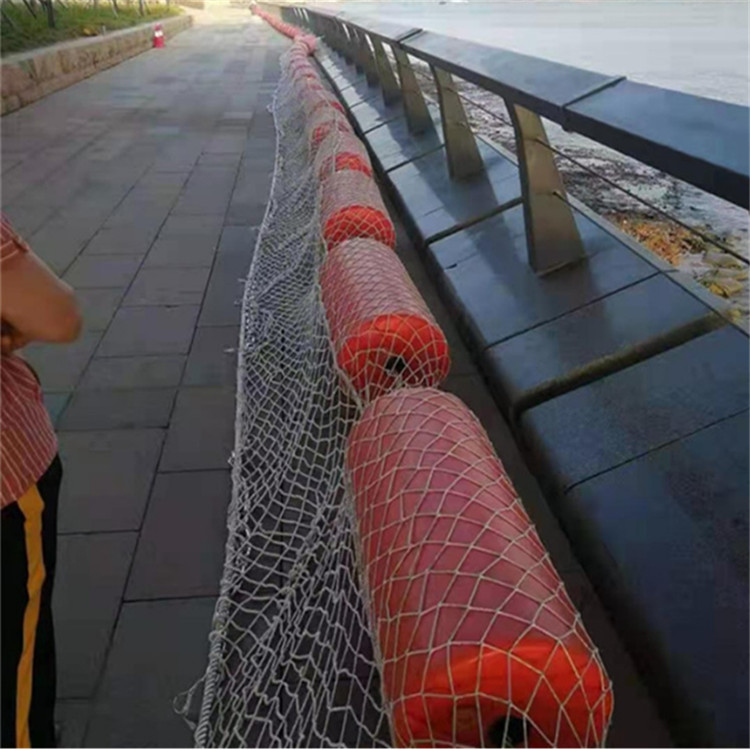
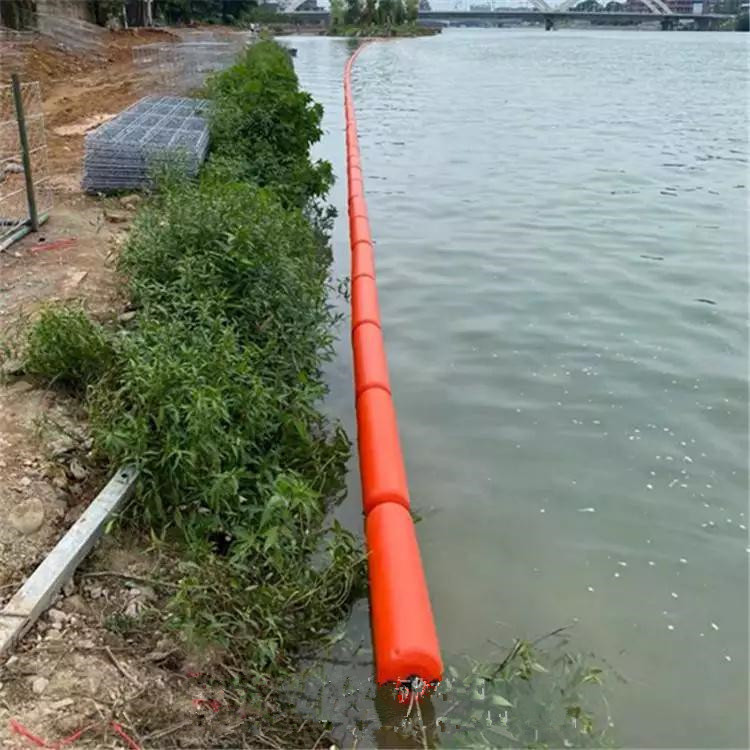
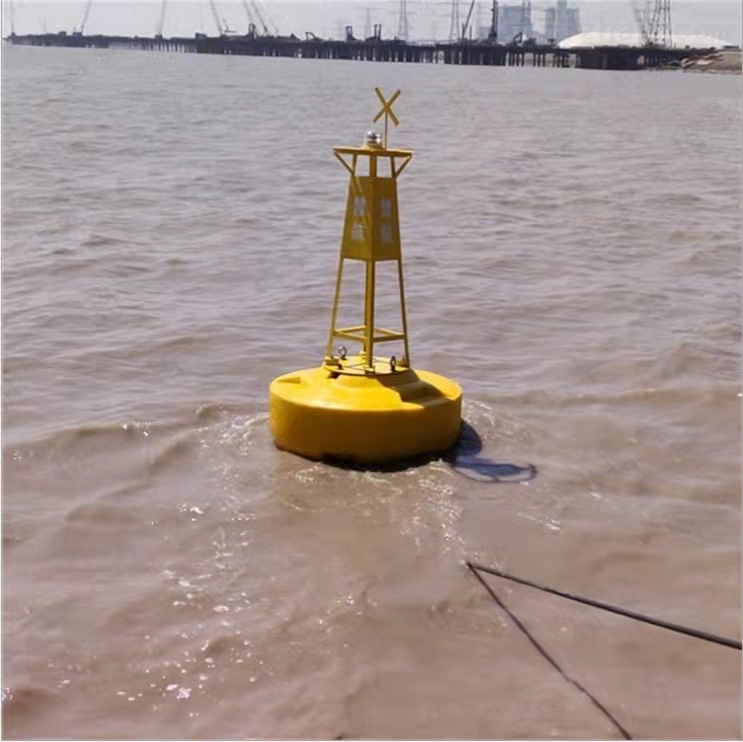
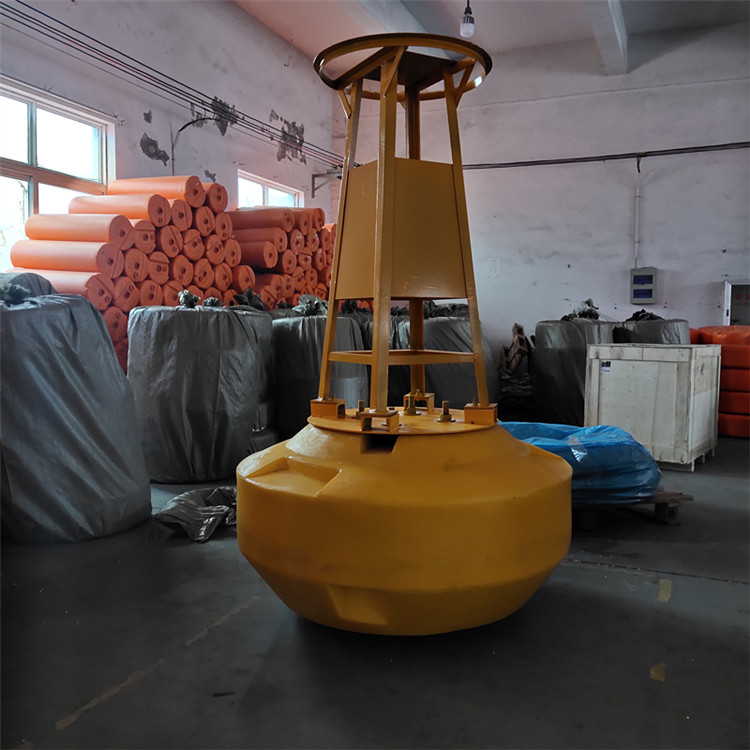
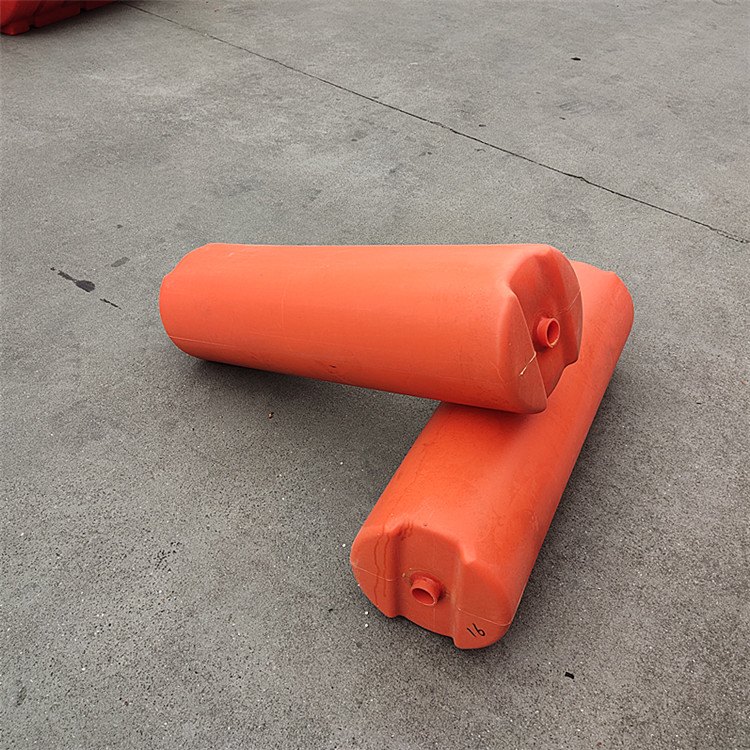
The installation and maintenance of the water surface aids to navigation are simple and convenient.*High-performance, efficient, wind-resistant, and hail-resistant, with energy-saving and environmentally friendly, economical and practical advantages. The floating buoy is made of polyethylene material, mainly consisting of the top mark or observation board, bracket, buoy (bulkhead), tail pipe, and balancing iron. It can be equipped with lights, reflectors, transponders, solar panels, and numbering display devices, and is attached with an anchoring device below. Channel BuoyBuoy Configuration | Standard buoy models are suitable for traffic, fishing, scientific research, oil exploration, marine development, and other departments to set buoy markers in the territorial seas and ports, as well as coastal inlets of China.
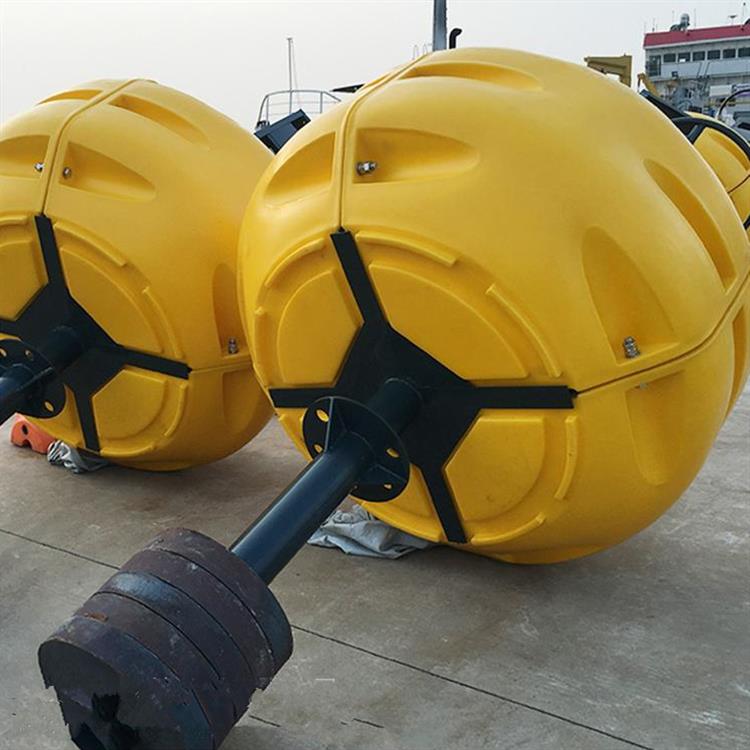
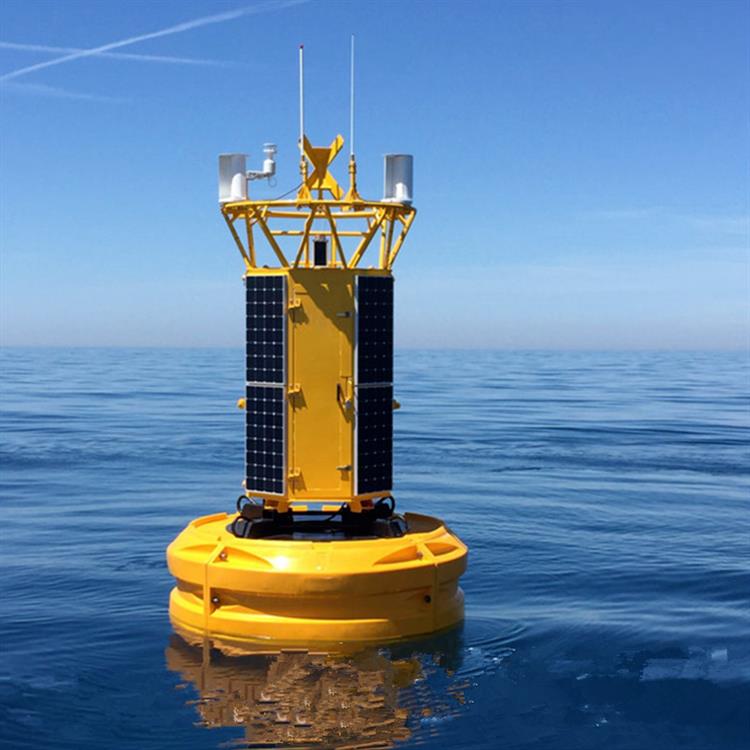
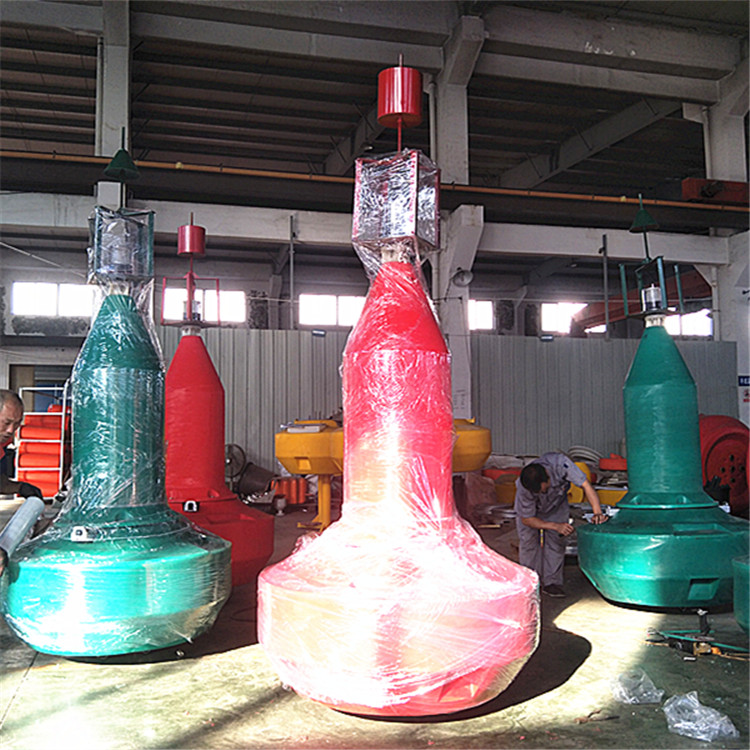
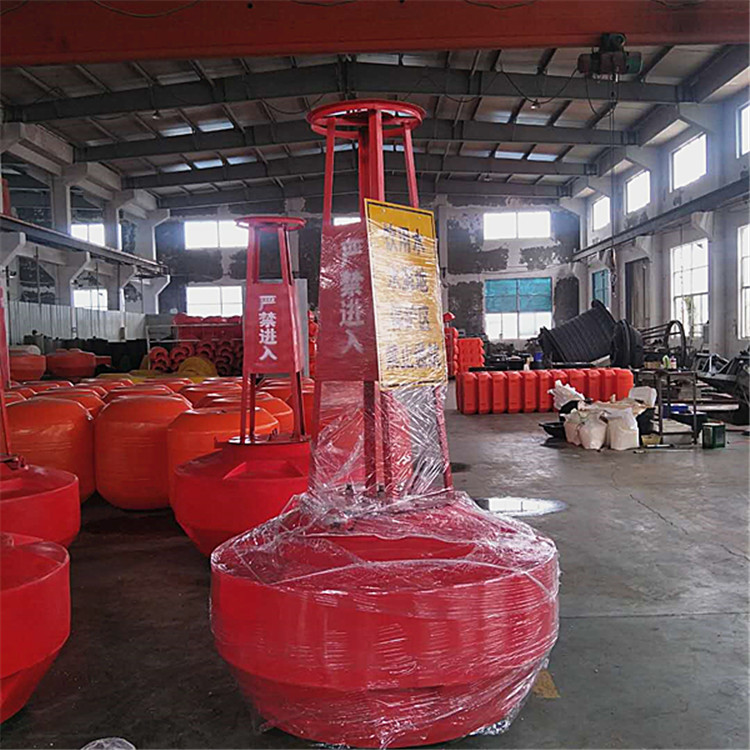
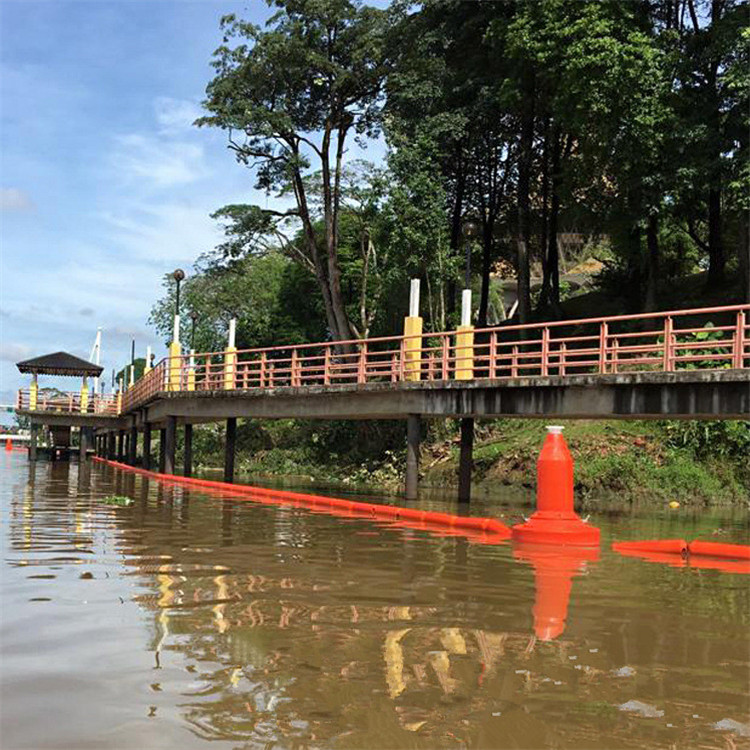
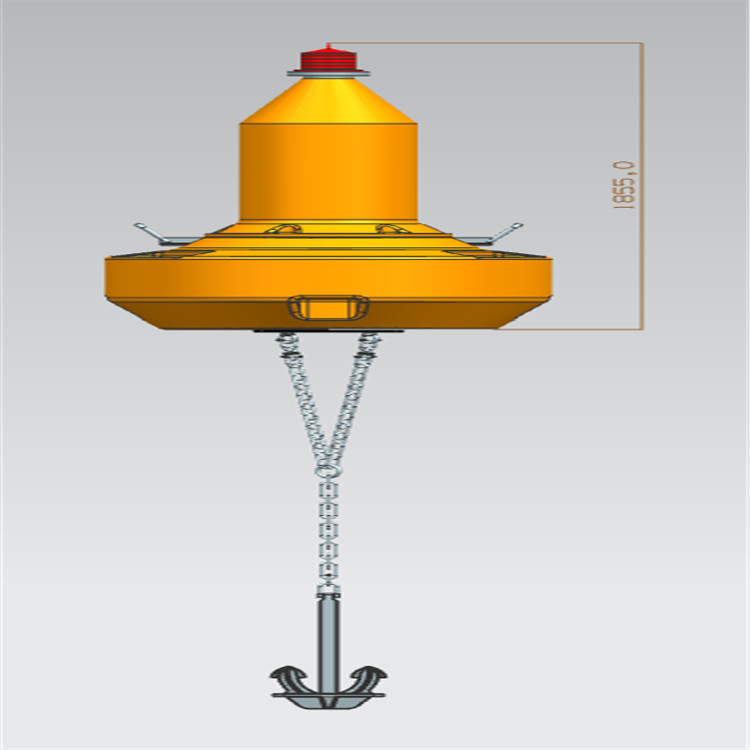
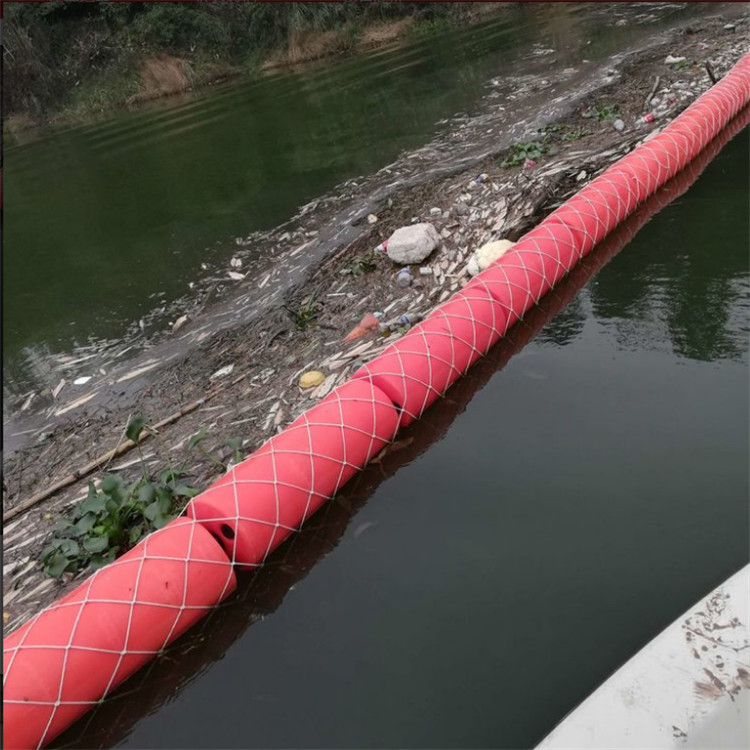
Buoys are commonly used for navigational aids on waterways, where they are assembled into a complete system consisting of an underwater anchor block, anchor chain, and floating buoy. This system is used to locate and isolate water surface vessels. The height of the floating navigation buoys can be customized according to the specific water usage environment.
Maritime buoys and inland waterway buoys are categorized by their placement: maritime buoys are set in navigable waters and their vicinity, used to indicate channels, anchorages, navigational hazards, shoals, and so on, or as markers for positioning and turning. They also serve to transmit signals, such as indicating water depth, forecasting weather conditions, and directing traffic in narrow waterways.